Real stories from seniors who’ve aged in place successfully reveal a practical truth: staying at home later in life is rarely the result of luck, but of planning, home modifications, care coordination, and daily habits that support safety, independence, and dignity. Aging in place means living in one’s own home and community as needs change with age, rather than moving immediately to assisted living or a nursing facility. In my work reviewing accessibility upgrades and elder support plans, the most successful aging in place strategies have always combined physical design, health management, social support, and honest conversations about risk. This matters because most older adults want to remain at home, yet homes are often built for younger bodies, not for reduced balance, arthritis, low vision, hearing loss, or memory changes. A strong hub page on aging in place strategies should therefore answer the key questions families ask: what changes make the biggest difference, what do real seniors actually do, how much does it cost, and when does staying home stop being the safest option.
Consider the scale of the issue. The U.S. Centers for Disease Control and Prevention reports that falls are a leading cause of injury for older adults, and the National Institute on Aging consistently emphasizes home safety, medication management, and social connection as pillars of healthy aging. Those broad recommendations become more useful when tied to lived examples. Across dozens of home assessments, the pattern is clear: successful aging in place is not a single product or service. It is a system. It may include grab bars, a zero-threshold shower, brighter lighting, a stair lift, telehealth, pill organizers, transportation planning, and regular check-ins from family, neighbors, or paid caregivers. It also includes legal and financial preparation, because the home can only remain workable if maintenance, insurance, and future care costs are addressed before a crisis. The stories below illustrate how seniors preserve autonomy by making targeted changes early, then revisiting the plan as health and mobility evolve over time.
What successful aging in place looks like in real life
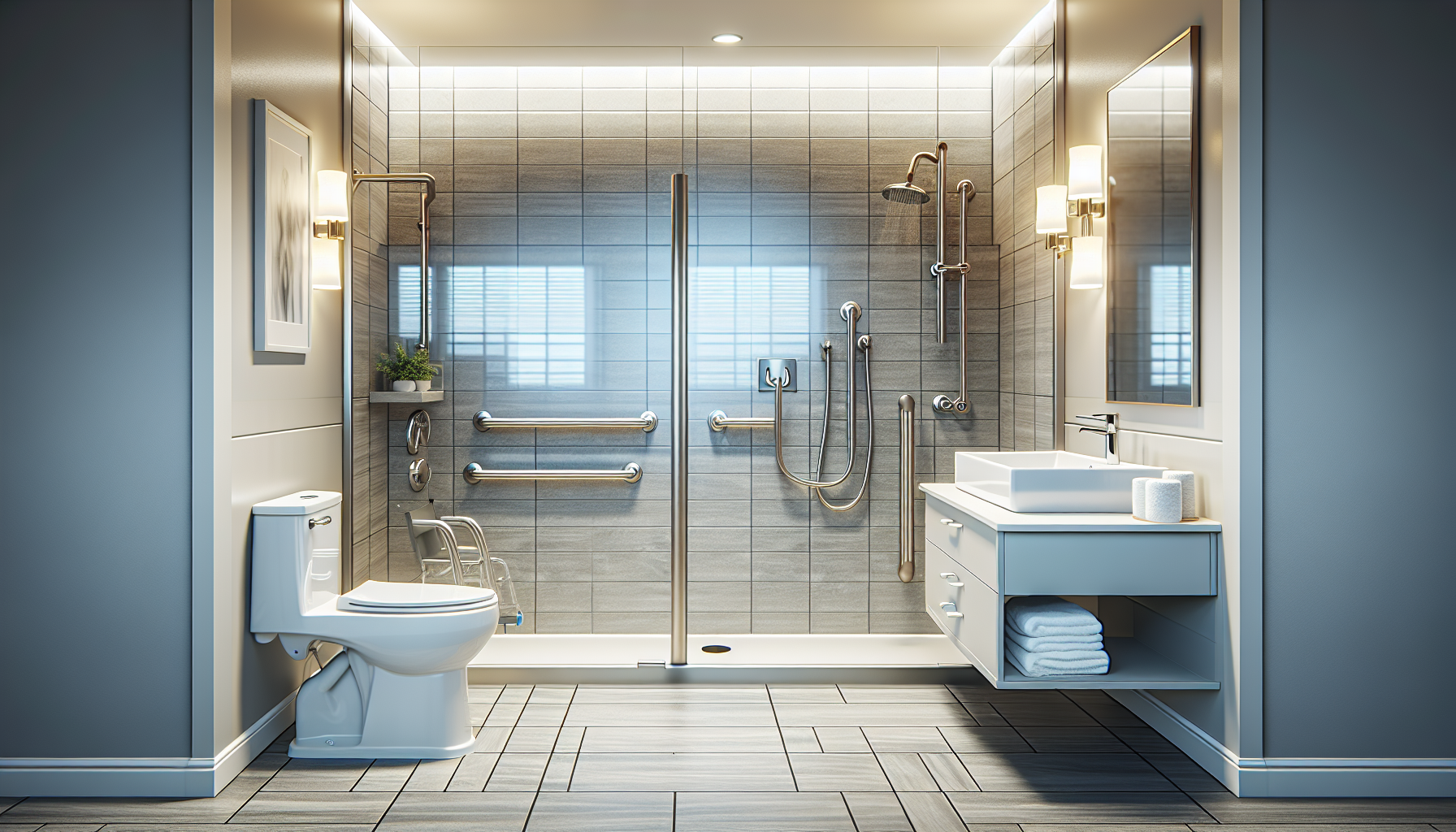
Margaret, age seventy-eight, lives in the same ranch house she bought with her husband in the 1980s. After a minor fall reaching into a bathtub, she did not wait for a serious injury. She replaced the tub with a curbless shower, added slip-resistant tile, installed a handheld showerhead, and placed grab bars anchored into wall blocking rather than suction cups. She also widened the bathroom doorway for walker clearance and changed round doorknobs to lever handles. None of those changes felt dramatic to her, but together they removed the daily friction that makes a home unsafe. Her strategy worked because she acted after an early warning sign, not after a hospitalization. Today she still cooks, gardens, and hosts her grandchildren, but she does so in an environment that matches her current balance and strength.
James, an eighty-two-year-old retired mechanic, shows another side of aging in place strategies: preserving routines by reducing physical strain. His challenge was not one catastrophic event but progressive knee osteoarthritis. He had been sleeping upstairs and avoiding laundry because the basement stairs had become painful and unpredictable. Instead of insisting on using the home exactly as before, he converted a den on the first floor into a bedroom, moved laundry to a stacked unit near the kitchen, and installed railings on both sides of the front steps. He also worked with a physical therapist on gait training and used a properly fitted cane rather than an undersized one from a pharmacy rack. The lesson from James is simple and important. Aging in place often succeeds when people redesign the way they use their house, not only the structure itself.
Elena, seventy-five, remained independent after her husband died because she built a support network with intention. She no longer drives at night, so she schedules grocery delivery, uses paratransit for medical visits, and attends church through a mix of in-person rides and livestreams. Her daughter lives two states away, but they share a digital calendar for appointments, medication refills, and maintenance tasks. Elena’s home is safer because her life is organized. She has a smart doorbell, motion-sensor entry lighting, and a lockbox for emergency access. More importantly, she has human contact: a neighbor checks in on Mondays, a cousin calls on Wednesdays, and a volunteer group helps with heavy yard work. Her story demonstrates that successful aging in place is as much about dependable relationships as ramps and grab bars.
Core home modifications that prevent injuries and protect independence
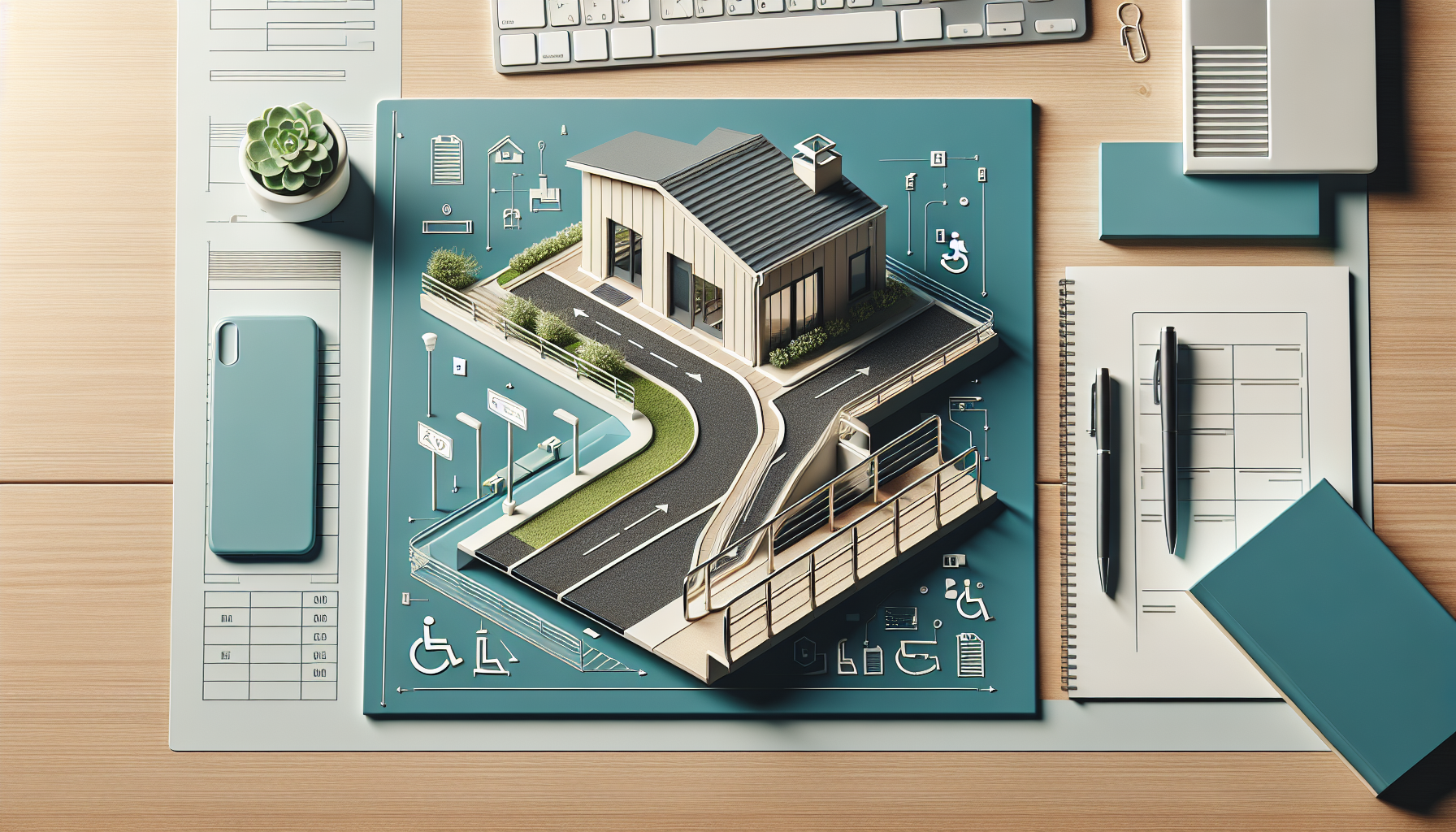
The most effective home modifications address the places where older adults face the highest risk: entrances, bathrooms, stairs, kitchens, and circulation routes. Start at the entrance. A no-step entry, sturdy handrails, non-slip surfaces, and adequate exterior lighting reduce fall risk immediately. Inside, flooring should be stable and low glare. Thick rugs, loose runners, and abrupt threshold changes create tripping hazards, especially for anyone using a walker. In bathrooms, fixed grab bars near the toilet and shower are high-value upgrades, as are comfort-height toilets and shower seating. In kitchens, aging in place strategies often include pull-out shelves, D-shaped cabinet pulls, induction cooktops with automatic shutoff, and improved task lighting under cabinets.
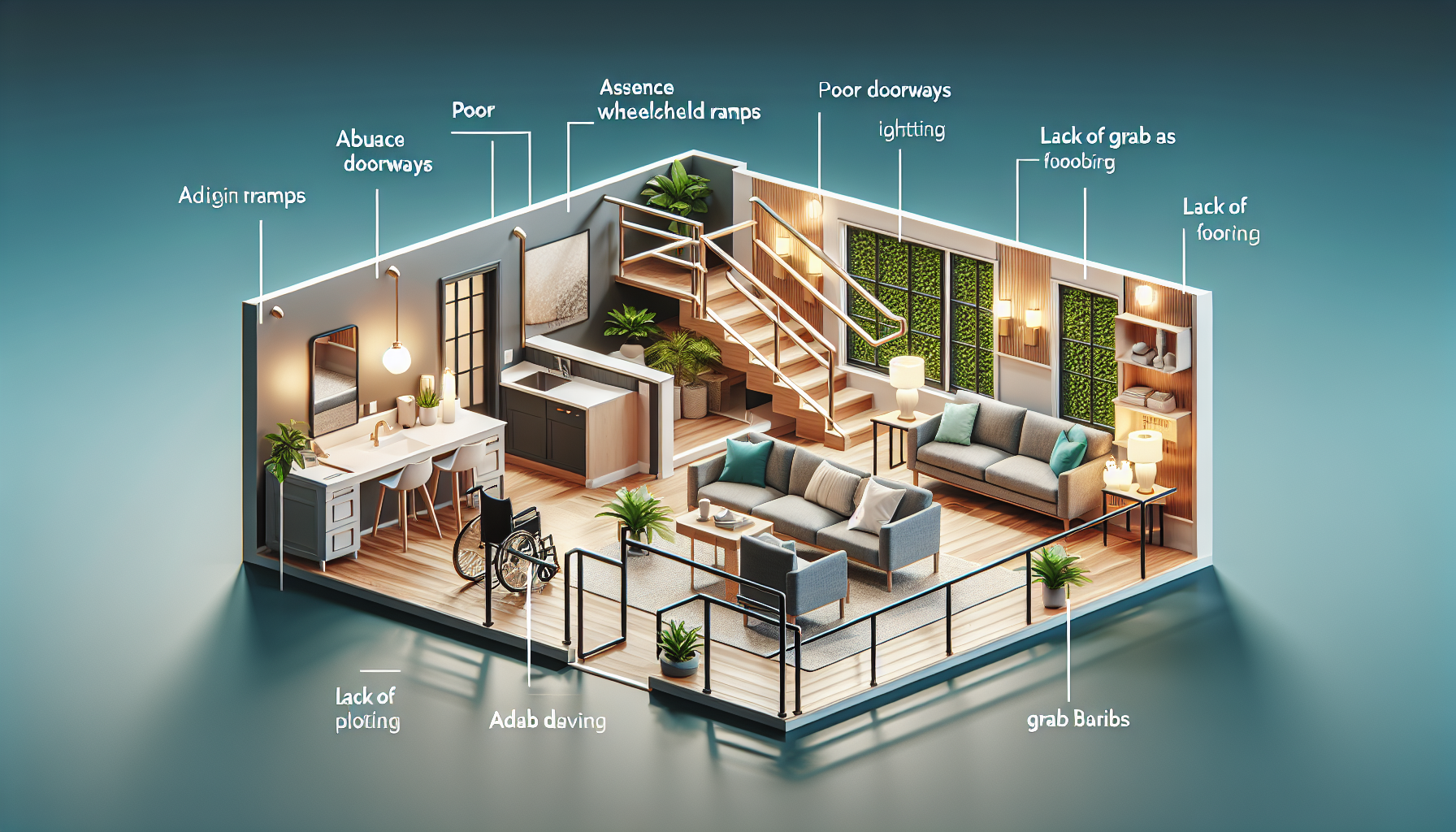
One of the biggest mistakes I see is piecemeal purchasing without a whole-home assessment. Families buy a shower chair but ignore the dim hallway leading to the bathroom. They install one rail on basement stairs when two would improve stability much more. They add a ramp with too-steep a slope, making it tiring and unsafe. Good aging in place planning follows recognized accessibility principles and local building codes. Occupational therapists can recommend function-based changes tied to actual daily tasks, while certified aging-in-place specialists and experienced contractors can translate those needs into durable installations. The goal is not to make a home look institutional. The goal is to remove hazards while preserving normal life.
| Home area | Common risk | Effective modification | Why it works |
|---|---|---|---|
| Front entry | Falls on steps | No-step entrance, handrails, brighter lighting | Improves balance support and visibility during arrival |
| Bathroom | Slips during bathing and toileting | Grab bars, curbless shower, non-slip flooring | Reduces transfer risk in the highest-injury room |
| Stairs | Loss of balance, fatigue | Dual handrails, contrasting tread edges, stair lift when needed | Supports safer ascent and descent or bypasses stairs |
| Kitchen | Overreaching, burns, clutter | Pull-out shelves, lever faucet, induction cooktop | Keeps tasks within reach and lowers injury risk |
| Bedroom | Nighttime falls | Bedside lighting, clear path, proper bed height | Makes transfers and bathroom trips safer |
Health routines, technology, and caregiving systems that make the plan sustainable
A safer home is only one part of aging in place strategies. Seniors who remain at home successfully usually maintain strong health routines. That means medication reconciliation after every doctor visit, annual vision and hearing checks, regular strength and balance exercise, and a plan for chronic conditions such as diabetes, heart failure, or COPD. Ruth, age eighty, managed to stay home after a heart failure diagnosis because she and her son simplified her routines. They used a weekly pill dispenser, an automatic blood pressure cuff, a digital scale to monitor fluid retention, and a notebook for symptoms. Her clinician adjusted medications faster because the data was organized. This is what sustainable independence looks like: not doing everything alone, but putting systems in place that reduce preventable setbacks.
Technology can support independence, but it must match the user. Medical alert devices with fall detection help some seniors, while others benefit more from simple voice assistants that set medication reminders, control lights, or place hands-free calls. Smart thermostats can prevent unsafe heat or cold exposure. Video doorbells improve security without requiring a person to hurry to the door. Remote patient monitoring may help after hospitalization, especially when paired with nurse follow-up. However, not every tool is worth buying. Devices fail when batteries die, Wi-Fi drops, screens are confusing, or privacy concerns are ignored. The best technology for aging in place is usually the simplest system the senior will actually use every day.
Caregiving systems matter just as much. Family caregivers often assume they can improvise, but successful aging in place depends on defined roles. Who handles transportation? Who tracks prescriptions? Who notices cognitive changes? Who is the backup if the primary caregiver gets sick? Leonard, seventy-nine, lives alone with mild memory impairment, and his success comes from structure. His niece oversees bill pay, a home care aide visits three mornings a week, meals are labeled by day, and his pharmacist provides blister packs to reduce medication errors. Because everyone understands the plan, Leonard has remained home safely longer than his family once thought possible. Clear systems protect both the senior and the caregiver from burnout.
Money, legal planning, and the decision points families should not avoid
Financial and legal planning often determine whether aging in place is realistic. A house may be emotionally priceless, but if it requires constant repairs, has inaccessible bathrooms, and sits far from healthcare, the costs can escalate fast. Families should compare the price of modifications, in-home support, transportation, property taxes, utilities, and maintenance against other housing options. In many cases, targeted upgrades cost far less than a move, especially when they prevent hospitalizations or delay residential care. Yet there are tradeoffs. A stair lift solves one problem, but not social isolation. A home health aide helps with bathing, but not roof replacement. Good planning means looking at the full picture instead of focusing on one urgent expense.
Legal documents are equally important. Every senior aging in place should review powers of attorney for healthcare and finances, advance directives, emergency contact lists, medication lists, and access to key records. I have seen avoidable crises when adult children could not pay bills, authorize care, or speak with clinicians because nothing was prepared. It is also wise to review home insurance, long-term care coverage if available, and eligibility for local programs such as Area Agency on Aging services, weatherization assistance, transportation vouchers, or property tax relief. Veterans may qualify for additional support through the Department of Veterans Affairs, depending on service history and care needs.
Families also need honest decision points. Aging in place is a strategy, not a promise that someone will remain home no matter what. Repeated falls, wandering, unsafe stove use, untreated depression, or caregiver exhaustion are signs the plan must change. The best outcomes happen when families define thresholds in advance. For example, after two emergency room visits in six months, they may reassess care levels. After a diagnosis of moderate dementia, they may add supervision or explore memory care. Planning for change is not failure. It is responsible care that respects safety as much as independence.
How to build an aging in place plan that lasts
The seniors who age in place successfully share a common mindset: they treat independence as something to maintain deliberately. Start with a room-by-room safety review, then prioritize modifications with the highest impact on fall prevention and daily function. Add a healthcare routine that includes medication management, exercise, and regular screening. Build a support map with family, neighbors, clinicians, transportation options, and paid help if needed. Review finances and legal documents before a crisis forces rushed decisions. Most important, revisit the plan every six to twelve months, because aging in place strategies must evolve with health, mobility, and cognition.
Real stories from seniors who have done this well show that the goal is not simply staying in the same house. The real goal is preserving control, comfort, and connection in an environment that remains safe. Some people achieve that with modest updates and family support. Others need major renovations, home care, or eventually a move to a more accessible setting. What matters is making informed choices early and adjusting them as life changes. If you are planning for yourself or helping a parent, begin now with one concrete step: schedule a home safety assessment and turn good intentions into a workable aging in place plan.
Frequently Asked Questions
What do seniors who age in place successfully usually have in common?
Seniors who remain at home successfully over the long term usually share one important trait: they treat independence as something that is actively supported, not something that simply happens on its own. In real-life stories, the common pattern is not perfect health or unlimited money. It is preparation. Many older adults who continue living at home safely have taken time to make practical home changes, build reliable routines, and accept support before a crisis forces major decisions. That may include installing grab bars, improving lighting, removing trip hazards, reorganizing storage so daily items are easier to reach, or planning transportation ahead of time.
Another shared factor is willingness to adapt. Seniors who age in place well often make adjustments early, rather than waiting until mobility, balance, memory, or stamina become serious concerns. They may switch to a bedroom on the first floor, use medication reminders, arrange grocery delivery, or coordinate regular check-ins with family, neighbors, or caregivers. These choices do not reduce independence; they protect it. The strongest aging-in-place stories usually reflect a mindset that values safety and dignity together. Instead of seeing support as a loss, these seniors view it as a tool that helps them stay in familiar surroundings, connected to their routines, community, and sense of self.
What home modifications make the biggest difference for aging in place?
The most effective home modifications are usually the ones that address everyday safety risks and improve ease of movement throughout the home. In many successful aging-in-place stories, bathrooms are one of the first places to update because they present a high risk of slips and falls. Walk-in showers, grab bars near the toilet and shower, non-slip flooring, shower seating, and handheld showerheads can make bathing much safer and less tiring. Better lighting is another high-impact improvement. Brighter bulbs, motion-sensor lights, and illuminated pathways to bathrooms or hallways can reduce nighttime falls and make the home feel more manageable.
Entryways and stairs are also major areas of concern. Railings on both sides of staircases, ramps or threshold adjustments at entrances, and sturdy, well-lit steps can help preserve mobility longer. Inside the home, simple changes such as removing loose rugs, widening pathways, lowering shelves, using lever-style door handles, and replacing round faucet knobs with easier-to-grip fixtures can significantly improve daily function. In some cases, larger changes like stair lifts, first-floor laundry, or converting a den into a bedroom become worthwhile investments.
What stands out in real stories is that successful modifications are rarely about making a home look clinical. They are about making the home usable, comfortable, and safer without stripping away familiarity. The best upgrades are tailored to the person’s actual routines, health conditions, and layout of the home. A thoughtful assessment of how someone cooks, bathes, sleeps, and moves through the day often reveals exactly which changes will provide the greatest benefit.
How important is care coordination when an older adult wants to stay at home?
Care coordination is often one of the most overlooked reasons some seniors age in place successfully while others struggle. Aging at home becomes much more realistic when medical care, personal support, transportation, and family communication work together instead of operating separately. In many real-world cases, the turning point is not a single service, but a coordinated plan. That plan may include regular primary care visits, medication management, physical or occupational therapy, help with meals or housekeeping, and clear communication between the older adult, relatives, and professionals involved in care.
Without coordination, even manageable health issues can become destabilizing. Missed appointments, duplicated medications, poor follow-up after a hospital stay, or confusion about who is responsible for what can quickly lead to avoidable setbacks. By contrast, seniors who do well at home often have someone helping organize the moving pieces. Sometimes that is an adult child, sometimes a geriatric care manager, and sometimes a trusted friend or neighbor backed by community services. The key is that someone is paying attention to the whole picture.
Strong care coordination also supports dignity. It helps an older adult maintain more control because decisions can be made proactively instead of during emergencies. If mobility changes, transportation can be adjusted. If memory problems begin, reminders and supervision can be added. If recovery after illness is slower than expected, temporary in-home help can be arranged. These layers of support often make the difference between staying home safely and facing an abrupt move that might have been delayed or avoided with better planning.
Can seniors age in place successfully if they live alone?
Yes, many seniors age in place successfully while living alone, but the strongest outcomes usually depend on having systems in place that reduce isolation and increase safety. Living alone does not automatically mean living without support. In fact, many successful stories involve older adults who remain in their own homes because they intentionally built a support network around them. That network may include family members, neighbors, friends, faith communities, home care aides, meal programs, transportation services, and technology such as medical alert systems or video check-ins.
The most important issue is not whether someone lives alone, but whether they can reliably manage daily life and get help quickly if something changes. Seniors living alone often benefit from consistent routines, fall-prevention measures, medication organization tools, and regular contact with others. Scheduled phone calls, shared calendars, wellness visits, and emergency response devices can all help create stability. For some, social engagement matters just as much as physical safety. Loneliness can affect mood, memory, appetite, and motivation, so successful aging in place often includes meaningful human connection, not just physical accommodations.
It is also important to reassess over time. A person may do very well alone for years and then need added support after a hospitalization, bereavement, or decline in vision or balance. The most successful examples are flexible. They recognize that aging in place is not a fixed status but an evolving arrangement. With honest planning and the right backup systems, living alone can remain both safe and deeply fulfilling for many older adults.
What daily habits help seniors stay independent at home longer?
The daily habits that support aging in place are often simple, but they have a powerful cumulative effect. In many successful stories, seniors maintain independence because they follow routines that protect strength, awareness, and consistency. Regular movement is one of the most important habits. That does not always mean formal exercise classes. It may be a daily walk, stretching, balance exercises, light strength training, or simply staying active with household tasks and hobbies. These habits help preserve mobility, reduce fall risk, and support confidence in navigating the home.
Medication management is another critical habit. Using pill organizers, reminder alarms, written schedules, or pharmacy packaging can prevent missed doses and confusion. Good nutrition and hydration also matter more than many people realize. Skipping meals, eating poorly, or becoming dehydrated can contribute to weakness, dizziness, and cognitive changes that make home life harder to manage. Seniors who do well at home often have easy meal routines, stocked essentials, and systems that reduce the effort required for cooking.
Successful aging in place also depends on habits related to awareness and planning. That includes wearing supportive footwear, keeping walkways clear, turning on lights before moving around at night, attending medical appointments, and speaking up early when a task starts to feel difficult. Perhaps most importantly, seniors who remain at home successfully tend to be realistic. They do not ignore warning signs. They adjust routines, accept help where needed, and focus on preserving quality of life. Those everyday choices, repeated over time, are what allow independence, safety, and dignity to last longer.