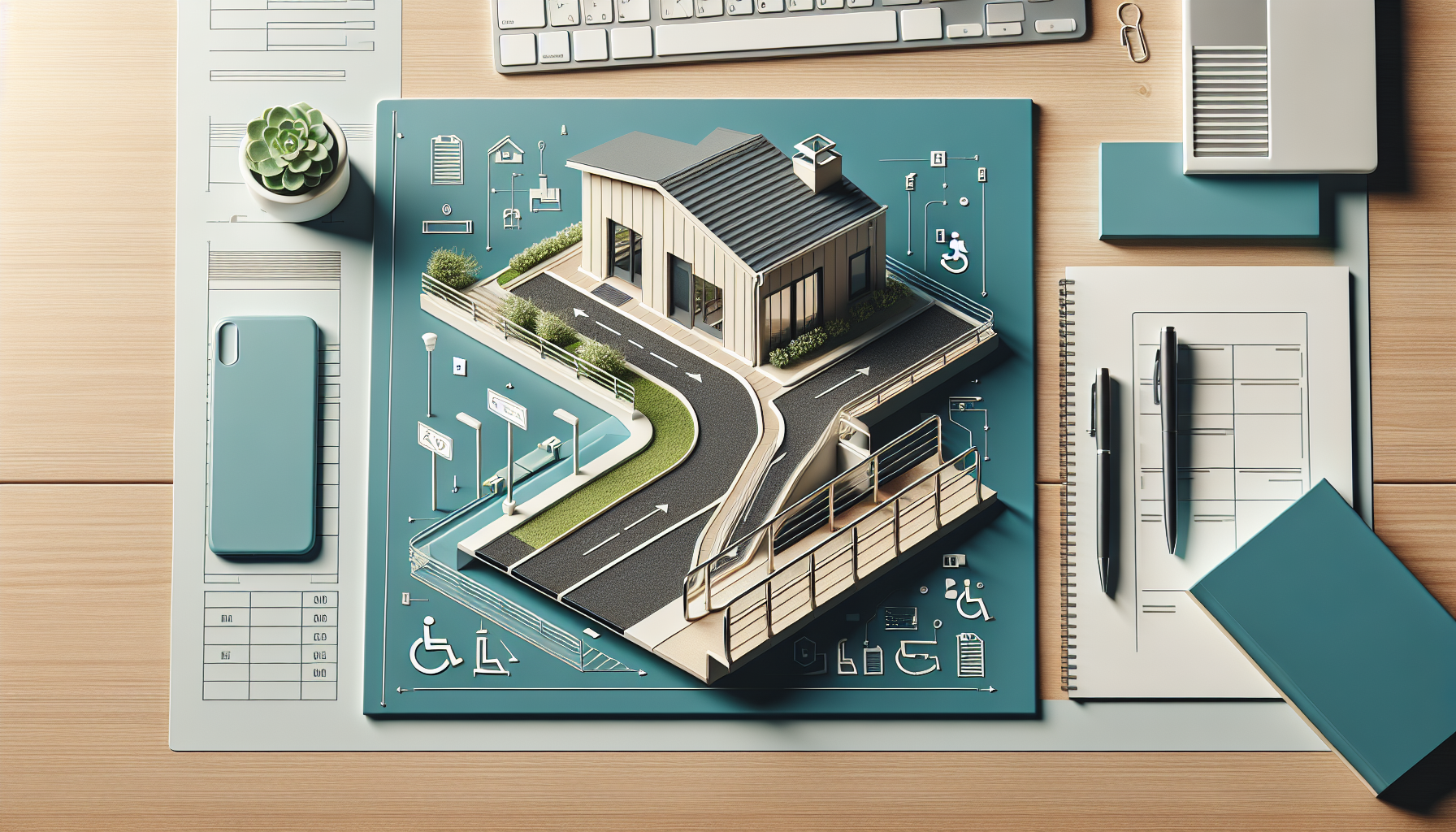
Aging in place in rural vs. urban homes requires different strategies, but the goal is the same: helping older adults live safely, independently, and comfortably in the homes and communities they know. Aging in place means remaining in one’s residence instead of relocating to assisted living or nursing care, even as mobility, vision, hearing, balance, cognition, or chronic health needs change over time. In practice, that includes home modifications, daily support systems, healthcare access, transportation planning, fall prevention, and financial preparation. After working with families evaluating both farmhouse retrofits and city apartment adaptations, I have seen that location changes nearly every decision. A steep front walk in a dense neighborhood creates one set of barriers; a long gravel driveway twenty miles from the nearest clinic creates another. This matters because the population is aging, most older adults prefer to stay in their homes, and the costs of reactive moves are usually higher than proactive planning. Good aging in place strategies reduce injuries, preserve autonomy, support caregivers, and make housing work longer across very different rural and urban settings.
What aging in place requires in any home
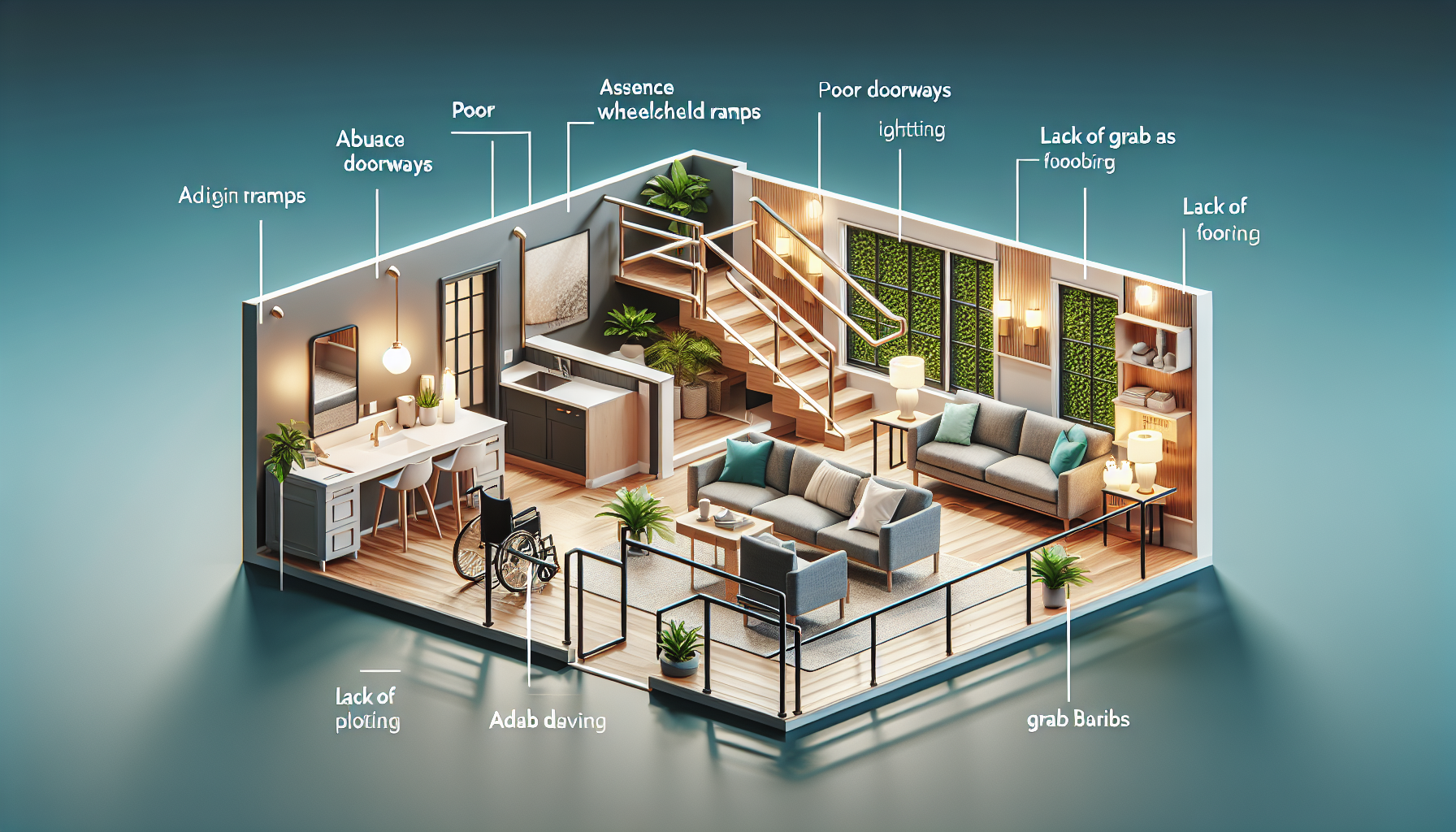
The foundation is universal: a safer layout, manageable routines, reliable support, and a realistic plan for changing needs. Most homes were not designed for reduced mobility. Common problem areas include steps without railings, narrow bathroom doors, tub walls that are hard to step over, poor lighting, slick flooring, hard-to-reach storage, and confusing circulation paths. In both rural and urban homes, the first priorities are usually fall-risk reduction and bathroom access. That means grab bars anchored into studs, lever door handles, brighter layered lighting, non-slip flooring, stair handrails on both sides when possible, and at least one step-free entrance. If a full remodel is not feasible, smaller changes still matter: offset hinges can widen clear openings slightly, shower chairs lower fatigue risk, and bed risers or furniture adjustments can improve transfers.
Planning also means matching solutions to the person, not just the building. An older adult with arthritis may need easier gripping and lower shelves. Someone with Parkinson’s may need more open turning space and stable seating with arms. A person with low vision may benefit most from high-contrast stair edges, task lighting, and simple appliance controls. Occupational therapists are especially valuable because they assess how health conditions interact with daily tasks inside the home. Certified Aging-in-Place Specialists, physical therapists, and accessible design contractors can then translate those needs into practical modifications. The best aging in place strategies start before a crisis, because rushed decisions after a fall or hospitalization usually cost more and solve less.
How rural homes shape aging in place challenges
Rural aging in place often starts with space, distance, and infrastructure. Many rural homes offer larger lots, single-story layouts, and fewer shared walls, which can make noise, privacy, and expansion easier to manage. Yet those advantages are balanced by longer emergency response times, fewer nearby providers, and homes that may be older, more isolated, or harder to retrofit. I often see farmhouses with uneven thresholds, detached garages, cellar stairs, outdoor fuel systems, and outbuildings that remain part of daily life. Even when the interior is adaptable, exterior access can be difficult. Cracked walkways, mud, snow accumulation, and sloped entries create year-round hazards, especially where maintenance help is limited.
Healthcare access is usually the biggest structural issue. A rural resident may need to drive significant distances for primary care, specialists, imaging, dialysis, or rehabilitation. If driving becomes unsafe, options can disappear quickly. Broadband access also varies, which affects telehealth, remote patient monitoring, medication management platforms, and emergency communication. Home care staffing shortages tend to be more severe in rural counties, and family caregivers may travel long distances to help. Utility reliability matters too. Power outages can threaten oxygen concentrators, refrigerated medications, stair lifts, or well pumps. In these areas, aging in place planning must include backup power, weather readiness, and redundant communication methods, not just interior accessibility upgrades.
How urban homes shape aging in place challenges
Urban aging in place brings a different mix of strengths and obstacles. Cities usually offer closer hospitals, pharmacies, public transit, grocery delivery, and more home health agencies. For many older adults, that service density supports independence longer. However, urban housing can be physically harder to adapt. Older row houses may have multiple levels and narrow stairs. Apartment buildings may have small bathrooms, limited maneuvering space, heavy entry doors, and building rules that restrict alterations. Elevators, when available, are a major asset, but dependence on them introduces risk during outages or maintenance shutdowns. In dense neighborhoods, simply getting from the unit to the sidewalk may involve several doors, lobbies, curbs, and crowded corridors.
Urban affordability is another challenge. Rent increases, condo fees, property taxes, and paid parking can strain fixed incomes. Smaller homes may not accommodate live-in caregivers, hospital beds, or lift equipment. Social isolation can also be surprisingly severe in cities when older adults feel unsafe outside, cannot navigate transit, or lose nearby friends. Noise, crime concerns, and complex landlord-tenant dynamics affect whether a home remains workable. The solution is rarely just a grab bar or ramp. In city settings, successful aging in place strategies often depend on combining unit-level modifications with building access improvements, neighborhood walkability, and service coordination. A well-located apartment near transit and clinics may outperform a larger but inaccessible house.
Home modifications that work in both settings
The most effective modifications improve safety during high-frequency tasks: entering the home, bathing, using the toilet, preparing food, moving between rooms, and navigating at night. Bathrooms usually deliver the strongest return because slips are common and transfers are demanding. A curbless shower, handheld showerhead, pressure-balanced valve, blocking for future grab bars, comfort-height toilet, and slip-resistant tile address multiple risks at once. Kitchens should prioritize reachable storage, pull-out shelves, side-opening or wall ovens when possible, contrasting countertop edges, and clear floor space for seated use. Bedrooms benefit from glare control, pathways wide enough for walkers, and switches accessible from the bed.
Standards help guide these decisions. ADA design principles are useful references, though most private homes are not legally required to meet commercial ADA rules. Better residential benchmarks often come from universal design and ANSI A117.1 accessibility criteria, adapted to the existing house. The right choice depends on budget and timeframe. If someone is active now but has progressive limitations, I recommend “no-regret” upgrades first: blocking behind bathroom walls, reinforced stair railings, rocker switches, smart lighting, and flooring transitions under a quarter inch. Those preparations make future adaptations easier and cheaper.
| Priority area | Rural home solution | Urban home solution | Why it matters |
|---|---|---|---|
| Entry access | Graded walkway, covered ramp, snow-safe surface | Threshold ramp, lobby door assist, elevator backup plan | Safe entry prevents isolation and falls |
| Bathroom | First-floor shower conversion near primary bedroom | Compact curbless shower and wall-mounted supports | Bathing is a major injury point |
| Lighting | Exterior path lighting and generator-supported circuits | Motion lighting in halls and entry sequence | Better visibility reduces night falls |
| Mobility space | Wider interior routes during remodels | Furniture reduction and sliding doors where feasible | Walkers need clear turning areas |
| Emergency readiness | Backup power, medical alert with cellular failover | Building evacuation plan and device charging routine | Response speed can determine outcomes |
Transportation, healthcare, and community support
No aging in place plan is complete without transportation. In rural areas, driving cessation can be the event that breaks independence. Families should assess not only current driving ability but also the replacement system: volunteer driver programs, paratransit, faith-community rides, Area Agency on Aging services, Medicaid transportation where eligible, and delivery options for food and prescriptions. Some communities use demand-response transit, but availability can be limited and advance booking may be required. Urban residents may have more choices, including fixed-route transit, ride-hailing, and walkable services, yet those options only work if stations, sidewalks, and crossings are accessible and safe.
Healthcare coordination is equally important. Telehealth can reduce travel burden, but it requires broadband, devices, digital literacy, and clinicians who offer remote visits. Remote monitoring tools such as blood pressure cuffs, pulse oximeters, medication dispensers, and fall-detection systems can extend home safety, but they should support care plans rather than replace human oversight. Community support often determines whether a technically accessible home is truly livable. Senior centers, meal programs, friendly visitor services, adult day programs, and caregiver respite are not extras; they are infrastructure for aging in place. In my experience, the strongest outcomes happen when housing, healthcare, and social support are treated as one system rather than separate problems.
Costs, funding, and planning for long-term success
Cost varies widely by geography and scope. Simple changes like grab bars, improved lighting, or handheld showerheads may cost relatively little, while major work such as zero-step entries, bathroom reconfiguration, stair lifts, or accessory dwelling units can be substantial. Rural projects may face higher transportation and contractor availability costs. Urban projects may face permit complexity, union rules, parking logistics, or co-op and condo approvals. The cheapest option upfront is not always the most economical over time. A properly designed first-floor bathroom conversion can prevent repeated injury risk and delay institutional care, which is usually far more expensive.
Funding sources can include Medicaid Home and Community-Based Services waivers in some states, Veterans Affairs programs for eligible veterans, state assistive technology programs, nonprofit repair grants, property tax relief programs, and local housing rehabilitation loans. Medicare generally does not pay for most home modifications, a point many families misunderstand. Long-term planning should cover legal and operational issues too: powers of attorney, emergency contact lists, medication inventories, contractor documentation, and a written care escalation plan. Reassess the home annually or after any hospitalization. Aging in place is not a one-time project; it is an ongoing strategy that should evolve with health status, housing condition, and local support availability.
Choosing the right aging in place strategy for rural or urban living
The best aging in place strategy begins with an honest assessment of the person, the home, and the surrounding community. Rural homes often provide space and flexibility, but they demand strong plans for transportation, emergency response, weather, and service gaps. Urban homes often offer proximity to care and daily amenities, but they require careful attention to building access, affordability, and limited interior space. In both settings, the most successful approach combines home modifications, healthcare coordination, social support, and financial planning before a crisis forces rushed decisions.
If you are building an aging in place plan, start with a room-by-room safety review, then map the non-housing factors that keep life functioning: rides, prescriptions, groceries, caregivers, and backup contacts. Bring in an occupational therapist or accessible design professional early, prioritize changes that reduce fall risk and improve daily routines, and revisit the plan as needs change. A home does not need to be perfect to support independent living, but it does need to be realistic, safe, and connected to the right support system. Start now, while there is time to choose well rather than react under pressure.
Frequently Asked Questions
What does aging in place mean, and why do rural and urban homes require different approaches?
Aging in place means an older adult continues living in their own home and community as they age, rather than moving to assisted living, a nursing home, or another care setting. The goal is to maintain safety, independence, comfort, and quality of life even as needs change over time. Those needs may include easier mobility, safer bathing and toileting, better lighting for low vision, support for hearing loss, help managing medications, fall prevention, and access to healthcare or caregiving services. In both rural and urban settings, aging in place usually involves a combination of home modifications, daily routines, family or professional support, transportation planning, and emergency preparedness.
The reason rural and urban homes require different strategies is that the surrounding environment shapes what is practical and what risks are most urgent. In rural areas, older adults may face long distances to doctors, pharmacies, grocery stores, and hospitals. Internet connectivity may be less reliable, public transportation may be limited or nonexistent, and nearby home care providers may be harder to find. Homes may also be older, larger, and more isolated, which can make maintenance, snow removal, or emergency response more challenging. In urban areas, services may be closer, but apartments and older city homes can present different barriers such as stairs, narrow hallways, small bathrooms, limited parking, elevator dependence, noise, and higher housing costs. Urban residents may also have more access to healthcare and transit, but they may still struggle with crowding, neighborhood safety concerns, or a lack of accessible design within older buildings. Effective aging-in-place planning starts with understanding these location-based differences and then tailoring solutions to the person, the home, and the community resources available.
What are the biggest challenges older adults face when aging in place in rural homes?
One of the biggest challenges in rural aging in place is access. Essential services are often spread far apart, which can turn ordinary tasks into major logistical issues. A routine doctor’s appointment may require a long drive, and specialty care such as cardiology, physical therapy, neurology, or memory care may only be available in a distant town or regional medical center. That becomes especially difficult when driving is no longer safe because of vision changes, slowed reaction time, medication side effects, or cognitive decline. Without reliable transportation alternatives, missed appointments, medication delays, social isolation, and unmanaged chronic conditions can quickly become serious problems.
Another major issue is home and property upkeep. Rural homes may sit on larger lots and require physically demanding maintenance such as yard work, snow and ice removal, driveway care, well or septic upkeep, and exterior repairs. Inside the home, older layouts may include steps at entrances, uneven flooring, poor lighting, tubs without grab bars, wood stoves, or bedrooms and laundry rooms located on different floors. Emergency response can also be slower in remote areas, which raises the stakes for fall prevention, fire safety, and medical alert systems. In some regions, unreliable cell service or broadband access can limit telehealth, remote monitoring, and smart-home safety tools that are often recommended for aging in place.
Social isolation is another concern that is sometimes underestimated. Rural communities can be close-knit, but distance itself is still a barrier. If a spouse dies, family moves away, or health issues reduce mobility, an older adult may spend long periods alone. That isolation can affect mood, cognition, nutrition, and overall health. Solutions often include creating a realistic transportation plan, arranging regular check-ins from neighbors or family, simplifying the home layout, adding accessibility upgrades, and building connections with local aging services, meal programs, volunteer groups, and telehealth providers whenever possible. In rural settings, successful aging in place often depends on planning early before a health crisis makes choices more limited.
What are the most common challenges with aging in place in urban homes and apartments?
Urban homes and apartments often provide better proximity to hospitals, clinics, pharmacies, grocery stores, and public transportation, but that does not automatically make them easy to age in. One of the most common urban challenges is the physical design of the home itself. Many city residences are located in older buildings that were not built with accessibility in mind. Residents may have to navigate front steps, narrow doorways, small bathrooms, high thresholds, poor lighting in common areas, or a lack of elevators. Even when an elevator exists, service interruptions can create serious hardship for someone with limited stamina, balance issues, or wheelchair needs. In multi-unit buildings, older adults may also have limited control over shared spaces, making it harder to install modifications without landlord or building approval.
Affordability is another important issue. Urban areas often have higher housing costs, and modifying a home for aging in place can add financial pressure. Grab bars, walk-in showers, stair lifts, ramps, widened doorways, and non-slip flooring all improve safety, but they may be expensive or difficult to install in rental units or condominiums. Parking may be limited for family caregivers or home health aides, and even simple tasks such as carrying groceries or mobility equipment through crowded entrances can become burdensome. Noise, traffic, air quality concerns, and neighborhood safety can also affect whether an older adult feels comfortable leaving the home regularly for exercise, social activities, or errands.
Urban aging in place also requires planning for daily function within a denser environment. Sidewalks may be uneven, intersections fast-moving, and public transportation difficult to use for someone with vision loss, balance problems, or memory changes. That said, cities can offer strong advantages when those barriers are addressed. A well-located urban home near transit, healthcare, and social programs can support independence for many years. The best solutions usually include targeted home modifications, a review of building accessibility, a realistic transportation plan, community-based services, and coordination with landlords, building managers, or housing authorities to make the environment safer and easier to navigate.
What home modifications and support solutions help older adults age in place successfully in both settings?
The most effective aging-in-place solutions focus first on safety, then on ease of daily living, and finally on long-term adaptability. In both rural and urban homes, the highest-priority modifications often include reducing fall hazards and improving accessibility. That may mean installing grab bars in bathrooms, adding railings on both sides of stairways, improving lighting in hallways and entryways, replacing slippery flooring, removing loose rugs, lowering trip hazards, and using lever-style door handles and faucets that are easier to operate. Bathroom upgrades are especially important because bathing and toileting are high-risk activities for falls. Curbless showers, shower seats, handheld shower heads, raised toilet seats, and non-slip surfaces can make a dramatic difference in safety and confidence.
Accessibility and convenience upgrades should also support changing physical abilities over time. Examples include bedroom and laundry access on the main floor, wider pathways for walkers or wheelchairs, ramps or zero-step entries, smart lighting, medication reminders, and easy-to-reach storage. For people with vision or hearing loss, solutions might include brighter task lighting, contrast markings on steps, large-print labels, amplified phones, visual alert systems, and voice-activated technology. For those with cognitive changes, simplified layouts, clear signage, automatic shutoff devices, and structured routines can help reduce confusion and lower risk. Medical alert systems, fall detection devices, and remote monitoring tools can provide additional peace of mind, especially for people who live alone.
Just as important as home modifications are support systems beyond the physical house. Aging in place works best when older adults have a dependable network that may include family, neighbors, paid caregivers, occupational therapists, contractors experienced in accessibility, visiting nurses, meal services, transportation support, and local senior programs. In rural areas, that network may need to be built more intentionally because services are farther apart. In urban areas, the challenge may be coordinating many available services in a practical way. A home safety assessment by an occupational therapist, certified aging-in-place specialist, or similarly qualified professional can help prioritize the most useful changes. The best plans are not one-size-fits-all; they reflect the person’s health, budget, home layout, and community resources, while preparing for future needs rather than only today’s limitations.
How can families create a realistic aging-in-place plan for an older adult living in a rural or urban home?
A realistic aging-in-place plan starts with an honest assessment of current needs and likely future changes. Families should look at mobility, balance, vision, hearing, memory, medication management, chronic illnesses, and the ability to perform daily activities such as bathing, cooking, dressing, and getting to appointments. It is also important to evaluate the home itself room by room, paying close attention to entrances, stairs, bathrooms, lighting, flooring, and emergency exits. Beyond the home, families should assess transportation options, proximity to healthcare, internet and phone reliability, available caregivers, social connections, and local community services. A plan is most effective when it addresses both the physical environment and the everyday systems that keep a person functioning safely and independently.
Families should then prioritize actions in stages. Immediate priorities usually include fall prevention, medication organization, emergency communication, and access to food and medical care. Next come medium-term improvements such as bathroom modifications, main-floor living arrangements, transportation planning, and caregiver scheduling. Long-term planning should cover worsening mobility, possible cognitive decline, increasing care needs, financial sustainability, and what conditions would make the current home no longer safe or practical. In a rural