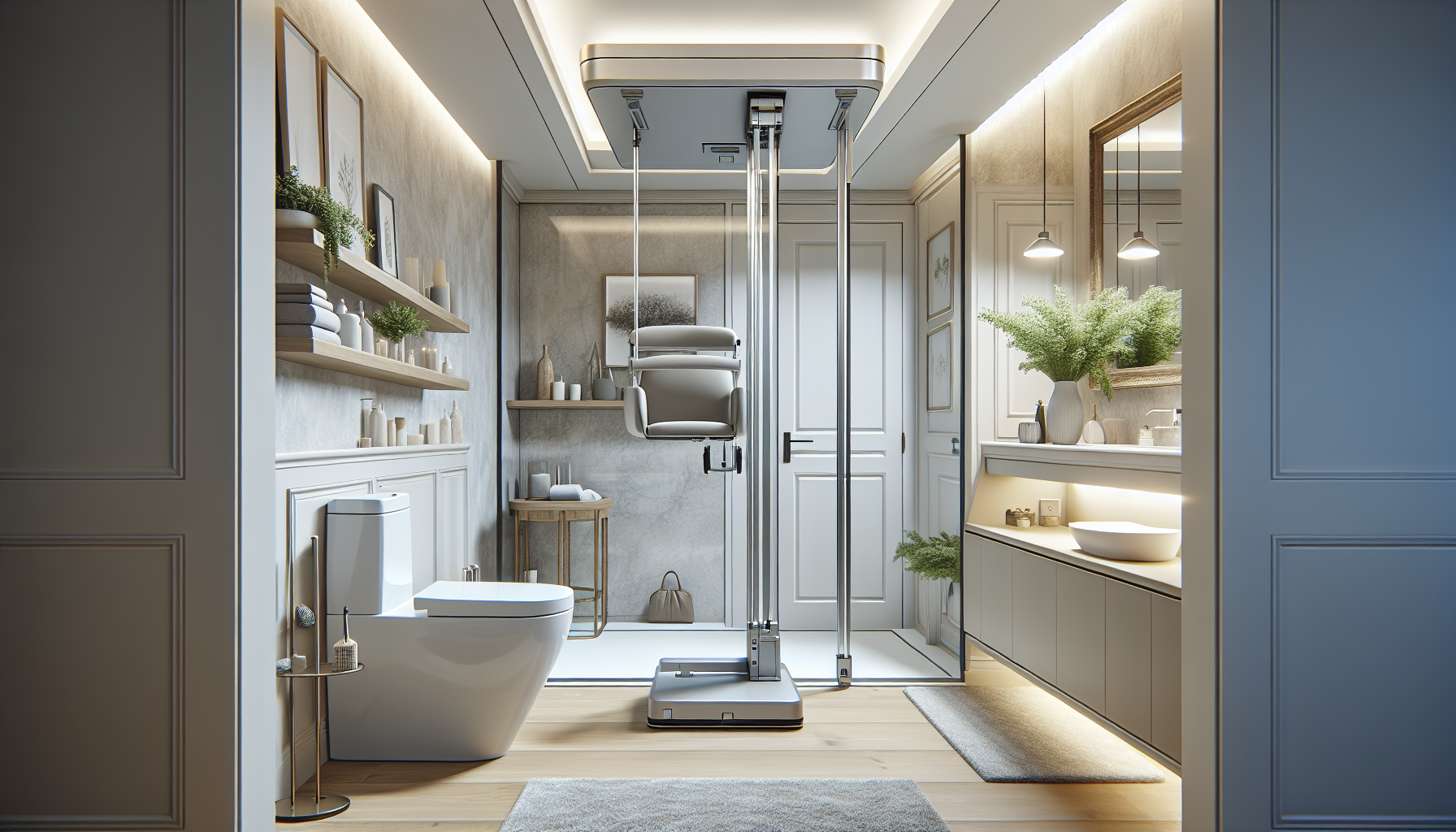
Deciding whether to install a ceiling lift in the bathroom starts with understanding what the equipment does, who it helps, and how it fits into a broader plan for bathroom and bedroom accessibility. A ceiling lift is an overhead transfer system mounted to fixed track, typically used with a motor unit and sling to move a person between locations such as a bed, wheelchair, toilet, shower chair, or bathtub. In homes, I have seen it reduce caregiver strain immediately because the most physically demanding transfers usually happen in the bedroom and bathroom, where space is tight, floors get wet, and falls are most likely. This matters because accessible design is not only about convenience; it is about safety, dignity, infection control, staffing needs, and the ability to remain at home longer. For many families, the real question is not whether a ceiling lift is useful, but whether the bathroom is the right place to start and how it should connect with bedroom access, showering, toileting, and daily routines.
Bathroom and bedroom accessibility includes every feature that makes personal care safer and more independent: roll-in showers, transfer benches, raised toilets, grab bars, widened doorways, accessible sinks, non-slip flooring, pressure-relief beds, bedside transfer space, and lift systems. A bathroom ceiling lift can be straight-track, curved-track, room-covering, or portable on a gantry, depending on structure and goals. It may support independent use with a powered traverse and hand control, or assisted use with a caregiver. The decision is important because the bathroom combines water, hard surfaces, urgency, and repetitive transfers several times each day. Poor transfer setup leads to rushed movements, skin injuries, back injuries for caregivers, and avoidable emergency visits. A well-planned ceiling lift can solve those problems, but only when matched to the user’s mobility level, body size, home layout, medical conditions, and long-term prognosis.
What a Bathroom Ceiling Lift Actually Solves
A bathroom ceiling lift solves a transfer problem, not a general accessibility problem. That distinction is critical. If a person can walk safely with grab bars and a walker, a lift may be unnecessary. If a person can stand-pivot with supervision, a sit-to-stand device or better toilet positioning may work. But when someone cannot reliably bear weight, has unpredictable weakness, fatigue, spasticity, paralysis, advanced arthritis, significant obesity, or a high fall risk, the bathroom becomes the hardest room in the house. The lift creates a controlled transfer path from one surface to another and reduces manual lifting to almost zero.
In practice, the most common bathroom scenarios are bed-to-toilet, wheelchair-to-toilet, wheelchair-to-shower chair, and tub access where no safe side transfer exists. I have also seen ceiling lifts used for people with multiple sclerosis during periods of fatigue, after stroke when balance is inconsistent, with ALS when strength declines over time, and after spinal cord injury when repeated independent lateral transfers cause shoulder damage. For aging adults with dementia, a ceiling lift can reduce combative or fearful handling because movement is steadier and more predictable than a rushed manual transfer. In bariatric care, overhead lifting is often the only practical option in a standard residential bathroom.
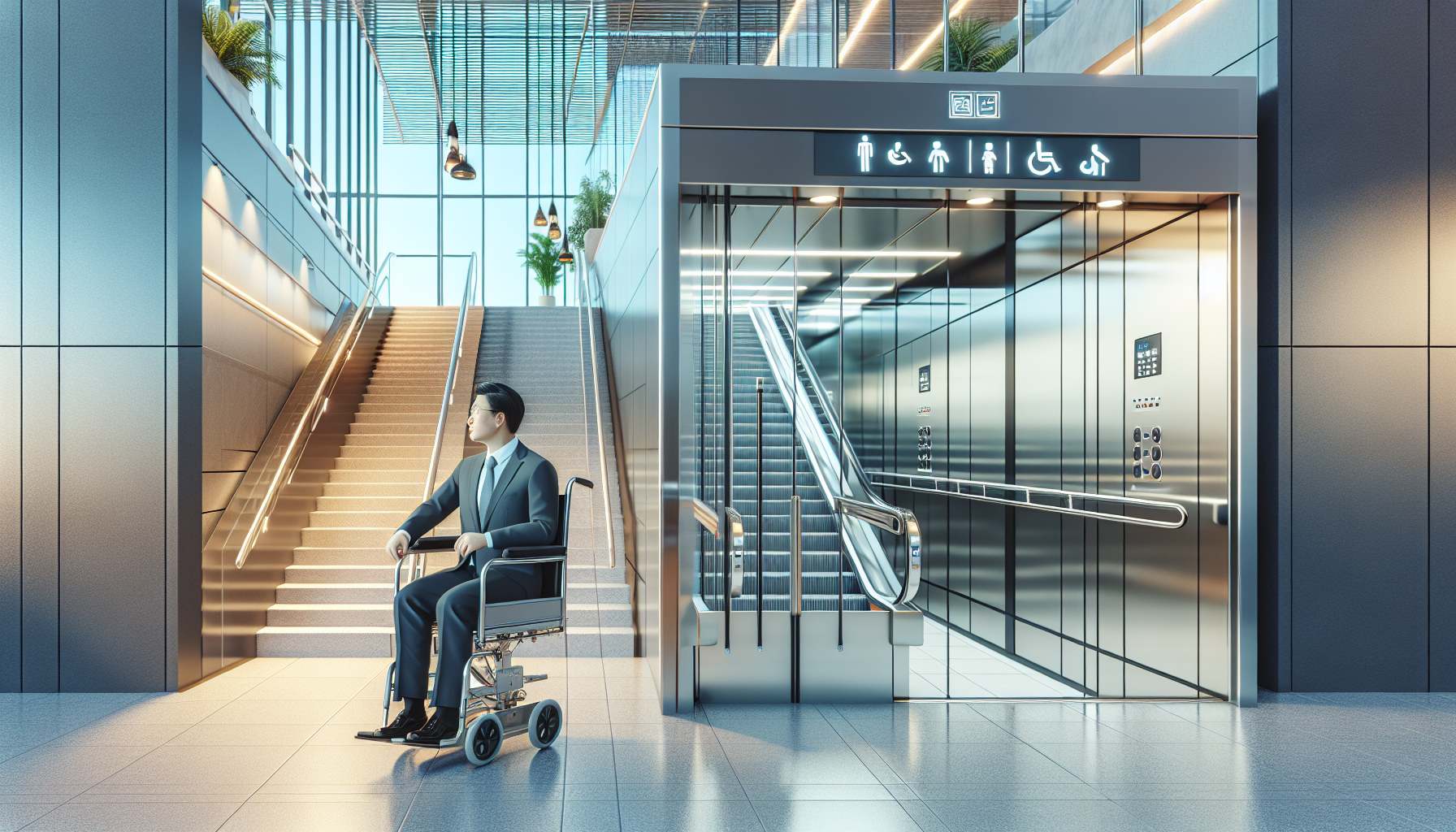
The strongest case for installation is repetitive need. If the same difficult transfer happens several times a day, every day, the risk compounds. Caregiver back injuries rarely come from one dramatic event; they come from small awkward lifts in cramped spaces. Bathrooms create exactly those conditions. Overhead lifts also free floor space compared with many mobile patient lifts, whose base legs can conflict with toilet pedestals, vanity cabinets, and narrow door swings. That is why ceiling systems are often preferred in retrofit projects where turning radius is limited.
When a Ceiling Lift Is the Right Choice, and When It Is Not
You should seriously consider a bathroom ceiling lift when transfers are unsafe, caregiver assistance is increasing, or a mobile lift cannot be used efficiently in the available space. Good candidates include people who need full or near-full assistance, people with progressive conditions, and households planning to age in place. It is also the right choice when one caregiver is doing work that realistically requires two, or when repeated wet-area transfers are creating near falls. If the lift can connect the bedroom to an ensuite bathroom, the value rises sharply because one track can support several daily routines.
It may not be the right first investment if the main barriers are simpler and cheaper to solve. A person who still walks but struggles with bathing may benefit more from a zero-threshold shower, handheld shower, shower seat, grab bars installed to specification, brighter lighting, and slip-resistant flooring. Someone who can perform an assisted stand-pivot might do well with a raised toilet, wall-mounted support rail, and a compact standing aid. In rental properties, historic homes, or concrete structures, fixed installation can be difficult or expensive. Some users also dislike sling transfers for toileting unless the sling type and routine are carefully chosen.
Clinical assessment matters. Occupational therapists and physical therapists evaluate transfer ability, range of motion, cognition, skin integrity, caregiver technique, and bathroom workflow. Installers then evaluate joists, load paths, ceiling finish, door headers, and motor clearance. The best decisions come from combining both perspectives. I have seen technically perfect installations fail because no one mapped the route to the toilet, while simpler systems succeeded because they matched the actual routine exactly.
How Bathroom and Bedroom Accessibility Work Together
Bathroom and bedroom accessibility should be planned as one system because most transfers begin or end at the bed. If the bedroom has poor clearances, the bathroom lift may still be useful but less efficient. The highest-value designs often create a continuous transfer path from bed to bathroom, especially in an ensuite layout. This can mean a straight track through a doorway, an XY room-covering system in the bedroom linked to a switch track, or separate lifts positioned for handoff. The right arrangement depends on privacy needs, structural constraints, and whether one or two caregivers assist.
Beyond the lift itself, the bedroom should provide approach space on at least one side of the bed, stable flooring, reachable controls, and room for repositioning or dressing. In the bathroom, the destination surface matters as much as the route. Toilets may need side clearance, reinforcement for support rails, and enough front clearance for a shower commode chair. Showers may need a trench drain, fold-down seat, pressure-balanced or thermostatic valve, and wall blocking for future accessories. If the toilet room is separate from the bathing area, track design becomes more complex but still manageable with turntables or room transitions.
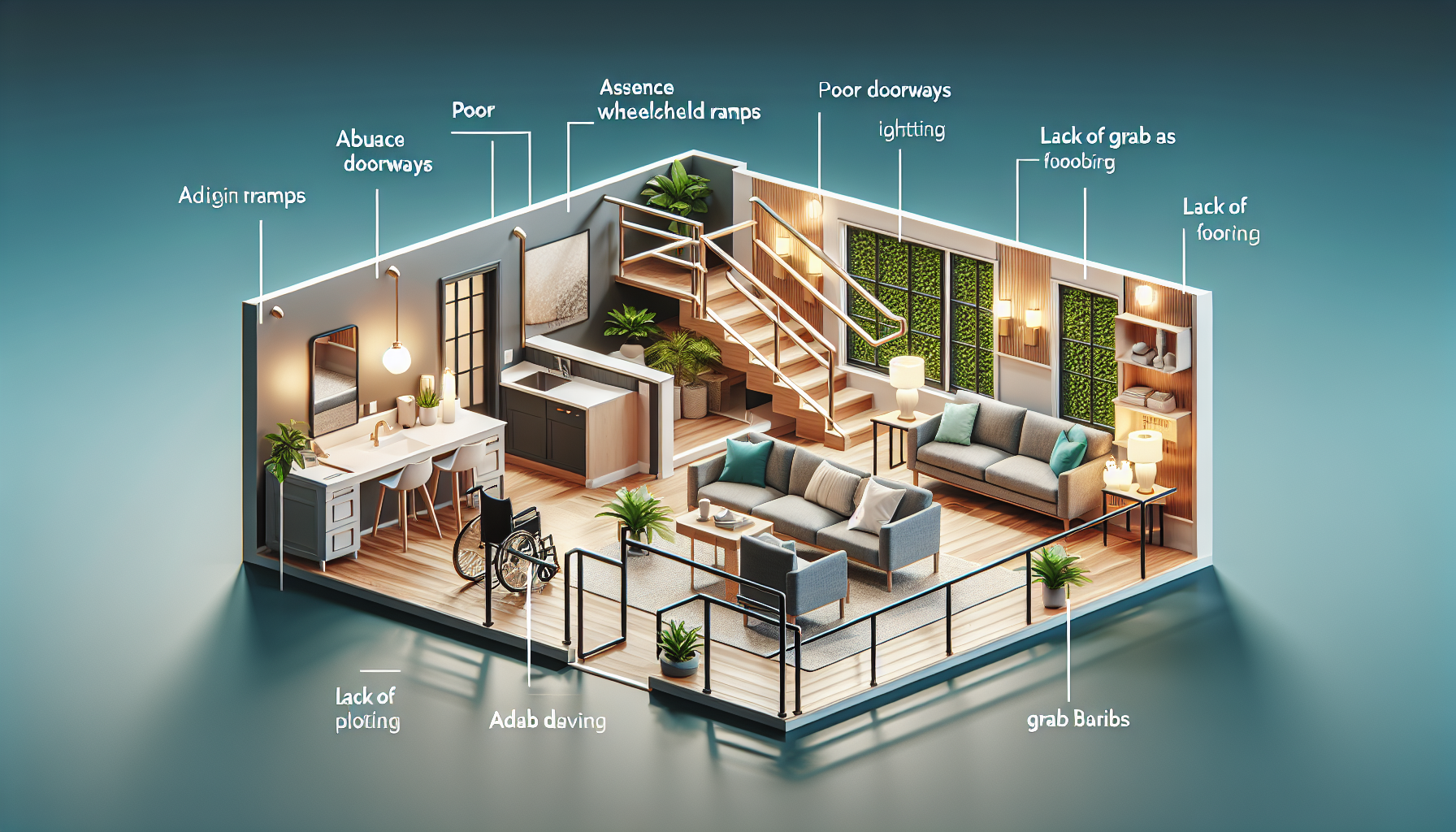
Families often think in product categories, but daily living works in sequences. Wake up, transfer out of bed, toilet, wash, dress, and return later at night. Accessibility succeeds when every step in that sequence is possible without improvisation. That is why this subtopic includes more than lifts alone. Bathroom and bedroom accessibility is the combined effect of layout, hardware, transfer equipment, moisture management, lighting, storage height, and caregiver ergonomics.
Types of Ceiling Lift Systems and Typical Use Cases
Not all ceiling lifts are the same. Fixed straight-track systems are the simplest and often the most affordable; they work well when the start and end points rarely change, such as bed to toilet or wheelchair to shower chair. Curved tracks are useful when the route must avoid walls or cabinets, though they cost more and require precise planning. XY or room-covering systems use two perpendicular tracks to provide broader movement across a room, which is valuable in bedrooms where transfer positions vary. Some homes use a traverse room system in the bathroom to reach toilet, sink area, and shower without reorienting the user manually.
Portable ceiling lifts use a detachable motor on installed track, while permanent motors remain on the rail. Portable options can reduce cost if one motor serves multiple rooms, but they add handling steps. Gantry lifts avoid structural attachment and can be practical in temporary situations, though they take floor space and rarely perform as cleanly in compact bathrooms. For wet environments, the motor and charging arrangement must be rated and positioned appropriately, and the sling chosen for bathing or toileting must dry quickly and support hygiene access.
| System type | Best use | Main advantage | Main limitation |
|---|---|---|---|
| Straight track | Direct bed-to-bathroom or toilet transfer | Lower cost, simple operation | Limited path flexibility |
| Curved track | Routes around obstacles or through awkward layouts | Custom fit to existing home | Higher design and installation cost |
| XY room-covering | Bedrooms or large bathrooms with multiple transfer points | Maximum positioning range | More complex structure and controls |
| Portable motor on track | Multi-room use with one motor unit | Can reduce equipment duplication | Extra setup and storage steps |
| Gantry lift | Temporary or non-structural installations | No ceiling reinforcement required | Takes floor space, less elegant in bathrooms |
Structural, Safety, and Code Considerations
A bathroom ceiling lift is only as good as its structural support. Installers must verify joist direction, spacing, species when possible, span, and attachment method. In some homes, additional backing or aluminum support structures are installed above the ceiling or below it. Manufacturer specifications govern maximum user weight, dynamic load, and approved mounting hardware. These are not suggestions. If the person’s weight, sling type, and transfer angle exceed design assumptions, safety margins disappear quickly.
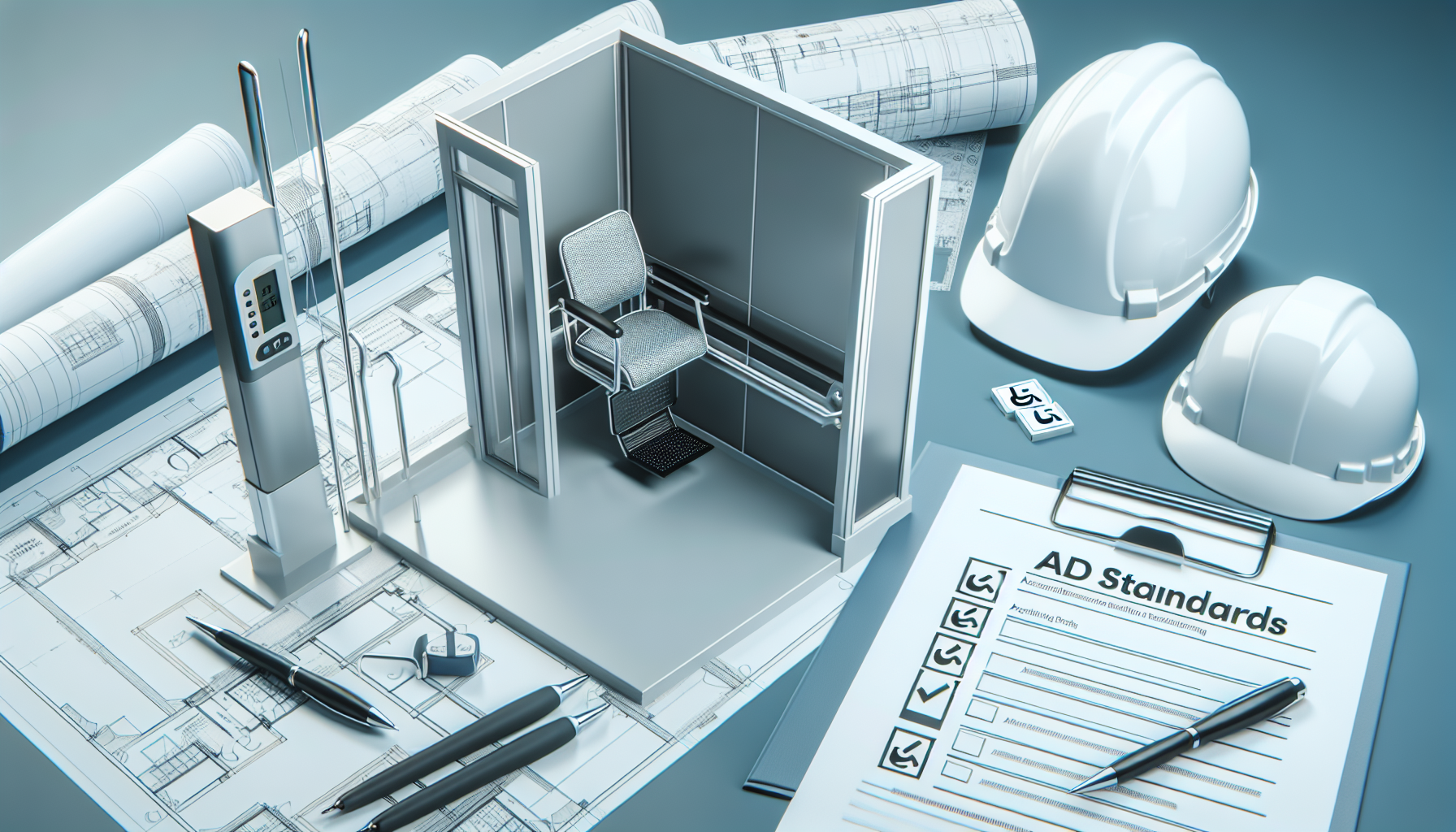
Electrical planning also matters. Charging can be in-rail, at the end of track, or by removable battery. Bathrooms raise special concerns about moisture, GFCI protection where applicable, and maintaining service access. The Americans with Disabilities Act is often referenced, but private homes are not required to mirror every commercial standard. Even so, ADA dimensions remain a useful planning benchmark for clearances, turning space, and reach ranges. Universal design principles are equally important because needs often change before the house changes again.
Professional installation should include load testing, caregiver training, and a written maintenance schedule. Most manufacturers recommend periodic inspections, sling checks, and battery management. Slings wear out. Clips and loops must match the spreader bar. A safe transfer depends on selecting the correct sling size, fabric, head support, leg positioning, and toileting opening where needed. In my experience, user discomfort or refusal is usually traced to poor sling selection rather than the ceiling lift itself.
Costs, Funding, and Return on Investment
Residential ceiling lift costs vary widely by track length, motor capacity, structural work, and whether the system crosses rooms. In many markets, a simple straight installation may start in the low thousands, while custom curved or room-covering systems can run much higher once carpentry, electrical work, and bathroom renovation are included. A full bathroom accessibility project can also include a curbless shower, waterproofing, wall reinforcement, widened doors, anti-scald fixtures, and accessible cabinetry, which changes the total budget significantly.
Funding sources depend on location and diagnosis. Some private insurers exclude home modifications but may cover durable medical equipment under specific circumstances. Veterans programs, Medicaid waivers, workers’ compensation, state assistive technology programs, nonprofit grants, and home modification loans may help. Hospital discharge planners and occupational therapists often know local pathways better than general contractors. Ask for an itemized quote that separates equipment, structural reinforcement, electrical work, and training so funding applications match the right category.
The financial return is not just resale value. The real return is reduced injury risk, fewer caregiver hours for heavy transfers, delayed facility placement, and improved consistency of hygiene. For families paying privately for in-home care, reducing a two-person transfer to a one-person routine can materially change monthly costs. Even when the lift does not replace caregiving, it can make coverage easier to staff because the work is safer.
Planning the Best Accessible Bathroom and Bedroom Setup
The best results come from planning around routines instead of products. Start with a transfer map: where the person sleeps, where the wheelchair parks, how toileting happens at night, what bathing method is realistic, and whether dressing occurs in the bedroom or bathroom. Measure every doorway, toilet centerline, shower entry, and bed clearance. Identify whether the user’s condition is stable, recovering, or progressive. That determines whether you should design for today’s needs or the likely needs two years from now.
Then build the room around essentials. In bathrooms, prioritize zero-threshold entry, slip resistance, waterproof wall reinforcement, reachable storage, and task lighting that reduces shadows. In bedrooms, prioritize bed access, charging points for power chairs and lift batteries, and enough circulation space for caregivers. If the budget is limited, phase the work intelligently: add backing behind walls now, choose a layout that can accept future track, and complete the major waterproofing and doorway changes before mobility declines further.
Choose experienced professionals. An occupational therapist identifies functional requirements, a certified aging-in-place specialist or accessibility-focused contractor aligns the construction details, and the lift dealer handles engineering and training. Ask each provider to explain the same transfer scenario. If their answers do not align, the plan is not finished. That simple step prevents expensive rework and creates a bathroom and bedroom accessibility solution that supports daily life, not just a product installation.
Installing a ceiling lift in the bathroom is worth it when transfers are the core safety problem and the system is designed as part of a complete bathroom and bedroom accessibility plan. The lift is not a universal answer, but for people with limited weight bearing, progressive conditions, high fall risk, or heavy caregiver demands, it is often the safest and most durable transfer solution available at home. It reduces manual lifting, works well in tight layouts, and can connect critical routines between bed, toilet, and shower.
The key is to judge the whole environment, not the lift in isolation. Accessible bathrooms need the right clearances, fixtures, flooring, and drainage. Accessible bedrooms need bed approach space, reliable transfer zones, and room for equipment. When those elements work together, the home becomes safer, more dignified, and easier to manage day after day. If you are evaluating options now, start with an occupational therapy assessment and a qualified lift installer, then map your bedroom-to-bathroom routine before buying anything. That approach leads to a system that fits the person, the caregivers, and the home for the long term.
Frequently Asked Questions
What is a ceiling lift, and how does it work in a bathroom?
A ceiling lift is an overhead transfer system designed to move a person safely from one location to another without requiring a caregiver to perform a full manual lift. In a bathroom, the system is usually mounted to a fixed track attached to the ceiling structure, with a motor unit that travels along the track and a sling that supports the user during transfers. Depending on the layout, it can be used to move someone from a wheelchair to a toilet, from a bed to a shower chair, or from a wheelchair to a bathtub or bathing area. The goal is not just convenience. It is to make daily hygiene routines safer, more controlled, and less physically demanding for everyone involved.
What makes bathroom use especially important is that transfers in this space tend to be some of the hardest and highest-risk tasks in the home. Floors may be wet, space is often limited, and the movements required for toileting, showering, and bathing can involve awkward positioning. A ceiling lift helps by providing stable, predictable support during these transfers. Instead of relying on a caregiver’s strength or a portable floor lift that may be difficult to maneuver around toilets and vanities, the overhead system follows a planned path and can be positioned where it is needed most. In many homes, this creates a smoother routine and reduces the stress that often builds around personal care.
Who benefits most from having a ceiling lift installed in the bathroom?
A bathroom ceiling lift can be a strong option for people who have limited mobility, difficulty standing, poor balance, significant weakness, paralysis, neurological conditions, or progressive illnesses that make transfers unsafe or exhausting. It may also help individuals recovering from surgery or injury when transfer support is needed for an extended period. In practical terms, the people who benefit most are those for whom toileting, bathing, or shower transfers have become unreliable, painful, or dependent on heavy caregiver assistance. If a transfer currently requires lifting, catching, repositioning, or managing sudden loss of balance, a ceiling lift may offer a much safer alternative.
Caregivers also benefit in a major way. Bathroom transfers are among the most physically demanding tasks in home care, and repeated lifting can lead to back, shoulder, and joint injuries over time. I have seen caregiver strain drop immediately when the most difficult transfers are taken out of a fully manual routine. A ceiling lift does not solve every accessibility issue by itself, but it can dramatically reduce the effort and risk involved in essential daily care. It is often especially valuable in homes where one person provides most of the assistance, where the user’s needs are expected to increase over time, or where preserving dignity and consistency in personal care is a top priority.
How do you know if installing a ceiling lift in the bathroom is the right choice?
The best way to decide is to look at the full transfer routine, not just the equipment. Start by asking where the person needs to move during a typical day and which of those transfers are difficult, unsafe, or exhausting. Bathroom needs are often part of a larger accessibility plan that includes the bedroom, toilet area, shower, and sometimes a hallway connection between spaces. If the person already uses or may soon need help getting from bed to wheelchair, wheelchair to toilet, or wheelchair to bathing equipment, a ceiling lift may make sense as part of a coordinated setup rather than a standalone upgrade.
It is also important to consider the room layout, the user’s physical abilities, caregiver availability, and future needs. Some people can assist with part of a transfer, while others require full support. Some bathrooms are compact and hard to navigate with a floor lift, making an overhead option much more practical. Others may need track that extends from the bedroom into the bathroom to create a continuous transfer path. In most cases, the right decision comes after an assessment by a qualified occupational therapist, accessibility specialist, or lift provider who can evaluate safety, ceiling structure, sling selection, clearances, and workflow. That kind of planning helps ensure the lift will truly improve daily living rather than becoming an expensive system that does not fit how care actually happens.
What are the main advantages of a bathroom ceiling lift compared with a floor lift?
The biggest advantage is access. Bathrooms are often too tight for a floor lift to work well, especially around toilets, tubs, shower bases, and cabinetry. Floor lifts need open turning space, enough clearance under furniture or equipment, and a path free of thresholds and obstacles. In contrast, a ceiling lift stays overhead, which frees up floor space and makes transfers more direct. This can be especially helpful in small bathrooms where every inch matters and where trying to position a wheeled lift can turn a simple task into a time-consuming struggle.
There are also important safety and comfort benefits. Ceiling lifts reduce the physical strain on caregivers because they do not require pushing, steering, and stabilizing a heavy mobile base during a transfer. They can provide smoother movement, more consistent positioning, and easier access to exact transfer points such as the toilet or shower chair. For the person being transferred, that often means less jostling and more confidence. Another advantage is routine reliability. A fixed overhead system is always where it is supposed to be, charged and ready if properly maintained, rather than parked in another room or difficult to bring into place. While floor lifts still have a role in many homes, bathroom environments are one of the clearest cases where a ceiling-mounted system may offer a more practical long-term solution.
What should you consider before installing a ceiling lift in the bathroom?
Before installation, think beyond the lift itself and focus on the entire accessibility plan. The ceiling structure must be able to support the system, so a professional evaluation is essential. You will also need to determine the track layout, including whether the lift should cover only the bathroom or connect multiple areas such as the bedroom and bathroom. The user’s weight, transfer needs, range of motion, level of assistance, and bathing setup all affect the right motor and sling choice. Toileting slings, bathing slings, and general transfer slings are not interchangeable in every situation, so matching the equipment to the intended use matters a great deal.
Just as important are workflow and training. A well-designed system should make the daily routine simpler, not more complicated. Consider where the wheelchair is positioned, how the toilet and shower are accessed, how privacy is maintained, and whether one caregiver or multiple caregivers will use the equipment. Think about cleaning, charging, maintenance, and emergency lowering features as well. Cost is another factor, but it should be weighed alongside injury prevention, long-term care needs, and the value of making essential hygiene tasks safer and more sustainable. In many cases, the smartest approach is to combine a bathroom ceiling lift with other accessibility upgrades such as roll-in showers, grab bars, accessible toilets, and better bedroom-to-bathroom flow so the home works as one supportive environment rather than a series of isolated fixes.