Arrow Lift Stair Lifts review research usually starts when a home has changed faster than its owner expected. A staircase that once felt ordinary becomes a daily obstacle, and the buyer needs more than brand slogans. They need a clear view of how Arrow Lift fits into the wider market of top stair lift brands, what products it actually provides, how installation works, what service quality looks like over time, and whether the company is the right match for a specific home. This guide covers those questions directly so buyers can compare with confidence.
Arrow Lift is not a single stair lift manufacturer in the same sense as Bruno, Harmar, Handicare, Savaria, Stannah, or Acorn. In practice, Arrow Lift is better understood as a long-standing stair lift dealer and accessibility company that sells, installs, and services mobility equipment across multiple categories. That distinction matters. When buyers search for Arrow Lift stair lifts reviews, they are often evaluating two things at once: the stair lift brand itself and the quality of the local dealer responsible for assessment, installation, training, repairs, and follow-up support. A strong product can become a poor ownership experience if service is weak, while a solid dealer can make a complex installation feel simple and dependable.
This article also serves as a hub for the broader topic of top stair lift brands. If you are comparing Arrow Lift with major names in the category, the right approach is to separate manufacturer strengths from dealer strengths. Manufacturers determine rail design, drive systems, seat options, safety sensors, and core engineering. Dealers determine survey accuracy, installation workmanship, permit handling where needed, response times, and maintenance support. In my experience reviewing mobility equipment proposals, most customer satisfaction issues trace back to one of those two layers, not to marketing claims. Understanding both is what protects your budget and your safety.
For buyers planning for aging in place, recovery after surgery, or long-term mobility decline, getting this decision right matters because stair lifts affect independence every day. They can reduce fall risk, delay or avoid a costly move, and make a two-story home usable again. Yet not every home, staircase, budget, or medical need points to the same answer. A narrow staircase, a standing-rider requirement, a heavier user, outdoor exposure, or a desire for a rental unit can all change which brand and dealer deserve serious consideration. Arrow Lift can be a strong option, but only when the specific offering aligns with the home and the buyer’s priorities.
What Arrow Lift Actually Offers
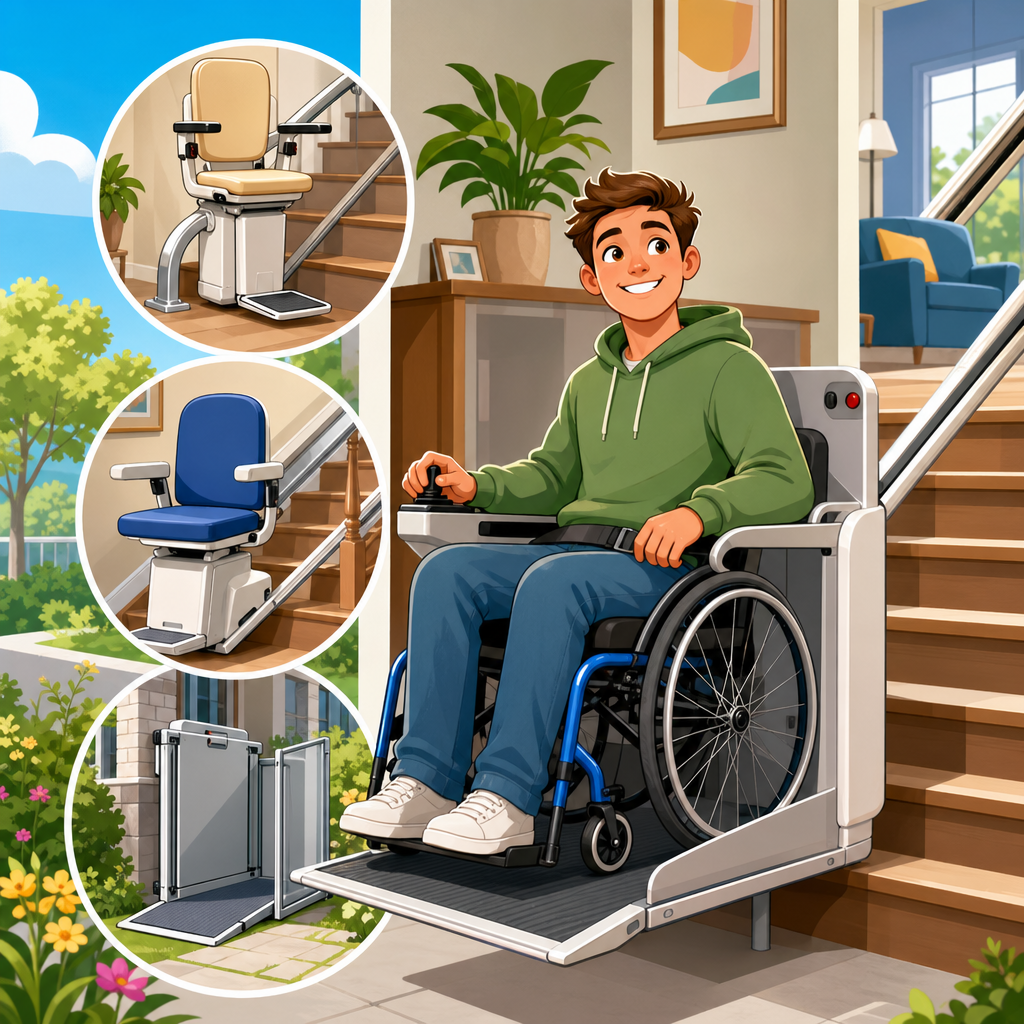
Arrow Lift has operated for decades in the accessibility market and is known primarily as a regional provider of stair lifts, home elevators, wheelchair lifts, and related mobility solutions. For buyers, the practical takeaway is that Arrow Lift usually functions as a consultative reseller and installer rather than a one-brand factory source. That can be an advantage. A dealer with access to more than one product line can match a customer with a straight stair lift, curved stair lift, outdoor model, or higher-capacity unit based on site conditions instead of forcing every home into one catalog.
Its typical process includes an in-home assessment, measurement of the staircase, discussion of user needs, quote preparation, installation, and after-sale service. That sounds standard, but execution is where quality shows. A credible assessment should document stair width, number of landings, power availability, swivel clearance at the top landing, seat-to-wall projection when folded, and transfer safety. Good consultants also ask about hand dominance, arthritis, transfer balance, and whether more than one user with different body sizes will use the lift. When those details are ignored, problems appear after installation, not before.
Because Arrow Lift’s lineup may vary by market and supplier relationship, buyers should ask a direct question early: which manufacturer and model are being proposed for this staircase? Get the exact model name in writing. That information is essential for checking weight capacity, battery backup, seat dimensions, rail overrun options, warranty terms, replacement part availability, and independent reviews of the underlying equipment. A branded dealer brochure is not enough; you need the actual product specification sheet.
How Arrow Lift Compares With Top Stair Lift Brands
The major stair lift brands differ in meaningful ways. Bruno is widely respected for build quality, indoor and outdoor models, and a strong dealer network in the United States. Harmar offers a broad range with frequent emphasis on value and availability. Handicare is often considered for customizable curved solutions and some specialized seating options. Stannah has a long history and a strong reputation for engineering and ride quality. Acorn is highly visible nationally and often attracts buyers seeking a direct-sales path. Savaria is better known for a wider accessibility portfolio but remains relevant in premium mobility discussions. Arrow Lift enters this group differently because it represents the dealer-service side of the decision more than a singular manufacturing identity.
That means Arrow Lift can compare favorably when the local branch is technically strong, responsive, and transparent. A capable dealer can recommend the right brand for a staircase shape, complete a clean rail fit, and support the lift quickly if an error code appears later. In real buying situations, those factors often matter more than small brochure differences such as upholstery texture or remote-control styling. If a buyer is choosing between a top-tier product sold by a weak dealer and a very good product sold by a highly competent dealer like Arrow Lift, the second option can produce a better long-term experience.
| Brand or Provider | Primary Strength | Best For | Main Buyer Question |
|---|---|---|---|
| Arrow Lift | Consultation, installation, service support | Buyers who want guidance across multiple product types | Which manufacturer and model are they quoting? |
| Bruno | Reputation for durable engineering and dealer support | Buyers prioritizing reliability and U.S. market presence | Does the dealer stock parts and service locally? |
| Harmar | Broad lineup and competitive value positioning | Budget-conscious homes with standard needs | What is included versus optional? |
| Handicare | Customization and curved staircase solutions | Homes with layout complexity or special seating needs | How long will custom rail production take? |
| Stannah | Long engineering history and refined ride quality | Buyers willing to pay for premium fit and finish | What service network supports the installation? |
| Acorn | National visibility and straightforward consumer awareness | Shoppers beginning research and seeking quick quotes | How does the proposal compare on service terms? |
The table highlights a key point for this stair lift buying guide: top stair lift brands are not interchangeable, but dealer quality changes the outcome dramatically. When evaluating Arrow Lift, judge it on assessment quality, installation record, and support responsiveness alongside the engineering of the quoted model.
Product Features Buyers Should Verify Before Signing
A stair lift proposal is only as useful as the details it includes. Buyers should verify whether the quoted unit is straight or curved, what the weight capacity is, whether the seat height and width suit the rider, and if the rail includes overruns. A rail overrun extends the track beyond the staircase to place the rider farther from the steps during mounting or dismounting. On many homes, especially where balance is a concern, that feature materially improves safety. It should never be treated as a decorative upgrade.
Battery operation is another must-check item. Most modern stair lifts use batteries charged from household power, allowing multiple trips during a power outage. Ask how many trips the manufacturer estimates under outage conditions, how battery replacement is handled, and what the expected replacement interval is. In the field, battery life often depends on charging consistency, temperature, and usage frequency. Outdoor units usually face harder conditions, so weather protection and maintenance schedules matter more.
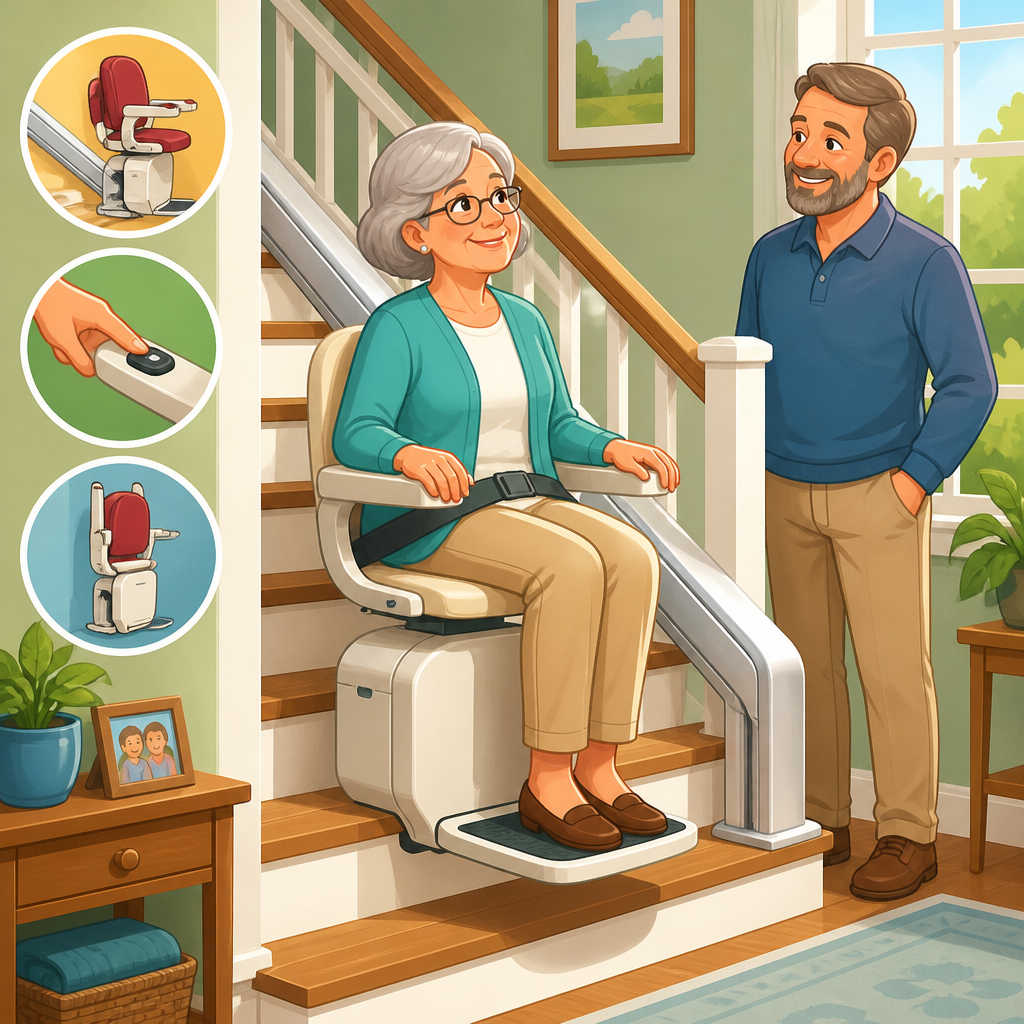
Safety features should include obstruction sensors, a seat belt, swivel seat locks, and call-send controls. Buyers with arthritis should test controls physically before purchase. A rocker switch, joystick, or light-touch toggle can feel very different to someone with reduced grip strength. If the user transfers from a walker, cane, or wheelchair, the salesperson should demonstrate how the folded footrest, armrests, and seat position affect movement at both landings. A stair lift is not just a ride system; it is a transfer system, and transfer safety is where many preventable issues occur.
Installation, Service, and Ownership Experience
Most straight stair lifts can be installed in a matter of hours once the correct unit is on site. Curved stair lifts usually require custom measurement and rail fabrication, so lead times are longer. A reputable dealer explains that timeline plainly and sets realistic expectations. During installation, the rail is normally mounted to the stair treads rather than the wall, which surprises many first-time buyers. That method is standard and usually avoids structural wall modifications. It also means the condition and dimensions of the stairs matter more than many homeowners assume.
Where Arrow Lift can stand out is service. In stair lift ownership, the decisive test often comes months later, when the seat stops midway, a charger issue appears, or the user notices unusual noise from the transmission or rack. Good dealers provide fast diagnostics, explain whether the problem is battery related, charger related, or mechanical, and resolve it without excessive delays. Ask whether Arrow Lift uses in-house technicians, what the average service window is, and whether preventive maintenance plans are available. Those answers reveal more than any brochure headline.
Training also matters. A proper handoff includes demonstrating seat swivel, folding procedures, parking positions, charging points, and emergency lowering or troubleshooting steps where applicable. Family members should be present if they will help the user. I have seen smooth installations become frustrating simply because no one clearly explained why the unit had to remain parked on a charging point. That is not a product defect; it is a training failure.
Pricing, Warranties, and Buyer Red Flags
Straight stair lifts commonly cost far less than curved units because they use standardized rails and shorter installation times. Curved stair lifts are more expensive due to custom rail manufacturing and design complexity. Outdoor units also cost more because they need weather-resistant finishes, covers, and components suited to moisture and temperature swings. Arrow Lift pricing will therefore depend heavily on the exact staircase and model, not just the company name. Any article claiming a universal number without those variables is oversimplifying the market.
Request an itemized quote. It should separate equipment cost, rail type, installation, electrical work if needed, removal or disposal terms, warranty coverage, and any service plan. Ask whether the warranty covers parts only or parts and labor, and for how long. Clarify who honors the warranty: the manufacturer, Arrow Lift, or both. If a component fails after the labor period ends, your cost can change significantly even when the part itself remains covered.
Red flags are consistent across top stair lift brands. Be cautious if a representative refuses to identify the exact manufacturer and model, avoids discussing folded width on the staircase, minimizes transfer concerns, or pressures you to sign before a full site survey. Another warning sign is a quote that seems low until necessary safety features are added later. Buyers should also ask about removal policies, especially if the lift may be temporary following surgery or rehabilitation. Some dealers offer buyback, rental, or reconditioned options; availability varies, but the question is worth asking before you commit.
Who Should Buy From Arrow Lift and What to Do Next
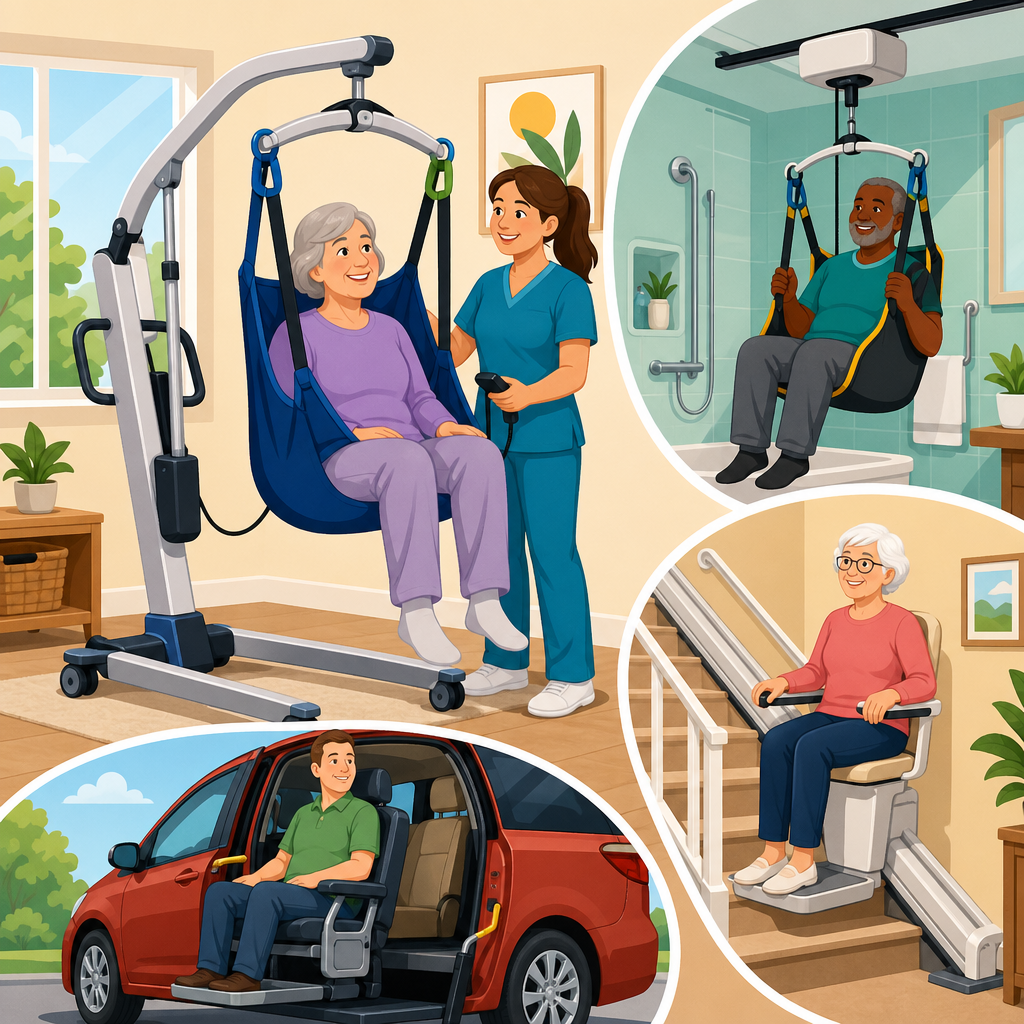
Arrow Lift is often a good fit for buyers who value guided assessment and local service as much as the stair lift hardware itself. If your staircase is straightforward but you want a dealer that can explain options carefully, coordinate installation professionally, and remain available for maintenance, Arrow Lift deserves consideration. It may be an especially practical choice for households also evaluating other accessibility upgrades, such as platform lifts or home elevators, because one provider can assess the broader mobility plan. That kind of continuity is useful when needs are changing over time rather than in a single event.
It may be less ideal for shoppers who want to compare one manufacturer nationwide with uniform pricing assumptions, because Arrow Lift’s value depends heavily on branch quality and the specific brand being quoted. That is not a flaw; it is simply the reality of the dealer model. The smart approach is to compare Arrow Lift against at least two other proposals and require each seller to specify model, capacity, warranty, lead time, and service support in writing. Use the same checklist for every quote so the comparison stays fair.
The main lesson from this Arrow Lift Stair Lifts review is simple: judge the company as both a mobility advisor and an installer, not just as a name on a webpage. The best stair lift buying decisions come from matching the user, the staircase, and the support network. Ask better questions, verify the exact equipment, and test the transfer process before signing. If you are building your shortlist of top stair lift brands, start with a home assessment from Arrow Lift, then compare it side by side with other established providers and choose the solution that gives you the safest daily use and the strongest long-term support.
Frequently Asked Questions
What does Arrow Lift actually offer, and is it a manufacturer or a local stair lift dealer?
One of the most important things buyers should understand is that Arrow Lift is primarily known as a stair lift dealer and mobility provider rather than a single-product manufacturer with just one in-house model line. In practical terms, that means the company typically helps customers choose from stair lift solutions sourced from established manufacturers, then handles the sales process, in-home evaluation, installation, and ongoing service in the territories it serves. For many buyers, that can be a positive because the conversation is usually less about pushing one fixed product and more about matching the home, staircase, and user needs to the right type of lift.
Arrow Lift’s value often comes from its role as a regional provider with experience in mobility equipment, including straight stair lifts, curved stair lifts, and in some markets other accessibility products as well. A buyer researching Arrow Lift should focus on the brands and models currently offered in their area, because the exact product lineup may vary by location and over time. That matters because the real ownership experience depends on the specific chair design, rail system, weight capacity, safety features, and service support attached to the model you ultimately purchase.
In short, buyers should not evaluate Arrow Lift only by asking, “Is this a good brand?” They should also ask, “Which manufacturer’s lift is Arrow Lift proposing for my staircase, why that model, and how does it compare with alternatives?” That approach gives a much clearer picture of quality, reliability, and long-term value than marketing language alone.
How does Arrow Lift compare with other top stair lift companies when it comes to products, pricing, and overall value?
Arrow Lift is often compared with national stair lift names and other regional dealers, but the comparison only makes sense when buyers separate three issues: product quality, local service quality, and total cost. A stair lift company may sell excellent equipment but provide uneven follow-up support, or it may offer responsive service while carrying a narrower product selection. The strongest Arrow Lift reviews usually come from buyers who value the combination of professional home assessment, local installation support, and access to recognized mobility products without having to coordinate with multiple vendors on their own.
On the product side, value depends on whether Arrow Lift offers a lift that truly fits the staircase. Straight stair lifts are usually simpler and more affordable, while curved stair lifts are custom-built and significantly more expensive because they must be designed around turns, landings, and staircase geometry. If Arrow Lift can present multiple options and clearly explain the tradeoffs in seat comfort, folding dimensions, power operation, swivel features, and safety sensors, that is a strong sign of a buyer-focused sales process.
On the pricing side, buyers should expect costs to reflect more than the chair itself. The quote may include the rail, installation labor, customization, warranty coverage, and sometimes service terms. A lower quote from one company is not always the better deal if it comes with weaker support, fewer warranty protections, or less suitable equipment. Conversely, a higher quote may be justified if it includes a better-matched model, a cleaner installation process, and stronger long-term service access.
Overall, Arrow Lift tends to be most appealing to buyers who want professional guidance and localized support rather than a bare-bones online purchase. The best way to judge value is to compare written estimates, confirm exactly what model is being offered, review warranty terms carefully, and ask how service calls are handled after installation.
What should buyers expect during the in-home consultation and stair lift installation process with Arrow Lift?
The in-home consultation is one of the most important parts of buying a stair lift, because the success of the installation depends on whether the provider evaluates the home carefully rather than treating every staircase the same. A solid Arrow Lift consultation should include measurements of the staircase, a review of the user’s mobility needs, discussion of where the chair will park, and an assessment of any tight spaces, doorways, landings, or transfer concerns at the top and bottom of the stairs. Buyers should also expect questions about who will use the lift, whether a walker or cane is involved, and whether future health changes should influence the choice of model.
During that appointment, Arrow Lift should explain the difference between straight and curved systems, identify whether the rail mounts to the stairs rather than the wall, and clarify what kind of electrical or battery setup is involved. Most modern stair lifts are battery-powered and charge at designated points on the rail, which helps the unit continue operating even during a power outage. That is an important detail for buyers who assume the lift will stop working the moment household power goes down.
Installation timelines vary depending on the staircase. A straight stair lift can often be installed relatively quickly once the equipment is available, while a curved stair lift usually takes longer because the rail is custom-manufactured to the home’s dimensions. Buyers should ask for a realistic timeline, not just a best-case estimate. They should also ask whether there will be any wall modifications, how much stair space will remain when the chair is folded, and what kind of testing is performed before the installer leaves.
A professional installation should end with a full demonstration of safe use, including the seat belt, swivel seat operation, footrest folding, call/send controls, and obstruction sensors. If the buyer or family members do not feel fully comfortable operating the lift by the end of the visit, the training was not thorough enough. A good provider should leave the customer confident, not confused.
How reliable is service and maintenance after the sale, and what should buyers ask before signing a contract?
After-sale service is where many stair lift purchases are either justified or regretted. The equipment itself matters, but the quality of long-term support matters just as much, especially for older adults who depend on the lift every day. With Arrow Lift, buyers should pay close attention to what local service structure exists in their area. A company may have a strong reputation overall, but the actual experience can still vary by region, technician availability, and the product line installed in the home.
Before signing, buyers should ask very direct questions: What is covered under the warranty? How long does coverage last on the motor, batteries, electronics, and rail? Who performs repairs? Is emergency service available? How quickly are service calls typically scheduled? Are annual maintenance visits recommended or required? Is there a separate service contract after the manufacturer warranty ends? These questions help uncover the real ownership cost beyond the initial purchase price.
It is also wise to ask about parts availability. A stair lift is not helpful if a small repair leaves it out of service for an extended period. A provider with established access to replacement parts and trained technicians usually offers a better ownership experience than a company that mainly focuses on sales. Buyers should also clarify whether they are dealing with company-employed installers and technicians or third-party subcontractors, since that can affect consistency and accountability.
The most reassuring sign is transparency. If Arrow Lift provides clear service terms, realistic repair expectations, and straightforward warranty language, that is generally a positive indicator. If the answers are vague, overly sales-driven, or difficult to get in writing, buyers should slow down and compare other providers before making a final decision.
Who is a good fit for Arrow Lift, and when should a buyer consider other stair lift options instead?
Arrow Lift may be a strong fit for buyers who want guided support, professional measurement and installation, and a provider that can help translate mobility needs into practical product choices. This can be especially valuable for households navigating stair accessibility for the first time, adult children helping a parent age in place, or homeowners with more complex staircases that require careful planning. In these cases, the ability to work with an experienced local team can be more important than shopping by brand name alone.
Arrow Lift may also be a good match for buyers who place a high value on service access and who prefer to have one company involved in assessment, installation, and follow-up support. For many people, that is worth paying more than they might for a stripped-down or self-directed buying route. The stair lift is not just a product purchase; it is a safety decision that affects daily independence and confidence at home.
At the same time, Arrow Lift may not be the best fit for every buyer. Someone looking for the absolute lowest price may find cheaper alternatives, particularly in used, rental, or highly basic straight-lift situations. Others may prefer to compare a wider range of direct manufacturers if they already know exactly which model they want. Buyers in service areas with limited technician coverage may also want to compare response times with competing providers before committing.
The smartest decision comes from matching the company to the situation. If your priority is hands-on guidance, reputable equipment, and a provider that can manage the process from evaluation through support, Arrow Lift deserves serious consideration. If your priority is lowest upfront cost or a very specific product strategy, it makes sense to collect competing quotes and compare not just the chair, but the full ownership experience behind it.