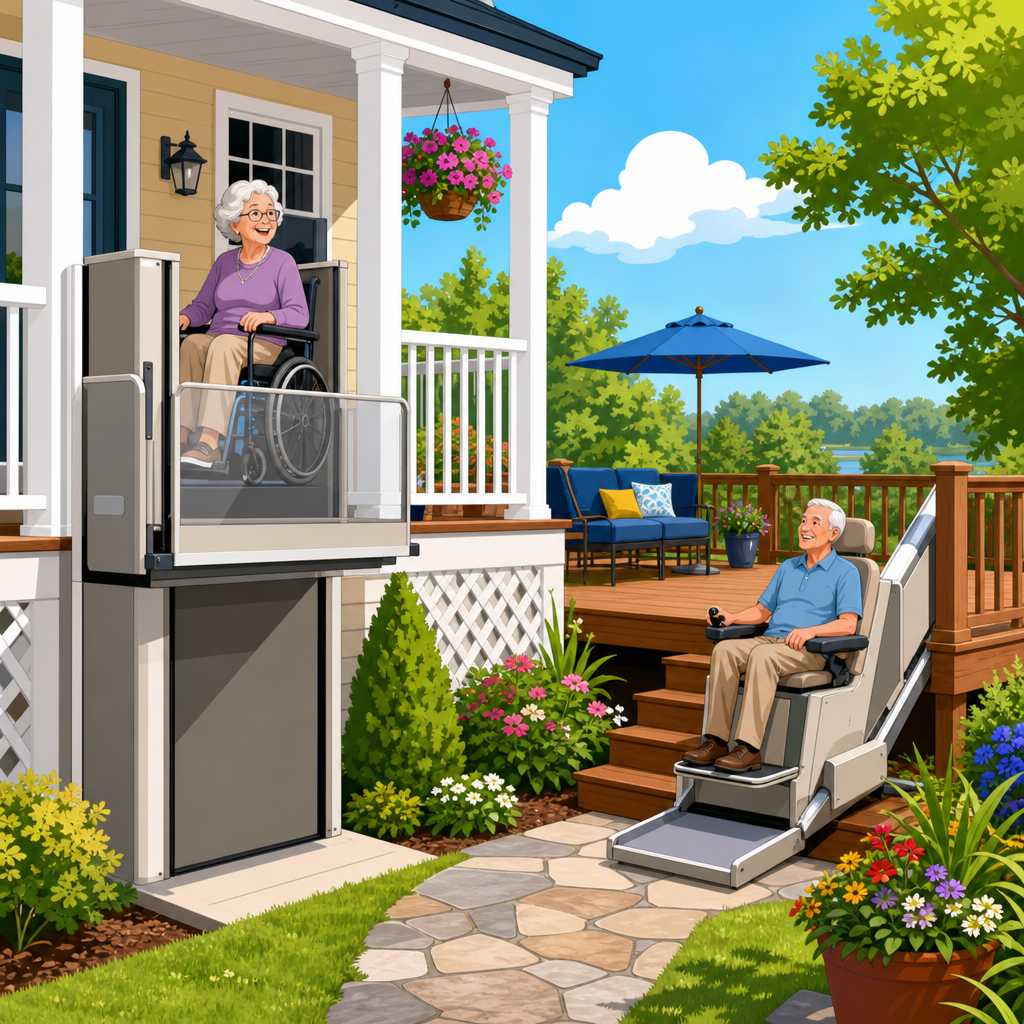
Outdoor chair lifts give people a safe, practical way to reach porches, decks, patios, and entry platforms without climbing steps, and the best models are built to handle weather, preserve independence, and fit the exact geometry of an exterior staircase. In accessibility work, I have seen outdoor lifts make the difference between staying in a longtime home and being forced to avoid the front entrance entirely. When people search for the best outdoor lifts for porches and decks, they usually mean outdoor stair lifts, though some situations call for vertical platform lifts, inclined platform lifts, or porch lifts instead. Understanding that distinction matters because the right product depends on user mobility, staircase width, local climate, and whether the rider transfers from a cane, walker, or wheelchair.
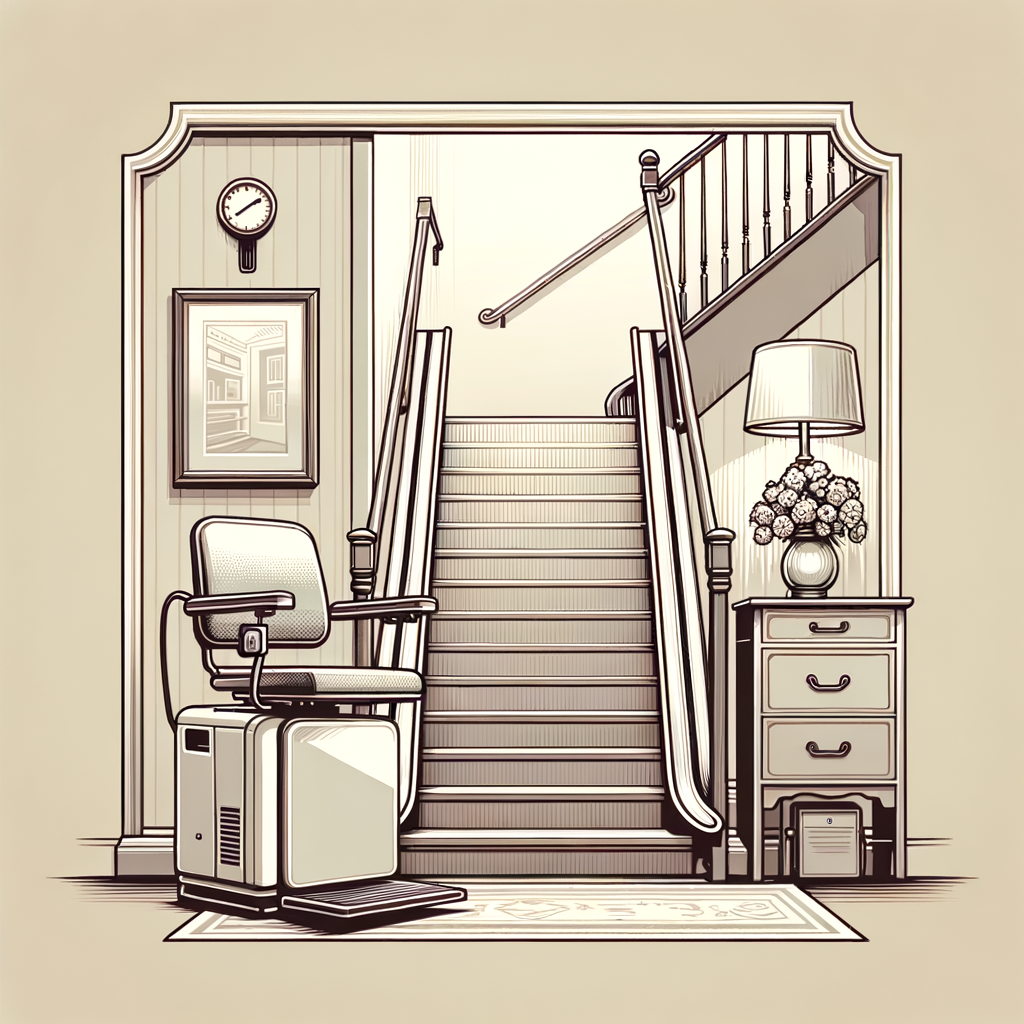
An outdoor chair lift is a motorized seat that travels along a rail mounted to the treads of an exterior staircase. The user sits, fastens a seat belt, and rides between levels using constant-pressure controls. Outdoor models differ from indoor stair lifts in several important ways: they use weather-resistant materials, sealed electronics, covers, and corrosion protection designed for rain, humidity, UV exposure, and temperature swings. Most quality units also include swivel seats, obstruction sensors, folding arms and footrests, battery backup, and call-send controls at each landing.
This topic matters because exterior stairs are often the first barrier someone faces after surgery, during aging in place, or while managing arthritis, balance disorders, or reduced stamina. A few porch steps can effectively isolate a homeowner from deliveries, visitors, medical appointments, and daily errands. According to the Centers for Disease Control and Prevention, falls remain a leading cause of injury among older adults, and stairs are a common setting for serious incidents. A properly selected lift reduces that risk, but only when matched to the site, maintained well, and installed to manufacturer specifications and local code requirements.
As a hub page in the broader chair lift types and designs category, this guide explains the main types of outdoor chair lifts, the features that separate good systems from poor ones, expected pricing, installation realities, maintenance demands, and the scenarios where a chair lift is not the best answer. It is designed to help you compare options quickly, ask better questions during quotes, and identify which specialized topic you should explore next, whether that is straight stair lifts, curved stair lifts, heavy-duty lifts, wheelchair-access solutions, or weather protection and service plans.
What qualifies as the best outdoor lift for a porch or deck
The best outdoor lift is not simply the cheapest unit or the brand with the most advertising. It is the model that safely serves the rider, fits the staircase without compromising egress, and survives the local environment with predictable maintenance. In practice, I evaluate five core factors first: staircase configuration, user transfer ability, weight capacity, exposure conditions, and service support in the local market. If any of those are mismatched, even a premium product can become frustrating or unsafe.
Straight exterior staircases are the most common and usually the most affordable to equip. A straight outdoor stair lift runs on a simple rail and is often installed in a few hours. Curved or multi-landing stairs require a custom rail, which increases lead time and cost. Some porches and decks have narrow steps, steep rises, or gates at the top and bottom; these details determine whether a standard seat, perch seat, or hinged rail is needed. For wheelchair users who cannot transfer safely, an outdoor chair lift is usually the wrong category entirely, and a vertical platform lift or ramp should be considered first.
Weather exposure is another deciding factor. A covered porch in a temperate climate places far less stress on a lift than a waterfront deck facing salt air, direct sun, and blowing rain. In coastal installations, powder coating, marine-grade fasteners, UV-stable plastics, and strong dealer maintenance support become especially important. The best brands design outdoor systems around those realities rather than merely adding a cover to an indoor model.
| Lift type | Best use case | Main advantages | Main limitations |
|---|---|---|---|
| Straight outdoor stair lift | Single run of exterior stairs to a porch or deck | Fast installation, lower cost, proven reliability | Only works on straight staircases |
| Curved outdoor stair lift | Stairs with turns, intermediate landings, or irregular geometry | Custom fit, smooth travel around bends | Higher price, longer manufacturing lead time |
| Heavy-duty outdoor stair lift | Larger users or homes needing wider seats and higher capacity | Greater stability, more room, stronger drivetrain | Needs wider staircase and more clearance |
| Perch-seat outdoor lift | Users with limited knee bend or very narrow stairs | Shorter seat profile, easier sit-stand transition | Not ideal for riders who need full seated support |
| Vertical platform lift | Wheelchair or scooter access to decks and porches | No transfer required, accommodates mobility devices | Higher structural and code requirements |
Best outdoor chair lift types and where each works best
Straight outdoor stair lifts are the default recommendation for most porches and deck stairs because they combine reliability, lower pricing, and straightforward service. Brands such as Bruno, Harmar, and Access BDD have long sold outdoor-rated straight units with folding seats, waterproof covers, and battery-powered operation. For a typical five-to-twelve-step run from driveway to porch, this is usually the best fit. If the user can sit and stand with moderate support, a standard seat with armrests and a swivel function is usually sufficient.
Curved outdoor stair lifts solve more complex layouts. Think of a wraparound deck staircase with a landing turn, or a front approach where the steps curve around landscaping. These lifts use a custom-bent rail fabricated to measured dimensions. They are excellent when there is no practical way to rebuild the stairs or add a ramp, but they are more expensive and less interchangeable between homes because the rail is custom. Precision matters here; dealers often use digital photo measurement systems to avoid fabrication errors.
Heavy-duty outdoor stair lifts are designed for higher capacities, often 350 to 400 pounds or more depending on the model. They may include wider seats, reinforced frames, and larger footrests. In real installations, these lifts are also useful for tall users who find compact seats uncomfortable, even when they do not need the maximum capacity. The tradeoff is space: wider chairs require more staircase clearance when folded and in use.
Perch or standing-assist lifts are specialized but valuable. Some users with hip replacements, severe knee stiffness, or limited trunk flexion cannot lower themselves safely into a conventional chair seat. A perch lift lets them ride in a more upright position against a small support seat. This style can also help on narrow exterior stairs where a full-depth seat would obstruct passage. It is a niche solution, but in the right anatomy-and-layout combination, it works very well.
Finally, some homeowners searching for outdoor chair lifts actually need a vertical platform lift. If the rider uses a wheelchair or scooter and cannot transfer independently, a seat lift creates a second barrier rather than removing the first. A porch lift moves the person and mobility device together from grade to deck level. It usually costs more, needs more structural planning, and may require permits with greater scrutiny, but it is the correct solution in many accessibility-driven projects.
Key features, safety standards, and weatherproofing details
The most important outdoor chair lift features are not flashy extras; they are the components that affect daily safety and service life. Battery operation is near the top of the list. Most modern stair lifts charge from the rail and run on onboard batteries, which means they continue working during a power outage for a limited number of trips. That matters on exterior stairs because weather-related outages are common exactly when a user most needs safe access.
Look for constant-pressure controls, swivel seats with locking positions, retractable seat belts, overspeed governors, and obstruction sensors on the carriage and footrest. A folding rail or hinged rail can be critical when the bottom of the staircase opens into a walkway or doorway. In several porch projects I have reviewed, a folding rail prevented the lift from blocking storm-door clearance or creating a trip hazard on a narrow sidewalk approach.
Material quality separates true outdoor systems from lightly modified indoor units. Good outdoor lifts use sealed gearboxes, weather-resistant harnesses, durable powder-coated frames, and plastics that tolerate sunlight without becoming brittle. A fitted cover is essential, but it should be considered a secondary defense, not the main weather strategy. In snowy climates, I advise clients to ask specifically about minimum operating temperatures, charging performance in cold weather, and the manufacturer’s guidance for ice management. No stair lift should be operated on frozen, obstructed stairs.
Safety certification and code alignment also matter. Reputable lifts are commonly tested to recognized standards through organizations such as UL or ETL, and professional installers should follow manufacturer instructions as well as local building and electrical requirements. For accessibility-focused projects, dealers should be able to explain how the installation affects required egress width, landing clearances, and handrail use. A responsible provider will discuss what the lift can do, but also where it should not be installed.
Cost, installation, and long-term ownership
For budgeting, a straight outdoor stair lift often falls in the range of roughly $4,500 to $8,500 installed, while curved outdoor systems can run from about $10,000 to $20,000 or more depending on rail complexity. Heavy-duty features, folding rails, powered swivel seats, and upgraded upholstery can raise the price. Vertical platform lifts typically start higher than chair lifts and can increase further when concrete pads, gates, electrical work, or structural modifications are needed.
Installation time varies by type. A straight outdoor chair lift can often be installed in half a day once the equipment arrives. Curved lifts take longer because the custom rail must be manufactured first, then fitted carefully on site. A good installer measures stair rise, run, tread depth, nose profile, and landing clearances rather than relying on rough estimates. On porches and decks, installers should also evaluate substrate condition, rot, fastener integrity, and whether the stair structure is solid enough to carry the lift loads over time.
Ownership costs include annual service, battery replacement every few years, and occasional repairs to switches, seat components, or charging contacts. Salt air, tree debris, pollen, and freeze-thaw cycles can accelerate wear. In my experience, the cheapest quote is often the most expensive over five years if the dealer lacks service coverage or installs a unit unsuited to the site. Ask about response times, stocked parts, warranty terms, and whether the company services what it sells with in-house technicians.
Funding is inconsistent. Medicare typically does not cover stair lifts as standard durable medical equipment, though some Medicare Advantage plans may offer limited supplemental benefits. Veterans benefits, state assistive technology programs, Medicaid waivers, nonprofit grants, and home modification loans can sometimes help. Because policies differ widely, homeowners should verify options locally before assuming full out-of-pocket payment.
How to choose the right outdoor lift for your home
Start with the user, not the staircase. Can the rider transfer safely, sit upright for the full trip, operate simple hand controls, and stand from the seat at the top landing without losing balance? If the answer to any of those is no, broaden the discussion to platform lifts, ramps, or entry redesign. If the user can transfer safely, then assess the stairs: straight or curved, width between obstructions, top and bottom landing space, exposure to weather, and proximity to doors or walkways.
Next, compare dealers as carefully as brands. A strong dealer will perform an on-site assessment, explain alternatives, provide a written scope, and discuss limitations candidly. They should ask about medications affecting balance, whether more than one person will use the lift, and whether future mobility decline is likely. That future-proofing question is important. I have seen homeowners buy a basic outdoor chair lift for a user who soon needed wheelchair access, making the first installation a short-term fix rather than a durable solution.
Finally, think like an owner. Choose a model with easy controls, dependable local service, and a realistic maintenance plan. If your home is exposed to intense weather, prioritize proven outdoor engineering over cosmetic design. The best outdoor lifts for porches and decks are the ones that restore routine access every day, not just the ones that look impressive in a brochure. Review your staircase, mobility needs, and service options, then schedule quotes from qualified local dealers to find the safest fit for your home.
Frequently Asked Questions
What should I look for when choosing the best outdoor lift for a porch or deck?
The best outdoor lift for a porch or deck starts with the staircase itself. You need accurate measurements of the stair length, width, number of landings, slope, and any turns or obstructions such as railings, posts, doors, or gates. Most porch and deck applications use a straight outdoor chair lift, but if the stairs curve, split, or include intermediate landings, you may need a custom curved model. Fit is critical because an outdoor lift has to travel smoothly while still leaving enough clear walking space on the stairs.
Weather resistance is another major factor. A true outdoor model should be specifically rated for exterior use, not just an indoor lift placed outside. Look for weather-resistant materials, sealed electrical components, UV-protected finishes, and a durable cover to protect the seat, armrests, and carriage when the lift is parked. In climates with rain, snow, salt air, or strong sun exposure, these features matter a great deal for long-term reliability.
You should also consider user comfort and safety. Important features include a swivel seat for easier transfers, a seat belt, obstruction sensors, folding arms and footrest, remote call/send controls, and a stable start-and-stop system that avoids jerky motion. Weight capacity matters too, especially if the user needs a heavy-duty seat or extra space for easier transfers. Finally, think about service support. The best outdoor lifts are backed by a reputable installer who can handle site evaluation, installation, maintenance, and repairs. A well-matched lift is not just about brand name; it is about choosing the model that fits the staircase, the user, and the local weather conditions.
Are outdoor chair lifts safe to use in rain, snow, and other weather conditions?
Yes, outdoor chair lifts are designed to operate safely outside, but only when they are purpose-built for exterior conditions and properly maintained. Quality outdoor lifts are built with weather-resistant seats, sealed controls, corrosion-resistant rails, and protective covers. These features help the unit withstand moisture, temperature swings, sunlight, and debris better than standard indoor models. That said, “weather-resistant” does not mean “maintenance-free” or “invincible.” Outdoor equipment always needs regular care.
In real-world use, rain is usually not a problem for a properly installed outdoor lift, especially when the unit is parked under its cover when not in use. Snow and ice are more complicated. The rail, seat, and footrest should be kept clear of buildup before operation. Many manufacturers recommend removing snow and checking that the track is free of obstructions prior to using the lift. In freezing conditions, performance can vary depending on the model, battery condition, and exposure level, so it is smart to ask the installer how the specific unit performs in winter climates.
Safety also depends on installation and user habits. A lift should be mounted securely, tested for smooth travel, and equipped with sensors that stop the unit if something is in the way. Users should always buckle the seat belt, keep feet on the footrest, and avoid using the lift if steps or landings are dangerously icy. If weather exposure is severe, a covered landing or partial enclosure can help extend the lift’s life and improve reliability. The short answer is that outdoor lifts are safe for exterior use, but they perform best when they are truly outdoor-rated, well maintained, and used with sensible precautions during harsh weather.
How much does an outdoor lift for deck or porch stairs typically cost?
The price of an outdoor lift for a porch or deck can vary widely based on the staircase layout, the lift model, and the installation conditions. In many cases, a straight outdoor chair lift costs more than a comparable indoor unit because of the weatherproofing, exterior-grade materials, and protective components required for outside use. If the staircase is simple and straight, pricing is usually more manageable. If the stairs are curved, unusually long, or have multiple landings, the cost rises significantly because the rail and configuration become more custom.
Beyond the lift itself, installation costs can include labor, electrical preparation, permits if required locally, and any site modifications needed to create safe landings or adequate clearance. Some homes need minor carpentry or railing adjustments to make the lift fit properly. Heavy-duty models, power folding footrests, upgraded seats, and extended warranty coverage can also increase the final investment. Because of these variables, homeowners should be cautious about generic online price ranges that do not account for the actual staircase.
The most accurate way to budget is to schedule an in-home assessment. A qualified accessibility professional can measure the stairs, confirm whether a straight or custom solution is needed, and identify any hidden issues before you buy. It is also worth asking about ongoing costs such as annual service, battery replacement, and repair coverage. While cost matters, the real value of a good outdoor lift is that it restores safe access to the home and helps preserve independence. For many families, that practical benefit outweighs the upfront expense.
Can an outdoor lift be installed on any porch, patio, or deck staircase?
Not every exterior staircase is automatically suitable, but many can accommodate an outdoor lift with the right planning. The key requirements are enough stair width, stable mounting surfaces, safe top and bottom landing areas, and a layout that allows the user to get on and off the seat comfortably. Straight stairs are usually the easiest and most cost-effective to fit. Stairs with turns, uneven landings, narrow clearances, gates, or unusual construction may still work, but they require a more detailed design review.
One common misconception is that the lift must attach to the wall. In most cases, the rail mounts to the stair treads, not the wall, which makes installation possible in many open-sided deck and porch stairways. However, the underlying stair structure must be solid enough to support the system. Older wood stairs, weathered decking, or shifting outdoor steps may need repairs before installation. The top landing is especially important. The user must be able to transfer safely without backing toward an edge or being forced into an awkward position near a door swing.
This is why a site evaluation matters so much. An experienced installer will assess stair geometry, structural condition, exposure to weather, door clearance, and user needs before recommending a model. In some cases, the better solution may be a vertical platform lift rather than a chair lift, especially if the user uses a wheelchair or cannot transfer safely to a seat. The goal is not just to place a lift on stairs, but to create dependable, safe access that works every day. A professional assessment will quickly tell you whether an outdoor chair lift is a good fit or whether another accessibility option would serve the home better.
How do you maintain an outdoor chair lift so it lasts as long as possible?
Outdoor chair lifts last longer when they are treated like exterior mechanical equipment rather than indoor furniture. The first rule is to keep the lift covered when it is not in use. Most outdoor models come with a fitted weather cover, and using it consistently helps protect the seat, controls, and carriage from sun, rain, pollen, and debris. It is also wise to keep the rail clean. Leaves, dust, insect buildup, and windblown dirt can collect on exterior components, so gentle routine cleaning helps preserve smooth operation.
Battery care is another big part of maintenance. Many chair lifts run on batteries that charge when the unit is parked at designated points. If the lift is rarely used or left off the charger, battery life can suffer. Homeowners should understand where the charging points are and make sure the lift is parked correctly after each use. In colder climates, batteries can be more sensitive, so regular inspection becomes even more important. If the lift begins moving more slowly, beeping unexpectedly, or failing to complete trips, it should be serviced before a minor issue becomes a major repair.
Professional maintenance is strongly recommended. A yearly service visit allows a technician to inspect the rail, seat, safety sensors, charging system, fasteners, and weather seals. They can also spot corrosion, alignment issues, or wear before performance is affected. Homeowners should never lubricate or adjust components unless the manufacturer specifically recommends it, because the wrong product can attract grit or interfere with the system. With routine cleaning, proper covering, battery awareness, and scheduled service, a quality outdoor lift can provide dependable porch or deck access for many years.