Chair lift cost ranges vary widely because the final price depends on the lift type, staircase design, home layout, safety features, and installation complexity. When homeowners ask, “How much do chair lifts cost?” the honest answer is that most straight stair lifts start around a few thousand dollars, while custom curved models and luxury options can exceed five figures. In projects I have reviewed with mobility dealers and aging-in-place contractors, the biggest pricing surprises usually come from rail customization, electrical preparation, and service coverage rather than the seat itself.
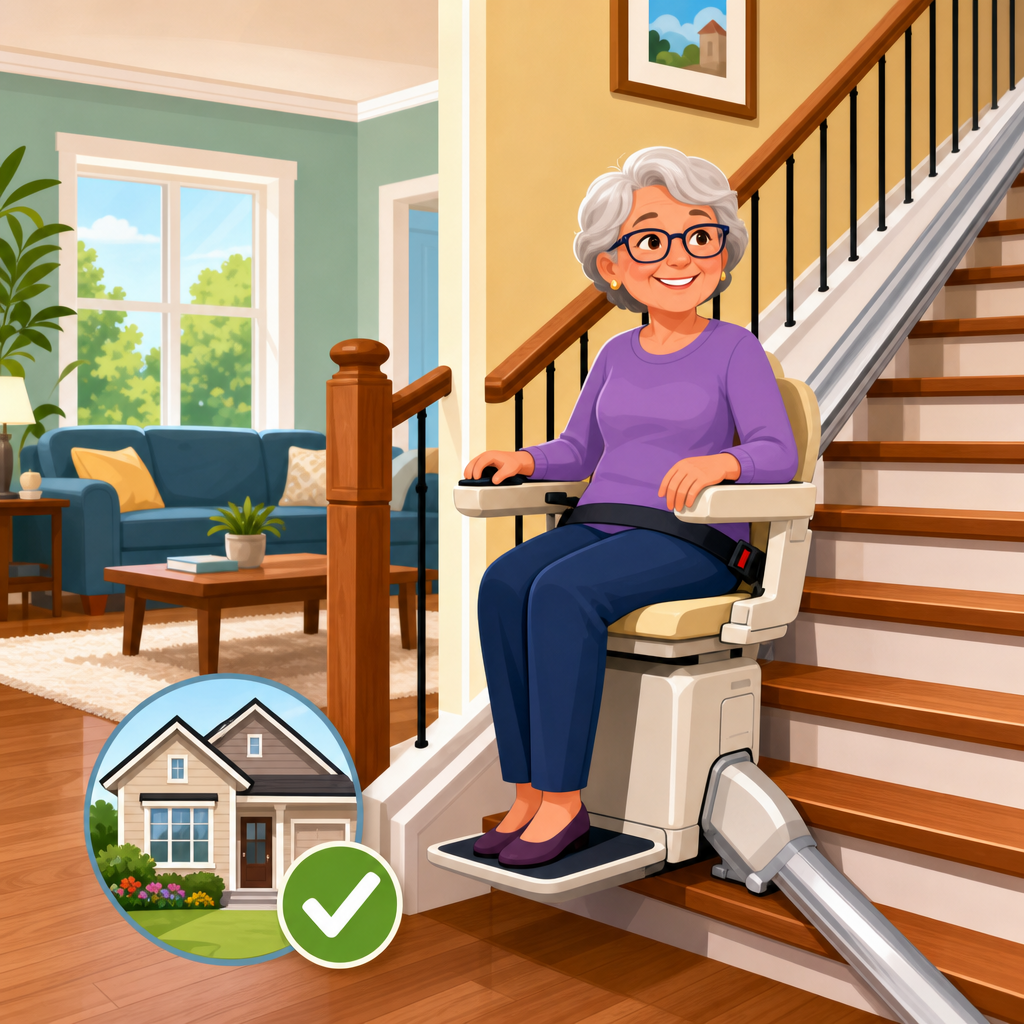
A chair lift, often called a stair lift, is a motorized seat that travels along a rail mounted to stair treads. It helps people move safely between floors when climbing stairs becomes difficult because of age, arthritis, injury, balance problems, or disability. Some buyers also use chair lifts temporarily after surgery, while others need a permanent accessibility solution to stay in a multilevel home. Understanding the true cost matters because a stair lift is rarely a simple off-the-shelf purchase. The advertised base price may not include measuring, custom fabrication, permits where required, power upgrades, or long-term maintenance.
This hub article explains chair lift cost ranges from budget to luxury, including straight, curved, outdoor, and platform-related alternatives where relevant. It also covers what affects pricing, what features are worth paying for, what financing paths exist, and how to compare quotes without missing hidden costs. If you are planning for yourself, a parent, or a client, this page gives you the framework needed to estimate a realistic budget and make a confident purchase decision.
Typical Chair Lift Cost Ranges by Type
The fastest way to understand stair lift pricing is to separate products by staircase shape and use case. Straight stair lifts are the most affordable because the rail is standardized and installation is straightforward. In most markets, a new straight stair lift generally costs about $2,500 to $6,000 installed. Entry-level models from major manufacturers often fall near the lower end when the staircase is short and the home needs no electrical work. Better seats, folding rails, power swivel functions, and stronger weight capacities push the total upward.
Curved stair lifts cost much more because the rail is built specifically for one staircase. Typical installed pricing runs from about $10,000 to $20,000, though long staircases, multiple landings, or highly customized designs can exceed that range. The rail is the expensive component, not just the chair. Every bend, parking point, and transition must be measured precisely, then engineered and fabricated to fit. A curved model for a narrow staircase with a 90-degree turn is not interchangeable with one made for a sweeping staircase with intermediate landings.
Outdoor stair lifts usually cost about $4,000 to $12,000 depending on whether the staircase is straight or curved and how weatherproof the system must be. Marine-grade finishes, sealed controls, UV-resistant covers, and corrosion-resistant hardware add to the price. Commercial-grade heavy-duty units can cost more. Buyers in coastal or snowy climates should budget for higher maintenance because exposure increases wear on rails, batteries, and seats.
| Chair lift type | Typical installed cost | Best fit | Main cost driver |
|---|---|---|---|
| Straight indoor | $2,500 to $6,000 | Simple staircase with no turns | Seat features and rail length |
| Curved indoor | $10,000 to $20,000+ | Stairs with turns or landings | Custom rail fabrication |
| Outdoor straight | $4,000 to $8,000 | Porch, deck, or exterior steps | Weatherproof construction |
| Outdoor curved | $10,000 to $15,000+ | Exterior stairs with turns | Custom rail plus weather resistance |
| Used or reconditioned straight | $2,000 to $4,000 | Budget-focused buyers | Availability and warranty length |
| Rental straight | $300 to $1,500 upfront plus monthly fees | Temporary recovery needs | Rental term and removal charges |
Budget shoppers should note one important limitation: used and rental units are usually available only for straight staircases. Because curved rails are custom, they are rarely reusable in another home without major refabrication. That is why the price gap between straight and curved systems is so large and so persistent across brands.
What Affects the Price of a Chair Lift
Several factors determine how much a chair lift costs, and understanding them helps you compare quotes accurately. Staircase configuration is the first factor. A straight run with enough width and clear landings is simple. A narrow staircase may require a compact seat, a hinged rail, or offset mounting. Curves, intermediate landings, doorways near the top or bottom, and overrun requirements all add cost. In my experience, homeowners often focus on seat style, but layout geometry usually matters more than upholstery or color.
Lift capacity also changes the price. Standard models commonly support around 250 to 350 pounds. Heavy-duty units designed for larger users can support 400 pounds or more, but they may require a wider staircase and a reinforced carriage system. Seat-to-footrest dimensions matter for taller or broader users, and premium ergonomics usually cost more. Brands such as Bruno, Harmar, Stannah, and Acorn offer different seat sizes and capacity tiers, so direct model-to-model comparison is essential.
Power system design matters as well. Most modern stair lifts use battery power with a charging station at one or both ends of the rail. Battery-powered lifts continue operating during a household power outage, which is a major safety advantage. However, batteries need replacement every few years, commonly around three to five depending on usage and temperature. Non-battery or direct-power systems may lower some maintenance demands, but they are less common in residential settings because outage resilience matters.
Installation conditions create another layer of cost. Basic installs can be completed in a few hours. More complicated projects may require trim modifications, relocation of obstacles, dedicated outlets, or permit coordination depending on local code enforcement. Some historic homes have uneven treads, limited clearance, or plaster walls that demand extra labor even though the rail mounts to the stairs, not the wall. Removal of an old unit can also add disposal fees.
Budget Options: Entry-Level, Used, and Rental Chair Lifts
If the goal is safe mobility at the lowest practical cost, straight stair lifts dominate the budget category. A basic new unit typically includes a padded seat, seat belt, folding arms and footrest, call-send controls, and obstruction sensors that stop the lift if it meets resistance on the stairs. These core safety features are standard and should not be treated as luxury upgrades. What usually defines entry-level pricing is a simpler seat design, lower weight capacity, shorter warranty, and fewer powered functions.
Used or reconditioned chair lifts can reduce the purchase price, especially for short-term use. The key is verifying what has actually been refurbished. Reputable dealers replace worn batteries, test the transmission and charging contacts, inspect the carriage, and provide a written labor and parts warranty. A low used price is less attractive if the unit lacks dependable service support or requires an obsolete component. I advise buyers to ask for the model year, service history, and who will handle repairs locally.
Rental chair lifts make sense for temporary recovery after surgery, injury rehabilitation, or hospice situations. Many dealers charge an installation fee, a monthly rental fee, and a removal fee at the end of the term. While monthly pricing can look affordable, the total cost over six to twelve months may approach the cost of buying a basic straight unit. Rentals are attractive when the need is clearly temporary, but they are less economical when the timeline is uncertain. For families making a rapid discharge plan from a hospital or rehab facility, rental availability and installation speed can matter more than long-term value.
Mid-Range and Premium Features That Raise the Total
As buyers move into the mid-range market, the biggest upgrades are convenience, fit, and aesthetics. Powered swivel seats help riders exit safely at the top landing without twisting. Powered footrests reduce the need to bend down before each ride. Folding rails, sometimes called hinged rails, prevent the track from blocking a doorway or walkway at the bottom of the stairs. These features genuinely improve daily usability, especially for users with limited flexibility or back pain, but each one raises the installed price.
Luxury chair lift options usually combine custom rail work, premium finishes, advanced ergonomics, and quieter drivetrains. On high-end curved systems, manufacturers may offer slimmer rail profiles, upgraded upholstery, color-matched components, and more tailored parking positions so the seat rests out of view. Premium units can also deliver smoother starts and stops, better ride comfort, and enhanced diagnostics that help technicians identify faults quickly. These refinements are valuable for frequent users, yet they are not always necessary for a low-frequency household.
There is also a practical distinction between premium features and marketing extras. A compact chair that leaves more walking space on a narrow staircase may be worth every dollar. Decorative trim packages often are not. When I evaluate quotes, I look first at safety, user fit, reliability, and service response time. Visual style matters because the lift becomes part of the home, but appearance should not outrank dependable operation and comfortable transfers at both landings.
Installation, Maintenance, and Hidden Costs
The purchase price is only part of the ownership cost. Installation is often bundled into the quote, but buyers should confirm whether the listed number includes site assessment, rail cutting or fabrication, testing, user training, permit handling where necessary, and haul-away of packaging or old equipment. A straight stair lift installation is usually faster and cheaper than a curved project because the rail arrives standardized. Curved installations require exact measurements, manufacturing lead time, and more detailed fitting.
Maintenance costs are moderate but real. Battery replacement is one of the most common routine expenses. Service calls outside warranty can include trip charges, labor, and parts. Annual maintenance is not always mandatory, yet it is wise for heavily used systems, outdoor lifts, and homes where reliability is critical because the user has no practical alternative route. Some dealers sell service plans that cover preventive inspections and discounted repairs. Those plans are most valuable in rural areas where technician travel is expensive.
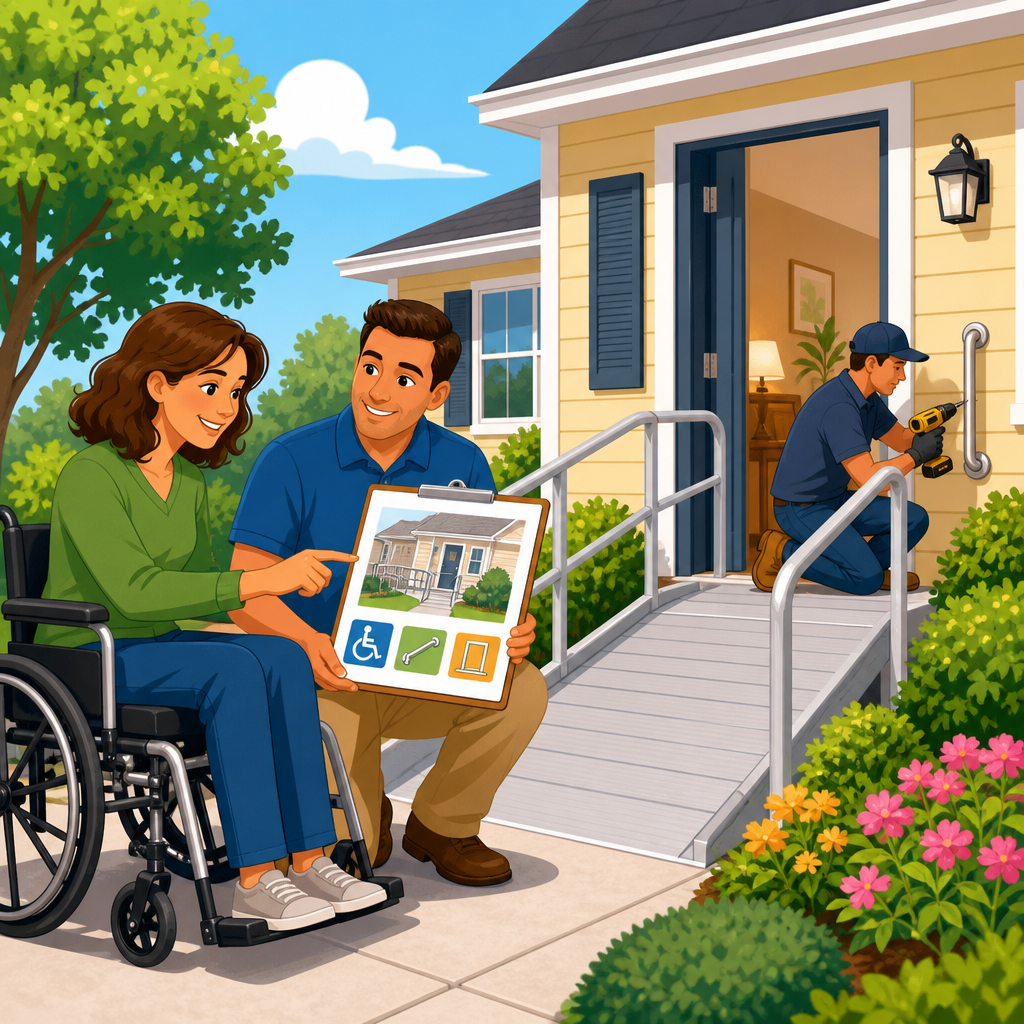
Hidden costs can include permit fees, electrical outlet additions, floor or trim changes at landings, and removal of a previous lift. Another overlooked issue is resale value. Straight units can sometimes be repurchased or relocated, but homeowners should not assume they will recover much of the cost. Curved rails are so staircase-specific that resale value is limited. For that reason, a family choosing between a temporary ramp, a first-floor bedroom conversion, and a curved stair lift should compare total household accessibility costs, not just the lift quote in isolation.
Financing, Insurance, and How to Compare Quotes
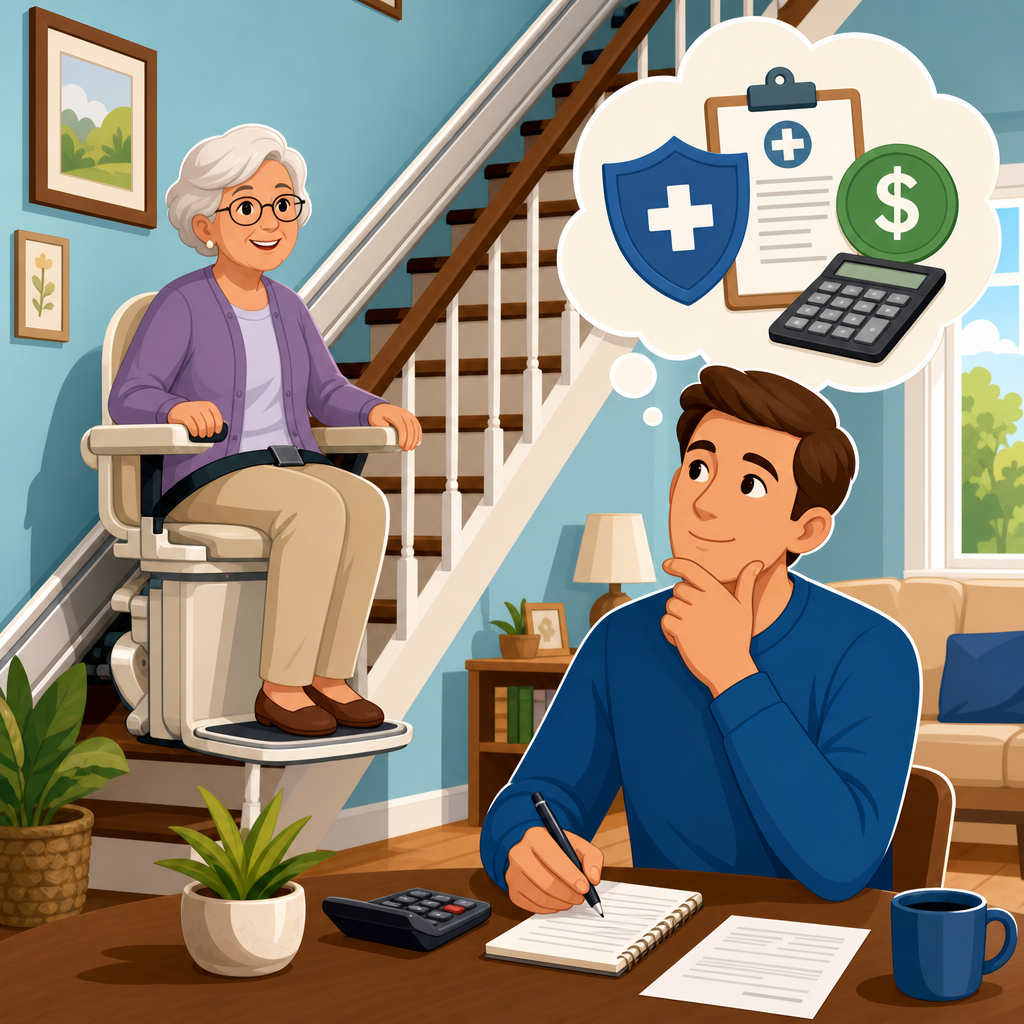
Most chair lifts are paid for out of pocket, but buyers still have several financing paths. Dealers may offer installment financing through third-party lenders. Some homeowners use home equity funds, health savings accounts, or flexible spending accounts if the purchase qualifies as a medically necessary expense under their tax and plan rules. Veterans may have access to housing adaptation benefits, and some state Medicaid waiver programs, area agencies on aging, or nonprofit organizations provide limited assistance for home accessibility equipment. Traditional Medicare generally does not cover stair lifts because they are considered home modifications rather than durable medical equipment, though Medicare Advantage supplemental benefits can vary by plan.
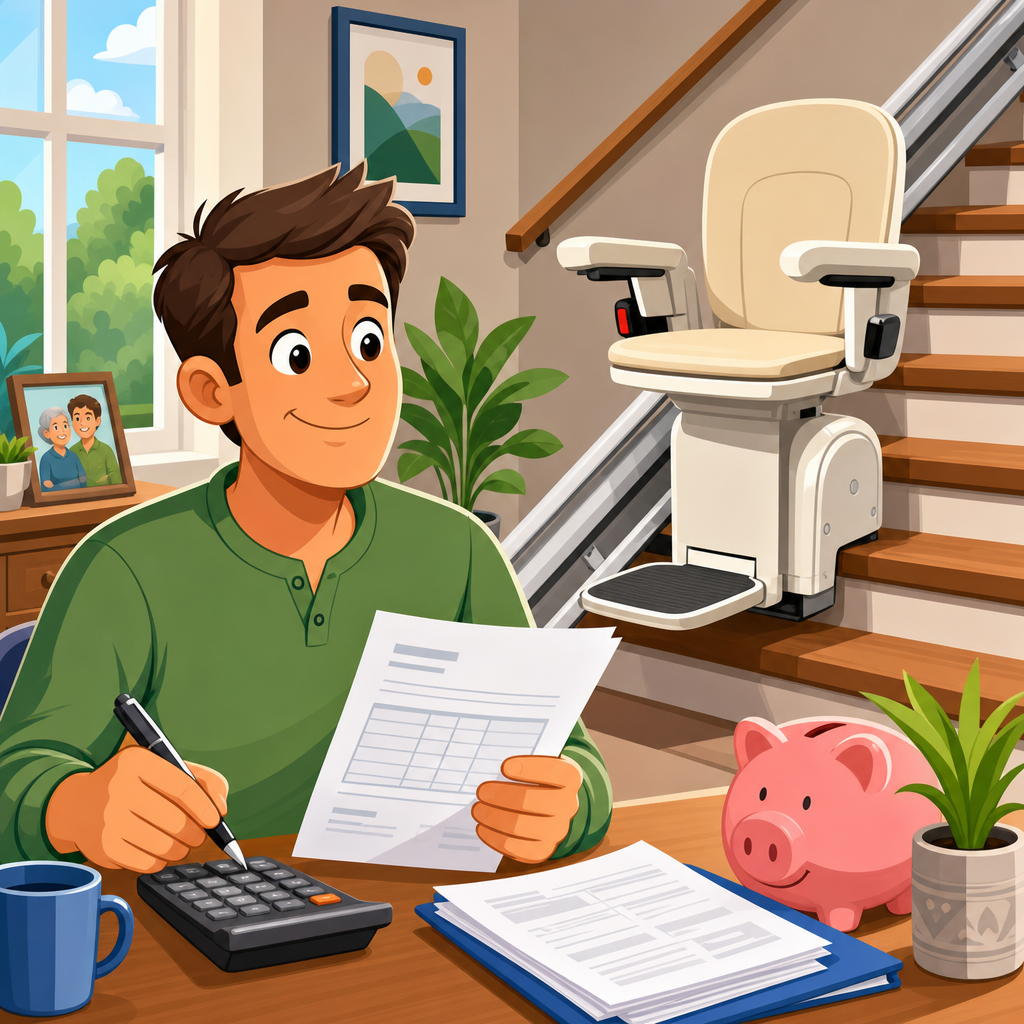
When comparing quotes, request a written breakdown that identifies the model, weight capacity, rail type, seat width, powered options, warranty terms, service coverage radius, and estimated installation date. Ask whether the quote includes survey, labor, permit coordination, battery charger, call-send remotes, and removal if the unit is later no longer needed. A lower quote is not better if the dealer has weak local service support or if parts must be shipped from overseas with long delays. Reliable post-installation support is part of the true chair lift cost.
The smartest next step is to schedule in-home assessments from at least two qualified dealers and compare both the product fit and total lifetime value. A well-chosen chair lift protects safety, supports independence, and can delay a costly move or renovation. Use this hub as your starting point, then move deeper into straight, curved, rental, used, and financing topics so you can choose the right solution with clear expectations and a realistic budget.
Frequently Asked Questions
1. How much do chair lifts cost for most homes?
Chair lift prices can range from a few thousand dollars for a basic straight model to well over $10,000 for a custom curved or luxury installation. In most homes, the biggest factor is whether the staircase is straight or curved. A straight stair lift is generally the most affordable because it uses a standard rail and requires less customization. Curved stair lifts cost more because the rail must be measured and manufactured specifically for the exact turns, landings, and angles of the staircase. Homeowners should also expect the final number to reflect installation labor, power supply needs, seat style, weight capacity, safety upgrades, and any optional features such as power swivel seats or folding rails. The most accurate way to think about pricing is not as one fixed number, but as a range based on how simple or customized the project becomes.
2. Why are curved and custom chair lifts so much more expensive than straight models?
Curved chair lifts cost more because they are engineered around the exact shape of the staircase rather than built from a more standardized system. If a staircase has turns, intermediate landings, spiral elements, or unusual dimensions, the rail usually has to be custom fabricated to fit precisely. That custom work affects nearly every stage of the project, from in-home measuring and design to production, shipping, and installation. In addition, curved lifts often require more labor to install and test because the carriage must travel smoothly through every bend in the rail. The result is a more tailored mobility solution, but also a higher price point. For homeowners comparing options, this is often the single largest cost jump in the chair lift category, and it explains why two homes can receive very different quotes even if the staircases appear similar at first glance.
3. What hidden or overlooked costs can increase the final chair lift price?
Some of the biggest pricing surprises come from details that are easy to miss during early budgeting. Installation complexity is a major one. Narrow stairs, unusual wall clearances, multiple landings, or difficult access to the work area can increase labor time. Electrical considerations can also affect the quote, especially if a dedicated outlet or circuit adjustment is needed near the charging points. Homeowners may also pay more for upgraded seats, higher weight capacities, extended rails, folding hinges at the bottom of the stairs, power footrests, or premium upholstery and finish packages. Another overlooked expense can be permitting or code-related work in certain areas, though that varies by location. If the lift is being installed as part of a larger aging-in-place remodel, coordinating with flooring, trim, or entry modifications may also add to the total project cost. Asking for a fully itemized estimate is one of the best ways to avoid surprises.
4. Are luxury chair lifts worth the higher cost?
Luxury chair lifts can be worth the added investment when comfort, aesthetics, ride quality, and advanced accessibility features matter as much as basic stairway access. Higher-end models often include smoother starts and stops, quieter operation, slimmer rail designs, upgraded seat materials, automatic folding components, enhanced safety sensors, and more refined styling that blends better with the home. In some cases, luxury options are also chosen because the staircase layout is prominent in the home and homeowners want the lift to feel less medical and more integrated into the interior design. That said, the best value depends on the user’s needs. For someone who simply needs reliable daily access on a straight staircase, a well-built standard model may be more practical than a premium system. For someone planning long-term use, prioritizing comfort, or installing on a highly customized staircase, a luxury model may provide better satisfaction over time.
5. How can homeowners choose the right chair lift without overpaying?
The smartest approach is to start with function first and features second. Homeowners should begin by identifying the staircase type, the user’s mobility needs, and how often the lift will be used. From there, it helps to compare multiple quotes from reputable mobility dealers who perform in-home assessments rather than giving rough numbers without measuring the stairs. A good quote should explain the lift type, rail design, installation scope, warranty, service support, and any optional upgrades. It is also important to ask which features are truly necessary. For example, a power swivel seat or folding rail can be essential in one home but optional in another. Focusing on safety, fit, and long-term reliability usually leads to a better decision than shopping by base price alone. The least expensive option is not always the best value if it lacks support, comfort, or durability, while the most expensive option is not automatically the best choice unless its added features solve real needs in the home.