Medical tax deductions can lower your taxable income, but many patients and caregivers are unsure when the Internal Revenue Service expects a doctor’s note and when ordinary receipts are enough. In practical terms, a doctor’s note is written documentation from a licensed clinician confirming that a product, service, or home modification is medically necessary for diagnosis, treatment, mitigation, or prevention of disease. A medical tax deduction is an itemized deduction for qualifying unreimbursed health care costs that exceed the applicable percentage of adjusted gross income under current federal rules. This matters because the difference between a well-documented deduction and a weak one can determine whether a taxpayer keeps a valid tax benefit or loses it during an audit. I have helped families organize deduction files after surgeries, chronic illness diagnoses, fertility treatment, and major home accessibility projects, and the same pattern appears repeatedly: people often overestimate the need for a doctor’s note on routine expenses and underestimate it on gray-area expenses. A good hub article on tax deductions and medical expenses should answer the core question directly, explain the rule categories, and show how to document each type of cost clearly enough that both a human reviewer and a search engine can identify the answer fast.
The short answer is no, you do not always need a doctor’s note for medical tax deductions, but you often need one for expenses that could be personal as well as medical. Most standard medical expenses, such as copays, hospital bills, prescription drugs, laboratory fees, dental treatment, eyeglasses, and health insurance premiums paid with after-tax dollars, are substantiated primarily through receipts, invoices, explanation of benefits statements, and proof of payment. A doctor’s note becomes far more important when the expense is not obviously medical on its face. Common examples include a gluten-free diet for celiac disease, air conditioning prescribed for severe asthma, a weight-loss program to treat obesity or hypertension, transportation modifications, a swimming pool used for prescribed hydrotherapy, or tutoring for a child with a diagnosed learning disability. In those cases, the IRS generally looks for evidence that a physician recommended the expense to treat a specific condition rather than to improve general wellness or personal comfort.
Because this page serves as a hub for tax deductions and medical expenses, it covers the full landscape: what counts as a deductible medical expense, where a doctor’s note fits into substantiation, how federal thresholds work, what records to keep, and which high-risk categories deserve extra documentation. State tax treatment may differ, and tax rules change, so taxpayers should confirm current instructions in IRS Publication 502 and Schedule A instructions for the year they file. Still, the basic framework is stable. If an expense is primarily for medical care, unreimbursed, and properly documented, it may be deductible. If it is partly personal, cosmetic, preventive in a general lifestyle sense, or reimbursed by insurance, an FSA, an HSA distribution, or another benefit, the deduction may be reduced or disallowed. Understanding those lines is the key to claiming medical deductions confidently and legally.
What the IRS Means by Medical Care
For tax purposes, medical care is not a casual term. The IRS uses a specific definition drawn from Internal Revenue Code Section 213. Medical care includes amounts paid for the diagnosis, cure, mitigation, treatment, or prevention of disease, and for treatments affecting any structure or function of the body. It also includes transportation primarily for and essential to medical care, qualified long-term care services, and some insurance premiums. This definition is broader than many people expect in some areas and narrower in others. It is broader because it can include travel to appointments, certain fertility treatments, smoking cessation programs, inpatient treatment for substance use disorder, and home improvements made for medical necessity. It is narrower because it excludes expenses that only improve general health, such as ordinary vitamins, most nonprescription toiletries, and gym memberships without a specific medical purpose tied to a documented condition.
In practice, I advise taxpayers to sort expenses into three buckets before they think about deductions. First are clearly deductible medical expenses, such as surgeon fees, insulin, Medicare premiums, crutches, hearing aids, and psychotherapy. Second are clearly nondeductible personal expenses, such as cosmetic surgery done only to improve appearance, child care unrelated to medical treatment, and funeral costs. Third are mixed-purpose expenses, where the underlying facts matter. Those are the expenses most likely to generate the question, do you need a doctor’s note for medical tax deductions. When an item can plausibly be viewed as personal, comfort-related, educational, or home improvement related, contemporaneous medical documentation becomes one of the strongest pieces of support you can have.
When You Usually Do Not Need a Doctor’s Note
A doctor’s note is generally unnecessary for expenses that are obviously medical and already documented by standard business records. If you paid a dermatologist for acne treatment, filled a prescription for blood pressure medication, bought prescription eyeglasses, had a root canal, or paid a hospital deductible, the medical nature of the expense is apparent. In these cases, the better question is whether your records prove the amount, date, provider, patient, and lack of reimbursement. Good substantiation usually includes an invoice or receipt, a credit card or bank record, and if insurance was involved, an explanation of benefits showing what was not reimbursed. If the expense is a premium, keep the policy statement or payroll record showing it was paid with after-tax dollars and not already excluded from income.
This is where many taxpayers go wrong. They focus on obtaining letters from physicians while neglecting basic recordkeeping. During a review, a note saying a patient needed surgery is less useful than the surgeon’s invoice, the hospital statement, and proof that the patient personally paid the unreimbursed balance. The IRS is verifying a tax deduction, not diagnosing the patient. For routine expenses, the business records are the primary evidence. A physician letter may help explain a treatment plan, but it is usually supplemental rather than essential. If you are building a clean file for standard expenses, prioritize organized receipts and proof of payment first.
When a Doctor’s Note Is Important or Essential
A doctor’s note matters most when an expense is medically necessary but not inherently medical. The note should ideally be contemporaneous, meaning written near the time of the expense, and should identify the patient, the diagnosed condition, the recommended item or service, and the medical reason it is needed. Generic statements like “for health reasons” are weak. Specificity matters. For example, a letter stating that central air conditioning is prescribed to alleviate severe respiratory symptoms caused by chronic asthma is far stronger than a vague note saying the patient benefits from cooler air. Likewise, a note prescribing a weight-loss program to treat obesity, diabetes, or hypertension is more useful than one recommending exercise for general wellness.
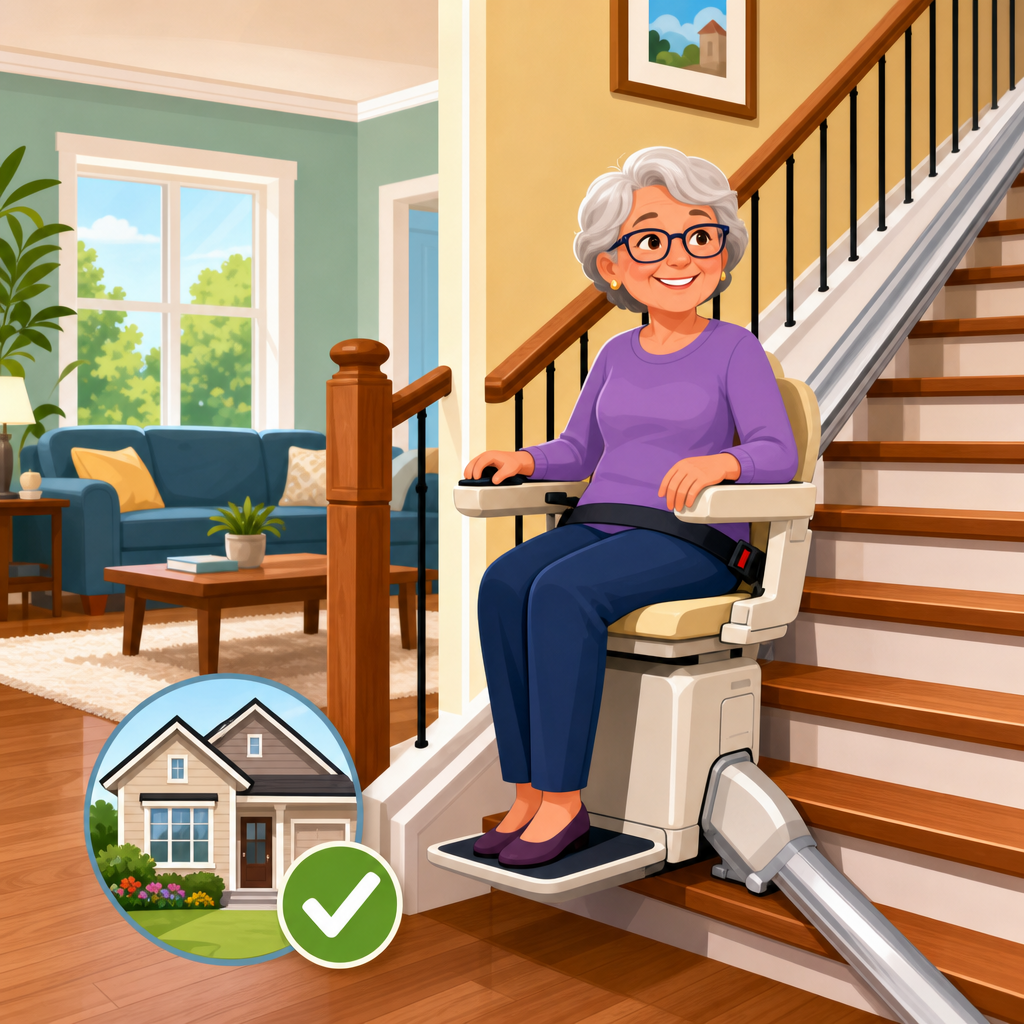
Several categories regularly benefit from physician documentation. Home modifications are a major one. Ramps, widened doorways, stair lifts, bathroom grab bars, lowered cabinets, and accessible showers may qualify when installed for a person with a disability. Educational support can qualify in limited cases, such as specialized tutoring for a child with a diagnosed learning disability caused by a medical condition, but that usually requires strong professional recommendations. Dietary expenses can qualify only in narrow circumstances and usually only for the excess cost over ordinary food, which is difficult to prove without both a diagnosis and detailed receipts. Capital improvements like pools, spas, or therapeutic equipment are especially scrutinized because they can also enhance property value or personal enjoyment.
| Expense Type | Doctor’s Note Needed? | Best Supporting Records | Common Risk |
|---|---|---|---|
| Hospital bill or surgery | Usually no | Invoice, EOB, payment proof | Insurance reimbursement overlooked |
| Prescription medication | Usually no | Pharmacy receipt, prescription record | Over-the-counter items mixed in |
| Home accessibility ramp | Often yes | Doctor letter, contractor invoice, photos | Increase in home value not considered |
| Weight-loss program | Often yes | Diagnosis, physician recommendation, receipts | Claimed for general fitness |
| Special school or tutoring | Often yes | Medical evaluations, school invoices | Educational rather than medical purpose |
| Air conditioner for severe asthma | Usually yes | Doctor letter, purchase receipt | Personal comfort characterization |
How the Deduction Actually Works
Even valid medical expenses are deductible only if you itemize and only to the extent total unreimbursed qualifying expenses exceed the applicable adjusted gross income floor. Under current federal law, that floor is 7.5 percent of AGI for taxpayers who itemize. If your AGI is $80,000 and you have $9,000 in qualifying unreimbursed medical expenses, only $3,000 is deductible because the first $6,000 does not count. This threshold is why timing and aggregation matter. One routine doctor visit rarely creates a deduction by itself. A year that includes surgery, dental implants, fertility care, orthodontics, therapy, or long-term care premiums is far more likely to produce a usable benefit.
Taxpayers should also understand the reimbursement rule. You cannot deduct medical expenses paid by insurance, an employer plan, an HRA, or tax-free distributions from an HSA, Archer MSA, or similar account. Double dipping is prohibited. If you used HSA funds to pay a bill, that bill is not also deductible on Schedule A. If insurance reimbursed part of a procedure, only the unreimbursed portion is potentially deductible. This sounds basic, but I frequently see files where patients save every receipt without marking what was later reimbursed. A clean medical expense ledger should show total billed, insurance paid, patient responsibility, and amount actually paid in the tax year.
Documentation Rules That Protect the Deduction
The strongest medical deduction files are built like audit-ready case files. Each expense should be tied to five elements: who received care, what was purchased, when it was paid, how much was paid, and why it qualifies. For routine expenses, provider bills and payment proof cover most of that. For mixed-purpose expenses, add physician documentation and any technical evaluations, prescriptions, or medical necessity forms. For mileage to medical appointments, keep a contemporaneous log with dates, destinations, miles driven, and the medical purpose. For lodging tied to treatment, keep hotel receipts and appointment confirmations, noting that strict limits apply. For capital improvements, retain contractor contracts, proof of payment, photographs, and if applicable, an appraisal showing the increase in property value, because only the medical portion may be deductible.
Timing matters as much as content. The deduction is generally based on when you pay the expense, not when you receive treatment. If you have a procedure in December but pay the bill in January, the deduction usually belongs to the year of payment. Likewise, prepaying or accelerating certain expenses into one year can help surpass the AGI threshold, though taxpayers should never manipulate timing without understanding cash-flow and tax consequences. Digital storage is acceptable if records are clear and retrievable. I recommend maintaining a medical-expense folder with subfolders for bills, EOBs, prescriptions, travel, premiums, and medical-necessity letters so every claim can be traced quickly.
High-Interest Categories Within Tax Deductions and Medical Expenses
Some expense categories generate recurring questions and deserve separate attention because they often sit at the border between deductible and nondeductible. Dental and vision care are commonly deductible if unreimbursed; this includes exams, fillings, dentures, contact lenses, laser eye surgery, and glasses. Mental health treatment, including therapy and psychiatric care, is generally deductible when it is treatment for a diagnosed condition or symptoms, not just personal coaching. Fertility treatment can qualify, including IVF in many circumstances, though surrogacy and related legal expenses are more complex and often contested. Long-term care premiums may qualify subject to annual age-based limits, and qualified long-term care services can also qualify.
Another major category is transportation and travel for medical care. You may be able to deduct mileage at the IRS medical mileage rate, parking fees, tolls, taxi or rideshare costs, bus fare, ambulance charges, and limited lodging when the travel is primarily for and essential to medical care. Cosmetic surgery is usually nondeductible unless necessary to improve a deformity arising from a congenital abnormality, personal injury from an accident or trauma, or disfiguring disease. Nutrition expenses are one of the most misunderstood categories. Ordinary food is personal, even when chosen for health, but the excess cost of special food over regular alternatives may qualify in narrow cases with medical necessity and detailed documentation. That is precisely the kind of category where a doctor’s note helps but receipts and cost comparisons are equally critical.
Common Mistakes and How to Avoid Them
The first mistake is assuming every health-related purchase is deductible. Massage guns, supplements, ergonomic chairs, air purifiers, and fitness apps are not automatically medical expenses. Without a clear treatment connection and strong documentation, they are usually personal. The second mistake is forgetting the itemized deduction requirement. Many taxpayers take the standard deduction, so medical expenses may produce no tax benefit even if valid. The third mistake is poor reimbursement tracking. If an insurer later reimburses an amount you deducted in an earlier year, tax benefit rules may require income recognition. The fourth mistake is relying on a late, generic doctor’s note created only after tax time. Contemporaneous letters are more credible and easier to defend.
The best way to avoid these errors is to classify expenses before filing. Ask four questions. Is the expense primarily for medical care rather than general health or comfort? Was it unreimbursed? Do I have proof of payment? If a stranger saw the receipt alone, would the medical purpose be obvious, or do I need a clinician’s written explanation? That framework resolves most uncertainty quickly. It also helps families decide when to seek a tax professional, especially after a major diagnosis, disability-related renovation, or a year with unusually high medical spending.
Medical deductions reward careful documentation, not guesswork. You usually do not need a doctor’s note for standard, clearly medical expenses, but you often do need one for mixed-purpose costs such as home modifications, special diets, therapeutic equipment, or physician-directed programs that could otherwise look personal. The broader lesson across tax deductions and medical expenses is simple: qualification depends on medical purpose, reimbursement status, timing of payment, and records strong enough to prove each claim. Itemizing and clearing the AGI threshold are just as important as the expense itself, which is why many taxpayers benefit from planning deductions across the full year instead of sorting receipts at filing time.
As the hub for this subtopic, this page gives you the framework to evaluate nearly every medical expense category with confidence. Use it to organize receipts, identify expenses that need a contemporaneous medical necessity letter, and separate valid deductions from costs that are better treated as personal. Then review the detailed articles linked from this section of the Cost and Financing Options hub for deeper guidance on premiums, travel, disability modifications, dental care, vision care, and long-term care. If you are preparing a return with large or unusual medical expenses, take the next step: build an audit-ready file now and confirm the final treatment with a qualified tax professional before you claim the deduction.
Frequently Asked Questions
Do you always need a doctor’s note to claim a medical tax deduction?
No. In many cases, you do not need a doctor’s note for routine, clearly qualifying medical expenses as long as you have solid records such as receipts, invoices, billing statements, and proof of payment. Typical examples include doctor visits, hospital care, prescription medications, laboratory fees, dental treatment, and other services that are obviously medical in nature. For these kinds of expenses, the key issue is usually documentation showing what you paid, when you paid it, and that the expense was not reimbursed by insurance, an HSA, an FSA, or another source.
A doctor’s note becomes much more important when the expense is not obviously medical on its face. That often happens with items that could be personal, cosmetic, or general wellness related unless a licensed clinician confirms they were prescribed or recommended to treat, mitigate, or prevent a specific medical condition. Examples may include certain supplements, special foods, air purifiers, ergonomic equipment, wigs, weight-loss programs, exercise programs, or home improvements such as ramps or bathroom modifications. In those situations, a doctor’s note helps establish medical necessity and strengthens your position if the IRS ever questions the deduction.
In practical terms, think of a doctor’s note as supporting evidence rather than a universal filing requirement. You do not usually attach it to your tax return, but you should keep it with your records. If an expense could reasonably be mistaken for a personal living expense, obtaining written medical documentation before or near the time of purchase is a smart move.
What kinds of medical expenses are most likely to require written proof of medical necessity?
Written proof is most valuable for expenses that sit in a gray area between medical care and everyday personal spending. The IRS generally allows deductions for expenses paid for the diagnosis, cure, mitigation, treatment, or prevention of disease, but it does not allow ordinary personal, family, or cosmetic expenses just because they may provide some health benefit. That is why a doctor’s note can matter so much for borderline items.
Common examples include home modifications made for a medical reason, such as installing a wheelchair ramp, widening doorways, adding grab bars, lowering cabinets, or modifying bathrooms. These may qualify when they are necessary because of a medical condition, but the facts matter. A clinician’s written statement should ideally identify the condition involved and explain why the modification is medically necessary. The same principle applies to equipment or supplies that might otherwise look optional, such as special mattresses, orthopedic chairs, humidifiers, air-conditioning units for certain respiratory conditions, or custom therapeutic devices.
Another frequent category is programs or products tied to weight loss, nutrition, or physical activity. A general gym membership is usually not deductible, but a physician-directed weight-loss program for a diagnosed disease such as obesity, hypertension, or diabetes may be treated differently. Likewise, special diets and food products are often difficult to deduct unless there is strong medical documentation and a clear connection to treatment. If the expense is not inherently medical when viewed on a receipt, written proof of necessity can make the difference between a well-supported deduction and one that is vulnerable in an audit.
What should a doctor’s note say to support a medical tax deduction?
A strong doctor’s note should do more than simply state that an item or service is “recommended.” Ideally, it should identify the patient, be dated, and come from a licensed clinician who is treating or evaluating the relevant condition. It should briefly describe the medical condition or diagnosis, explain why the product, service, or modification is medically necessary, and connect that necessity to treatment, mitigation, prevention, or management of the condition. The clearer the connection, the more useful the note is for tax documentation purposes.
For example, if you are deducting a home modification, the note should explain why the change is necessary for mobility, safety, or access because of the patient’s condition. If you are deducting a special device or supply, the note should say how it assists with diagnosis or treatment. If the expense involves an ongoing need, it can help if the note mentions expected duration. Specific language is generally better than vague language. “Medically necessary due to severe osteoarthritis affecting ambulation” is more persuasive than “may be helpful.”
You do not need the note to read like a legal document, but it should be detailed enough that an outsider can understand why the expense is medical rather than personal. It is also wise to keep the note alongside receipts, invoices, canceled checks, credit card statements, insurance explanations of benefits, and any contractor paperwork if the expense involves a structural change to the home. The note supports the reason for the expense; the receipts support the amount paid.
If I have receipts, invoices, and insurance records, why would the IRS still care about a doctor’s note?
Receipts prove that you spent money, but they do not always prove that the expense qualifies as deductible medical care under tax rules. That distinction is important. The IRS is not just looking for evidence of payment; it is looking for evidence that the payment was for a qualifying medical purpose and was not reimbursed. A receipt for a pharmacy prescription is usually self-explanatory. A receipt for a humidifier, construction work, dietary product, or fitness program usually is not.
That is where a doctor’s note becomes useful. It helps show intent, medical necessity, and the relationship between the expense and a diagnosed condition. Without that link, the IRS may treat the cost as a nondeductible personal expense. This is especially relevant for caregivers and families making purchases that improve comfort, safety, or accessibility for a loved one. Many of those costs are legitimate from a health standpoint, but they still need to fit within tax definitions to be deductible.
Good recordkeeping should combine both kinds of proof: financial records and medical justification. Keep the original receipt, note the date paid, retain insurance statements showing any unreimbursed amount, and preserve the doctor’s letter if the expense is not obviously medical. If the deduction involves a capital improvement to your home, it may also be necessary to document the portion of the cost attributable to medical need, since not every dollar spent on a renovation automatically becomes deductible.
How can patients and caregivers best protect themselves when claiming medical tax deductions?
The safest approach is to document early and thoroughly. If you suspect an expense could be questioned, ask for written medical support before making the purchase or as close to the time of purchase as possible. It is easier to show that an item was obtained for treatment when the medical recommendation is contemporaneous rather than created long after the fact. Patients and caregivers should also maintain a dedicated file, whether paper or digital, for all medical expense records during the tax year.
That file should include receipts, invoices, account statements, proof of payment, prescription records, mileage logs for medical travel if applicable, insurance reimbursement statements, and any doctor’s notes or letters of medical necessity. For home modifications or durable equipment, keep contracts, installation records, and before-and-after details if relevant. Caregivers paying expenses for a qualifying dependent or family member should also make sure they can show the relationship and that the expenses were actually paid out of pocket.
It is also important to remember that medical expenses are generally claimed as an itemized deduction and only the qualifying unreimbursed amount counts. In other words, even a medically necessary purchase is not automatically deductible in full if insurance or another tax-advantaged account covered part of the cost. When the expense is unusual, expensive, or difficult to classify, consulting a tax professional can be well worth it. A careful paper trail, backed by a clinician’s written statement when needed, is usually the best defense if the deduction is ever reviewed.