Understanding IRS guidelines for accessibility modifications starts with a practical question I hear often from homeowners and caregivers: when does the cost of making a home safer and more usable for a disability qualify as a deductible medical expense? The answer matters because ramps, widened doorways, stair lifts, roll-in showers, lowered counters, grab bars, and accessible entrances can cost thousands of dollars, and tax treatment can meaningfully affect the total financial burden. For families planning aging-in-place renovations, parents adapting a home for a child with mobility needs, or adults managing chronic illness, the Internal Revenue Service rules are not just technical details. They shape budgeting, financing, contractor decisions, and recordkeeping from the first estimate to the final inspection.
In IRS terminology, accessibility modifications may qualify as medical expenses when their primary purpose is medical care for the taxpayer, spouse, or dependent. Medical care generally means costs to diagnose, cure, mitigate, treat, or prevent disease, or to affect a structure or function of the body. That definition comes from Internal Revenue Code Section 213 and IRS Publication 502, the main guide I use when reviewing whether a proposed project has a realistic chance of being deductible. The critical distinction is purpose. A renovation that is primarily for personal preference, general convenience, or ordinary home improvement is not deductible as a medical expense. A renovation that is specifically recommended to accommodate a medical condition or functional limitation may be.
Another key term is capital expense. Many accessibility projects are permanent improvements to property rather than one-time supplies or services. The IRS does allow some capital expenses for medical care, but the deduction is limited when the improvement increases the value of the property. In plain terms, if a medically necessary home modification adds resale value, you generally can deduct only the portion of the cost that exceeds the increase in value. If it does not increase value, the full cost may qualify. That single rule explains why appraisals, contractor scopes, and documentation are so important.
This article serves as the hub for tax deductions and medical expenses within cost and financing options. It explains what the IRS considers deductible, how the home value test works, which supporting documents matter most, how itemized deductions and adjusted gross income thresholds affect the result, and where taxpayers often make mistakes. It also points to related decisions such as using health savings accounts, coordinating with grants, and separating medical necessity from broad remodeling goals. If you are comparing financing options for accessibility modifications, understanding the tax rules early can prevent expensive assumptions later.
What Accessibility Modifications Usually Qualify as Medical Expenses
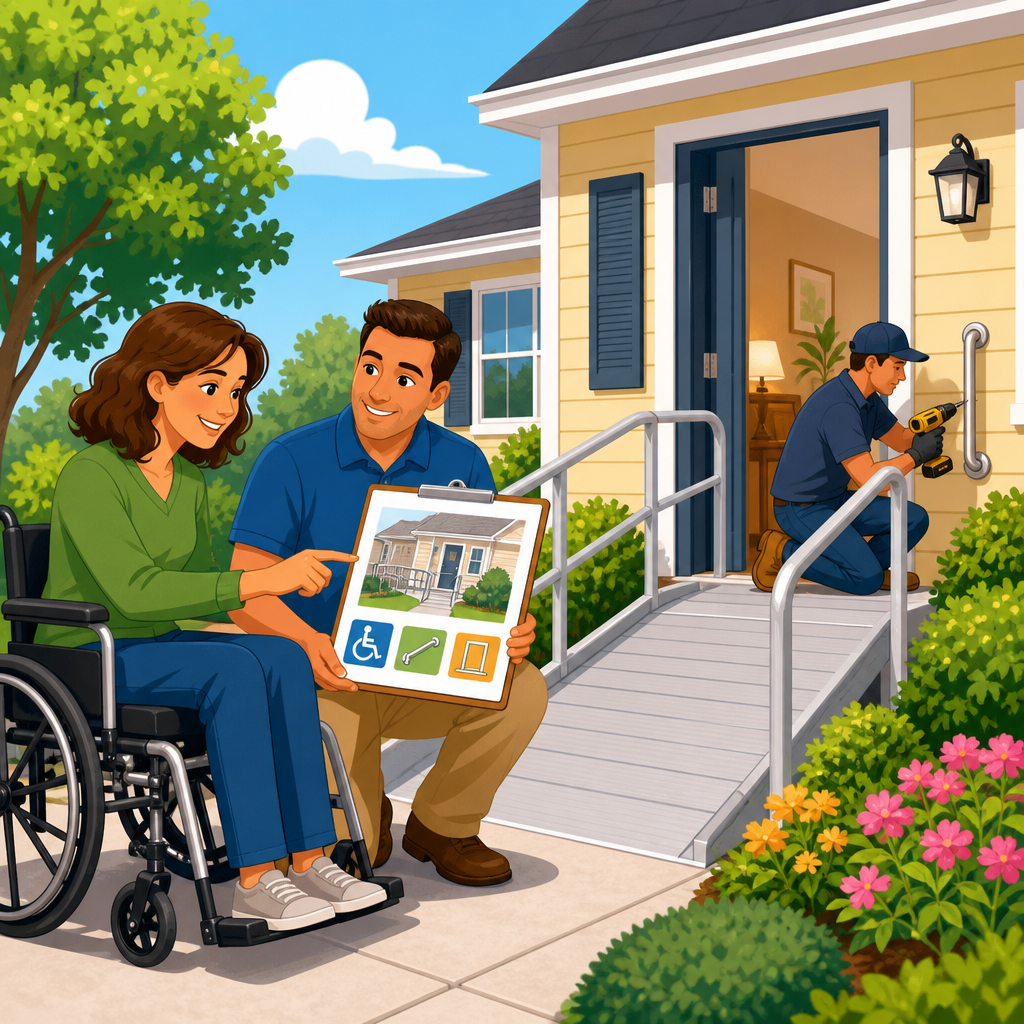
The IRS has long recognized that certain home improvements made for medical reasons can qualify as deductible medical expenses. Publication 502 lists examples that often include constructing entrance or exit ramps, widening doorways or hallways, installing railings or support bars, modifying bathrooms, lowering kitchen cabinets, moving or modifying electrical outlets and fixtures, installing porch lifts and other forms of lifts, grading the ground to provide access, and modifying stairways. In my experience, the strongest cases involve a clear connection between the modification and a diagnosed condition that affects mobility, balance, strength, respiratory function, or safe use of the home.
For example, a roll-in shower for a wheelchair user is easier to defend than a luxury bathroom renovation that happens to include one accessible feature. A stair lift prescribed after a neurological diagnosis is easier to support than an elevator installed mainly for convenience in a multistory home. The IRS looks at facts and circumstances, so the same physical improvement can be deductible in one case and nondeductible in another. The deciding factor is not the product category. It is the documented medical need and how directly the work addresses that need.
Some less obvious modifications can also qualify. People with severe allergies or respiratory conditions may deduct certain air-conditioning or air-filtration equipment when medically necessary, though allocation issues can arise if the system serves general comfort as well as treatment. Exterior paving or grading may qualify when needed to create wheelchair access. Lowering closets, sinks, or work surfaces can qualify when needed for limited reach or seated use. The IRS approach is functional rather than aesthetic: does this change materially improve access, safety, or use of the home because of a medical condition?
How the Home Value Rule Limits the Deduction
The home value rule is the part many taxpayers miss. If the accessibility modification is a capital improvement, you generally reduce the deductible amount by any increase in the home’s fair market value caused by the improvement. The classic example is spending $20,000 on a medically necessary elevator that increases the home’s value by $12,000. Only $8,000 counts as a medical expense. If you spend $9,000 on a ramp, widened doorway, and grab bars that do not increase market value, the full $9,000 may qualify, subject to the general medical deduction limits.
In practice, value increases are not always obvious. Some specialized modifications, especially highly individualized ones, may add little or no resale value because they appeal to a narrower pool of buyers. Others may improve general marketability. A well-integrated accessible bathroom can be attractive to many buyers, while a platform lift in a small foyer may not. Because of that uncertainty, I usually advise getting a before-and-after appraisal or at least written support from a qualified appraiser when costs are significant. Taxpayers do not want to guess at value effects after filing.
Ongoing operating and maintenance costs tied to a qualifying capital improvement may also count as medical expenses if the original installation was medically necessary. That can include maintenance, repairs, electricity for certain equipment, or service contracts directly connected to the accessibility feature. A stair lift service visit or the electricity used by a medically necessary lift may be easier to support if the original documentation clearly established medical purpose. Keeping those costs separated in invoices helps if the deduction is later reviewed.
Documentation the IRS Expects and Auditors Notice
Good documentation turns a plausible deduction into a defensible one. Start with a physician’s letter or prescription describing the diagnosis, functional limitation, and why the specific accessibility modification is medically necessary. Generic wording is weak. A letter that states a patient has osteoarthritis and “would benefit from home changes” is less useful than one explaining that the patient has impaired ambulation, a history of falls, and requires a zero-threshold shower, grab bars, and a stair lift to safely perform activities of daily living.
Next, keep contractor proposals, signed contracts, itemized invoices, proof of payment, permits, inspection records, and photos before and after the work. The itemization matters because mixed-purpose remodels are common. If a bathroom project includes both a deductible roll-in shower conversion and nondeductible designer tile upgrades chosen for appearance, the costs must be separated. When invoices blend everything into one line item, taxpayers lose clarity and often lose support for part of the deduction.
For larger capital improvements, add valuation evidence. A licensed appraiser’s report is the strongest option. If a formal appraisal is not practical, keep written analyses showing why a feature is specialized and unlikely to increase fair market value. Finally, retain tax forms and worksheets showing how the expense was calculated and limited. Publication 502, Schedule A instructions, and the medical expense deduction worksheet should all align with the amounts claimed. Consistency across medical records, invoices, and the return itself is what auditors notice first.
How Itemized Deductions, AGI Thresholds, and Reimbursements Affect Results
Even when an accessibility modification qualifies as a medical expense, the tax benefit depends on broader deduction rules. Medical expenses are claimed as an itemized deduction on Schedule A, and only the amount exceeding 7.5 percent of adjusted gross income is deductible under current federal rules. That means a household with $100,000 in AGI gets no benefit from the first $7,500 of unreimbursed medical expenses. If total qualifying medical expenses are $20,000, only $12,500 is potentially deductible.
This threshold changes planning. In some years, bunching expenses into one tax year produces a larger deduction. For instance, if a family already expects substantial unreimbursed therapy, equipment, or long-term care costs, completing an accessibility project in the same year may push total medical expenses well above the threshold. In lower-expense years, the same project may produce little or no immediate federal tax benefit. State income tax rules can differ, so taxpayers should review both federal and state treatment.
Reimbursements also matter. You cannot deduct amounts paid by insurance, a government grant, an employer arrangement, or another source. If a nonprofit pays for a ramp, that amount is not your medical expense. If a health savings account or flexible spending arrangement reimburses part of the cost, you cannot also claim that reimbursed amount as an itemized deduction. Coordination is essential because multiple funding sources often intersect in accessibility work.
| Issue | IRS Treatment | Practical Example |
|---|---|---|
| Medically necessary ramp | Potentially deductible medical expense | Ramp installed for wheelchair access with physician letter |
| Increase in home value | Reduces deductible amount | $15,000 project adds $5,000 value, so $10,000 counts |
| Insurance or grant payment | Not deductible by taxpayer | County grant covers bathroom conversion cost |
| Itemized deduction threshold | Only expenses above 7.5% of AGI deductible | $80,000 AGI means first $6,000 gives no federal benefit |
| General home upgrade | Usually not deductible | Kitchen remodel done mainly for style and resale |
Common Accessibility Projects and Their Tax Treatment
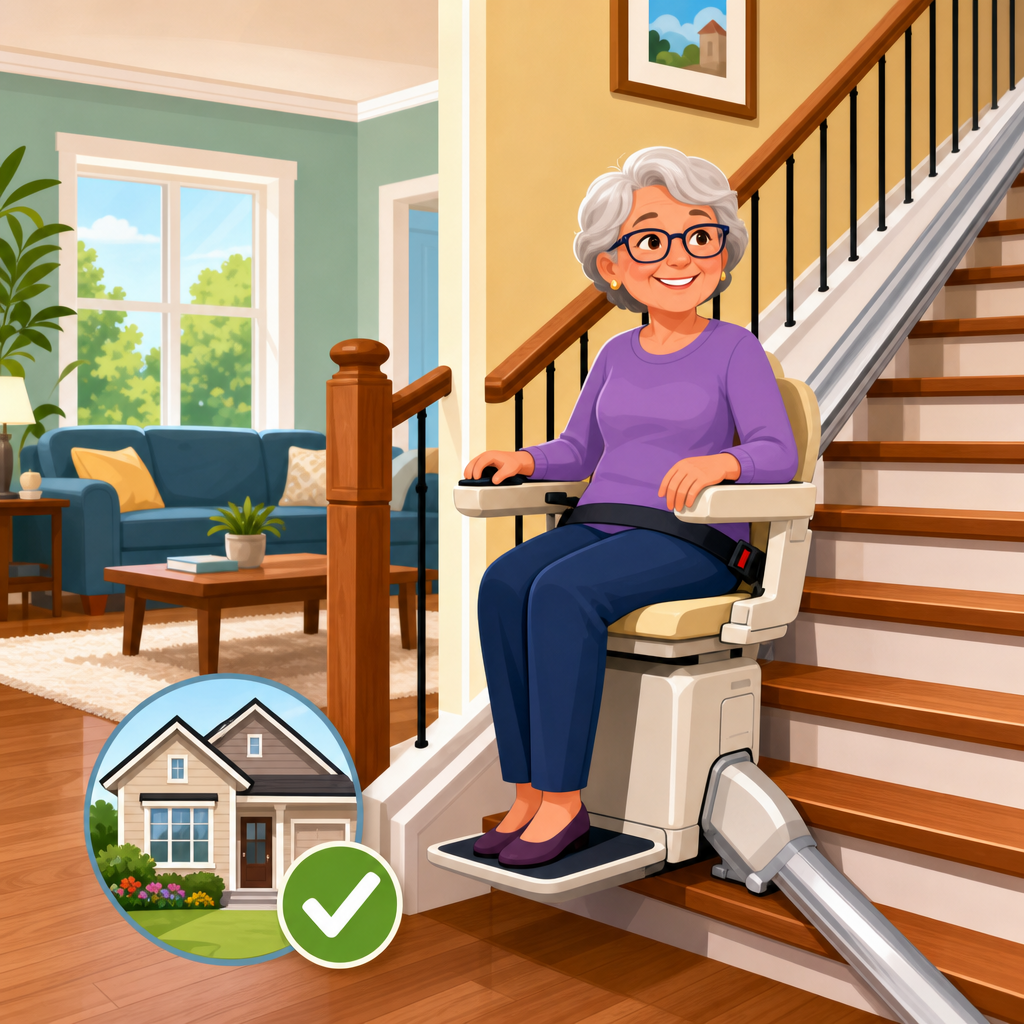
Ramps, doorway widening, grab bars, handrails, and threshold reductions are often the most straightforward projects because they are clearly linked to access and safety. Bathroom changes such as roll-in showers, transfer tubs, comfort-height toilets, anti-scald controls, slip-resistant flooring, and sink access can also qualify when tied to a diagnosed need. Stair lifts and vertical platform lifts regularly come up in practice; they can qualify, but because they are sizable capital expenses, documentation and valuation support become more important.
Kitchen modifications are more nuanced. Lowered counters, accessible sinks, knee clearance, and relocated controls may qualify if a wheelchair user or person with limited reach needs them for basic daily living. Full cabinet replacement, premium finishes, and layout changes that primarily modernize the home usually do not. Exterior improvements such as grading, paving, or accessible parking areas may qualify when they are necessary for entrance and exit, especially for wheelchair or walker users.
Smart-home technology deserves careful analysis. Voice-controlled lighting, automated doors, and remote environmental controls can be medically necessary for people with paralysis, severe arthritis, or progressive neuromuscular conditions. However, many of these products are also mainstream convenience upgrades. The more common a feature is in ordinary homes, the more important the medical necessity record becomes. The IRS is not rejecting technology because it is modern; it is separating treatment-related function from consumer convenience.
Planning Strategies, Related Financing Questions, and Final Takeaways
From a planning standpoint, the best time to review IRS guidelines is before signing a construction contract. I encourage clients to define the medical scope first, then separate elective upgrades into distinct line items. That keeps bids cleaner and makes later tax reporting easier. It also helps when evaluating financing options. A home equity loan, cash-out refinance, personal loan, grant, or family contribution may all fund the same project, but each source changes documentation, reimbursement treatment, and cash flow. Tax deductions reduce taxable income; they do not function like dollar-for-dollar credits, so they should be modeled realistically.
Taxpayers should also think beyond federal income tax. Some states offer different medical deduction rules, and certain local or nonprofit programs may offset costs without creating the same tax outcome as insurance. If the person needing the modification is a dependent parent or adult child, dependency rules become part of the analysis. When multiple family members contribute to costs, deciding who pays and who claims the expense should be addressed before invoices are split in ways the tax return cannot easily support.
The core lesson is simple: accessibility modifications can qualify as deductible medical expenses when they are primarily for medical care, but the benefit depends on proof, valuation, itemized deduction thresholds, and reimbursement coordination. Use Publication 502, Schedule A instructions, physician documentation, and well-itemized contractor records as your foundation. If your project is substantial, involve a tax professional and, when needed, an appraiser before filing. Done correctly, tax planning will not remove the full cost of accessibility work, but it can materially reduce it. Review your project now, organize the documents, and map the tax impact before construction begins.
Frequently Asked Questions
What kinds of accessibility modifications may qualify as deductible medical expenses under IRS guidelines?
Under IRS rules, certain home improvements made primarily for medical care may qualify as deductible medical expenses if they are necessary to accommodate a disability or medical condition. Common examples include installing ramps, widening doorways or hallways, lowering cabinets or countertops, modifying bathrooms with roll-in showers or grab bars, adding stair lifts, improving access to entrances and exits, and making changes that allow a wheelchair or mobility device to be used safely inside the home. In some cases, modifying electrical systems, relocating fixtures, or adjusting flooring to remove barriers may also be part of a qualifying project when those changes are directly tied to medical necessity.
The key issue is not whether the improvement is helpful or convenient, but whether it is primarily for medical care. The IRS generally looks at whether the modification is needed to diagnose, cure, mitigate, treat, or prevent disease, or to affect a structure or function of the body. That means accessibility modifications often qualify when they are tied to a documented disability, mobility limitation, or other serious medical need. Because tax treatment depends heavily on purpose, homeowners should keep records showing why the work was done, including invoices, contracts, and a written recommendation from a physician or other licensed medical professional when appropriate.
Does every accessibility improvement count as fully deductible, or does increased home value affect the deduction?
Not every project is fully deductible. One of the most important IRS concepts in this area is that the deductible amount may be reduced if the home improvement increases the value of the property. If a medically necessary modification does not increase the home’s value, the full cost may generally be treated as a medical expense, assuming all other tax requirements are met. However, if the project adds value to the home, only the portion of the cost that exceeds the increase in value is typically deductible.
For example, if a medically necessary bathroom remodel costs $18,000 and the change increases the home’s value by $5,000, the potentially deductible medical expense may be limited to $13,000. This is why valuation can matter, especially for major projects such as elevators, structural additions, or extensive kitchen and bath renovations. Homeowners may want to retain before-and-after appraisals or other reasonable documentation supporting any value analysis. In practice, simpler modifications such as grab bars or removable ramps may have little or no effect on market value, while larger permanent upgrades may require closer review. Careful documentation helps support the tax position if questions arise later.
What documentation should homeowners keep to support a deduction for accessibility modifications?
Good documentation is essential. Homeowners should keep detailed receipts, contractor invoices, proof of payment, plans or project descriptions, and any correspondence showing the scope of the work. It is also wise to maintain medical records that connect the improvement to a specific condition or disability. A doctor’s letter is often one of the most helpful supporting documents because it can explain that the modification was recommended or required for medical reasons rather than for personal preference, aesthetics, or general aging in place.
In addition, homeowners should keep records showing whether the project affected the home’s value. That may include an appraisal, a comparative market analysis, or other evidence that reasonably supports the conclusion. If several improvements were completed at once, separating clearly medical modifications from purely cosmetic or general remodeling costs is especially important. For instance, if a bathroom renovation includes both a roll-in shower for wheelchair access and unrelated decorative tile upgrades, the invoices should break those items out separately. The more specific and organized the records are, the easier it is to demonstrate that the claimed amount fits within IRS medical expense rules.
Are accessibility modifications deductible only for the taxpayer, or can they also apply to a spouse or dependent?
Accessibility modifications may potentially qualify as medical expenses not only for the taxpayer, but also for a spouse or a dependent, as long as the relevant IRS requirements are satisfied. This matters for families caring for a child with a disability, an aging parent, or a spouse with changing mobility or health needs. If the home improvement is made primarily to provide medical care for one of these individuals, the expense may fall within the medical expense deduction framework even if the person receiving the benefit is not the homeowner named on the property title.
That said, eligibility still depends on the relationship and dependency rules that apply for tax purposes. The medical necessity of the modification must also be well documented. In caregiving situations, families often assume that because the expense is compassionate and necessary in daily life, it is automatically deductible, but the IRS applies specific standards. It is important to confirm whether the person qualifies as a dependent for the tax year in question and to preserve records showing that the home modification was directly related to medical care. This is an area where reviewing the facts carefully can prevent costly filing mistakes.
What are the most common mistakes people make when claiming accessibility modifications on their taxes?
One common mistake is assuming that every home improvement related to comfort, convenience, or aging automatically qualifies as a medical deduction. The IRS focuses on medical necessity, so projects done mainly to modernize a home, improve resale value, or make daily life easier without a direct medical purpose may not qualify. Another frequent problem is failing to account for any increase in home value. Taxpayers sometimes try to deduct the full project cost without considering whether part of that expense created a capital improvement that boosted the property’s market price.
Documentation errors are also very common. People may keep a contractor invoice but fail to retain a physician’s recommendation, proof of payment, or records separating medical upgrades from cosmetic extras. Another issue is overlooking the broader rules for deducting medical expenses, including the requirement to itemize deductions and the percentage threshold that limits how much medical spending can actually be deducted in a given year. Finally, some taxpayers wait until filing season to reconstruct records, which makes it much harder to defend the deduction. The best approach is to plan ahead, document the medical reason for the work before construction begins when possible, and consult a qualified tax professional for larger or more complex projects.