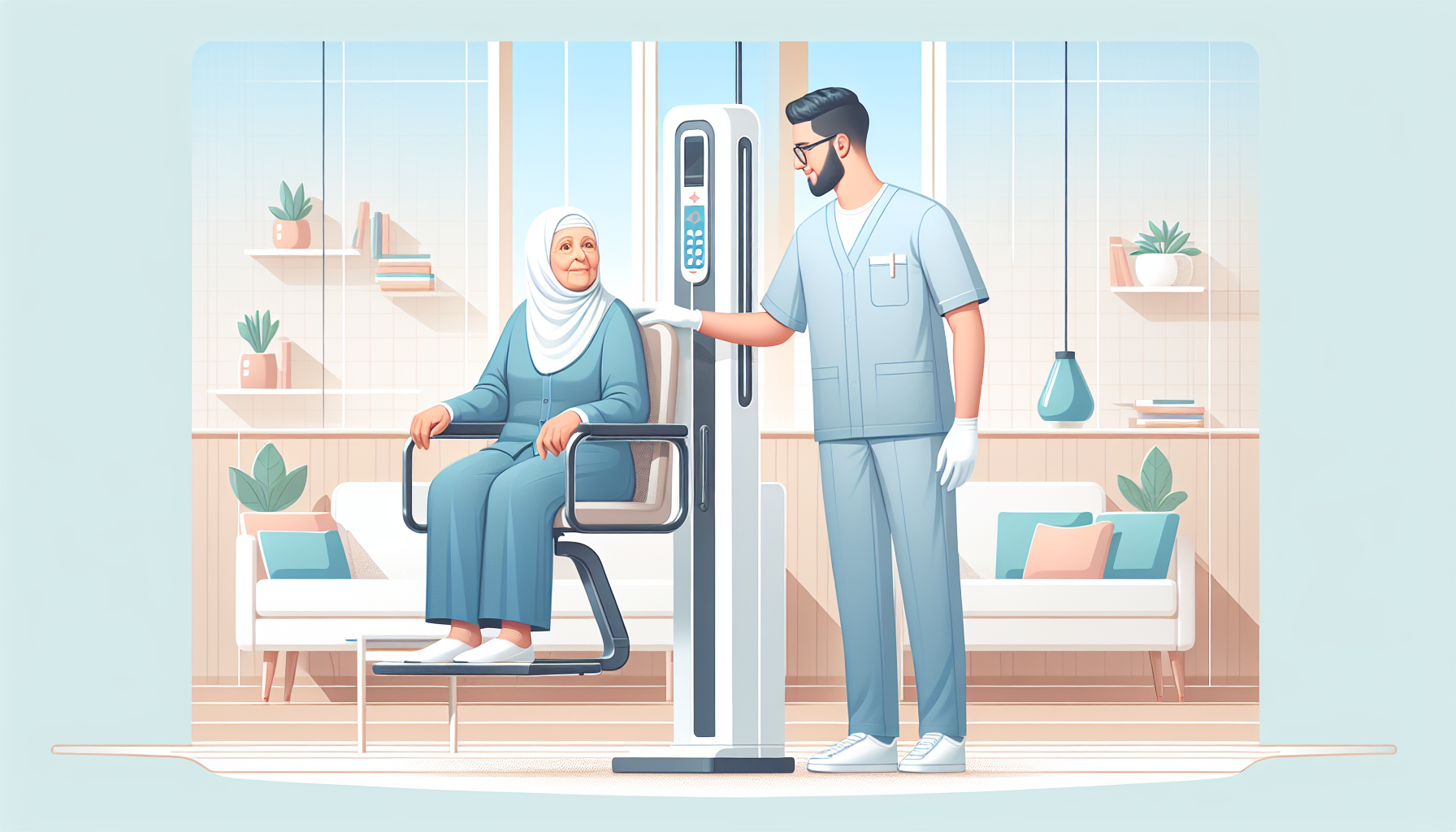
Coordinating chair lifts with home healthcare services is one of the most practical aging in place strategies for older adults who want to stay safe, independent, and medically supported at home. Aging in place means remaining in a familiar residence as physical, cognitive, or medical needs change, rather than relocating to assisted living or a nursing facility. In practice, that requires more than adding equipment. It means aligning mobility tools, clinical care, caregiver routines, and the layout of the home so daily life continues with less risk and less strain. Chair lifts are a central part of that plan in multilevel homes because stairs often become the first major barrier after a fall, hospitalization, joint replacement, stroke, or gradual loss of strength and balance.
In my work with families planning home accessibility upgrades, the most successful outcomes happen when the chair lift is treated as one component in a wider care system. A stair lift can transport a person safely between floors, but it does not by itself solve transfer safety, medication management, bathing assistance, emergency response, or caregiver scheduling. Home healthcare services fill those gaps. Depending on the person’s condition, that can include skilled nursing, physical therapy, occupational therapy, speech therapy, personal care aides, and care coordination through a physician or discharge planner. When these services are synchronized, the home becomes easier to navigate and the care plan becomes more realistic.
This matters because the demographics are clear. The population over age sixty five continues to grow, and many older homes were not designed for reduced mobility. Falls remain a leading source of injury among older adults, with stairways representing a persistent hazard. At the same time, most adults say they prefer to remain in their own homes as they age. Coordinating chair lifts with home healthcare services addresses both realities: it reduces environmental risk and supports medical and functional needs without forcing an unnecessary move. For families building an accessibility and mobility solutions plan, this hub explains how to assess needs, choose the right lift, integrate clinicians and caregivers, budget responsibly, and adapt over time as needs change.
Start With a Whole-Home Aging in Place Assessment
The best aging in place strategies begin with assessment, not equipment shopping. A whole-home review identifies how a person moves, where assistance is already required, and which barriers are likely to become urgent in the next twelve to twenty four months. I typically look first at stair use, bathroom access, bed transfers, lighting, flooring, door width, and entry steps. I also ask who provides care now, how often they are present, whether the person uses a cane, walker, or wheelchair, and whether there has been a recent hospitalization. Those details determine whether a chair lift is the right intervention and how it should fit into the home healthcare plan.
Occupational therapists are especially valuable during this stage because they evaluate activities of daily living in the actual home environment. They can document whether someone can pivot safely onto the chair lift seat, use the armrests, fasten the seat belt, and stand at the top landing without losing balance. Physical therapists add insight on leg strength, endurance, gait, and fall risk. Skilled nurses often identify medical factors that influence lift use, such as orthostatic hypotension, oxygen tubing management, Parkinsonian freezing, or post surgical precautions. A qualified stair lift dealer then confirms structural fit, rail placement, power requirements, and code related installation issues.
A proper assessment also distinguishes between temporary and long term needs. Someone recovering from knee replacement may need a chair lift for six months while receiving therapy, whereas a person with progressive multiple sclerosis may need a more durable long range access plan. That difference affects rental versus purchase decisions, maintenance expectations, and whether the family should instead consider a vertical platform lift, first floor bedroom conversion, or bathroom remodel. Starting with assessment reduces wasted spending and creates an internal linking point for every other aging in place decision, from caregiving hours to fall prevention upgrades.
Match the Right Chair Lift to the Care Plan
Not every chair lift fits every home or patient profile. Straight stair lifts are used on a single uninterrupted staircase and are usually the most affordable and fastest to install. Curved stair lifts are custom built for stairs with turns, intermediate landings, or spiral sections. Outdoor lifts serve porch or garage entry stairs and require weather resistant components. Key specifications include weight capacity, seat height, swivel function, footrest design, call-send controls, battery backup, and rail overrun at the top or bottom landing. These are not cosmetic details. Each one affects safe use by the person receiving care and the aide assisting them.
For example, a patient with limited knee flexion after hip surgery may need a seat height that reduces the effort of sitting and standing. A person with hemiparesis after stroke may do better with a powered swivel seat and a side chosen to favor the stronger arm. Someone with severe arthritis may need larger controls and a seat belt that can be fastened one handed. If the individual uses oxygen, the care team must decide how tubing will be managed during the ride so it does not catch on the rail. If they use a walker, there must be a stable parking spot on each floor so they can transition safely once the chair lift stops.
Home healthcare staff should be involved before installation is finalized. Too often, families buy a lift based on brochure features, only to discover that the home aide cannot cue the client effectively during transfers or that the top landing does not leave enough turning radius for a walker. Durable medical equipment decisions work best when clinicians, caregivers, and installers all review the same plan. The chair lift must support the care routine, not complicate it.
| Need | Chair Lift Feature | Home Healthcare Consideration |
|---|---|---|
| Post-surgical mobility limits | Higher seat, gentle start and stop | Therapist verifies transfer technique and precautions |
| Stroke with one-sided weakness | Powered swivel, preferred-side arm access | OT trains safe approach and exit sequence |
| Progressive neurologic disease | Heavy-duty model, reliable battery backup | Nurse and aides monitor fatigue and changing assistance needs |
| Outdoor entry steps | Weatherproof rail and cover | Caregivers plan safe transfers during rain or cold |
Integrate Skilled Care, Therapy, and Personal Assistance
Home healthcare is not one service. It is a layered support system, and aging in place works better when each role is defined. Skilled nursing usually focuses on wound care, medications, chronic disease monitoring, and physician communication. Physical therapy improves strength, gait, balance, and stair related endurance. Occupational therapy concentrates on transfers, self care tasks, energy conservation, and adaptive techniques. Home health aides or personal care attendants assist with bathing, dressing, toileting, meal preparation, and supervision. When a chair lift is added, each discipline should update its workflow.
In real homes, that means writing down the transfer sequence. Where should the walker be placed before the person sits? Does the aide stand below the client, beside them, or wait at the destination landing? Should the seat be swiveled before or after the footrest is folded? What is the plan if the user becomes dizzy midway through the day and should avoid the stairs entirely? Standardizing these details prevents improvised handling, which is when falls and caregiver injuries happen. Agencies that use care plans in software platforms such as WellSky, Homecare Homebase, or AlayaCare can document these instructions clearly so every staff member sees the same guidance.
Therapy goals should also reflect actual use of the chair lift. A physical therapist may work on sit to stand mechanics from the lift seat because that is the transfer the patient repeats every day. An occupational therapist may train on carrying small items safely, using a crossbody pouch, or setting up essentials on both floors so the person does not attempt risky trips while fatigued. Nurses may monitor whether edema, pain medication, or blood pressure changes make lift transfers less safe at certain times of day. This type of coordination turns an installed device into a functioning care pathway.
Design the Home Around Safer Movement
Chair lifts improve access, but they work best inside a broader home safety design. Landings must be clear, well lit, and free of rugs or extension cords. Contrasting tape on stair edges can help low vision users orient themselves when approaching the seat. Lever door handles, grab bars, raised toilet seats, shower chairs, and non slip flooring reduce the number of high risk movements required elsewhere in the home. In many cases, a first floor sleeping option is still worth creating, even after installing a stair lift, because illness, power outages, or caregiver absence can temporarily make the stairs impractical.
Technology also supports coordinated aging in place. Medical alert systems, fall detection wearables, video doorbells, smart lighting, and medication dispensers reduce the load on family caregivers and complement home healthcare visits. Remote patient monitoring can be useful for heart failure, COPD, diabetes, and hypertension, especially when nursing visits are intermittent. The point is not to fill the home with gadgets. It is to reduce avoidable emergencies that disrupt the care plan. A stair lift should sit inside a sensible ecosystem of supports that keep the resident stable between professional visits.
Families should also think about household flow. If laundry, the primary bathroom, or the only shower remains upstairs, the chair lift may become heavily used and therefore mission critical. If meal prep and the main bedroom are on one level, occasional lift use may be enough. These distinctions affect maintenance urgency and backup plans. In several homes I have reviewed, simply relocating clothing storage, medications, and charging stations to the main living level made daily life easier and reduced unnecessary trips. Aging in place strategies are strongest when they reduce demand, not just add equipment.
Plan for Cost, Coverage, and Long-Term Reliability
Budgeting is where many families lose momentum, so the numbers need to be discussed plainly. Straight stair lifts commonly cost less than curved models because the rail is standardized rather than custom fabricated. Curved systems often rise substantially in price due to design complexity, multiple bends, and longer installation times. Ongoing costs may include service visits, replacement batteries, and eventual repairs to motors, seat components, or call stations. Home healthcare services carry their own billing rules, with coverage varying by medical necessity, physician orders, insurer criteria, and whether care is skilled, custodial, or private pay.
In the United States, traditional Medicare generally does not cover stair lifts as standard durable medical equipment for home use, though related home health services may be covered when eligibility requirements are met. Medicaid waiver programs, Veterans Affairs benefits, state assistive technology programs, nonprofit grants, long term care insurance, and local aging agencies may help in some cases. Coverage is fragmented, so documentation matters. Therapist evaluations, discharge notes, fall history, and a written description of functional limitations can all strengthen funding requests or justify spending priorities. Reputable dealers should provide itemized proposals, warranty terms, service response expectations, and clear language on removal or reinstallation.
Reliability deserves as much attention as price. Battery powered units should be tested regularly, especially in areas with frequent outages. Families should ask how many trips the lift can make without household power, how long replacement parts typically take, and whether the dealer services the brand directly or subcontracts repairs. If the home healthcare schedule depends on the lift for bathing days, wound care visits, or transfers to a bedroom, downtime becomes a clinical problem, not just an inconvenience. A strong aging in place plan includes maintenance schedules, backup sleeping arrangements, and emergency contacts posted where every caregiver can see them.
Review, Train, and Adjust as Needs Change
Aging in place is never a one time project. It is an ongoing process of review and adjustment as health status, caregiver capacity, and household demands evolve. After a chair lift is installed, everyone who assists the resident should be trained, including family members, paid aides, and substitute caregivers. Training should cover transfers, seat belt use, charging position, obstruction sensors, emergency stop procedures, and what to do if the user reports pain, dizziness, confusion, or fear. Written instructions at each landing are useful because turnover among aides is common, and people forget steps under stress.
Regular reassessment is equally important. Progressive conditions such as Parkinson’s disease, dementia, heart failure, osteoarthritis, and peripheral neuropathy can change how safely a person uses the lift over time. A client who managed independently in January may need standby assistance by July. Someone with mild cognitive impairment may later need cueing not to stand before the seat fully swivels. If transfers become too difficult, the care plan may need different equipment, more aide hours, or relocation of sleeping and bathing to one floor. Recognizing those turning points early prevents crises.
The central benefit of coordinating chair lifts with home healthcare services is simple: it turns isolated products and visits into a workable system that supports safety, independence, and dignity. Families in the accessibility and mobility solutions journey should treat this aging in place hub as a roadmap. Assess the whole home, match the lift to clinical realities, align every caregiver, budget for maintenance, and revisit the plan before needs outgrow it. If you are building or updating a home care strategy now, start with a professional home assessment and create one shared plan that everyone follows.
Frequently Asked Questions
How do chair lifts fit into a larger home healthcare plan for aging in place?
Chair lifts work best when they are treated as part of a complete aging in place strategy rather than as a standalone purchase. A lift can make stairs safer and reduce day-to-day strain, but real long-term success comes from coordinating that equipment with the older adult’s medical needs, mobility limitations, caregiver schedule, and home layout. In many homes, the chair lift becomes a central link between different levels of care. It may allow someone to continue sleeping in an upstairs bedroom, access a bathroom on another floor, or move safely between spaces used for meals, therapy, and rest. That means home healthcare providers need to understand how, when, and how often the lift will be used.
When a chair lift is integrated into the care plan, nurses, therapists, aides, and family caregivers can help identify practical considerations early. For example, a physical therapist may evaluate whether the user can transfer safely on and off the seat. An occupational therapist may recommend changes to seat height, swivel features, footrest use, or nearby grab bars. A home health aide may help determine whether the lift schedule aligns with bathing, dressing, medication routines, and toileting needs. This level of coordination reduces confusion, lowers fall risk, and helps everyone involved provide more consistent support.
It is also important to think beyond installation day. A coordinated plan should include user training, emergency procedures, maintenance scheduling, and clear communication among family members and care professionals. If the individual’s condition changes over time due to arthritis, stroke recovery, balance issues, heart disease, or cognitive decline, the chair lift setup and care routine may need to be adjusted. In that sense, the lift is not just a convenience item. It is part of the home care environment and should be evaluated regularly alongside the person’s broader health and safety needs.
Who should be involved when choosing and installing a chair lift for someone receiving home healthcare services?
The best outcomes usually happen when chair lift decisions are made by a team rather than by one person acting alone. The older adult should remain at the center of that process whenever possible, because comfort, confidence, and daily preferences matter just as much as technical specifications. Family caregivers often provide insight into the person’s routines, challenges on the stairs, and likely future needs. Home healthcare professionals bring a clinical perspective that can be extremely valuable, especially if the person has weakness, poor balance, oxygen needs, limited range of motion, or difficulty following multi-step instructions.
In many cases, a physical therapist or occupational therapist should be involved before installation. These professionals can assess transfer ability, posture, trunk control, and whether the user can safely sit, operate controls, and stand up at the top and bottom landings. They may also identify whether a standard chair lift is appropriate or if additional adaptations are needed. A registered nurse or case manager may contribute information about fatigue levels, medication side effects, blood pressure issues, or disease progression that could affect lift use. If the person receives regular assistance from a home health aide, that aide’s input can also be useful because they often see firsthand how mobility challenges play out in everyday routines.
Just as important is choosing a qualified lift provider with experience in residential accessibility solutions. The installer should evaluate the staircase, power supply, seat configuration, safety sensors, and clearance needs for other household members. The company should be willing to communicate with the care team and explain operation, maintenance, and emergency procedures in clear language. Bringing together the older adult, family, home healthcare staff, therapists, and installer creates a more complete picture of what the user needs now and what may be needed later. That collaborative approach helps prevent costly mistakes and makes the chair lift more useful, safer, and easier to incorporate into ongoing care.
What safety factors matter most when coordinating chair lifts with in-home nursing, therapy, or caregiver support?
Safety starts with matching the chair lift to the user’s actual physical and cognitive abilities. A person may be able to ride a lift but still struggle with getting on or off the seat, remembering to fasten the seat belt, positioning their feet correctly, or handling the transition at the top of the stairs. Those details are especially important when home healthcare services are involved, because providers may be assisting with transfers during medication visits, wound care, bathing routines, or therapy sessions. The lift has to support the care process rather than create new hazards.
Transfer safety is one of the biggest issues. There should be enough landing space for the person to approach the seat with a walker or cane if needed, turn safely, sit down without twisting excessively, and stand up without losing balance. Swivel seats, folding arms, footrest sensors, and call/send controls can all improve safety when selected appropriately. If the person uses oxygen tubing, wears a brace, or has one-sided weakness, those factors should be addressed before installation so the setup does not interfere with medical equipment or body positioning. Lighting at both stair landings should be good, and clutter should be removed from the path leading to the chair lift.
Coordination with caregivers is equally important. Everyone helping the individual should know when hands-on assistance is needed and when independent use is realistic. There should be a simple written plan covering seat belt use, foot placement, transfer technique, and what to do during a power outage or equipment malfunction. If the older adult has dementia or confusion, supervision may be necessary even if the lift is mechanically safe. Regular reassessment is essential because health conditions change. A chair lift that worked well six months ago may need procedural changes or additional support if the person’s strength, endurance, or cognition declines. Ongoing communication between the family, home healthcare team, and lift provider is what keeps the system safe over time.
Can a chair lift reduce caregiver burden and help older adults stay independent longer?
Yes, in many situations a chair lift can significantly reduce caregiver burden while preserving independence, but the key is using it within a realistic care plan. Stairs are one of the most common barriers that push older adults toward limiting activity, staying on one floor, or considering a move out of the home. For caregivers, helping someone navigate stairs manually can be physically exhausting and dangerous. Repeated stair assistance increases the risk of falls, back strain, and rushed transfers, especially when the caregiver is an aging spouse or a family member balancing work and other responsibilities. A properly selected and coordinated chair lift can remove much of that daily physical strain.
For the older adult, the benefits often go beyond simple transportation between floors. Being able to reach a bedroom, bathroom, laundry area, or living space without relying on another person every time can improve confidence, dignity, and emotional well-being. That sense of control matters. Many people are more willing to continue with home-based recovery or long-term care routines when their environment feels manageable rather than restrictive. From a caregiving standpoint, a chair lift can make scheduling easier, reduce urgent calls for help, and free up energy for other important tasks such as medication management, meal preparation, personal care, and medical appointments.
That said, independence should never be assumed automatically. Some users still need supervision or setup assistance, and some may need the lift only at certain times of day when fatigue is worse. The most effective approach is to define clearly what the person can do alone, what requires standby help, and what requires hands-on assistance. Home healthcare staff can help establish those boundaries and update them as conditions change. When expectations are clear, chair lifts often become an important tool for extending safe home living, reducing unnecessary physical demands on caregivers, and helping families sustain aging in place for longer.
How often should a chair lift and care routine be reassessed as an older adult’s needs change?
Chair lifts and home healthcare routines should be reassessed regularly, not just when there is a major crisis. Aging in place is a dynamic process. A person’s strength, balance, endurance, vision, cognition, and medical needs can change gradually or suddenly. A lift that felt simple and safe at first may become harder to use after a hospitalization, medication change, fall, or progression of a chronic condition. For that reason, families and care teams should think of reassessment as standard preventive practice rather than as a sign that something has gone wrong.
A good rule is to review the setup whenever there is a meaningful change in function or care level. That includes new diagnoses, increased fatigue, more frequent near-falls, difficulty transferring, changes in caregiver availability, or the start of new home health services such as physical therapy, nursing visits, or hospice support. During reassessment, the team should look at whether the user still fits the seat comfortably, can manage the controls, can get on and off safely, and can use the lift without interfering with walkers, wheelchairs, oxygen equipment, or caregiver positioning. They should also confirm that maintenance is up to date and all safety features are working properly.
Routine follow-up by the lift provider is just as important as clinical review by the care team. Mechanical inspection, battery checks, track cleaning, and testing of safety sensors help prevent avoidable breakdowns. At the same time, home healthcare professionals can evaluate whether the lift still supports the person’s goals and whether surrounding care routines need revision. In some cases, the answer may be minor training updates for caregivers. In others, it may involve adding supervision, changing room use, or considering additional accessibility modifications. Regular reassessment keeps the chair lift aligned with the realities