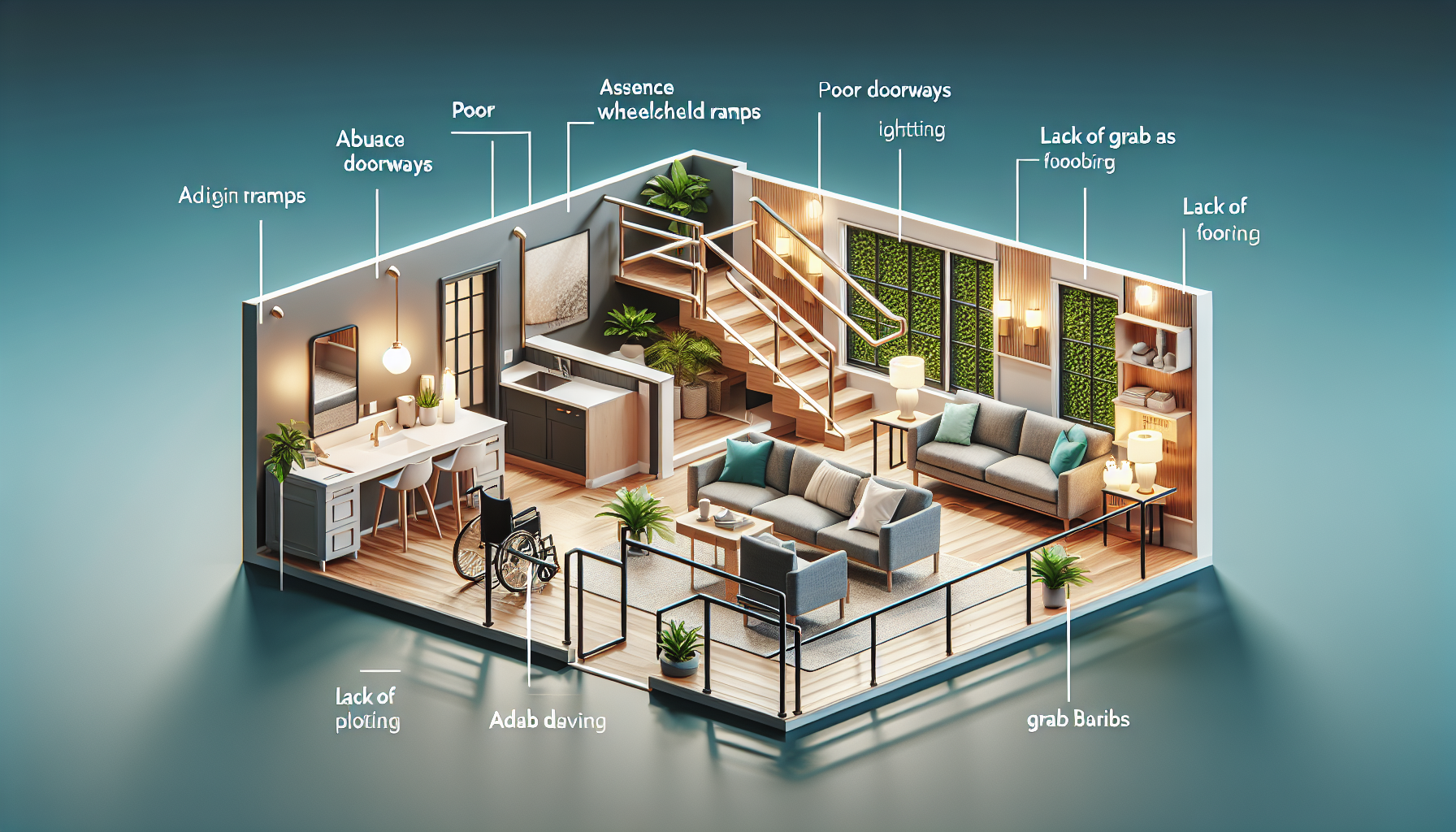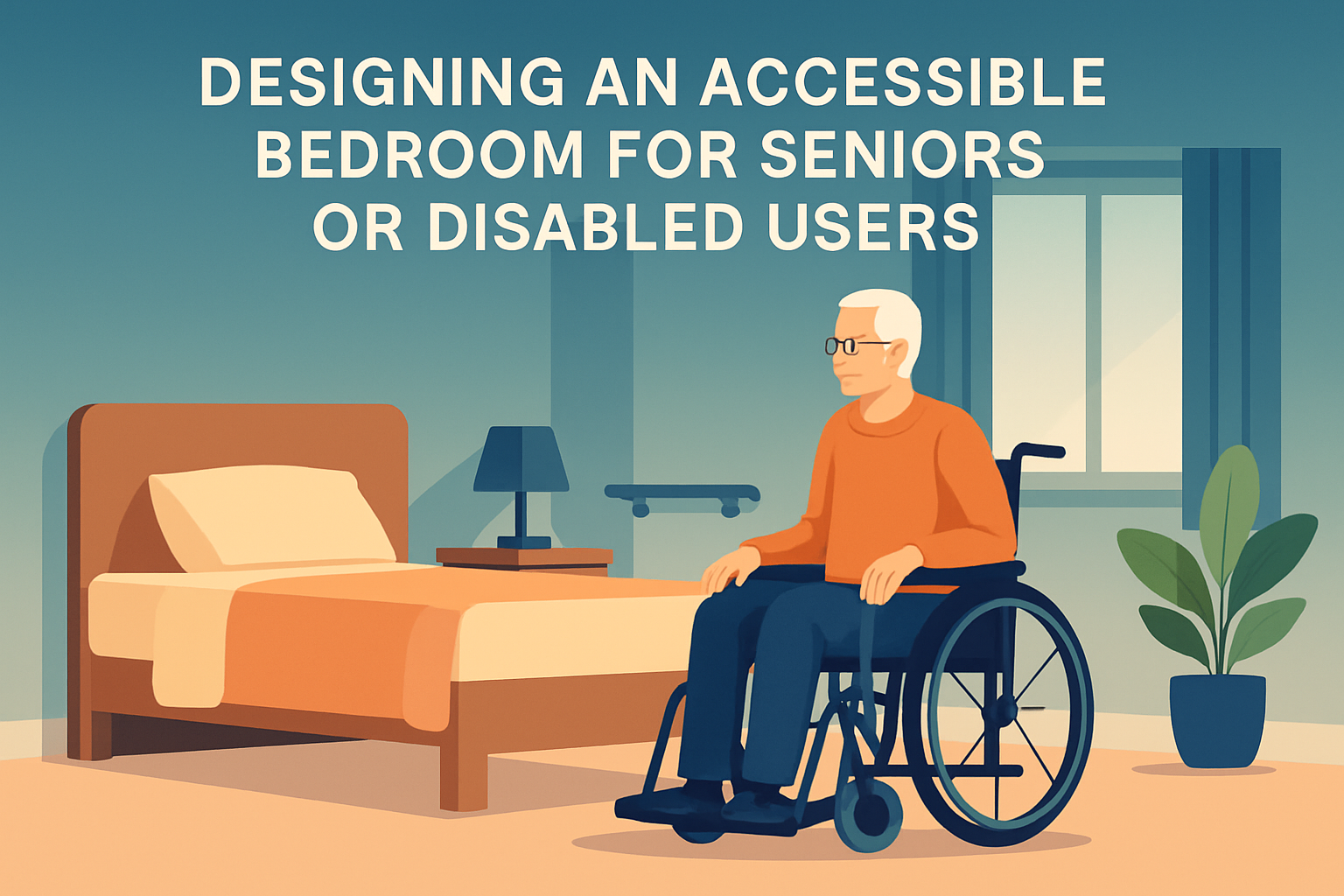
Designing an accessible bedroom for seniors or disabled users starts with one practical goal: create a space that supports safe movement, independent daily routines, restorative sleep, and dignity at every stage of life. In home accessibility modifications, the bedroom is often treated as a private room rather than a critical function space, but in my experience assessing homes for aging in place and disability access, it is one of the highest-impact areas to improve. The bedroom is where people transfer in and out of bed, manage medications, dress, use mobility aids, recover from illness, and sometimes work around pain, weakness, low vision, or balance loss. An accessible bedroom is not simply “barrier free.” It is deliberately planned around reach ranges, turning clearances, lighting quality, emergency access, flooring safety, and support for assistive equipment. For older adults, that may mean reducing fall risk and preserving energy. For wheelchair users or people with neurological, musculoskeletal, or sensory disabilities, it may mean ensuring the room can be navigated and used without constant assistance. Done well, bedroom accessibility improves safety and quality of life while supporting caregivers and making future home accessibility modifications easier to phase in as needs change.
Why the bedroom is the foundation of home accessibility modifications
When families think about home accessibility modifications, they usually begin with bathrooms, entry ramps, or stair lifts. Those are important, but the bedroom deserves equal priority because daily function begins and ends there. A person may safely enter the home yet still struggle every morning to sit up, stand, reach clothing, maneuver a walker, or get to the bathroom at night. Those routine tasks are where falls, overexertion, and loss of independence often occur.
An accessible bedroom supports several core activities: bed transfers, dressing, toileting access, medication management, sleep regulation, and emergency response. If the bedroom layout is poor, every one of those activities becomes harder. I regularly see rooms with attractive furniture but only twenty-four inches of walking space, deep carpet that drags on wheelchair casters, dim lamps that create shadowed pathways, and beds that are either too low for standing transfers or too high for a safe seated position. Small obstacles compound quickly, especially for people with arthritis, Parkinson’s disease, stroke-related weakness, diabetic neuropathy, low vision, COPD, or recovery after surgery.
Good bedroom design also serves as the hub for broader accessibility planning across the home. It should connect logically to an accessible bathroom, an unobstructed hallway, and if possible a step-free entrance. The strongest home accessibility modifications are coordinated, not isolated. For that reason, this article works as a hub for related topics such as accessible flooring, lighting upgrades, grab bars, door widening, smart home controls, wheelchair turning space, and fall prevention strategies. If a homeowner only upgrades one room this year, the bedroom is often the best place to start because it delivers daily benefits immediately.
Planning the layout: clearances, circulation, and transfer space
The layout determines whether a bedroom is merely larger or truly usable. For wheelchair users, many designers use thirty-six inches as a minimum path width, but comfortable everyday access is often better at forty-two inches or more. A five-foot turning circle is a reliable benchmark for many manual and power wheelchairs, though some compact devices need less and some larger chairs need more. Around the bed, at least one side should allow direct lateral transfer if a wheelchair or transfer bench is used. Caregiver support may require clearance on both sides.
Doorways are a common failure point. A nominal thirty-two-inch clear opening is usually considered the minimum for basic wheelchair access, but thirty-six inches often performs better in real homes because trim, hardware, and approach angles reduce usable space. Pocket doors can save swing clearance, though they must be easy to grip and slide. Lever handles are superior to round knobs for users with limited hand strength or dexterity.
Furniture must support movement rather than obstruct it. Sharp-edged nightstands, oversized benches, floor mirrors, and decorative chairs often become hazards. Keep routes direct from the bed to the doorway, bathroom, closet, and emergency call device. If a lift, hospital bed, or overbed table may be needed later, reserve that footprint now. Future-proofing matters because retrofitting a crowded room after a health change is slower and more expensive than planning for adaptability from the start.
| Bedroom Element | Recommended Accessible Target | Why It Matters |
|---|---|---|
| Door clear opening | 32 inches minimum, 36 inches preferred | Improves wheelchair, walker, and caregiver access |
| Main pathway width | 36 inches minimum, 42 inches preferred | Reduces collisions and awkward turning |
| Turning space | 60-inch diameter where possible | Supports wheelchair maneuvering |
| Bed transfer side clearance | 36 inches minimum; more for caregivers | Enables safer transfers and equipment use |
| Switch height | Reachable from seated or standing position | Allows independent lighting control |
Choosing the right bed, mattress, and transfer supports
The bed is the centerpiece of an accessible bedroom, and height is the most overlooked specification. For many seniors, the safest bed height lets the user sit with feet flat on the floor and knees near ninety degrees. A bed that is too low increases effort when standing. A bed that is too high can cause sliding or unstable landings during transfers. Adjustable beds are valuable because they change head and leg position, support edema management, and help users move from lying to sitting with less strain.
Mattress selection should balance pressure management, stability, and ease of repositioning. Very soft pillow-top mattresses can make rolling and standing harder, while overly firm surfaces may increase discomfort and skin risk for people with limited mobility. For users who spend long periods in bed, pressure redistribution surfaces should be discussed with a clinician or durable medical equipment provider.
Transfer supports need careful judgment. Bed rails can help with repositioning and standing, but they must be chosen to avoid entrapment risks, especially for people with cognitive impairment. In many homes, I prefer properly installed assist handles, transfer poles, or floor-to-ceiling poles over improvised rails. These products can provide stable handholds without the hazards associated with poorly fitted rails. The best setup is individualized: someone with strong upper body control may need only a low-profile handle, while a person with hemiparesis may need more structured support and caregiver clearance.
Flooring, lighting, and visibility for fall prevention
Falls in the bedroom are rarely caused by one dramatic hazard. More often, they result from a chain of smaller design failures: a slippery rug edge, glare from a lamp, shadows near the closet, or an uneven transition at the doorway. Flooring should be firm, stable, and low glare. In most accessible bedroom renovations, low-pile carpet, cork, luxury vinyl plank, or smooth resilient flooring performs better than thick carpet. The key is predictable traction and easy rolling for mobility devices.
Loose rugs are one of the first items I recommend removing. If a rug is essential for warmth or acoustics, it must be low profile, securely anchored, and placed away from transfer zones. Thresholds should be minimized because even a small lip can stop wheelchair casters or catch a toe during a nighttime trip to the bathroom.
Lighting should be layered. Ambient ceiling light provides general visibility, task lighting supports reading or medication management, and low-level night lighting marks the route to the bathroom. Motion-sensor under-bed lights are especially useful for older adults who wake during the night. For users with low vision, contrast is just as important as brightness. A light switch plate that blends into a dark wall is harder to find. Closet rods, drawer pulls, and bed controls should be visible and easy to distinguish. Smart bulbs and voice assistants can also reduce risk by letting users turn lights on before standing.
Accessible storage, dressing areas, and everyday reach
Closets and dressers are often designed for standing adults with full reach and grip strength, which excludes many users. Accessible storage puts frequently used items between about fifteen and forty-eight inches from the floor, with room for seated approach where needed. Adjustable closet rods, pull-down wardrobe lifts, D-shaped drawer pulls, and full-extension drawers make everyday dressing simpler. Open shelving can be easier than deep drawers for users with arthritis or limited shoulder mobility.
A dressing area should include stable seating, good task lighting, and enough clear floor space for mobility devices. If a person dresses while seated on the bed because no other option works, the room is not fully supporting independence. A sturdy chair with arms can help with lower-body dressing and footwear. Mirrors should serve seated and standing users, and electrical outlets should be reachable for hair dryers, CPAP devices, chargers, or medical equipment.
Bedside storage matters too. The nightstand should hold glasses, water, medications, a phone, and a lamp without requiring twisting or deep bending. For users with tremors, weakness, or reduced sensation, items should be organized in fixed locations. This sounds simple, but consistent placement reduces frustration and lowers the chance of unsafe reaching. In homes where cognition is changing, labeled drawers or picture cues can further support independence.
Technology, emergency planning, and caregiver-friendly features
Modern home accessibility modifications increasingly include technology, and the bedroom is an ideal place to use it thoughtfully. Voice control systems can operate lights, blinds, thermostats, and entertainment without requiring the user to cross the room. Smart plugs can turn on bedside lamps at scheduled times. Adjustable beds with programmable presets can assist positioning for reading, edema control, reflux, or easier standing. Wireless call buttons, medical alert systems, and monitored fall detection add a layer of safety, especially for people who sleep alone.
Emergency planning should be built into the room design. There should be a charged phone or alert device within easy reach from the bed. Pathways must allow first responders or caregivers to enter and approach the user quickly. Window egress, smoke alarms, and carbon monoxide alarms need to meet code and be usable by the household. For Deaf or hard-of-hearing users, visual alarms and bed shakers may be necessary. For people with respiratory conditions using oxygen, storage and fire safety procedures must be addressed explicitly.
Caregiver-friendly design is not a luxury. If a spouse, family member, or paid aide assists with transfers, dressing, or repositioning, the room should reduce strain on them as well. That means enough floor space for two people to work safely, access to both sides of the bed when needed, and durable surfaces that can handle equipment. A well-designed accessible bedroom protects the user and the helper at the same time.
Costs, codes, and how to prioritize bedroom modifications
Bedroom accessibility upgrades can range from inexpensive fixes to major renovations. Low-cost improvements include removing rugs, adding brighter bulbs, installing lever handles, using touch lamps, and rearranging furniture for wider paths. Mid-range projects may include new flooring, a wider door, smart controls, an adjustable bed, or closet hardware changes. Higher-cost modifications can involve structural wall changes, ceiling lift reinforcement, integrated backup power for medical devices, or a full suite conversion connected to an accessible bathroom.
Prioritization should follow risk and function, not aesthetics. Start with hazards that can cause injury today: poor lighting, blocked pathways, unstable bed height, slippery flooring, and inaccessible controls. Next address independence: storage, dressing support, bedside access, and bathroom connection. Then plan for likely future needs based on diagnosis, age, and caregiver capacity. This phased approach is usually more realistic for households than attempting a complete remodel at once.
Codes and standards matter, even in private homes. Local building codes, electrical requirements, and fire safety rules always apply. Widely used technical guidance such as ADA Standards can inform residential design, although private homes are not always legally required to match every commercial dimension. For aging in place, universal design principles and occupational therapy home assessments often produce the most practical solutions because they combine technical clearance guidance with the realities of daily living.
Designing an accessible bedroom for seniors or disabled users is one of the smartest home accessibility modifications a household can make because it improves safety, independence, comfort, and long-term livability all at once. The most effective rooms are not defined by medical-looking equipment or oversized footprints. They are defined by fit: the right bed height, clear paths, stable flooring, layered lighting, reachable storage, and support for the way the individual actually moves, rests, dresses, and responds to emergencies. In practice, the best results come from thinking of the bedroom as a functional care environment and a personal retreat at the same time. That balance is what preserves dignity.
If you are planning home accessibility modifications, use the bedroom as your hub. Evaluate layout first, then transfers, flooring, lighting, storage, and technology, and connect those choices to bathroom access and whole-home mobility needs. Walk through the room at night, test every reach and pathway, and involve the person using the space in every decision. Small changes can deliver immediate gains, while well-planned upgrades can keep a home workable for years. Start with one assessment, one hazard, and one improvement, and build from there.
Frequently Asked Questions
What makes a bedroom truly accessible for seniors or disabled users?
An accessible bedroom is designed to support safe movement, independent use, comfort, and dignity. That means looking beyond basic furniture placement and thinking carefully about how a person gets into the room, moves around the bed, reaches everyday items, dresses, transfers, and rests without unnecessary strain or risk. A truly accessible bedroom should have clear circulation paths wide enough for a walker or wheelchair if needed, flooring that is stable and non-slip, and a layout that minimizes tight turns, clutter, and trip hazards. The bed height should allow safe transfers, and essential controls such as lights, phones, emergency call devices, and window coverings should be easy to reach from both the bed and the doorway.
Accessibility also includes how the room functions throughout the day and night. Good lighting is critical, especially layered lighting that reduces glare and improves visibility for people with low vision. Storage should be reachable without bending too low or stretching too high. Door hardware, closet access, and switches should be usable by someone with limited strength, arthritis, or reduced dexterity. In many cases, the most effective accessible bedroom design is one that quietly removes physical barriers while preserving a warm, personal, non-institutional feel. The goal is not simply to comply with a checklist, but to create a bedroom that supports changing abilities over time and allows the user to maintain as much independence as possible.
How much space is needed around the bed for safe movement and wheelchair or walker access?
The amount of space needed around the bed depends on the user’s mobility, assistive devices, and whether caregiver assistance is involved, but generous clearance is one of the most important parts of an accessible bedroom. For many seniors and disabled users, there should be enough room to walk safely around the bed without squeezing past furniture or stepping over cords, rugs, or uneven flooring. If a walker is used, wider pathways help reduce falls and make everyday routines much easier. If a wheelchair is used, the room should support smooth turning, side access to the bed for transfers, and direct routes to the door, closet, and any adjoining bathroom.
As a practical guideline, many accessible designs aim for at least 36 inches of clear width in walking paths, with more space preferred beside the bed where transfers happen. Wheelchair users often benefit from larger open floor areas that allow turning and positioning next to the bed. If a caregiver assists with dressing, repositioning, or transfers, additional space on one or both sides of the bed can make a major difference in safety and comfort. It is also important to consider door swing, nightstand placement, medical equipment, and mobility aids when planning clearances. A bedroom can look spacious on paper but still function poorly if circulation paths are blocked by furniture or if transfer zones are too tight. The best layout is one that supports real-life movement patterns, not just minimum dimensions.
What bed height, furniture, and storage choices work best in an accessible bedroom?
The bed is usually the focal point of the room, and its height matters more than many people realize. A bed that is too low can make standing difficult, while one that is too high can increase the risk of sliding or falling during transfers. In most cases, the best bed height allows the person to sit with their feet flat on the floor and their knees at a comfortable angle, making it easier to get in and out of bed safely. Adjustable beds can be especially helpful because they can support positioning for comfort, breathing, circulation, and assisted transfers. Depending on the user’s needs, accessories such as bed rails, transfer poles, or pressure-relieving mattresses may also be appropriate, though these should be selected carefully for safety and fit.
Furniture should be stable, easy to navigate around, and positioned to reduce unnecessary reaching and twisting. Rounded corners can help reduce injuries, and sturdy seating can provide a safe place for dressing. Nightstands should be close enough to reach from bed and large enough to hold medications, glasses, water, a phone, and other essentials. Storage works best when frequently used items are located between shoulder and hip height, where they can be accessed without climbing, bending deeply, or overstretching. Drawers with easy-pull hardware, closet rods at reachable heights, and open shelving for everyday items can all improve independence. The key is to match furniture and storage choices to the user’s strength, balance, range of motion, and daily routines rather than relying on standard bedroom layouts.
How can lighting and flooring improve bedroom safety and comfort?
Lighting and flooring have a direct effect on fall prevention, orientation, and overall confidence in the bedroom. Poor lighting can make it difficult to judge distances, detect obstacles, read medication labels, or move safely during nighttime trips. A well-designed accessible bedroom should include layered lighting, such as general ambient light, focused task lighting, and low-level nighttime illumination. Light switches should be easy to reach from the doorway and the bed, and touch lamps, rocker switches, voice controls, or smart lighting systems can be excellent options for users with limited dexterity or mobility. Glare should be minimized because it can be especially uncomfortable for aging eyes or people with visual sensitivity. Good contrast between walls, floors, and furniture can also help users identify edges and navigate more confidently.
For flooring, the safest choices are smooth, stable, and slip-resistant surfaces that allow easy movement for walkers, wheelchairs, and people with balance concerns. Low-pile carpet can work in some cases, but thick carpet, loose rugs, and uneven transitions create tripping hazards and can interfere with mobility devices. Hard surfaces such as luxury vinyl, cork, rubber, or other resilient flooring are often preferred because they are easier to clean, provide predictable traction, and support rolling equipment better than plush carpet. If rugs are used, they should be secured firmly and kept out of main travel paths. Flooring should also feel comfortable underfoot and help reduce fatigue, particularly for users who stand while dressing or transferring. When lighting and flooring are planned together, they create a much safer and more usable bedroom environment both day and night.
What are the most important accessibility upgrades to prioritize in an existing bedroom?
When updating an existing bedroom, the best improvements usually start with the changes that reduce immediate risk and increase daily independence. First, remove obvious hazards such as loose rugs, cluttered pathways, unstable furniture, and hard-to-reach essentials. Next, improve the room layout so there is a clear, direct path from the bed to the door and, if applicable, to the bathroom. Adjusting bed height, repositioning furniture, and relocating frequently used items can often have a major impact without requiring a full renovation. Lighting upgrades are also high-value improvements, especially brighter ambient light, bedside controls, motion-activated night lighting, and easy-to-use switches.
After those basics, focus on upgrades that match the user’s present and future needs. This may include widening access routes, replacing flooring, installing lever handles, adding an adjustable bed, improving closet access, or creating more transfer space beside the bed. For people aging in place or living with progressive conditions, planning ahead is especially important. A bedroom that works today may become difficult in a year or two if mobility, stamina, or balance changes. That is why the most effective accessibility upgrades are not only reactive but proactive. They support current routines while making the room adaptable for future equipment, caregiver assistance, or changing physical abilities. Even modest modifications, when chosen thoughtfully, can transform the bedroom from a source of daily strain into a space that promotes rest, safety, and independence.