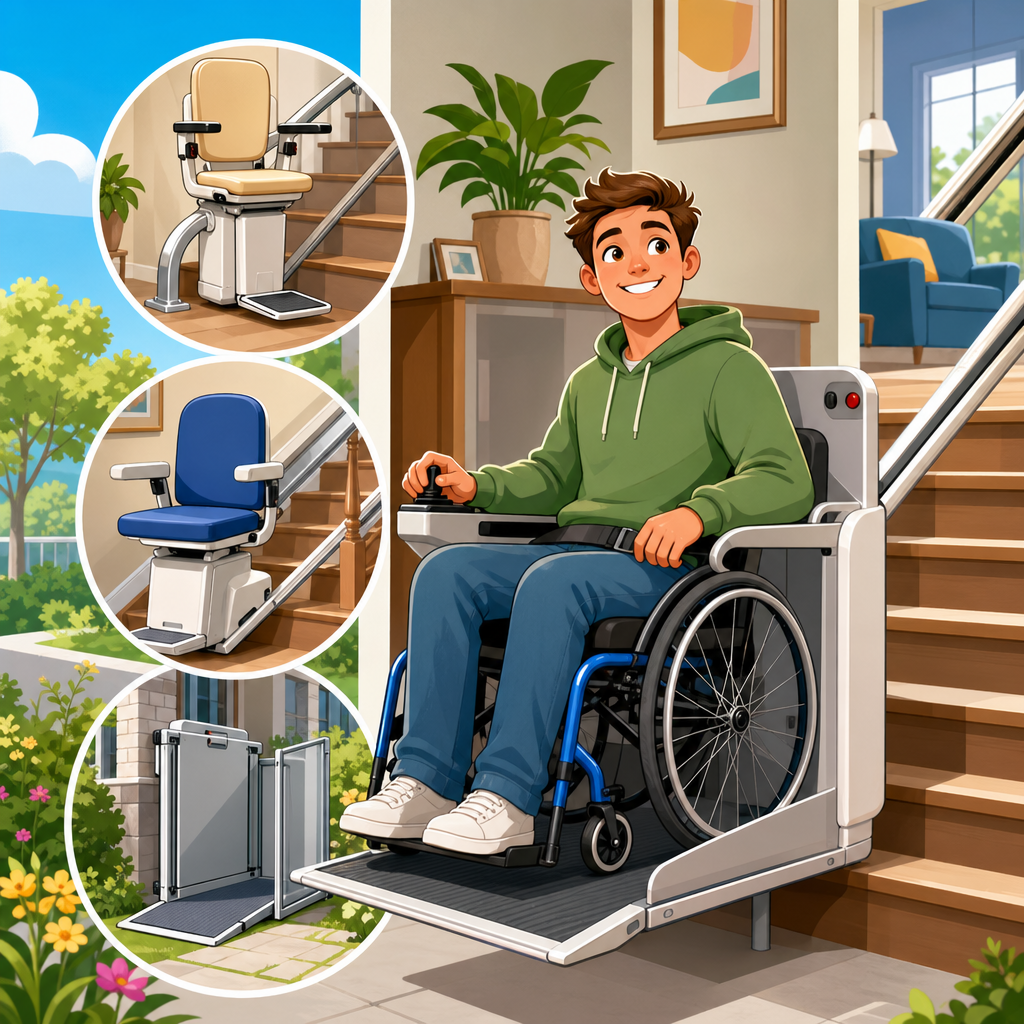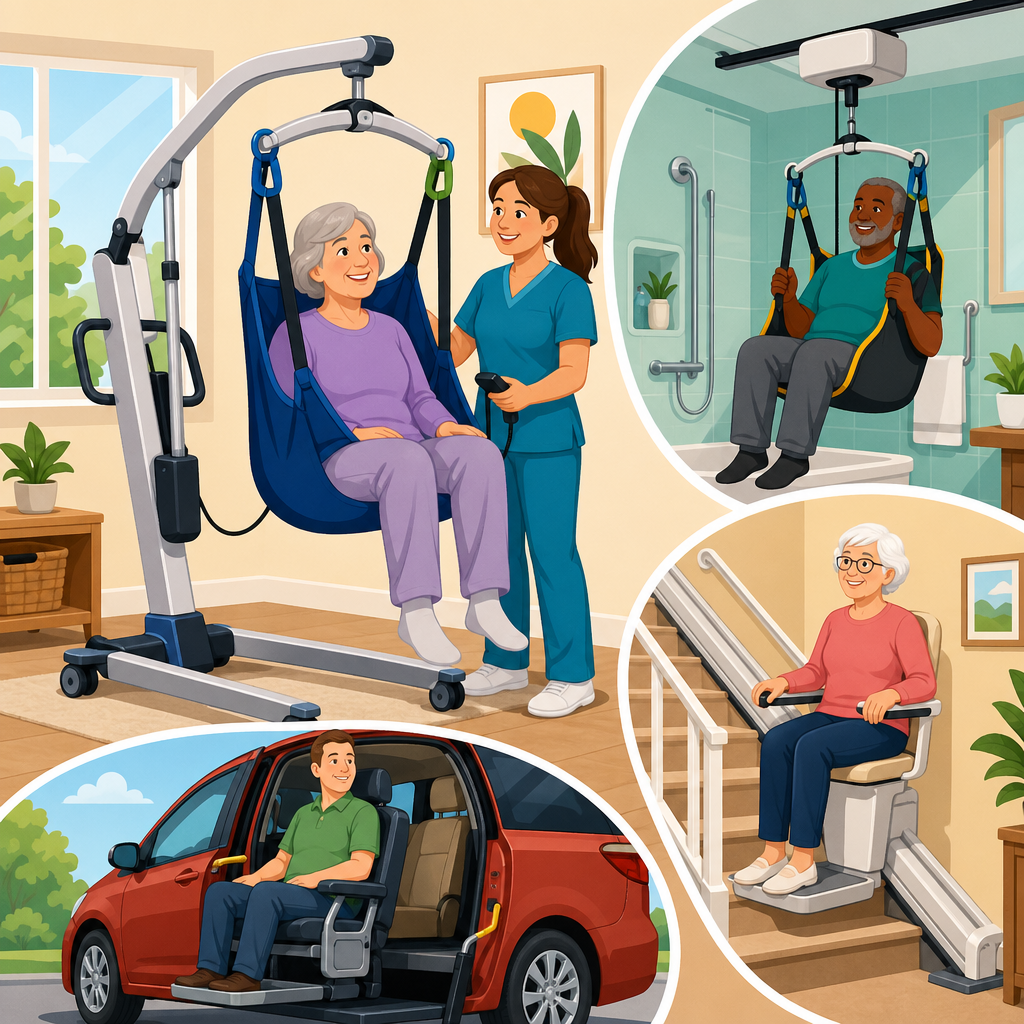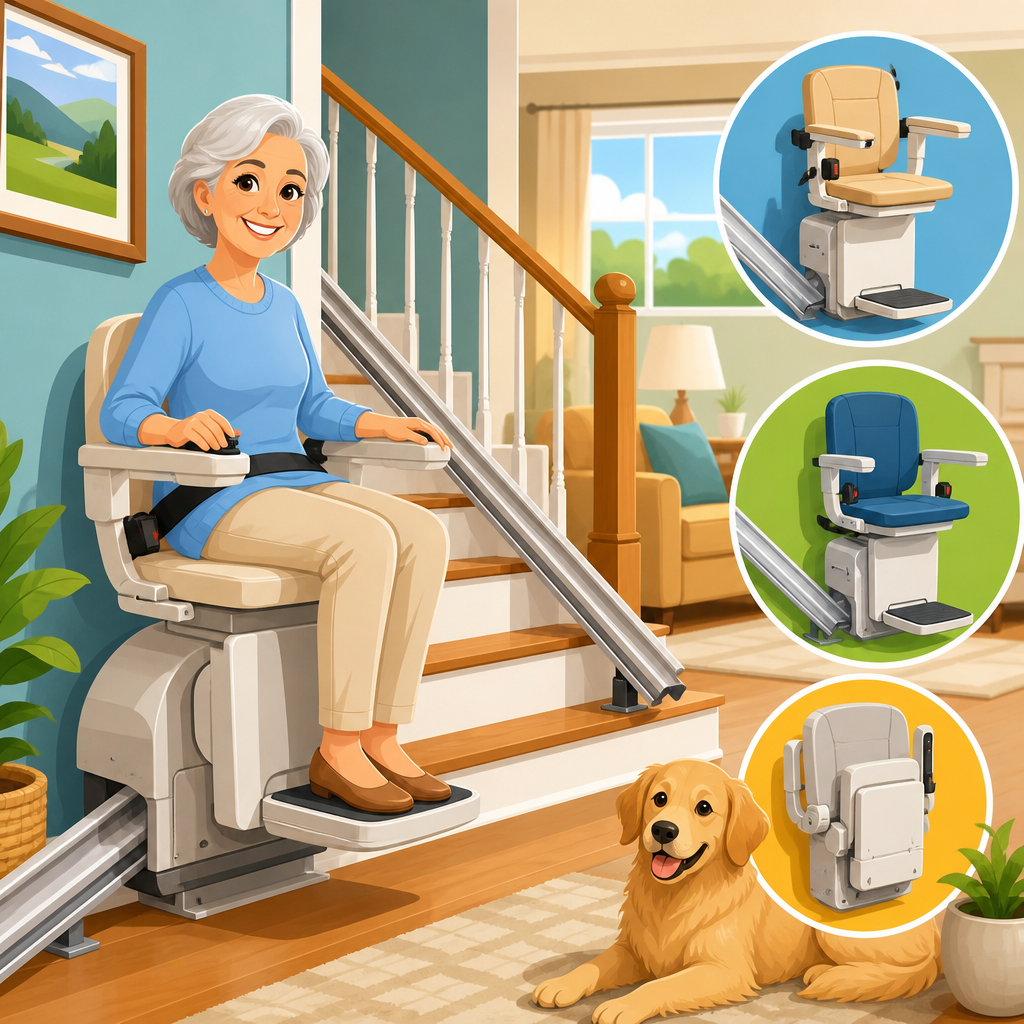
Choosing a stair lift is rarely an impulse decision. In my experience working with mobility equipment buyers, adult children, installers, and occupational therapists, most people arrive at the same question after comparing safety, cost, and long-term reliability: is Harmar a brand worth trusting inside the home every day? This Harmar Stair Lifts review answers that question by looking closely at the company’s models, features, pros, cons, and fit within the broader top stair lift brands category.
Harmar is a U.S.-based manufacturer known for stair lifts, vertical platform lifts, and vehicle mobility products. In stair lift terms, the brand competes with names such as Bruno, Stannah, Acorn, Handicare, and AmeriGlide. A stair lift is a motorized chair that travels along a rail mounted to the staircase, helping a user move safely between floors while seated. Key buying terms include straight stair lift, curved stair lift, rail, carriage, swivel seat, footrest sensors, battery backup, and weight capacity. Those details matter because small differences in design change ease of use, maintenance needs, and total installed cost.
Why does Harmar matter in the top stair lift brands conversation? First, it offers a broad catalog that covers common use cases, from simple straight stairs to outdoor steps and more complex curved layouts. Second, the company has built a large dealer network in the United States, which affects installation speed and service access. Third, Harmar tends to compete aggressively on value, often positioning itself between premium custom brands and lower-cost import options. For shoppers building a short list of the best stair lift brands, that combination makes Harmar important to evaluate carefully rather than dismissing it as just another mid-market manufacturer.
This article functions as a hub for the top stair lift brands topic by explaining where Harmar stands, what its major models do well, where the tradeoffs appear, and which households should keep shopping before deciding. If you are comparing brands for a parent aging in place, planning around limited mobility after surgery, or matching equipment to a long-term disability, the goal is simple: give you enough specific information to judge whether a Harmar stair lift belongs on your final comparison list.
Harmar Stair Lift Models and Where They Fit
Harmar’s current and recent product lineup typically centers on straight, curved, and outdoor stair lift categories. The most commonly discussed models include the Pinnacle series for straight stairs, the Helix curved stair lift, and the outdoor-capable versions built to handle weather exposure. Exact dealer naming can vary because distributors sometimes reference package names or generation updates, but the buying logic is consistent.
The Pinnacle straight stair lift is usually the first Harmar model shoppers encounter. It is designed for standard residential staircases with no turns or intermediate landings. What stands out is the compact rail profile and efficiency-focused drive system. In homes where the staircase is the main traffic path, a narrower folded footprint matters because other family members still need comfortable walking clearance. I have seen this become the deciding factor in older townhomes and split-level houses where every inch on the staircase counts.
The Helix curved stair lift addresses staircases with turns, pie-shaped steps, or multiple landings. Curved lifts are always more expensive than straight lifts because the rail is custom manufactured to the exact dimensions of the staircase. Harmar’s curved system is intended to deliver smoother travel through bends while preserving as much stair space as possible. For buyers comparing top stair lift brands, this is the product tier where engineering quality and measurement accuracy matter most, since custom-rail mistakes are costly and time-consuming to correct.
Harmar also offers outdoor stair lifts for porches, decks, garage entries, and exterior steps. An outdoor model usually includes weather-resistant materials, a protective cover, and controls designed for changing temperatures. Outdoor use sounds niche until you work with buyers in areas where a few exterior steps are the main barrier preventing independent entry. In those situations, an outdoor stair lift can be more practical and less expensive than a ramp, especially when the rise is too steep for code-compliant ramp construction in a limited space.
For hub-level comparison across top stair lift brands, Harmar covers the core product categories buyers expect. It is not the only brand doing that, but complete category coverage matters because it allows households to stay within one dealer ecosystem as needs change. A family might start with a straight model in one property, then later need a curved system or outdoor access solution in another. Brands with a broader lineup tend to make those transitions easier.
Core Features, Safety Systems, and Everyday Usability
The strongest part of the Harmar stair lift story is feature practicality. Across its lineup, the brand commonly includes battery-powered operation, seat swivel functions for safer entry and exit, obstruction sensors, remote call/send controls, folding armrests, and folding footrests. None of those features are unusual in the category, but how they work in daily use matters more than whether they simply appear on a spec sheet.
Battery operation is especially important. Most modern residential stair lifts charge from household power but run on onboard batteries, allowing several trips during a power outage. That is not a luxury feature. It is a safety requirement in my view, because mobility challenges do not pause when electricity does. Harmar performs well here because battery-backed travel is standard on many models, keeping the user from being stranded on one floor during an outage.
Swivel seats reduce the risk of a misstep at the top landing. On a well-designed lift, the seat rotates and locks so the user can stand onto the landing rather than toward the stair edge. Obstruction sensors add another layer of protection by stopping the lift if the footrest or carriage contacts an object on the stairs. These systems are not substitutes for careful use, but they are essential safeguards in homes with pets, grandchildren, or clutter-prone stairways.
Usability extends beyond motion and safety. Harmar often earns attention for relatively slim rail design and a folded chair profile that helps preserve pass-through space. That feature is easiest to appreciate in real homes rather than showrooms. In narrow staircases, the difference between a compact folded chair and a bulkier one can determine whether other household members can carry laundry or move past comfortably.
| Category | What Harmar Typically Offers | Why It Matters |
|---|---|---|
| Straight stair lifts | Pinnacle series with compact rail and battery operation | Good fit for common residential stairs and tight spaces |
| Curved stair lifts | Helix custom rail systems | Handles turns and landings where straight lifts cannot |
| Outdoor models | Weather-resistant components and protective covers | Improves access at porches, garages, and exterior entries |
| Safety features | Swivel seat, seat belt, footrest and carriage sensors | Reduces transfer risk and stops travel when blocked |
| Convenience features | Call/send remotes, folding seat and footrest | Makes shared-home use easier and preserves stair space |
One nuance buyers should understand is that the comfort experience depends heavily on body type. Seat width, back support, armrest spacing, and foot placement feel different from brand to brand. A lift that looks equivalent on paper may feel much more secure or much less comfortable in person. That is why a home assessment and live demonstration, when possible, remain more valuable than brochure comparisons.
Pros of Harmar Stair Lifts
Harmar’s first major advantage is breadth of selection. For a brand review, this matters because it means Harmar is relevant to more households than a company limited to only straight or only premium custom models. If you are researching top stair lift brands broadly, Harmar gives you a meaningful benchmark in every mainstream category.
The second advantage is value. Harmar often lands in a competitive pricing zone relative to brands like Bruno and Stannah, especially on straight stair lifts. Price varies by dealer, staircase length, options, and region, but buyers frequently find Harmar positioned as a practical middle path: more established and serviceable than some budget alternatives, but less expensive than certain premium configurations.
Third, Harmar has good U.S. market visibility and dealer presence. Service infrastructure is not glamorous, yet it is one of the most important brand differences. A stair lift is durable medical-adjacent equipment installed in your home; if it needs adjustment, battery replacement, or troubleshooting, access to a local dealer matters. A lower quoted price loses value quickly if service is slow or distant.
Fourth, Harmar’s space-saving design on several straight-lift models is a legitimate strength. Narrow folded dimensions can be the deciding factor in homes with limited stair width. I have seen buyers rule out otherwise strong brands because the staircase simply felt too crowded after installation.
Fifth, the company’s outdoor options are useful and often overlooked. Many top stair lift brand roundups focus almost entirely on indoor stairs, but real accessibility planning includes entrances. When a brand can handle indoor and outdoor needs through one dealer relationship, the buying process becomes simpler.
Cons, Tradeoffs, and Common Buyer Complaints
No Harmar Stair Lifts review is complete without discussing the limitations. The first tradeoff is that dealer quality varies. This is true across the stair lift industry, but it affects Harmar because installation, measurement, and service are dealer-delivered experiences. A strong product installed poorly will still disappoint. Buyers should evaluate the local dealer as carefully as the brand.
The second drawback is that curved stair lifts are expensive, just as they are with every major brand. Some buyers approach Harmar expecting the straight-model value story to carry over fully into custom rails. It usually does not. Once a staircase requires custom fabrication, project costs rise sharply due to engineering, manufacturing, and installation complexity. Harmar can still be competitive, but curved systems remain a major investment.
Third, not every user will love the ride feel or seat ergonomics. Some shoppers prefer the seating comfort or perceived sturdiness of competing premium brands. This is highly individual, which is why side-by-side comparison matters. If the user has balance limitations, hip restrictions, or a larger body frame, seat geometry becomes especially important.
Fourth, stair lifts in general require ongoing attention to battery health, rail cleanliness, and proper charging position. Harmar is not unusually high-maintenance, but no stair lift is maintenance-free. Buyers expecting a set-it-and-forget-it appliance may be disappointed. Regular service intervals and prompt response to unusual noises or stoppages are part of ownership.
Finally, aesthetics remain subjective. Even with a compact design, a stair lift is still visible equipment attached to the staircase. Harmar’s appearance is functional rather than luxurious. For some homeowners, especially in high-end interiors, that matters more than manufacturers sometimes admit.
How Harmar Compares With Other Top Stair Lift Brands
Against Bruno, Harmar is often compared on straight stair lift value and dealer availability in the United States. Bruno has a strong reputation for build quality and domestic manufacturing, and many buyers see it as a premium benchmark. Harmar can be the better fit when budget sensitivity and compact rail design are priorities.
Against Stannah, Harmar usually competes on practicality and price rather than prestige. Stannah is widely recognized for refined engineering and long brand history. Harmar may appeal more to buyers focused on straightforward functionality and broad dealer access in U.S. markets.
Against Acorn, Harmar tends to offer a different buying experience because Acorn is known for direct-response advertising and a prominent national sales presence. Harmar’s dealer network can provide a more localized service relationship, which many families prefer when evaluating long-term support.
Against Handicare, the comparison often comes down to model-specific fit, seat comfort, and dealer support. Both brands cover multiple staircase types. In practice, the local installer’s experience can influence satisfaction as much as the manufacturer name.
Against AmeriGlide and other price-driven options, Harmar usually presents as the more established choice with stronger brand recognition in professionally installed residential mobility equipment. Buyers looking only at headline pricing may find cheaper alternatives, but lower upfront cost does not automatically mean better value over years of use and service.
Who Should Buy a Harmar Stair Lift
Harmar is a strong option for buyers who want a recognized brand, practical features, and solid category coverage without automatically paying top-tier pricing. It fits well for standard straight staircases, narrow stairways where folded space matters, and homes needing both indoor and outdoor access solutions.
It is also a sensible brand to include on a final shortlist if local dealer reviews are strong. In stair lifts, manufacturer quality and local execution are inseparable. A well-reviewed Harmar dealer with experienced installers can outperform a more prestigious brand sold through a weaker local channel.
On the other hand, buyers seeking the most premium seat feel, the quietest perceived ride, or highly polished custom aesthetics should compare Harmar with Bruno and Stannah before deciding. And if budget is the only concern, lower-cost brands may appear attractive, though they should be vetted carefully for warranty terms, parts support, and service responsiveness.
Harmar has earned its place among top stair lift brands because it covers the needs most households actually have: dependable straight lifts, capable curved models, outdoor options, and safety features that make daily use practical. Its strengths are value, lineup breadth, and compact design. Its limitations are the usual industry realities of dealer variability, custom-project pricing, and the need for careful fit assessment.
If you are building a shortlist under the buying guides and product reviews category, keep Harmar in the conversation, but do not stop at the brand name. Schedule a home evaluation, compare at least two top stair lift brands, test seat comfort, ask about service response times, and review warranty details in writing. That process will tell you whether a Harmar stair lift is the right mobility investment for your home.
Frequently Asked Questions
Are Harmar stair lifts considered reliable enough for everyday home use?
Yes, Harmar stair lifts are generally considered a reliable option for daily residential use, especially for households that want a balance of safety features, model variety, and pricing flexibility. One reason the brand is frequently shortlisted is that Harmar has been in the accessibility industry for many years and offers a broad product lineup designed for different staircase types, body sizes, and transfer needs. In practical terms, that matters because reliability is not just about whether the lift turns on each day. It also includes how well the chair travels smoothly, how dependable the battery backup is during power outages, how consistently the safety sensors perform, and how easy it is to get service or replacement parts when needed.
For many buyers, Harmar stands out because its lifts are built around common real-world use cases. Some users need a compact straight stair lift for a narrow staircase, while others need a heavy-duty option with a larger seat or a custom curved rail. Harmar addresses all of those categories, which helps explain why the brand is often discussed alongside other leading stair lift manufacturers. That said, reliability can vary depending on the model selected, how well the unit was matched to the staircase, and the quality of the installation. A properly installed Harmar lift with routine maintenance is much more likely to perform well over time than a poorly fitted unit installed without attention to rail alignment, charging points, or user fit.
It is also important to understand that no stair lift brand is completely maintenance-free. Like any piece of mobility equipment, Harmar stair lifts can require service over the years, particularly in high-use households. Batteries eventually need replacement, moving components benefit from periodic inspection, and upholstery or arm controls may show wear. Still, many buyers view Harmar as a trustworthy everyday brand because it combines established market presence, multiple model choices, and a feature set that meets the needs of a wide range of users.
What Harmar stair lift models are available, and how do they differ?
Harmar offers models across the main stair lift categories, which is one of the brand’s biggest strengths. In broad terms, the lineup includes straight stair lifts, curved stair lifts, and heavy-duty options. Straight stair lifts are designed for staircases that run in a single uninterrupted line. These are usually the most straightforward to install and often the most affordable, making them a common starting point for buyers who need a simple solution for one level of stairs inside the home.
Curved Harmar stair lifts are intended for staircases with turns, landings, or more complex layouts. These systems typically require a custom rail designed specifically for the shape of the staircase, which increases cost and lead time but makes it possible to serve homes that would not work with a standard straight model. For buyers with a curved staircase, this customization is essential, and Harmar is one of the brands that competes in that segment with made-to-measure rail systems.
Harmar also offers heavy-duty or higher-capacity models for users who need a wider seat, a stronger lifting platform, or more space for comfortable transfers. This can be especially important for larger users, taller users, or households where comfort and stability are top priorities. In some cases, the right heavy-duty model is not just about weight capacity. It can also improve ease of entry and exit, reduce the feeling of being confined, and create a more secure seating position.
Another difference between Harmar models involves folding design, seat style, armrest shape, controls, rail options, and parking positions. Some units emphasize a more compact footprint when folded, which is helpful in tighter hallways or shared staircases. Others may place more emphasis on seat comfort or upgraded ergonomics. Because the brand spans multiple categories, the best Harmar stair lift depends less on the name alone and more on how the specific model matches the staircase, the user’s size and strength, and the household’s long-term mobility needs.
What features make Harmar stair lifts appealing compared with other top stair lift brands?
Harmar stair lifts are appealing to many buyers because they offer the core features most people prioritize without limiting shoppers to a narrow range of configurations. At the top of that list are battery-powered operation, seat belts, obstruction sensors, call/send controls, folding seats and footrests, and swivel seat functions for safer entry and exit. These are not just convenience extras. They are fundamental features that can make everyday use safer and less stressful, particularly for older adults who may have balance issues, reduced leg strength, or fatigue when navigating stairs.
Battery backup is especially important because it allows the stair lift to continue operating during a power outage, assuming the batteries are adequately charged. That feature alone can be a deciding factor for families worried about emergency access between floors. Swivel seats also matter more than many first-time buyers realize. A well-designed swivel seat can make getting on and off the chair at the top landing much safer by reducing twisting and awkward transfers near the stairs. Folding components are equally valuable in homes where the staircase is shared and other household members still need clear walking space.
Harmar is also often praised for providing options across different user profiles rather than forcing everyone into the same chair format. That gives the brand an advantage for buyers comparing top stair lift brands, because one household may need a compact straight lift while another may need a custom curved solution or a larger-capacity unit. In addition, the company’s presence in the broader accessibility market adds to its credibility for shoppers who want a brand focused specifically on mobility products.
Compared with competitors, Harmar may not always be the cheapest or the most premium-looking option in every category, but it tends to appeal to practical buyers who want a strong mix of safety, customization, and residential usability. For many households, that combination makes the brand worth serious consideration during the comparison process.
What are the main pros and cons of choosing a Harmar stair lift?
The main advantages of choosing a Harmar stair lift include broad model selection, solid core safety features, availability of straight and curved options, and the presence of heavy-duty solutions for users who need more support or capacity. This range is a meaningful advantage because buyers are rarely all looking for the same thing. Some want the most cost-effective straight lift possible. Others need a custom curved installation or a seat that better accommodates larger body types. Harmar’s product range gives the brand flexibility that many homeowners appreciate.
Another major pro is that Harmar is widely recognized in the mobility industry, which can help reassure buyers who are concerned about brand legitimacy, serviceability, and long-term parts access. Safety features such as seat belts, battery-powered operation, and obstruction sensors make the lifts appropriate for everyday use, and the folding components can make them more practical in lived-in family homes. For users who value functionality over unnecessary complexity, Harmar often delivers a sensible package.
On the downside, not every Harmar model will feel equally refined or ideal for every staircase. As with any stair lift brand, comfort can vary by seat design, and some buyers may prefer the aesthetics, ride feel, or customization approach of competing manufacturers. Curved stair lifts can also become expensive due to the need for a custom rail, so while Harmar offers those solutions, they may still exceed the budget of some households. Additionally, the quality of the ownership experience depends heavily on the local dealer or installer. Even a strong product can lead to frustration if installation, measurement, or service support is handled poorly.
There is also the broader reality that stair lifts are a major purchase, and expectations should be realistic. A Harmar lift can greatly improve safety and independence, but it still requires periodic maintenance and eventual battery replacement. Overall, the pros tend to outweigh the cons for buyers who want a reputable, flexible brand and who are willing to invest in proper installation and ongoing upkeep.
How can you tell whether a Harmar stair lift is the right fit for your home and mobility needs?
The best way to determine whether a Harmar stair lift is the right fit is to look at the decision from three angles: staircase layout, user needs, and long-term practicality. Start with the staircase itself. If your stairs are straight, your options are usually simpler and more affordable. If the staircase includes curves, intermediate landings, or unusual dimensions, a custom curved model may be required. Stair width, wall proximity, hallway clearance, and landing space all affect what can be installed safely and comfortably. This is why an in-home assessment is so valuable. The right stair lift is not chosen by brand reputation alone. It has to physically and safely fit the architecture of the home.
Next, consider the user’s mobility profile. A stair lift should match more than body weight. It should also account for balance, hip and knee flexibility, transfer ability, hand strength, and overall comfort while seated. For example, a user who struggles to pivot may benefit from a swivel seat that locks securely at the top landing. A larger or taller user may need a heavy-duty Harmar model with a roomier seat and stronger frame. Someone with limited dexterity may need controls that are simpler and easier to operate consistently.
Long-term practicality matters just as much. Think about who will use the lift, how often it will run each day, whether more than one person in the household may eventually need it, and how important folded stair clearance is for other family members. It is