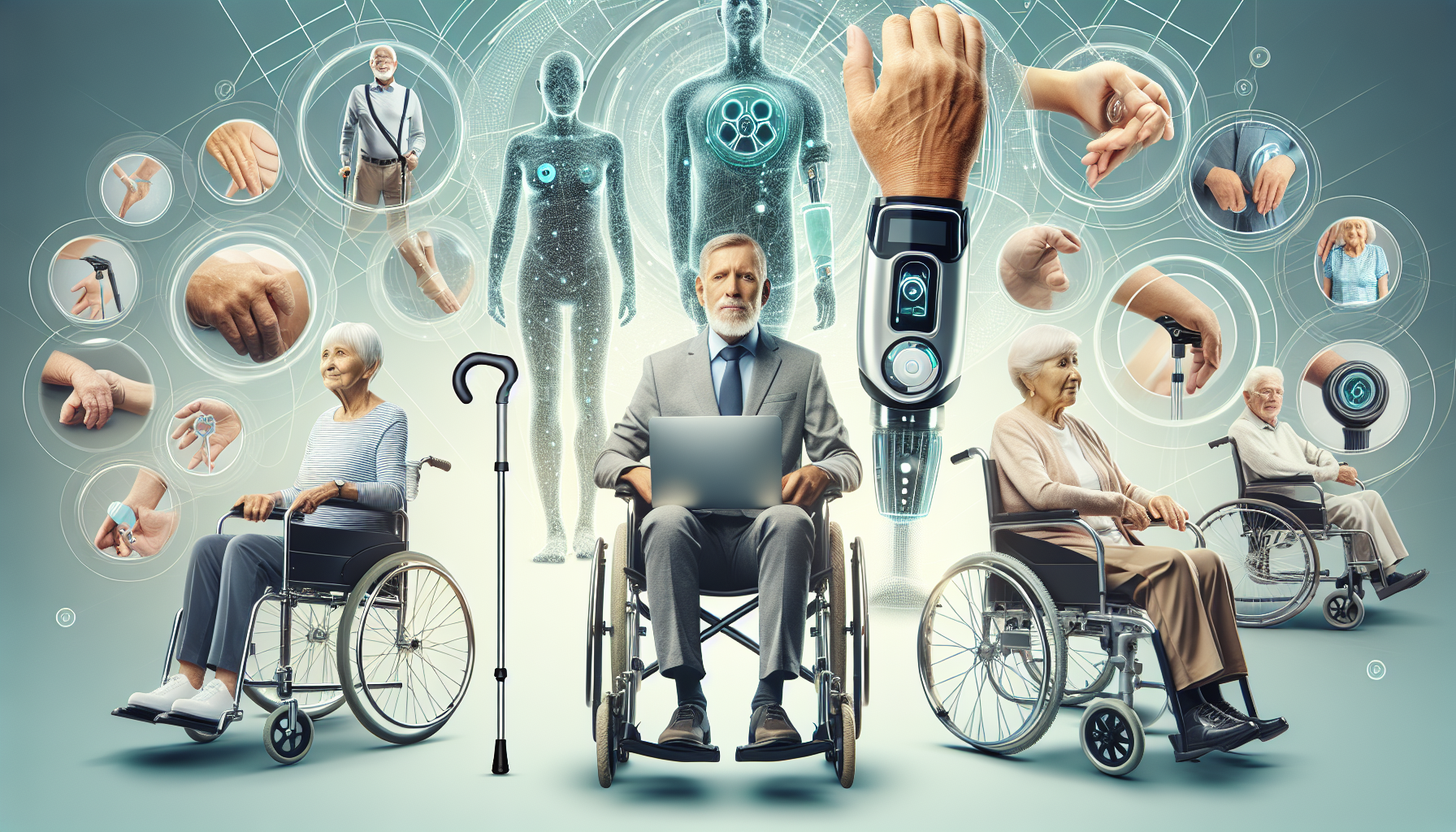
High-tech mobility aids for modern seniors are reshaping what independent living looks like, replacing the old image of bulky walkers and basic canes with connected, ergonomic, and highly personalized devices. In practical terms, mobility aids and devices include any tool that supports safer movement, balance, transfers, or transportation, from smart canes and rollators to power wheelchairs, stair lifts, transfer systems, and wearable fall-detection technology. I have worked with families choosing these products for aging parents, and the biggest change in recent years is not simply better engineering. It is the integration of sensors, batteries, app-based controls, pressure mapping, lightweight materials, and design standards that make equipment more effective and easier to live with every day.
This matters because mobility loss affects much more than walking. It influences confidence, social participation, medication adherence, continence management, recovery after surgery, and the risk of hospitalization after a fall. According to the Centers for Disease Control and Prevention, falls remain a leading cause of injury among older adults, and the World Health Organization continues to treat healthy aging as inseparable from functional ability. The right device can reduce joint strain, widen a person’s safe activity range, and help them stay in their own home longer. The wrong device can do the opposite by increasing fatigue, encouraging poor posture, or creating hazards on stairs and thresholds.
As a hub page within Accessibility & Mobility Solutions, this guide explains the main categories of mobility aids and devices, how modern features improve outcomes, and how seniors and caregivers can match equipment to real needs instead of marketing claims. It also points naturally toward deeper decisions such as home modifications, bathroom safety, vehicle access, and rehabilitation planning. If you are comparing options for yourself, a parent, or a client, start with one clear principle: the best mobility aid is the one that fits the user’s body, home, routine, and health condition well enough to be used consistently.
How Modern Mobility Aids Have Changed
Modern mobility aids are defined by four advances: lighter materials, better biomechanics, embedded electronics, and more precise fitting. Aluminum, carbon fiber, and advanced polymers have reduced product weight without sacrificing stability. Rollators that once felt heavy and awkward now fold quickly, steer smoothly, and include adjustable handle geometry that supports a more upright gait. Smart canes can include LED illumination, obstacle alerts, and GPS-based location functions. Power chairs use programmable control modules, suspension systems, and pressure-relief seating that older models did not offer.
These changes matter because seniors rarely use mobility equipment in controlled settings. They use it while carrying groceries, navigating uneven sidewalks, getting in and out of vehicles, and moving through tight kitchens. In those real conditions, small design improvements have large effects. A one-touch folding mechanism can mean the difference between independently loading a rollator into a trunk and needing assistance every time. Shock-absorbing wheels reduce wrist pain for people with arthritis. Voice prompts and oversized controls help users with low vision or mild cognitive decline operate equipment correctly.
Technology is also making assessment more data-driven. Clinicians and suppliers increasingly look at gait speed, turning radius, seat width, pressure distribution, and transfer technique instead of relying only on general impressions. In my experience, people often shop by appearance first, then regret it when the device proves too wide for bathroom doors or too tall for safe elbow positioning. Good equipment selection starts with function, measurements, and environment. The aesthetics are welcome, but fit and safety come first.
Core Categories of Mobility Aids and Devices
Mobility aids and devices fall into several broad categories, each solving a different movement problem. Canes and walking sticks provide light balance support, usually for people who can bear weight but need extra stability. Walkers and rollators offer a larger base of support and are common after surgery, during rehab, or for chronic balance deficits. Manual wheelchairs help users who can propel independently or with caregiver assistance. Power wheelchairs and mobility scooters extend travel range for people with limited endurance, neuromuscular weakness, or cardiopulmonary conditions.
Transfer and positioning devices form another essential group. These include lift chairs, patient lifts, transfer boards, sit-to-stand aids, bed rails, and turning cushions. They are not always classified first when people search for mobility aids, but they often determine whether someone can move safely between bed, toilet, chair, and car. Vehicle lifts, portable ramps, threshold ramps, and stair lifts bridge the gap between personal mobility and the built environment. Without these access tools, even an excellent wheelchair may be functionally useless at home.
Wearable and connected safety devices round out the modern picture. Fall-detection pendants, smartwatches with emergency alerts, pressure sensors, and geofencing tools do not replace mobility equipment, but they support safer use. They are especially valuable for seniors living alone or managing Parkinson’s disease, neuropathy, stroke recovery, or mild dementia. The best results usually come from combining categories rather than expecting one product to solve every limitation.
| Device Type | Best For | Key Modern Features | Main Caution |
|---|---|---|---|
| Smart cane | Mild balance loss | LED lights, ergonomic grips, alerts | Too little support for major weakness |
| Rollator | Walking endurance and stability | Seat, brakes, foldability, all-terrain wheels | Poor brake use can cause falls |
| Walker | Higher stability needs | Adjustable height, glides, forearm supports | Incorrect height strains shoulders |
| Manual wheelchair | Limited walking, short or moderate trips | Light frames, pressure cushions, quick-release wheels | Requires propulsion strength or caregiver help |
| Power wheelchair | Severe endurance or strength limits | Programmable controls, tilt, recline, suspension | Needs charging, training, and home clearance |
| Mobility scooter | Community travel | Long battery range, baskets, swivel seats | Larger turning radius indoors |
| Stair lift | Multi-level homes | Powered swivel seats, remote controls, sensors | Does not solve all transfer issues |
Choosing the Right Device for Real Life
The right mobility aid depends on three assessments: the user, the environment, and the daily task. Start with the user’s physical capacity. Can they bear weight through one leg? Do they fatigue after fifty feet? Is hand grip limited by arthritis? Do they lean forward because of spinal stenosis? A cane may help one senior with mild vestibular instability, while another with the same age but weaker trunk control may need a two-wheeled walker or rollator. Diagnoses matter, but functional presentation matters more.
Next, assess the environment in measurable terms. Door width, hallway clearance, threshold height, flooring, bathroom layout, bed height, and vehicle entry height all influence product choice. I have seen families buy scooters that could not be turned in apartment hallways and transport chairs that would not fit beside a toilet for lateral transfer. For wheelchairs, even a difference of one inch in seat width or footplate length affects comfort, propulsion efficiency, and skin safety. For stair lifts, the landing space and seat swivel clearance are as important as the stair angle.
Then consider the main task. Some devices are optimized for indoor transfers, others for neighborhood distances or medical appointments. A rollator is excellent for walking to the dining room, resting on the built-in seat, and carrying small items in a pouch. It is not a substitute for a properly fitted wheelchair if the user cannot ambulate safely for meaningful distances. A scooter may preserve community access for shopping and parks, but it usually cannot replace a transfer aid in the bedroom or bathroom. Matching the device to the task prevents disappointment and unsafe improvisation.
Smart Features That Deliver Real Benefits
Not every high-tech feature is useful, but several have clear practical value. Automatic braking and brake-assist systems on advanced rollators improve control on slopes and reduce runaway movement during sit-to-stand transitions. Integrated lighting on canes, walkers, and wheelchairs increases visibility in dim hallways and parking lots. GPS tracking helps caregivers locate users who are at risk of wandering. Battery management systems in power devices prevent deep discharge and extend battery life when used properly. Suspension in power chairs and premium scooters reduces vibration, which matters for users with back pain or post-stroke tone issues.
Seating technology is another major advance. Pressure-redistributing cushions made with gel, air cells, or layered foam can lower the risk of pressure injuries for wheelchair users who sit for long periods. Tilt and recline systems change pressure points and support positioning, especially for users with poor trunk control. Some chairs include programmable seat functions that allow easier transfers at specific heights and angles. These are not luxury upgrades. For the right user, they are clinical features that protect skin, posture, and respiratory comfort.
Connectivity also adds value when it solves a genuine problem. App-linked alerts can notify caregivers when batteries run low, devices leave a defined area, or impact sensors detect a possible fall. However, I advise families to treat connected features as secondary to mechanical reliability. A beautifully connected device with poor stability, weak caster performance, or awkward controls will still fail in daily use. Hardware quality always outranks novelty.
Home Access, Transportation, and Safety Integration
Mobility aids work best when paired with home access solutions. Threshold ramps smooth small elevation changes that commonly catch walker tips and wheelchair casters. Portable ramps can make a front entrance usable, but permanent ramps built to recognized slope guidance are safer for regular use. Stair lifts restore access to second floors for many seniors, especially when moving the bedroom downstairs is not realistic. For wheelchair users, vertical platform lifts may be more appropriate than stair lifts because they preserve seated mobility and can handle heavier equipment.
Bathrooms and bedrooms deserve special attention because this is where many injuries occur. Bed rails, transfer poles, shower chairs, raised toilet seats, grab bars, and non-slip flooring often determine whether a senior can use a mobility device effectively inside the home. A high-end power chair does little good if the user still has to perform an unsafe pivot onto a low toilet. In real cases, the most successful plans combine a primary mobility device with targeted transfer equipment and a few environmental modifications.
Transportation is the other half of independence. Vehicle lifts, hoists for scooters, swivel car seats, and wheelchair-accessible vans extend the utility of mobility devices beyond the home. Families often underestimate this point. If a device cannot be transported, it may only support one part of life. Ask practical questions before buying: Who will load it? How much does the heaviest component weigh? Can the battery be removed for charging? Does the user need tie-downs, docking, or a transfer board for safe car entry?
Cost, Funding, and Professional Evaluation
Prices vary widely. Basic canes are inexpensive, while advanced power wheelchairs, stair lifts, and vehicle adaptations can represent major investments. Funding may come from Medicare, Medicaid programs, Veterans Affairs benefits, long-term care insurance, workers’ compensation, nonprofit grants, or private payment, depending on the device and medical necessity. Coverage rules are specific. For example, many payers focus on equipment needed for use inside the home, not just for community convenience. Documentation from a physician, physical therapist, or occupational therapist is often essential.
Professional evaluation is worth the time because it reduces expensive mistakes. A seating and mobility specialist, occupational therapist, or physical therapist can assess gait, transfer safety, strength, endurance, and environmental barriers. For wheelchairs and complex rehab technology, standardized measurements and trial fittings are critical. For simpler devices such as rollators and walkers, even basic instruction on height adjustment, brake use, and turning technique can materially improve safety. In my experience, user training is one of the most undervalued parts of successful equipment adoption.
Maintenance should also be part of the buying decision. Batteries degrade, brake cables stretch, tires wear, upholstery tears, and firmware may require updates on connected systems. Ask about service intervals, local repair availability, warranty terms, and replacement parts. A lower sticker price can become expensive if repairs are slow or proprietary. Dependable after-sale support is part of the product, not an extra.
High-tech mobility aids for modern seniors deliver the greatest benefit when they are selected as part of a full mobility plan, not as isolated gadgets. The most effective approach is straightforward: identify the movement problem, measure the home and transportation barriers, match the device to the user’s strength and endurance, and add safety supports where transfers or stairs remain risky. Smart canes, rollators, wheelchairs, scooters, stair lifts, transfer systems, and wearable alerts each solve different problems, and the best outcomes usually come from combining them thoughtfully. Modern design has made these tools lighter, safer, and more customizable, but success still depends on fit, training, and follow-through.
For seniors, the real benefit is not technology for its own sake. It is the ability to move with less pain, less fear, and more control over daily life. For caregivers, it means fewer preventable crises and clearer decisions about what support is truly needed. For professionals, it creates better alignment between clinical goals and real-world function. If you are building an accessibility plan, use this hub as your starting point, then continue with deeper guidance on home modifications, transfer safety, bathroom access, and wheelchair-friendly design so every mobility decision works together.
Frequently Asked Questions
What are high-tech mobility aids, and how are they different from traditional mobility devices?
High-tech mobility aids are modern support devices designed to improve safety, comfort, independence, and ease of movement for older adults. Unlike traditional mobility devices that focus mainly on basic physical support, newer options often include advanced features such as ergonomic design, smart sensors, app connectivity, power assistance, GPS tracking, fall detection, pressure relief systems, voice controls, and customizable settings. Examples include smart canes that provide stability alerts, rollators with built-in braking and navigation support, power wheelchairs with programmable seating and driving modes, stair lifts with remote operation and obstruction sensors, and wearable devices that can automatically detect a fall and alert caregivers.
The biggest difference is personalization and responsiveness. Older mobility devices were often one-size-fits-all solutions, while today’s technology can be tailored to the user’s strength, balance, home layout, medical needs, and lifestyle. For example, a senior who still enjoys outdoor walks may benefit from a lightweight rollator with all-terrain wheels and a built-in seat, while someone with limited endurance may do better with a compact power scooter or a power wheelchair with pressure management features. These devices are also increasingly designed to look more streamlined and less clinical, which matters to many seniors who want practical support without feeling stigmatized. In short, high-tech mobility aids do more than help someone get from one place to another; they support confidence, reduce caregiver strain, and make independent living more realistic and sustainable.
How do families choose the right mobility aid for a senior’s specific needs?
Choosing the right mobility aid starts with understanding exactly where the mobility challenge exists. Some seniors need help mainly with balance, others with endurance, transfers, navigating stairs, or getting safely in and out of bed, chairs, or vehicles. The best choice depends on several factors, including physical strength, gait stability, fall history, cognitive status, vision, home environment, transportation needs, and whether the device will be used indoors, outdoors, or both. A smart cane may be useful for someone with mild balance issues, while a rollator may be better for a person who can walk but tires easily. A stair lift can be life-changing for a senior who is safe on flat surfaces but cannot manage stairs, and a transfer aid may be essential if a caregiver is assisting with daily movement between bed, chair, toilet, or vehicle.
It is also important to think beyond the device itself and consider the full day-to-day routine. Families should ask practical questions such as: Can the senior operate the device safely on their own? Will it fit through doorways and around furniture? Is it easy to transport in a car? Does it require charging, internet access, or regular maintenance? Is there a risk that the technology is too complex for the user? When possible, an evaluation by a physical therapist, occupational therapist, mobility specialist, or rehab professional is one of the smartest steps a family can take. These professionals can assess body mechanics, recommend proper sizing and features, and reduce the risk of buying equipment that is either inadequate or overly complicated. The right mobility aid should not simply look impressive; it should match the senior’s real abilities and help them move more safely and confidently every day.
Are smart mobility aids safe and reliable for everyday use?
In many cases, yes, smart mobility aids are very safe and reliable when they are properly selected, fitted, maintained, and used as intended. Many high-tech devices are designed specifically to reduce common risks for older adults, including falls, unsafe transfers, overexertion, and delayed emergency response. Features such as automatic braking, anti-tip technology, obstacle detection, seatbelt systems, battery status alerts, pressure redistribution, locking mechanisms, and emergency call capabilities can significantly improve everyday safety. Wearable fall-detection devices add another layer of protection by notifying caregivers or emergency contacts when a fall is detected, especially for seniors who live alone or spend time unsupervised.
That said, technology is only as effective as its setup and ongoing use. A poorly fitted walker, an undercharged power chair, a stair lift installed in the wrong configuration, or a device with features the user does not understand can create new problems instead of solving old ones. Reliability depends on quality manufacturing, correct installation, user training, and regular maintenance. Families should look for reputable brands, review warranty coverage, ask about service support, and make sure the senior has enough practice using the device before relying on it fully. It is also wise to have backup plans in place, especially with powered or connected devices. For example, a senior using a power wheelchair should know battery charging routines, and a family using app-based alerts should confirm that notification settings are functioning correctly. Smart mobility aids can be excellent tools, but the safest results come from pairing good technology with good training and realistic expectations.
Can high-tech mobility aids help seniors stay independent longer at home?
Yes, that is one of their most important benefits. High-tech mobility aids can extend independent living by making daily movement safer, less exhausting, and more manageable. Many seniors do not need full-time care because of a medical crisis alone; they need help because ordinary movement becomes difficult or risky. When a senior cannot safely navigate stairs, rise from a chair, walk to the bathroom at night, or recover after a minor loss of balance, everyday life becomes much harder. Advanced mobility devices can reduce those barriers. A stair lift can restore access to the second floor, a power lift recliner can make standing easier, a rollator with ergonomic support can improve safe walking, and a wearable alert system can provide peace of mind in case of a fall.
Independence also includes emotional and social well-being, not just physical mobility. When seniors feel safer moving around their homes and communities, they are more likely to remain active, attend appointments, socialize, and continue routines that support mental health. For family caregivers, the right equipment can reduce physical strain and make support more sustainable over time. In many homes, mobility technology works best as part of a broader aging-in-place plan that may include home modifications, medication management, lighting improvements, and periodic reassessment of changing needs. The goal is not simply to add gadgets; it is to create an environment where the senior can function with greater dignity, security, and freedom. When chosen thoughtfully, these tools can delay or even prevent the need for more restrictive care settings.
What should families know about cost, insurance coverage, and long-term value when buying high-tech mobility aids?
Costs can vary widely depending on the type of device, the level of technology involved, and whether installation or customization is required. A smart cane or wearable fall-detection device may be relatively affordable compared with a power wheelchair, stair lift, or advanced transfer system. However, price alone should never be the only deciding factor. Families should consider the total value of the device, including safety benefits, durability, maintenance needs, caregiver relief, and the potential to reduce injuries or delay a move to assisted living. In many cases, a more expensive but well-matched device provides better long-term value than a cheaper product that is uncomfortable, unreliable, or quickly outgrown by the user’s needs.
Insurance coverage can be complicated. Some mobility equipment may be covered in full or in part through Medicare, Medicaid, private insurance, veterans’ benefits, or long-term care policies, but coverage rules often depend on medical necessity, physician documentation, approved suppliers, and whether the device is considered primarily for in-home use. Features viewed as convenience upgrades, smart connectivity tools, or home modifications may not be fully covered even when they are genuinely useful. Families should ask for detailed quotes, request written documentation from clinicians, confirm supplier participation in insurance networks, and understand return policies before making a purchase. It is also worth asking about service plans, replacement parts, battery lifespan, and installation support. A thoughtful purchase decision balances upfront cost with real-world function, safety, and quality of life. The best investment is usually the one that helps a senior move more safely and live more fully over time.