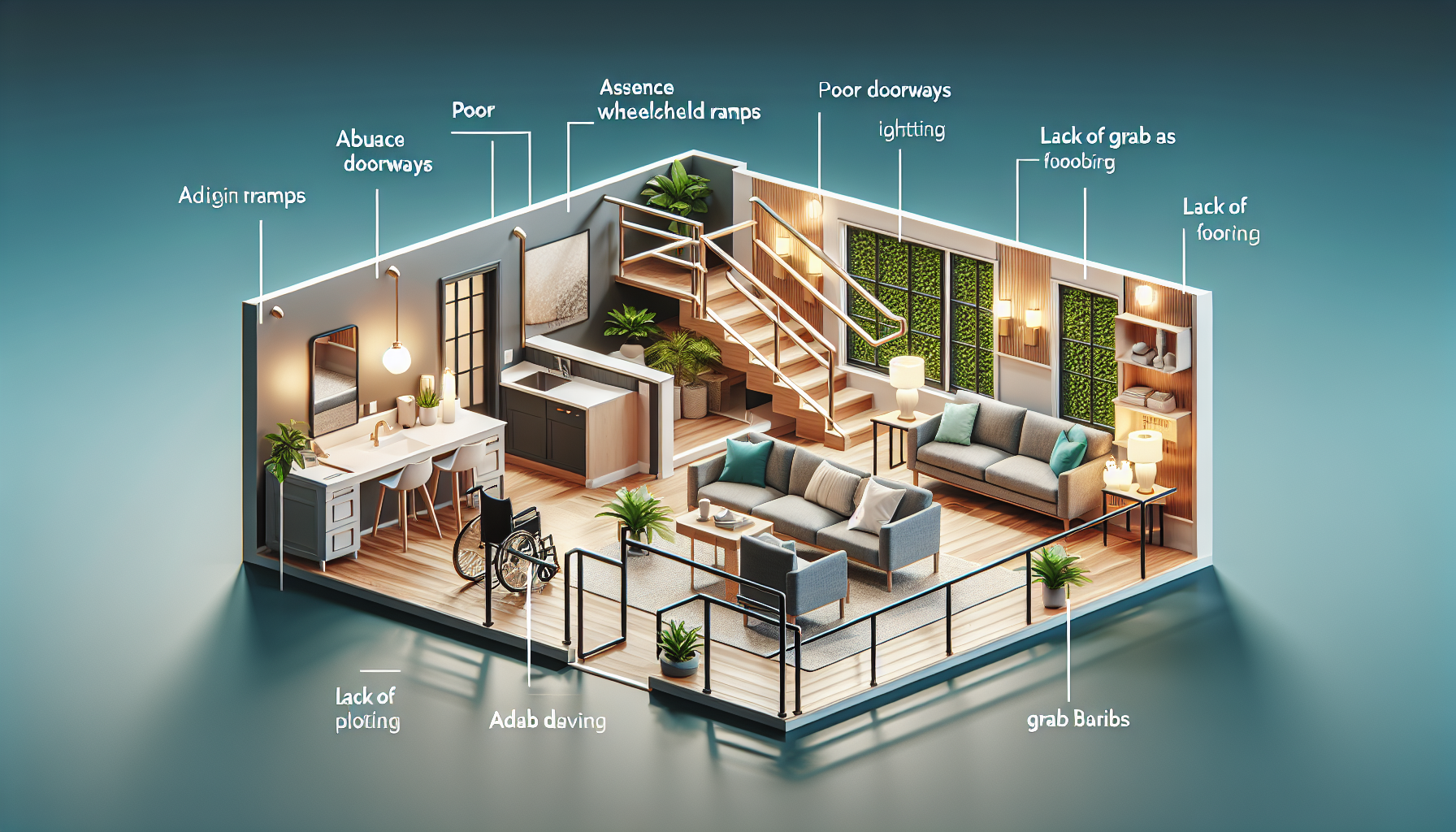
Coordinating chair lift use with daily care routines is one of the most practical ways to make a home safer, calmer, and more manageable for both caregivers and the person receiving care. In accessibility and mobility solutions, a chair lift is a motorized seat that travels along a rail mounted to a staircase, allowing someone with limited mobility to move between floors without climbing steps. Daily care routines include transfers, bathing, dressing, medication schedules, meals, toileting, exercise, and sleep preparation. When those routines are planned around predictable chair lift use, the result is not just convenience. It is lower fall risk, better energy conservation, fewer rushed transfers, and more consistent care delivery.
I have seen families install a lift and assume the problem is solved, only to discover that the real challenge is timing. A lift may technically connect two floors, but if the bathroom is upstairs, the morning medication is downstairs, and a caregiver has a narrow thirty-minute visit window, poor sequencing creates delays and stress. Coordinating use means deciding who rides, when they ride, what supplies must travel with them, and what backup plan applies if the lift is unavailable. It also means understanding caregiver support resources, because the best outcomes come from pairing equipment with training, scheduling tools, community programs, and clinical guidance.
This matters because stair-related falls remain a major household hazard for older adults and people recovering from injury or surgery. A chair lift reduces stair climbing, but it does not remove all risk. Safe use still depends on transfer technique, seat belt use, weight limits, obstruction checks, battery maintenance, and communication between everyone involved in care. Families also need realistic expectations. A chair lift helps with vertical travel, but it does not replace hands-on support for bathing, toileting, dressing, or cognitive supervision. Used well, however, it can anchor the day and make home caregiving far more sustainable.
Build the routine around the person, not the staircase
The most effective chair lift plans start with a simple question: what does the care recipient need at each part of the day, and on which floor can that need be met most safely? Begin by mapping current routines hour by hour. List wake-up, toileting, washing, dressing, breakfast, medication administration, therapy exercises, meals, rest periods, appointments, and bedtime. Then note whether each task happens upstairs or downstairs and whether it requires one caregiver, two caregivers, or standby assistance. This reveals bottlenecks immediately. In one home assessment I worked on, the individual rode the lift six times before noon because clothing, continence supplies, and medications were stored on different floors. Consolidating supplies reduced trips to two and made morning care smoother.
Energy patterns matter as much as location. Many people with Parkinson’s disease, arthritis, heart failure, multiple sclerosis, or post-stroke weakness have predictable times of better function and times of fatigue. Schedule chair lift trips during stronger periods when transfers are easier and reaction time is better. If mornings are slow and stiff, it may be safer to complete breakfast and first medications on the same floor as the bedroom before using the lift. If evenings bring confusion or sundowning, reduce unnecessary trips later in the day. The goal is not maximal movement. The goal is safe, purposeful movement that supports dignity and independence.
Clear task ownership also prevents errors. Decide who is responsible for checking the footrest, fastening the seat belt, folding arms and footplates when the lift is parked, and verifying that mobility aids are waiting on the destination floor. If several family members help at different times, write these steps into the care plan. Consistency matters. The same sequence used every day lowers anxiety, especially for people with mild cognitive impairment who rely on routine cues.
Design morning, midday, and evening workflows
Morning routines are usually the most time-sensitive because they combine toileting urgency, washing, dressing, and first-dose medications. The safest workflow often starts with keeping overnight essentials on the bedroom floor: incontinence products, wipes, a robe, slippers, and a blood pressure cuff if monitoring is required before antihypertensive medication. After toileting and basic grooming, the person can use the chair lift once to reach the kitchen or main living area. If the full bathroom is upstairs and meals are downstairs, prepare a downstairs medication station and breakfast area in advance so the first trip has a clear purpose.
Midday routines should account for home health visits, therapy, errands, and fatigue. If a physical therapist is working on gait training, ask whether stair lift timing should change so practice occurs before fatigue sets in. If a paid caregiver arrives at noon, decide whether the care recipient should already be downstairs, or whether assisted lift use will be part of the visit. I generally recommend minimizing transitions during short caregiver shifts unless the trip is essential for bathing or rest. Every transfer consumes time and attention, so clustering tasks improves reliability.
Evening routines require the most caution because lighting is dimmer, medications may cause drowsiness, and caregiver fatigue is real. Create a firm cutoff for unnecessary lift use after a certain hour. Bring water, chargers, continence supplies, nighttime medications, and sleep items to the bedroom floor before the final ride. For people with dementia, use verbal cues that stay the same each night, such as “Seat belt on, feet in, hands on lap.” Predictable language reduces agitation and supports compliance. If nighttime toileting is frequent, evaluate whether a bedside commode, urinal, or temporary sleeping setup on the main floor is safer than repeated overnight chair lift use.
Core safety rules every caregiver should follow
A chair lift should be integrated into the care plan with the same discipline used for medication administration or transfer assistance. First, follow the manufacturer’s operating instructions exactly. Most reputable models from Stannah, Bruno, Harmar, and Acorn have clear guidance on weight capacity, swivel seat operation, charging points, and obstruction sensors. Exceeding rated capacity or bypassing safety features is not a minor shortcut. It is a direct injury risk. Check that the seat locks into position before sitting, use the seat belt every trip, and ensure feet are fully on the footrest to avoid striking the stairs.
Second, focus on transfers on and off the seat. The ride itself is usually controlled and predictable; the vulnerable moment is pivoting onto the chair and standing up at the landing. Keep grab bars or sturdy handholds available at the top and bottom if recommended by an occupational therapist. Position walkers on the destination floor before travel so the person does not stand unsupported. If the user has unilateral weakness after stroke, set up the transfer toward the stronger side whenever possible. For people with poor trunk control, a caregiver may need close guarding even if the lift ride is independent.
Third, maintain the equipment. Most lifts use rechargeable batteries that charge when the chair is parked at a designated point. If the chair is left off the charge point, the battery may drain and create an avoidable disruption. Schedule annual service, clean the rail according to manufacturer instructions, and test controls routinely. Caregivers should know how to use call-send remotes, how to fold the unit when not in use, and what emergency contact number to call for repairs. A simple laminated checklist near the staircase prevents guesswork.
| Routine point | Chair lift check | Caregiver action | Why it matters |
|---|---|---|---|
| Before boarding | Seat locked, path clear, battery charged | Assist transfer, fasten belt, confirm foot placement | Prevents slips, misalignment, and equipment stoppage |
| During travel | Hands inside armrests, feet on footrest | Monitor calmly, avoid distracting conversation | Reduces contact with stairs and supports user confidence |
| At landing | Chair fully stopped, swivel engaged if applicable | Place walker or cane within reach before standing | Improves transfer stability at the highest-risk moment |
| After use | Chair parked on charge point, arms folded if needed | Move trip hazards, document issues, recharge if required | Keeps the lift ready and the staircase usable for others |
Use caregiver support resources to make the plan realistic
Families often focus on the device and underestimate the support network needed to use it well. Start with professional assessment. An occupational therapist can evaluate transfer ability, bathroom access, cognition, and whether a straight or curved stair lift fits the home and the person’s abilities. A physical therapist can identify the safest standing technique, need for gait belt use, and whether strength or balance work may reduce dependence over time. For complex cases involving dementia, stroke, or progressive neurologic disease, ask the primary care clinician or rehabilitation specialist to document functional limitations and safety recommendations in the care plan.
Training resources are equally important. Reputable stair lift dealers usually provide installation-day instruction, but many families need repeat training after a hospitalization or caregiver turnover. Request hands-on practice for every regular helper, including adult children and respite workers. Home health agencies, Area Agencies on Aging, hospital discharge planners, and local Centers for Independent Living can help connect families with caregiver education, fall prevention classes, and home modification guidance. Disease-specific groups such as the Alzheimer’s Association, the Parkinson’s Foundation, and the National Multiple Sclerosis Society often provide practical caregiving materials that improve daily routine planning, even when the topic is not limited to stair lifts.
Financial and logistical supports also matter. Medicare generally does not cover stair lifts as standard durable medical equipment, so families may need to explore Medicaid waiver programs, Veterans Affairs benefits, state assistive technology programs, nonprofit grants, or financing through the vendor. This is where a caregiver support hub becomes essential. A complete resource list should include funding pathways, home safety assessment options, respite services, transportation alternatives, emergency backup contacts, and care coordination templates. The chair lift works best when it sits inside a documented system, not an improvised routine held together by memory.
Troubleshoot common problems before they disrupt care
The most common coordination problem is overuse. If the care recipient is sent upstairs for a sweater, back downstairs for lunch, up again for toileting, and down again for visitors, the lift becomes a bottleneck instead of a solution. Create duplicate supply stations on both floors where practical: medications only where clinically safe and organized, but linens, wipes, reading glasses, chargers, and hydration supplies can often be stored in more than one place. Another common issue is shared household traffic. If other family members use the stairs, agree on parking rules so the lift does not block access and always remains on a charge point.
Cognitive change requires special planning. Someone with dementia may forget seat belt steps, stand before the chair stops, or attempt to use the lift alone after being told not to. In these cases, supervised use, key controls, or power switches may be necessary depending on the model. Visual cues help: high-contrast labels, step-by-step cue cards, and consistent caregiver scripts. If unsafe independent use continues, the care plan should change immediately rather than relying on repeated reminders that are unlikely to work.
Breakdowns are another reality. Every household with a chair lift needs a downtime plan. Decide in advance where the person can stay if the lift fails, how essential medications will be reached, who can provide additional assistance, and whether temporary sleeping arrangements on one floor are feasible. Keep the dealer’s service number visible, and ask about battery replacement schedules, warranty terms, and average response time. Coordinated care means assuming interruptions will happen and planning around them before they become emergencies.
Create a home care hub that supports long-term independence
A chair lift should not be treated as an isolated product. It is one part of a broader caregiver support system that includes written routines, contact lists, emergency planning, training refreshers, and periodic reassessment. Build a central binder or digital folder with the lift manual, service records, medication list, therapy goals, transfer instructions, and emergency numbers. Add a daily schedule showing when the lift is typically used and what items should travel with the person at each trip. This turns informal knowledge into a repeatable system that any trusted caregiver can follow.
Reassess the routine after any major change: hospitalization, new diagnosis, medication adjustment, fall, weight change, caregiver turnover, or decline in strength or cognition. What worked six months ago may now be inefficient or unsafe. In my experience, families benefit from asking three direct questions every quarter: Are we making too many trips? Are transfers still controlled? Do we have enough support? Those questions reveal whether more training, more supply duplication, or a different room setup is needed.
When coordinated thoughtfully, chair lift use protects energy, reduces fall exposure, and helps people remain in familiar homes longer. The biggest benefit is not the motorized ride itself. It is the predictability the lift brings to personal care, caregiver workload, and household flow. Review your current routine, map each trip by purpose, and connect with local caregiver support resources to close the gaps. A well-planned system turns a mobility device into a reliable foundation for safer daily living.
Frequently Asked Questions
1. How can a chair lift be worked into a daily care routine without making the day feel more complicated?
The best way to coordinate chair lift use with daily care routines is to treat it as a planned part of the schedule rather than a last-minute solution. Start by identifying the times of day when stair travel usually happens, such as getting up in the morning, going downstairs for meals, moving to a bathroom on another level, attending therapy exercises, or returning upstairs for bedtime. Once those patterns are clear, place chair lift trips around those activities so transitions happen before fatigue, urgency, or discomfort build up. For example, if dressing and grooming take place upstairs but lunch is downstairs, plan enough time for a calm transfer onto the lift before the person becomes rushed or tired.
It also helps to prepare the environment in advance. Keep mobility aids, blankets, medications, incontinence supplies, water, or personal items on the same floor where they will be needed most so unnecessary extra stair trips are reduced. Caregivers often find that routines run more smoothly when they create simple checkpoints: confirm the destination floor is ready, make sure the user is properly seated, secure the seat belt if the model has one, and verify that footrests, armrests, and clothing are clear before starting the lift. Over time, these steps become second nature. Instead of adding complexity, the chair lift can actually reduce strain, improve timing, and make the day feel more predictable for everyone involved.
2. What times of day are usually most important to plan chair lift use around?
The most important times to plan for are the parts of the day when care needs are highest and energy levels may be lowest. For many households, that means morning rising, toileting routines, bathing, dressing, mealtimes, medication schedules, therapy sessions, and bedtime. Morning is especially important because stiffness, weakness, dizziness, or balance problems can be more noticeable after waking. If someone needs to move between bedroom and kitchen levels soon after getting up, using the chair lift early in the routine can reduce fall risk and conserve energy for washing, grooming, and eating.
Evening is another key period because fatigue tends to accumulate by the end of the day. A person who can manage stairs somewhat in the morning may be much less stable after meals, appointments, exercise, or a long day of activity. Planning chair lift use before bedtime care can make transfers safer and less stressful. Medication timing matters as well. If medications affect alertness, blood pressure, bladder urgency, or coordination, stair travel should be scheduled when the person is most steady and comfortable. Toileting routines should also be considered carefully, especially if urgency is an issue. In those cases, caregivers may want to minimize cross-floor trips or move frequently used care activities to one level when possible. Looking at the full rhythm of the day helps determine where the lift will provide the greatest safety and support.
3. How can caregivers make chair lift transfers safer during bathing, dressing, and toileting routines?
Safety during care-related transfers starts with consistency. Whether the person is heading to a bathroom, bedroom, or changing area, caregivers should use the same transfer approach each time whenever possible. Position any walker, cane, or wheelchair securely before and after the lift ride. Make sure the chair lift seat is fully lowered and locked in its boarding position, and ask the user to sit all the way back in the seat before fastening the seat belt if one is provided. Hands, feet, robe hems, blankets, tubing, and loose clothing should be checked so nothing catches during travel. If the chair swivels at the top landing, engage the swivel and locking feature before standing, because this can help the person exit onto the landing rather than toward the stairs.
Bathing and toileting routines often involve urgency, damp floors, bulky clothing changes, and physical fatigue, which can increase risk. To reduce these problems, prepare the destination area ahead of time. Have towels, clean clothes, continence products, and hygiene supplies ready before the chair lift trip begins. Good lighting on both landings is essential, and grab bars near the lift exit area can provide extra support during standing and pivoting. If the person requires hands-on assistance, caregivers should follow safe body mechanics and any transfer techniques recommended by a physical or occupational therapist. In households where toileting urgency is a concern, it may also be wise to adjust routines so the person is on the correct floor before urgency becomes severe. A chair lift is very helpful, but it works best as part of an overall transfer safety plan rather than as the only strategy.
4. What should families do if the person receiving care has changing mobility, memory, or medical needs?
Chair lift coordination should be reviewed regularly because care needs rarely stay the same. A routine that works well for someone with mild weakness may need adjustment if that person develops greater balance problems, joint pain, fatigue, cognitive impairment, or a condition that affects safe transfers. Families should watch for signs that the current routine is no longer ideal, such as increased hesitation getting on or off the seat, leaning unsafely, forgetting operating steps, more shortness of breath during transfers, or a need for significantly more caregiver assistance. These changes may mean the schedule needs to be simplified, the environment needs to be reorganized, or the lift setup itself needs professional review.
If memory issues or dementia are present, supervision becomes especially important. The person may need cueing to sit properly, keep the seat belt on, wait for the chair to stop fully, or use the swivel seat correctly at the top landing. In some situations, a caregiver should operate or closely monitor every trip. For progressive medical conditions, it is often helpful to involve a clinician, occupational therapist, or mobility specialist to reassess how the chair lift fits into the broader care plan. They may recommend changes such as moving sleeping arrangements to the main floor, adjusting transfer methods, or pairing the lift with additional supports like grab bars and mobility aids. The key is to view the chair lift as one tool within a living care routine that should adapt as health status changes.
5. How can families keep chair lift use reliable, efficient, and less stressful over the long term?
Long-term success depends on a combination of maintenance, communication, and routine design. First, keep the lift in proper working condition by following the manufacturer’s guidance for service, battery charging, cleaning, and inspections. A chair lift that hesitates, beeps unexpectedly, or stops mid-travel should be assessed promptly by a qualified technician rather than worked around informally. Families should also make sure everyone involved in care understands the basic operating steps, safety features, and emergency procedures. That includes knowing how to send or call the lift to another floor if the model has remote controls, how to park it without blocking walkways, and what to do during a power outage or equipment issue.
It is equally important to reduce daily friction. Keep stairway landings uncluttered, maintain clear lighting, and store frequently used care items on both levels if needed. Some families benefit from a written care schedule that notes when stair travel usually occurs, which caregiver assists, and what supplies should already be in place before the trip. This is particularly useful when multiple family members or professional caregivers share responsibilities. A calm, repeatable process lowers anxiety for the person using the lift and reduces rushed decisions for caregivers. When routines are reviewed periodically and adjusted as needs evolve, the chair lift becomes not just a piece of equipment, but a dependable part of a safer and more manageable home care system.