Finding an authorized stair lift dealer near you is the most reliable way to buy safe equipment, get expert installation, protect your warranty, and avoid costly mistakes that often happen when shoppers focus only on price. In practical terms, an authorized dealer is a retailer approved by a manufacturer to sell, install, and service specific stair lift models according to factory standards. That status matters because stair lifts are not plug-and-play products. They are mobility devices that must match the user’s needs, the staircase layout, local electrical conditions, and the home’s structural realities. After helping families compare dealers, review quotes, and troubleshoot failed installs, I have seen the same pattern repeatedly: the best outcomes come from local providers with manufacturer backing, trained technicians, and clear service policies.
This guide explains how to find an authorized stair lift dealer, what questions to ask, how to compare retailers and online stores, and how this retail category connects to the broader buying process. If you are searching for a straight stair lift, a curved stair lift, a reconditioned unit, or a rental option, dealer quality affects every step. A strong dealer will assess your staircase correctly, explain weight capacity and seat options in plain language, provide a written quote, and remain available for maintenance after installation. A weak dealer may outsource installation, gloss over service response times, or sell a model unsupported in your region. Knowing the difference helps you buy once and buy well.
What an Authorized Stair Lift Dealer Actually Means
An authorized stair lift dealer is a business formally recognized by a manufacturer such as Bruno, Harmar, Stannah, Handicare, or Acorn to represent its products. Authorization usually includes product training, access to factory parts, installation standards, warranty administration procedures, and technical support channels unavailable to unauthorized resellers. In plain terms, the dealer is not simply reselling a box. It is part of the manufacturer’s operating network.
That distinction affects product quality and service in several ways. First, authorized dealers typically receive model-specific training on rail measurement, carriage setup, charging systems, and safety sensors. Second, they can order approved parts quickly, which matters if a footrest switch fails or the unit displays a diagnostic fault code. Third, they usually have direct warranty support, so homeowners are not stuck arguing with a generic online marketplace seller. Finally, manufacturers often monitor customer satisfaction and installation compliance, giving you an extra layer of accountability.
Authorization is not a guarantee that every local branch performs equally well, but it is an important baseline. A dealer can still vary in responsiveness, technician skill, or transparency. That is why verification should be the first filter, not the last. Start with the manufacturer’s website, then move to reputation, service range, and quote quality.
Where to Start Your Search for a Local Dealer
The fastest way to find an authorized stair lift dealer near you is to use the dealer locator on the manufacturer’s official website. Most major brands maintain searchable directories by ZIP code, city, or region. These listings typically include phone numbers, addresses, and service territories. Because the information comes from the brand, it is the strongest initial confirmation that the dealer relationship is active.
If the manufacturer does not offer a robust locator, call its customer service line and ask for the nearest authorized provider. I recommend doing this even when you already found a dealer through a search engine, because online business listings can be outdated. A showroom may have changed ownership, lost authorization, or narrowed its service area without updating every directory.
After you identify a few options, check whether the dealer has a physical location, mobile assessment team, or both. Many excellent stair lift companies work by appointment and do not rely on retail storefront traffic, so a lack of a large showroom is not automatically a red flag. What matters more is whether the company performs in-home evaluations, employs trained installers, and services the units it sells.
Local search results, Google Business Profiles, Better Business Bureau listings, and state business registrations can help confirm that the company is established in your area. You can also ask senior living advisors, occupational therapists, discharge planners, or local Centers for Independent Living for referrals. These professionals often know which dealers follow through on service calls and which ones generate complaints.
How to Verify Authorization and Avoid Misleading Claims
Some retailers use vague language like “factory trained,” “brand compatible,” or “specializing in leading stair lift brands” without clearly stating authorization. Those phrases may be harmless, but they are not the same as being officially authorized. Ask the dealer to identify the exact brands it is authorized to sell and service. Then confirm that information directly with the manufacturer.
Verification should cover more than sales status. Ask whether the dealer is authorized for installation, warranty work, and repair. In some markets, a company may be approved to sell a product but subcontract installation. That is not always disqualifying, yet it creates another point of failure. If subcontractors are involved, ask who trained them, who carries insurance, who handles callbacks, and who remains responsible if the rail fit is wrong.
Also request the dealer’s business name as registered with the manufacturer. This matters because large mobility companies sometimes operate multiple trade names. You want the exact entity that will sign your contract and send technicians into your home. A trustworthy provider will answer directly and provide documentation without hesitation.
What Services a Good Dealer Should Provide Before and After the Sale
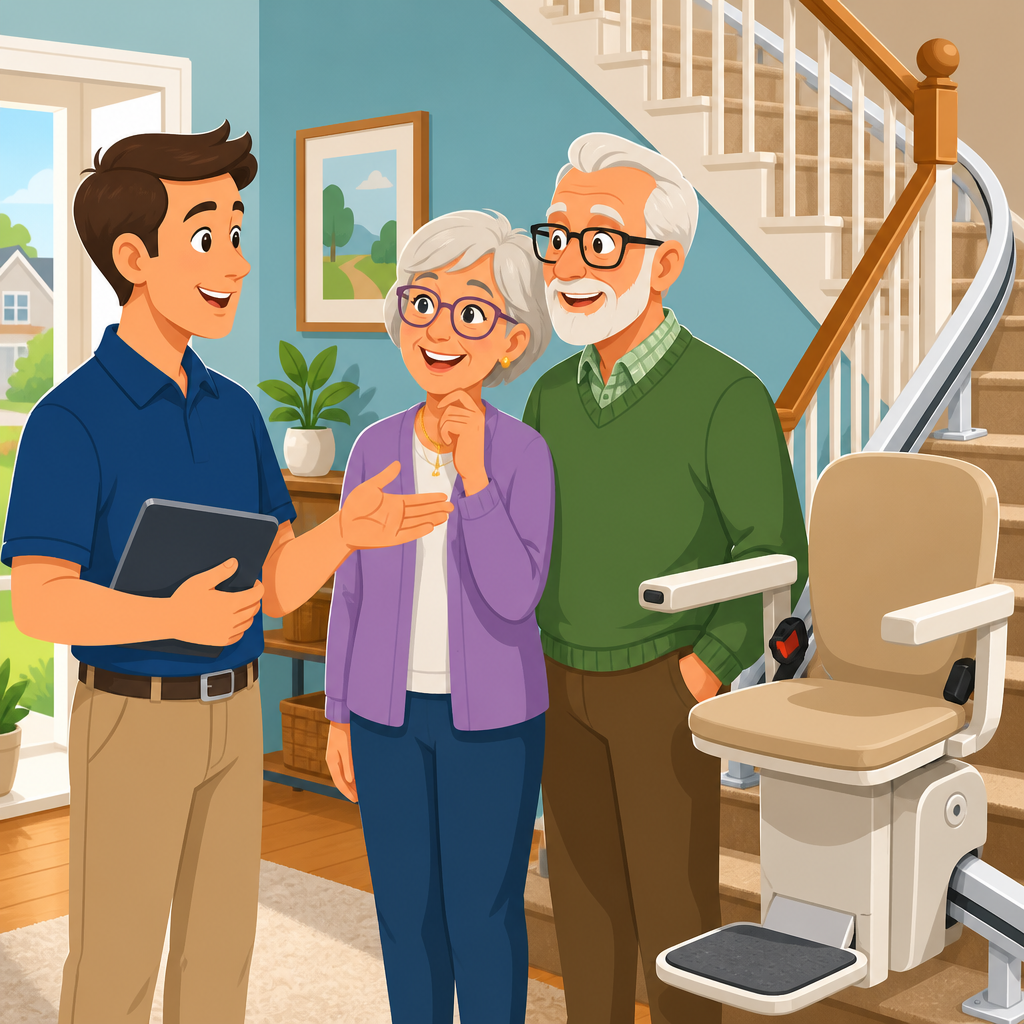
The best authorized stair lift dealers do much more than deliver equipment. They begin with a structured in-home assessment that includes staircase measurements, top and bottom landing clearance, power supply review, user transfer ability, seat height considerations, and safety obstacle checks. During these visits, experienced consultants notice practical details many shoppers overlook, such as narrow hallways at the base of the stairs, overrun requirements, or whether a hinged rail is needed to prevent blocking a doorway.
After assessment, the dealer should provide a written quote with the model name, rail type, warranty terms, installation scope, expected lead time, and service contact information. For curved stair lifts, the quote should specify that the rail is custom built. For reconditioned units, it should identify what parts were replaced, what warranty applies, and whether the rail is reused or newly fabricated.
Post-sale support is equally important. Stair lifts need routine maintenance, battery checks, and occasional troubleshooting. Ask whether the dealer offers same-day or next-day service, preventive maintenance plans, and emergency support hours. In my experience, service responsiveness is where weaker retailers reveal themselves. The sales process may feel polished, but if the company cannot explain how it handles a nonworking lift on a Friday evening, keep looking.
Comparing Retailers, Local Mobility Stores, and Online Stair Lift Sellers
Retailers and online stores do not serve buyers equally well. Local mobility dealers usually provide the highest-touch experience: assessment, installation, training, and follow-up service. Regional chains can offer broader inventory and stronger technician coverage, especially in large metro areas. Online-first sellers may advertise lower prices, but many rely on third-party installers or support remote troubleshooting, which can be difficult for a critical home access device.
| Seller type | Main advantages | Main risks | Best fit |
|---|---|---|---|
| Local authorized dealer | Home assessment, direct installation, local service, easier warranty support | Smaller model selection in some markets | Most homeowners needing dependable long-term support |
| Regional mobility chain | Multiple technicians, broader inventory, standardized processes | Service quality can vary by branch | Shoppers comparing several brands in one area |
| Online marketplace seller | Lower advertised prices, fast quote requests | Unclear authorization, outsourced installs, weaker service continuity | Rarely ideal unless support structure is documented clearly |
| Used equipment reseller | Potential savings on straight lifts | Limited warranty, uncertain parts support, fit issues | Budget-focused buyers who verify service coverage carefully |
If you are evaluating online stores, treat installation and service as primary purchase factors, not add-ons. A stair lift without dependable local support is a false bargain. The better online retailers act more like coordinators for authorized local partners and disclose exactly who will perform the work. The weaker ones stop being helpful the moment the credit card clears.
Questions to Ask Before You Request Quotes
Good questions save time and expose weak dealers quickly. Start by asking which brands and models they are authorized to sell and service. Then ask whether they handle straight, curved, outdoor, standing, and heavy-duty stair lifts. Not every dealer supports every category, and specialty needs often narrow your best options.
Next, ask who performs the installation, how long installation usually takes, and what electrical setup is required. Most modern stair lifts run on batteries charged through a standard household outlet, but charger placement and outlet access still matter. Ask about permit requirements if applicable in your area, though many residential stair lift installations do not require extensive permitting because the rail mounts to the stair treads rather than the wall.
Finally, ask about warranties, service call fees after the initial coverage period, average repair response time, and parts availability. Request references or review examples from recent local installations. A dealer that can answer these questions clearly is usually organized enough to handle the project properly.
How Pricing Works and Why Quotes Vary So Much
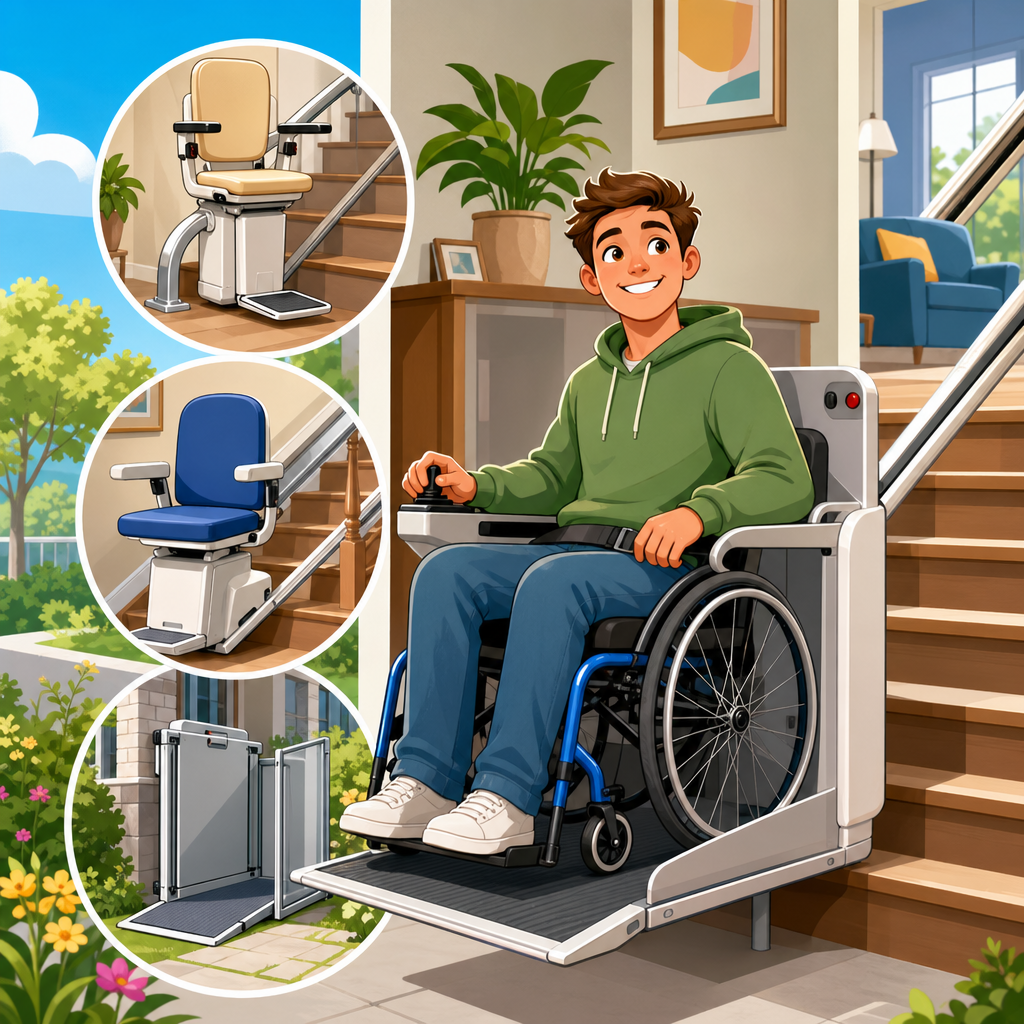
Straight stair lifts are generally less expensive because they use standardized rails and simpler measurement processes. Curved stair lifts cost more because each rail is custom engineered to follow turns, intermediate landings, or spiral sections. Outdoor models add weather-resistant components. Heavy-duty units may require wider seats, reinforced chassis components, and higher weight capacities.
Price differences between dealers also reflect labor, warranty coverage, travel distance, and service infrastructure. One quote may include a longer labor warranty, annual maintenance, removal of old equipment, and faster local support. Another may look cheaper because those costs are excluded. That is why line-by-line comparison matters. Ask every dealer for the same quote structure and compare model, rail type, installation, warranty length, and future service rates.
Be cautious with unusually low quotes. In this category, low pricing can indicate used equipment presented unclearly, limited warranty coverage, outsourced labor, or absence of local parts inventory. Savings are real only when the unit is safe, properly installed, and supportable over time.
Red Flags That Should Make You Walk Away
Several warning signs consistently predict trouble. The first is refusal to conduct an in-home assessment before finalizing the sale. Stair dimensions, user mobility, and landing space cannot be evaluated accurately from a few phone photos alone. The second is inability or unwillingness to confirm manufacturer authorization. The third is pressure to sign immediately because of a “today only” promotion on a device that should be chosen carefully.
Other red flags include vague warranty language, no local service technician, poor review patterns around missed appointments, and quotes that omit model numbers. Be skeptical if a seller dismisses maintenance needs or claims every staircase can use the same solution. Homes differ, users differ, and good dealers acknowledge complexity without making it confusing.
How This Hub Fits the Broader Buying Process
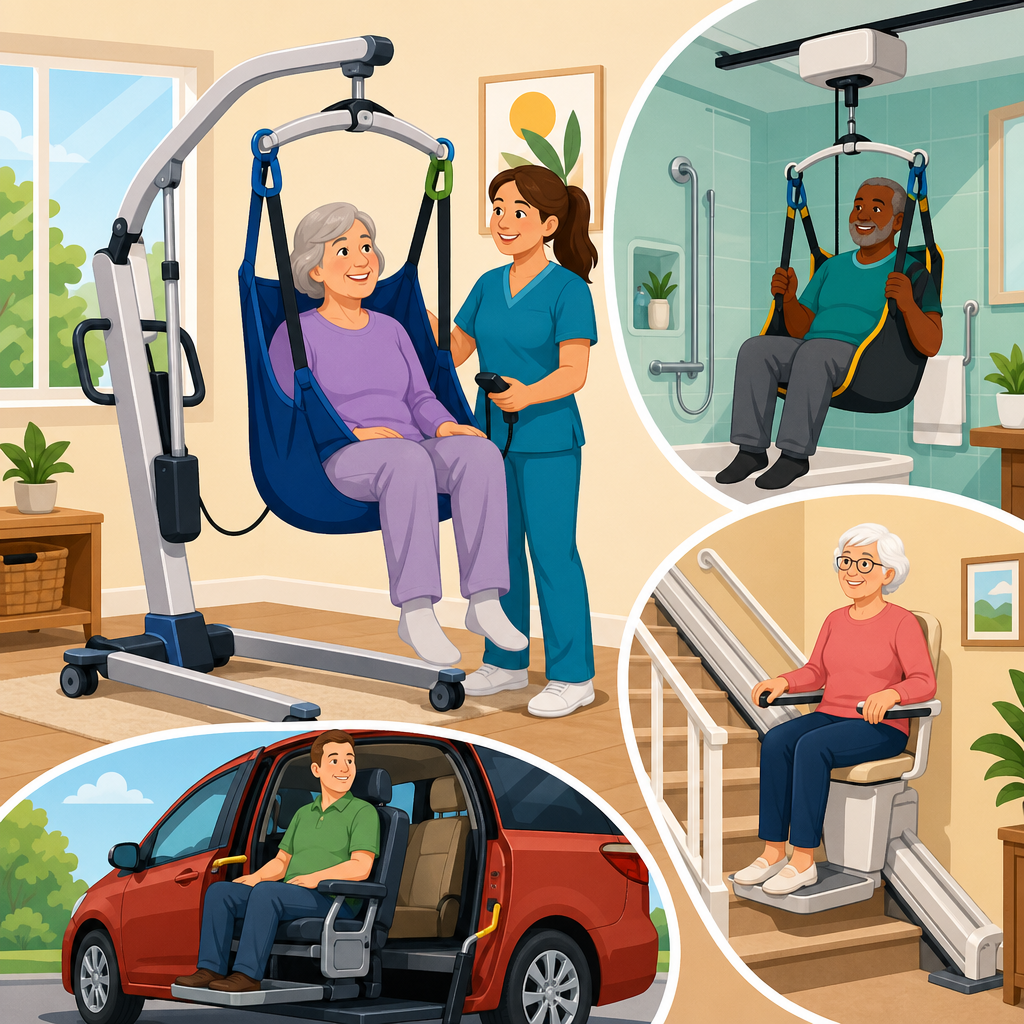
Retailers and online stores sit at the center of the stair lift buying journey because they connect product research to real installation outcomes. As a hub topic, this area links naturally to articles on straight versus curved stair lifts, new versus used models, rental stair lifts, warranty coverage, installation timelines, maintenance costs, and funding options through Veterans Affairs benefits, Medicaid waiver programs, or nonprofit assistance. You can read product reviews all day, but the dealer determines whether the chosen model is measured correctly, installed safely, and supported years later.
The practical takeaway is simple: start with authorized local providers, verify every claim, compare complete quotes rather than headline prices, and prioritize service capability as much as product features. That approach reduces risk and leads to a stair lift that works reliably when it matters most. If you are beginning your search now, make a shortlist of manufacturers, use official dealer locators, schedule two or three home evaluations, and ask every provider the same detailed questions. A careful dealer search is not extra work. It is the step that protects the entire purchase.
Frequently Asked Questions
1. What is an authorized stair lift dealer, and why does that matter when choosing a stair lift?
An authorized stair lift dealer is a company that has been approved by a stair lift manufacturer to sell, install, and service that brand’s equipment according to factory standards. That approval is important because stair lifts are specialized mobility devices, not off-the-shelf home products. They must be matched to the user’s mobility needs, measured correctly for the staircase, installed safely, and tested thoroughly. An authorized dealer has direct training from the manufacturer, understands the brand’s product line, and follows specific installation and service procedures designed to protect both performance and safety.
Working with an authorized dealer also helps protect your investment. In many cases, manufacturers require authorized sales and installation in order for warranty coverage to remain valid. If a stair lift is bought through an unauthorized seller or installed by someone without factory approval, the buyer may face limited support, denied warranty claims, or difficulty getting replacement parts later. An authorized dealer can also provide access to genuine parts, manufacturer-backed service, and ongoing maintenance, which is especially important for equipment people rely on every day. In short, choosing an authorized dealer reduces risk and gives you a much better chance of getting safe equipment, proper installation, and dependable long-term support.
2. How can I find an authorized stair lift dealer near me?
The best place to start is with the manufacturer itself. Visit the official website of the stair lift brand you are considering and look for a dealer locator, provider directory, or “find a dealer” page. Most reputable manufacturers maintain current lists of approved local dealers by ZIP code, city, or region. If the website does not clearly list dealers, call the manufacturer directly and ask for the names of authorized providers in your area. This is one of the most reliable ways to confirm that a company is genuinely approved rather than simply claiming to carry a certain brand.
Once you identify a few nearby dealers, verify their credentials before scheduling an appointment. Ask whether they are authorized to sell, install, and service the specific stair lift model you want. Some businesses may sell one brand but not be approved to work on all of its products. You should also ask how long they have represented the manufacturer, whether their technicians are factory trained, and whether they handle installation and service in-house or subcontract it out. A reputable authorized dealer should be comfortable answering these questions directly.
It is also smart to compare online reviews, local reputation, and responsiveness. Look for evidence that the company performs in-home evaluations, provides written quotes, explains available options clearly, and offers post-installation support. While online reviews should not be your only decision factor, they can reveal patterns in communication, scheduling, service quality, and follow-up care. Combining manufacturer verification with local research gives you the strongest way to find a qualified authorized stair lift dealer near you.
3. What questions should I ask before hiring a stair lift dealer?
Before hiring any stair lift dealer, start with questions about authorization, experience, and product fit. Ask which manufacturers they are authorized to represent and whether they are approved to install and service the exact model they recommend. Ask how many stair lifts they have installed, whether they work with straight and curved staircases, and whether their technicians receive factory training. It is also helpful to ask whether they conduct an in-home assessment before making recommendations, since stair lifts should be selected based on the user’s needs, the home’s layout, and the staircase’s dimensions.
You should also ask detailed questions about installation, warranty protection, and future service. Find out who performs the installation, how long the process usually takes, what safety checks are included, and whether the dealer will demonstrate the equipment after installation. Ask whether the manufacturer’s warranty is fully valid through their dealership, what labor coverage is included, and what happens if repairs are needed later. A strong dealer should explain both product warranty and service terms clearly, including any maintenance plans or emergency support options.
Finally, ask for a written quote that breaks down equipment, rail configuration, installation, service, and any optional features. This helps you compare dealers accurately and avoid surprises. Price matters, but it should not be the only factor. A lower quote from a dealer with unclear credentials, limited service support, or no direct manufacturer backing can cost more in the long run. The goal is to choose a dealer who combines proper authorization, technical knowledge, transparent pricing, and reliable after-sale care.
4. Is it risky to buy from an unauthorized stair lift seller just to save money?
Yes, it can be very risky. A low price may look appealing at first, but stair lifts are not products where cutting corners is worth the gamble. Unauthorized sellers may not have manufacturer training, may not follow factory installation standards, and may not be able to provide valid warranty support. In some cases, they may sell equipment without full service backing or offer models that are not the best match for the staircase or the user’s mobility needs. That can lead to poor performance, premature repairs, or even safety problems.
Another major concern is long-term support. Stair lifts are often used daily and may need maintenance, battery replacement, adjustment, or future repair. If the seller is not authorized, they may not have access to genuine parts or technical support from the manufacturer. If a problem develops, the homeowner may struggle to find qualified help, especially if local authorized dealers are unwilling or unable to service equipment sold outside approved channels. What seemed like a bargain can quickly become expensive if the lift fails, requires rework, or loses warranty protection.
There is also the issue of accountability. Authorized dealers operate within a formal relationship with the manufacturer, which usually means clearer standards for training, installation, and customer support. Unauthorized sellers may offer less oversight and fewer protections if something goes wrong. When a product is meant to improve mobility and safety in the home, reliability should come before bargain pricing. Paying a fair price to an authorized dealer often helps you avoid installation errors, coverage problems, and costly mistakes later.
5. What should I expect from an authorized stair lift dealer during the buying and installation process?
A qualified authorized stair lift dealer should begin with a home assessment, not a rushed sales pitch. During that visit, they should examine the staircase, take detailed measurements, ask about the user’s mobility needs, and discuss how the stair lift will be used every day. They should explain whether a straight or curved model is needed, review seat size and safety features, and talk through practical concerns such as power supply, parking positions, folding components, and ease of transfer on and off the lift. Their recommendation should feel tailored, not generic.
After the assessment, you should receive a clear proposal outlining the recommended stair lift, total costs, warranty details, installation expectations, and service support. A good authorized dealer will answer questions patiently, explain why a particular model is appropriate, and make sure you understand the timeline. They should also be upfront about what is included in the price and whether there are any ongoing maintenance considerations. This part of the process is important because it helps you compare options and make a decision based on quality, safety, and support rather than price alone.
On installation day, expect professional setup, testing, and instruction. The dealer should install the stair lift according to manufacturer specifications, verify safe operation, and show the user how to operate the controls, fold the unit, use safety features, and respond to basic issues such as charging or seat positioning. Many authorized dealers also provide follow-up service, maintenance guidance, and repair support if needed later. Overall, the process should leave you feeling confident that the stair lift is properly selected, correctly installed, and backed by people who can support it for years to come.