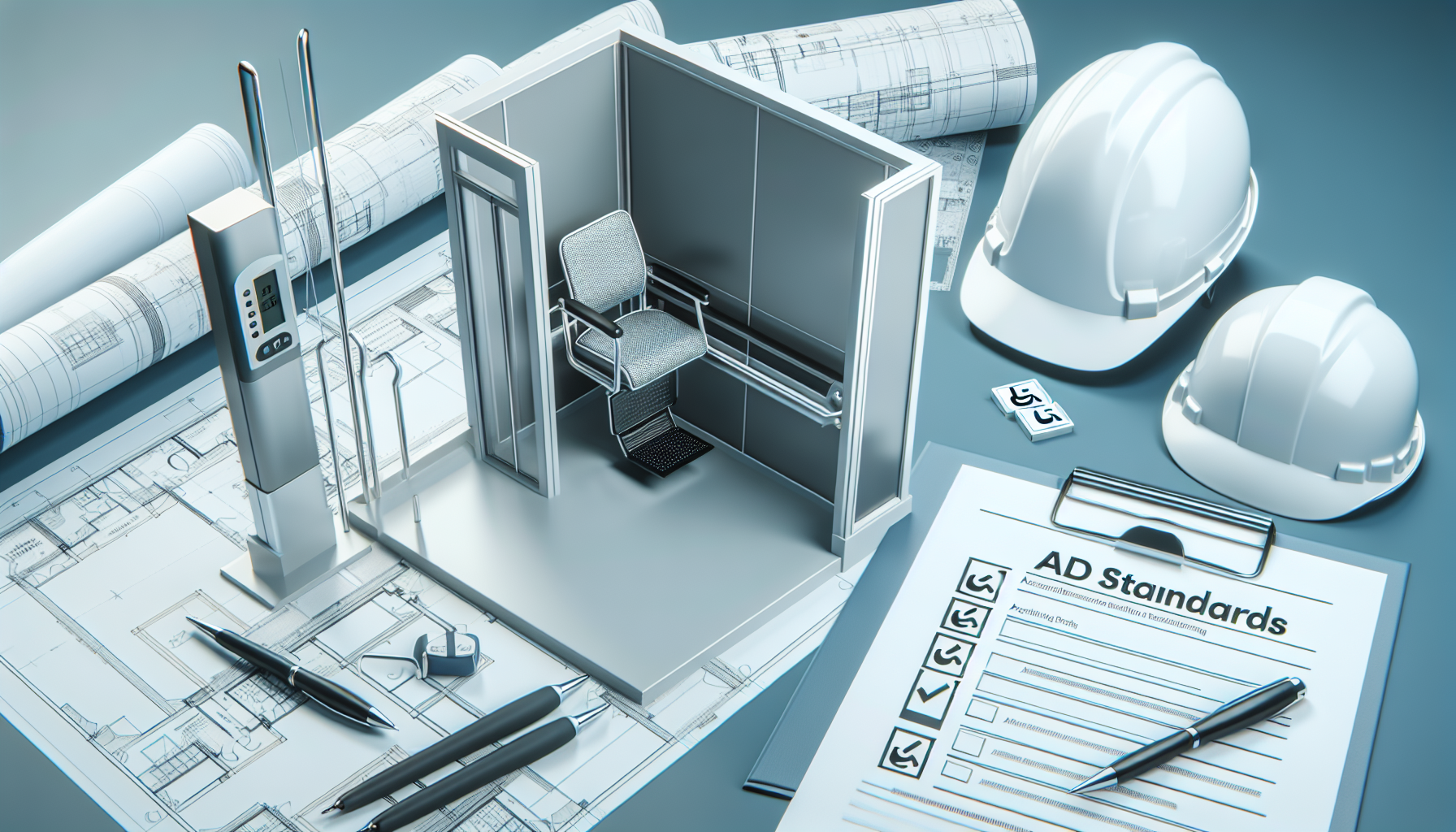
Getting an ADA accessibility audit for your property starts with understanding what the audit is, what standards apply, and how the results will guide practical improvements that reduce legal risk while making the site easier for every visitor to use. An ADA accessibility audit is a structured evaluation of a building, site, or facility against requirements drawn from the Americans with Disabilities Act, the 2010 ADA Standards for Accessible Design, and often related state or local building codes. I have helped property owners, managers, and facility teams prepare for these reviews, and the same pattern appears every time: the earlier you assess barriers, the more options you have to fix them cost-effectively. This matters for multifamily housing, retail centers, offices, medical buildings, hospitality properties, schools, and places of public accommodation because accessibility affects entry, parking, restrooms, routes, signage, service counters, emergency planning, and day-to-day usability. A thorough ADA compliance audit does more than create a checklist. It establishes current conditions, documents measurements, prioritizes deficiencies, and creates a roadmap for remediation, budgeting, and future maintenance. For owners trying to understand ADA compliance and guidelines, this hub article explains the process from scoping the assessment to choosing a qualified auditor, reviewing findings, and turning recommendations into an actionable capital plan.
What an ADA accessibility audit covers
An ADA accessibility audit examines whether people with disabilities can approach, enter, move through, use, and exit the property with reasonable independence. On most projects, the review begins outside. The auditor measures accessible parking counts, stall widths, access aisles, slopes, curb ramps, passenger loading zones, sidewalks, and the route from public ways or parking areas to the entrance. I usually advise owners to think in travel paths rather than isolated features, because a single noncompliant slope or abrupt level change can break an otherwise accessible route. Entrances are then reviewed for thresholds, clear width, hardware, maneuvering clearances, opening force where applicable, and visual contrast or detectability concerns.
Inside the building, the audit typically covers reception areas, corridors, door clearances, elevators or lifts, stairs, restrooms, drinking fountains, alarms, assembly spaces, service counters, seating, and reach ranges. Depending on the property type, the auditor may also inspect guestrooms, patient rooms, leasing offices, kitchens, pools, fitness rooms, play areas, workspaces, and emergency egress features. For existing facilities, the analysis often distinguishes between readily achievable barrier removal obligations and alterations that trigger more extensive compliance requirements. That distinction matters because a historic building, an older strip center, and a newly renovated office suite face different legal and practical obligations. Good audits also note policies and operational issues, such as whether staff know how to maintain access aisles, keep routes clear, or provide auxiliary aids when required.
Which ADA standards and guidelines apply
The primary technical benchmark for most property audits is the 2010 ADA Standards for Accessible Design, enforced under Title II for state and local government facilities and Title III for places of public accommodation and commercial facilities. An experienced auditor also considers the 2010 revisions, Department of Justice guidance, and where relevant, the Fair Housing Act design and construction requirements, the International Building Code, ICC A117.1 accessible and usable buildings and facilities standard, and state accessibility codes such as the California Building Code. This overlap is one reason owners should not rely on generic internet checklists. A parking lot may appear compliant under one assumption, yet fail when state rules require a different sign, aisle marking, or van-space configuration.
Another important concept is that ADA compliance is not a one-time certificate. The ADA does not operate like a simple permit closeout. Conditions change, maintenance lapses, tenants alter spaces, and upgrades trigger new requirements. I have seen newly resurfaced parking lots lose compliance because striping was not restored correctly, and renovated tenant suites create route conflicts at shared restrooms. The most reliable approach is to treat ADA guidelines as an ongoing facility management discipline. That means documenting standards used, preserving as-built information, and reassessing after alterations, complaints, incidents, or changes in occupancy.
How to prepare before scheduling the audit
The best ADA accessibility audits begin with organized property information. Before the site visit, gather floor plans, site plans, past accessibility surveys, alteration records, permits, certificates of occupancy, maintenance logs, and any complaint history related to access barriers. If the property has multiple buildings or phased construction, identify the age of each area and the dates of major renovations. This context helps the auditor determine which elements are existing conditions, which were altered, and where safe harbor concepts might apply. It also reduces billable time spent reconstructing the building’s history from incomplete records.
You should also define the audit scope clearly. Some owners need a high-level screening for acquisition due diligence. Others need a litigation support assessment, a capital planning study, or a full property-wide technical survey with measurements and photo documentation. Scope should address every public entrance, path of travel, restroom, common area, amenity, parking field, and tenant-facing service point. If the property includes employee-only areas, decide whether you want those reviewed against workplace accessibility obligations and best practices. I recommend appointing one internal contact from facilities or property management to coordinate access, collect documents, and accompany the auditor. That person usually knows where recurring problems occur, such as heavy doors, blocked routes, or malfunctioning operators.
Who should perform the audit
A qualified ADA auditor is usually an accessibility consultant, architect, code consultant, civil engineer, or specialty firm with direct experience measuring built environments against ADA and related code standards. Credentials alone are not enough. Ask how many similar properties they have audited, whether they produce dimensioned findings, what standards they reference, and whether they understand the difference between federal ADA obligations and local building code enforcement. In practice, the strongest auditors combine technical code knowledge with field experience. They know how to use digital levels, door force gauges, laser measures, and route analysis methods, and they explain findings in language owners can use for decision-making.
When I vet consultants, I ask for a sample report and look for three qualities: precise citations, useful photos, and prioritized remediation guidance. A weak report says a restroom is noncompliant. A strong report identifies the exact issue, such as lavatory knee clearance, grab bar length, side-wall spacing, mirror height, dispenser reach range, or door maneuvering clearance, then ties it to the relevant standard. If your property faces a complaint, consider counsel-directed assessments to preserve legal strategy. If the goal is operational improvement, an architect or accessibility specialist who can flow directly into design documents may be the best fit.
What happens during an on-site ADA compliance audit
During the site visit, the auditor walks the property systematically and records field measurements, photographs, observations, and notes about usability. The process is detailed. Parking slopes are measured in both directions. Door widths are checked at the correct point with the door open 90 degrees. Counter heights, clear floor spaces, reach ranges, and turning radii are verified. Restrooms receive especially close attention because they involve many interrelated dimensions. On larger properties, auditors often move from site arrival points to primary entrances, then follow all major public routes, amenities, and restrooms before sampling repeated elements like hotel rooms or apartment common areas.
Good auditors also assess conditions that are technically compliant on paper but functionally problematic in use. For example, a route may meet width requirements yet become inaccessible because furniture narrows circulation. An automatic door may be installed but disconnected. A compliant ramp can fail in practice if ponding water, snow storage, or wheel stops obstruct access. This is where field experience matters. The best audits capture not just measurements, but the real user experience of approaching, entering, and navigating the property.
How audit findings are usually organized
Most professional reports categorize findings by location, priority, applicable standard, and recommended action. Owners often find this summary format easiest to use:
| Area | Common issue | Why it matters | Typical corrective action |
|---|---|---|---|
| Parking | Improper stall width, missing signage, excessive slope | Users may not be able to deploy lifts or transfer safely | Restripe, add signs, regrade or relocate accessible spaces |
| Entrances | High thresholds, heavy doors, inadequate maneuvering clearance | Wheelchair users and people with limited strength face barriers | Adjust hardware, add operators, modify landings or vestibules |
| Restrooms | Incorrect grab bars, fixture clearances, accessory heights | Basic sanitary use becomes unsafe or impossible | Reconfigure stalls, move accessories, replace fixtures |
| Routes | Cross slopes, level changes, protruding objects | Travel through the property is interrupted or hazardous | Repair surfaces, add bevels, relocate objects |
| Service areas | Counters too high, no accessible transaction point | Customers cannot complete routine interactions independently | Lower a section of counter or add an accessible station |
The most useful reports include cost ranges, photos labeled by location, and a phased priority plan. Immediate life-safety or high-frequency barriers should come first, followed by moderate-cost improvements and long-term capital items. I also recommend requesting a deficiency log in spreadsheet format so facilities teams can track progress over time.
Common barriers found on real properties
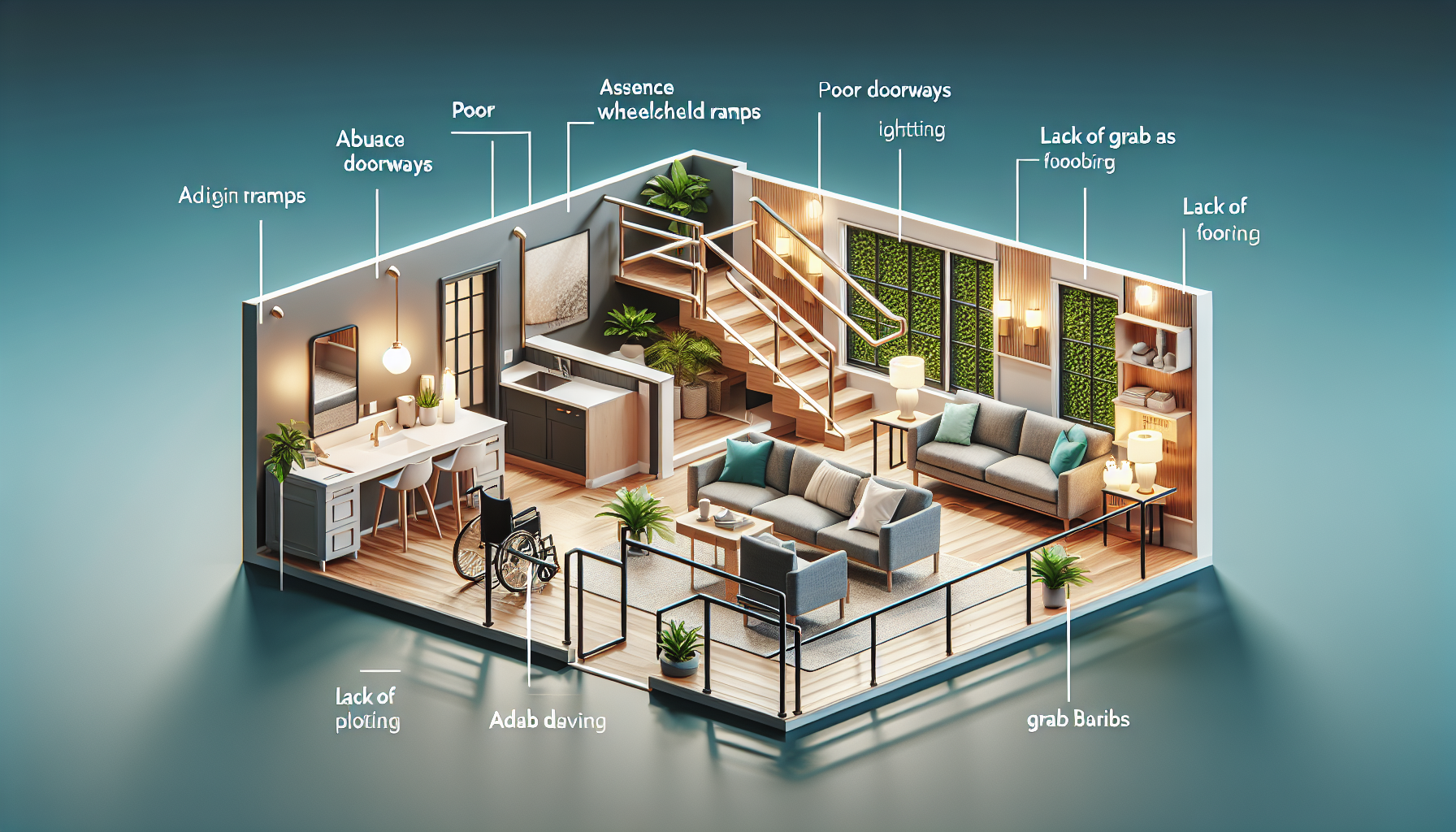
Across office, retail, multifamily, and hospitality sites, the same accessibility barriers appear repeatedly. Parking is a major one. Slopes exceed tolerances more often than owners expect, especially after resurfacing. Signs are mounted at the wrong height, van spaces are mislabeled, and access aisles are blocked by landscaping, bollards, or temporary storage. At entrances, thresholds creep too high after flooring changes, door closers are over-tensioned, and vestibule clearances are reduced by mats, displays, or security equipment. These seem minor until you watch a wheelchair user, parent with a stroller, or older adult trying to pass through.
Restrooms generate the highest concentration of findings because many elements must align precisely. I often see dispensers mounted over required grab bar clearances, lavatory pipes left unprotected, mirrors hung too high, and compartment layouts that technically fit fixtures but fail maneuvering requirements. In older buildings, service counters and drinking fountains are commonly installed at inaccessible heights. Pool lifts, tactile signage, visual alarms, and elevator controls also appear frequently on punch lists. The lesson is straightforward: accessibility problems are rarely limited to one room or one code citation. They are systems issues created by design choices, maintenance habits, and renovations that were never reviewed holistically.
How to turn an audit into a remediation plan
An audit only creates value if findings are translated into a realistic correction plan. Start by separating quick operational fixes from design-and-construction items. Rehanging a sign, adjusting a door closer, moving furniture, or replacing inaccessible hardware can often be handled by maintenance staff within days. Regrading parking, rebuilding toilet rooms, modifying ramps, or relocating walls requires design, permitting, contractor pricing, and possibly phased tenant coordination. I tell owners to assign each item an owner, budget class, and target completion date immediately after the report is issued.
Next, prioritize by legal exposure, user impact, and project efficiency. If a route from accessible parking to the main entrance is broken, that generally outranks a lower-priority accessory issue in a secondary restroom. Bundling work also saves money. If you are renovating a lobby, include entry hardware, signage, counters, and route corrections in one package rather than piecemeal repairs. For large portfolios, create a standardized remediation matrix so each property is scored the same way. That allows leadership to compare risk across sites and allocate capital where barriers affect the most people or present the strongest likelihood of complaint.
Budgeting, documentation, and ongoing compliance
Property owners often ask what an ADA accessibility audit costs. Fees vary by size, complexity, building count, travel, and reporting depth. A small single-tenant property may need only a limited survey, while a hospital campus or resort requires a multidisciplinary review. The audit cost, however, is usually modest compared with the expense of reactive litigation, emergency retrofits, or poorly coordinated renovations. Budget for the audit itself, design fees for corrective work, construction, permit costs, and follow-up verification. Post-remediation validation is essential because accessibility details are easy to lose in the field.
Finally, keep records. Maintain the audit report, corrective action log, invoices, drawings, permits, and photographs of completed work. Train maintenance and property management teams to preserve accessible features, from keeping access aisles clear to replacing hardware with equivalent compliant products. If tenants perform alterations, require accessibility review in lease administration and construction approvals. Accessibility is not separate from property quality; it is part of safety, customer service, and asset performance. If you manage or own a property, schedule an ADA accessibility audit, review the findings carefully, and build a remediation plan that makes your site usable for everyone.
Frequently Asked Questions
What is an ADA accessibility audit, and why is it important for a property owner?
An ADA accessibility audit is a systematic review of a property to determine how well it aligns with accessibility requirements under the Americans with Disabilities Act and the 2010 ADA Standards for Accessible Design. Depending on the property type, the audit may also consider related state and local building codes, zoning requirements, and best practices for usability. The goal is not just to identify obvious barriers, such as missing ramps or inaccessible restrooms, but to evaluate how a person with mobility, visual, hearing, or other disabilities experiences the site as a whole.
For property owners, the value of an ADA audit goes far beyond compliance paperwork. It helps uncover issues that may create legal exposure, operational problems, or poor visitor experiences. Common findings can include inaccessible parking, improper slopes on walking surfaces, inadequate door clearances, poorly placed signage, counter heights that do not meet standards, or routes that are technically present but not practically usable. An audit gives owners a clear picture of where barriers exist and what needs to be prioritized.
It is also important because accessibility improvements often benefit everyone who visits the property, not only individuals with disabilities. Better routes, clearer signage, safer entrances, and more thoughtful layouts make spaces easier to use for older adults, families with strollers, delivery personnel, and first-time visitors. In that sense, an ADA accessibility audit is both a risk-management tool and a practical investment in a better-functioning property.
Who should perform an ADA accessibility audit for a commercial or public property?
An ADA accessibility audit should ideally be performed by a qualified accessibility specialist with direct experience evaluating built environments. This may include a consultant who focuses on ADA compliance, a licensed architect with accessibility expertise, a certified access specialist where applicable, or an engineer familiar with federal accessibility standards and local code requirements. The most important factor is not the title alone, but whether the professional has a strong working knowledge of the ADA, the 2010 Standards, applicable building codes, and how to assess real-world usability issues in existing facilities.
Choosing the right evaluator matters because ADA compliance is not always as simple as checking boxes. Existing buildings often involve complicated conditions, such as altered elements, historic features, site constraints, or prior renovations that only partially addressed accessibility. An experienced professional can distinguish between technical violations, items that require further investigation, and improvements that may be recommended even when not explicitly mandated. They can also help owners understand what falls under federal accessibility obligations versus state or local code enforcement.
Before hiring someone, it is smart to ask about their credentials, past project experience, sample reports, and familiarity with your property type. A retail center, office building, apartment complex, hotel, healthcare facility, and industrial site may each present different accessibility challenges. A strong auditor should be able to provide a detailed scope of work, explain the standards they will use, and deliver findings in a format that is practical for planning repairs and upgrades. In many cases, the best audit partners are those who can translate technical requirements into clear next steps for owners, managers, contractors, and design teams.
What does an ADA accessibility audit typically include?
A thorough ADA accessibility audit typically includes both a document review and an on-site inspection. The document review may involve examining site plans, floor plans, prior renovation records, and any available accessibility documentation. The on-site portion usually covers exterior arrival points, accessible parking, passenger loading zones, sidewalks, ramps, curb ramps, building entrances, interior routes, elevators, stair handrails, restrooms, service counters, signage, seating areas, alarms, and any other public or employee-use spaces that may be relevant. The exact scope depends on the type of property and how it is used.
During the inspection, the auditor will take measurements and observations to compare existing conditions against applicable standards. This can include parking stall dimensions, running and cross slopes, ramp gradients, doorway widths, maneuvering clearances, mounting heights, turning spaces, fixture placement, reach ranges, and protruding object hazards. The auditor is also looking at how elements work together. For example, a parking space may appear compliant on its own, but if the route from that space to the entrance is too steep, lacks a curb ramp, or leads to a heavy inaccessible door, the overall path still creates a barrier.
Most professional audits end with a written report that identifies barriers, references the relevant standards, and recommends corrective actions. In a strong report, findings are typically organized by area, severity, and priority, making it easier for owners to budget and phase improvements. Some reports include photographs, annotated plans, probable remediation categories, and guidance on which fixes should be addressed first. This level of detail is especially useful when owners need to coordinate with architects, contractors, legal counsel, facilities teams, or local permitting authorities.
How do you prepare for an ADA accessibility audit, and what should you expect during the process?
Preparing for an ADA accessibility audit starts with gathering as much relevant property information as possible. That usually includes site plans, architectural drawings, renovation history, certificates of occupancy if available, and any previous accessibility evaluations or complaints. It is also helpful to identify how the property is used day to day, including public areas, employee-only spaces, delivery routes, leased tenant spaces, and any temporary conditions that may affect accessibility. The more context the auditor has, the more useful and accurate the final assessment will be.
Owners and managers should also think ahead about site access and logistics. Someone familiar with the property should be available to answer questions, unlock restricted areas, explain operational practices, and point out recent repairs or planned upgrades. If there are multiple buildings, phased additions, or mixed-use components, make sure the audit scope clearly states what is included. A well-defined scope helps avoid confusion and ensures the final report covers the areas that present the greatest compliance and usability concerns.
During the audit itself, expect a detailed walk-through with measurements, notes, and photographs. The process may take a few hours for a smaller site or much longer for a large or complex property. After the field review, the auditor generally analyzes the findings and prepares a formal report. Once you receive it, the next step is not to file it away, but to use it as a planning tool. Review the findings with your design and operations teams, identify high-priority barriers, and create a realistic remediation timeline. In many cases, the audit becomes the foundation for a broader accessibility strategy that includes immediate corrections, future capital improvements, and internal policies for maintaining accessible conditions over time.
What happens after an ADA accessibility audit, and how do property owners use the results?
After an ADA accessibility audit, the most important task is to convert the findings into an action plan. The report will usually identify deficiencies, explain why they matter, and recommend ways to address them. Property owners should review the results carefully with appropriate professionals, which may include an architect, contractor, facilities manager, risk advisor, or attorney depending on the circumstances. Not every issue will be fixed at once, especially in larger or older properties, so the goal is to prioritize barriers based on safety, legal exposure, user impact, and feasibility.
In practice, owners often divide corrective work into categories such as immediate low-cost fixes, short-term repairs, and long-term capital improvements. Immediate fixes may include adjusting signage, removing obstructions from accessible routes, restriping parking, or replacing hardware that is difficult to operate. Mid-range improvements might involve modifying restroom accessories, counters, or door clearances. Larger projects could include regrading site routes, rebuilding ramps, upgrading entrances, or renovating toilet rooms to meet current standards. A thoughtful remediation plan helps owners make steady progress while documenting good-faith efforts to improve accessibility.
The audit results also support better long-term property management. Once barriers are identified and addressed, owners can use the report to guide maintenance procedures, tenant improvement standards, renovation planning, and future design decisions. Accessibility should not be treated as a one-time project, because conditions can change over time through wear, repairs, temporary displays, landscaping changes, or new construction. By using the audit as a living reference, property owners can reduce the chance that barriers reappear and can create a more inclusive, functional environment for employees, customers, residents, and visitors alike.