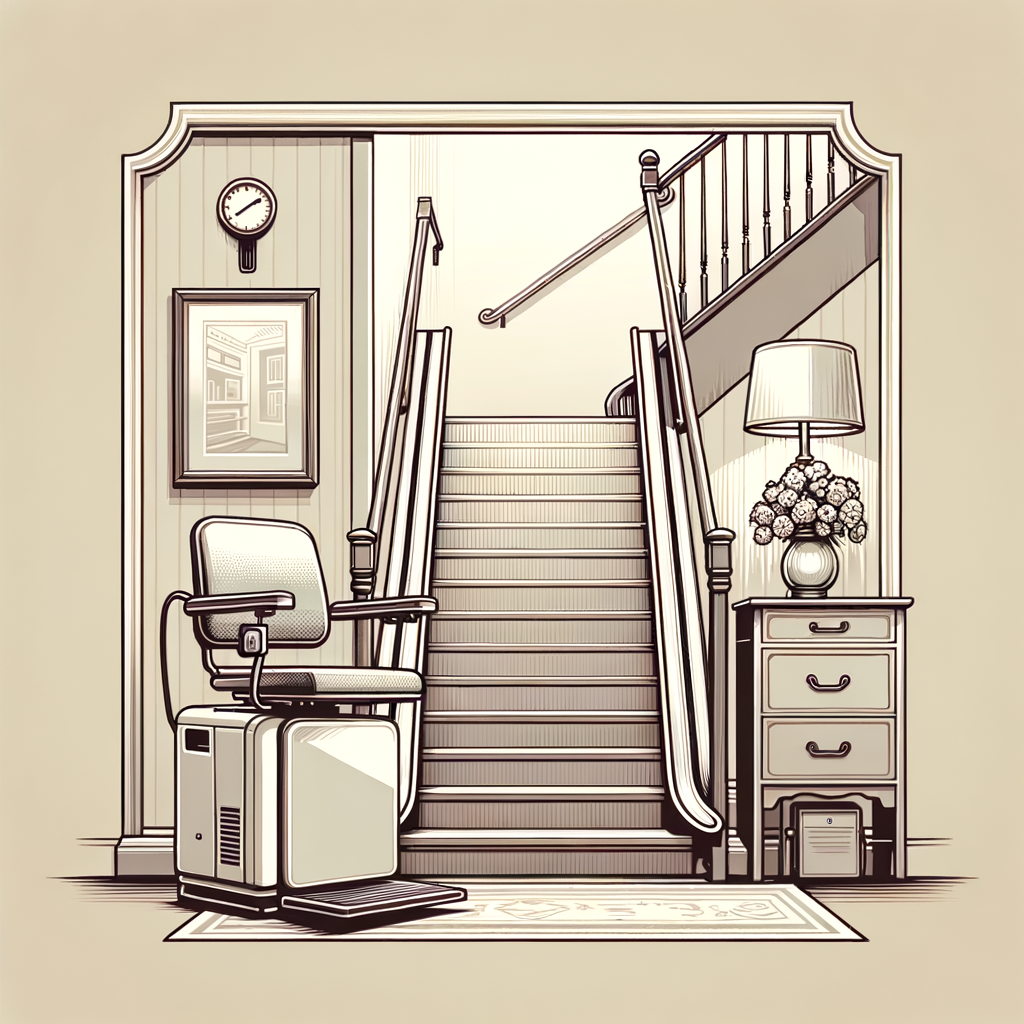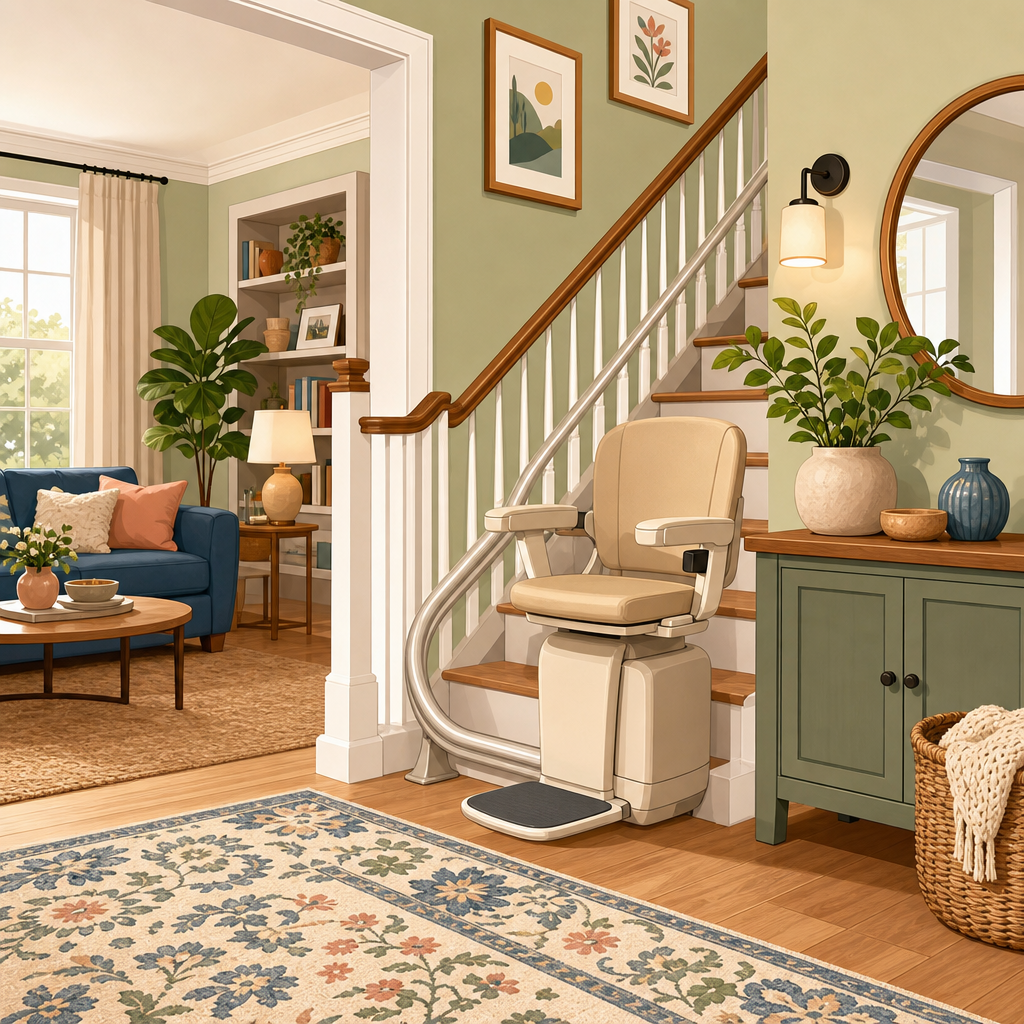
Chair lifts can restore full access to a multilevel home, but many homeowners hesitate because they worry the equipment will dominate the room. The good news is that thoughtful planning can make chair lifts less noticeable in home decor without sacrificing safety, comfort, or code compliance. In practical terms, “less noticeable” does not mean hiding a lift in a risky way. It means selecting a rail, seat, finish, parking position, and surrounding design scheme that reduce visual disruption while keeping the system easy to use every day.
Within the broader subject of chair lift types and designs, this topic sits at the center because appearance is affected by nearly every design decision. Straight chair lifts, curved models, standing lifts, and heavy-duty versions all create different visual footprints. Rail color, seat upholstery, call stations, charging points, and folded dimensions matter just as much as the staircase itself. I have seen homeowners focus only on the chair style, then realize later that the rail placement or upper landing overrun is what the eye notices first. A successful result comes from treating the lift as part of the architecture, not as an afterthought.
This matters for three reasons. First, aesthetics influence whether people actually feel comfortable installing a lift before mobility becomes a crisis. Second, a visually integrated system preserves the character of the home, which is especially important in period properties, open-plan interiors, and front-entry staircases. Third, design choices affect everyday usability: a compact folded chair, a parked seat away from sightlines, and finishes that match adjacent trim can make a staircase feel calmer and more spacious. If you want a home to remain accessible and attractive, the answer is not to ignore the lift. The answer is to design around it intelligently from the start.
Start by reducing visual impact at the specification stage
The least noticeable chair lift is usually the one that was specified correctly before purchase. In consultations, I always begin with the dimensions that shape visual bulk: folded width, rail profile, seat back height, footrest depth, and where the carriage parks when not in use. Manufacturers such as Stannah, Bruno, Handicare, and Harmar publish these measurements because they directly affect both clearance and appearance. A model with a slimmer folded profile can look dramatically lighter on a narrow staircase than a plush seat with thick armrests, even if both perform equally well.
Straight stair lifts tend to be easier to disguise because their rails are simpler and more predictable. Curved chair lifts can still blend in beautifully, but custom bends, transitions, and parking curves need closer coordination with the stair geometry and nearby furniture. Ask to see shop drawings or a digital rendering of the exact rail path, not just a brochure image. On several projects, that single step has prevented awkward outcomes such as a rail extending into a foyer sightline or ending directly beside a living room sofa.
Another key choice is parking position. A lift that parks at the bottom of the stairs may be the first thing visible from the front door. If the model offers a hinged rail, a mid-park option, or a top landing park, the staircase can appear far less cluttered when the lift is not in use. Powered swivel seats and powered footrests also help because they allow the user to leave the chair neatly folded after transfer, rather than partially open. Small operational features often create the biggest visual difference.
Choose colors, materials, and finishes that match the staircase
Color matching is one of the most effective ways to make chair lifts less noticeable in home decor. The eye notices contrast first. If a cream wall, oak handrail, and soft beige carpet are paired with a black rail and bright red vinyl seat, the lift becomes the room’s focal point immediately. If the rail is selected in a finish close to the balusters or stair trim and the upholstery echoes the surrounding palette, the equipment recedes visually. Many manufacturers now offer neutral rail colors and modern upholstery options for exactly this reason.
When possible, match the dominant architectural element nearest the lift rather than trying to copy every finish in the space. On painted staircases, a rail color similar to the stringer or balusters usually works better than matching the carpet. On timber staircases, a warm neutral seat often feels less clinical than a cool gray, unless the home already uses cooler contemporary finishes. Texture matters too. Matte upholstery and low-sheen painted rails tend to blend better than glossy surfaces, which catch daylight and emphasize edges.
Hardware details should not be ignored. Charging points, call stations, remote controls, and seat belts can introduce visual noise if they contrast sharply with the wall. Place controls neatly, use coordinated wall plates where available, and route any visible cabling cleanly. Most modern stair lifts run on battery power and charge at designated points, so installation is usually cleaner than homeowners expect. During design review, request samples and compare them in the actual stair lighting at morning, afternoon, and evening. A finish that looks subtle in a showroom can look much brighter under skylight or entry-hall lighting.
Use layout planning to hide the lift in plain sight
Layout is the bridge between product selection and interior design. A chair lift becomes less noticeable when surrounding sightlines are managed carefully. Start by standing in the places where people naturally view the staircase: the front entry, living room seating area, kitchen doorway, and upper landing. Then evaluate what part of the lift is visible from each angle when it is folded and parked. This exercise often reveals that a minor adjustment in parking position or furniture placement can reduce visual prominence more than a cosmetic upgrade.
If the stair begins in a public room, use adjacent furnishings to soften the lift’s presence without obstructing access. A console table placed near, but not too near, the stair bottom can shift the eye away from the rail. Artwork on the wall parallel to the stair can create a stronger focal point than the lift itself. Lighting also helps. Balanced ambient lighting reduces hard shadows around the rail and carriage, making the installation look more integrated. What does not help is trying to screen the lift with plants, baskets, or decor that narrows the walking path; that creates both a cluttered look and a potential hazard.
For homes with generous upper landings, top parking is often the cleanest solution because the chair disappears from the main living area. In narrow halls, a retractable or hinged rail can prevent the lower section from projecting into the floor space. These options cost more, but in the right plan they produce a noticeably neater result. The table below shows how common design choices affect visual impact.
| Design choice | What it changes visually | Best use case | Main tradeoff |
|---|---|---|---|
| Top landing parking | Keeps chair out of primary downstairs sightlines | Entry-facing or living-room staircases | May be less convenient for shared use |
| Hinged rail | Reduces rail projection at stair bottom | Hallways, doorways, tight circulation zones | Higher cost and added moving parts |
| Compact seat design | Creates slimmer folded profile | Narrow stairs and minimalist interiors | May offer less padding |
| Color-matched rail | Helps rail blend with trim or balusters | Any staircase with strong finish continuity | Limited factory color options on some models |
| Powered folding features | Keeps seat and footrest consistently stowed | Users with limited bending or reach | Added cost and service complexity |
Coordinate the lift with the home’s decorating style
Every decorating style has a different tolerance for visible equipment. In traditional interiors, chair lifts look least intrusive when they respect symmetry, trim profiles, and warm finishes. A tailored seat in beige, taupe, or muted brown usually works better than a stark medical-looking color. In contemporary homes, crisp lines and restrained contrast matter more than ornament. A slim rail, simple seat shell, and monochrome palette can make the lift read as a functional architectural element rather than an interruption. In farmhouse or cottage interiors, softness helps: textured runners, painted millwork, and understated upholstery can make the installation feel intentional.
Historic homes need extra care. You may not be able to attach anything to delicate plaster details or original decorative elements, and you should avoid a design that visually competes with carved newel posts or stained woodwork. Fortunately, most stair lifts mount to the treads rather than the wall, which preserves adjacent finishes. The design goal in older homes is usually de-emphasis, not imitation. Trying to make a modern lift look antique rarely succeeds. It is better to choose a clean, quiet design in a complementary tone and let the architecture remain the star.
Open-plan spaces benefit from repetition. If the stair lift rail is visible from multiple rooms, repeat its color family elsewhere through metal accents, picture frames, or lamp bases. That creates harmony without calling attention to the lift itself. I have used this approach in homes where the rail finish echoed nearby hardware, and the result felt surprisingly natural. The lift was still visible, but it no longer looked accidental.
Address practical details that affect both appearance and daily use
The most attractive chair lift installation is the one that stays tidy in real use, not just in staged photos. That means planning for how the user approaches the chair, where remotes are stored, how often the seat is folded, and whether multiple household members will move it between floors. If operation is awkward, the chair gets left open, parked in the wrong spot, or surrounded by improvised accessories. Good design prevents that. Specify easy-to-use call/send controls, confirm the user can fold or power-fold the footrest comfortably, and verify that transfer at the top and bottom landings feels natural.
Maintenance also influences appearance over time. Dust on the rail, scuffed footrests, worn arm pads, and scratched side panels make even a well-chosen lift stand out. Set a simple care routine: wipe rails with manufacturer-approved products, vacuum around the carriage path, and inspect upholstery regularly. Annual service by a qualified technician is not just about reliability. Proper adjustment keeps the lift moving smoothly and parking correctly, which preserves the clean visual lines you planned for. Reputable brands usually recommend scheduled servicing and battery checks because battery performance can affect where and how the chair charges.
Finally, be realistic about limitations. No chair lift becomes invisible, and some staircases will always show the system more than others, especially narrow front-entry stairs or elaborate curved runs. The goal is visual integration, not disguise at any cost. If a homeowner values the least noticeable solution above all else, it may be worth comparing a stair lift with a residential elevator, vertical platform lift, or first-floor room reconfiguration, depending on budget, structure, and long-term mobility needs. The right choice balances aesthetics, safety, cost, and future usability.
Making chair lifts less noticeable in home decor comes down to a handful of decisions made well: choose the right lift type, reduce bulk where possible, match finishes thoughtfully, park the chair out of primary sightlines, and coordinate the installation with the home’s overall style. When those elements work together, the lift stops feeling like an intrusion and starts functioning as part of the house. That is the real design win. Accessibility should support everyday living without forcing a room to lose its identity.
For homeowners researching chair lift types and designs, this topic serves as the practical hub because it connects product specifications with real interior results. A compact straight model, a custom curved rail, a hinged section, or a top-landing park can each be the right answer in the right setting. What matters is understanding how each choice changes what you see and how you use the stairs every day. If you are comparing options now, start with measurements, sightlines, and finish samples before you focus on upholstery or add-ons.
The best next step is simple: schedule an in-home assessment and review the exact rail path, folded dimensions, parking positions, and finish choices in your actual space. With that information, you can choose a chair lift that preserves both mobility and the look of your home.
Frequently Asked Questions
1. How can I make a chair lift blend into my home decor without making it unsafe?
The best way to make a chair lift less noticeable is to focus on coordinated design choices rather than concealment. A lift should never be blocked by furniture, drapery, decorative panels, or anything that interferes with safe use, folding, or emergency access. Instead, start with the visible elements you can control: the rail color, seat upholstery, armrest finish, and parking position. Many homeowners are surprised by how much difference it makes to choose a neutral finish that matches the stair trim, wall color, or flooring tones. A light rail can visually recede against pale walls, while a darker finish may blend better with wood stairs or darker trim.
It also helps to choose a compact model with a folding seat, footrest, and armrests so the unit takes up less visual space when not in use. If your staircase allows it, a parked position at the top or bottom landing can keep the chair from sitting in the most visible part of the room. In open-concept homes, placing attention on surrounding decor can further soften the lift’s presence. Thoughtful lighting, coordinated paint colors, artwork, and a clean stairway layout all help the eye read the lift as part of the environment instead of a dominant feature. The key principle is simple: make the lift look intentional and integrated, while preserving all manufacturer clearances, safety functions, and local code requirements.
2. What chair lift features matter most if appearance is a top priority?
If aesthetics are important, look first at the profile and finish of the lift rather than just the basic function. A slimmer rail, a more compact carriage, and a tightly folding seat can dramatically reduce how noticeable the system feels in everyday life. Some lifts are designed with cleaner lines and less bulky components, which can make a major difference in formal living areas, entry staircases, or rooms where the stairs are a central design feature. Seat style matters too. Upholstery color, padding shape, and armrest design all affect whether the lift looks clinical or residential.
Another important feature is the parking and swivel function. A chair that folds neatly and parks away from the main line of sight is usually much less visually disruptive than one that stays centered on the staircase. For some layouts, a hinged rail can also help minimize the visual impact and prevent the rail from extending into a hallway or doorway at the bottom of the stairs. Remote call/send controls are useful as well because they allow the chair to be moved to a less conspicuous location when not in use. Finally, do not overlook customization options. Manufacturers and dealers often offer several upholstery and finish combinations, and choosing from those options strategically can make the lift feel much more like a built-in feature of the home rather than an add-on device.
3. Where should a chair lift be parked so it is less noticeable when not in use?
The least noticeable parking position depends on the architecture of the staircase and what people see first when they enter the space. In many homes, parking the chair at the top landing is the simplest way to keep it out of view from the main floor. In other homes, especially where the upper landing opens into a bedroom hall or a tight corridor, the bottom landing may be the better choice. The right answer is the location that keeps the chair from sitting in the most visually prominent spot while still allowing safe boarding, dismounting, and clear passage for other stair users.
This decision should always be made with both design and function in mind. A less noticeable parked position is only helpful if the user can still access the lift comfortably and safely. That means enough room for seat swiveling, stable entry and exit, and compliance with the installer’s requirements and local regulations. If the lift includes call/send controls, one practical strategy is to ride it, fold it, and then send it to the preferred parking point. This can be especially useful in living rooms, foyers, or staircases visible from the front door. During the planning stage, ask the dealer to show you exactly how the parked chair and rail extension will look from common viewpoints in the home. A few inches in either direction can sometimes make a surprisingly large difference in how visible the lift feels.
4. Can decorating around a chair lift actually help it disappear visually?
Yes, decorating around a chair lift can make it feel far less prominent, as long as the decor does not obstruct operation or create hazards. The goal is not to disguise the lift in a way that compromises safety, but to reduce contrast so the eye is not drawn immediately to the equipment. Start with the staircase itself. A fresh paint color, coordinated trim, or a runner that complements the lift finish can create a more unified visual field. When the stair lift rail relates to the surrounding materials, it tends to read as part of the architecture instead of a competing object.
Wall decor can help too, especially in spaces where the staircase is a major focal point. Artwork, mirrors, or well-placed sconces can shift attention toward the overall design of the stair hall rather than the mechanics of the lift. Keeping the stair area tidy also matters. Excess visual clutter makes any added equipment stand out more. On the other hand, a clean, intentional design scheme helps everything feel integrated. What you should not do is place furniture, baskets, plants, textiles, or decorative objects so close that they interfere with folded clearance, footrest movement, or walking space. Safe spacing is essential. A well-designed room can absolutely reduce the visual impact of a chair lift, but it should do so by harmonizing with the lift, not by crowding or concealing it.
5. Should I prioritize custom looks or focus more on long-term function and resale value?
In most cases, the smartest approach is to balance appearance with durability, safety, and reversibility. A chair lift is first and foremost an accessibility device, so long-term function should always come first. That means choosing a reliable model sized correctly for the user, installed by qualified professionals, and configured to meet the home’s layout and code-related considerations. Once those fundamentals are covered, it makes sense to select finishes and options that improve appearance. In fact, the most attractive installations are often the ones that also work best, because they have been thoughtfully planned rather than cosmetically forced into place.
From a resale standpoint, a tasteful, professionally installed lift is usually preferable to a makeshift attempt to hide one. Buyers tend to respond better to features that look clean, maintained, and intentional. If future removal is a concern, ask about installation methods, rail footprint, and what the staircase will look like if the lift is later taken out. Many systems can be removed with relatively limited repair compared with more invasive accessibility modifications. Neutral finishes are often the safest design choice because they appeal broadly and do not lock the staircase into a highly specific look. Ultimately, investing in a chair lift that is visually understated, easy to fold and park, and professionally matched to the home gives you the best of both worlds: everyday accessibility now and a stairway that still feels well-designed over time.