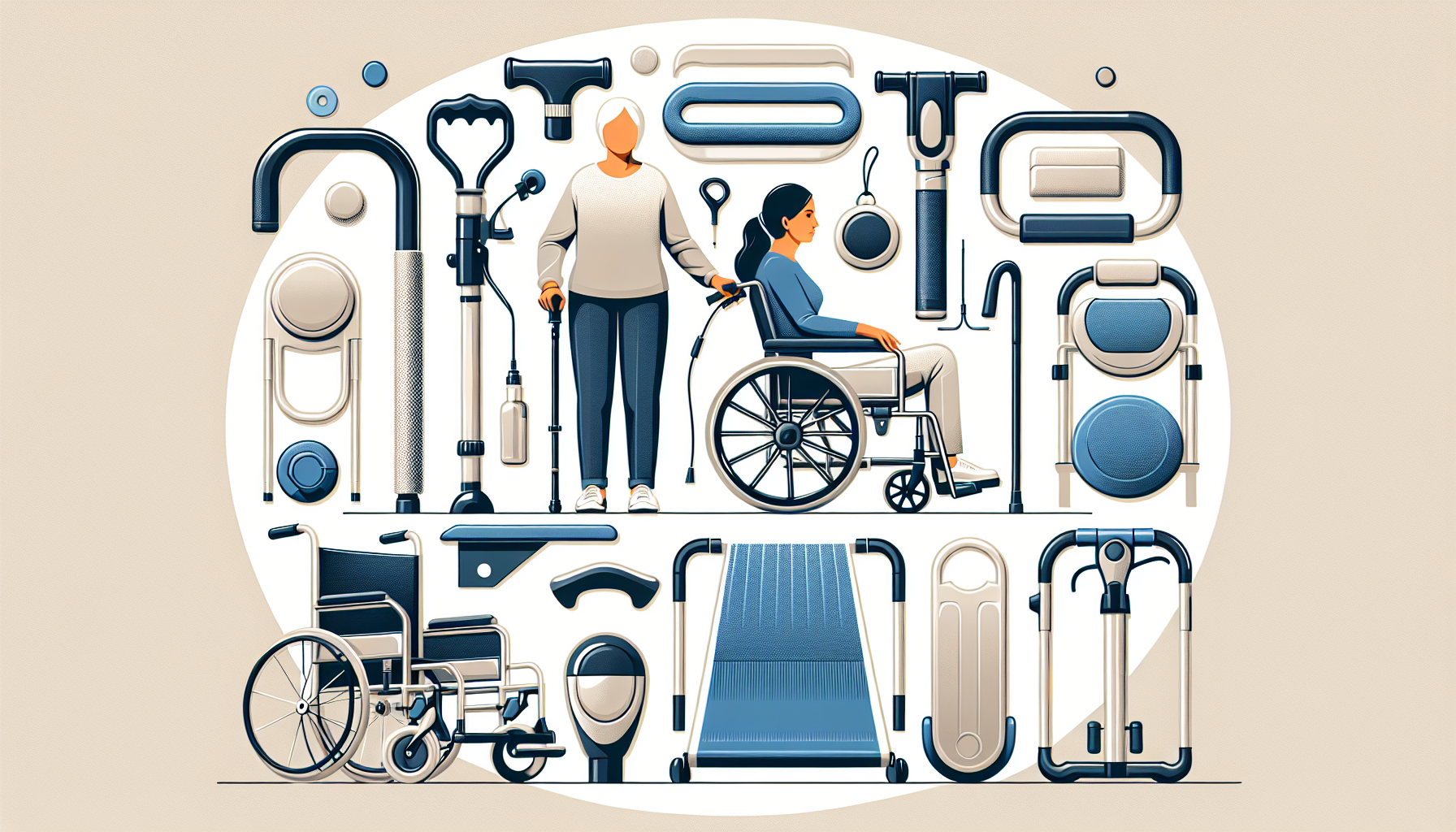
Mobility aid accessories that improve daily living often determine whether a device feels merely functional or genuinely supportive. In clinical fittings, home assessments, and product evaluations, I have seen the same pattern repeatedly: a walker, wheelchair, cane, scooter, or transfer device works far better when the right accessories are matched to the user’s routine, posture, strength, environment, and safety risks. Mobility aids and devices are the primary tools people use to move, transfer, conserve energy, and participate in work, family life, and community activities. Accessories are the secondary components that extend that function, including cushions, bags, tips, ramps, lights, cup holders, trays, anti-tippers, reachers, weather protection, and positioning supports. Together, they shape comfort, confidence, and independence.
This matters because mobility limitations affect far more than transportation from one room to another. They influence fall risk, pain levels, skin integrity, fatigue, hand strain, access to food preparation, personal care, shopping, employment, and social participation. According to the World Health Organization, assistive products are essential to healthy aging and disability inclusion, yet outcomes depend heavily on fit and usability. A wheelchair without pressure relief can contribute to skin breakdown. A cane with a worn tip can increase slipping. A walker without a tray may force unsafe one-handed carrying. When people search for better mobility aid accessories, they are usually trying to solve practical problems: How do I carry groceries safely, sit longer without pain, navigate rain, charge a scooter, prevent tipping, or make a bathroom transfer easier? This hub explains the core categories, how accessories improve daily living, and what to evaluate before buying.
Understanding mobility aids and the role of accessories
Mobility aids and devices include canes, crutches, walkers, rollators, manual wheelchairs, power wheelchairs, mobility scooters, transfer boards, patient lifts, stair solutions, and home access equipment. Their main job is to compensate for weakness, pain, neurological changes, balance impairment, cardiopulmonary fatigue, or limb loss. Accessories matter because the base device is rarely the whole solution. In practice, most users need some combination of carrying support, positioning support, environmental access, safety enhancement, maintenance items, and personal convenience features.
For example, a rollator user with arthritis may benefit from ergonomic hand grips, a seat cushion, a cane holder, and a basket that keeps weight centered. A manual wheelchair user with reduced trunk control may need a pressure management cushion, lateral supports, a pelvic positioning belt, spoke guards, and a weatherproof storage pouch. A scooter user who shops weekly often needs a front basket, rear bag, mirror, USB charger, and threshold ramp at home. These additions are not cosmetic extras. They reduce strain, support safer movement patterns, and remove small barriers that otherwise add up to dependence.
Accessories also help align the device with the user’s setting. Indoor needs differ from outdoor needs. Apartment living differs from a rural property with uneven paths. Someone returning to work may need laptop transport and discreet storage, while another person may prioritize bathing, toileting, and bedside transfers. Good selection starts with three questions: what tasks are hard now, what environments create friction, and what body positions cause pain or fatigue? The answer usually points directly to accessory choices.
Safety accessories that reduce falls, tipping, and overreach
The most valuable mobility aid accessories are often the least flashy. Safety components prevent incidents that lead to injury, hospitalization, or loss of confidence. On canes and crutches, replacement ferrules and high-traction rubber tips are foundational. When tread wears down or hardens with age, grip declines sharply on tile, wet pavement, and polished floors. For walkers and rollators, hand brake adjustments, ski glides, anti-slip tips, and reflective strips can improve stability and control. For wheelchairs, anti-tippers, wheel locks, seat belts used as positioning supports when clinically appropriate, and push-handle grips all serve clear risk-management functions.
Lighting and visibility matter more than many buyers realize. Small LED clip lights on walkers, scooters, or wheelchairs help users see curbs, thresholds, and keyholes at dusk. Reflective tape and flag kits increase visibility in parking lots and neighborhood crossings. Mirrors on scooters and power chairs widen awareness when backing up or navigating narrow retail aisles. In home safety work, I routinely recommend threshold ramps and portable ramps because tiny level changes are common trip points. A one-inch lip at a doorway can halt a front caster, pitch a walker, or force a risky lift-and-twist maneuver.
Overreach is another common cause of instability. A tray, basket, cup holder, or side pouch reduces the urge to carry items by hand while using a cane or walker. That simple change protects balance. Likewise, bed rails, transfer poles, and pivot discs can improve sit-to-stand transitions when prescribed and installed properly. The key is matching the accessory to the person’s movement pattern. A device that improves safety for one user can create a hazard for another if dimensions, strength demands, or setup are wrong.
Comfort and positioning accessories for pain, posture, and skin protection
Comfort is not a luxury category. It is central to daily living because discomfort shortens device use, reduces activity tolerance, and can trigger compensatory movements that strain shoulders, wrists, hips, and the lower back. In wheelchair seating, cushions are the most important accessory class. Foam cushions can be affordable and light, gel can improve immersion and pressure distribution, air-cell designs such as ROHO products are widely used for advanced pressure management, and contoured cushions can help stabilize pelvic alignment. Back supports, lumbar pads, lateral supports, and headrests can further improve posture and reduce fatigue.
Users of walkers and canes also benefit from comfort upgrades. Padded grips can reduce pressure on painful joints, especially for people with osteoarthritis or neuropathy. Forearm platforms on walkers can unload wrists when standard handgrip weight bearing is intolerable. Replacement seats for rollators, breathable seat covers, and sheepskin-style wraps may make longer outings more realistic. For scooters and power chairs, suspension-compatible cushions, armrest pads, joystick covers, and shock-absorbing seat toppers can make community travel far easier on rough surfaces.
Pressure injury prevention deserves direct attention. Anyone who spends extended time seated in a wheelchair, scooter, or recliner should think beyond softness. Pressure management depends on immersion, envelopment, posture, moisture control, and regular weight shifts. A thick generic cushion may feel pleasant but still concentrate force under the ischial tuberosities or sacrum. Clinical seating assessments often use pressure mapping, posture evaluation, and transfer observation to identify the right support surfaces. If there is a history of skin breakdown, asymmetry, or impaired sensation, a specialist evaluation is the right path before buying seating accessories online.
Storage, carrying, and everyday task accessories that support independence
Daily living improves dramatically when users can transport common items without asking for help. Storage and carrying accessories solve that problem. Walker bags, under-seat rollator baskets, wheelchair side pouches, cane clips, scooter baskets, and rear organizers keep essentials within easy reach. Good designs have rigid openings, secure fasteners, and placement that does not interfere with brakes, wheels, or transfers. In my experience, a poorly placed bag can snag on doorframes or destabilize steering, while a well-mounted pouch becomes part of the user’s routine within a day.
Task-specific accessories matter too. Trays for walkers or wheelchairs help carry meals, mail, tablets, paperwork, and grooming supplies. Cup holders reduce spills and repeated reaching. Oxygen tank holders are essential for users who combine mobility equipment with respiratory support. Phone mounts, tablet holders, and power banks can support communication, telehealth, navigation, and emergency access. Reachers and dressing aids are not mounted accessories, but they belong in this hub because they extend what a mobility aid user can do safely without bending, climbing, or overreaching.
Home organization amplifies the value of these products. Charging stations for power chairs and scooters should be easy to access without blocking travel paths. Entryway benches, wall hooks, and shelf placement should support seated or supported standing use. A mobility device works best when the environment is arranged around it. That is why a complete mobility aids and devices strategy includes both the equipment and the accessory ecosystem that makes the equipment practical in real life.
Choosing the right accessories for each device and setting
Accessory selection should be systematic. Start with the mobility device, then the user’s body mechanics, then the environments where the device is used most. Compatibility is not universal. A bag designed for a standard walker may swing into the legs of a rollator user. A wheelchair cushion may alter seat-to-floor height enough to affect foot propulsion or transfer safety. A scooter ramp must match the rise, load capacity, and wheelbase. Weight limits, attachment points, brake clearance, turning radius, and folding mechanisms all matter.
| Device | High-value accessories | Main daily living benefit |
|---|---|---|
| Cane or crutch | Replacement tip, wrist strap, ice grip, clip-on light | Better traction, easier carrying, safer low-light use |
| Walker or rollator | Tray, basket, glides, seat cushion, cup holder | Hands-free transport, smoother movement, less fatigue |
| Manual wheelchair | Pressure cushion, side pouch, anti-tippers, gloves | Skin protection, safer propulsion, easier item access |
| Power wheelchair or scooter | Mirror, charger bag, weather cover, ramp, phone mount | Outdoor safety, reliable access, better community mobility |
Material quality is another differentiator. Look for reinforced stitching, corrosion-resistant hardware, washable covers, flame-resistance claims where relevant, and clear load ratings. Reputable brands provide compatibility guides and installation instructions. Clinical suppliers often stock accessories from Drive DeVilbiss, Invacare, Sunrise Medical, Permobil, Pride Mobility, Medline, and Karman, while home access products may come from EZ-Access or Prairie View Industries. Brand alone is not a guarantee, but established manufacturers usually publish better specifications and replacement part information than generic marketplace listings.
Funding and procurement also shape decisions. Some accessories may be covered through insurance, Medicaid waivers, veterans’ programs, workers’ compensation, or local disability grants when medically necessary, especially cushions, positioning supports, ramps, and certain transfer aids. Convenience items are more often self-pay. Before purchasing, users should ask whether the accessory is prescribed, whether it affects warranty terms, and whether a therapist or ATP should assess fit. This is particularly important for seating, power mobility modifications, and transfer equipment.
Maintenance, training, and when to seek expert guidance
Even the best accessory fails if it is not maintained or used correctly. Rubber tips should be inspected for wear, wheelchair tires for tread and pressure, brake cables for tension, and straps or buckles for fraying. Cushions need regular cover washing and periodic checks for compression or bottoming out. Batteries and chargers should be used according to manufacturer instructions. In winter climates, road salt and moisture accelerate corrosion on hardware and can degrade textile components unless they are cleaned consistently.
Training is just as important as hardware. Many users are handed a device and told little beyond basic operation. Effective training covers transfers, turning, curb approach, brake use, carrying methods, charging routines, and safe accessory loading. I have seen preventable accidents caused by overloaded walker trays, baskets mounted too high on scooters, and cushions that made feet dangle, changing transfer mechanics. A short session with a physical therapist, occupational therapist, seating specialist, or rehabilitation supplier can prevent months of frustration.
Seek expert guidance when pain increases after an accessory is added, when there is a history of falls, pressure injuries, scoliosis, amputations, progressive neurological conditions, or major home barriers such as stairs and narrow bathrooms. Expert input is also warranted for pediatric users and bariatric equipment, where sizing and weight distribution are especially critical. The right accessories should make daily tasks simpler, safer, and less tiring. If they do not, reassessment is needed rather than more trial-and-error buying.
Mobility aid accessories that improve daily living do one thing exceptionally well: they turn a basic device into a reliable system for real life. The strongest choices are the ones tied to a specific problem, such as unstable transfers, hand pain, poor carrying capacity, skin risk, low visibility, or limited home access. Across canes, walkers, wheelchairs, scooters, and transfer tools, the principles stay the same. Prioritize safety first, then posture and comfort, then storage and convenience. Confirm compatibility, use reputable products, and involve a clinician when positioning, pressure management, or home access is complex.
As the hub for Mobility Aids & Devices within Accessibility & Mobility Solutions, this guide should help you identify where to go deeper next: walking aids, wheelchair accessories, scooter upgrades, transfer equipment, ramps, seating, and maintenance. The practical benefit is straightforward. When accessories fit the person and the environment, daily tasks require less effort and less risk. Review the device you use most, list the tasks that still feel awkward or unsafe, and choose one accessory upgrade that solves the biggest barrier first.
Frequently Asked Questions
What types of mobility aid accessories make the biggest difference in daily life?
The most helpful mobility aid accessories are usually the ones that solve everyday problems related to comfort, safety, posture, and independence. In practice, the biggest improvements often come from accessories that reduce strain and make routine tasks easier rather than from cosmetic add-ons. For walkers and rollators, common high-impact accessories include storage bags, trays, cup holders, oxygen tank carriers, and upgraded hand grips. These can make it much easier to carry meals, medications, phones, or personal items without compromising balance. For wheelchairs, pressure-relief cushions, positioning supports, lap trays, anti-tippers, and adjustable armrest or footrest components can significantly improve sitting tolerance, posture, and stability. Cane users may benefit from wrist straps, quad cane bases, ergonomic handles, and ice tips or non-slip ferrules for safer use in different environments. Scooter users often gain a lot from baskets, mirrors, weather covers, cane holders, and swivel or upgraded seating components.
What matters most is how well the accessory matches the user’s routine and physical needs. A person with limited hand strength may need easy-open storage and larger grip surfaces. Someone with trunk instability may benefit more from positioning accessories than from carrying options. A user who moves frequently between rooms may need transfer aids or threshold ramps rather than additional seating features. The best accessories are not always the most expensive; they are the ones that address a real barrier in the user’s day. When chosen carefully, these additions can improve energy conservation, reduce fall risk, increase confidence, and make a mobility device feel more supportive and personal.
How do I choose the right accessories for a walker, wheelchair, cane, or scooter?
The right way to choose mobility aid accessories is to start with the user, not the product catalog. A good selection process looks at the person’s posture, strength, balance, coordination, environment, and day-to-day tasks. For example, if someone uses a walker but struggles to carry items safely, a stable front pouch or tray may be more useful than any comfort upgrade. If a wheelchair user is developing back pain or skin irritation, a pressure-management cushion or positioning support should come before convenience accessories. If a cane user has wrist discomfort, the issue may be handle shape and shock absorption rather than the cane itself. In other words, the best accessory is the one that directly addresses a functional limitation, discomfort pattern, or safety risk.
It is also important to consider compatibility and setup. Not every accessory fits every frame, and a poor fit can interfere with brake access, foldability, turning radius, or transfer safety. Weight matters too. Adding multiple accessories can make a device harder to maneuver or transport. Home layout should be part of the decision as well, especially if the user moves through tight hallways, uneven thresholds, carpets, bathrooms, or outdoor areas. If possible, accessories should be trialed in real-world conditions, not just chosen based on appearance or online descriptions. Clinicians, suppliers, and experienced caregivers often look for one key sign of success: whether the accessory improves function without creating a new burden. A well-chosen accessory should feel intuitive, supportive, and safe from the first days of regular use.
Are mobility aid accessories mainly about convenience, or do they also improve safety and comfort?
Mobility aid accessories absolutely do more than add convenience. Many of them have a direct effect on safety, comfort, body mechanics, and long-term usability. A pressure-relieving wheelchair cushion, for example, can help distribute weight more evenly, support pelvic alignment, and reduce the risk of skin breakdown. Anti-slip tips on canes and walker glides designed for specific flooring can improve traction and reduce the chance of slipping. Proper back supports, seat belts where clinically appropriate, lateral supports, and foot positioning accessories can all contribute to safer posture and more controlled movement. Even something as simple as a walker bag can improve safety by keeping both hands available for support instead of forcing the user to carry items awkwardly.
Comfort is closely tied to safety because discomfort often leads people to sit poorly, lean unsafely, rush transfers, or stop using the device correctly. Hand padding, ergonomic grips, seat cushions, armrest pads, and shock-reducing accessories can reduce fatigue and pain, especially for people who rely on their mobility aid throughout the day. In many cases, the accessory helps preserve function over time by making the aid easier to tolerate and more effective in real-life use. That is why a strong accessory plan should never be viewed as optional decoration. When chosen with care, accessories can lower physical strain, improve confidence, support healthier positioning, and help the user remain active and independent for longer.
Can the wrong mobility aid accessories cause problems?
Yes, the wrong accessories can create real problems, even when they seem helpful at first. One of the most common issues is poor fit. An accessory that blocks brake levers, alters weight distribution, sticks out too far, or interferes with folding and transport can make a mobility aid harder and less safe to use. Oversized bags on walkers, for instance, may swing, catch on furniture, or shift the user’s center of gravity if overloaded. A poorly chosen wheelchair cushion may increase pressure in the wrong areas, destabilize pelvic position, or raise seat height enough to disrupt transfers and foot support. Cane tips that are not matched to the environment can reduce traction rather than improve it, especially on wet, icy, or uneven surfaces.
Another common problem is adding accessories that do not match the user’s strength, cognition, or routine. If a clasp is too hard to open, if a tray makes transfers harder, or if a storage attachment encourages carrying too much weight, the accessory can become a burden instead of a support. Some accessories also give a false sense of security. For example, a user may rely on a carrying setup that makes the device feel stable while actually reducing maneuverability or visibility. This is why professional input can be valuable, especially for people with complex medical, postural, or neurological needs. The goal is not simply to add features, but to improve function without introducing new safety risks, discomfort, or maintenance issues.
Which mobility aid accessories are best for improving independence at home and in the community?
The best accessories for independence are usually the ones that reduce dependence on another person for simple daily tasks. At home, that often means storage and transfer-related accessories. Walker baskets, side pouches, wheelchair bags, lap trays, and cup holders can make it possible to move meals, medication, phones, glasses, or personal care items from room to room safely. Transfer boards, bed rails used appropriately, pivot aids, and positioning supports may help users move more efficiently between bed, chair, toilet, and vehicle. For people who use scooters or wheelchairs in the community, mirrors, weather protection, cane or crutch holders, safety flags, lighting kits, and secure storage can improve confidence and make outings more manageable. These additions can reduce the need to ask for help with carrying, reaching, or navigating common situations.
Independence also depends on endurance and consistency, so accessories that reduce fatigue are often just as important as those that add function. Ergonomic handles, pressure-relief cushions, improved seating systems, armrest pads, and supportive backrests can make it easier to stay active for longer periods. In community settings, even small upgrades can matter a great deal. A reliable bag that keeps essentials organized, a ramp solution for thresholds, or a better grip surface for wet weather may be what allows someone to participate more fully in work, appointments, social events, and errands. The most effective accessories are the ones that fit naturally into the user’s habits and environment, helping the mobility aid become not just a means of getting around, but a practical tool for daily living with greater autonomy.