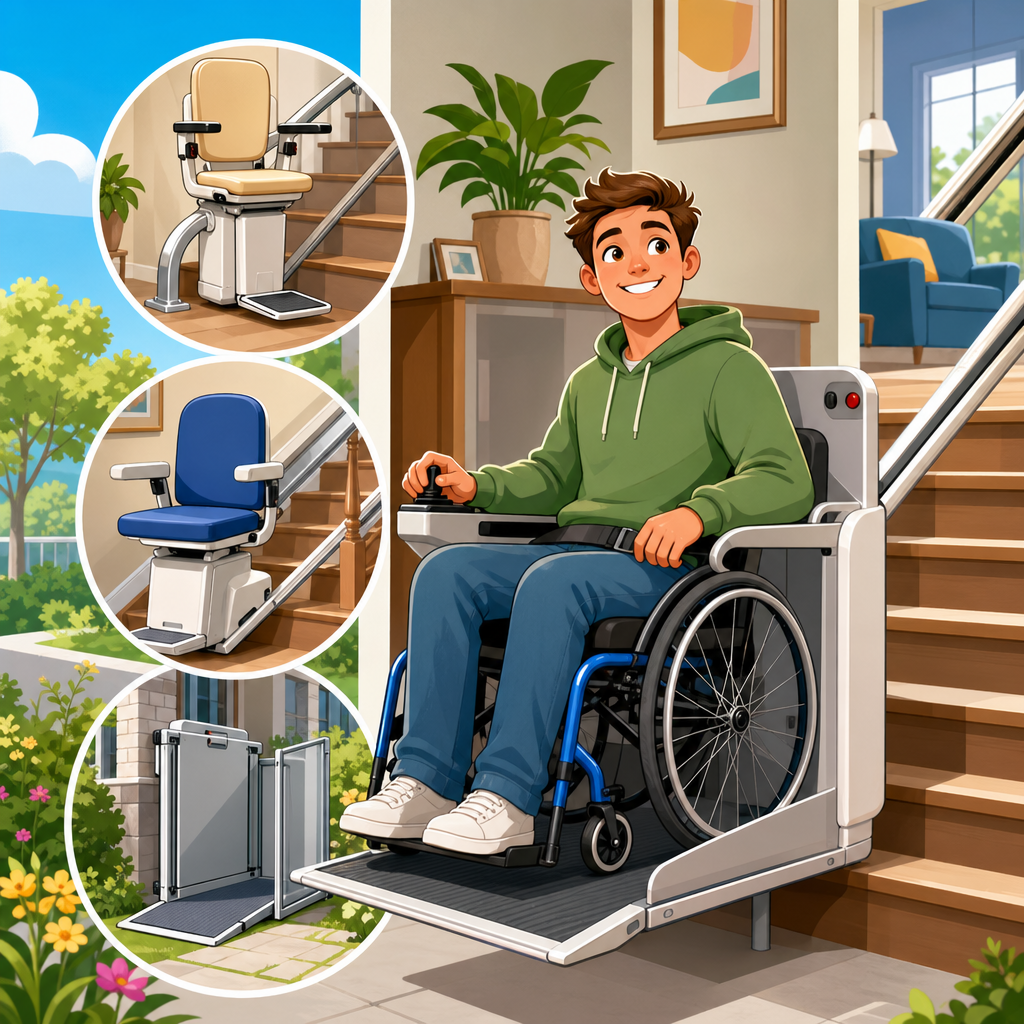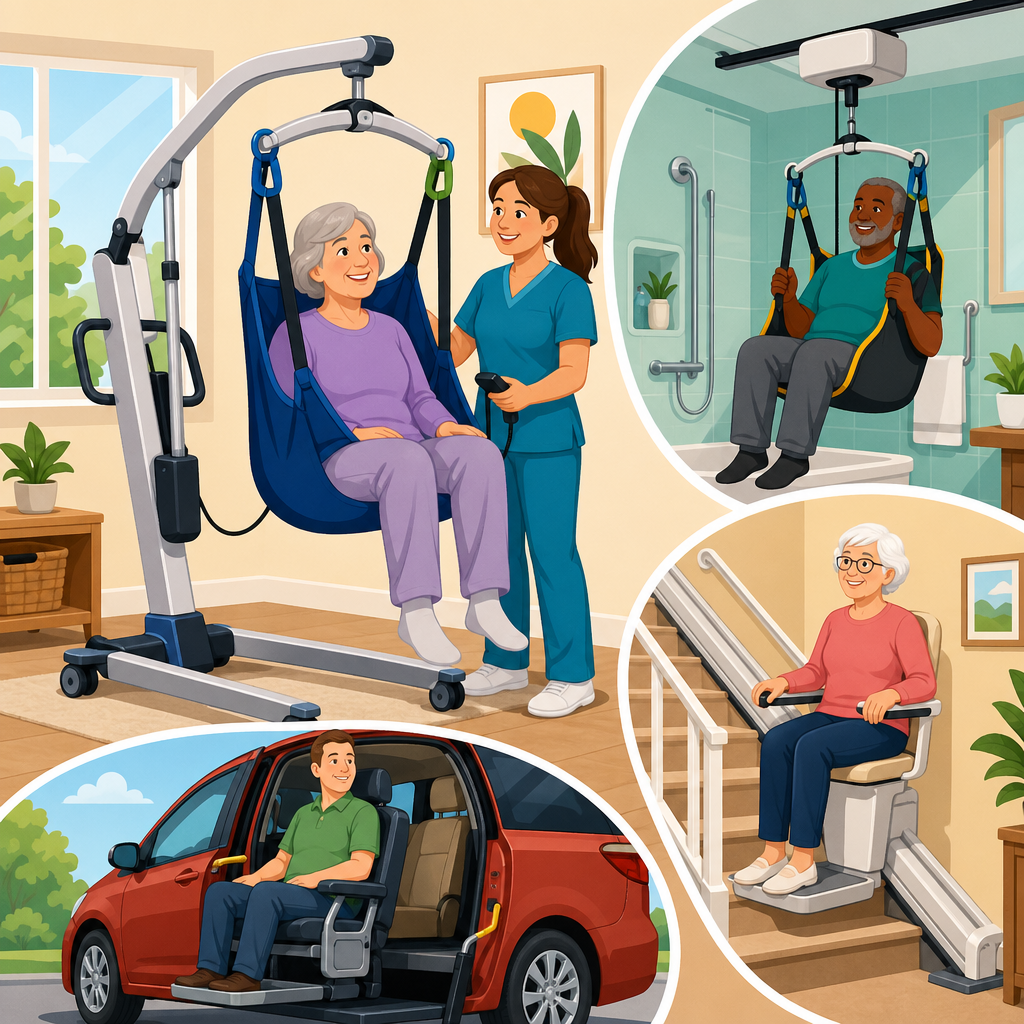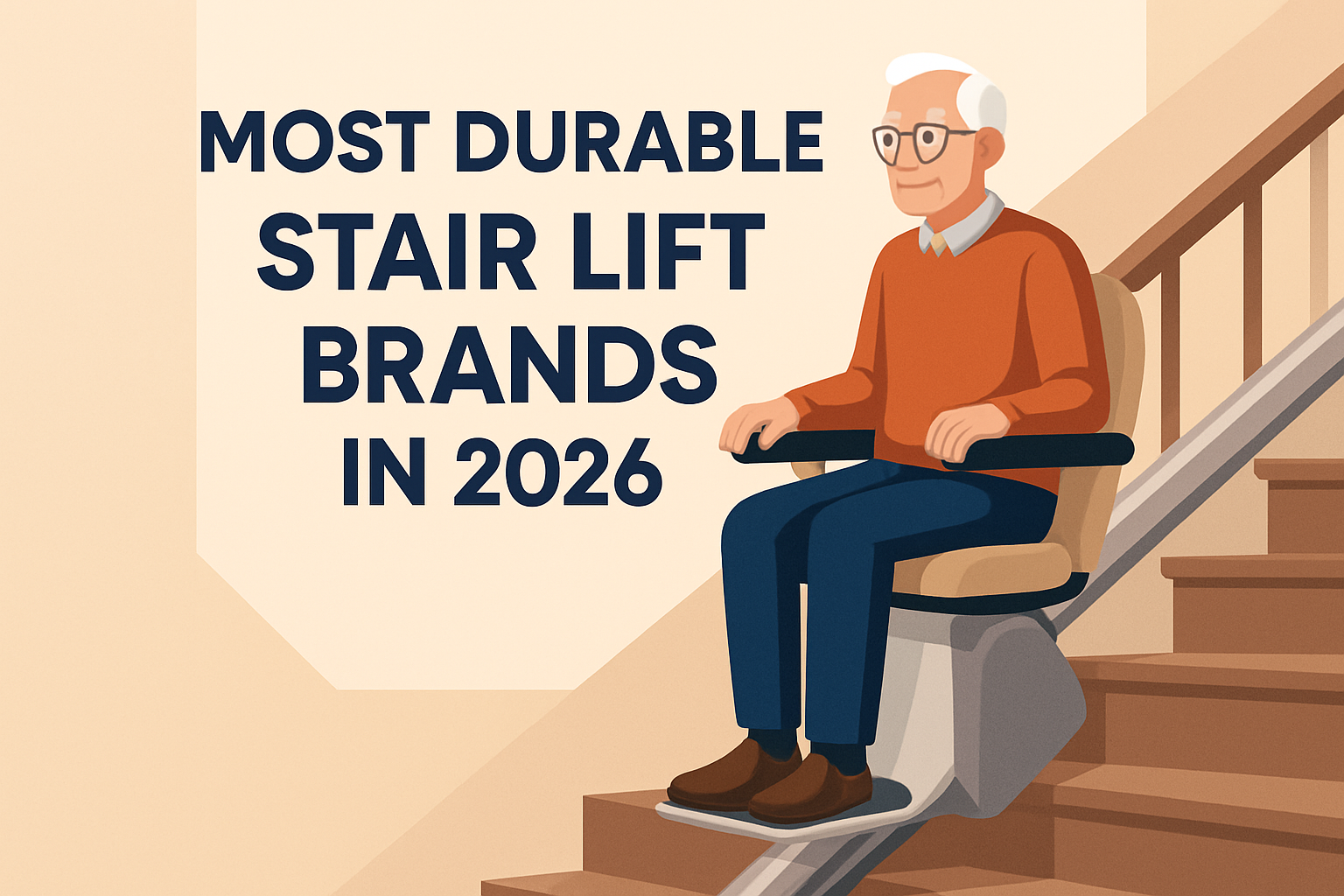
Choosing a stair lift is not only about comfort or mobility; it is primarily a durability decision that affects safety, maintenance costs, downtime, and long-term independence. In 2026, buyers are asking a practical question: which stair lift brands hold up best after years of daily use, variable temperatures, battery cycling, and repeated starts and stops on straight or curved rails? A durable stair lift is a powered chair system designed to carry a user along a track fixed to the stairs, and true durability means more than a strong motor. It includes rail integrity, gearbox lifespan, battery performance, seat-frame stability, control reliability, parts availability, and manufacturer support. After working with homeowners comparing models, reviewing installer feedback, and studying warranty patterns, I have found that the strongest brands usually share a few traits: conservative engineering, widespread dealer networks, proven components, and consistent service documentation. This matters because a stair lift is effectively a medical-adjacent accessibility device installed in the busiest circulation path of a home. If it fails often, the user may lose access to bedrooms, bathrooms, or exits. If it lasts well, the owner avoids repeated service calls and gains predictable performance. For SEO readers searching “most durable stair lift brands,” the direct answer is that Bruno, Stannah, Handicare, Harmar, and Acorn remain the most consistently durable names in the residential market in 2026, with Savaria also strong in select configurations. The right brand, however, depends on stair type, user weight, service coverage, and how the system is installed and maintained.
What durability means in a stair lift in 2026
Durability in stair lifts is best evaluated through five measurable categories: drive system reliability, rail and carriage construction, battery and charging design, duty cycle tolerance, and field service support. Many buyers focus only on warranty length, but in real installations the better indicator is how a unit performs after three to seven years of normal operation. I look for sealed gear systems, robust swivel-seat hardware, diagnostic controls, and rails that resist flex and misalignment. A good straight stair lift should handle multiple trips per day without noise escalation, hesitation, or repeated charging faults. A good curved stair lift should maintain smooth travel across transitions and bends without jerking, excessive rail wear, or recurrent call/send issues.
Another 2026 consideration is electronics resilience. Newer stair lifts increasingly include digital diagnostics, improved soft-start and soft-stop programming, and smarter charging systems. Those upgrades can improve ride quality, but only if they are paired with proven boards and accessible replacement parts. The most durable brands are not necessarily the flashiest. They often use mature designs refined over many product cycles. In my experience, the lifts that last longest are the ones installers know intimately, because proper fit, final calibration, and future service all improve when a dealer works with the same platform regularly.
Top durable stair lift brands and how they compare
Bruno is one of the strongest durability leaders in 2026, particularly for straight stair lifts. The company’s American-made reputation is not just marketing; its Elite line is known for solid rails, stable seat assemblies, and dependable operation under heavier daily use. Installers often praise Bruno for build quality and parts support, and users frequently report smooth operation even after years of ownership. Bruno’s straight lifts are especially compelling for higher-capacity needs, where flimsy seat frames or underpowered drive systems can become long-term failure points in weaker models.
Stannah remains a premium durability benchmark, especially in custom curved applications. The brand has decades of engineering history, and that maturity shows in ride quality, rail fabrication, and overall fit and finish. Stannah lifts are often chosen in homes where aesthetics matter, but the real advantage is refined mechanical performance. Their curved systems are typically precise, stable, and well supported by trained dealers. The tradeoff is price, yet buyers prioritizing longevity over lowest upfront cost often find Stannah worth it.
Handicare continues to be a durable and practical choice with one major advantage: flexible configuration options. Its straight and curved offerings are common in North America and Europe, and the company has developed a broad installation ecosystem. Handicare durability is strongest when installed by experienced dealers who set up charge points and rail alignment correctly. The brand’s modular curved approach can also simplify future changes, which matters in homes where renovations alter landings or access points.
Harmar is widely recognized for accessible pricing and broad dealer presence, but it also deserves mention for durability in the right use case. Its straight lifts are common, serviceable, and generally resilient when matched to average residential demand. Harmar’s strength is serviceability: many technicians are familiar with the systems, and replacement parts are comparatively obtainable. That reduces downtime, which is a practical component of durability.
Acorn remains one of the most visible stair lift brands because of aggressive marketing and standardized products. While opinions vary by installer, Acorn’s straight lifts have a large installed base, and that matters because mature product lines often reveal where designs have improved over time. Durability can be good, particularly in straightforward staircases, though service experience depends heavily on local support. Savaria also earns consideration, especially for buyers comparing accessibility equipment across categories such as vertical platform lifts and home elevators. Its stair lift offerings are less ubiquitous in some markets, but the brand’s engineering background in accessibility is significant.
| Brand | Best known for | Durability strengths | Potential limitation |
|---|---|---|---|
| Bruno | Straight stair lifts, heavy-duty use | Strong rail construction, dependable drive systems, solid dealer support | Premium pricing in some regions |
| Stannah | Curved stair lifts, refined engineering | Smooth travel, precise custom rails, long product heritage | Higher upfront cost |
| Handicare | Configurable straight and curved solutions | Flexible design, broad availability, proven components | Install quality affects outcomes significantly |
| Harmar | Mainstream residential installations | Serviceable systems, common parts access, reliable basic performance | Not every model feels equally premium |
| Acorn | Standardized home stair lifts | Large installed base, straightforward operation, established product familiarity | Support quality can vary by location |
| Savaria | Accessibility-focused engineering | Strong brand credibility, broad mobility expertise | Availability may be narrower in some markets |
Straight versus curved lifts: which lasts longer
Straight stair lifts generally last longer and cost less to maintain than curved stair lifts because the system is mechanically simpler. The rail is a single run, the carriage experiences fewer directional transitions, and installation tolerances are easier to control. If someone asks for the most durable stair lift type, the direct answer is a straight DC battery-powered model from a premium brand with a strong local dealer. These systems often deliver the best combination of reliability, low noise, and easier parts replacement.
Curved lifts are not inherently fragile, but they demand more from the engineering and installation team. Every bend, intermediate landing, and parking position adds complexity. In durable curved systems, rail fabrication precision is critical. Poor tolerances can create vibration, uneven wear, and higher load on the transmission and rollers. This is why Stannah and top-tier Bruno or Handicare curved options tend to outperform lower-cost alternatives over time. In real homes with narrow turns and multi-landing layouts, the best curved brands distinguish themselves by maintaining consistent ride quality after years of use.
The components that most often determine lifespan
The battery system is one of the biggest predictors of stair lift reliability. Most residential stair lifts in 2026 use DC power with onboard batteries that charge when parked at designated points. This design allows operation during short power outages, but batteries are consumable components. In my experience, many “broken” stair lifts actually need battery replacement rather than major repair. Better brands manage charging intelligently and make battery access straightforward for technicians. Buyers should ask what battery type is used, expected replacement interval, and whether missed charging alignment is a common field issue.
Next is the transmission and motor assembly. Durable units use well-matched gearing that prioritizes torque and controlled starts over flashy speed. Stair lifts are not supposed to be fast; they are supposed to be stable. When a brand pushes performance without enough mechanical margin, wear accumulates. Seat hardware also matters more than most buyers expect. A loose swivel mechanism, folding footrest linkage, or armrest mount can make a lift feel worn long before the drivetrain fails. Premium brands invest in these contact-point components because they affect both perceived quality and safety.
Finally, rail mounting and installation quality can make or break durability. Even the best stair lift brand can develop repeat faults if brackets are poorly spaced, fasteners loosen, or the chair is not calibrated correctly to charge points and limits. That is why local dealer reputation is inseparable from brand reputation. A durable stair lift is always a combination of product quality and installer competence.
How warranties, service networks, and parts support affect real durability
When homeowners compare stair lift warranties, they often assume the longest warranty automatically signals the best product. In practice, durable ownership depends more on what the warranty covers, how quickly a technician can respond, and whether parts remain available after the formal coverage period ends. A strong stair lift brand typically has documented maintenance procedures, accessible technical bulletins, and a stable dealer network. Those factors reduce the time a user is stranded by a fault.
Bruno and Stannah often score well here because they have established support structures and clear product positioning. Harmar benefits from broad familiarity among technicians in many markets. Handicare performs best where certified local dealers maintain active service operations. Acorn’s experience can be more variable because much depends on regional support execution, though its market presence means many technicians understand the platform. For any brand, ask direct questions: How long are batteries covered? Are service calls handled by employees or subcontractors? How many lifts does the dealer currently maintain? Can they provide parts lead times for common repairs? These answers often reveal more about expected durability than the brochure does.
Best buying advice for choosing a long-lasting stair lift
If your priority is maximum lifespan, start by matching the lift type to the staircase accurately. Do not try to force a lower-cost standard solution onto a complex stair geometry. For straight stairs, Bruno is often the safest durability-first recommendation, with Harmar and Handicare strong depending on dealer quality and budget. For curved stairs, Stannah consistently stands out, while Handicare remains a credible alternative where its dealer network is experienced and responsive. For buyers wanting a recognizable mainstream brand with simple operation, Acorn can work well on uncomplicated stairs if local service is verified in advance.
Always request an in-home assessment, not a phone estimate alone. The assessor should measure tread depth, landing clearance, seat-to-wall projections, folded dimensions, and obstruction points such as door swings or radiators. Ask about weight capacity, battery replacement schedule, maintenance intervals, and whether the model has diagnostic codes technicians can read quickly. If you are comparing quotes, compare rail design, not just price. A cheaper installation that creates awkward parking positions or difficult transfers may lead to lower daily use and more wear from repeated repositioning.
Also think beyond the product. Durable ownership includes proper usage habits: keep charge points clear, avoid leaving the chair away from charging contacts, schedule periodic inspections, and address unusual noises early. In homes with frequent outages, verify battery condition annually. If the user has progressive mobility changes, choose a model with a secure seat, predictable controls, and easy transfer geometry, because awkward transfers place stress on both the user and the equipment.
The most durable stair lift brands in 2026 are the ones that combine proven engineering with dependable local support. For most straight staircases, Bruno leads on ruggedness, support, and long-term owner confidence. For curved staircases, Stannah remains the benchmark for precision and lasting ride quality. Handicare, Harmar, Acorn, and Savaria each have legitimate strengths, especially when paired with a skilled installer and the right home layout. The key lesson is simple: durability is not a single feature; it is the result of sound design, correct installation, available parts, and disciplined maintenance. If you are shopping now, narrow your list to brands with strong service coverage in your area, book in-home assessments, and compare how each model will perform after five years, not just on installation day. That approach will lead you to a stair lift that stays safe, quiet, and reliable for the people who depend on it most.
Frequently Asked Questions
What makes a stair lift brand truly durable in 2026?
A durable stair lift brand is defined by much more than how the chair looks on installation day. In 2026, durability means the entire system is engineered to perform reliably through years of daily travel, repeated starts and stops, battery charging cycles, and changing indoor conditions such as humidity, dust, and seasonal temperature swings. The most durable brands typically use high-quality rail materials, well-sealed electronic components, heavy-duty gear systems, dependable battery technology, and motors designed for frequent use without excessive wear. They also build seats, armrests, footrests, and swivel mechanisms that continue functioning smoothly after thousands of cycles rather than loosening or becoming unstable over time.
Another major factor is how well a stair lift handles real-world use rather than ideal showroom conditions. A brand may advertise comfort and features, but long-term durability is proven by performance under pressure: multiple rides per day, users of different body types, occasional bumps or impacts, and years of operation without constant service calls. The strongest brands usually have a reputation for consistent manufacturing standards, strong dealer support, and readily available replacement parts. In practical terms, durability is about safety, uptime, and cost control. A stair lift that lasts longer and needs fewer repairs helps preserve independence while reducing maintenance expenses and disruption.
Which parts of a stair lift usually wear out first, and how do the best brands prevent that?
The parts that most commonly show wear first are usually the batteries, drive components, seat swivels, footrest hinges, call/send controls, and charge contacts. Batteries naturally degrade over time because stair lifts rely on repeated charging and discharging, especially in homes where the lift is used many times each day. Mechanical stress also affects moving parts such as the transmission, rollers, and hinge points. On curved stair lifts, the complexity of the rail system can place additional demands on the carriage, making precision engineering even more important. Lesser-built units may start to feel jerky, noisy, or inconsistent long before the lift reaches the end of its expected service life.
The best brands reduce this wear through stronger component design and better system integration. They use higher-grade batteries, smoother start-and-stop programming, durable metal gearing instead of lower-end alternatives, and robust charging systems that maintain battery health more effectively. Well-built stair lifts also tend to include tighter-fitting rails, stronger seat frames, and more reliable sensors that prevent unnecessary strain on the motor. Brands with a strong durability reputation usually test their lifts for extended cycle counts to simulate years of use before release. That kind of testing matters because it helps identify weak points early and results in a lift that stays quieter, smoother, and safer over the long term.
Are straight stair lifts generally more durable than curved stair lifts?
In general, straight stair lifts are often considered more durable simply because they are mechanically simpler. They travel on a standard rail with fewer custom transitions, which means there are fewer opportunities for alignment issues, mechanical friction, or long-term stress on specialized components. Straight models are also usually faster to install, easier to service, and more predictable in their long-term performance. If two lifts are built to similar quality standards, the straight model often has a durability advantage because simplicity tends to reduce wear and service complexity.
That said, a high-quality curved stair lift from a reputable brand can still be extremely durable if it is properly designed, custom-fitted, and professionally installed. The key difference is that curved lifts demand greater manufacturing precision. Every bend, incline change, and parking position must be engineered accurately so the carriage travels smoothly without unnecessary strain. The best stair lift brands in 2026 have invested heavily in custom rail fabrication, advanced diagnostics, and better drive systems that make curved models far more dependable than older generations. So while straight lifts often have the edge in raw simplicity, the most durable brands are fully capable of producing curved systems that hold up well for many years when installation and service quality are also strong.
How can buyers compare stair lift brands for long-term reliability instead of just price?
The smartest way to compare stair lift brands is to look beyond the upfront quote and evaluate total ownership value. Start by asking about the expected lifespan of the lift, the warranty coverage on the motor, transmission, rail, and electronics, and the typical battery replacement schedule. A lower-priced stair lift may seem attractive initially, but if it requires more frequent service, has limited parts availability, or comes with weaker support after installation, it can become more expensive over time. Durable brands often cost more at the beginning because they use stronger materials, more reliable components, and better engineering, but that investment often pays off through fewer breakdowns and lower long-term repair costs.
It is also important to examine installer quality and service infrastructure. Even the best stair lift brand can underperform if it is installed poorly or if local support is weak. Buyers should ask whether parts are kept in stock, how quickly service calls are typically handled, and whether technicians are trained specifically on that brand’s systems. Reading reviews can help, but the most useful feedback often comes from asking how the lift performed after two, five, or even ten years of regular use. In short, long-term reliability is measured by consistency: how well the lift handles daily operation, how often it needs adjustment, and how easily it can be maintained throughout its life.
What can homeowners do to help even the most durable stair lift last longer?
Even the most durable stair lift benefits from proper use and routine care. Homeowners should keep the rail clean and free of dust, pet hair, and debris that could interfere with smooth travel or charging points. It is also important to make sure the lift is parked correctly at a charging station when not in use so the batteries stay in good condition. Repeatedly leaving a stair lift off-charge can shorten battery life and create avoidable service issues. Users should avoid overloading the chair, forcing folding parts, or ignoring unusual noises, hesitation, or warning indicators. Small problems are easier and less expensive to fix when addressed early.
Professional maintenance is just as important as day-to-day care. A scheduled inspection allows a technician to check battery condition, charging contacts, seat locks, safety sensors, rail alignment, and drive performance before wear turns into failure. This matters especially in homes where the lift is used heavily or where indoor conditions fluctuate. If a stair lift is located near an entryway, garage access point, or other area exposed to temperature changes, extra attention to maintenance can help preserve long-term performance. Ultimately, durable stair lift brands are built to last, but longevity improves significantly when the equipment is used correctly, inspected regularly, and supported by prompt service whenever issues appear.