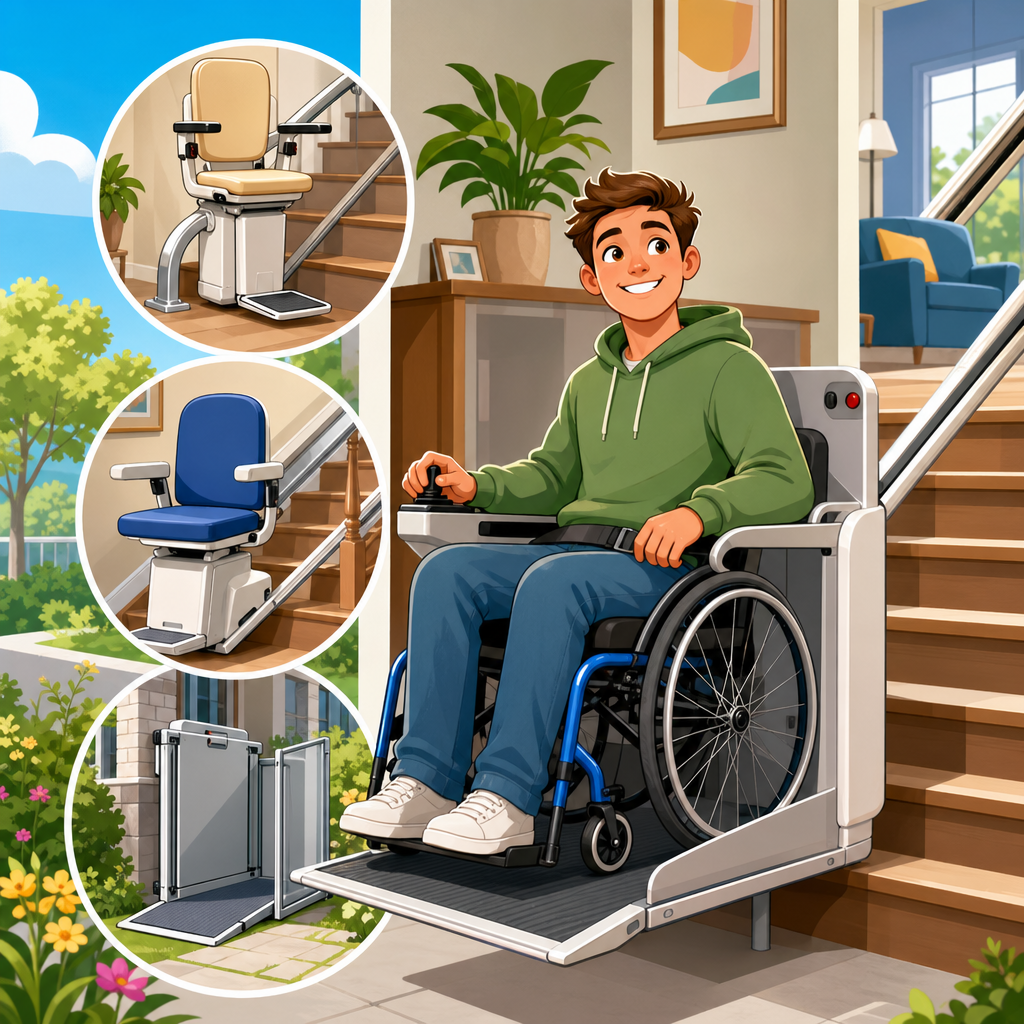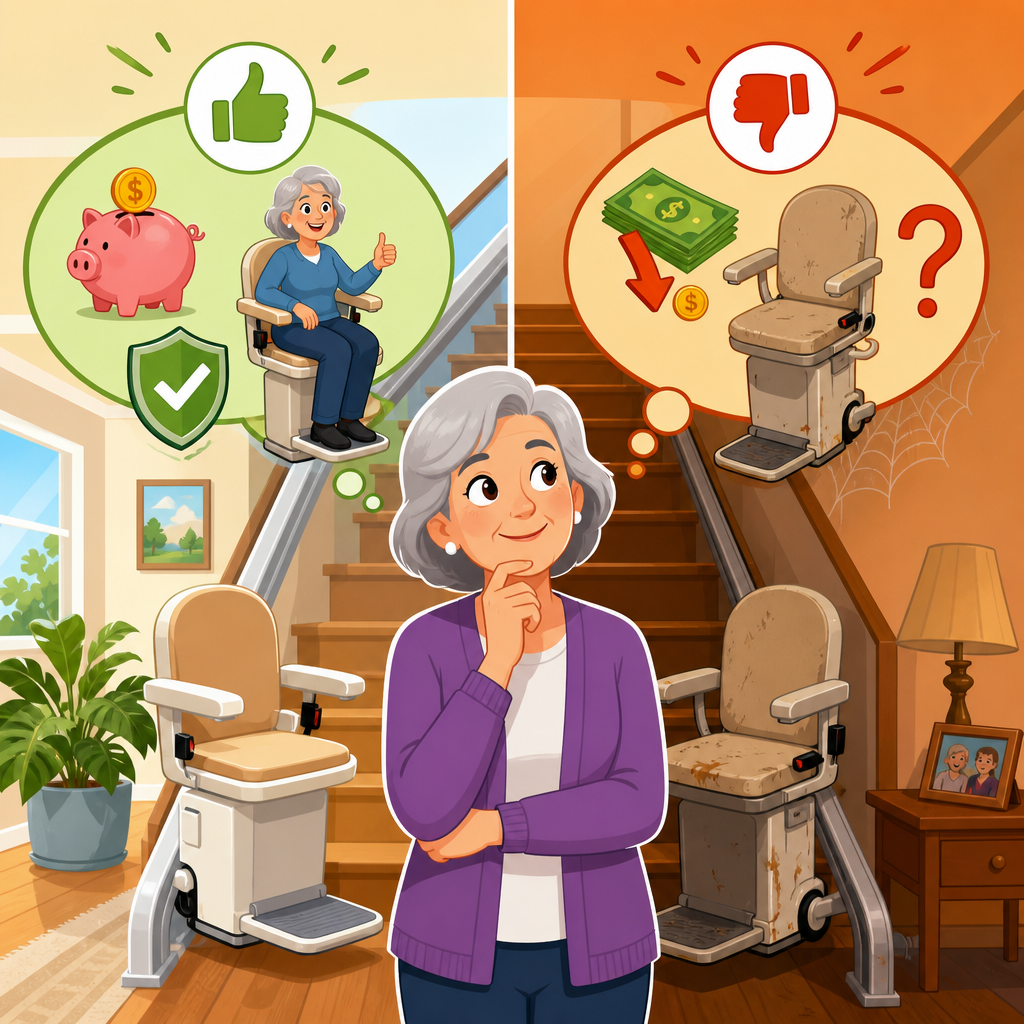
Buying a used stair lift can cut mobility costs dramatically, but the savings only matter if the lift is safe, compatible with your staircase, and supported after installation. A stair lift is a motorized chair that travels along a rail fixed to the stairs, helping people with limited mobility move between floors without climbing steps. In practice, buyers searching for a used stair lift are usually comparing three categories: privately sold secondhand units, dealer-sold used lifts, and professionally refurbished chair lifts. Those terms are not interchangeable. A secondhand unit may be removed from one home and sold as-is. A used stair lift from a dealer may be tested and reinstalled, but not fully rebuilt. A refurbished stair lift is typically inspected, cleaned, fitted with replacement wear parts such as batteries, and reconditioned to meet the installer’s standards.
I have worked with families comparing all three routes, and the same pattern appears repeatedly: people focus first on sticker price, then discover that rail fit, service coverage, and battery condition often determine the real cost. That is why this topic matters. New stair lifts commonly cost several thousand dollars, and curved models can be substantially more expensive because the rail is custom-made for one staircase. For households facing a sudden mobility change after surgery, a stroke, or a fall, a lower-cost used or refurbished chair lift can make remaining at home possible. At the same time, not every staircase can accept a reused system, and not every seller provides the testing, warranty, or installation quality needed for dependable operation. This guide explains the real pros and cons of buying a used stair lift, when refurbished chair lifts make sense, when they do not, and what to check before you commit.
What Counts as a Used or Refurbished Chair Lift
A used stair lift is any unit that has already been installed and operated in another property. The chair, carriage, motor, footrest, call stations, and rail may all have prior use. However, the part that matters most is the rail. Straight stair lifts run on standardized rails that can often be cut to length or adapted for another straight staircase. Curved stair lifts usually use a rail built to the original staircase’s exact dimensions, including bends, landings, parking positions, and overrun sections. That means a curved chair from one home rarely transfers economically to another home, even if the seat and drive components are still in good condition.
Refurbished chair lifts occupy a middle ground between used and new. In reputable refurbishment programs, the installer removes a lift, records service history, tests the drivetrain, replaces batteries, checks charging contacts, inspects the gearbox, evaluates seatbelt and swivel mechanisms, and installs new cosmetic panels or upholstery if needed. Better firms also perform load testing and electrical safety checks before reinstalling the unit. In my experience, this dealer-refurbished category is where most value exists, because buyers get meaningful savings without taking on the risks of a private sale with no recourse.
The distinction matters because buyers often search for the cheapest used stair lift and assume all pre-owned units are similar. They are not. A $1,500 private-sale bargain can become a poor purchase if the rail does not fit, the batteries fail immediately, or no local technician will touch that brand. By contrast, a refurbished straight stair lift with a short warranty and local service support can provide years of reliable use at a price well below a new unit.
The Main Advantages of Buying Used
The biggest advantage of buying a used stair lift is lower upfront cost. Depending on brand, rail type, age, and refurbishment level, buyers may save hundreds or thousands of dollars compared with new equipment. For straight stair lifts, where rails are easier to reuse and installation is more standardized, the savings can be significant. This makes used and refurbished chair lifts especially appealing for temporary mobility needs, such as recovery after knee replacement, hip surgery, spinal surgery, or a period of rehabilitation after illness.
Availability can also be better than many buyers expect. New straight lifts are often installed quickly, but a refurbished straight model may be available even faster if a local dealer already has stock in the warehouse. That speed matters when a family is planning a hospital discharge and needs safe access before a resident returns home. I have seen refurbished units installed within days because the dealer had a tested rail, carriage, and seat ready to schedule.
Another benefit is environmental. Reusing serviceable mobility equipment reduces waste and extends the life of motors, rails, and electronic components that would otherwise be discarded. For buyers who value sustainability, a professionally refurbished chair lift is one of the more practical examples of circular use in home accessibility products. The product already exists, the manufacturing footprint has already been incurred, and reconditioning often requires fewer new materials than building a fully new unit.
Used stair lifts can also open access to premium brands for buyers with limited budgets. A household that cannot justify the price of a new lift from Bruno, Stannah, Harmar, Acorn, Handicare, or Access BDD may be able to afford a reconditioned model from a recognized manufacturer instead of buying an unknown low-cost unit online. Brand quality matters because long-term parts availability, technician familiarity, and service documentation tend to be better with established manufacturers.
The Drawbacks and Risks Buyers Need to Understand
The central risk is compatibility. A used stair lift is not a universal appliance. Stair width, staircase pitch, top and bottom landing space, weight capacity, power arrangement, seat orientation, and obstruction points all determine whether a specific model can be installed safely. This is why buyers who purchase from online marketplaces before arranging a site survey often lose money. If the rail length is wrong, the mounting points are unsuitable, or the chair cannot swivel safely at the landing, the “deal” may be unusable.
Warranty coverage is another major drawback. New stair lifts commonly come with a manufacturer or dealer warranty covering parts and sometimes labor. Used units may come with no coverage at all, a limited dealer warranty, or only a short service period. Batteries, remote controls, seat switches, and charging systems are consumable or wear-related components that can fail unexpectedly. Without warranty support, each service call adds cost, and emergency calls outside business hours can be expensive.
There is also a technology gap. Older stair lifts may lack features buyers now consider standard, such as powered swivel seats, powered footrests, diagnostic displays, retractable rails for door clearance, or smoother soft-start and soft-stop programming. Some older models are perfectly functional, but they may be less comfortable for users with reduced hand strength, poor balance, or limited trunk control. In those cases, a lower purchase price can be offset by a harder transfer on and off the chair.
Finally, serviceability matters more than most buyers realize. If a manufacturer has discontinued a model and parts are scarce, technicians may not be able to repair the lift promptly. I have seen households keep a cheap used unit for only a few months before replacing it because replacement boards or gearbox components were unavailable. A stair lift is an accessibility device, not a decorative item; downtime has immediate consequences for independence and safety.
Used vs Refurbished vs New: Which Option Fits Best
The right choice depends on staircase type, budget, urgency, and expected length of use. For a straight staircase and a temporary need, a refurbished straight stair lift from a reputable local dealer is often the strongest value. For a long-term need involving daily use, buyers should compare the installed price of refurbished and new models, because the extra warranty and latest features on a new unit may justify the difference. For curved staircases, fully used systems are usually less attractive, because even when the chair hardware can be reused, the custom rail generally cannot.
| Option | Best For | Main Advantage | Main Limitation |
|---|---|---|---|
| Private-sale used stair lift | Experienced buyers with installer support | Lowest upfront price | No warranty, uncertain fit, unknown condition |
| Dealer-sold used lift | Budget-conscious buyers needing local service | Lower cost with some testing | Coverage and refurbishment depth vary widely |
| Refurbished chair lift | Most straight-stair buyers seeking balance | Better reliability and support | Still limited versus brand-new warranty |
| New stair lift | Long-term users and complex needs | Full customization and strongest warranty | Highest purchase price |
As a rule, straight stair lift buyers have the most flexibility. Curved stair lift buyers should usually think in terms of refurbished components on a newly fabricated rail, not a fully reused system. That distinction prevents unrealistic expectations and helps buyers compare quotes accurately.
What to Inspect Before You Buy
Start with a professional home assessment. A qualified stair lift dealer should measure stair width, tread depth, total run, pitch, landing clearance, and any doorways or radiators that affect the rail path. Ask whether the quote includes installation, removal of old equipment if present, user instruction, and future service terms. If a seller refuses a site survey and wants to sell on dimensions alone, treat that as a warning sign.
Next, verify the exact brand and model, manufacturing date if available, serial number, weight capacity, and whether parts remain available. Ask what was replaced during refurbishment. A credible answer might include new batteries, new charger, safety-edge testing, seatbelt inspection, new rollers, updated arm pads, and a verified charge circuit. A vague answer such as “it works fine” is not enough for mobility equipment.
Check the rail and mounting system carefully. With straight lifts, ask whether the rail is reused, cut down, extended, or new. With curved lifts, ask whether the rail is newly manufactured for your staircase. Also confirm the power source. Most modern lifts run on batteries charged from a standard outlet, allowing operation during a power cut for a limited number of trips. If the batteries are old, that backup advantage disappears quickly.
Finally, ask for a demonstration and maintenance history. Listen for grinding, hesitation, or uneven starts. Confirm that the seat swivels and locks securely, the footrest safety edges stop the lift on contact, and the call/send controls respond properly. If possible, have the intended user try the seat height, armrest spacing, and transfer at both landings before purchase.
Who Should Consider Buying Used, and Who Should Avoid It
A used or refurbished stair lift makes the most sense for buyers with a straight staircase, a defined budget, and a need that may be temporary or moderate in duration. It is also a practical option when a trusted local dealer has in-house technicians, replacement parts, and a clear refurbishment checklist. Families arranging discharge from hospital often fit this profile because speed, affordability, and safe home access matter immediately.
Buyers should be more cautious if the user is heavy, frail, unable to transfer independently, or likely to depend on the lift many times each day for years. In those situations, powered features, higher weight capacity, and strong warranty support become more important. A new unit may be the better clinical and financial choice over time. The same is true for complex curved staircases, very narrow stairs, or homes where a hinge rail or special parking arrangement is needed to avoid blocking a doorway.
Avoid private-party purchases unless a qualified installer has already confirmed compatibility and agrees to install and service the unit. Many reputable dealers will not install customer-supplied used lifts because of liability, unknown history, and missing parts. That single policy catches many buyers by surprise. Before paying for any secondhand chair lift, confirm in writing that someone local will install it, support it, and supply parts.
How to Buy Smart and Reduce Long-Term Cost
The best buying strategy is simple: compare installed cost, not advertised equipment price. Request itemized quotes showing survey, rail, carriage, seat, installation, warranty, service call rates, battery replacement expectations, and removal options if the lift is no longer needed. A slightly higher quote from a dealer with strong aftercare is often cheaper over two years than a low upfront price with no support.
Ask about rental, buyback, and reconditioned inventory turnover. In some markets, renting a straight stair lift for a short recovery period costs less than purchasing used. In others, buying a refurbished unit with a buyback option produces the best value. Also ask how quickly service is available and whether technicians are factory-trained on that model. Response time matters when the lift is the user’s only safe route between floors.
Used and refurbished chair lifts can be excellent purchases when matched to the right staircase and backed by a competent dealer. The core benefits are lower cost, faster availability, and practical access to established brands. The core risks are poor fit, limited warranty, outdated features, and weak service support. For most buyers, the safest route is a professionally refurbished straight stair lift installed after a home survey, with documented testing and local aftercare. For curved stairs or long-term, high-dependence use, compare refurbished and new options carefully before deciding. If you are considering a used stair lift, schedule an in-home assessment, ask detailed questions, and buy only after you understand the full installed cost and support plan.
Frequently Asked Questions
Is buying a used stair lift a good way to save money?
It can be, but the value depends on what you are actually getting for the lower price. A used stair lift often costs less upfront than a new one, which makes it appealing for families managing a short-term recovery, a limited budget, or a sudden mobility need. The biggest potential advantage is reduced purchase cost, especially if the unit is a straight stair lift and comes from a reputable dealer who has inspected, refurbished, and tested it. In those situations, the savings can be meaningful without creating too much additional risk.
That said, the cheapest option is not always the best value. A low price means very little if the stair lift does not fit your staircase correctly, has worn components, or cannot be serviced later. Private-party sales can look especially attractive because the asking price is often much lower than dealer inventory, but buyers may end up paying more once they factor in removal, transportation, installation, replacement parts, battery changes, and safety inspections. If the lift fails soon after purchase or cannot be adapted to your home, the “deal” disappears quickly.
In general, buying a used stair lift makes the most sense when the unit is compatible with your staircase, the seller can verify its condition, and installation is handled professionally. If those pieces are in place, a used lift can be a cost-effective solution. If not, the lower price may come with enough uncertainty that a new or dealer-certified model is the smarter long-term choice.
Are used stair lifts safe to buy and use?
Used stair lifts can be safe, but safety depends far more on condition, fit, and installation quality than on whether the lift is new or secondhand. A properly maintained stair lift from a trusted brand can continue to operate safely for years. However, stair lifts are mobility devices, not ordinary household items, so buyers should be careful about treating them like simple used furniture or appliances. The rail, carriage, seat, motor, battery system, sensors, and charging components all need to work together correctly for safe operation.
The biggest safety concerns usually involve hidden wear, outdated parts, improper reinstallation, and poor compatibility with the staircase. For example, if a unit was removed from another home and then installed without manufacturer guidance or dealer inspection, there may be issues with rail alignment, seat stability, stop positions, or obstruction sensors. Even if the lift powers on, that does not automatically mean it is safe for regular use by someone with limited mobility.
For that reason, dealer-sold used stair lifts are typically safer than privately sold units because reputable dealers often clean, refurbish, test, and reinstall them according to established procedures. They may also replace high-wear components such as batteries, seat belts, or charging contacts. Before buying, ask whether the lift has been inspected, whether safety features have been tested, whether parts are still available, and whether the installer is trained on that brand and model. A safe used stair lift is absolutely possible, but it should be verified, not assumed.
What is the difference between buying from a private seller and buying from a dealer?
The difference is usually support, accountability, and overall risk. A private seller may offer the lowest price, but the transaction is often “as is,” which means there may be no warranty, no professional inspection, no installation included, and no help if the lift does not work properly after purchase. In many cases, private sellers are simply trying to remove equipment from a home and may not know the age of the lift, service history, weight capacity, or whether the model can be reused safely in a different house.
A dealer, by contrast, typically provides a more complete process. That may include a home assessment, confirmation that the stair lift matches your staircase, refurbishment of the unit, professional installation, limited warranty coverage, and future service options. This matters because many used stair lift problems are not obvious until installation day. The rail may not fit the exact stair length, the seat may not clear a hallway, or the charging setup may not align correctly. A dealer is much more likely to catch those issues before they become expensive mistakes.
There is also a major difference in after-sale support. If a privately purchased lift stops working, you may struggle to find a company willing to repair a model they did not supply or install. Some companies service only the brands they carry, and others refuse to work on older or discontinued units. Dealer-sold used lifts usually cost more than private listings, but that extra cost often buys important protections: proper setup, access to parts, troubleshooting help, and some level of warranty. For most buyers, especially those prioritizing reliability and safety, that additional support is one of the strongest arguments for purchasing through a dealer.
Will a used stair lift fit any staircase?
No. Stair lifts are not one-size-fits-all, and staircase compatibility is one of the most important issues to confirm before buying. Straight stair lifts are the easiest to reuse because they are designed for staircases that run in a single straight line with no turns, landings, or curves. Even then, measurements still matter. The rail length must match the staircase, and the lift must leave enough room for safe seating, footrest clearance, and entry and exit at the top and bottom.
Curved stair lifts are much more complicated. These are usually custom-built to follow a specific staircase layout, including bends, intermediate landings, spiral sections, or unusual angles. In most cases, a used curved stair lift rail from another home will not fit your staircase. Sometimes parts of the chair assembly may be reusable, but the rail often has to be newly manufactured. That means buyers hoping for dramatic savings on a used curved unit are often disappointed when they learn that the custom rail is the most expensive part.
Another factor is the user, not just the stairs. Seat height, folding dimensions, swivel function, armrest design, and weight capacity all affect whether the lift will work comfortably and safely for the intended rider. A stair lift that technically fits the staircase may still be a poor match if the user has limited balance, reduced hip mobility, or needs a higher-capacity model. The safest approach is to have the staircase measured by a professional and confirm compatibility before committing to any used unit.
What should I check before buying a used stair lift?
Start with the basics: brand, model, age, condition, and service history. Ask who originally installed it, how long it was used, why it is being sold, and whether any repairs have been made. If the seller cannot answer simple questions about the lift’s age or maintenance record, that is a warning sign. You should also confirm whether the manufacturer still supports the model and whether replacement parts are available. An older lift may seem affordable, but if batteries, circuit boards, or seat components are no longer easy to source, future repairs can become difficult and expensive.
Next, verify what is included in the price. Buyers sometimes assume they are purchasing a complete system, only to find out later that installation, removal from the old home, rail modifications, remote controls, service calls, or warranty coverage are extra. Clarify whether the lift has been tested, whether the batteries have been replaced recently, and whether the charger, seat belt, footrest sensors, and swivel seat all work properly. If possible, have the lift inspected by a qualified technician before money changes hands.
Finally, think beyond the purchase itself. Ask who will install it, who will service it later, and what happens if it fails after a few months. A used stair lift is only as practical as the support behind it. If there is no installer, no warranty, and no nearby company willing to repair that brand, the lower price may not be worth the uncertainty. A strong used purchase is one that combines savings with confirmed fit, safe installation, and realistic access to ongoing service.