Scheduling chair lift maintenance is one of the most important caregiver support resources for keeping a loved one safe, comfortable, and independent at home. A chair lift, also called a stair lift, is a motorized seat that travels along a rail mounted to a staircase, helping a person move between floors without climbing steps. Maintenance is the routine inspection, adjustment, cleaning, testing, and replacement of worn parts that keeps the equipment working as designed. For caregivers, understanding how to plan this work is not just a technical task. It is part of daily risk management, budget planning, emergency readiness, and long-term home accessibility strategy.
I have worked with families who assumed a chair lift only needed attention when it stopped moving. That approach usually creates more stress, higher repair costs, and avoidable safety concerns. Like any mobility device, a stair lift depends on batteries, charging points, drive systems, seat swivels, footrests, safety edges, call-send controls, and the rail itself. When one component falls out of spec, the user may experience jerky starts, slower travel, beeping fault codes, or a complete shutdown. In homes where the lift is the only safe route to a bedroom or bathroom, even a short outage can disrupt medication schedules, toileting, sleep, and caregiver workload.
This guide serves as a hub for caregiver support resources within accessibility and mobility solutions. It explains what maintenance includes, how often to schedule it, what warning signs matter, how to choose a service provider, and how to document service history for insurance, resale, or future replacement planning. It also connects maintenance scheduling to broader caregiver needs such as respite planning, home safety reviews, fall prevention, and coordination with occupational therapists, installers, and primary care teams. If you are caring for an older adult, a person recovering from surgery, or someone living with arthritis, stroke effects, Parkinson’s disease, multiple sclerosis, or general balance impairment, a clear maintenance schedule can protect both the rider and the caregiver.
Most manufacturers and dealers recommend professional service at least once a year, and many high-use units benefit from maintenance every six months. That timing depends on stair lift age, number of trips per day, staircase conditions, battery performance, climate, and whether the unit is indoors or exposed to dust, temperature swings, or humidity. A caregiver does not need to be a technician to manage this well. You need a structured process, reliable contacts, and a practical checklist. When maintenance is scheduled before problems become emergencies, the chair lift remains a dependable part of the home, not a recurring source of uncertainty.
What chair lift maintenance includes and why scheduling matters
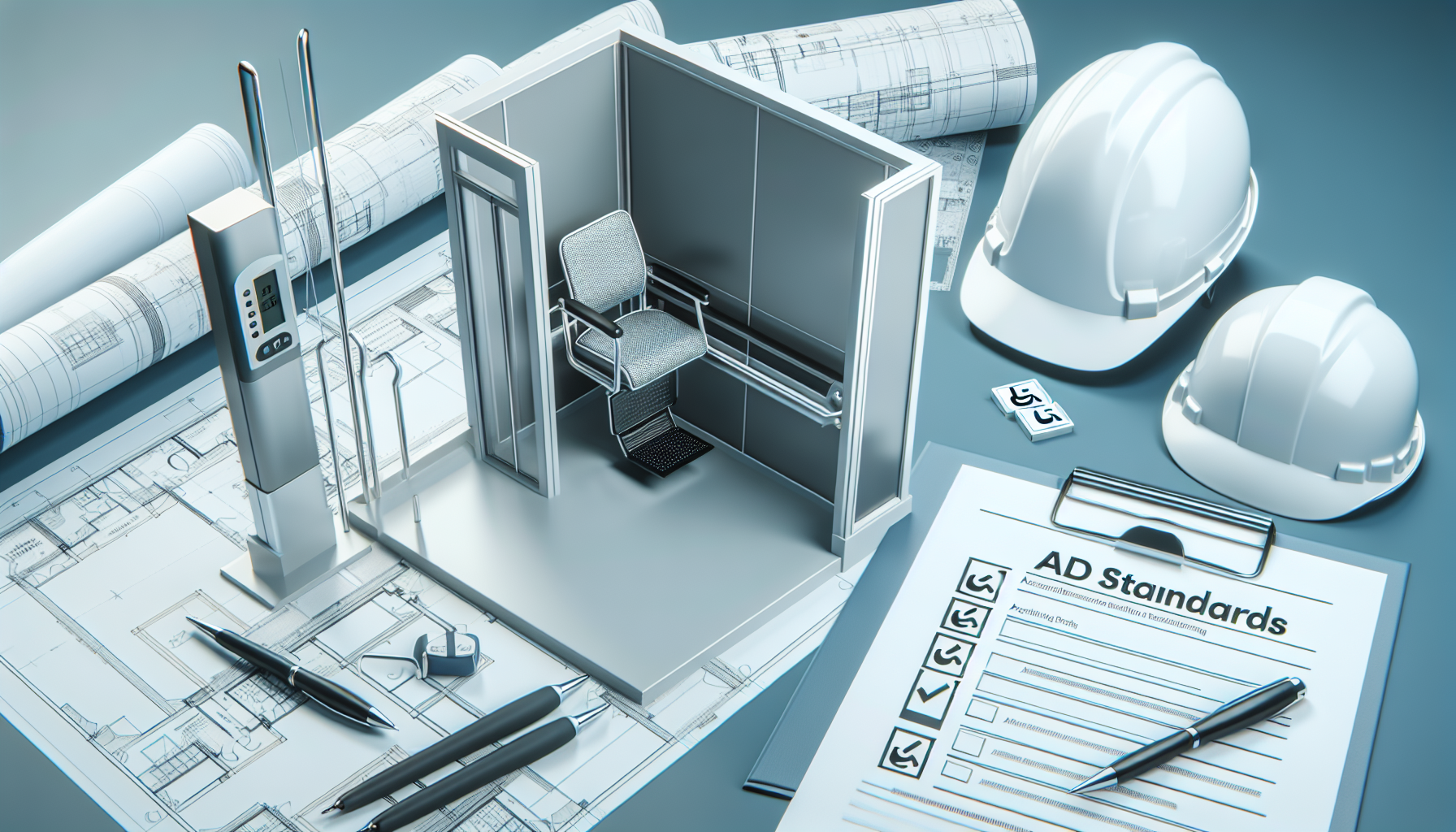
Chair lift maintenance is preventive service designed to keep the unit within manufacturer tolerances and safety standards. During a typical service visit, a trained technician inspects the rail for alignment and debris, tests battery charging at each end of the track, confirms smooth travel, checks the motor and transmission behavior, verifies seat swivel locks, inspects the seat belt, tests obstruction sensors on the footrest and carriage, examines call-send stations, and tightens mounting points. The technician also reviews diagnostic codes if the model has onboard fault reporting. Reputable providers document findings, note worn components, and recommend replacement before failure occurs.
Scheduling matters because most stair lift breakdowns are predictable. Batteries lose capacity gradually. Charge contacts collect dust or become misaligned. Hinges and swivel mechanisms loosen with repeated use. Footrest safety edges can become less responsive if dirt builds up. None of these problems appear suddenly in a well-monitored unit. In my experience, the families who avoid urgent outages are the ones who treat the lift like any other critical medical support device: they track service dates, respond to early symptoms, and never postpone maintenance because the unit still seems to work.
There is also a clear caregiver benefit. A dependable stair lift reduces transfers on the staircase, lowers fall risk, and limits the physical strain of assisting someone on steps. When the lift is down, caregivers often compensate in unsafe ways, such as helping a person climb stairs beyond their ability or setting up temporary sleeping arrangements that interrupt routines. Planned maintenance protects continuity of care.
How often to schedule service based on use, age, and environment
The best maintenance interval depends on actual usage, not a generic calendar reminder alone. A newer straight stair lift used twice daily in a clean indoor setting may do well with annual professional service. A curved model used eight or more trips a day, especially by multiple household members, should usually be serviced every six months. Older lifts often need closer attention because batteries, rollers, gear components, and seat assemblies experience cumulative wear. If the user depends on the lift for access to the only full bathroom or bedroom, err on the side of shorter intervals.
Environmental conditions matter more than many caregivers realize. Dust from pets, carpet fibers, renovation work, or nearby laundry areas can affect charging contacts and moving parts. Humidity can contribute to corrosion on electrical connections. Cold temperatures in garages or enclosed porches can reduce battery efficiency. If the staircase sits near an exterior door, expect more debris and seasonal fluctuation. These factors make a preventive schedule more important, not less.
A practical rule is simple: schedule annual service for low-use units, semiannual service for moderate- to high-use units, and immediate inspection whenever performance changes. Keep the next service appointment on the calendar before the technician leaves. That single habit prevents most missed maintenance cycles.
| Household situation | Recommended professional service interval | Reason |
|---|---|---|
| New indoor straight lift, 1 to 2 round trips daily | Every 12 months | Lower wear, stable environment, fewer charging cycles |
| Indoor lift, 3 to 6 round trips daily | Every 6 to 12 months | Moderate battery use and more frequent swivel and footrest operation |
| Older lift or curved rail model, daily essential use | Every 6 months | More complex system, higher dependence, greater cumulative wear |
| Home with pets, dust, humidity, or temperature swings | Every 6 months | Environmental conditions increase service needs |
| Any unit showing beeps, hesitation, or charging issues | Service now | Symptoms suggest an active fault, not routine wear alone |
Warning signs caregivers should never ignore
Many caregivers ask the same question: what signs mean the stair lift needs service now? The clearest indicators are inconsistent movement, unusual noises, failure to charge, intermittent stopping, or alarms that repeat even after simple resets. If the chair starts and stops in a jerky way, slows down noticeably, or stops before reaching its charging point, schedule service immediately. The same is true if the seat feels loose, the swivel does not lock firmly, the footrest safety edge triggers without obstruction, or the remote controls work only intermittently.
Battery-related symptoms are especially common. Most modern stair lifts run on rechargeable batteries housed in the base of the seat or carriage. The unit charges when parked at designated points on the rail. If the rider leaves the chair slightly away from the charging position, the battery may drain. Over time, lead-acid or similar sealed batteries lose capacity, often after several years depending on use and charging habits. A lift that works during the day but fails after repeated trips is often signaling weak batteries or poor charging contact.
Caregivers should also watch for physical hazards around the lift. Loose carpet at the stair edge, objects stored on steps, pet toys on the landing, or damage to power outlets can all interfere with safe operation. The chair lift itself may not be at fault, but the environment creates the same practical risk. Include a quick stair area scan in your weekly routine.
What caregivers can do between professional visits
Routine caregiver oversight does not replace professional maintenance, but it significantly improves reliability. The first task is keeping the rail and charging points clean according to manufacturer guidance. Usually that means gently removing dust with a dry or lightly damp soft cloth, never applying grease unless the manufacturer specifically instructs it, and avoiding harsh cleaners that can damage finishes or electrical contacts. Many service calls I have seen were triggered by simple debris buildup at the charge point.
Second, make sure the chair is parked correctly on its charging station after use. If more than one person uses the lift or sends it between floors, label the charging positions clearly and teach everyone in the home how to confirm the unit is charging. Some models use indicator lights; others emit a tone or display a status icon. Learn what normal looks like for your model and write it down near the call-send control.
Third, perform a basic monthly function check. Test the seat belt, swivel lock, arm movement, footrest fold, call-send controls, and travel in both directions with no rider if the manufacturer permits that method. Listen for changes. If you notice anything different, document the date and the symptom. Good notes help technicians diagnose issues faster and reduce repeat visits.
Finally, keep the owner’s manual, warranty paperwork, installation invoice, and service log in one accessible folder. This is one of the most overlooked caregiver support resources because organized records speed up support calls, confirm part compatibility, and clarify whether labor or batteries are covered.
Choosing a service provider and coordinating broader caregiver support resources
The best service provider is usually the authorized dealer or a company trained on your lift brand, whether that brand is Bruno, Stannah, Acorn, Harmar, Handicare, Savaria, or another established manufacturer. Ask whether technicians are factory trained, whether the company stocks common replacement parts locally, and whether they offer emergency response outside standard business hours. A low-cost general handyman is rarely the right choice for a mobility device with electrical, mechanical, and safety systems.
When evaluating providers, ask direct questions. What is included in a preventive maintenance visit? Are batteries tested under load or only visually inspected? Is there a written report? What are the average response times for urgent service? Does the company maintain straight and curved units from your specific model line? Clear answers indicate a mature service operation. Vague answers usually predict delays later.
This topic also connects to wider caregiver support resources. If a loved one’s mobility is changing, pair chair lift maintenance planning with an occupational therapy home safety assessment. Occupational therapists can identify whether seat height, transfer space, hand placement, and landing clearance still match the user’s abilities. Local Area Agencies on Aging, Centers for Independent Living, disease-specific nonprofits, and hospital case management teams may help caregivers find vetted providers, transportation alternatives during lift outages, respite resources, or funding guidance. Maintenance should never exist in isolation from the rest of the care plan.
Budgeting, warranties, and emergency planning for uninterrupted access
Chair lift maintenance costs vary by region, brand, and service agreement, but caregivers should expect routine service fees, battery replacement costs every few years, and occasional repairs as the lift ages. An annual maintenance contract can be worthwhile for households with essential daily use because it simplifies scheduling and often reduces labor charges for covered visits. Still, read the contract carefully. Some plans include inspections only, while others include discounts on parts, priority scheduling, or limited emergency calls.
Warranties also deserve close attention. New stair lifts may have separate coverage periods for the motor, gearbox, rail, electronics, batteries, and labor. Used or reconditioned lifts often carry shorter warranties. I recommend recording each coverage date in a caregiver calendar and setting reminders ninety days before expiration. If a recurring problem appears near the end of a warranty period, document it in writing and request service promptly.
Emergency planning is the final piece. Ask yourself what happens if the lift fails tonight. If the user cannot manage stairs safely, identify a temporary sleeping area, backup toileting plan, and who to call for urgent service. Keep the provider’s emergency number posted near the lift and saved in more than one phone. If the rider uses other mobility equipment, confirm it is available on both floors when possible. A written contingency plan reduces panic and helps substitute caregivers respond appropriately.
Scheduling chair lift maintenance is not a minor household task. It is a core caregiving responsibility that protects safety, preserves independence, and keeps the home functioning as an accessible environment rather than an obstacle course. The most effective approach is straightforward: understand how the lift works, book preventive service based on real usage, respond quickly to warning signs, keep simple records, and work with trained providers. When maintenance is tied into broader caregiver support resources such as occupational therapy, respite planning, home safety reviews, and funding guidance, families make better decisions with less stress.
The main benefit is reliability. A well-maintained chair lift reduces fall risk, prevents avoidable breakdowns, and protects the caregiver from physical strain and last-minute disruption. Start by checking the last service date, reviewing the manual, and booking the next inspection today. Then build a small maintenance file and emergency plan so the lift remains a dependable part of everyday care.
Frequently Asked Questions
Why is regular chair lift maintenance so important for caregivers and families?
Regular chair lift maintenance helps protect the safety, comfort, and independence of the person using the lift every day. For caregivers, it also reduces stress by lowering the chances of sudden breakdowns, unreliable operation, or preventable wear that could interrupt daily routines. A chair lift is a mechanical and electrical device with moving parts, safety sensors, batteries, switches, and a rail system that all need to work together correctly. Over time, normal use can lead to loose hardware, worn components, dirty tracks, battery decline, or changes in performance that may not be obvious until a problem develops.
When maintenance is scheduled consistently, trained technicians can inspect the lift, test its safety features, make adjustments, clean key areas, and identify parts that may need replacement before they fail. That preventive approach is especially valuable in a caregiving setting, where reliability matters during transfers, nighttime movement, recovery from illness, or day-to-day mobility support. A well-maintained lift is also more likely to provide a smoother ride, quieter operation, and better battery performance. In practical terms, regular service helps caregivers plan ahead instead of reacting to emergencies, and it supports the larger goal of helping a loved one remain safely at home.
How often should a chair lift be serviced, and what factors can change that schedule?
Most chair lifts should be professionally serviced at least once a year, but the right schedule can vary depending on the manufacturer’s recommendations, the age of the equipment, and how heavily the lift is used. In many homes, annual maintenance is the minimum standard for keeping the unit in good working condition. However, if the chair lift is used multiple times every day, serves as the primary way a loved one moves between floors, or is installed in a home with dust, pet hair, humidity, or temperature fluctuations, more frequent service may be a smart choice.
Caregivers should also consider the user’s needs. If the person relying on the lift has limited balance, severe mobility limitations, or cannot safely use the stairs at all, dependable operation becomes even more critical. In those cases, waiting until something seems wrong is not a good strategy. Older lifts, lifts that have required repeated repairs, or lifts installed in vacation homes that may sit unused for long periods can also benefit from closer monitoring. The best approach is to review the owner’s manual, follow the manufacturer’s service intervals, and ask the installation company what schedule they recommend based on the specific model and usage pattern. Setting maintenance appointments in advance, such as every six or twelve months, makes it easier to stay on track and avoid gaps in care.
What should caregivers expect during a professional chair lift maintenance visit?
During a professional maintenance visit, the technician typically performs a full inspection of the chair lift’s mechanical, electrical, and safety systems. That often includes checking the rail, carriage, seat, footrest, armrests, swivel function, seat belt, charging system, batteries, call/send controls, and safety sensors. The technician may tighten hardware, clean debris from the rail or contact points, test travel in both directions, listen for unusual sounds, verify smooth starts and stops, and confirm that the lift stops properly when safety edges or obstruction sensors are activated.
Caregivers can also expect the technician to assess wear and tear that may not be visible to an untrained eye. For example, a part may still work but show signs of weakening or reduced performance. The technician may recommend replacing batteries, adjusting alignment, or addressing small issues before they become expensive repairs. This visit is also a good time to ask practical questions: whether the lift is operating normally, what warning signs to watch for, how to keep the unit clean between service appointments, and whether any changes in the user’s condition should affect how the equipment is used. A good maintenance visit should leave the caregiver with a clear understanding of the lift’s condition, any upcoming service needs, and whether the current maintenance plan is adequate.
What warning signs suggest a chair lift needs service sooner than the next scheduled appointment?
Caregivers should arrange service promptly if they notice changes in how the chair lift sounds, moves, charges, or responds to controls. Common warning signs include jerky movement, hesitation at startup, slower-than-usual travel, unexpected stopping, beeping or error signals, difficulty charging, shorter battery life, or a seat that does not swivel or lock properly. Strange noises such as grinding, clicking, or scraping should also be taken seriously, as they may point to alignment issues, debris buildup, or worn components. If the lift only works intermittently, responds inconsistently to the remote, or stops before reaching the top or bottom landing, it should be inspected right away.
Even small changes matter when a loved one depends on the lift for safe mobility. A caregiver should also pay attention to physical signs such as loose armrests, a damaged seat belt, an unstable footrest, frayed wiring covers, or anything that appears cracked, bent, or out of place. If the lift has been involved in a power issue, exposed to water, struck by an object, or used unusually heavily during a medical recovery period, an extra check may be wise. Until the problem is assessed, it is best not to ignore the issue or try to force the lift to operate. Calling a qualified technician early can prevent a minor problem from becoming a complete outage or a safety risk.
What can caregivers do between service appointments to help keep a chair lift working safely?
Caregivers can play an important role in day-to-day chair lift care, even though repairs and internal adjustments should be left to qualified professionals. One of the most helpful habits is keeping the rail and surrounding staircase area clean and free of dust, pet hair, and objects that could interfere with the lift’s path. Following the manufacturer’s cleaning guidance is important, because using the wrong products or applying excess moisture can damage components. Caregivers should also make a habit of visually checking the seat, footrest, seat belt, controls, and charging position to make sure everything looks secure and functions as expected.
It also helps to observe the lift during regular use. Notice whether it starts smoothly, stops properly, charges consistently, and sounds normal. Encourage the user not to exceed the weight limit, not to carry oversized items on the lift, and not to allow children to play on or around the equipment. If there is a power outage plan or battery backup guidance in the owner’s manual, caregivers should review it in advance so they are not scrambling during an emergency. Keeping a simple maintenance log can be useful as well. Record service dates, battery replacements, unusual noises, error codes, and any changes in performance. That information can help technicians diagnose issues faster and helps caregivers stay organized. Most importantly, routine observation and good housekeeping do not replace professional maintenance, but they do support safer daily use and make it easier to catch problems early.