Choosing among top stair lift brands is not just a product decision; it is a clinical, safety, and long-term usability decision that affects independence at home. Occupational therapists evaluate stair lifts through a different lens than sales brochures do. The question is not simply which unit looks best or has the lowest advertised price, but which stair lift brand supports transfers safely, fits the user’s body dimensions and cognition, and works reliably in the home environment over time. In practice, that means looking at seat height, swivel behavior, footrest clearance, call-send controls, battery backup, warranty terms, service response, and whether the rail can be installed without creating new hazards.
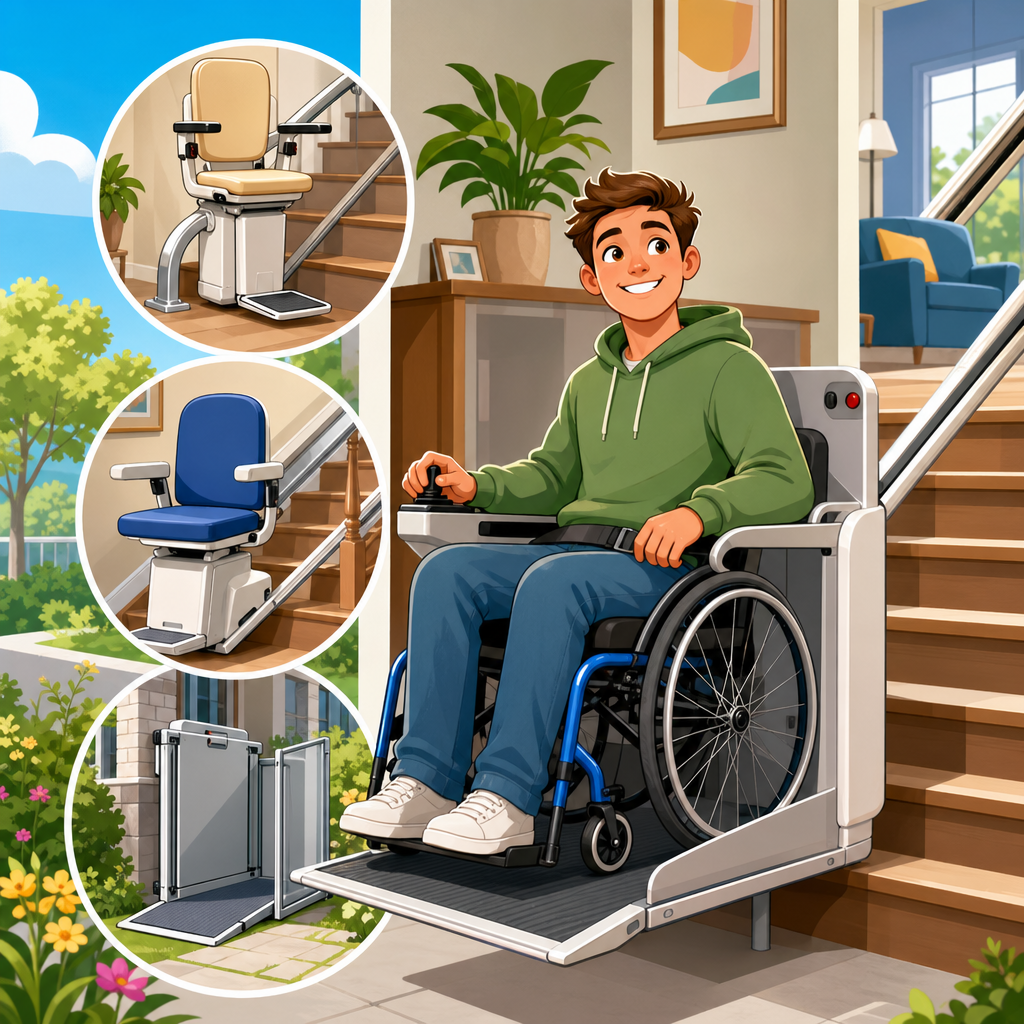
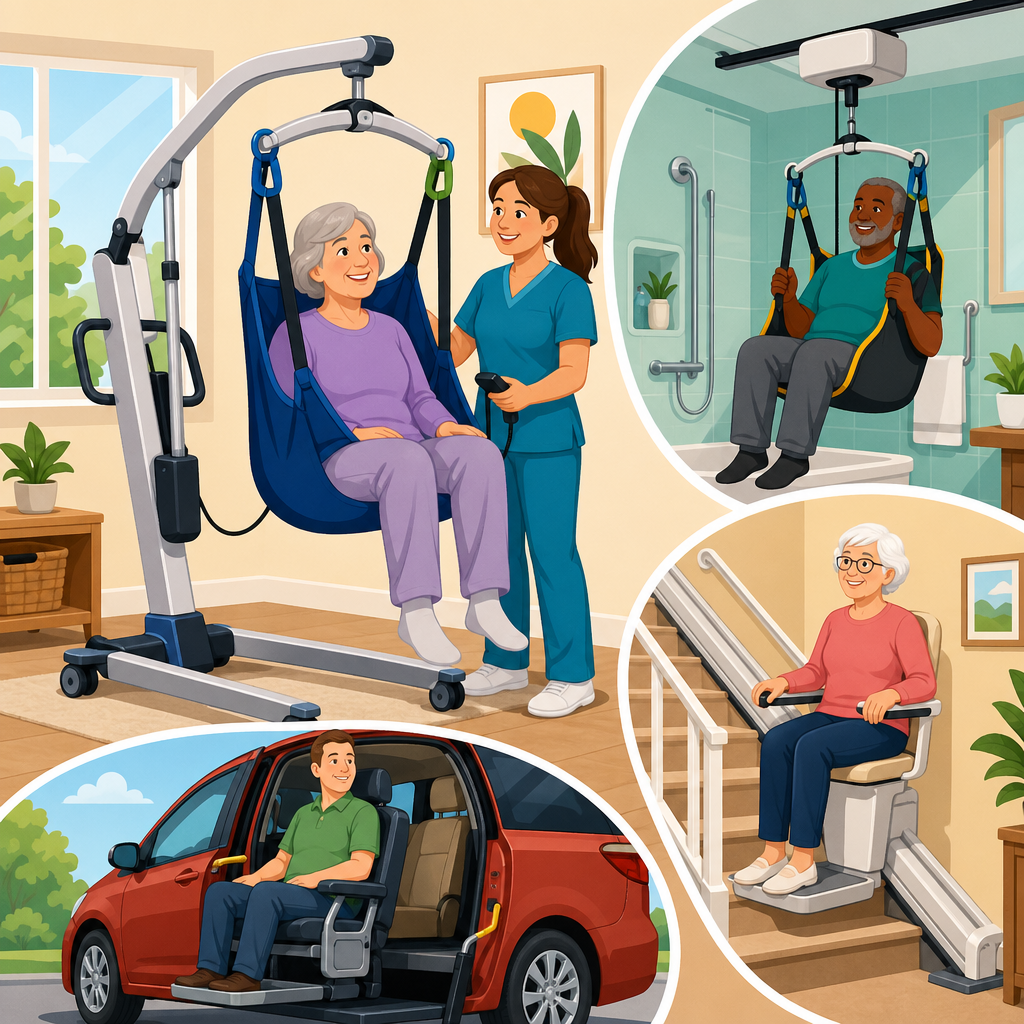
A stair lift is a motorized chair that travels along a rail mounted to the staircase, allowing a person with reduced mobility to move between floors while seated. Straight stair lifts fit stairs without turns or intermediate landings. Curved stair lifts are custom built for staircases with bends, pie landings, or multiple levels. Heavy-duty stair lifts offer wider seats and higher weight capacities, often up to 400 to 600 pounds depending on model. Outdoor stair lifts add weather-resistant finishes, covers, and components designed for temperature swings and moisture exposure.
This topic matters because falls on stairs remain one of the most consequential household safety risks for older adults and people recovering from injury. In home access assessments, I have seen well-intended purchases fail because the buyer focused on headline cost instead of fit, service coverage, or transfer safety at the top landing. The best stair lift brand for one household may be the wrong choice for another. A person with Parkinson’s disease, for example, may need a stable seat, simple controls, and predictable stopping behavior. A bariatric user may need a reinforced chassis and more generous seat width. A narrow staircase in a historic home may demand a compact folded profile to preserve walking clearance for other household members.
Occupational therapists rate stair lift brands by matching equipment characteristics to functional needs, environmental constraints, and caregiver realities. That approach makes this guide useful whether you are comparing Bruno, Stannah, Acorn, Harmar, Handicare, Savaria, or Lifeway Mobility’s house-branded solutions through local dealers. This article serves as a hub for buying guides and product reviews by explaining how therapists judge top stair lift brands, where each brand typically performs well, and what questions buyers should answer before signing a contract.
How Occupational Therapists Rate Stair Lift Brands
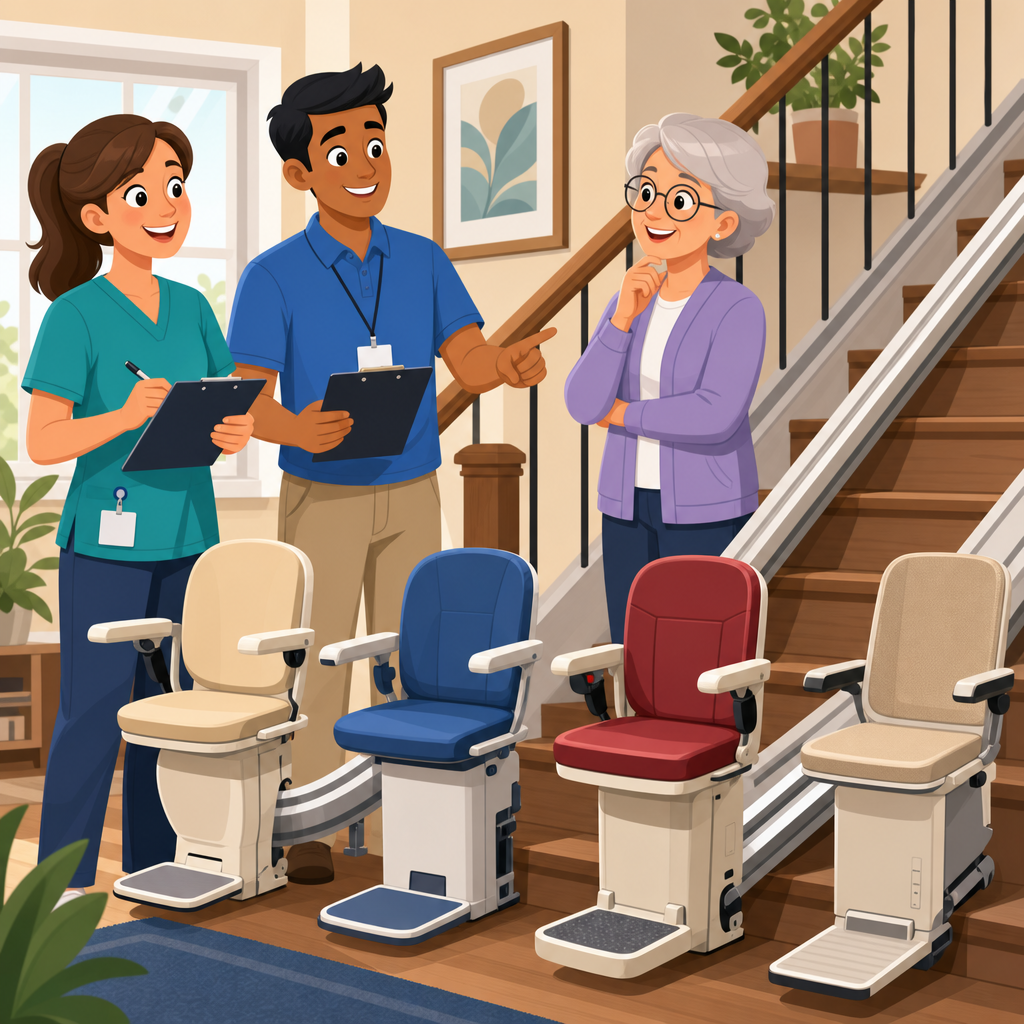
Occupational therapists start with the user, not the catalog. We assess transfers, sitting balance, lower-extremity strength, sensation, vision, judgment, and the ability to operate controls consistently. We also inspect the staircase itself, including tread depth, width, rise, top and bottom landing space, handrail position, and whether doors open into the travel path. A stair lift brand rates well when its products give enough adjustability and accessory options to solve those real-world constraints without introducing new risks.
Safety is the first rating category. High-performing brands provide seatbelts that are easy to fasten, obstruction sensors that stop the carriage when it contacts an object, and swivel seats that lock securely at the landing. Battery-powered systems are strongly preferred because they continue to function during power outages, charging at points on the rail. Ride quality also matters. A lift that starts and stops smoothly reduces anxiety and helps users with pain, spasticity, or poor trunk control remain stable.
Serviceability is the second category. Stair lifts are durable medical access equipment, but they still require maintenance, troubleshooting, and occasional repairs. A premium brand loses value quickly if replacement parts are slow to obtain in your area. This is why therapists often ask which local dealer installs and services the brand, what the average response time is, and whether technicians are factory trained. In many markets, dealer quality matters almost as much as brand quality.
Fit and usability form the third category. The best stair lift brands offer seat width choices, adjustable arm spacing, footrest options, and controls that match the user’s dexterity. Some users do well with a simple rocker switch on the armrest. Others benefit from large call-send buttons or powered swivel and powered footrest features because bending is painful or unsafe. A good fit reduces abandonment, and abandonment is a hidden cost rarely discussed in showroom conversations.
Top Stair Lift Brands and Where Each One Stands Out
Bruno is frequently rated highly by therapists for build quality, ride comfort, and strong dealer support in the United States. The Bruno Elan is a common straight stair lift recommendation for standard residential installations, while the Bruno Elite line is often considered for users needing a more robust seat and higher weight capacity. Bruno’s outdoor models are also well regarded because weather protection is integrated thoughtfully rather than treated as an afterthought. In homes where reliability and domestic parts availability are priorities, Bruno often earns a top-tier rating.
Stannah has a long global history in stair lifts and tends to score well for engineering refinement, compact rail design, and custom curved solutions. Therapists often like Stannah when the staircase geometry is challenging and the household still needs usable stair access around the folded lift. Features such as perch seating, alternative seat styles, and tailored rail configurations make Stannah especially relevant for narrow stairs or users who cannot tolerate a standard seated posture easily.
Acorn is one of the most widely recognized names because of national advertising and broad availability. It often appeals to buyers seeking a fast, standardized purchasing process. Occupational therapists may view Acorn more cautiously, not because the lifts are inherently poor, but because fit, installation details, and local service experience can vary. In straightforward straight-stair applications, Acorn can be a practical option, but buyers should scrutinize service responsiveness, folded dimensions, and transfer space closely.
Harmar is well known for offering a broad lineup that includes straight, curved, and heavy-duty stair lifts, plus vehicle and vertical platform solutions. That broader accessibility portfolio can be useful when a household may need multiple access products over time. Harmar’s heavy-duty options are commonly discussed for higher-capacity users, and therapists appreciate when a manufacturer publishes clear specifications rather than vague capacity claims. As always, installation precision and dealer competence remain decisive.
Handicare stands out for modular and custom rail options, including some solutions that can reduce installation times in complex homes. Therapists often consider Handicare when seat style, folding behavior, or hinge options at the bottom of the stairs are critical. Savaria, meanwhile, has a strong accessibility reputation across home elevators, platform lifts, and stair lifts. Savaria products may appeal in projects where the stair lift is part of a larger aging-in-place or barrier-removal plan coordinated with contractors and rehab professionals.
| Brand | Typical Strengths | Best-Fit Scenarios | Watch Points |
|---|---|---|---|
| Bruno | Ride quality, sturdy build, strong U.S. dealer network | Straight stairs, outdoor use, buyers prioritizing reliability | Premium pricing in some markets |
| Stannah | Custom curved engineering, compact design, seat options | Narrow stairs, complex layouts, custom installations | Availability depends on local dealer coverage |
| Acorn | Brand recognition, standardized sales process, quick installs | Simple straight stairs, buyers seeking mainstream options | Service experience can vary by region |
| Harmar | Broad product line, higher-capacity models, accessibility focus | Heavy-duty needs, households planning multiple access upgrades | Confirm exact model dimensions before purchase |
| Handicare | Flexible rail choices, hinge solutions, usability options | Homes with doorway conflicts or space constraints | Feature availability differs by model |
| Savaria | Integration with larger accessibility projects, reputable engineering | Whole-home accessibility planning, custom residential projects | Lead times may be longer for specialized installs |
Features That Matter More Than Brand Reputation
Brand reputation gets attention, but several technical details matter more in daily use. Weight capacity is the obvious example. A lift rated for 300 pounds is not interchangeable with one rated for 400 or 600 pounds because seat width, motor demands, and rail engineering differ. Therapists also examine seat-to-footrest geometry. If the knee angle is too tight or the seat is too low, standing at the landing can become difficult and unsafe.
Swivel behavior is another decisive feature. Manual swivel seats are acceptable for many users, but powered swivel can be worth the extra cost when pain, weakness, or limited trunk rotation prevents a safe turn. The same applies to powered footrests. When users cannot bend to unfold or fold the footplate, they may leave it deployed and create a trip hazard for others using the stairs. A folding rail or hinge track can also be essential if the rail would otherwise block a hallway or door at the bottom landing.
Noise, speed, and ride smoothness deserve more attention than they usually receive. A stair lift should not feel jerky or mechanically harsh. For users with vestibular sensitivity, post-stroke impairments, or anxiety, perceived ride stability directly affects adherence. Call-send controls also matter in multi-user homes. If one spouse rides the lift upstairs and the other needs the chair returned, wall-mounted or remote controls keep the device practical rather than frustrating.
Warranty language must be read carefully. Many stair lift warranties separate coverage for the motor, gearbox, rail, electronics, and labor. Buyers often hear “lifetime warranty” and assume full protection, but in practice labor may be limited to one year while parts continue longer. Since service calls can be costly, therapists encourage clients to compare not just manufacturer warranties but dealer maintenance plans and emergency response policies.
How to Match the Right Brand to the User and Home
The right stair lift brand depends on the interaction between user ability and staircase design. For a person with mild osteoarthritis and a standard straight staircase, several mainstream brands may work well, and dealer service quality becomes the main differentiator. For a user with hemiplegia after stroke, seat height, armrest support, one-handed control operation, and transfer alignment at the top landing become much more important than broad brand popularity.
Cognitive status must also be considered. People with dementia may mis-sequence transfers, forget seatbelt use, or become anxious mid-ride. In those cases, simpler interfaces and caregiver training are essential. A stair lift is not automatically appropriate for every diagnosis. If a person cannot remain seated safely, cannot understand basic operation even with cueing, or consistently attempts unsafe standing before the chair stops, another access solution may be more appropriate.
Home layout can eliminate options quickly. Curved stair lifts are usually custom fabricated after precise measurement, often with digital photo surveys or specialized mapping tools. They cost substantially more than straight models, but they are sometimes the only realistic solution short of a residential elevator. Narrow stairs may require a perch seat, offset rail positioning, or acceptance that the staircase will no longer support normal passing traffic comfortably. Good brands provide accurate dimension sheets; good dealers explain them before installation day.
Budget should be discussed honestly. Straight stair lifts often range from roughly $2,500 to $6,000 installed, while curved systems frequently start far higher and can exceed $10,000 to $15,000 depending on configuration. Outdoor and heavy-duty models add cost. Refurbished units may reduce expense for straight stairs, but curved rails are typically custom, limiting reuse. The cheapest quote is not the best value if it excludes labor coverage, removes key safety options, or comes from a dealer with weak service infrastructure.
Buying Guidance, Red Flags, and Questions to Ask Before You Order
Before choosing among top stair lift brands, ask for an in-home assessment rather than buying from staircase photos alone. Measurements taken only by phone are inadequate when transfer safety and landing clearance are on the line. Request model-specific dimensions in writing: folded width, seat height, arm-to-arm width, footrest size, weight capacity, and rail overrun at top and bottom. If a powered hinge or folding rail is proposed, ask how it behaves during a power interruption and what clearance remains when deployed.
Ask who will perform the installation and service. Some companies sell nationally but rely on local subcontractors whose experience varies. Confirm whether technicians are trained on that exact brand, what the average repair response time is, and whether common replacement parts are stocked locally. Also ask about removal, buyback, or transfer policies if the user’s condition changes. Families often overlook these lifecycle questions until after hospitalization, relocation, or bereavement.
Watch for red flags during the sales process. Be cautious if the salesperson dismisses transfer concerns, avoids discussing diagnosis-specific needs, or pressures you to sign the same day. Be skeptical of blanket statements such as “this model fits every staircase” or “all brands are basically the same.” They are not. Rail geometry, seat ergonomics, service support, and long-term durability differ in ways that become obvious only after daily use begins.
The most useful next step is to compare two or three leading brands through the lens occupational therapists use: safety, fit, service, and sustainability over time. Start with an in-home assessment, review written specifications, and involve the actual user in a test ride whenever possible. A well-matched stair lift restores access to the full home, reduces caregiver strain, and lowers fall risk on the stairs. Use this hub as your starting point, then move into detailed brand reviews and model-specific buying guides before you buy.
Frequently Asked Questions
How do occupational therapists rate stair lift brands differently from consumers or sales representatives?
Occupational therapists usually evaluate stair lift brands through a clinical and functional lens rather than a purely marketing or price-based perspective. While a consumer may focus first on cost, appearance, or promotional features, an occupational therapist is more likely to ask whether the stair lift supports safe transfers, reduces fall risk, matches the user’s physical abilities, and remains practical for long-term use in the home. In other words, the rating process is centered on the person, not just the product.
That means therapists pay close attention to factors such as seat height, swivel function, armrest stability, footrest positioning, ease of operating the controls, and how predictable the ride feels for someone with weakness, balance impairment, arthritis, or neurological conditions. A brand may have an attractive brochure, but if the seat is too narrow, the controls are confusing, or the transfer position at the top landing creates a safety hazard, it may not rate well from a therapy standpoint.
Occupational therapists also consider how the stair lift fits into the full home environment. They look at stairway width, landing space, rail placement, the user’s need for caregiver assistance, and whether other household members can still use the stairs safely. Reliability matters too. A stair lift that breaks down often or is difficult to service can quickly become more than an inconvenience; it can interfere with basic access to sleeping areas, bathrooms, and essential daily routines. For that reason, therapists often place strong value on brands known for dependable operation, accessible maintenance, and consistent support after installation.
Ultimately, when occupational therapists rate stair lift brands, they are asking a broader question: which option best supports independence, safety, and sustained use over time? That often leads to recommendations that may differ from what a shopper would choose based on price or brand familiarity alone.
What features do occupational therapists consider most important when comparing stair lift brands?
Several features tend to matter repeatedly in occupational therapy evaluations, and the most important ones are usually tied to safety, transfer quality, and usability. One of the first is the seat itself. Therapists look at seat width, depth, height, and cushioning because these dimensions affect whether the user can sit down and stand up safely. A poorly sized seat can increase the effort required for transfers and raise the risk of sliding, leaning, or losing balance.
The swivel seat is another major consideration. At the top of the stairs especially, a smooth and secure swivel function can make the difference between a controlled transfer and a dangerous pivot near the stair edge. Occupational therapists want to know whether the swivel locks firmly, whether it is easy for the user to operate, and whether it places the person in a safer position for standing. Footrest design also matters. If the footrest is too high, too small, or difficult to fold, it may be a barrier for users with limited hip or knee motion, weakness, or visual impairment.
Control simplicity is also high on the list. Many users do best with large, intuitive controls that require minimal grip strength and limited cognitive effort. Therapists may be cautious about brands that rely on small buttons, complex menus, or awkward hand positions. For someone with tremors, arthritis, low vision, or mild cognitive impairment, even a small design issue can significantly affect safe daily use.
In addition, occupational therapists look carefully at safety sensors, seat belt design, ride smoothness, start-and-stop motion, battery backup, and the stability of the rail system. They may also compare how well a brand accommodates body size, posture needs, and medical conditions. For example, some users need higher weight capacity, more supportive seating, or a configuration that reduces painful hip flexion. The best-rated stair lift brands are often the ones that combine mechanical reliability with thoughtful, user-friendly design features that work well in real-life home situations, not just in showroom demonstrations.
Is the best stair lift brand always the safest choice for every user?
No. From an occupational therapy perspective, there is rarely a single stair lift brand that is universally “best” for everyone. A brand may be highly regarded overall yet still be a poor fit for a particular user, staircase, or home layout. Safety is highly individualized, and the safest stair lift is usually the one that matches the person’s transfer abilities, body dimensions, cognition, endurance, and environment most closely.
For example, one person may need a very stable seat and simple controls because of stroke-related weakness and reduced balance. Another may need a model that accommodates larger body size or limited knee flexion. Someone with Parkinson’s disease may benefit from features that support more predictable movement and easier positioning, while a person with dementia may require a simpler operating interface and very clear sequencing. A stair lift brand that performs well in one of these situations may not be the top choice in another.
The staircase itself also affects safety. Straight staircases, curved staircases, narrow steps, limited landing areas, and doorways near the top or bottom all influence which brand and configuration are most appropriate. Even a high-quality stair lift can become unsafe if the rail placement crowds the stairs, blocks walking paths, or leaves too little room for a safe transfer on the landing.
This is why occupational therapists often emphasize individualized assessment over brand rankings alone. Brand reputation is important, but it should be filtered through the user’s specific needs and the home’s physical realities. In practice, the safest choice is usually the stair lift brand that best supports a secure transfer, comfortable seated posture, easy operation, and dependable performance in that exact setting. A strong brand can be an excellent starting point, but it is not a substitute for matching the equipment carefully to the person and the home.
Why do occupational therapists care so much about stair lift transfers and body fit?
Transfers are one of the most critical moments in stair lift use because that is when many falls and near-falls can happen. Riding the lift itself is only part of the safety picture. The user must be able to approach the seat, turn, lower down in a controlled way, maintain position during the ride, and then stand up safely at the destination. If any part of that sequence is difficult, the overall stair lift setup may not truly support independence.
Body fit plays a major role in whether these transfers are safe and realistic. If the seat is too low, a user with weak legs may struggle to stand. If it is too narrow, they may not be positioned securely. If the armrests are poorly placed, they may not provide effective support for sitting and rising. If the footrest height creates awkward joint angles, the user may have difficulty getting settled or standing up comfortably. These details can seem minor on paper, but in everyday use they can determine whether a person feels stable and confident or anxious and unsafe.
Occupational therapists also know that body fit goes beyond basic height and weight. They consider joint stiffness, pain, posture, contractures, one-sided weakness, poor trunk control, obesity, low endurance, and sensory or perceptual impairments. A stair lift that technically supports the user’s weight may still be a poor clinical fit if the seat dimensions, transfer angles, or control placement do not match the person’s movement patterns and limitations.
In addition, good fit helps preserve long-term usability. A stair lift may seem acceptable during a quick demonstration, but if the user has to struggle every day to sit, swivel, or stand, the equipment may gradually become less safe or less likely to be used consistently. Occupational therapists focus on these issues because the goal is not merely to install a device, but to support reliable and sustainable access throughout daily life. A properly fitted stair lift can reduce caregiver burden, improve confidence, and help the person remain in the home more safely for longer.
Should homeowners rely on stair lift brand rankings alone, or get a professional assessment first?
Homeowners should treat brand rankings as a useful starting point, not the final decision-making tool. Rankings can help narrow the field and identify manufacturers known for quality, safety features, or good service records, but they cannot fully account for the unique needs of an individual user or the specific demands of a particular home. A professional assessment, especially when complex mobility or medical issues are involved, often provides insights that generic comparisons simply cannot.
An occupational therapist can evaluate how the user gets on and off the lift, whether they can operate the controls consistently, how their diagnosis affects safety, and whether the stair lift will truly improve access without creating new risks. The therapist may also identify concerns a homeowner would not necessarily notice, such as insufficient landing space, poor transfer mechanics, the need for caregiver positioning, or problems related to vision, judgment, fatigue, or cognition. These factors can change which brand or model is most appropriate.
Professional input can also help prevent expensive mistakes. Installing the wrong stair lift may lead to discomfort, inconsistent use, increased fall risk, or the need for modifications later. In some cases, a therapist may even determine that a stair lift is not the best solution and that another accessibility option would better meet the person’s needs. That kind of guidance can be especially valuable in progressive conditions where future mobility changes should be considered during planning.
So while stair lift brand ratings are helpful, the best decisions usually combine product research with individualized assessment. Homeowners who do both tend to make safer, more durable choices. They are not just asking which brand