Choosing between a stair lift and a home elevator is one of the most important decisions families make when adapting a house for long-term accessibility. Both options solve the same core problem—safe movement between floors—but they differ sharply in cost, installation demands, usability, aesthetics, maintenance, and future value. In home accessibility modifications, the right choice depends less on the device itself and more on the resident’s mobility profile, the home’s structure, and the plan for aging in place. I have helped homeowners compare bids, evaluate floor plans, and coordinate with contractors, and the pattern is consistent: people who make the best decision begin by defining their daily mobility needs before looking at product catalogs.
Home accessibility modifications are physical changes that reduce barriers for people with limited mobility, balance challenges, chronic pain, or disability. This category includes stair lifts, residential elevators, wheelchair ramps, vertical platform lifts, widened doorways, barrier-free showers, grab bars, lever handles, non-slip flooring, improved lighting, and smart controls. Stair lifts and elevators are often the headline upgrades because stairs become a decisive barrier after injury, surgery, neurological conditions, arthritis progression, or general aging. A stair lift is a motorized chair attached to a rail that carries a seated user along an existing staircase. A home elevator is an enclosed lift system that moves people, wheelchairs, and sometimes cargo between levels through a shaft or hoistway.
This comparison matters because the wrong accessibility investment can create new limitations. A stair lift may work well for a user who can transfer safely from standing to seated, but it can fail a wheelchair user who cannot pivot or bear weight. An elevator can provide broad accessibility and improve resale appeal in some markets, yet the installation cost, code requirements, and construction disruption may be impractical for many homes. Families also need to think beyond immediate needs. A modification that solves access this year may not support changes in strength, endurance, caregiver assistance, or equipment use five years from now. The best home accessibility strategy balances present safety, future flexibility, budget realism, and the physical constraints of the property.
What a stair lift does best
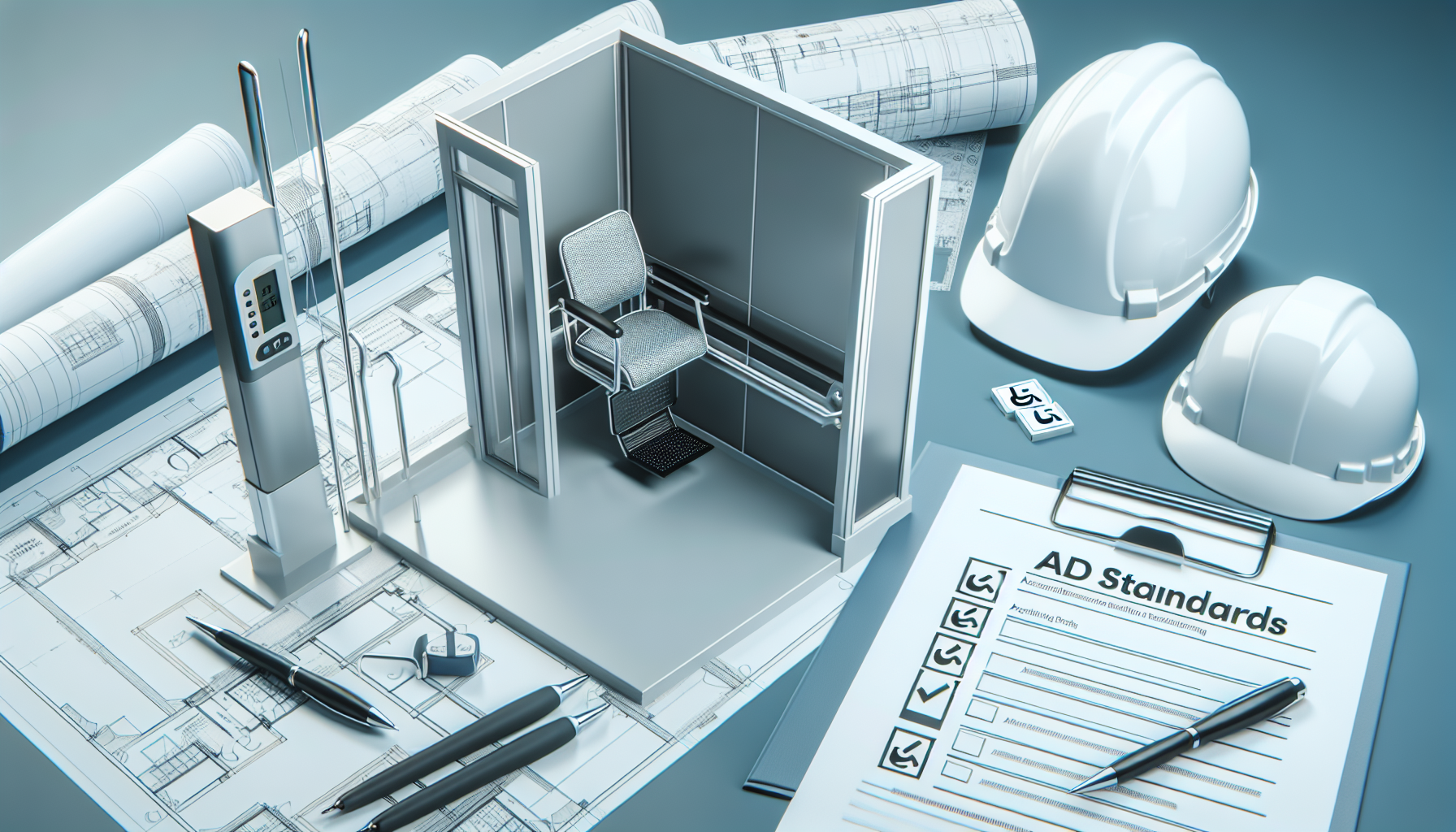
A stair lift is usually the fastest and least disruptive way to restore access to an upper floor. In many cases, installation takes less than a day once the unit is manufactured and delivered, because the rail mounts to the stair treads rather than the wall. Straight stair lifts are the simplest and most affordable type. Curved stair lifts, designed for landings, turns, or spiral-like layouts, are custom built and significantly more expensive. Most modern units include a swiveling seat, seat belt, obstruction sensors, fold-up footrest, battery backup, and call-send controls at each end of the rail.
The biggest advantage of a stair lift is targeted accessibility without major remodeling. For a homeowner recovering from knee replacement, living with moderate arthritis, or experiencing reduced stamina on stairs, the lift can preserve use of the whole house quickly. I have seen families avoid an urgent first-floor bedroom conversion simply by installing a straight rail system on a standard staircase. It is also easier to remove than an elevator if needs change. For homes with limited square footage or historic construction where a shaft would be difficult to add, a stair lift often becomes the most realistic path to safe vertical access.
Stair lifts do have strict limits. They generally carry one seated person at a time and are not a practical wheelchair solution unless the user can transfer independently. They also leave the staircase partly occupied by rail and folded chair components, which can affect other household members carrying laundry, groceries, or medical equipment. Weight capacity varies by model, often around 250 to 400 pounds, with heavy-duty versions available for more. Users with severe balance issues, advanced Parkinson’s symptoms, significant spasticity, or cognitive impairment may find boarding, fastening the belt, and swiveling at the top landing more difficult than expected. In those cases, the device addresses stairs but not the broader transfer risk.
When a home elevator is the better accessibility investment
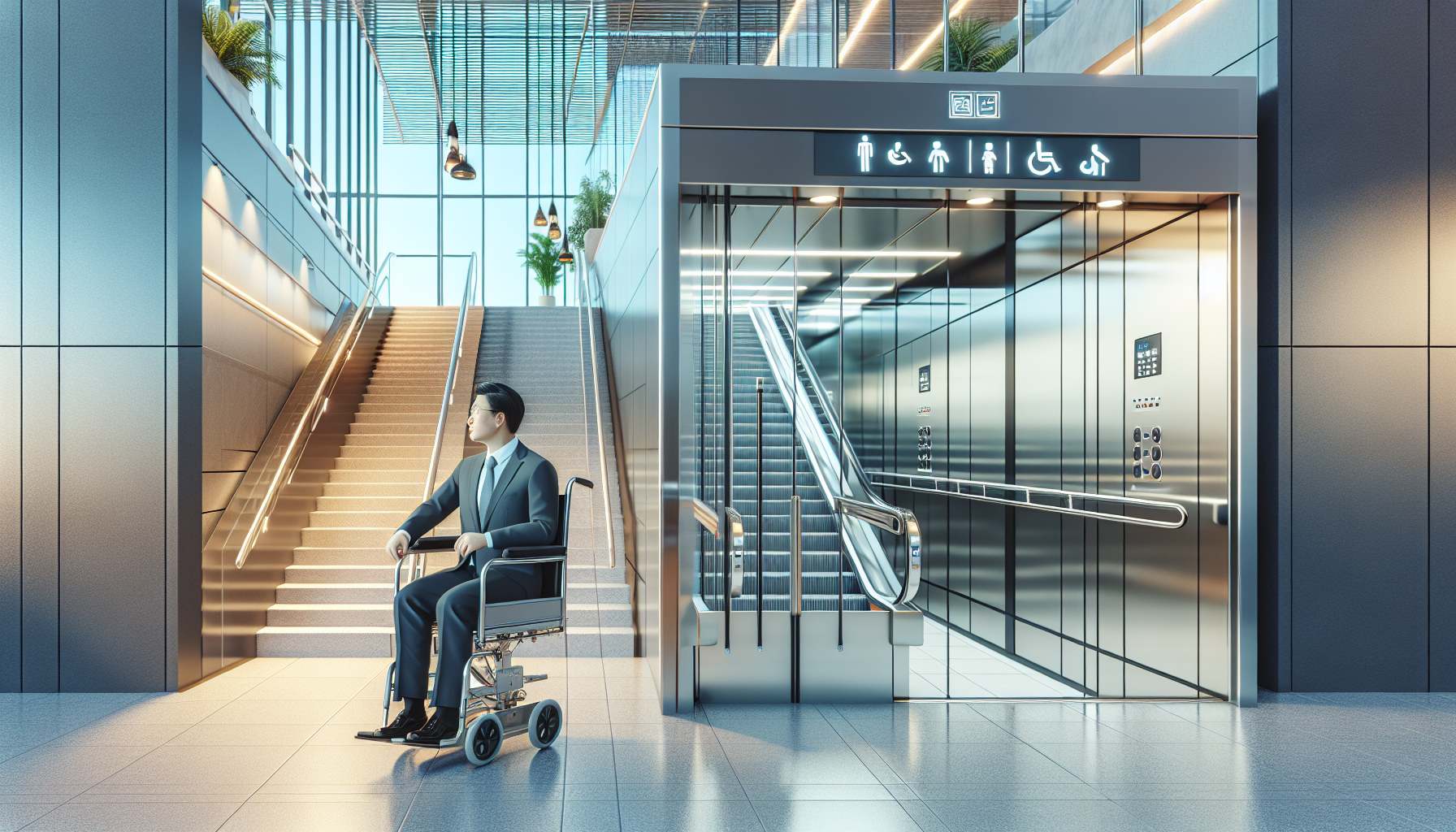
A home elevator offers the most complete multilevel access because it transports the user in an enclosed cab and can accommodate a wheelchair, walker, caregiver, or household items depending on the model. For residents with progressive conditions, limited transfer ability, or reliance on mobility devices, this broader usability is the reason elevators often outperform stair lifts over time. A properly planned residential elevator can connect two or more floors while preserving dignity, reducing caregiver strain, and allowing safer transport of laundry, luggage, groceries, and oxygen equipment.
From an accessibility standpoint, the elevator’s key strength is future-proofing. If a homeowner currently uses a cane but may later use a walker or wheelchair, an elevator can delay or eliminate another major renovation. I have worked on projects where clients first requested a stair lift, then shifted to an elevator after an occupational therapist documented progressive weakness and transfer instability. That change increased upfront cost but prevented a second round of construction. Elevators also serve multiple users more comfortably, which matters in multigenerational homes where more than one person has mobility limitations.
The tradeoff is complexity. Residential elevators typically require more space, structural work, electrical planning, and permitting than stair lifts. Depending on the system, the installation may involve a hoistway, machine room or machine-room-less configuration, pit depth, overhead clearance, and fire-rated components as required by local code. Common drive types include hydraulic, traction, winding drum, and pneumatic vacuum systems. Each has implications for noise, maintenance, ride quality, and layout flexibility. While elevators are highly effective, they are not plug-and-play products. Successful projects depend on detailed site assessment, code coordination, and realistic budgeting from the beginning.
Cost, construction, and long-term value compared
Cost is usually the deciding factor, but homeowners should compare total project cost rather than sticker price alone. A straight stair lift commonly costs far less than a home elevator, while curved stair lifts narrow the gap because customization increases manufacturing expense. Elevators cost more not only because of equipment, but because they often require framing, finishes, electrical upgrades, permits, inspections, and sometimes redesign of adjacent rooms or closets. Ongoing costs also differ. Stair lifts need battery replacement, periodic service, and rail cleaning. Elevators require scheduled maintenance, inspections in some jurisdictions, and eventual component replacement.
Construction impact matters just as much as cost. A stair lift usually preserves the existing floor plan and can be installed after a brief measurement visit. An elevator may require weeks or months of design coordination and construction, especially in an existing home. However, when planned during new construction or a major remodel, the elevator becomes much more efficient to integrate. I often advise homeowners already opening walls for accessibility renovations—such as bathroom reconfiguration or first-floor suite creation—to price the elevator at the same time. Bundling work reduces mobilization costs and allows better structural and electrical planning.
| Factor | Stair Lift | Home Elevator |
|---|---|---|
| Typical use case | Seated user who can transfer safely | User needing wheelchair access or caregiver support |
| Installation time | Usually hours to a day after fabrication | Often weeks with permitting and construction |
| Structural changes | Minimal | Moderate to substantial |
| Upfront cost | Lower, especially for straight stairs | Higher due to equipment and construction |
| Future flexibility | Limited if mobility declines | High for changing needs |
| Resale perception | Mixed, often neutral | Can be a premium feature in some markets |
Long-term value depends on who will use the home and for how long. A stair lift may be the best value if the goal is immediate, affordable access for one resident in a house likely to be sold within a few years. A home elevator may create stronger long-term value if the owner expects to age in place for a decade or more, especially in a multistory home where main living functions cannot reasonably be moved downstairs. In upper-end markets, elevators can support resale by appealing to buyers seeking luxury and accessibility together. In more price-sensitive markets, that value may not be fully recovered. The practical return is often measured in years of safe independence rather than pure resale math.
How to match the right solution to the resident and the house
The best decision starts with an honest assessment of the user, not the staircase. Key questions include: Can the person sit and stand safely? Can they pivot without losing balance? Do they use a walker or wheelchair? Is a caregiver usually present? Is the condition temporary, stable, or progressive? An occupational therapist, physical therapist, certified aging-in-place specialist, or accessibility-focused contractor can identify risks that families overlook. I have seen clients assume they could use a stair lift comfortably, only to struggle with seat height, hip pain, or top-landing dismount. A brief functional assessment often prevents expensive mistakes.
The house itself may rule options in or out. Narrow stairs, intermediate landings, low headroom, or door conflicts can complicate stair lift installation, though many curved systems can work around challenging geometry. Elevators need stacked space across levels, or a creative path through closets, corners, or adjacent rooms. Foundation conditions, ceiling height, and the route of plumbing, ductwork, and framing all influence feasibility. In older homes, structure and finish work can add significant cost. That is why site-specific measurement is essential; online price ranges are useful only as a starting point, never as a final budget.
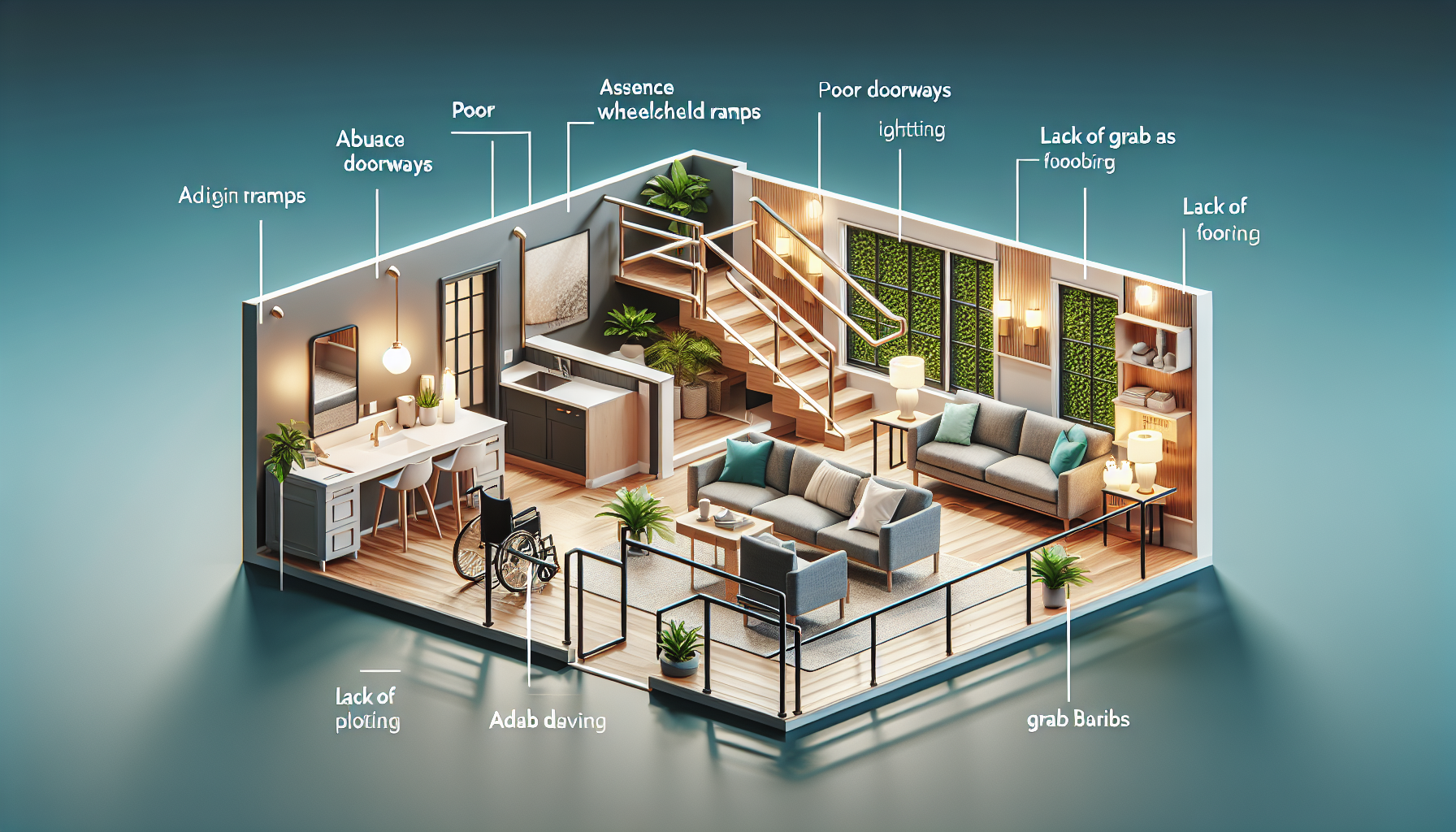
Home accessibility modifications should also be planned as a system. Vertical access is only one part of usable living. If an elevator reaches a second floor but bathroom doorways are too narrow, the investment is incomplete. If a stair lift allows bedroom access but the tub remains unsafe, fall risk remains high. The strongest hub strategy for home accessibility modifications links stair lifts and elevators to related upgrades: zero-threshold showers, comfort-height toilets, grab bars anchored to blocking, improved task lighting, wider hallways, lower thresholds, non-slip flooring, and smart-home voice controls. A well-designed accessibility plan removes barriers in sequence, from entrance to bedroom to bathroom to kitchen.
Codes, safety standards, and buying advice that prevent expensive mistakes
Any vertical mobility product should be evaluated through safety, code compliance, and service support, not only price. Residential elevators in the United States are commonly governed by ASME A17.1/CSA B44 safety standards, while local building departments may add permit, inspection, electrical, and fire protection requirements. Stair lifts are often simpler from a code perspective, but they still need safe clearances, proper charging points, and manufacturer-approved installation. Reputable dealers should explain load capacity, emergency lowering, battery backup, obstruction sensors, warranty coverage, and service response times in writing.
Buying advice is straightforward: get multiple bids, ask who performs service locally, and insist on a home-specific scope of work. For elevators, ask whether the quote includes design, framing, drywall repair, permits, finish carpentry, and electrical upgrades. For stair lifts, ask whether the rail leaves enough clear walking width for others and whether top and bottom overrun options improve safety. Used or reconditioned stair lifts can be a good value on straight stairs, but custom curved systems are generally made for a specific staircase and are harder to reuse. With elevators, cutting corners on installation quality is far riskier than saving a small percentage on price.
The best home modification is the one that keeps the resident safe, preserves independence, and still works as mobility changes. For some households, that means a stair lift installed quickly and affordably on an existing staircase. For others, especially wheelchair users or homeowners planning decades in place, a residential elevator is the smarter investment. Compare the user’s physical abilities, the home’s structural realities, total project cost, and the need for future flexibility before deciding. Then connect that choice to the rest of your home accessibility modifications so every essential space remains usable. If you are planning accessibility upgrades now, start with an in-home assessment and a written scope that prioritizes safety first.
Frequently Asked Questions
What is the main difference between a stair lift and a home elevator?
The biggest difference is how each system moves a person between floors and what level of accessibility it provides. A stair lift is a motorized chair that travels along a rail mounted to the staircase. It is designed primarily for someone who can still transfer into and out of a seated position safely. A home elevator, by contrast, is an enclosed or semi-enclosed platform or cab that carries a person vertically between levels, often allowing room for a wheelchair, walker, or another passenger depending on the model. In practical terms, a stair lift is usually the simpler and more affordable solution, while an elevator is the more comprehensive accessibility upgrade.
That difference affects nearly every other decision factor. Stair lifts typically install faster, require less structural change, and cost significantly less upfront. They are often a strong fit for households where one person needs help with stairs but can still sit, pivot, and stand with limited assistance. Elevators generally involve more planning, more construction, and a higher budget, but they can support a wider range of mobility needs, especially when a resident uses a wheelchair, has balance limitations, or is expected to experience declining mobility over time.
There is also a lifestyle component. Stair lifts solve the problem of getting one person up and down a staircase, but they do not transport laundry, groceries, luggage, or multiple people with the same ease. A home elevator can become part of the day-to-day function of the house for everyone, not just the person with mobility needs. That makes elevators attractive for aging-in-place plans that are meant to serve both immediate accessibility goals and long-term convenience.
Which option is better for aging in place: a stair lift or an elevator?
The better option for aging in place depends on whether the goal is to solve today’s mobility challenge or to plan for future physical changes as well. A stair lift is often the right choice when someone has difficulty climbing stairs but still has enough strength, balance, and coordination to transfer safely onto the seat. For many families, that makes it an excellent near-term solution because it is less disruptive, less expensive, and faster to install. If the person’s mobility needs are relatively stable, a stair lift may provide years of safe use.
A home elevator is usually the stronger long-term aging-in-place solution when there is a possibility of increased mobility limitations later. If a resident already uses a wheelchair or walker, has progressive health conditions, or may eventually need caregiver assistance during transfers, an elevator often provides better long-range usability. It removes the need to navigate a seat on a staircase and can offer safer, more dignified access between floors for someone whose balance, endurance, or joint function may change over time.
Families should also think beyond the equipment itself and consider the full accessibility path. For example, a stair lift may carry someone upstairs, but they still need sufficient mobility to move safely on and off the chair and access bathrooms, bedrooms, and hallways at each level. An elevator often fits more naturally into a broader accessibility strategy because it can integrate with wheelchair access, wider doorways, and barrier-free layouts. If the plan is truly to remain in the home for many years, especially through changing health needs, an elevator is frequently the more future-ready investment, even though the upfront cost is much higher.
How do cost and installation compare between a stair lift and a home elevator?
In most cases, a stair lift is dramatically less expensive and much easier to install than a home elevator. Stair lifts are commonly mounted directly to the stair treads or rail system and usually do not require major remodeling. Straight staircases are especially simple, while curved staircases can cost more because the rail must be custom built. Even so, the overall process is usually measured in days or weeks rather than the longer planning and construction timeline often associated with elevators.
Home elevators involve a much broader range of costs because pricing depends on the elevator type, number of floors served, size of the cab, drive system, finish options, and the amount of structural work needed. Many homes require a shaft or hoistway, electrical upgrades, reinforced framing, or space reconfiguration. In some retrofit projects, installation can be fairly straightforward if the home has ideal layout conditions. In others, it may require extensive remodeling to create the vertical pathway and support systems the elevator needs.
It is also important to compare total project cost rather than equipment price alone. Stair lift costs are generally more predictable, though features such as powered swivel seats, folding rails, or custom curves can increase the final number. Elevator costs often include design consultation, permits, contractor labor, finish carpentry, and possible code-related upgrades. Because of that, families should get estimates from both accessibility equipment providers and qualified contractors before deciding. A stair lift is almost always the lower-cost entry point, but an elevator may make more financial sense over the long term if it prevents multiple rounds of renovations as mobility needs evolve.
What factors should homeowners consider besides price?
Price matters, but it should not be the only deciding factor because accessibility equipment affects safety, independence, comfort, and how well the home will function in the future. One of the most important considerations is the resident’s mobility profile. Can the person sit and stand safely without a high risk of falling? Do they use a wheelchair or walker? Are they living with a condition that is stable, or one that may progress over time? These questions often reveal whether a stair lift will be practical or whether an elevator is the better fit.
The home itself is another major factor. Stair lifts depend on the shape and width of the staircase and may leave less walking clearance for other users, especially on narrow stairs. Elevators require suitable space, and not every home can accommodate one without meaningful design compromises. Homeowners should also think about who else lives in the house and how the modification will affect everyday flow. A stair lift may meet one person’s needs but still leave the house difficult for visitors, caregivers, or future residents with different mobility needs. An elevator can be more universally useful, but it demands more planning and space.
Aesthetics, maintenance, and resale are also worth serious attention. Some homeowners are comfortable with the visible presence of a stair lift rail and seat, while others prefer the cleaner, more integrated appearance of an elevator. Maintenance obligations differ as well. Stair lifts require routine servicing and battery checks, while elevators need regular professional maintenance and, depending on the system, may involve more technical service requirements. From a resale perspective, an elevator may appeal as a premium home feature in some markets, while a stair lift is often seen as a specialized adaptation that can be removed. The right choice is the one that aligns not only with budget, but with the resident’s safety needs, the home’s physical constraints, and the family’s long-term plan.
Can a stair lift increase safety enough, or is an elevator generally the safer choice?
Both can improve safety substantially when properly selected and installed, but they are safest in different situations. A stair lift can be very safe for someone who has trouble climbing stairs yet can still transfer in and out of a chair with control. Modern stair lifts typically include seat belts, obstruction sensors, swivel seats, and call-send controls. For the right user, these features can sharply reduce the risk of falling on the stairs, which is often the immediate hazard families are trying to solve.
However, the transfer process is where safety must be examined carefully. If the user has poor balance, significant weakness, dizziness, severe arthritis, or difficulty turning and sitting, a stair lift may not reduce risk as much as expected because getting onto and off the seat can still be physically demanding. In those cases, an elevator is often the safer choice because it minimizes transfers and can provide a more stable, direct way to move between floors. For wheelchair users in particular, an elevator is generally the safer and more practical solution because it is designed to accommodate mobility equipment more effectively.
Safety should also be evaluated in terms of future use, not just current ability. A stair lift that works well today may become less safe if the resident’s condition changes. That is why professional assessment is so important. An occupational therapist, accessibility specialist, or experienced home mobility provider can help determine whether the user can operate a stair lift safely over time or whether an elevator would better support long-term independence. In short, a stair lift can absolutely be safe enough for the right person, but an elevator is often the safer option when mobility is limited, complex, or likely to decline.