Making a multi-level home senior-friendly starts with a simple goal: reduce fall risk, preserve independence, and make everyday movement easier without making the house feel institutional. In home accessibility modifications, that means changing the built environment so older adults can move safely between rooms, floors, and daily routines as mobility, balance, vision, grip strength, and stamina change over time. A multi-level layout adds complexity because stairs, split entries, sunken living rooms, second-floor bedrooms, and basement laundry areas create repeated transitions. I have walked families through these decisions room by room, and the most successful plans begin before a crisis. The right changes support aging in place, lower caregiver strain, and often prevent expensive injuries. According to the CDC, falls are a leading cause of injury among older adults, and many happen at home. A smart accessibility plan focuses first on safe circulation, then on bathrooms, bedrooms, kitchens, entries, and emergency response. This hub article explains the core modifications, how to prioritize them, and where each improvement fits in a practical whole-home strategy.
Start with a whole-home safety assessment and a priority plan
The best way to make a multi-level home senior-friendly is to assess how a person actually lives in the house, not how the floor plan looked on paper twenty years ago. I start by mapping essential activities of daily living: sleeping, bathing, toileting, cooking, laundry, getting mail, taking medication, and exiting during an emergency. If any essential task requires stairs, narrow turns, poor lighting, or stepping over obstacles, that area becomes a priority. A thorough review looks at gait speed, use of a cane or walker, hand strength, vision, hearing, endurance, and cognitive changes such as forgetfulness or slowed reaction time. It also examines flooring friction, threshold heights, stair geometry, handrail continuity, and bathroom transfer space.
Families often ask which home accessibility modifications should come first. The answer is consistent: remove immediate hazards, improve lighting, add secure hand support, and create at least one accessible sleeping and bathing option on the main level if possible. That may mean converting a den into a bedroom or adding a shower where a powder room now sits. Prioritization matters because budgets are finite. A well-sequenced plan prevents spending on cosmetic upgrades while dangerous circulation problems remain untouched. It also helps coordinate contractors so electrical work, carpentry, flooring, and plumbing changes happen in the right order.
Make stairs safer and reduce the need to use them
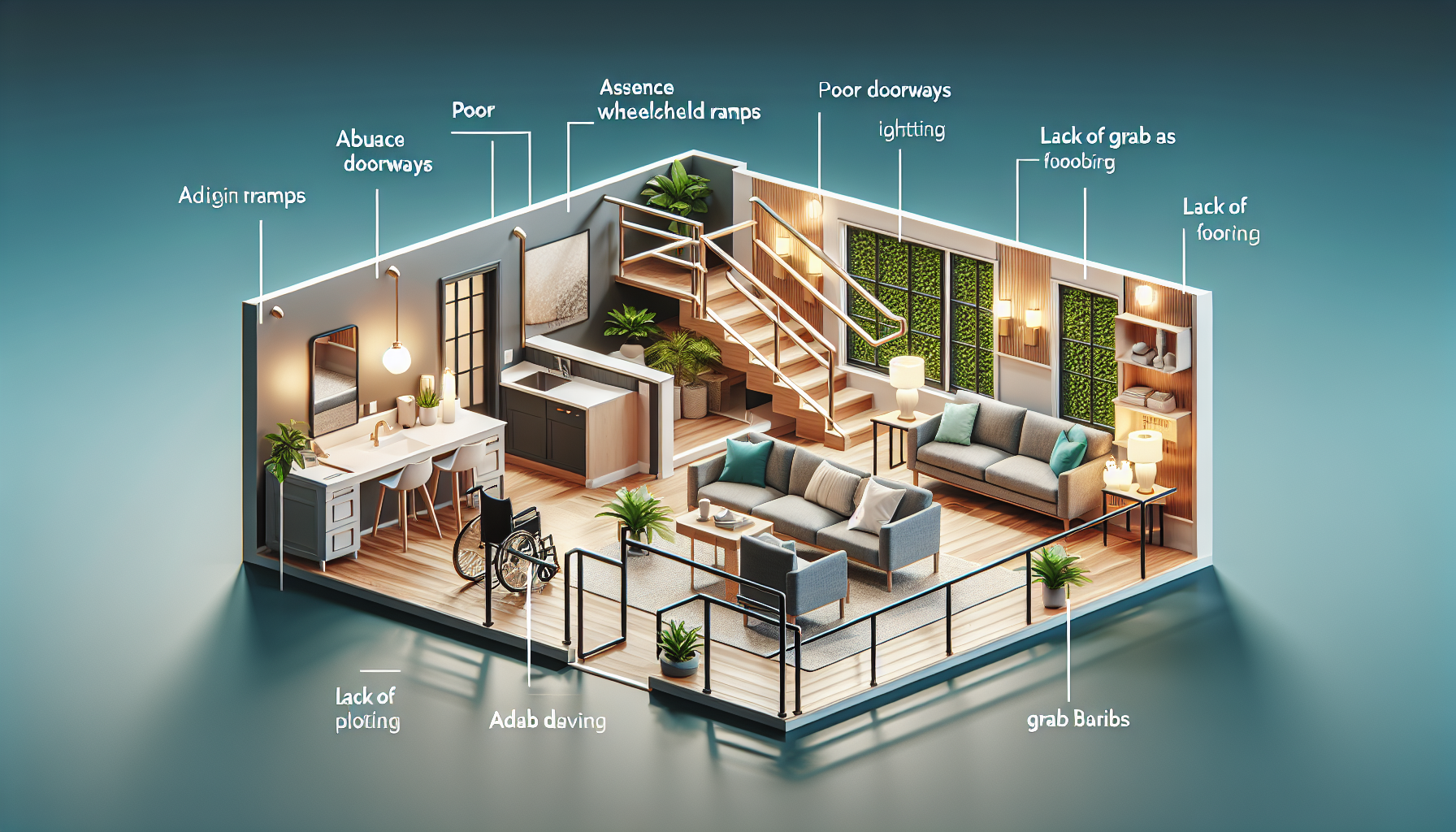
In a multi-level home, stairs are the defining accessibility challenge. Safer stairs begin with two graspable handrails, ideally on both sides, mounted continuously for the full run and extending slightly beyond the top and bottom risers. Round or oval profiles are easier for aging hands to grip than oversized decorative rails. Every tread should be uniform in depth and height; even small inconsistencies can trip a person with reduced foot clearance. Nonslip nosings, high-contrast edge markings, and bright, shadow-free lighting improve visual perception. Carpet must be low pile and tightly secured, because loose runners and thick padding increase instability.
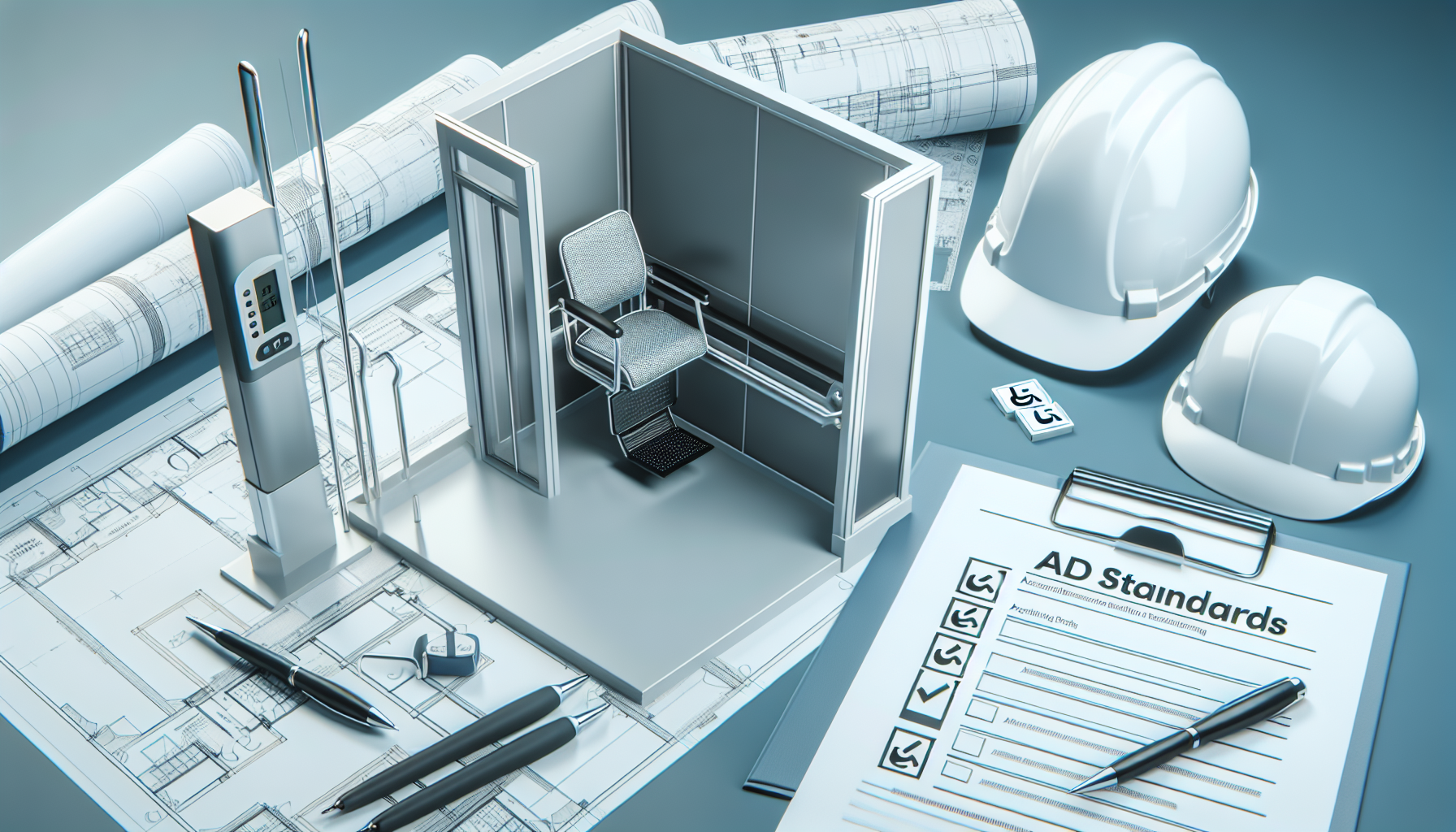
Sometimes the safest choice is to reduce stair use altogether. A first-floor bedroom and full bath is the gold standard because it eliminates routine vertical travel. If that is not feasible, a stair lift can be effective when the user can transfer on and off the seat safely and cognitive function is sufficient to operate the controls. Straight lifts are generally simpler and less expensive than curved systems, but both require adequate landing space and regular maintenance. For wheelchair users or those with significant transfer limitations, a residential elevator or vertical platform lift may be more appropriate. These systems cost more and involve structural, electrical, and permitting work, yet they can preserve access to the full home. The key is matching the device to present needs and likely progression over five to ten years.
Improve flooring, lighting, and transitions throughout the house
Many falls happen outside the bathroom and staircase because everyday circulation paths are full of small hazards. Good home accessibility modifications simplify walking surfaces. Replace slick tile, polished stone, or worn hardwood finishes with higher-traction materials, or use slip-resistant coatings where replacement is impractical. Remove loose rugs unless they are fully secured with low-profile, noncurl backing. Thresholds should be beveled or reduced, especially where a walker or wheelchair may pass. In split-level homes, pay close attention to single-step transitions near entries, family rooms, and patios. Those isolated steps are easy to miss, especially in low light.
Lighting should be layered and consistent. I recommend brighter ambient lighting in halls, stairs, kitchens, and bathrooms, supplemented with task lighting at sinks, counters, bedside areas, and reading chairs. Motion-sensor night-lights are useful for the route from bedroom to bathroom, but they should complement, not replace, stable overhead illumination. Light switches belong at both ends of stairs and near room entrances. Smart bulbs and voice control can help seniors who have arthritis or difficulty reaching switches, though any smart-home setup must remain simple enough to use reliably. Window treatments also matter. Glare can reduce depth perception, while heavy curtains can be hard to operate. Choose adjustable coverings that control brightness without blocking daylight.
Focus on bathrooms first because they combine water, transfers, and tight spaces
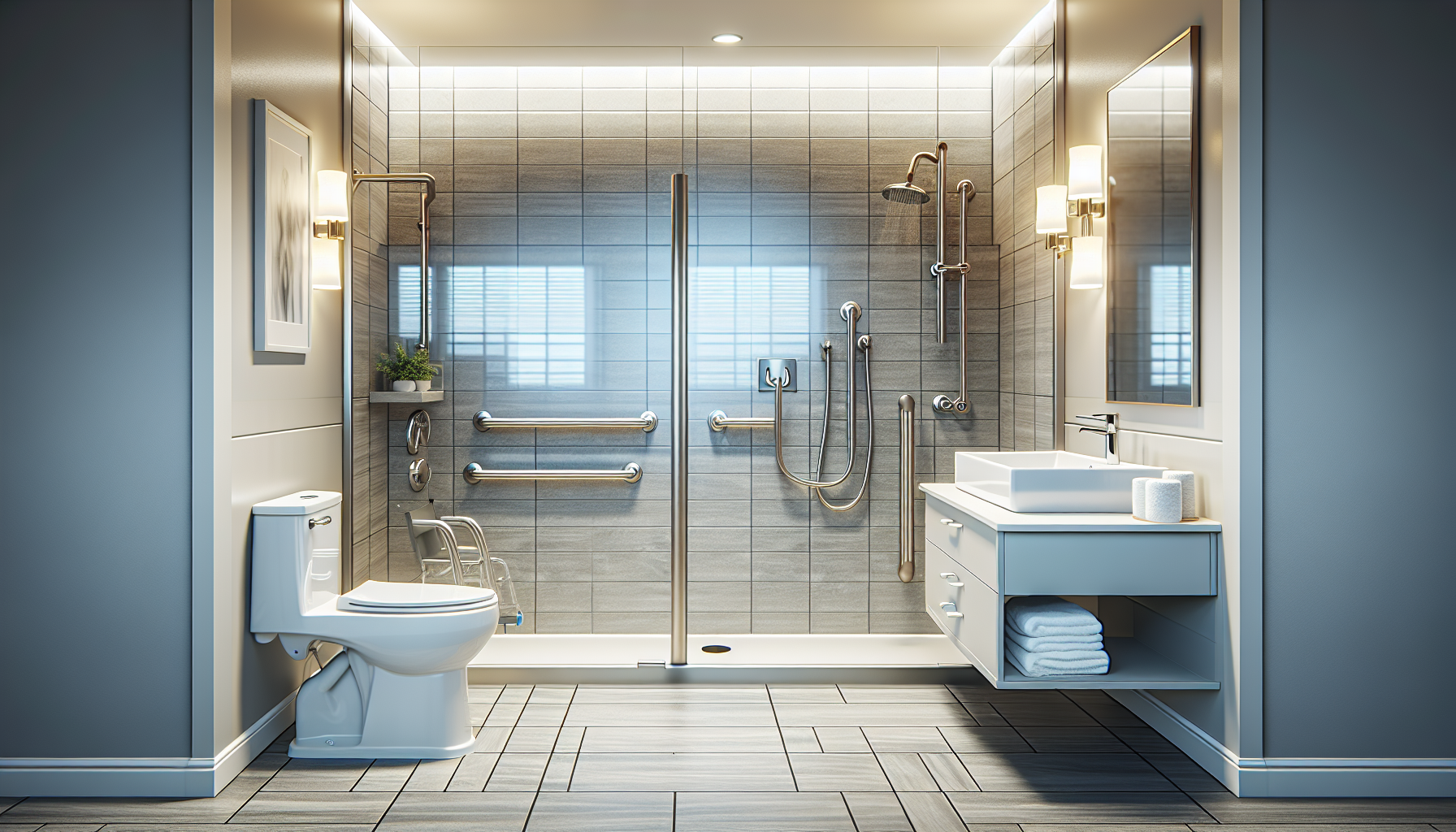
Bathrooms produce a disproportionate share of home injuries because they mix slippery surfaces with standing, turning, stepping, and sitting. The highest-value accessibility modifications in this room are usually a curbless or low-threshold shower, well-anchored grab bars, a handheld showerhead, a stable shower seat, and slip-resistant flooring. Grab bars should be installed into framing or approved reinforcement, not suction-mounted. Placement matters: one near the toilet, one at shower entry, and one positioned for balance during bathing. A comfort-height toilet can reduce joint strain, although very tall toilets are not ideal for every user, especially shorter adults whose feet may not rest flat.
Layout is as important as fixtures. A walker needs turning space, and caregivers need room to assist without twisting around a vanity or toilet. Pocket doors or wider swing-clear hinges can improve access where a standard door blocks maneuvering. Lever-handle faucets are easier than round knobs, and anti-scald valves help prevent burns when reaction time is slower. If a full bathroom exists only upstairs, creating even a compact main-floor bathing option is often transformative. I have seen families postpone this because it seems disruptive, but the change frequently becomes the pivot that allows safe aging in place after surgery, illness, or a decline in balance.
| Area | High-impact modification | Why it helps | Typical priority |
|---|---|---|---|
| Stairs | Dual handrails and brighter lighting | Improves balance support and tread visibility | Immediate |
| Bathroom | Grab bars and low-threshold shower | Reduces slips during transfers and bathing | Immediate |
| Bedroom | Main-level sleeping space | Limits daily stair use | High |
| Entry | No-step access or ramp | Makes arrival, departure, and emergency egress safer | High |
| Kitchen | Lever hardware and accessible storage | Reduces reaching, gripping, and bending strain | Medium |
Create a bedroom and daily living zone on the main level
A senior-friendly multi-level home should function on one floor whenever possible. That does not always require an addition. In many homes, a formal dining room, office, or den can become a bedroom near a bathroom. The practical goal is to create a daily living zone containing sleeping, toileting, basic bathing, meals, seating, and medication storage without stairs. This approach is especially valuable after hospitalization, when fatigue and temporary weakness make climbing stairs risky even for someone who previously managed well.
Inside the bedroom, think beyond bed height. There should be a stable path on both sides of the bed, reachable lighting, clear access to a walker, and enough space for a caregiver if assistance becomes necessary. Bedside outlets should support phone charging, medical devices, or a lamp without extension cords crossing the floor. Closets need lower rods, better lighting, and easy-grip pulls. If the resident wakes frequently at night, the route to the bathroom should be direct, well lit, and free of furniture corners. For some people, adding a second seating option with arms helps with dressing, transfers, and rest breaks.
Adapt the kitchen, laundry, and entries for lower strain and safer routines
Accessibility is not only about catastrophic falls; it is also about reducing the daily effort that leads to fatigue, pain, and unsafe compensating habits. In kitchens, the biggest problems are bending into base cabinets, reaching overhead, carrying items across slippery floors, and turning while holding hot cookware. D-shaped pulls, lever handles, pull-out shelves, drawer organizers, and frequently used items stored between knee and shoulder height make a meaningful difference. Induction cooktops reduce burn risk because the surface cools faster than traditional electric or gas options. Contrasting countertop edges and better task lighting help users with low vision distinguish surfaces and tools.
Laundry deserves special attention in multi-level homes because it is often located in a basement. If carrying baskets downstairs has become difficult, relocating laundry to the main floor is one of the most practical home accessibility modifications available. Side-by-side machines on raised platforms can reduce bending, but pedestal height must be balanced against reach. Front entries should ideally offer no-step access, weather protection, secure lighting, and a landing large enough for a mobility device. Replace round door knobs with lever hardware, and consider a smart lock or keypad to reduce key handling. Garage entries also matter. Many falls happen on the small step from garage slab to interior floor, especially when someone is carrying groceries.
Plan for mobility devices, emergencies, and future changes
A house can seem manageable until a walker, wheelchair, oxygen equipment, or caregiver enters the picture. Future-proofing means leaving room for change. Hallways should support comfortable passage, furniture layouts should avoid pinch points, and doorways that are marginal today may become barriers after a hospitalization. Even if a wheelchair is not currently needed, wider clearances in a remodel are often a wise investment. The same logic applies to blocking in bathroom walls for future grab bars, choosing rocker or paddle switches, and reinforcing stairways for a possible lift.
Emergency planning is part of accessibility. Smoke and carbon monoxide alarms should be interconnected and loud enough to wake a sleeping resident; visual alert options may help people with hearing loss. Keep at least one phone accessible on each level, and consider a wearable medical alert system for those at high fall risk. During assessments, I ask families a direct question: if the senior could not use the stairs for two weeks starting tonight, could the home still support safe living? That question often clarifies what needs to happen next. Accessibility modifications work best when they are proactive, coordinated, and based on realistic scenarios rather than wishful thinking.
Choose qualified professionals and budget in phases
Not every contractor understands aging in place. For structural changes, bathroom conversions, lifts, or entry modifications, hire licensed professionals with relevant experience and ask for examples of similar projects. Occupational therapists, certified aging-in-place specialists, and accessibility-focused remodelers can identify problems families may overlook, such as transfer geometry, turning radius, and the reach limits of someone with arthritis or shoulder pain. Local building departments should be consulted early because permits, electrical upgrades, and landing dimensions can affect scope and cost.
Budgeting is easier when the project is phased. Phase one typically covers urgent fall-prevention work: lighting, rails, grab bars, flooring corrections, and clutter removal. Phase two addresses function: main-level sleeping, bathing access, laundry relocation, and kitchen usability. Phase three considers major mobility systems or long-term remodeling. Some improvements may qualify for tax advantages, insurance support in limited circumstances, or local assistance programs, but families should verify rules carefully. The value of planning in phases is that each step meaningfully improves safety while supporting a larger accessibility strategy.
Making a multi-level home senior-friendly is ultimately about preserving choice. The right home accessibility modifications do more than add equipment; they reshape the house so daily life requires less risk, less pain, and less help. Start with a whole-home assessment, then prioritize stairs, bathrooms, lighting, flooring, and a main-level living zone. From there, improve kitchens, laundry areas, and entries so essential routines stay manageable. If a lift, elevator, or major remodel is needed, choose solutions that fit both current ability and likely future changes. The strongest plans are practical, phased, and tailored to the person rather than copied from a checklist. When families act early, they usually gain better outcomes at lower cost than they would after a fall or hospitalization. Use this hub as your starting point for home accessibility modifications, then build a room-by-room plan with qualified professionals and the older adult at the center of every decision.
Frequently Asked Questions
What are the most important first steps for making a multi-level home safer for an older adult?
The best place to start is with a room-by-room and floor-by-floor safety review focused on fall risk, daily routines, and physical effort. In a multi-level home, the biggest issues are usually stairs, uneven transitions, poor lighting, hard-to-reach essentials, and bathrooms that were never designed with aging in place in mind. Begin by identifying where the older adult spends the most time each day, including where they sleep, bathe, prepare food, do laundry, and enter or exit the house. If those essential activities are spread across multiple levels, that often creates repeated stair use that can become tiring or hazardous over time.
Next, address obvious trip hazards right away. Remove loose rugs, secure cords, improve lighting in stairways and hallways, add sturdy handrails on both sides of stairs when possible, and mark any abrupt level changes clearly. It is also smart to reorganize the home so the most frequently used items are stored between waist and shoulder height to reduce bending, climbing, and overreaching. For many families, one of the most effective early strategies is creating a main-level living setup, even if only partially. That might mean converting a den into a bedroom, adding a first-floor shower, or moving medications, clothing, and daily-use items to the most accessible level.
Finally, think beyond today’s needs. A senior-friendly home should support current abilities while anticipating future changes in balance, strength, vision, and endurance. That is why professional input can be valuable. An occupational therapist, aging-in-place specialist, or accessibility contractor can help prioritize modifications based on how the individual actually moves through the space. Starting with practical, high-impact changes creates immediate safety benefits without making the home feel clinical or institutional.
How can stairs in a multi-level home be made safer without doing a major remodel?
Stairs are often the biggest challenge in a multi-level home, but there are many ways to improve safety without tearing the house apart. One of the most effective upgrades is installing secure, easy-to-grip handrails on both sides of the staircase. Many older homes have only one rail, or the existing rail is too wide or mounted poorly for a reliable grip. A properly shaped handrail that continues the full length of the stairs can make a major difference in stability and confidence.
Lighting is equally important. Stairways should be brightly and evenly lit from top to bottom, with switches at both ends whenever possible. Motion-sensor lighting can be especially helpful for nighttime use. Adding high-contrast tread markings or non-slip strips to the front edge of each step can improve depth perception and reduce slipping, particularly for seniors with vision changes. Carpeting should be secure and low-pile, and any worn or slick stair surfaces should be addressed quickly.
If carrying items up and down the stairs is part of the problem, reduce the need for it. Create duplicate sets of commonly used items on each floor, such as reading glasses, chargers, medications approved for safe storage, toiletries, or cleaning supplies. In some homes, installing a stairlift becomes the most practical step, especially when stair use is frequent and mobility is declining. A stairlift is not always a last resort; it can be a proactive way to preserve safe access to upper or lower levels while preventing exhaustion and falls. The right solution depends on the person’s strength, balance, and long-term goals, but even modest stair upgrades can substantially improve day-to-day safety.
Is it better to create a first-floor living arrangement instead of modifying every level of the home?
In many cases, yes. Creating a first-floor living arrangement is one of the most practical ways to make a multi-level home senior-friendly because it reduces dependence on stairs for essential daily activities. The goal is not necessarily to abandon upper or lower floors completely, but to make sure the older adult can live comfortably on one level if needed. That usually means having a sleeping area, a bathroom with bathing access, food preparation space, and a place to sit and socialize all on the main floor.
This approach can be especially helpful when mobility fluctuates. A person may manage stairs well some days and struggle on others due to fatigue, pain, dizziness, or recovery from illness. A first-floor setup adds flexibility and reduces pressure to navigate the entire house under less-than-ideal conditions. It can also make caregiving easier, whether help comes from a spouse, adult child, or home health aide. For example, if the only full bathroom is upstairs, adding a walk-in shower on the main floor may be more valuable than investing in cosmetic changes elsewhere in the home.
That said, modifying every level may still make sense when the senior is active, the home layout requires use of multiple floors, or more than one person in the household has different needs. The smartest plan often combines both strategies: establish a functional main-level living zone first, then make secondary improvements on other floors to support safe access when desired. This balanced approach preserves independence while recognizing that needs can change over time.
Which home modifications offer the biggest safety and accessibility benefits for bathrooms and entries in a split-level or multi-story home?
Bathrooms and home entries are two of the highest-priority areas because they combine slippery surfaces, level changes, and frequent daily use. In the bathroom, the most beneficial upgrades usually include grab bars anchored in the right locations, a curbless or low-threshold shower, non-slip flooring, a handheld showerhead, and improved lighting around the vanity and bathing area. A comfort-height toilet can also make sitting and standing easier, especially for older adults with arthritis, joint pain, or reduced leg strength. If a full bathroom remodel is not possible, targeted improvements such as a tub transfer bench, raised toilet seat, and better lighting can still significantly improve safety.
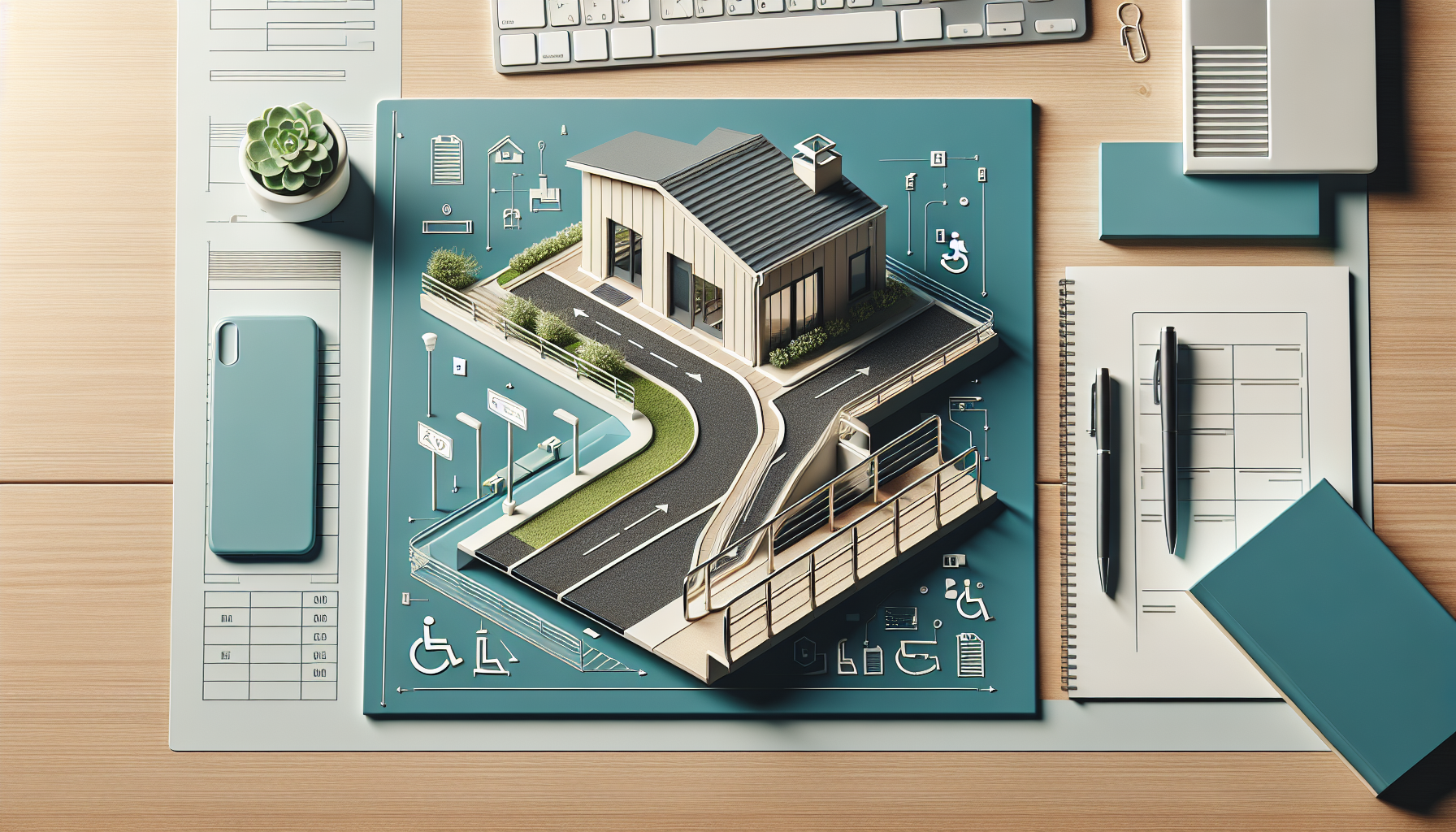
Entries deserve the same attention because they often involve steps, narrow landings, poor weather protection, and awkward transitions while carrying bags, using a cane, or unlocking the door. A safe entry should have a stable walking surface, bright lighting, a railing if there are steps, and enough maneuvering space to open the door comfortably. If step-free access is possible, even at just one entrance, it can be a game changer. That might involve a ramp, regrading, a threshold modification, or choosing the most accessible existing door as the primary entrance.
For split-level homes, where even the front door may lead to a small landing and immediate stairs up or down, planning becomes more specialized. In those situations, homeowners may need to consider whether a different entrance can be adapted more effectively, or whether a platform lift, railings, or landing improvements are warranted. The most successful modifications are not chosen in isolation; they are based on how the person approaches the home, enters with groceries or mobility aids, and transitions into the main living space safely and consistently.
How can you make a senior-friendly home feel comfortable and attractive rather than clinical?
One of the most common concerns families have is that accessibility changes will make the home look institutional. The good news is that today’s senior-friendly design options are far more integrated and attractive than many people expect. The key is to focus on universal design principles, which improve safety and usability for everyone without calling attention to disability or age. Features such as lever door handles, wider pathways, better lighting, walk-in showers, non-slip flooring, and easy-to-reach storage can all blend naturally into a well-designed home.
Materials and finishes matter. Grab bars now come in styles and finishes that coordinate with faucets and towel bars. Stair railings can be both elegant and functional. Lighting can be layered in a way that improves visibility while adding warmth and ambiance. Even practical changes like contrast between floors, walls, and stair edges can be done subtly and tastefully. Furniture placement also plays a big role. A more open layout with clear walking paths can improve mobility while making rooms feel calmer and more spacious.
Most importantly, design around the person’s routines and preferences instead of imposing a one-size-fits-all accessibility plan. A senior-friendly home should support independence, dignity, and familiarity. When modifications respect the home’s character and the resident’s taste, the result feels welcoming rather than medical. Good accessibility design does not strip away comfort or style; it enhances both by making the home easier, safer, and less tiring to live in every day.