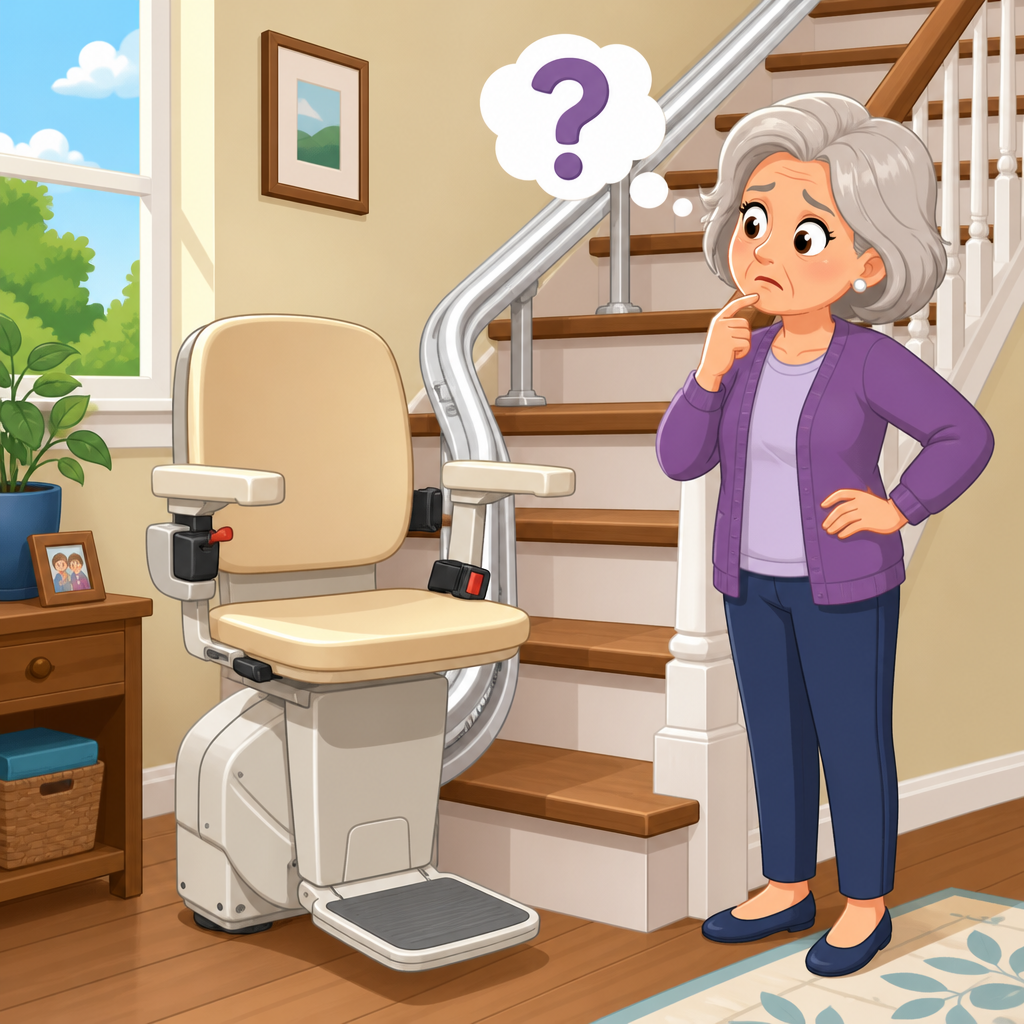
A stair lift that will not move after swiveling the seat usually points to a safety interlock, not a failed motor, and understanding that distinction is the fastest way to restore service safely. Homeowners often assume the battery, charger, remote, or rail has failed when the chair stops after parking or turning at the landing. In practice, most modern stair lifts are designed to prevent travel until the seat is locked in its forward riding position. That safeguard protects the rider from moving sideways on the staircase, but it also creates one of the most common service calls in residential accessibility equipment.
This troubleshooting guide explains what the seat swivel function does, why a stair lift will not move after swiveling the seat, and how to diagnose the problem step by step. It also serves as a central resource for lift not working questions under maintenance, troubleshooting, and safety. I have seen this exact complaint on straight and curved units from Bruno, Handicare, Harmar, Acorn, and Stannah: the user exits at the top landing, rotates the chair, returns later, and the lift appears dead. In many cases, the fix is simple. In others, the issue involves the swivel switch, carriage safety circuit, battery voltage, charge points, or obstruction sensors. Knowing the difference matters because the wrong reset attempt can waste time, while the right inspection can restore operation in minutes.
Key terms are straightforward. The seat swivel is the rotating chair mechanism used for safer entry and exit, usually at the top landing and sometimes at both ends. The interlock is an electrical safety that confirms the seat is aligned for travel. The carriage is the powered unit that moves along the rail and contains the motor, gearbox, controller, and batteries on many models. Call-send controls are the wall or wireless remotes. Footrest and carriage edge sensors stop motion if they detect an obstacle. When you understand how these parts work together, troubleshooting becomes much easier and much safer.
This topic matters because a nonmoving stair lift is more than an inconvenience. For many users, it is the primary route between floors. A stoppage can interrupt medication routines, bathing, meals, and emergency egress. It also creates avoidable anxiety if the rider assumes the equipment has failed permanently. A structured approach helps you rule out simple causes first, avoid unsafe workarounds, and decide when professional stair lift service is necessary.
Why a stair lift stops after the seat is swiveled
Most stair lifts are intentionally programmed not to move when the seat is turned away from the travel position. Manufacturers use a seat swivel interlock switch, sometimes a microswitch and sometimes a magnetic or mechanical position sensor, to verify that the chair is locked straight before motion is allowed. If the seat is partially rotated, not fully latched, or the switch does not change state, the controller blocks travel. This is normal safety behavior.
At the top landing, the seat typically swivels 45, 60, or 90 degrees to let the user stand on a level surface rather than toward the stairs. On many models, a lever on the side of the seat releases the swivel lock. When the user rotates the chair back for riding, the mechanism must engage fully. If it stops just short, the lift may beep, display a fault code, or do nothing at all when the arm control or remote is pressed. This can feel like a power loss, but the system is often waiting for a positive locked-seat signal.
Different brands implement this differently. Stannah units commonly rely on clear latch engagement and status diagnostics. Bruno lifts are known for robust seat locking but can still stop if the swivel is not fully centered. Handicare and Harmar models may pair seat position checks with other safety circuits, meaning a seat issue can resemble another fault. The principle remains the same: the chair must be in the approved travel orientation, and the controller must be able to confirm it electrically.
Step-by-step troubleshooting checklist
Use this sequence before assuming major failure. It reflects the order technicians follow because it starts with the most common and least invasive causes. Do not open panels or bypass safeties.
| Step | What to check | What to look for | What it means |
|---|---|---|---|
| 1 | Seat position | Seat fully returned to forward travel position and audibly latched | Most common reason the lift will not move after swiveling |
| 2 | Armrest control and remote | Try both controls | Rules out a failed toggle, rocker, or remote battery |
| 3 | Footrest and carriage edges | No object, rug edge, pet toy, or clothing touching sensors | Safety edges can block motion exactly like a seat interlock |
| 4 | Power switch and key switch | Main switch on, key inserted if required | Prevents unnecessary service calls for a disabled unit |
| 5 | Charge position | Unit parked on a charging point, charger indicator normal | Low batteries can mimic control failure |
| 6 | Diagnostic display or beep pattern | Error code, flashing light, repeated tones | Provides brand-specific fault direction |
| 7 | Manual swivel action | Seat rotates smoothly and locks positively on both attempts | Stiff or incomplete locking suggests linkage or switch issues |
| 8 | Professional service need | Persistent no-move condition after checks | Likely switch, wiring, charger, battery, or controller fault |
Start by rotating the seat fully back into the riding position. Do this slowly and deliberately. On many lifts, you can hear or feel the latch click into place. If the chair stops just before center, rotate it away slightly and then back again. I have cleared many false no-run complaints simply by reseating the swivel lock with firm but controlled motion. Never force it with excessive pressure; that can damage the latch or trim.
Next, test both the armrest control and the call-send remote. If one works and the other does not, the lift itself is usually not the problem. A dead remote battery, failed wireless transmitter, or worn rocker switch may be the real issue. If neither control works, continue with the safety and power checks.
Inspect the footrest and carriage edges. Stair lifts have pressure or contact sensors that stop movement if they touch an obstruction. Loose carpet, a dropped slipper, a charging cord, or even a coat hem can hold a sensor open. Users often focus on the seat because they just rotated it, but an unrelated obstruction may have happened at the same time.
Confirm the main power switch is on and the key switch, if your model has one, is enabled. This sounds basic, but it matters in homes with multiple users or caregivers. Some owners turn the key off for child safety and forget it. If the lift powers up but will not move, check whether it is parked on a charge point and whether the charger shows normal operation. Most modern stair lifts use batteries even when plugged into household power, and those batteries rely on correct charging contact at the rail ends or charge strips along the rail.
How to tell whether the problem is the swivel lock or something else
A seat-related fault has a pattern. The lift worked before the chair was turned, stopped immediately after the seat was swiveled, and may appear otherwise normal. Lights may be on. The charger may indicate healthy charging. There may be no unusual motor noise. In that case, suspect the swivel interlock first.
Battery and charging issues usually develop more gradually. The lift may slow down, beep for low voltage, move only partway, or work after sitting on the charger for a while. A charger problem often shows up when the unit has been left off the charge point overnight. If your stair lift will not move after swiveling the seat and also has a history of weak travel or intermittent charging, you may have two issues, but low battery should still be considered.
Obstruction sensor problems produce different symptoms. The chair may start and stop instantly, or it may move in one direction only. Some models allow travel away from the triggered edge but not toward it. If pressing gently around the footrest or carriage skirt changes the behavior, a sticky edge switch or trapped object becomes more likely. Control faults can also be directional, such as a failed up/down toggle contact.
Mechanical resistance in the swivel assembly has its own clues. The seat may feel stiff, gritty, or imprecise. The release lever may not return fully. The latch may not hold consistently. In those cases, the issue may be wear in the swivel plate, contamination, misalignment after heavy use, or damage from forcing the chair during transfers. Because the seat is part of the rider support system, any looseness or incomplete locking deserves prompt professional inspection.
Safe fixes you can try at home
There are several homeowner-safe actions that often resolve a no-move condition without tools. First, bring the seat back to the exact travel position and verify the armrests are in their normal riding orientation if your model requires that. Second, fold and unfold the footrest if it shares linked safety logic with the carriage. Third, park the unit securely on a charging point for at least fifteen to thirty minutes if low battery is possible, then test again. Fourth, check household power to the charger outlet by confirming the charger indicator is active or by testing the receptacle if you know how to do so safely.
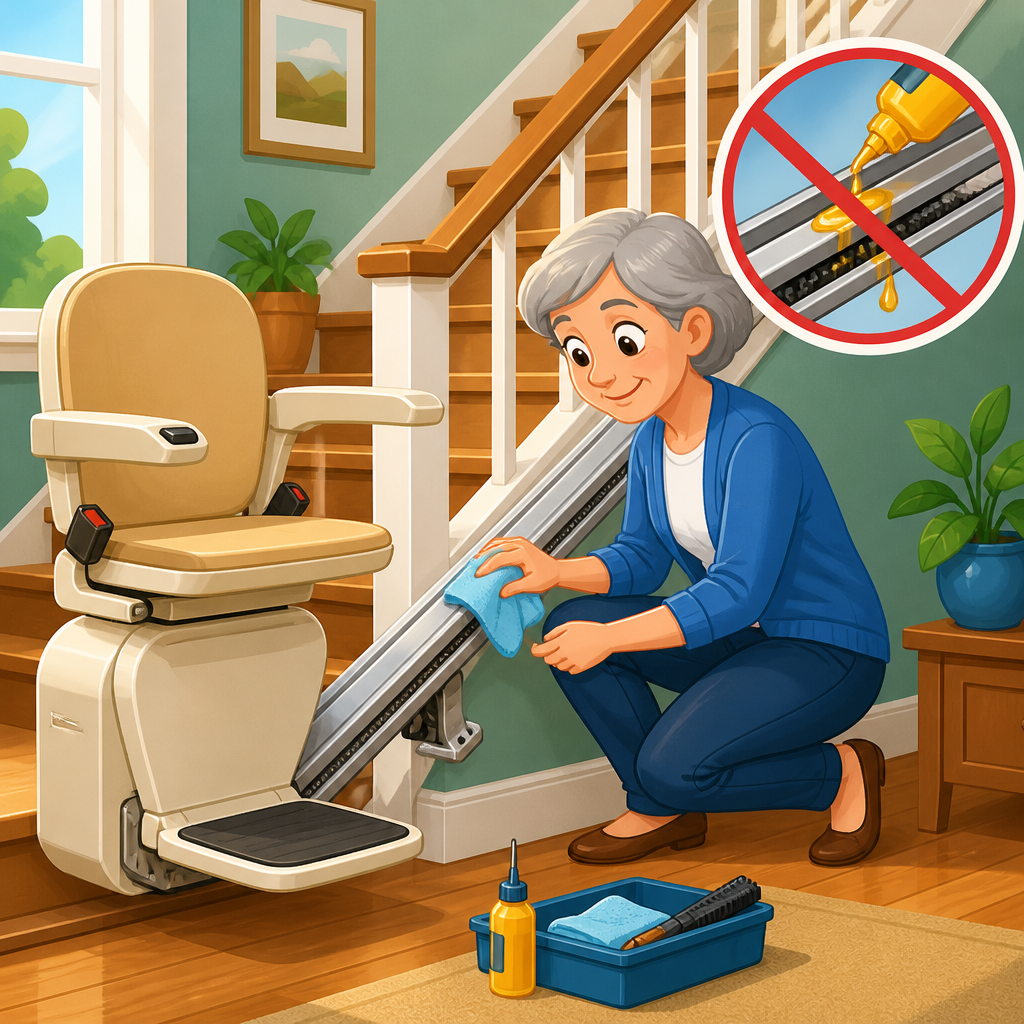
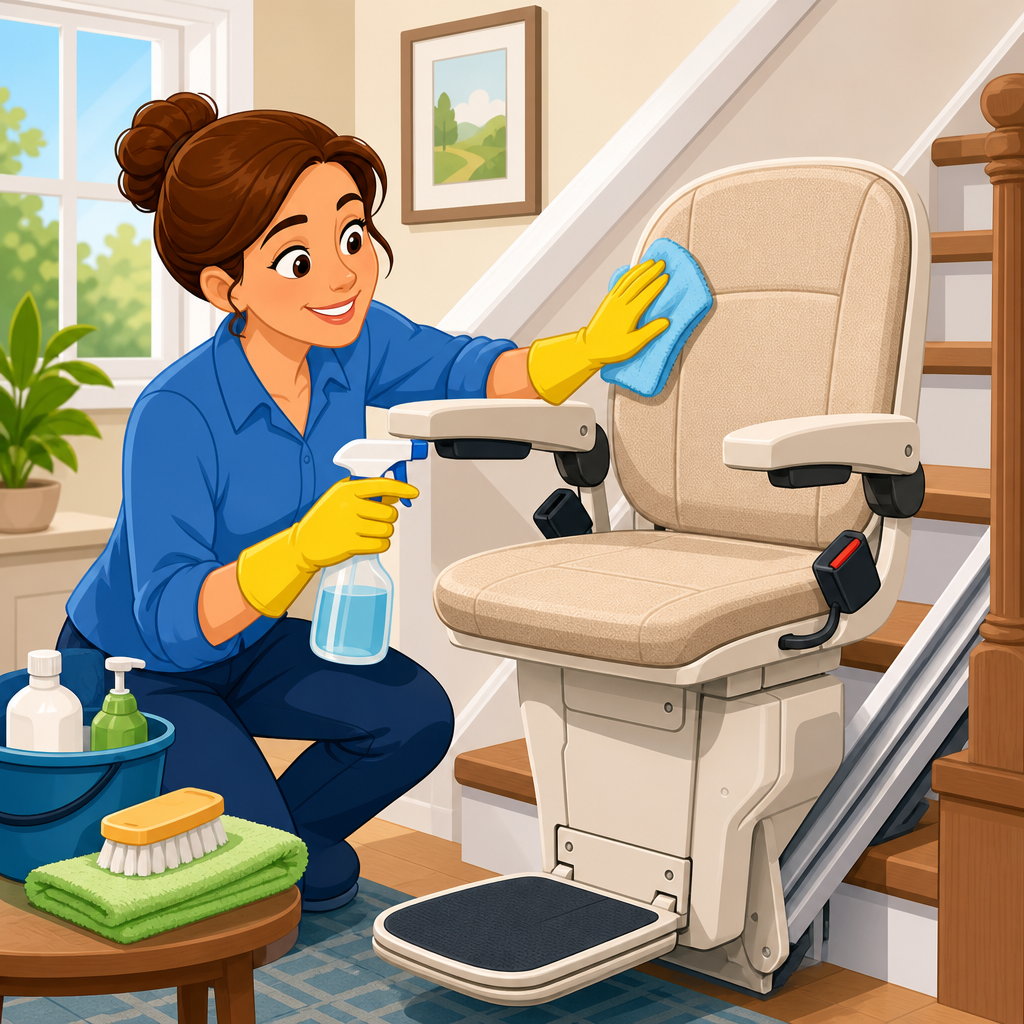
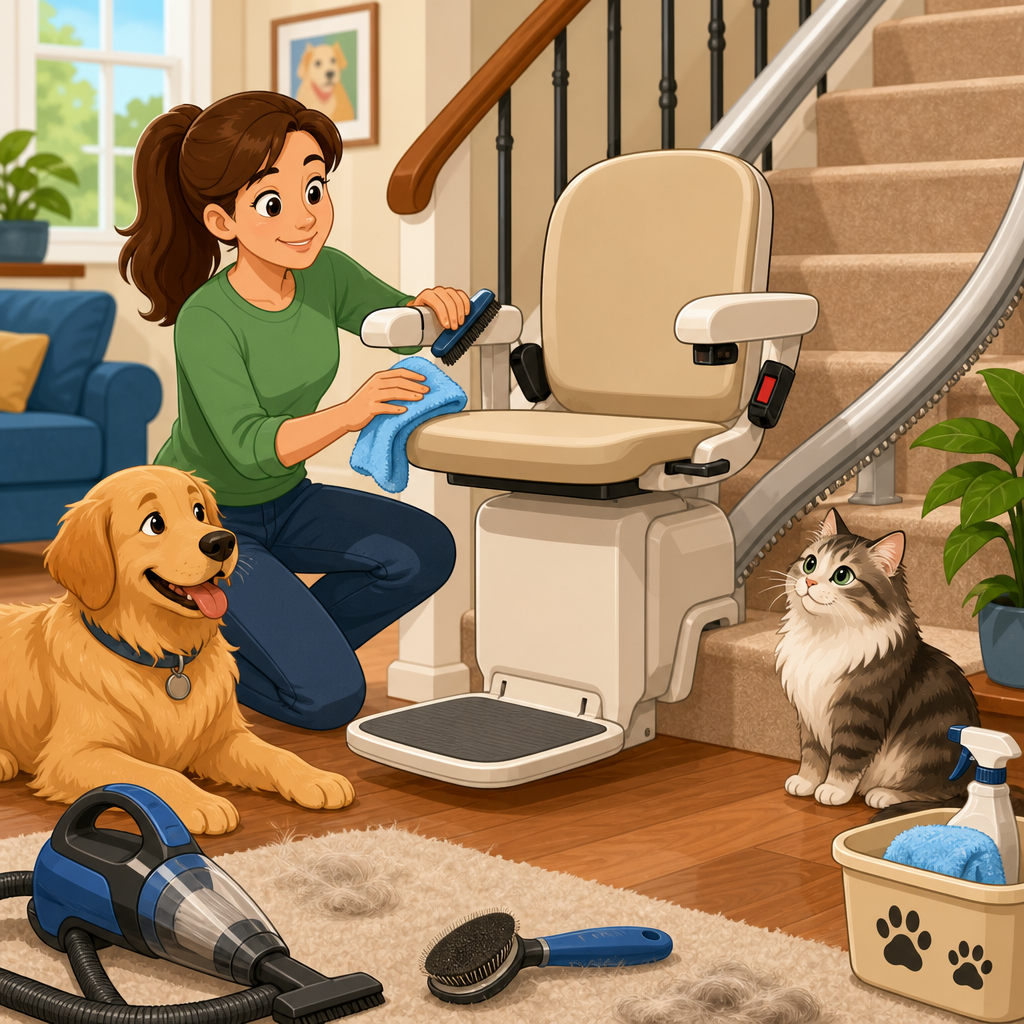
You can also clean obvious debris from around the swivel area and footrest using a dry cloth. Dust, pet hair, and spilled sticky residues can interfere with smooth seat return on older units. Avoid spraying lubricants or cleaners into switches, latches, or seat pivots unless the manufacturer specifically approves it. Random lubrication is a common cause of contaminated contacts and dirt buildup. Stair lifts are not maintained like squeaky door hinges.
If your unit has a display, write down the exact code before calling for service. If it uses tones, count the beeps and note whether they repeat. This information can help a dealer identify whether the issue is seat position, overspeed governor status, final limit, charge circuit, or a general safety chain fault. Manufacturer manuals often decode these signals, and a qualified provider can usually interpret them quickly.
When not to troubleshoot further
Stop and call a qualified stair lift technician if the seat will not lock solidly, the chair rocks excessively, wiring is visible or pinched, the lift trips breakers, there is a burning smell, or the unit stops while occupied and cannot be recovered with normal controls. The same applies if a user depends on the lift for essential access and you cannot restore reliable function quickly. In that situation, speed and safety matter more than extended DIY diagnosis.
Do not bypass the swivel interlock, tape a switch closed, jump wiring, or defeat footrest sensors to make the lift run. These are life safety devices. Bypassing them can allow the chair to move while the rider is turned sideways or while an obstacle is present on the stairs. It also creates liability and can void service agreements or manufacturer support.
Professional service typically includes verifying seat switch continuity, checking latch alignment, inspecting the safety circuit, measuring battery voltage under load, confirming charger output, reviewing fault history where available, and testing directional controls. On older lifts, technicians may also inspect harness flex points and connectors near the seat post, where repeated swivel movement can contribute to wiring fatigue.
Preventing repeat problems and building a maintenance routine
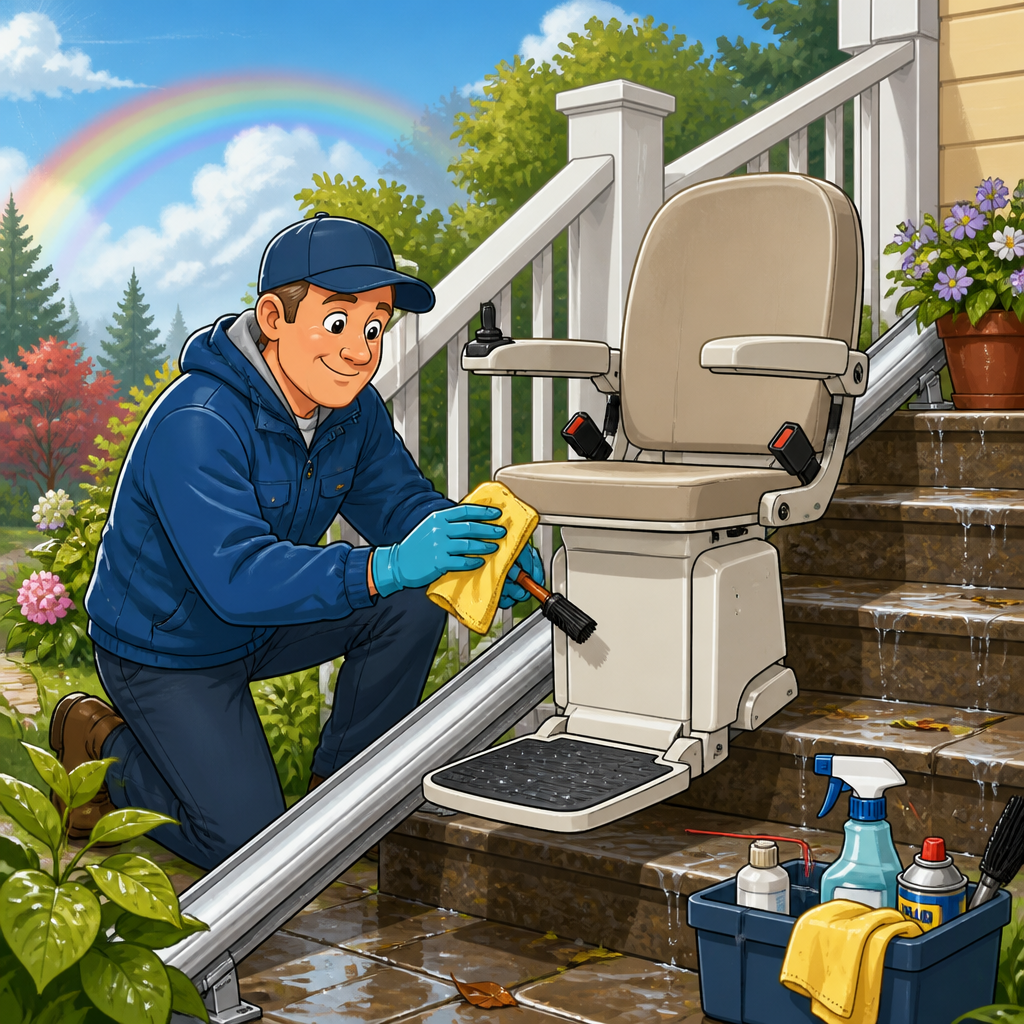
The best way to prevent a stair lift from not working after the seat is swiveled is to combine gentle use with scheduled maintenance. Return the chair to the riding position with a deliberate motion until it clearly locks. Avoid dropping into the seat or twisting it against the stop. Keep the rail, charge contacts, and footrest edges clean. Make sure the chair is parked on a charging point when not in use unless your model charges continuously along the rail.
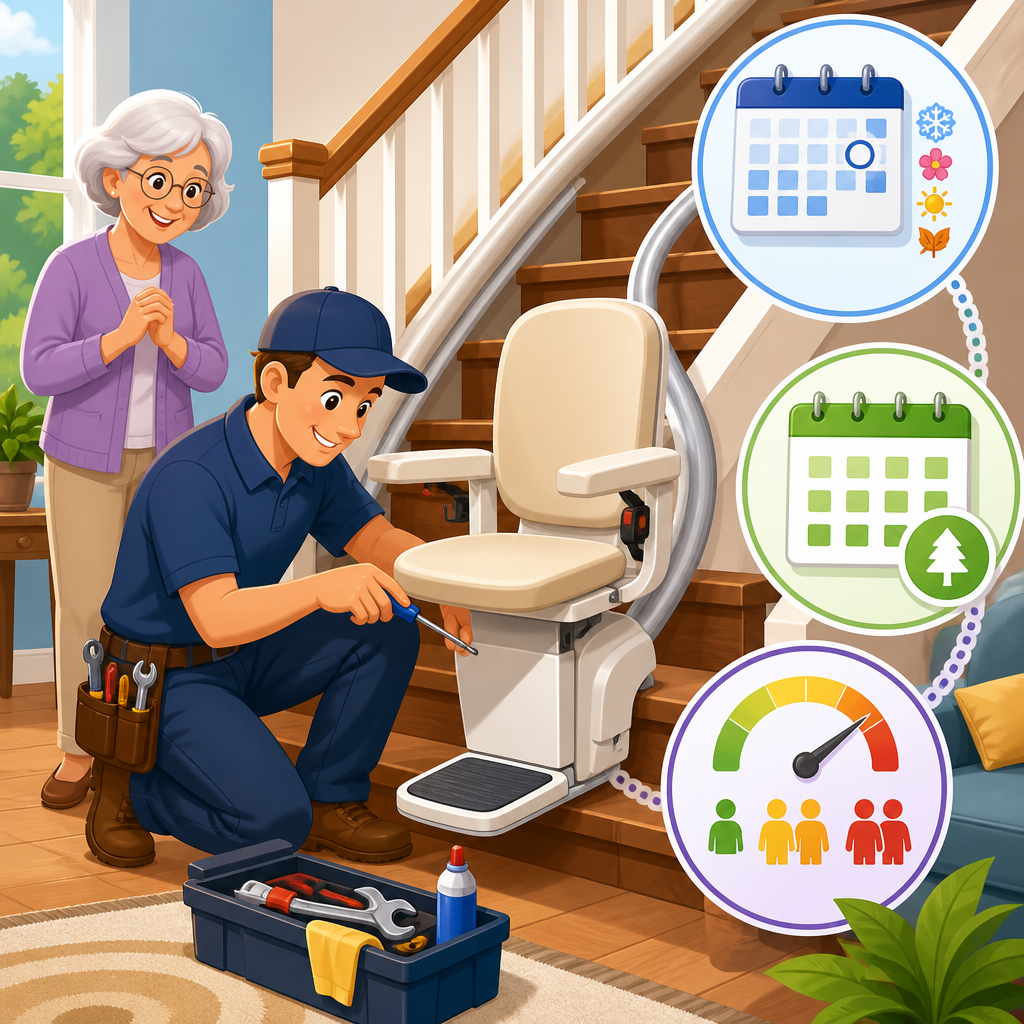
Annual professional service is a practical baseline for most homes, and heavy-use households may benefit from more frequent inspections. During maintenance, ask the technician to evaluate battery age, seat latch wear, charge contact condition, rail cleanliness, gearbox noise, and any recurring diagnostic codes. Sealed lead-acid batteries in stair lifts commonly last several years, but lifespan depends heavily on charging consistency, ambient temperature, and usage cycles. Replacing weak batteries before winter or before they begin causing intermittent stoppages can prevent nuisance failures.
As a hub for lift not working step-by-step help, this guide connects the first and most common no-move scenario to the broader troubleshooting picture. A stair lift can fail to run because of seat position, obstruction sensors, remote issues, charger faults, aging batteries, key switches, rail charge contacts, or internal safety circuit problems. Starting with the swivel seat makes sense because it is both common and easy to verify. From there, a disciplined checklist helps you isolate the cause without guesswork.
The main takeaway is simple: if your stair lift will not move after swiveling the seat, assume a safety interlock issue first, not catastrophic failure. Return the seat fully to its locked travel position, check controls, clear sensors, confirm charging, and note any diagnostics. If the chair still will not run, stop at the point where tools, panel removal, or safety bypassing would begin and bring in a qualified technician. That approach restores access faster, protects the user, and preserves the reliability of equipment that many households depend on every day. If you are organizing your home accessibility maintenance resources, keep this troubleshooting checklist available and schedule service before small warning signs become a complete stoppage.
Frequently Asked Questions
Why will my stair lift not move after I swivel the seat?
In most cases, a stair lift that stops moving after the seat has been turned is doing exactly what it was designed to do. Modern stair lifts include a seat-swivel safety interlock that prevents the chair from traveling unless the seat is fully returned to its forward riding position and locked in place. This is a critical safety feature because it reduces the risk of a rider being turned sideways or outward while the lift is in motion. If the seat is even slightly out of alignment, the lift may appear to have lost power even though the motor, batteries, and charger are all working normally.
This is why the problem often shows up right after parking at the top landing or after getting on or off the chair. The user swivels the seat to make transfers safer, then turns it back, but it does not click fully into the travel position. Even a small gap in the locking mechanism can keep the interlock open. Before assuming there is a major fault, firmly rotate the seat back to the straight-ahead position, making sure it latches completely. On many models, you will hear or feel a distinct click when it locks. Once that happens, the controls usually work again immediately.
If the seat is locked and the lift still will not move, the next step is to look for related safety issues such as folded footrest obstructions, armrest position, charging contact alignment, or a fault code on the display. But the key point is that a seat-swivel issue usually points to a safety shutdown, not a failed drive system. That distinction can save time, prevent unnecessary service calls, and help you troubleshoot more confidently.
How can I tell whether the seat is actually locked in the correct riding position?
The easiest way to tell is to return the seat fully to the standard travel orientation and confirm that it engages the lock solidly. On many stair lifts, the seat should face straight along the rail, not slightly angled toward the landing. If it is off by even a small amount, the safety interlock may remain open. Try rotating the seat slowly and firmly until it stops in the riding position. Do not force it aggressively, but do apply enough pressure to ensure it has reached the latch point. A clear click, a firmer seated feel, or the disappearance of an error indicator are all common signs that the seat has locked properly.
Some lifts make this easier by showing a diagnostic light or display code when the seat is not in the correct position. Others simply refuse to respond to the arm control or remote until the lock is engaged. If your unit has a manual or a label near the controls, check whether it references seat-lock warnings or indicator lights. It is also worth confirming that loose clothing, a cushion, or an armrest is not interfering with full seat movement. In some cases, homeowners think the seat has returned all the way when something subtle is preventing complete engagement.
If the chair still does not recognize the locked position, inspect the swivel mechanism for obvious debris, wear, or stiffness. Dirt, pet hair, or minor misalignment can occasionally prevent a smooth latch. If the seat feels wobbly, sticks during rotation, or fails to click into place consistently, the latch or interlock switch may need professional adjustment. The good news is that these symptoms still usually point to a safety lock issue rather than a motor failure, which is generally a more manageable and less alarming problem.
Could this problem be caused by the battery, charger, remote, or rail instead of the swivel seat?
It is possible, but if the problem began immediately after swiveling the seat, the seat interlock should be your first and strongest suspect. Homeowners often jump to conclusions about a dead battery, failed charger, bad remote, or damaged rail because the lift suddenly seems unresponsive. However, a properly functioning stair lift will intentionally block travel whenever the seat is not locked in the forward position. That means the unit can look completely inoperative even though the electrical and mechanical systems are otherwise fine.
That said, it is still smart to rule out related issues if relocking the seat does not restore operation. Check whether the lift has power at the control panel, whether any status lights are illuminated, and whether the chair is parked correctly on its charging contacts if your model requires that for battery maintenance. A weak battery can sometimes create confusing symptoms, especially if the lift has been left off charge for a while, but weak batteries usually do not correlate specifically with seat swiveling. Likewise, a remote problem would not normally explain why the chair stopped right after the seat was turned, especially if both the arm controls and remote fail at the same time.
Rail obstructions and footrest safety edges can also stop movement, so make sure nothing is blocking the chair or resting against the footrest. Still, from a troubleshooting standpoint, the timing matters. If the lift worked before the transfer, then stopped only after the seat was rotated, that sequence strongly suggests the seat-lock safety circuit is interrupting travel. Starting with that assumption is often the fastest, safest, and most accurate way to identify the real cause.
What should I do step by step before calling for stair lift service?
Start with the safest and simplest checks. First, make sure the seat is fully rotated back into the forward riding position and positively locked. Try moving it gently back and forth at the end of its travel to feel for the latch point. Second, ensure the armrests and footrest are in their normal operating positions according to your model’s instructions. Third, check for anything physically blocking the chair, footrest, or rail, including rugs, shoes, pet toys, or debris on the staircase. These small issues can trigger built-in safety sensors and stop the lift from moving.
Next, look at any lights, symbols, or diagnostic codes on the unit. Many stair lifts communicate the reason for a shutdown through blinking indicators or simple error messages. If there is a key switch, verify that it is turned on. If your model uses a battery-powered system, confirm it has been charging normally and that the charger indicator appears normal. You can also test both the chair-mounted control and the wall or handheld remote to see whether the problem is limited to one input method or affects the entire system. If the lift responds to a call/send remote but not from the chair, that may point to a control-specific issue rather than the seat interlock alone.
If none of those steps restore operation, do not bypass safety features or attempt to disassemble the seat mechanism yourself. The interlock is there to protect the rider, and defeating it can create a serious hazard. Instead, document what happened, note any error lights or sounds, and contact a qualified stair lift technician or the manufacturer’s service line. Being able to say, “The lift stopped moving right after the seat was swiveled, and it will not restart even after relocking,” gives the technician a strong starting point and may speed up the repair.
When is a stair lift that will not move after swiveling the seat a sign of a bigger problem?
If the issue happens once and is resolved by firmly locking the seat back into place, it is usually just normal operation of the safety interlock. But if the same problem happens repeatedly, or if the seat seems difficult to lock, that can indicate a developing mechanical or electrical issue in the swivel assembly. Over time, the latch mechanism can wear, become misaligned, or fail to engage consistently. The interlock switch itself may also become unreliable, especially on older units or lifts exposed to heavy use, dust, or vibration.
Other warning signs of a larger problem include the seat feeling loose, excessive play in the swivel movement, intermittent operation, fault lights that return even after relocking, or the need to jiggle the seat before the lift will move. If the chair sometimes runs and sometimes does not, that inconsistency often points to a switch, wiring, or alignment problem rather than simple user error. In those cases, continued use without inspection can lead to a complete loss of service at an inconvenient time.
A bigger problem may also be present if the lift will not move even though the seat is clearly locked, the batteries are charged, and no obstructions are present. That could mean the seat interlock switch has failed, the wiring harness has a fault, or another safety circuit is open. While these issues are still not necessarily as severe as a bad motor or gearbox, they do require proper diagnosis. The best approach is to treat recurring seat-swivel shutdowns as an early warning sign: safe to investigate with basic checks, but important to repair professionally before they leave the lift unusable when it is needed most.