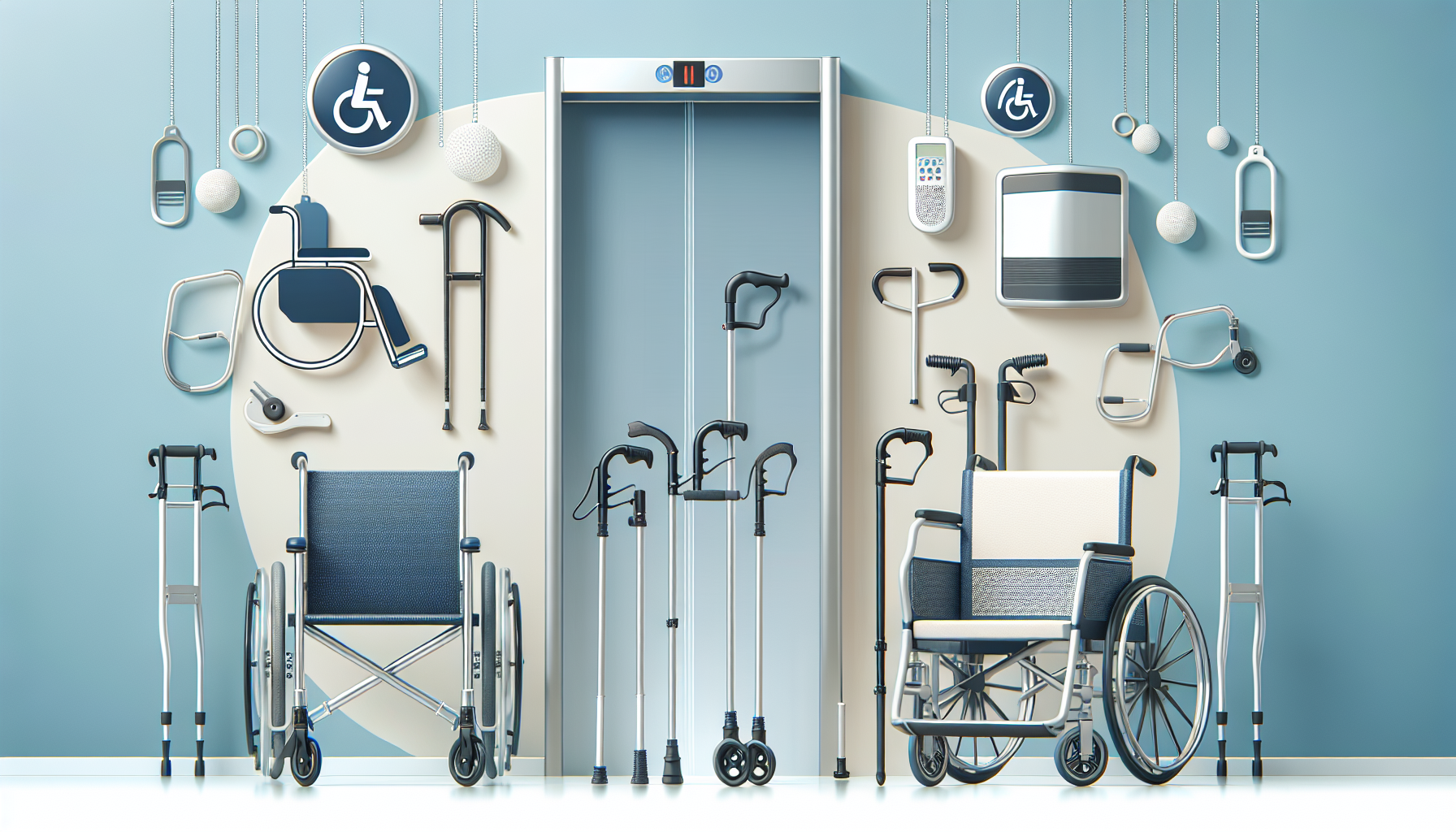
Chair lifts solve one major accessibility problem: moving safely between levels of a home. Yet in real homes, stair travel is only one part of daily movement. People still need support for standing up, walking across uneven floors, bathing, getting in and out of vehicles, and conserving energy through long days. That is why the best mobility plan rarely depends on a chair lift alone. It combines the lift with carefully chosen mobility aids and devices that reduce fall risk, improve independence, and match a person’s strength, balance, endurance, and home layout.
In accessibility work, I have seen this repeatedly. A homeowner installs a stair lift and expects life to become simple, but the real gains happen only after the surrounding mobility system is improved. A cane may help with short transfers, a walker may stabilize hallway movement, and a transfer bench may prevent slips in the bathroom. Mobility aids are the tools that support safe movement across activities of daily living. Used together with a chair lift, they create continuity: safe access to the stairs, safe travel before and after the ride, and safer routines throughout the home.
This matters because falls remain a leading cause of injury for older adults, and the risk rises when people compensate with furniture walking, rushed transfers, or poorly fitted equipment. Good device selection is not random. It should consider diagnosis, upper-body strength, hand function, turning radius, seat height, caregiver support, and whether the user needs temporary recovery equipment or a long-term solution. This hub article covers the top 10 mobility aids that complement chair lift use, explains what each one does best, and helps readers understand how these devices work together as a coordinated accessibility strategy.
1. Canes: the simplest support for short-distance stability
A cane is often the first mobility aid added after a chair lift because it supports the short walking segments that happen before boarding and after dismounting. For users with mild balance loss, joint pain, or weakness on one side, a properly fitted single-point cane reduces sway and provides a predictable contact point during transitions. Quad canes add a larger base of support and can stand on their own, which helps some users who need more stability at the lift landing.
The key is fit and technique. The top of the cane should generally align with the wrist crease when the user stands upright with arms relaxed, allowing about 20 to 30 degrees of elbow flexion. I regularly see canes set too high, which elevates the shoulder and reduces control, or too low, which causes forward leaning. Near a chair lift, rubber tip condition matters just as much as height. Worn tips slide on hardwood and polished tile, especially at upper landings where users pivot to sit. For mild impairments, a cane is efficient, low cost, and easy to store near the lift, but it is not enough for users with significant bilateral weakness or poor judgment.
2. Walkers and rollators: better control when a cane is no longer enough
When stability needs go beyond what a cane can provide, walkers and rollators usually become the next step. A standard walker offers the highest level of support for users who can lift it safely. A two-wheel walker reduces the need to lift fully and helps with smoother forward progression. A rollator, with three or four wheels, hand brakes, and often a seat, works best for people who can manage braking and need support plus pacing.
Chair lift users benefit from walkers because the most vulnerable moments often occur immediately after standing. For example, someone with spinal stenosis may ride the lift safely but still feel leg weakness after standing at the top landing. A walker creates a stable frame for that first turn into the bedroom or bathroom. Rollators are especially useful in larger homes because the seat lets users rest before fatigue undermines balance. The tradeoff is space. Narrow hallways, thick rugs, and tight turns at stair lift landings can make larger frames awkward. In those homes, careful measurement and layout planning are essential before selecting the device.
3. Wheelchairs: essential for users who need seated mobility beyond the stairs
A chair lift moves a person on the staircase, but it does not replace a wheelchair for level-surface mobility when walking tolerance is limited. Manual wheelchairs help users who have enough upper-body strength or caregiver assistance. Power wheelchairs support people with more complex mobility limitations, including severe arthritis, neuromuscular disease, multiple sclerosis, or cardiopulmonary fatigue that makes walking unsafe even with a walker.
The practical question is not whether a wheelchair is “too much,” but whether it enables safe function. In many homes, the wheelchair is parked near the bottom or top landing so the user can transfer from the stair lift seat directly to a mobility device within a short, controlled distance. Seat height, footrest swing-away design, armrest removability, and brake accessibility all affect transfer safety. If the user cannot stand steadily long enough to pivot, a wheelchair becomes more than a backup device; it becomes the primary way to preserve independence in bedrooms, kitchens, and community settings. The limitation is space. Homes may require widened doorways, lower thresholds, or improved flooring before wheelchair use is truly practical.
4. Mobility scooters: a strong option for energy conservation and longer distances
Mobility scooters complement chair lift use when the main challenge is endurance rather than transfers alone. Many older adults and people with chronic conditions can manage short standing tasks but cannot walk safely through long apartment corridors, large first floors, senior communities, medical campuses, or shopping areas. A scooter fills that gap by preserving energy and reducing overexertion, which often contributes to late-day falls.
Three-wheel scooters usually offer a tighter turning radius, while four-wheel models tend to feel more stable outdoors. Battery range, ground clearance, seat swivel, and disassembly for transport all matter. In practice, I recommend matching the scooter to the route. A compact travel scooter may work inside a retirement complex, but it performs poorly on uneven pavement. A heavier model may handle outdoor use better but can be difficult to store and charge. Chair lift users often keep a scooter on one floor and use the lift to reach the level where daily exits occur. The main caution is transfer ability. If boarding the scooter requires unsafe twisting or stepping backward, another mobility aid may be the safer complement.
5. Transfer benches and shower chairs: safer bathing after stair travel
Bathrooms remain one of the highest-risk areas in any home, and a chair lift does nothing to address wet-surface hazards. That is why transfer benches and shower chairs belong on any serious list of mobility aids and devices that complement chair lift use. A shower chair provides seated stability during bathing. A transfer bench extends over the tub wall, allowing the user to sit outside the tub and slide across rather than step over the edge.
For users who fatigue after using stairs, seated bathing can prevent dangerous compensation. I have worked with homeowners who felt secure on the stair lift but still slipped while lifting one leg into a bathtub. A transfer bench solved the problem immediately because it removed the highest-risk movement. Important details include seat height, drainage design, weight capacity, backrest orientation, and whether the user needs a cutout for personal hygiene access. Pairing the bench with a handheld shower wand and grab bars creates a safer bathing station. The limitation is that benches require enough bathroom clearance, and they must be adjusted to eliminate rocking on uneven floors.
6. Grab bars and support rails: fixed support where it matters most
Although people do not always think of grab bars as mobility aids, they are among the most effective supports in a chair lift environment. Fixed support at the upper landing, lower landing, bathroom entry, toilet area, and bedside transfer zone reduces the need to rely on walls, door frames, or the stair lift armrest for leverage. Properly installed grab bars provide reliable load-bearing assistance during sit-to-stand, pivoting, and directional changes.
Placement is more important than quantity. A vertical bar near a landing can help with controlled turning, while a horizontal bar in a bathroom may support standing balance. Toilet safety rails or floor-to-ceiling tension poles can also work where wall construction limits bar placement. The standard to remember is that these supports must be anchored appropriately to backing or installed with rated mounting systems that match the wall type and the user’s weight-bearing needs. Towel bars are not substitutes. In homes where a stair lift ends close to a doorway or furniture edge, one well-placed support rail often makes the difference between a smooth transfer path and an unstable pivot.
7. Reachers, dressing aids, and daily-living tools: reducing risky bending and twisting
Not every mobility aid needs wheels or a seat. Small daily-living devices often have an outsized safety impact because they reduce the movements that cause loss of balance after using a chair lift. Reachers help users pick up items from the floor or high shelves without overreaching. Sock aids, long-handled shoehorns, dressing sticks, and long-handled sponges reduce trunk flexion and single-leg balancing during dressing and hygiene tasks.
This category matters most for people with hip precautions, arthritis, back pain, Parkinsonian rigidity, or limited standing tolerance. After someone rides a stair lift to the bedroom, the next challenge may be putting on clothes without falling while hopping, leaning, or bracing against unstable furniture. A simple dressing aid can remove that hazard. The best examples are lightweight, intuitive tools with handles that suit the user’s grip strength. These devices are inexpensive and easy to overlook, but they often deliver immediate functional gains. Their limitation is user acceptance; some people resist them because they seem minor, even though they directly reduce risky movement patterns.
8. Lift chairs and seat-assist devices: support for standing before and after the lift
Many chair lift users do not struggle most on the staircase itself; they struggle when rising from a sofa, recliner, or dining chair. Lift chairs and seat-assist devices help bridge that gap. A powered lift recliner tilts forward to reduce the effort needed to stand, while portable seat-assist cushions use spring or powered mechanisms to provide upward assistance from a regular chair.
The benefit is continuity. If a user can rise safely from seating on each floor, the chair lift becomes part of a complete mobility route rather than an isolated solution. I have seen this help people with knee osteoarthritis, post-hospital deconditioning, and heart failure-related weakness. Seat height is the crucial variable. Chairs that are too low force deep knee flexion and momentum-based standing, both of which increase fall risk. A lift chair with firm cushions, stable armrests, and an appropriate rise angle can dramatically improve transfers. The downside is fit and placement. Oversized recliners can obstruct walker paths, and some spring-assist cushions shift unexpectedly if they are poorly matched to body weight.
9. Ramps and threshold bridges: making entry and room-to-room travel continuous
Chair lifts address vertical travel on stairs, but many homes still contain smaller barriers that disrupt movement. Exterior steps, raised thresholds, sunken rooms, sliding door tracks, and slight level changes can stop a walker, catch a wheelchair caster, or destabilize someone carrying a cane. Portable ramps, modular ramps, and threshold bridges extend accessibility beyond the staircase and help users move continuously between the chair lift and the rest of the home.
Material and slope matter. Aluminum threshold ramps work well for small rises and resist weathering. Modular ramp systems can provide durable exterior access when a user also relies on a wheelchair or scooter. The Americans with Disabilities Act’s commonly cited 1:12 slope guideline is useful reference for many situations, though residential design should still be tailored to the user, caregiver assistance, and available space. A short, steep ramp may technically fit but still be exhausting or unsafe. In practice, the best ramp is the one the user can traverse consistently in real conditions, including rain, winter debris, and low-light evenings.
10. Patient lifts and transfer aids: when walking transfers are no longer safe
For users with advanced mobility loss, the right companion to a chair lift may be a transfer aid rather than a walking device. Sit-to-stand lifts help people who can bear some weight but need powered assistance to rise and pivot. Full-body patient lifts support transfers for users who cannot stand safely at all. Transfer boards and gait belts also play important roles when performed by trained caregivers or clinicians.
These devices are appropriate when the risk of manual transfer injury becomes unacceptable. For example, after a stroke or with progressive neurological disease, a person may still use a stair lift if transfers onto the seat can be controlled, but they may need a sit-to-stand aid at the landing to move into bed or onto a commode. Equipment selection depends on weight capacity, sling compatibility, floor clearance, and caregiver skill. These are not impulse purchases. They require assessment, training, and enough room to operate around the stair lift landing. When chosen correctly, however, they protect both the user and caregiver from the cumulative strain and sudden falls that often occur during unsupported transfers.
How to choose the right mobility aids for a chair lift setup
The most effective mobility plan starts with tasks, not products. Identify where movement breaks down: standing from bed, turning at the top landing, walking to the bathroom, entering the shower, or getting outside. Then match the device to the impairment. Balance problems may call for a cane or walker. Endurance problems may point to a scooter. Unsafe bathing needs a transfer bench. Complex transfers may require a patient lift. Clinicians often use gait assessment, transfer observation, home measurement, and equipment trials to make these decisions.
| Mobility aid | Best use with a chair lift | Main limitation |
|---|---|---|
| Cane | Short, stable walking segments at landings | Limited support for significant weakness |
| Walker or rollator | Safer hallway travel and standing recovery | Needs turning space |
| Wheelchair | Seated mobility when walking tolerance is low | Requires more home clearance |
| Transfer bench | Bathtub entry without stepping over tub wall | Needs bathroom space |
| Grab bars | Reliable support during pivots and sit-to-stand | Must be properly installed |
As a hub within Accessibility and Mobility Solutions, this guide should lead readers toward a whole-home view of mobility aids and devices. The right combination improves confidence, reduces falls, and makes a chair lift perform the role it is meant to play within a broader access plan. Review the pressure points in your home, involve an occupational therapist, physical therapist, or accessibility professional when needed, and build a device setup that supports every movement, not just the stairs.
Frequently Asked Questions
What types of mobility aids work best alongside a chair lift?
The best mobility aids to pair with a chair lift are the ones that support the rest of a person’s daily movement, not just stair travel. A chair lift is excellent for helping someone move safely between floors, but it does not address other common challenges such as standing up from a low chair, walking to the bathroom at night, stepping over a bathtub edge, or getting in and out of a car. That is why many people benefit from using a combination of devices that target specific tasks throughout the day.
Some of the most useful complementary aids include walkers, rollators, canes, transfer benches, grab bars, raised toilet seats, bedside rails, lift chairs, vehicle support handles, and wheelchairs or transport chairs for longer distances. Walkers and rollators help with balance and reduce strain when moving across hallways, kitchens, driveways, and uneven surfaces. Canes may be appropriate for people who need lighter support. In the bathroom, grab bars and transfer benches can make bathing and toileting significantly safer. Lift chairs can assist with sit-to-stand transitions, which is important because many falls happen when getting up or sitting down rather than while climbing stairs. For individuals who fatigue easily, a transport chair or wheelchair may conserve energy and reduce fall risk over the course of a long day.
The key is to match each aid to the user’s strength, balance, endurance, home layout, and daily routine. In many cases, the most effective setup is not one major device, but several smaller supports working together. When chosen carefully, these aids can make chair lift use part of a much more complete and safer mobility plan.
How do I know whether a walker, rollator, or cane is the right choice to complement chair lift use?
Choosing between a walker, rollator, or cane depends on how much support the person needs once they get off the chair lift and continue moving through the home. A chair lift may handle the staircase safely, but the person still has to transfer on and off the seat, walk to another room, turn through doorways, and maintain balance on different flooring surfaces. The right walking aid should make those movements steadier and less tiring.
A standard walker usually offers the greatest stability because it provides a wide, solid base of support. It is often a good option for individuals with significant balance issues, lower-body weakness, or a recent surgery or injury. A two-wheel walker offers some of the same support with easier forward movement. A rollator, which has four wheels, hand brakes, and often a built-in seat, is useful for people who can walk but get tired easily or need occasional rest breaks. It can be especially helpful in larger homes, apartment buildings, or outdoor settings where endurance is a concern. A cane is typically best for people who need minimal assistance, perhaps due to mild weakness, joint pain, or slight balance impairment.
Several practical details matter as well. The user must be able to grip the device securely, use it consistently, and maneuver it safely around furniture and near the chair lift landing. The home should also have enough clearance for the aid to move easily without creating a tripping hazard. Proper fit is essential; a device set too high or too low can worsen posture and increase instability. If there is any uncertainty, a physical therapist or occupational therapist can evaluate gait, recommend the appropriate device, and train the user in safe technique. That professional input can prevent the common mistake of choosing a mobility aid that feels convenient at first but does not provide enough support in real-world use.
Are bathroom safety aids really necessary if someone already has a chair lift?
Yes, bathroom safety aids are often just as important as a chair lift, and in some homes they are even more urgent. While a chair lift addresses the challenge of stairs, the bathroom is one of the highest-risk areas in the home because of water, slippery surfaces, tight turning spaces, and the need for repeated sitting, standing, and transferring. Many people who can ride a chair lift safely still struggle with stepping into a tub, lowering onto a toilet, or standing up after bathing.
Common bathroom aids that complement chair lift use include grab bars, shower chairs, transfer benches, raised toilet seats, handheld showerheads, and non-slip mats. Grab bars provide stable support at critical points, such as next to the toilet or inside the shower. A transfer bench can reduce the need to step over a tub wall, which is a major fall hazard. Raised toilet seats reduce the strain of sitting and standing, especially for individuals with arthritis, hip issues, or weakness. Shower chairs allow a person to bathe while seated, which improves both safety and endurance.
These aids also support independence. Without them, a person may need hands-on help for bathing or toileting even if they can use a chair lift independently. With the right equipment in place, tasks that once felt risky can become more manageable and less exhausting. It is important to choose products designed for medical or accessibility use and to ensure that grab bars are properly installed into wall studs or with secure mounting systems. Bathroom safety should never be treated as an optional add-on. For many households, it is a core part of the same accessibility strategy that includes the chair lift.
Can mobility aids help reduce fatigue as well as prevent falls?
Absolutely. One of the biggest misconceptions about mobility aids is that they are only for people who are at immediate risk of falling. In reality, many devices are also valuable for energy conservation, which can be just as important as balance support. Someone may be able to complete a task without assistance once or twice, but by afternoon they may be too fatigued to move safely. That is where the right combination of mobility aids can make a major difference.
For example, a rollator with a seat allows a person to walk farther while taking breaks as needed. A transport chair or wheelchair may help during long outings, large family gatherings, medical appointments, or days when strength is lower than usual. A lift chair can reduce the effort required to stand up repeatedly from a seated position. Bed rails or transfer aids can also save energy during morning and evening routines. In the bathroom, a shower chair lets a person bathe without using extra energy to remain standing on a slippery surface. Even simple additions like grab bars or a raised toilet seat can reduce strain on the legs and lower body over the course of a day.
Reducing fatigue is not just about comfort. Tired muscles and slowed reaction time can directly increase fall risk. When people become exhausted, they are more likely to shuffle, reach for unstable support, rush transfers, or skip safety steps. By conserving energy, mobility aids help maintain better form, steadier movement, and greater confidence. That is especially important for individuals managing chronic conditions such as arthritis, COPD, heart disease, multiple sclerosis, Parkinson’s disease, or post-surgical recovery. A well-planned mobility setup supports both safety and stamina, allowing people to remain active without overexertion.
Should mobility aids be chosen independently, or is a professional assessment recommended?
A professional assessment is strongly recommended, especially when someone is already using or considering a chair lift as part of a broader home accessibility plan. It is tempting to purchase mobility aids based on appearance, online reviews, or what worked for a friend, but mobility needs are highly individual. The right device for one person may be unsafe or ineffective for another. A professional assessment helps ensure that each aid fits the user’s body, abilities, environment, and goals.
Physical therapists, occupational therapists, and qualified mobility specialists can evaluate factors such as balance, walking pattern, leg strength, transfer ability, endurance, hand function, and cognitive awareness. They can also look at the home itself, including narrow hallways, bathroom layouts, flooring transitions, furniture placement, and the space around the chair lift at both landings. This matters because an aid is only helpful if it can be used safely in the actual environment. For example, a rollator may be ideal in theory, but not if the home is too narrow to maneuver it properly. Likewise, a transfer bench may be excellent for one bathroom and impossible to install effectively in another.
Another major advantage of professional guidance is training. Even the best mobility aid can become a hazard if it is used incorrectly. Users may need instruction on safe transfers, braking a rollator before sitting, positioning a walker near the chair lift, or using grab bars without twisting awkwardly. Professionals can also recommend when needs have changed and a device should be upgraded, adjusted, or replaced. In short, a chair lift should be viewed as one part of a coordinated accessibility strategy, and expert input is often the best way to build that strategy safely and successfully.