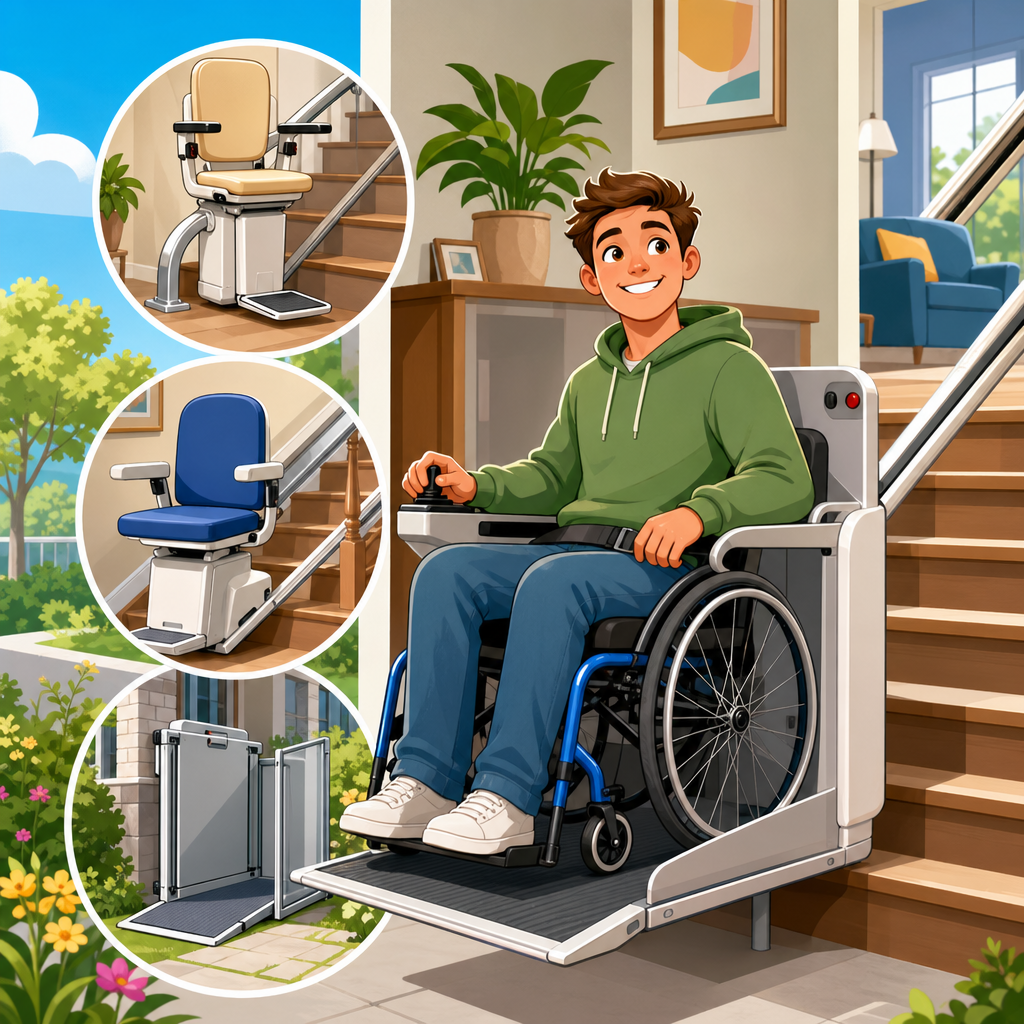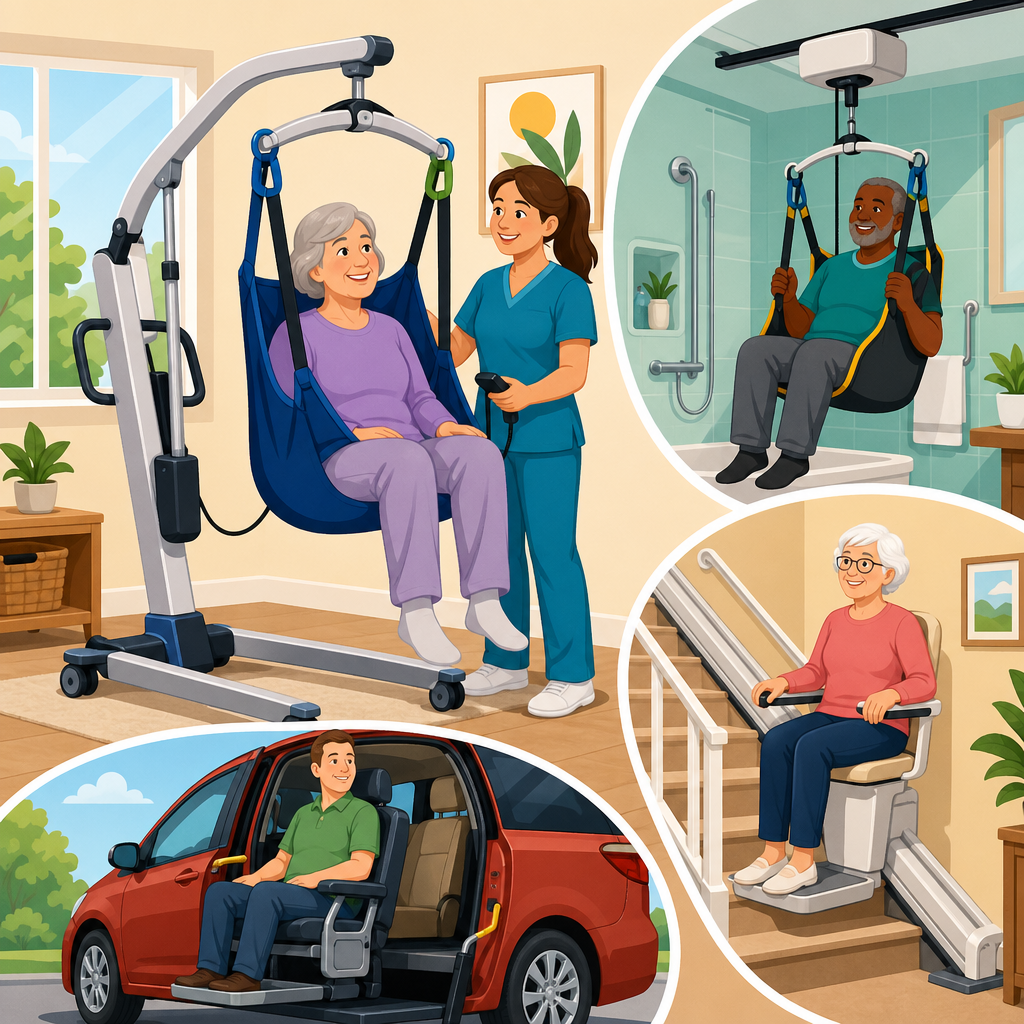
Choosing between used and budget chair lifts looks simple at first: spend less upfront and solve the mobility problem fast. In practice, the long-term winner depends on total cost of ownership, safety, parts support, home layout, and how long the lift needs to serve the user. A chair lift, sometimes called a stair lift, is a motorized seat that travels along a rail fixed to the staircase, helping a person move between floors without climbing steps. “Used” usually means a previously installed lift that has been removed, inspected, and resold. “Budget” usually refers to a new lower-cost model with fewer custom features, a shorter rail, or a basic warranty. This distinction matters because many buyers compare only purchase price, when the more important question is what the lift will cost over five to ten years.
I have worked with families evaluating stair lift quotes, trade-ins, and reconditioned units, and the pattern is consistent: the cheapest invoice is not always the cheapest decision. Rail customization, battery replacement cycles, service-call frequency, transfer safety, and code-compliant installation all affect value. A straight staircase can often accept a low-cost new lift or a carefully reconditioned used unit. A curved staircase is different; the rail is usually built to the exact dimensions of one home, which sharply limits the usefulness of a used system. For buyers researching budget-friendly options, this article serves as the central guide. It explains where used lifts can save money, where new budget models are safer and smarter, and how to compare the numbers with enough rigor to avoid expensive surprises later.
What “Used” and “Budget” Really Mean in the Chair Lift Market
A used chair lift is not one single category. It can mean a dealer-refurbished unit, a privately sold lift removed from another home, or a showroom/demo model. Those versions are not equal. Dealer-refurbished systems are usually the safest used option because the motor, carriage, charge contacts, seat switch, overspeed governor, batteries, and call/send controls are inspected or replaced before reinstallation. A private-sale lift from an online marketplace may cost less, but it often comes without a compatible rail length, installation support, warranty, or proof that the unit meets the manufacturer’s current service bulletins.
A budget chair lift is generally a new straight-rail model designed to hit an accessible price point. Brands such as Bruno, Harmar, Stannah, Handicare, and Access BDD commonly offer entry-level straight lifts with core safety functions: seat belt, obstruction sensors, swivel seat lock, battery backup, and remote controls. Budget does not mean unsafe. It usually means fewer premium features like powered swivel, powered footrest, heavier weight capacity, folding rail upgrades, or custom upholstery. In real buying situations, many families are deciding between a refurbished premium model and a basic new model. That is the comparison that reveals long-term savings most clearly.
Upfront Price vs. Total Cost of Ownership
The main financial mistake buyers make is treating the purchase price as the whole cost. The correct lens is total cost of ownership: acquisition, installation, maintenance, parts, battery replacements, repairs, and eventual removal or resale. On a straight staircase, a used lift can lower initial spending substantially, especially when the rail length matches the home closely. New budget lifts, however, often reduce risk because they come with manufacturer-backed warranties and currently supported parts. In my experience, the break-even point often depends on how much service the used lift needs in years two through five.
For example, a refurbished straight stair lift might cost $2,000 to $3,500 installed, while a new budget straight lift may land around $3,000 to $5,500 installed depending on rail length, seat options, and dealer pricing. Those ranges vary by region, labor rate, and staircase conditions, but the spread is often narrower than buyers expect. If the used lift needs two service visits, fresh batteries, and a replacement arm switch outside a short warranty window, much of the initial savings disappears. By contrast, a new budget lift with a two-year parts warranty and strong dealer support may cost more on day one but less over six years.
| Cost Factor | Used Straight Lift | New Budget Straight Lift | Long-Term Impact |
|---|---|---|---|
| Purchase and installation | Usually lower upfront | Usually higher upfront | Used often wins initially |
| Warranty coverage | Short or dealer-limited | Manufacturer-backed, longer | New often lowers surprise costs |
| Parts availability | Can be uncertain on older models | Current parts are easier to source | New reduces downtime risk |
| Battery replacement | May be needed sooner | Usually later in ownership cycle | Used can lose savings early |
| Service-call frequency | Often higher if heavily used before resale | Typically lower in early years | New may cost less over time |
| Resale or reuse | Limited further value | Better condition if sold later | New may hold utility longer |
For curved stair lifts, the equation changes dramatically. A used carriage may be reusable, but the curved rail usually is not, because it was fabricated for another staircase’s rise, run, landings, and parking positions. That means buyers considering “used vs. budget” for a curved staircase are often not choosing between two truly equivalent options. A so-called used curved lift still may require a newly manufactured rail, which drives the price closer to a new system. In those cases, long-term savings usually come from selecting a reliable, supportable configuration rather than chasing a used discount that is smaller than expected.
Safety, Reliability, and Compliance Matter More Than Buyers Expect
The most overlooked long-term cost is the cost of an unreliable lift. A chair lift is not decorative equipment; it is mobility infrastructure. If it fails, the user may be stranded on one floor, delay medication, miss bathroom access, or attempt the stairs unaided. That is why safety and reliability carry direct financial value. Core features to verify include obstruction sensors on the footrest and carriage, battery backup for power outages, seat-swivel locks, retractable seat belt, final limit switches, and smooth start/stop programming. Reputable manufacturers also design lifts to standards referenced by installers and inspectors, including ASME A18.1 for platform lifts and stairway chairlifts in the United States.
Used lifts can be safe, but only when refurbishment is documented and installation is completed by a qualified dealer. I advise buyers to ask for the exact model number, serial number, year of manufacture, service history, battery age, and list of replaced components. If a seller cannot provide that information, the lower price is not meaningful. A bargain becomes expensive the first time a discontinued control board fails and no replacement can be sourced quickly. New budget lifts generally win on reliability because every major wear item starts at zero service life, the charger is current, and the dealer can obtain approved parts faster.
Reliability is also affected by fit. A basic new straight lift configured for the exact staircase often runs more smoothly than a used system adapted to a similar but imperfect rail length. Charge points, park positions, footrest clearance, and seat height all influence whether the lift is easy to use every day. Small installation compromises can create repeated nuisance faults or awkward transfers. Those issues rarely appear on the quote, but they shape long-term satisfaction and maintenance costs.
When a Used Chair Lift Saves More Long Term
A used chair lift can absolutely be the better long-term value in the right scenario. The strongest case is a straight staircase, standard user weight, light-to-moderate usage, and purchase through a reputable local dealer that refurbishes and installs its own inventory. In that setup, the rail can often be reused, the carriage can be tested under load, and the dealer already knows which components typically fail on that model. If the dealer includes a meaningful labor warranty and confirms parts support, a used lift may deliver several years of dependable service at a lower total cost.
Used lifts also make sense for short-term needs. Families recovering from surgery, arranging hospice care, or bridging time until a first-floor renovation may not need ten years of service life. For six to eighteen months of expected use, preserving cash can be rational. Rental stair lifts are another option in this scenario, but in some markets a refurbished purchase costs less than an extended rental. Buyers should compare all three: used, new budget, and rental. The right answer depends on expected duration, removal fees, and whether the dealer credits part of the purchase toward buyback.
Another case where used can save more is when the dealer’s refurbishment process is rigorous. The best dealers replace batteries proactively, test current draw, inspect rollers and gearbox condition, verify charging at both ends, and update worn seat or arm components before installation. Those steps matter more than the word “used.” A well-refurbished premium model with a strong chassis may outlast a very low-end new import with weak dealer support. Long-term savings come from condition and supportability, not from age alone.
When a New Budget Chair Lift Is the Smarter Financial Choice
New budget chair lifts usually save more long term when the lift is expected to be used daily for many years. Frequent cycling accelerates wear on batteries, charge strips, seat mechanisms, and drive components. Starting with a new unit reduces early failure risk and extends the period before major maintenance appears. That matters in multi-person households where the lift runs up and down several times each day, or when the user cannot tolerate downtime.
A new budget lift is also the better choice when the buyer needs predictable support. Manufacturer warranties typically cover key components for a stated period, and authorized dealers can access technical support, installation documentation, and current replacement parts. This is especially important in rural areas where service availability is thin. If only one local dealer supports a brand, buying an unsupported used model from another source is risky. The few hundred dollars saved upfront can vanish in travel charges, delays, and custom troubleshooting.
Homes with unusual stair conditions also favor new systems. Narrow stairs, a doorway near the top landing, a need for a folding rail, or transfer concerns at the upper floor may require precise measurements and newer safety features. In these cases, a budget new lift configured specifically for the home reduces the chance of expensive adjustments later. The buyer pays more initially but avoids recurring friction: awkward seating angle, rail protrusion into a walkway, or stop positions that do not align cleanly with the landing.
How to Evaluate Budget-Friendly Options Like a Pro
If this page is your hub for budget-friendly options, use a disciplined comparison process. First, identify staircase type: straight, curved, or outdoor. Second, estimate usage: temporary recovery, moderate daily use, or long-term high frequency. Third, confirm user requirements: weight capacity, seat width, transfer side, dexterity, and whether powered swivel or powered footrest is necessary. Fourth, compare not just quotes but support terms: parts warranty, labor warranty, response times, battery age, and removal policy.
I recommend asking every dealer the same questions. Is the quoted used unit refurbished or merely reinstalled? Which components were replaced? Is the model still in current production? Are batteries included new? Who performs service locally? What are the charges after warranty? Can the rail be modified if floor conditions change? Does the dealer offer a buyback, trade-in, or rental conversion? Buyers who ask these questions quickly separate strong offers from false economies.
It also helps to consider adjacent options within the same budget conversation. A vertical platform lift may be better for wheelchair users than any chair lift. A home modification such as adding a handrail, improving lighting, or creating first-floor sleeping space may reduce immediate need. For outdoor stairs, corrosion resistance and weatherproof covers matter more than bargain pricing. Budget-friendly buying is not about finding the lowest sticker price; it is about matching the right mobility solution to the home and the user with the fewest expensive compromises.
Best Long-Term Decision: Match the Lift to the Use Case
Used vs. budget chair lifts is not a one-size-fits-all debate. For a straight staircase, short-term need, and a dealer-refurbished unit with documented service history, used can save more long term because the ownership window is short and the upfront discount is meaningful. For daily use over many years, especially where service access and parts support matter, a new budget chair lift usually saves more because it lowers repair risk, extends reliable operation, and protects the household from downtime.
The practical rule is simple. Buy used when the staircase is straightforward, the dealer is reputable, the refurbishment is documented, and the expected usage period is limited or moderate. Buy new budget when reliability, warranty coverage, custom fit, and current parts support matter more than initial price. Curved lifts almost always demand extra caution because “used” rarely means fully reusable at a meaningful discount.
As the central buying guide for budget-friendly options, this article should help you narrow the right path quickly. Start by getting two or three quotes, insist on written details about warranty and service, and compare total ownership cost over the period you realistically expect to use the lift. The cheapest chair lift is the one that keeps working safely with the fewest added costs. Use that standard, and your long-term savings decision becomes much clearer.
Frequently Asked Questions
1. Do used chair lifts or budget chair lifts usually save more money over the long term?
The lowest purchase price does not always deliver the lowest long-term cost. In many cases, a budget chair lift can save more over time than a used one if it comes with a solid warranty, current safety features, and reliable access to replacement parts. A used chair lift may look like the bargain upfront, but savings can disappear quickly if the unit needs reconditioning, battery replacement, service calls, rail modifications, or hard-to-find components. Total cost of ownership matters more than sticker price.
To compare them fairly, look beyond the initial quote and add up installation, maintenance, likely repairs, battery life, service coverage, and expected years of use. If the lift will be used daily for several years, dependability becomes a major financial factor. A cheaper used unit that breaks down often may cost more in the long run than a modestly priced new budget model that runs reliably with manufacturer support. On the other hand, if the need is temporary and the staircase matches a standard configuration, a properly refurbished used stair lift can still be the lower-cost option. The real answer depends on how long the lift must serve, how heavily it will be used, and whether support will be available when something goes wrong.
2. What hidden costs should buyers watch for when comparing used and budget stair lifts?
Hidden costs are where many buyers lose the savings they thought they were getting. With used chair lifts, common extra expenses include rail adjustments, new batteries, replacement seat belts, updated safety sensors, call/send controls, diagnostic work, and labor for removal and reinstallation. Not every used unit is a simple plug-and-play transfer from one home to another. Staircase dimensions, landing space, seat orientation, and power supply can all affect whether an existing rail can be reused or must be replaced. If the rail does not fit, the “used” deal can become much less attractive very quickly.
Budget chair lifts can also carry hidden costs, though they are often different. Buyers should ask about installation charges, delivery fees, optional upgrades, warranty limits, annual service recommendations, and battery replacement intervals. Some low-priced new models keep upfront cost down by offering limited service networks or shorter warranties. Others may require add-ons for features that are essential in real-world use, such as power swivel seats, folding rails, or upgraded weight capacity. A smart comparison should include a written estimate for the full installed price, expected maintenance over several years, and what happens if the lift needs service after the warranty expires. That full-picture view is what reveals which option is actually less expensive long term.
3. Is a used chair lift safe enough, or is a new budget chair lift usually the safer choice?
A used chair lift can be safe if it has been professionally inspected, refurbished where necessary, and installed by a qualified technician. The key issue is not simply whether the lift is used, but whether its condition, service history, and safety systems have been verified. Buyers should confirm that the unit has functioning seat belts, obstruction sensors, armrest controls, braking systems, battery backup, and a rail and carriage assembly appropriate for the staircase. It is also important to know whether the model still meets current safety expectations and whether replacement parts are available if a critical component fails.
That said, a new budget stair lift often has an edge in safety confidence because it typically includes current manufacturing standards, full installation support, and a fresh warranty. For households where reliability is essential and a breakdown could create a serious mobility or fall risk, that added peace of mind can justify the difference in price. Safety is not just about whether the lift works on day one; it is about whether it can be kept working safely over time. If a used model is older, discontinued, or unsupported, even a low purchase price may not be worth the long-term risk. For many families, the safer financial decision is also the safer practical decision: choose the lift that can be maintained properly for the full period of use.
4. How do parts availability and warranty coverage affect long-term savings?
Parts support and warranty coverage have a huge impact on what a chair lift really costs over its lifetime. A stair lift is a mechanical and electrical mobility device, and even well-made units eventually need batteries, switches, rollers, chargers, or other service parts. If a used chair lift is an older model with limited manufacturer support, a single repair can become expensive or impossible. That can shorten the useful life of the lift and force an earlier replacement, wiping out any upfront savings. Buyers sometimes focus heavily on purchase price and overlook the fact that an unsupported unit can become a dead end.
Budget chair lifts often win on long-term value because they are still in active production, making parts easier to source and repairs more predictable. A manufacturer-backed warranty can further reduce risk by covering key components during the early ownership period, when buyers are most vulnerable to surprise expenses. It is worth asking specific questions: How long is the warranty on parts and labor? Are batteries covered? Is in-home service included? Are local technicians trained on the model? The more complete the support system, the easier it is to control long-term costs. In practical terms, a chair lift with dependable parts access and clear warranty terms often saves more money than a cheaper unit that becomes difficult to service after installation.
5. Which option makes more sense for short-term use versus long-term daily use?
For short-term use, a used chair lift can make strong financial sense, especially if the staircase is straight, the user’s needs are temporary, and the lift has been professionally refurbished and fitted correctly. Examples might include recovery after surgery, a temporary injury, or a situation where the family expects to move in the near future. In those cases, minimizing upfront cost may be the priority, and the risk of long-term repairs may matter less because the lift may only be needed for a limited period. Even then, buyers should still insist on safe installation and at least some service support.
For long-term daily use, a budget chair lift is often the better value. When someone relies on the lift every day for access to a bedroom, bathroom, or main living area, reliability becomes more important than the lowest entry price. Frequent use increases wear, and long-term ownership increases the odds that service or replacement parts will be needed. A newer budget model with warranty protection, current components, and easier maintenance can reduce disruption and lower total ownership cost over several years. In other words, short-term savings and long-term savings are not always the same thing. If the chair lift is going to be a daily part of life, the option with better support, better fit, and fewer service surprises usually comes out ahead financially.