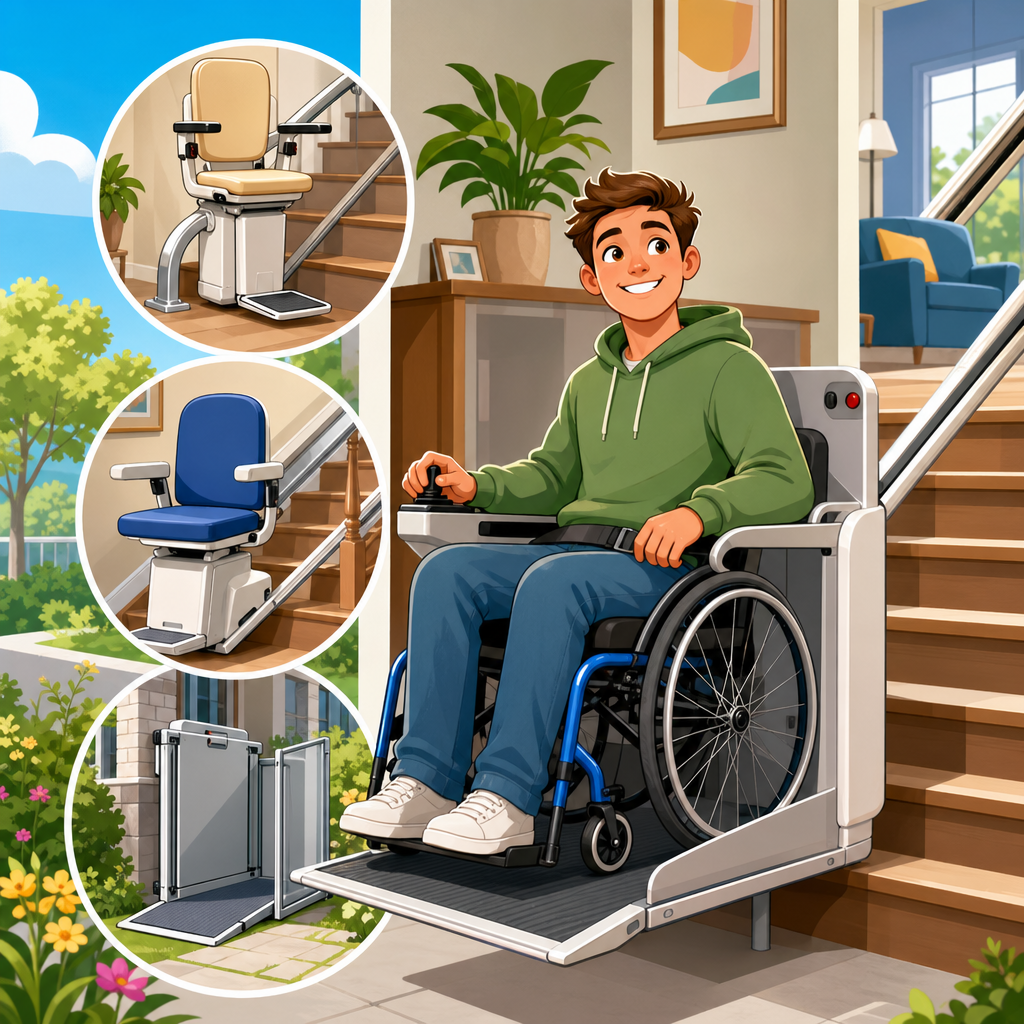
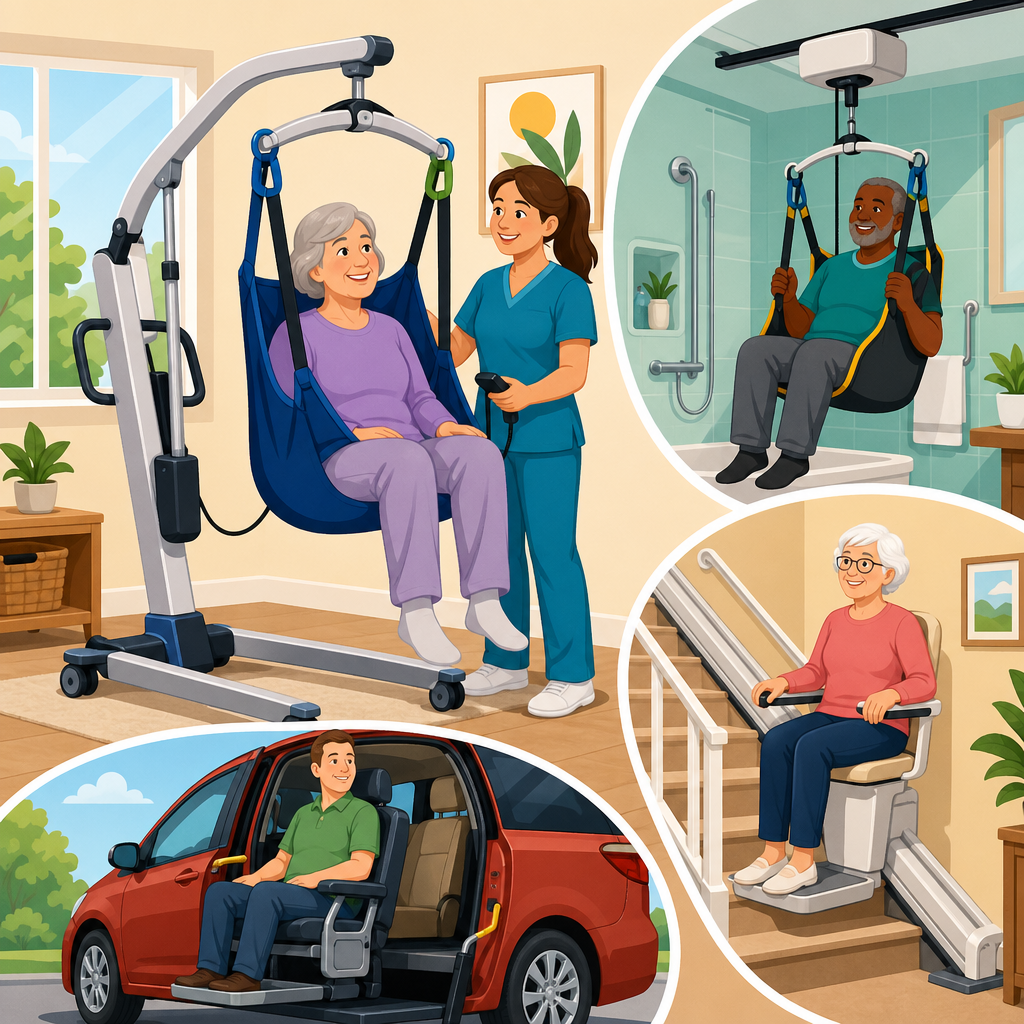
Refurbishment means restoring a previously owned product to reliable working condition through inspection, repair, replacement of worn parts, cleaning, testing, and documented quality checks. In the context of used and refurbished chair lifts, the term matters because buyers are not simply choosing between new and old equipment; they are choosing between unknown wear and a controlled reconditioning process designed to make a mobility device safe, functional, and cost-effective again. I have worked with accessibility equipment buyers who assumed “used” and “refurbished” meant the same thing, and that misunderstanding often led to poor purchasing decisions. A used chair lift may be sold as-is with little information about service history, battery condition, rail wear, or previous installation quality. A refurbished chair lift, by contrast, should pass through a structured process that includes mechanical inspection, electrical testing, replacement of high-wear components, and verification that the lift still meets the manufacturer’s operating specifications for the exact model.
For homeowners, adult children, occupational therapists, and case managers, understanding refurbishment is especially important because stair lifts are safety-critical devices. They support people with reduced mobility, arthritis, neurological conditions, post-surgical limitations, or age-related balance issues on one of the most hazardous features in any home: the staircase. According to public health data from the CDC, falls remain a leading cause of injury among older adults, and stairs are a frequent location for those incidents. A properly refurbished stair lift can extend independent living, reduce transfer risk, delay a move to assisted living, and lower upfront costs compared with buying new. This hub article explains what refurbishment means, how used and refurbished chair lifts differ, what buyers should inspect, how pricing works, what standards and warranties matter, and when buying refurbished is the smart option versus when a new stair lift is the safer long-term choice.
Used vs. Refurbished Chair Lifts: The Difference Buyers Must Understand
The simplest definition is this: used describes prior ownership, while refurbished describes a process. Every refurbished chair lift is used first, but not every used chair lift has been refurbished. That distinction affects safety, reliability, lifespan, and service support. In practical terms, an as-is used stair lift might come from a home sale, estate clearance, auction, or marketplace listing. It may still run, but the buyer often has no proof of maintenance intervals, battery age, gearbox condition, rail compatibility, firmware status, or whether the original installation followed the manufacturer’s instructions. Missing call stations, worn seat swivel locks, degraded safety edges, and outdated charger contacts are common problems.
A genuine refurbished chair lift should have a documented reconditioning workflow. On reputable dealer benches, that usually starts with model identification and serial verification, followed by rail assessment, carriage inspection, strip-down cleaning, battery testing or replacement, seat and hinge checks, PCB diagnostics, limit switch verification, overspeed governor review where applicable, and a loaded test run. If any part shows excessive wear or falls outside tolerance, it is repaired or replaced. Only then is the unit prepared for reinstallation. In my experience, the best dealers treat refurbishment more like remanufacturing of selected components than cosmetic cleanup. They know that buyers are trusting the lift with daily transfers on stairs, often multiple times each day.
This difference also affects insurability of the transaction. Dealers that sell refurbished stair lifts usually provide installation, warranty coverage, and post-sale service. Private sellers usually do not. That matters because a stair lift is not a plug-and-play appliance. Fit depends on staircase geometry, rail sections, landing space, seat height, power supply access, and the user’s body mechanics. The right question is not “Can I find a cheap used chair lift?” but “Can I find a refurbished stair lift with verified condition, compatible rail configuration, proper installation, and service backing?”
What the Refurbishment Process Should Include
A proper refurbishment process for a chair lift is methodical. Reputable accessibility dealers and manufacturers typically inspect five systems: rail integrity, drive system, power system, safety system, and user interface. Rail integrity includes checking for bends, wear, corrosion, rack damage, mounting bracket condition, and smooth travel across joints. Drive system review covers motor operation, transmission or gearbox wear, drive pinion condition, rollers, carriage alignment, and unusual vibration or noise. Power system review usually includes batteries, charger output, charging contacts, wiring harnesses, connectors, and control boards. Safety system checks include obstruction sensors, seat belt latch, swivel seat locks, footrest safety edges, limit switches, and emergency stop behavior. User interface checks cover arm controls, remote call/send stations, diagnostic displays, and seat folding mechanisms.
Cleaning and cosmetic restoration are part of refurbishment, but they are not the core of it. Reupholstering a seat or polishing covers does not make a stair lift safe. The core work is replacing failure-prone components and proving performance under test. Most dealers replace batteries automatically because sealed lead-acid batteries degrade with time even when lightly used. Many also replace worn rollers, charging strips, remote batteries, and damaged trim pieces as standard practice. Higher-end refurbishment may include new seat pads, armrest covers, hinges, footrest inserts, and updated control boards if the manufacturer still supports the model.
The final stage should be documentation. A buyer should expect the dealer to state the make, model, approximate age, replaced components, tested functions, staircase compatibility, and warranty terms. If a seller cannot explain what was refurbished, assume the unit was merely cleaned and resold.
| Component | Why It Matters | What Refurbishment Should Include |
|---|---|---|
| Batteries | Weak batteries cause stalling and reduced ride consistency | Load test and usually replace with matched new batteries |
| Rail and rack | Wear or damage affects smooth travel and stopping accuracy | Inspect alignment, clean track, verify joints, replace damaged sections |
| Seat swivel and locks | Unsafe transfers occur if the seat does not lock securely | Test detents, hinges, lock engagement, and landing position |
| Safety edges and sensors | They stop the lift if it contacts an obstacle on the stairs | Function-test each sensor and replace faulty switches |
| Charger and contacts | Poor charging shortens battery life and creates intermittent failures | Measure output, clean contacts, confirm parked charging |
Why People Buy Refurbished Stair Lifts
The most common reason is cost. A straight new stair lift from brands such as Bruno, Handicare, Harmar, or Stannah often starts in the low thousands before optional features, while curved stair lifts can cost several times more because the rail is custom-fabricated to the staircase. A refurbished straight stair lift can significantly reduce initial outlay, especially when a dealer can reuse a compatible rail or cut a modular rail to fit the home. For families managing a short-term recovery after surgery, a hospice situation, or a limited budget, that difference can make installation feasible when a new unit would be delayed or unaffordable.
Availability is another advantage. Straight stair lifts are often easier to refurbish because many use standardized or modular rail systems. Dealers can keep serviceable inventory in stock, inspect it, and install quickly. That speed matters when discharge planners are trying to send a patient home safely after a hospital stay. I have seen refurbished straight lifts installed within days, while custom alternatives required much longer lead times. For temporary needs, some dealers also refurbish units for rental fleets, giving buyers a lower-cost path without sacrificing professional installation.
There is also a sustainability argument. Reusing a sound carriage and rail system keeps durable metal and electronic components in service longer and reduces waste. That benefit is real, but it should never override safety or support concerns. A mobility device should be refurbished because it remains supportable and reliable, not simply because it can be reused.
When Refurbished Makes Sense and When New Is Better
Refurbished chair lifts make the most sense in predictable scenarios. Straight staircases with adequate width are usually the strongest candidates because model compatibility is better and refurbishment costs are easier to control. Buyers who need a lift for one to five years, who have a reputable local dealer, and who can obtain a meaningful parts-and-labor warranty often do well with refurbished equipment. The value case is strongest when the unit includes new batteries, fresh service documentation, and local technician support.
New is often the better choice when the staircase is curved, unusually narrow, outdoors, or used heavily by multiple riders each day. Curved stair lifts rely on custom rails designed to exact measurements, so the rail is rarely transferable from one home to another. Some dealers can refurbish the carriage but still need a new custom rail, which changes the economics. Outdoor stair lifts face weather, UV exposure, moisture, and corrosion; in those conditions, full manufacturer support and current weatherproofing matter more. New can also be the better option when the user has specialized seating requirements, a higher weight capacity need, or cognitive issues that call for the latest controls and diagnostic systems.
Another deciding factor is supportability. If the manufacturer has discontinued the model, parts are scarce, or authorized technicians in your area will not service second-owner units, the lower purchase price can disappear quickly. A stair lift is only a good deal if it remains serviceable for the period you need it.
How to Evaluate a Refurbished Chair Lift Before You Buy
Start with the dealer, not the product. Ask whether the company specializes in accessibility equipment, performs in-house refurbishment, uses trained installers, and carries liability insurance. Then ask for the exact make and model, year or age range, original use environment, replaced parts, and warranty terms. Good dealers answer these questions directly because they track inventory and service records. Weak sellers tend to speak in generalities like “works great” or “tested,” without listing what was tested.
Next, confirm compatibility with the staircase and the user. A home assessment should include staircase width, number of steps, top and bottom landing clearance, power location, door swing conflicts, overrun needs, and transfer safety at both landings. User fit matters equally. Seat width, arm height, footrest size, weight rating, swivel behavior, and control style should match the rider’s physical needs. A technically sound lift can still be the wrong purchase if the user cannot sit safely, fasten the belt, or transfer confidently on and off at the landing.
Finally, scrutinize the warranty and service response. A credible refurbished stair lift should come with clear coverage for parts, labor, batteries, and call-out policies. Ask how quickly the company responds to breakdowns, whether loaner options exist, and whether annual maintenance is available. The strongest transactions look boring on paper: clear model details, standard installation practice, specific warranty language, and realistic service commitments.
Pricing, Warranties, and Common Risks
Pricing for used and refurbished chair lifts varies by staircase type, brand, local labor rates, rail configuration, and support package. Straight refurbished lifts generally offer the best value because inventory is more interchangeable. Curved systems are more complex and often depend on a new rail even if the carriage is refurbished. Buyers should compare total installed cost, not headline equipment price. Removal of old equipment, electrical work, rail modifications, extended warranties, and future service plans all affect real cost.
The biggest risks are hidden wear, unsupported models, poor installation, and weak after-sales service. Hidden wear is common in marketplace purchases where batteries are tired, charging contacts are dirty, or a gearbox has excessive backlash. Unsupported models create downtime because parts may need to be sourced from salvage stock. Poor installation can produce rough travel, bad charging alignment, or unsafe transfer positions at the landings. Weak service becomes critical when the rider depends on the lift every day.
Warranties help separate serious dealers from opportunistic resellers. Coverage terms differ, but buyers should prefer written warranties that define labor, parts, exclusions, travel charges, and response expectations. If a seller offers no installation and no service, it is usually not a refurbished mobility solution; it is simply a secondhand product changing hands.
This Hub’s Role in Your Research
This article is the starting point for the broader used and refurbished chair lifts topic because buyers rarely need one answer. They need a sequence of answers: whether used is safe, how refurbishment is done, what brands hold up well, how much straight and curved systems cost, whether renting beats buying, and what questions to ask installers. As you continue researching, use this hub to frame every related decision around five fundamentals: verified refurbishment, staircase compatibility, user fit, warranty strength, and local service support.
The core takeaway is simple. Refurbishment means more than prior use and less than brand new; it is a controlled restoration process that can make a chair lift dependable again when done correctly. For many households, that creates the best balance of safety, speed, and affordability. But the value only holds when the lift is professionally inspected, properly installed, and backed by service. If you are comparing options now, start by requesting an in-home assessment from a reputable stair lift dealer and ask for written details on exactly how the unit was refurbished before you buy.
Frequently Asked Questions
What does refurbishment actually mean?
Refurbishment means taking a previously owned product and restoring it to dependable working condition through a structured process rather than simply reselling it as-is. In practical terms, that process usually includes a full inspection, identification of worn or damaged components, replacement or repair of those parts, deep cleaning, functional testing, and documented quality checks before the product is offered for use again. The goal is not to make the item “brand new” in every cosmetic sense, but to ensure that it performs reliably, safely, and consistently within expected standards.
In the context of mobility equipment such as used and refurbished chair lifts, this distinction is especially important. Buyers are not just comparing “new” versus “used.” They are comparing an item with an unknown service history to one that has been deliberately reconditioned under controlled procedures. A properly refurbished chair lift has been evaluated for wear, had critical components assessed or replaced, and been tested to confirm that it is functional and ready for continued service. That makes refurbishment a meaningful quality category, not just a marketing label.
How is a refurbished chair lift different from a used chair lift?
A used chair lift is simply a previously owned unit that may or may not have gone through any meaningful evaluation before resale. Its condition can vary widely depending on age, prior usage, maintenance history, storage conditions, and whether any hidden wear exists in mechanical or electrical parts. In many cases, “used” only describes ownership history, not current performance or reliability.
A refurbished chair lift, by contrast, has gone through a defined reconditioning process intended to reduce uncertainty. That process typically includes inspection of the rail, motor system, seat assembly, controls, safety sensors, batteries or power system where applicable, and other wear-related components. Parts showing excessive wear may be repaired or replaced, the unit is cleaned and retested, and quality checks are documented before it is made available again. For buyers, this means refurbishment adds a layer of professional oversight that ordinary used equipment may not have. The result is often a safer, more predictable, and more cost-effective option than purchasing a unit with no verified reconditioning history.
What steps are usually involved in the refurbishment process?
While exact procedures vary by provider and equipment type, a legitimate refurbishment process follows a logical sequence. It usually begins with intake assessment, where the product is reviewed for overall condition, age, compatibility, and any obvious defects. After that comes a more detailed inspection of structural, electrical, and moving parts to identify anything that is worn, damaged, or no longer performing to standard. Components that fail inspection are then repaired or replaced as needed.
Once the necessary corrective work is complete, the product is thoroughly cleaned and prepared for testing. With chair lifts, this can include checking travel along the rail, seat stability, controls, start-and-stop behavior, safety features, charging systems, and general operating smoothness. Quality assurance is a major part of true refurbishment, so the final stage typically includes documented testing and verification that the lift meets the seller’s standards for safe and reliable operation. This documented, repeatable process is what separates refurbishment from a basic wipe-down or cosmetic touch-up.
Is a refurbished chair lift safe and reliable?
A refurbished chair lift can be safe and reliable when the refurbishment has been completed by a qualified provider using a careful inspection, repair, replacement, and testing process. Safety depends less on the fact that the lift is previously owned and more on whether it has been professionally reconditioned and verified for operation. A well-refurbished lift should have its critical systems evaluated, including mechanical movement, seat integrity, safety edges or sensors, controls, and any power or battery-related components. These checks help confirm that the unit is ready to perform as intended.
That said, buyers should not assume all refurbished products are equal. The quality of refurbishment depends on the standards of the company doing the work. It is wise to ask what parts were inspected, what was replaced, how the equipment was tested, and whether the provider keeps records of those quality checks. When those answers are clear and specific, refurbishment can offer a strong balance of dependability and value. Especially for mobility equipment, confidence comes from process, documentation, and professional oversight rather than from the label alone.
Why does understanding refurbishment matter when buying a chair lift?
Understanding refurbishment matters because it changes how you evaluate value, risk, and long-term performance. If you only think in terms of “new versus old,” you may miss the fact that a refurbished chair lift occupies a middle ground that can be highly practical. It is not simply an older device being resold; it is equipment that has gone through a controlled effort to restore function and reduce uncertainty. For many buyers, especially those balancing mobility needs with budget considerations, that distinction can make a major difference.
Knowing what refurbishment means also helps you ask better questions before purchasing. Instead of focusing only on price, you can ask about inspection standards, parts replacement, testing procedures, and quality documentation. That gives you a clearer sense of what you are paying for and whether the chair lift has been prepared for dependable continued use. In a category where safety and reliability are essential, understanding refurbishment helps buyers move beyond assumptions and make a more informed, confident decision.