Buying a used Bruno or Stannah lift can save substantial money, but the right choice depends on your staircase, local service support, parts availability, and the quality of the refurbishment more than the badge on the rail. In this guide, “lift” refers to a stair lift or chair lift installed on a residential staircase to help a user travel safely between floors while seated. “Used” usually means previously installed and removed, while “refurbished” should mean the unit has been inspected, repaired, cleaned, tested, and reinstalled with new wear components where needed. Those differences matter because one seller’s refurbished chair lift may be another seller’s simply wiped-down resale.
I have worked with homeowners comparing secondhand stair lift options, and the same pattern appears repeatedly: people focus first on brand reputation, then discover that track fit, battery condition, warranty terms, and installer competence are what determine whether the purchase feels like a bargain or a regret. Bruno and Stannah are both established names in the mobility market. Bruno is especially prominent in the United States, while Stannah has a long global history and broad recognition in the United Kingdom and other markets. Both companies produce quality equipment, but neither brand is automatically the best used buy in every home.
This article is the hub for used and refurbished chair lifts within a broader buying guides and product reviews library. It answers the key questions shoppers ask: Is a used stair lift safe? Which brand holds up better? Can curved lifts be bought secondhand? What should a fair refurbishment include? How do warranties, service coverage, and parts support compare? By the end, you should know when a used Bruno lift makes sense, when a used Stannah lift is the better fit, and when neither is the smart choice. The goal is not to push a brand, but to help you buy a reliable lift with realistic expectations and a clear inspection checklist.
Bruno vs. Stannah: What each brand is known for in the used market
Bruno stair lifts are widely regarded in North America for sturdy build quality, straightforward controls, and strong dealer networks in many U.S. regions. Common residential models include straight stair lifts such as the Elan and higher-capacity options such as the Elite, though model availability varies by year and market. In used sales, Bruno often appeals to buyers who want a practical, serviceable unit with accessible parts and technicians familiar with the platform. Many installers prefer brands they can diagnose quickly, and that matters because long-term support can be more important than cosmetic condition on day one.
Stannah is one of the best-known names in stair lifts internationally and has a strong reputation for engineering, ride quality, and custom solutions. In many regions, Stannah’s curved systems are particularly visible, and that influences the resale landscape. A used Stannah straight lift may be an excellent purchase, but a used curved Stannah lift is usually only viable if the original rail can be reconditioned for a very similar staircase or replaced as part of a manufacturer-backed reinstallation plan. That is why brand alone does not answer the question. The installation geometry often decides whether a secondhand unit is even practical.
From a reliability standpoint, both brands can perform well when properly maintained. The more useful distinction is support ecosystem. If you live in an area with several Bruno dealers and no Stannah-certified technicians, a used Bruno lift is usually the safer ownership bet. If your local market has stronger Stannah coverage, the reverse may be true. I advise buyers to call service providers before shopping listings. Ask which models they still support, typical repair turnaround time, and whether they install customer-sourced used lifts. The answers often narrow the field faster than any brochure comparison.
Is a used chair lift safe to buy?
Yes, a used chair lift can be safe to buy if it is inspected, refurbished, and installed by a qualified dealer or technician, and if the unit still meets current safety expectations for the intended user. Safety depends on several components working together: the seat belt, footrest safety edges, carriage braking system, swivel seat lock, call-send controls, battery backup, and charging contacts. A missing label or scratched armrest is cosmetic; an intermittent overspeed governor issue or worn seat swivel mechanism is not. Buyers should think like they are purchasing a safety device, not a piece of household furniture.
Most residential stair lifts are battery powered and charge at points on the rail. That design allows operation during a power outage, but it also means neglected batteries are one of the most common hidden problems in secondhand units. Weak batteries may still move the chair during a quick demonstration yet fail under regular use or stop midway if charging contacts are dirty or misaligned. A reputable refurbishment should include battery testing and, in many cases, replacement. If a seller cannot document battery age, charger condition, and operational testing under load, treat the listing cautiously.
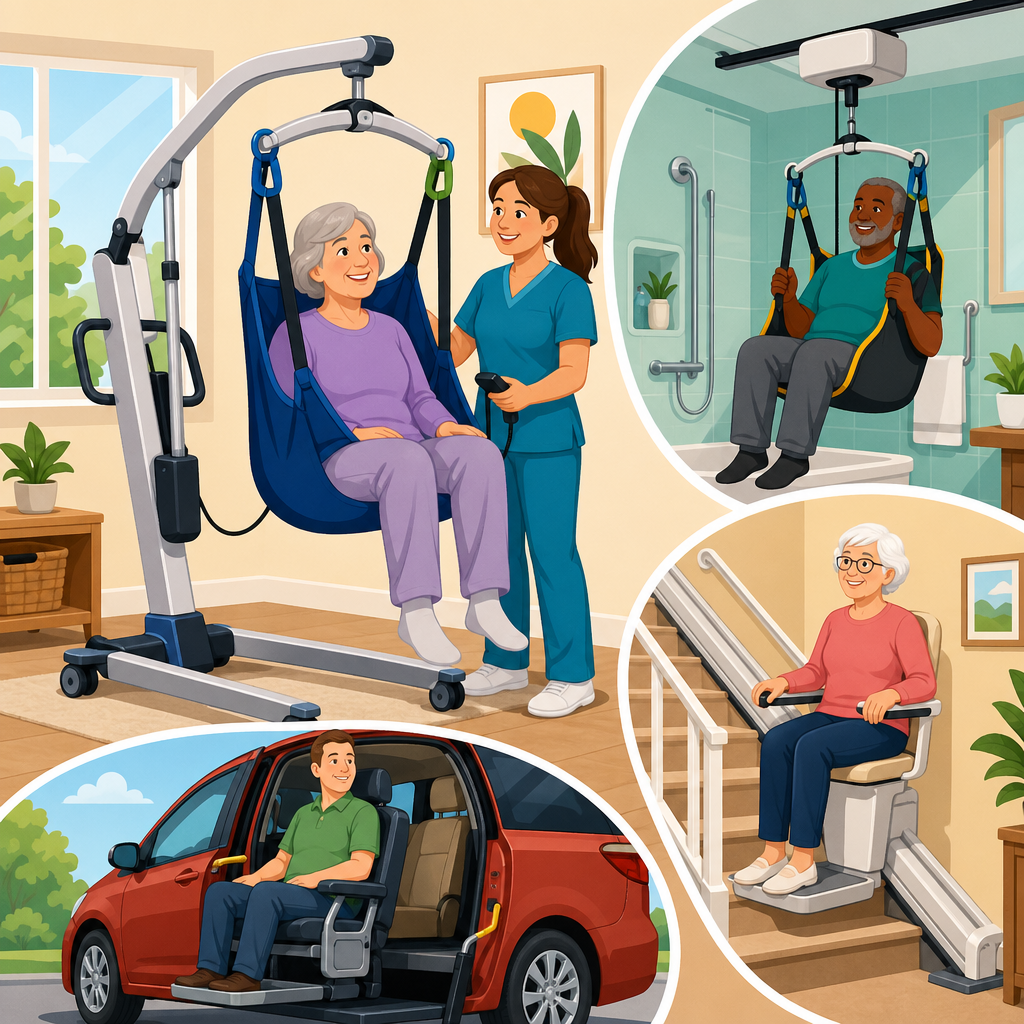
Professional installation is another safety factor buyers underestimate. Even a reliable Bruno or Stannah carriage can become unsafe if the rail is mounted poorly, clearances are wrong, or the seat height and arm positioning do not match the user. Stair lifts must fit the staircase and the rider. On narrow stairs, incorrect positioning can create transfer difficulty at the landing. For users with limited trunk stability, a smooth start-stop profile and secure swivel lock matter more than headline brand prestige. Safety is always model specific, user specific, and installation specific.
Straight vs. curved lifts: the biggest factor in whether used makes sense
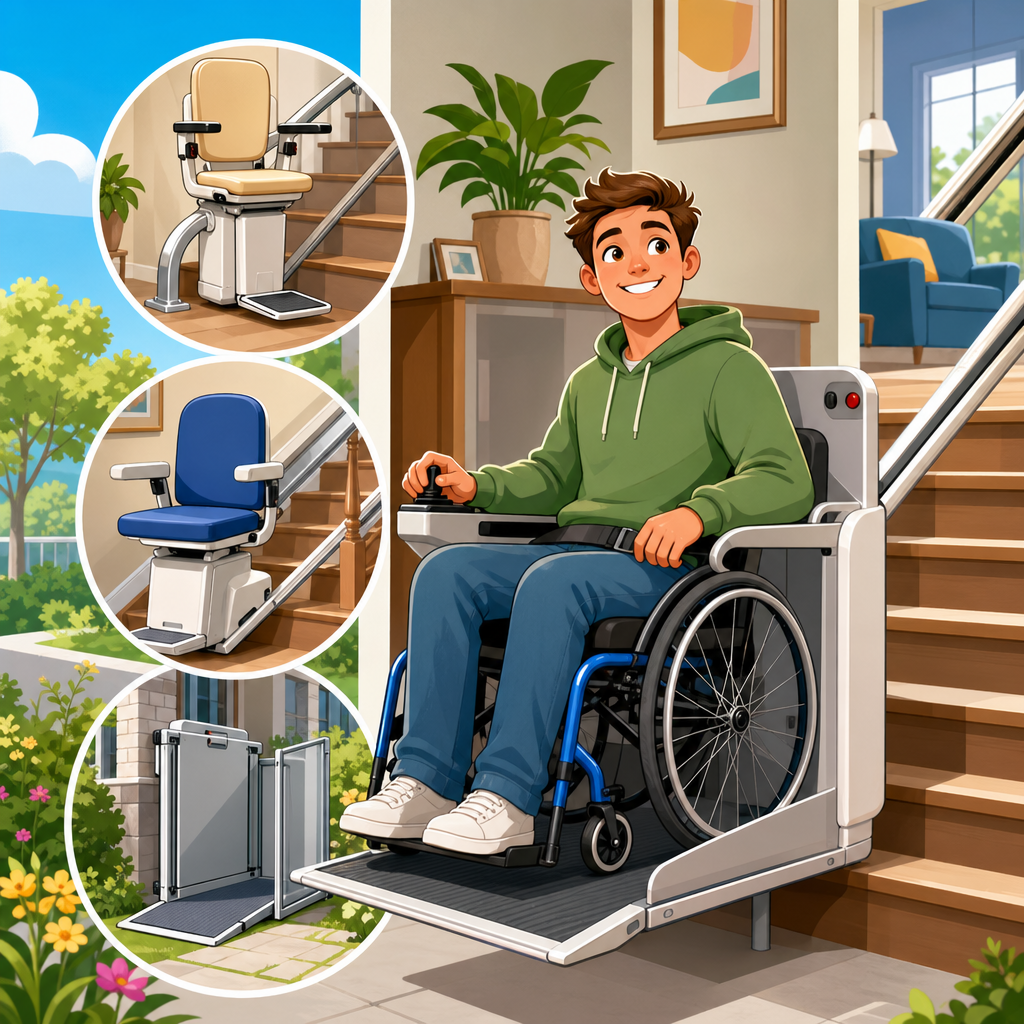
Straight stair lifts are where the used market is strongest because the rail is standardized and can often be cut or configured to fit another straight staircase with compatible dimensions. This makes used Bruno and used Stannah straight lifts realistic options for budget-conscious buyers. Refurbished straight lifts commonly cost much less than new units, and the economics can be compelling if warranty and support are included. In practice, many successful secondhand installations involve a straight staircase, a mainstream model, and a dealer who stocks tested used inventory.
Curved stair lifts are different. The rail is usually custom fabricated to the exact bends, landings, and parking positions of a specific staircase. That means most used curved lifts cannot simply be removed from one home and installed in another without major changes. Some companies can pair a reconditioned carriage with a newly manufactured custom rail, but at that point your savings may be smaller than expected. This is especially relevant when comparing used Bruno or Stannah options because shoppers often assume all used lifts are interchangeable. They are not.
| Type | Used Purchase Practicality | Main Reason | Typical Buyer Advice |
|---|---|---|---|
| Straight stair lift | High | Standard rail can often be adapted or replaced economically | Best category for buying refurbished |
| Curved stair lift | Low to moderate | Rail is custom built for one staircase | Consider only through specialist dealer with new rail option |
| Outdoor stair lift | Moderate | Weather exposure increases wear on key components | Inspect corrosion, seals, and covers carefully |
When buyers ask me whether they should buy a used Bruno or Stannah lift, my first question is always whether the staircase is straight or curved. If it is straight, both brands can be sensible candidates depending on service support and refurbishment quality. If it is curved, the discussion changes from “which used brand is better” to “is a reconditioned carriage plus a new custom rail financially worthwhile compared with buying new from a supported dealer.” That distinction saves shoppers time and prevents false expectations.
What a proper refurbishment should include
A true refurbishment is a process, not a sales adjective. At minimum, the dealer should inspect the motor, gearbox, carriage rollers, charging system, batteries, seat assembly, armrests, footrest sensors, call stations, rail joints, wiring harnesses, and safety interlocks. Worn components should be replaced, not merely adjusted until they work long enough for delivery. The lift should then be tested through repeated travel cycles, ideally under load, and cleaned to a sanitary standard. If the seller cannot describe the refurbishment steps in detail, assume the work was minimal.
Good refurbishers also document model and serial numbers, confirm installation suitability for the target staircase, and disclose what parts are new. Common replacement items include batteries, seat covers, remote batteries, charging strips, and sometimes rollers or footrest components. Ask whether the rail is reused, shortened, or newly fabricated. On older units, control boards and diagnostic modules can be the deciding factor, because electronics availability often limits the future service life of a used lift more than the motor does.
Warranty coverage reveals how much confidence a seller has in the refurbishment. A meaningful used stair lift warranty should specify term length, labor inclusion, battery coverage, and exclusions. A ninety-day parts-only warranty on a used lift may be acceptable for a low-price private sale, but it is weak value from a professional mobility dealer. I generally look for at least a one-year commitment on dealer-supplied refurbished equipment, recognizing that terms differ by market. Strong post-installation support is worth paying for because stair lifts are mission-critical devices in daily life.
How to compare used Bruno and Stannah lifts in real buying situations
If you are choosing between two dealer-supplied straight lifts, compare five things before price: local service network, age of the exact model, refurbishment scope, warranty quality, and user fit. For example, a seven-year-old Bruno with new batteries, fresh rollers, a one-year labor warranty, and local same-week service can be a better purchase than a newer Stannah offered by a reseller who does not stock parts. The reverse is also true if Stannah has stronger regional support and the Bruno model is nearing parts obsolescence. Ownership costs are driven by downtime and repair access, not just invoice totals.
User fit matters more than many comparison charts admit. Seat width, arm shape, folded profile, swivel action, footrest height, and joystick or toggle placement affect daily use. A heavier user may need a higher-capacity model with a wider seat and more robust transmission. A user with arthritis may prefer controls that require less grip strength. Someone transferring from a walker may value a powered swivel or powered footrest, depending on the model. The “best” used lift is the one the intended rider can operate comfortably and consistently without assistance.
Do not ignore stair dimensions and parking needs. In smaller homes, a hinge rail, overrun, or compact folded seat can determine whether the staircase remains passable for others. If a dealer visits your home and only talks about price and brand, that is a warning sign. A competent survey should include staircase width, top and bottom landing clearance, electrical supply, user body mechanics, and emergency considerations. Whether the badge says Bruno or Stannah, good assessment work predicts a good result.
Red flags, pricing realities, and when not to buy used
The biggest red flags in used chair lift shopping are private-party listings with no installation support, sellers who cannot provide exact model numbers, units described as “working when removed,” and claims that any straight lift fits any stairs without measurement. Other concerns include visible rust on outdoor units, cracked seat bases, loose swivel seats, missing remote controls, and rails with undocumented modifications. These are not minor details. They indicate either poor maintenance or a seller who does not understand the product well enough to evaluate it responsibly.
Price should be viewed in context. A bargain unit can become expensive if you must source batteries, replace remotes, pay for rail adjustments, and hire a technician willing to touch unsupported equipment. Conversely, a dealer-refurbished lift with professional installation may cost more upfront yet still be the cheaper ownership decision over two to five years. In many markets, the spread between used and new straight stair lifts is meaningful, while the spread for curved installations can narrow sharply once custom rail work is included. Always compare the all-in installed price.
Sometimes the right answer is not to buy used at all. If the user is medically fragile, relies on the lift multiple times per day, or lives in an area with limited repair coverage, a new lift with full manufacturer-backed support may be the better risk decision. The same applies if the staircase is unusually narrow, the user needs advanced seating adaptations, or the only available secondhand units are older models with uncertain electronics support. Saving money is useful only if the lift remains dependable when it is needed most.
Final verdict: should you buy a used Bruno or Stannah lift?
You should buy a used Bruno or Stannah lift only if the installation is appropriate for your staircase, the model is still well supported locally, and the refurbishment is documented and backed by a credible warranty. For straight staircases, both brands can be excellent used choices. Bruno often stands out in U.S. markets with strong dealer coverage and straightforward serviceability. Stannah can be equally compelling where its technician network and parts support are stronger. For curved staircases, used can work, but only through a specialist who addresses the custom rail issue clearly and transparently.
The key takeaway is simple: buy the support system, not just the brand name. Ask about batteries, parts, safety testing, installation standards, warranty labor, and future service response times. Insist on an in-home assessment. Verify the exact model, age, and condition of the lift you are being offered. A well-refurbished used chair lift can deliver safe, reliable mobility at a sensible price, but only when the dealer treats it like a medical-mobility product rather than a quick resale item.
If you are building your shortlist now, use this hub as your starting point for the wider used and refurbished chair lifts topic. Compare straight versus curved options, review model-specific guides, and speak with local installers before you commit. The best next step is to get two detailed quotes, one for a refurbished unit and one for a new alternative, so you can judge the real savings against the real support you will receive.
Frequently Asked Questions
Is a used Bruno or Stannah lift worth buying, or is new usually the safer choice?
A used Bruno or Stannah lift can absolutely be worth buying if the unit is appropriate for your staircase, has been properly refurbished, and can be supported locally after installation. In many cases, the savings are significant compared with buying new, which makes a used stair lift especially appealing for short-term recovery, budget-conscious households, or families trying to make a home safer quickly. The key point is that the value of a used lift depends less on whether the badge says Bruno or Stannah and more on the condition of the drive system, rail compatibility, battery health, seat and safety components, and the quality of the company standing behind the sale.
That said, used does not automatically mean bargain. A previously installed unit should be inspected carefully, and “refurbished” should mean more than just cleaned and reinstalled. A reputable dealer should be able to explain what was tested, what parts were replaced, whether the batteries are new, how the rail was matched to the staircase, and what warranty and service coverage are included. If those answers are vague, the lower price may not be worth the risk.
New can be the better choice when the user needs the latest safety features, when the staircase is complex, or when long-term factory-backed support matters more than upfront savings. But for many buyers, a properly reconditioned used Bruno or Stannah lift is a practical and safe option. The smartest way to decide is to compare total ownership value: purchase price, installation cost, expected maintenance, parts access, and local repair support.
How do I choose between a used Bruno and a used Stannah lift for my home?
The best choice usually comes down to fit and support rather than brand preference alone. Start with your staircase. Straight staircases are generally easier to match with used equipment because straight rails are more standardized and can often be cut or adapted more easily. Curved staircases are much more complicated. In many curved applications, the rail is custom-made for the exact shape of the stairs, landings, and turns, so a used curved lift may not be practical unless the dealer can provide a newly manufactured rail paired with a refurbished carriage and seat assembly. That often changes the economics.
Next, look at local service support. A used lift is only as good as the company that can maintain it. Ask which brand local technicians work on most often, whether they stock common replacement parts, how quickly they can respond to service calls, and whether they will continue supporting the model you are considering. In many cases, the “better” used stair lift is simply the one your local dealer knows how to install and repair confidently.
You should also compare user fit and comfort. Seat width, arm design, swivel operation, fold-up profile, weight capacity, control style, and ride feel can differ by model. If the user has limited hand strength, balance issues, or difficulty transferring on and off the seat, those details matter more than logo recognition. A trial sit, even in a showroom, can reveal a lot.
Finally, ask about the specific unit, not just the brand. A lightly used, professionally refurbished lift with documented testing and strong warranty coverage is usually a better buy than a more famous name sold with limited support. When choosing between Bruno and Stannah in the used market, focus on staircase compatibility, refurbishment quality, technician familiarity, and ongoing parts access. Those are the factors that most strongly affect safety, reliability, and long-term satisfaction.
What should “refurbished” mean when buying a used stair lift?
“Refurbished” should mean the lift has been thoroughly inspected, serviced, repaired where needed, tested under load, cleaned, and prepared for safe reinstallation—not merely removed from one house and put into another. This distinction is critical. In the residential mobility industry, the word can be used loosely, so buyers should ask for specifics. A trustworthy provider should be willing to describe the refurbishment process step by step.
At a minimum, refurbishment should include inspection of the motor and gearbox, charging system, batteries, rail condition, seat structure, footrest safety edges, seat belt, swivel and lock mechanisms, call/send controls, and any diagnostic electronics. Worn or unreliable components should be replaced, not just “watched.” New batteries are especially important because battery performance directly affects reliability and ride consistency. The lift should also be tested through full travel on the rail to confirm smooth starting, stopping, charging, and obstruction sensing.
For safety, the installer should verify that the rail is correctly mounted, the seat is stable, all folding components operate properly, and the user can board and exit safely. The company should also review parking positions, charging points, and emergency operation. A good refurbishment process extends beyond the workshop and includes proper installation and setup in the new home.
One of the most useful questions you can ask is, “What exactly was replaced on this unit?” Another is, “What warranty covers parts, labor, batteries, and service calls?” If the seller cannot give clear answers, the lift may not truly be refurbished in the way most buyers assume. A legitimate refurbished stair lift should offer both restored function and confidence that the critical systems have been checked carefully before it is put back into service.
Are parts and service harder to get for a used Bruno or Stannah lift?
They can be, depending on the model, the age of the unit, and your location. This is one of the biggest practical issues in the used stair lift market. Even an excellent lift can become a poor purchase if replacement parts are slow to obtain or if no nearby company wants to service it. That is why buyers should investigate support before committing to any used Bruno or Stannah unit.
Start by asking whether the exact model is still actively supported. Brands often have long product lives, but not every older model remains easy to maintain. Some components may still be available, while others may be scarce, backordered, or only obtainable through specialized dealers. Batteries and basic wear items are usually less concerning than proprietary electronics, transmission components, or model-specific seat assemblies. The older the lift, the more important this question becomes.
Local dealer support matters just as much as factory parts availability. Ask who will service the lift after installation, whether emergency calls are offered, what normal response times look like, and whether technicians regularly work on that brand and model. A company that installs a used lift but does not offer dependable aftercare leaves the buyer exposed. Ideally, the same company that sells the lift should also install, warranty, and maintain it.
It is also wise to ask about the expected remaining life of the unit. A reputable dealer should be honest if a particular used model is nearing the point where repairs become less economical. In many cases, a slightly newer refurbished unit with better parts access is a better investment than a cheaper older one. So yes, parts and service can be more challenging with used lifts, but that risk can be managed by choosing a supported model and a dealer with real local service capability.
What questions should I ask before buying a used Bruno or Stannah lift?
Before buying, ask questions that uncover the real condition of the lift, the quality of the refurbishment, and the strength of the support behind it. Start with staircase fit: Is this unit suitable for my staircase, and is the rail straight or custom? If your stairs have turns, intermediate landings, narrow sections, or unusual dimensions, ask whether the proposed system is truly appropriate or whether it will require a new rail. This can significantly affect cost and feasibility.
Then ask about the unit itself: What is the model number? How old is it? Where was it previously installed? Why was it removed? What components were tested, repaired, or replaced? Were new batteries installed? Has it been load-tested? Is the seat belt new or inspected? Are the safety sensors verified to work properly? A professional seller should not be annoyed by these questions; they should expect them.
Warranty questions are equally important. Ask exactly what is covered, for how long, and whether the warranty includes labor, travel time, batteries, and emergency service. Also ask what happens if the lift fails shortly after installation. A low price with weak warranty protection can become expensive very quickly.
Finally, ask about long-term ownership: Who services this model in my area? How fast can you respond to a breakdown? Are parts readily available? What routine maintenance do you recommend? Can the lift be removed later if no longer needed, and is there any buyback or trade-in policy? These questions help you move beyond the simple Bruno-versus-Stannah comparison and evaluate the purchase as a complete mobility solution. That is the right way to judge a used stair lift: not by the name on the chair, but by how well it fits the home, supports the user, and can be kept running safely over time.