A virtual chair lift consultation is a remote assessment that helps homeowners, caregivers, and buyers evaluate stair lift options, pricing, installation requirements, and retailer credibility before anyone visits the property. In practical terms, it replaces the first in-home sales call with a structured video appointment, photo review, or phone interview led by a mobility specialist. I have worked through these consultations with families comparing straight stair lifts, custom curved models, and reconditioned units, and the process is usually more useful than people expect because it answers the questions that matter early: Will a lift fit, how much will it cost, how quickly can it be installed, and which retailer or online store is actually dependable?
For buyers researching retailers and online stores, a virtual chair lift consultation matters because the shopping process is unusually high stakes. A chair lift affects safety, daily independence, and home access, so mistakes are expensive and disruptive. Unlike buying a small home appliance online, chair lifts involve measurements, building conditions, warranty terms, service coverage, and in some cases local permitting. Retailers use virtual consultations to qualify the staircase, identify likely product matches, and explain whether the sale will be handled by a manufacturer branch, a local dealer, or an online lead-generation company. Understanding that distinction helps buyers avoid a common problem: thinking they are comparing products when they are really comparing fulfillment models.
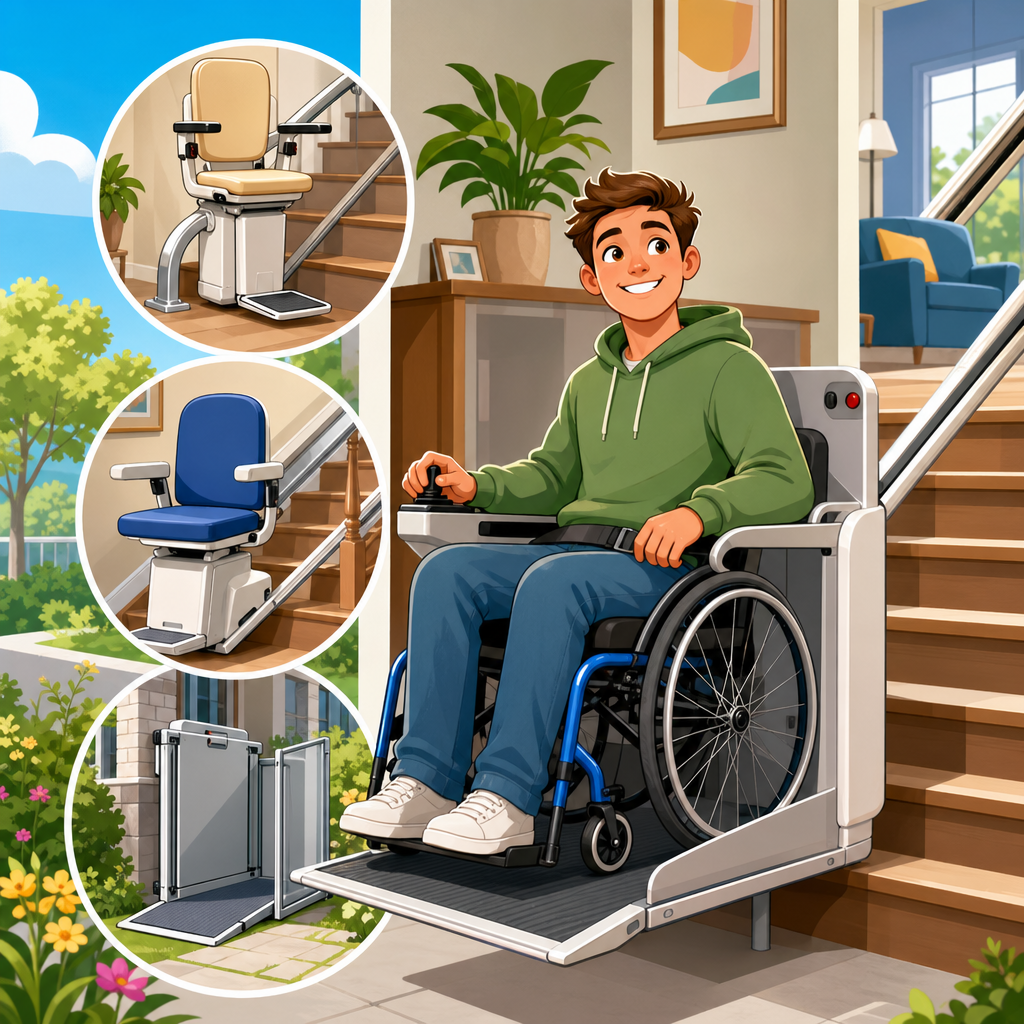
Key terms are straightforward once they are defined clearly. A straight stair lift fits a staircase with no turns or intermediate landings and is typically faster to quote and install. A curved stair lift is custom built for stairs with bends, spirals, or multiple landings and usually requires precise surveying. A perch seat, folding rail, powered swivel seat, and call-send controls are optional features that affect usability and price. Retailers may sell new lifts, certified reconditioned lifts, or rental units, and online stores vary widely, from full-service national brands to marketplaces that only collect leads. A good virtual consultation should explain these terms in plain language and connect each one to your staircase, your mobility needs, and your budget.
This hub article covers what to expect from a virtual chair lift consultation with retailers and online stores, including how the process works, what information you should prepare, how pricing is discussed, which questions reveal service quality, and how to compare sellers fairly. If you are using this page as a starting point for chair lift buying guides and product reviews, treat it as the overview that ties the category together. The goal is simple: help you move from broad online research to a confident shortlist of chair lift retailers that can actually deliver safe installation and dependable after-sales support.
How a Virtual Chair Lift Consultation Usually Works
Most virtual chair lift consultations follow a predictable sequence. First, the retailer asks basic screening questions: the user’s weight and height range, whether the staircase is straight or curved, where the lift will be installed, and whether the buyer is planning ahead or needs an urgent solution after surgery, a fall, or hospital discharge. Next, the consultant gathers staircase information through photos, a smartphone video, or a live video walkthrough. Reputable companies commonly ask for images from the bottom of the stairs looking up, from the top looking down, close-ups of the top and bottom landings, and a side view showing wall obstructions, radiators, trim, doors, or handrails.
During the call, the consultant should explain what can and cannot be confirmed remotely. For a straight stair lift, an experienced specialist can often give a reliable preliminary recommendation and a working price range from photos and rough measurements alone. For a curved stair lift, the virtual consultation is usually a qualification step, not the final specification, because custom rails are based on detailed surveying. In my experience, the best retailers say this directly rather than pretending a remote quote is final. That honesty is important because curved-lift pricing can change meaningfully once exact bends, parking locations, and power options are mapped.
Buyers should also expect a discussion of user needs beyond the stairs themselves. A strong consultant asks whether the rider transfers independently, has limited knee flexion, uses a walker, needs a powered footrest, or benefits from a seat height adjustment. These details matter because the wrong seat geometry can make a technically compatible lift difficult to use. For example, someone with painful hip arthritis may struggle with a low seat, while a narrow staircase may require a compact chassis and tighter folding profile. A virtual consultation is valuable when it connects the product to the rider’s body mechanics rather than treating every chair lift as interchangeable.
What Retailers and Online Stores Need From You
You will get a better outcome if you prepare the same way a professional installer prepares for a site review. Have basic staircase measurements ready if possible: number of steps, approximate tread width, staircase width at the narrowest point, and the amount of clear space at the top and bottom landings. You do not need survey-grade precision for an initial consultation, but rough numbers help the retailer rule in or rule out certain models. If there is a doorway near the staircase, a radiator, a protruding newel post, or a floor vent where the rail might end, show it clearly on video.
Retailers also need context about the home and the timeline. Tell them whether the staircase is indoors or outdoors, whether the home is owned or rented, and whether the installation is intended as a short-term recovery aid or a long-term accessibility upgrade. Some online stores advertise attractive starting prices but do not serve every ZIP code with installation and repairs. Ask immediately whether they install directly in your area, subcontract to a local dealer, or simply forward your information. This single question often separates full-service retailers from lead brokers.
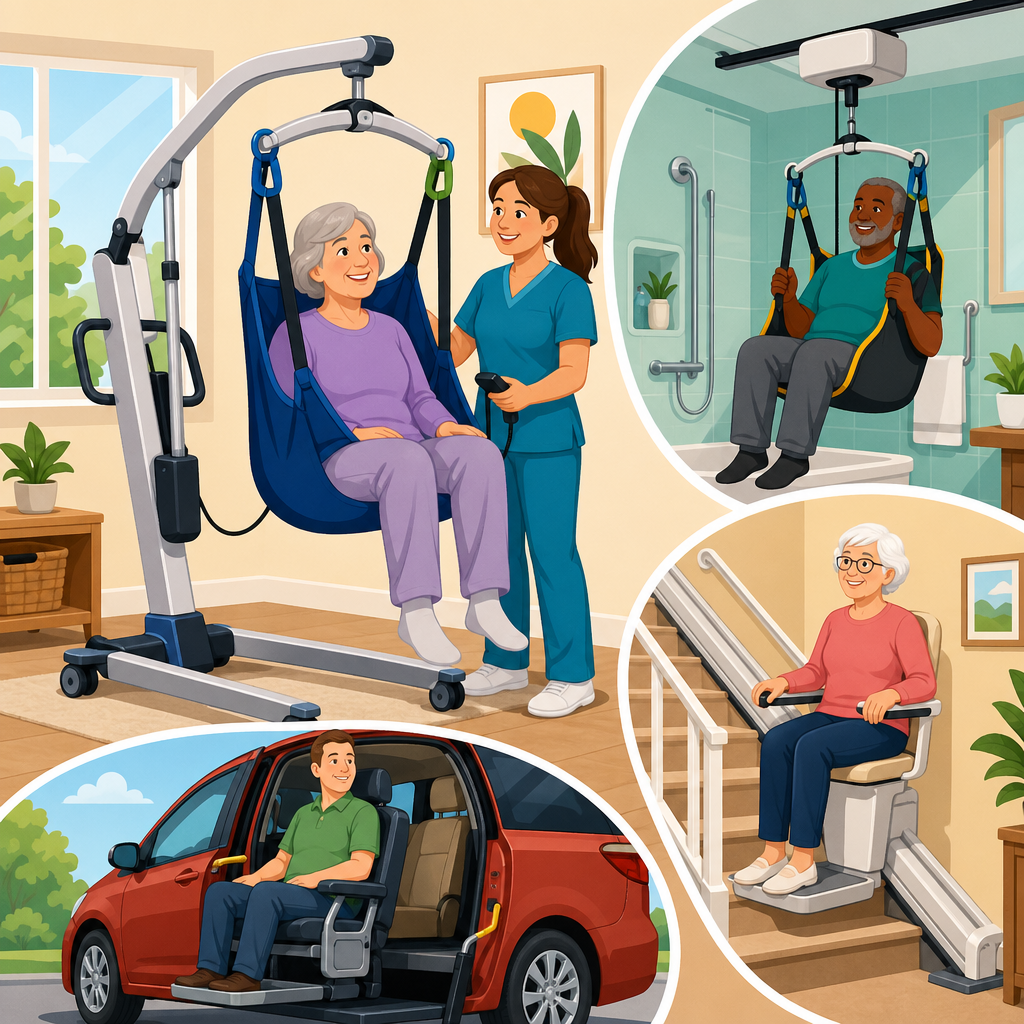
Medical and functional details help narrow features. If the rider has had a stroke, Parkinson’s disease, severe COPD, or balance impairment, mention it. A consultant does not need a full medical history, but they do need to know what makes transfers difficult and whether a caregiver will assist. If the rider cannot safely sit and pivot, the conversation may need to include powered swivel functions, seatbelt style, obstruction sensors, or in some cases whether a stair lift is the right solution at all. Ethical retailers will say when another mobility product, such as a vertical platform lift, may be more appropriate.
What Questions Should Be Answered During the Consultation
A high-quality virtual chair lift consultation should answer the core questions directly. First, what type of lift fits the staircase: straight, curved, standing perch, or outdoor? Second, what is the realistic total cost, including installation, rail length, power options, and any custom work? Third, how long will delivery and installation take? Fourth, who services the lift after installation, and how quickly can a technician respond? Fifth, what warranty applies to the motor, gearbox, batteries, and rail, and is labor included?
Buyers should also ask whether the staircase remains usable for others after installation. This matters in family homes where one person needs the lift but others still walk the stairs daily. Ask for the folded width of the seat, footrest, and armrests. On narrow staircases, even an inch or two can affect safe passage. Another practical question is what happens during a power outage. Most modern stair lifts run on rechargeable batteries that charge from a household outlet, allowing several trips during an outage, but the exact battery type and charging arrangement differ by model.
For this retailers and online stores hub, the most important question may be who is accountable after the sale. Many buyers assume a national website means national service. Sometimes that is true; sometimes the website is only the marketing layer. Ask for the installer’s name, whether technicians are factory trained, and whether the retailer stocks common replacement parts locally. In the field, service delays usually come from logistics, not from the lift itself. A retailer with local technicians and battery inventory is often more valuable than one offering a slightly lower headline price.
How Pricing, Quotes, and Product Recommendations Are Presented
Pricing in a virtual consultation should be discussed as a range first and a formal quote second. For straight stair lifts, many reputable retailers can quote within a fairly useful bracket during the call because the rail is modular and installation variables are limited. For curved lifts, a verbal estimate is only preliminary until a detailed survey is completed. Expect the consultant to explain why. Custom rail fabrication, parking positions, seat style, and staircase geometry all influence cost. If a seller gives an unusually low curved-lift number without qualifying it, treat that as a warning sign.
Product recommendations should include tradeoffs, not just brand names. For example, a consultant may recommend a model with a narrower seat and lower folded profile for a tight staircase, while another model may offer a heavier weight capacity but require more clearance. Outdoor chair lifts should be discussed separately because weatherproof covers, sealed controls, and corrosion-resistant components matter. Reconditioned lifts can be excellent value on straight staircases when the retailer inspects batteries, carriage components, and safety sensors and provides a meaningful parts-and-labor warranty. They are less common for curved installations because each rail is custom.
| Consultation Topic | What a Strong Retailer Provides | What to Question |
|---|---|---|
| Initial pricing | Clear range with installation included or itemized | Vague “starting at” price with no context |
| Service coverage | Named local technician network and response expectations | No explanation of who repairs the lift |
| Product fit | Model recommendation tied to staircase and rider needs | One model pushed for every home |
| Timeline | Straight versus curved lead times explained honestly | Guaranteed speed without checking site details |
| Warranty | Parts, batteries, motor, rail, and labor defined | “Full warranty” with no written terms |
Financing, rentals, and used inventory often come up at this stage. Rentals are common for straight stair lifts in short-term situations, though market availability varies by region. Ask whether the quoted monthly rate includes installation, removal, and service calls. For financing, reputable retailers disclose term length, APR, and whether promotions are deferred-interest offers. I always advise buyers to compare the total financed cost, not just the monthly payment, because mobility equipment financing can obscure the real price if the focus stays on affordability alone.
How to Evaluate Retailers and Online Stores After the Call
Once the consultation ends, the evaluation phase begins. Start with company identity. Is the business a manufacturer-owned branch, an authorized local dealer, an independent accessibility retailer, or an online marketplace? Each model can work, but the implications differ. Manufacturer branches may have direct access to parts and training. Strong local dealers may deliver faster service and better familiarity with local homes. Marketplaces can widen your options, but they add another layer between buyer and installer. Look for a physical business address, service area details, and reviews that mention installation and repairs, not just sales courtesy.
Next, inspect how the retailer documents the consultation. A dependable seller sends a written summary or quote that matches the call, including model names, key assumptions, exclusions, warranty terms, and next steps. If the staircase appears to be curved, the document should state that final pricing depends on survey results. This written record matters because misunderstandings often start when a buyer remembers a verbal promise that never appears in the proposal. Good retailers reduce friction by making every assumption visible.
Then compare service infrastructure. Search for whether the retailer maintains local technicians, service vans, and inventory of common parts such as batteries, seat switches, and remote controls. Brands like Bruno, Harmar, Stannah, Acorn, and Handicare are familiar in the North American market, but service quality depends as much on the local support model as on the brand itself. A well-supported brand installed by a responsive dealer is usually a safer purchase than a technically excellent model sold through a thin service network. When comparing retailers and online stores, support capacity is not a secondary issue; it is part of the product.
Common Red Flags and Smart Next Steps
Several red flags appear repeatedly in virtual chair lift consultations. Be cautious if the consultant avoids discussing installation responsibility, refuses to provide written warranty terms, or pressures you to pay a deposit before confirming service coverage. Another warning sign is a price that changes drastically once basic staircase facts are discussed. Some adjustment is normal, especially for curved stairs, but a bait-and-switch pattern usually shows up early. Also be wary of sellers who dismiss your mobility details and focus only on closing the sale. A chair lift that fits the stairs but not the rider is not a successful purchase.
Smart next steps are practical. Gather two or three comparable quotes, making sure each includes the same scope: new or reconditioned, installation, warranty, service area, and timeline. Ask for references or reviews involving situations similar to yours, such as narrow stairs, outdoor installations, or post-surgery rentals. If the consultation was helpful, schedule the next stage promptly, whether that is an in-home measure for a straight lift or a formal survey for a curved one. Delays often matter because recovery periods, discharge dates, and caregiving arrangements can shift quickly.
The main benefit of a virtual chair lift consultation is clarity before commitment. It helps you understand product fit, retailer quality, service realism, and total cost without starting with a high-pressure home visit. For anyone researching buying guides, product reviews, retailers, and online stores, this page should anchor the category: use it to create a shortlist, ask better questions, and compare sellers on installation and support, not just price. The next move is simple: book a consultation with a reputable chair lift retailer, prepare your staircase photos, and turn online research into a safer buying decision.
Frequently Asked Questions
What happens during a virtual chair lift consultation?
A virtual chair lift consultation is designed to give you many of the same insights you would get from an in-home visit, but in a more convenient and lower-pressure format. In most cases, the process starts with a scheduled phone call, video appointment, or guided photo review with a mobility specialist. They will ask questions about who will use the lift, how often it will be used, what mobility challenges need to be addressed, and whether the staircase is straight, curved, narrow, steep, or interrupted by landings, doorways, or obstructions.
You should also expect the specialist to gather basic details about the home itself. That may include the number of steps, staircase width, where the lift would start and stop, available power sources, and whether there are any walls, handrails, radiators, trim details, or traffic patterns that could affect installation. If the consultation is done by video, you may be asked to walk the consultant through the staircase live so they can see angles, turns, and clearances in real time. If it is done by photo, they may request images from the top, bottom, side, and any landing areas.
Beyond measurements and logistics, a good virtual consultation also helps you understand your options. The specialist should explain the difference between straight and curved chair lifts, discuss features such as swivel seats, folding rails, powered footrests, and call/send controls, and outline what is likely to fit your home and your needs. They may also provide an initial price range, expected installation timeline, and next steps for confirming fit before final ordering. The overall goal is to replace the first sales visit with a structured, informative screening process that helps you make a more confident decision.
How should I prepare for a virtual chair lift consultation?
The best way to prepare is to gather a few practical details in advance so the conversation can focus on accurate recommendations instead of guesswork. Start by identifying which staircase is being considered and who the primary user will be. It helps to know whether the user has balance issues, limited knee flexion, difficulty transferring from sitting to standing, or any other mobility needs that could affect seat height, armrest preferences, or the need for powered features. If more than one person may use the lift, mention that too, because it can influence the model selection.
You should also be ready to share basic information about the staircase. Helpful details include whether it is straight or curved, how many steps there are, whether there are intermediate landings, and whether the staircase feels narrow or unusually steep. If possible, take clear photos from the bottom looking up, from the top looking down, and from the side if there is enough room. If a video consultation is scheduled, make sure your phone or tablet can connect reliably and that the staircase area is well lit. Having a tape measure nearby can also be useful, since the consultant may ask for rough measurements such as stair width or space at the top and bottom landings.
It is also smart to prepare your questions ahead of time. Ask about pricing ranges, warranty coverage, lead times, service availability, rental or reconditioned options, and what happens if the final on-site verification reveals a difference from the virtual estimate. This is especially important if you are comparing retailers. A strong consultation should not just focus on selling a unit; it should help you understand the installation process, realistic budget expectations, and whether the company appears experienced, transparent, and responsive.
Can a virtual consultation provide accurate pricing and product recommendations?
Yes, a virtual consultation can usually provide very useful pricing guidance and strong preliminary product recommendations, especially for straightforward situations. For a standard straight staircase, an experienced mobility specialist can often determine whether a straight chair lift is likely to work based on photos, video, and a few key dimensions. That means you can often receive a realistic price range, feature recommendations, and a sense of how quickly installation could happen without having to schedule an in-home sales appointment right away.
That said, there is an important distinction between a preliminary estimate and a final quote. Straight stair lifts are generally easier to assess remotely because they use more standardized rail configurations. Curved stair lifts are more complex because they are custom-built to match the exact shape of the staircase, including turns, landings, and parking positions. In those cases, a virtual consultation can still be extremely valuable for narrowing down options, discussing budget expectations, and determining whether the project is worth pursuing, but final pricing usually depends on precise measurements and a formal site verification.
A trustworthy retailer will be clear about what can be confirmed virtually and what still needs an in-person check before installation. That transparency matters. If a company promises exact pricing on a complex staircase without explaining the limits of remote assessment, that can be a red flag. The most credible consultations balance convenience with accuracy: they give you enough detail to compare options intelligently while making it clear when a final measurement appointment is still necessary to lock in the exact model, rail design, and total cost.
What questions should I ask to evaluate the retailer during the consultation?
A virtual chair lift consultation is not only about choosing equipment; it is also one of the best opportunities to evaluate the company you may be trusting with your home and your mobility needs. Start by asking how long they have been working with chair lifts, whether they handle installation with their own trained staff or subcontract it out, and what brands or product lines they carry. You should also ask whether they recommend one model because it truly fits your needs or because it is the only brand they sell. The quality of the answers can tell you a lot about how consultative versus sales-driven the company is.
Service and support questions are just as important as product questions. Ask what the warranty covers, whether labor is included, how service calls are handled, and what response times are typical if the lift stops working. If the user depends on the lift daily, you want to know whether the company has local technicians, parts availability, and a clear plan for follow-up care. It is also worth asking whether they offer maintenance plans, battery replacement service, or troubleshooting support after installation. A reputable retailer should answer these questions directly and confidently.
Finally, ask about the process itself. Find out whether there is a separate verification visit before the order is finalized, whether the initial pricing is an estimate or a fixed quote, and whether there are any return policies, cancellation terms, or hidden fees related to custom work. You can also ask for references, reviews, or examples of similar installations. The right retailer will welcome informed questions because they understand that families are making a significant accessibility decision. A good consultation should leave you feeling educated and respected, not rushed or pressured.
What are the main benefits of choosing a virtual chair lift consultation first?
The biggest benefit is efficiency. A virtual consultation allows homeowners, caregivers, and even long-distance family members to begin the evaluation process quickly without coordinating an in-home sales visit right away. That can be especially helpful when mobility needs are urgent, when multiple family decision-makers live in different places, or when someone simply wants to understand the options before inviting companies into the home. It streamlines the early fact-finding stage and helps identify whether a straight lift, a custom curved model, or another accessibility solution is likely to be the best fit.
Another major advantage is that it makes comparison shopping easier. Because the first step is remote, you can speak with more than one retailer, compare how each company explains products and pricing, and judge their professionalism before moving forward. This is valuable because chair lifts vary not only in design and cost, but also in after-sale support, warranty quality, and installation experience. A virtual consultation helps you filter out vague or overly aggressive providers and focus on the companies that communicate clearly and understand your needs.
There is also a practical and emotional benefit to the lower-pressure format. Many families feel more comfortable asking detailed questions over video or phone than during a traditional in-home sales appointment. That often leads to better conversations about budget, timing, safety concerns, and long-term usability. In the best cases, the virtual consultation serves as a smart first step: it gives you a realistic picture of what to expect, prepares you for any necessary site verification, and helps you move toward installation with more clarity and confidence.