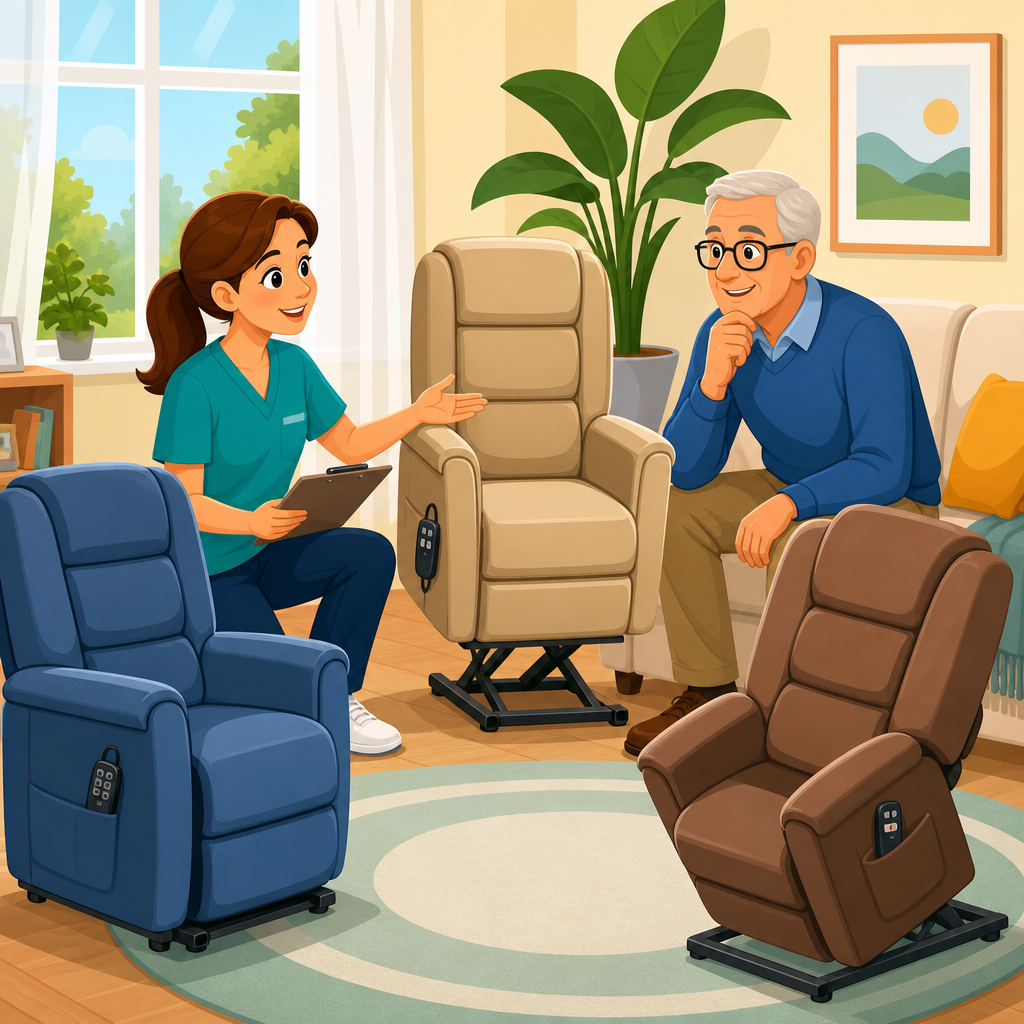
Choosing the right chair lift starts with one practical question: what type of chair lift do occupational therapists recommend for a person’s mobility, safety, home layout, and long-term goals? In practice, occupational therapists do not recommend one universal model. They match the lift to the person, the staircase, the transfer method, and the physical demands of daily life. That is why this topic matters so much within Chair Lift Types & Designs. A chair lift can preserve independence, reduce fall risk, delay a disruptive move, and lessen strain on caregivers, but only when the design fits the user’s real abilities.
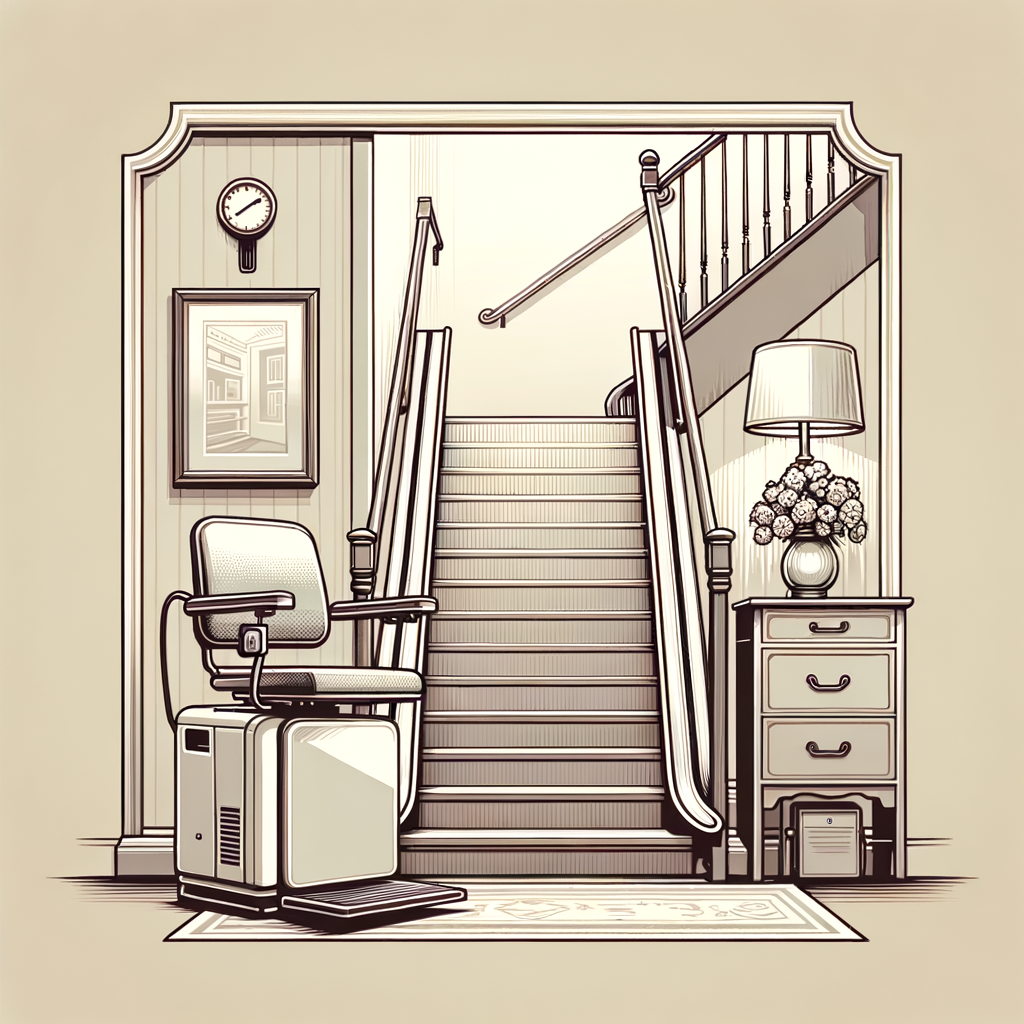
A chair lift, sometimes called a stair lift, is a motorized seat that travels along a rail mounted to the stairs. The user sits, fastens a seat belt, and rides between levels instead of climbing steps. Occupational therapists assess whether the person can safely approach the seat, pivot or transfer, maintain posture during travel, operate the controls, and get on and off at both landings. They also look at width, turning radius, hand function, cognition, vision, fatigue, and diagnosis. In home evaluations I have seen a technically excellent lift fail because the user could not complete the standing pivot at the top landing, while a simpler model succeeded because it reduced transfer complexity.
For readers comparing options, the most important point is simple: therapists usually recommend the least complex chair lift that safely meets current needs and likely near-term changes. Straight stair lifts are most commonly recommended because they are reliable, faster to install, and less expensive than custom curved systems. However, curved, standing, perch, outdoor, and heavy-duty models are often the better clinical choice when stairs or user needs demand them. This hub explains how occupational therapists rank chair lift types, what features they prioritize, who each design suits best, and when another accessibility solution may be preferable.
Straight stair lifts: the most common recommendation for standard homes
Occupational therapists most often recommend a straight stair lift when the staircase runs in one uninterrupted line without turns, pie-shaped steps, or intermediate landings. This is the default recommendation because straight lifts are simpler mechanically, easier to service, and generally far more affordable than custom curved systems. Major manufacturers such as Bruno, Harmar, Acorn, and Stannah all offer straight models with swivel seats, seat belts, obstruction sensors, folding arms, and call-send controls. Installation is typically completed in a few hours because the rail is cut to length and mounted to stair treads rather than the wall.
From a clinical standpoint, straight stair lifts work best for users who can perform a sit-to-stand or standing pivot transfer with minimal assistance. Therapists like them because the ride path is predictable and transfer points are easier to train. A user with knee osteoarthritis, reduced endurance after cardiac surgery, or mild balance impairment may gain immediate functional independence with a straight lift, especially if the top seat swivels away from the stairs. In many homes, the top overrun option is recommended because it moves the user slightly away from the staircase edge before standing, lowering fall risk at the most hazardous point.
Therapists also consider maintenance and downtime. Straight lifts often have shorter lead times for parts, making them practical when mobility is declining quickly. They are a strong fit for comparative and ranking posts because they usually deliver the best value for common layouts. Still, they are not automatically best. If the user cannot safely bend knees to sit, lacks trunk control, or needs a wheelchair-level solution, a straight seated model may be clinically weaker than another design, even if the stairs themselves are straight.
Curved stair lifts: custom solutions for turns, landings, and complex staircases
Curved stair lifts are recommended when the staircase includes turns, switchbacks, spiral sections, or one or more intermediate landings. Unlike straight models, curved lifts use a rail custom-fabricated to the exact staircase dimensions. Occupational therapists recommend them when the home cannot be navigated safely with a straight system or when the user needs to reach a landing that would otherwise require walking additional steps. In multilevel homes with a U-shaped staircase, a curved lift often becomes the only seated chair lift option that provides continuous access.
The clinical advantage of curved lifts is not just geometry. They can improve transfer safety by placing the boarding or exit point in a more open location. For example, if the top landing is narrow, a custom rail can park the seat around a corner instead of directly above the stair edge. That extra space can make a major difference for someone using a walker or requiring contact guard assistance. In several home access assessments, I have seen a curved rail justified primarily by landing safety rather than by the turn itself.
The tradeoff is cost and lead time. Curved lifts are significantly more expensive because each rail is measured, designed, and manufactured for one staircase. Repairs may also require model-specific parts. Therapists therefore weigh prognosis carefully. If a person has a progressive neurological condition and may soon need a wheelchair, it may be wiser to compare a curved lift against a vertical platform lift or residential elevator rather than assume the chair lift is the best long-term investment.
Perch and standing stair lifts: niche recommendations for limited knee flexion and narrow stairs
Perch stair lifts and standing stair lifts are specialty designs that occupational therapists recommend less often, but they can be excellent in the right situation. A perch lift allows the user to rest on a small tilted seat while remaining semi-standing. A standing stair lift supports the rider in an upright position with a backrest, arm supports, and safety features. These lifts are often considered when the staircase is too narrow for a standard seated model or when the user cannot comfortably bend hips and knees enough to sit.
Common candidates include people with severe knee flexion limits after joint problems, ankylosed hips, very tall users in tight stairwells, or individuals whose pain increases sharply during lowering and rising from a chair. Therapists also consider these models when folded seat depth is critical in preserving stair access for other household members. Because the rider occupies less horizontal space, a standing or perch design can sometimes fit where a seated lift would obstruct the staircase.
These models demand more from the user. Standing balance, hand grip, and ability to tolerate the upright position are essential. For that reason, occupational therapists are selective. A person with vestibular issues, orthostatic hypotension, or poor endurance may be safer in a seated model even if space is tight. Training is also more important. The recommendation is usually paired with repeated transfer practice and clear emergency procedures, since the margin for error is smaller than with a full seat.
Heavy-duty, outdoor, and specialty chair lifts: matching the device to the environment and body size
Not all recommendations are driven by stair shape. Occupational therapists frequently recommend heavy-duty chair lifts when standard seat width, weight capacity, or seat-to-footrest dimensions are inadequate. Heavy-duty models may support 350 to 600 pounds depending on brand and configuration, and they often include a wider seat and reinforced drivetrain. This matters clinically because a poorly fitted seat can destabilize transfers, increase skin pressure, and make armrest push-off unsafe. A bariatric-appropriate model is not a luxury feature; it is often the minimum safe standard.
Outdoor stair lifts are another important category. They are designed for exterior steps and built with weather-resistant materials, sealed components, UV-resistant covers, and more robust corrosion protection. Therapists recommend them when home entry is the primary barrier, especially for people who can manage indoor mobility but cannot safely climb porch or garage steps. In aging-in-place planning, restoring entry and exit is often the first priority because it affects medical appointments, emergencies, and community access.
Specialty considerations can also include power swivel seats, hinged rails to avoid blocking a doorway, offset seating for body asymmetry, and upgraded seat cushions for comfort during slower rides. Therapists rank these features by functional impact, not by marketing appeal. If a hinge prevents the rail from creating a trip hazard at the base of the stairs, it may be essential. If a powered swivel reduces the twisting force needed at the top landing for a user with hemiparesis, it can be the deciding factor in whether independent use is realistic.
How occupational therapists compare chair lift types
When comparing chair lift types, occupational therapists usually rank them by transfer safety, fit to staircase geometry, ease of operation, accommodation of current impairments, and likelihood of meeting near-future needs. Price matters, but it rarely comes first in a clinical recommendation. A lower-cost lift that causes unsafe transfers is not the best option. The table below summarizes the comparisons therapists make most often during home access planning.
| Chair lift type | Best for | Main advantages | Main limitations | Typical therapist view |
|---|---|---|---|---|
| Straight seated | Single-run stairs, common age-related mobility decline | Lower cost, quick install, reliable, easy training | Only works on straight stairs, still requires sit-stand transfer | Most frequently recommended first-line option |
| Curved seated | Turns, landings, switchbacks, spiral-like layouts | Custom route, safer parking positions, full access on complex stairs | Higher cost, longer lead time, more customized servicing | Recommended when geometry or landing safety requires it |
| Perch or standing | Narrow stairs, limited knee or hip flexion | Uses less space, avoids deep sitting | Needs better balance, grip, and tolerance for upright posture | Niche but valuable for carefully selected users |
| Heavy-duty | Larger body size or need for wider seat and higher capacity | Better fit, safer transfers, stronger platform | May need more stair width, higher price | Essential when standard dimensions are unsafe |
| Outdoor | Porches, decks, garage entries, exterior steps | Restores home entry, weather-resistant design | Exposure still increases wear, climate affects maintenance | High value when entry access is the main problem |
Key assessment factors behind a good recommendation
The best chair lift recommendation comes from assessment, not guesswork. Occupational therapists examine transfer ability first. Can the person approach with a cane or walker, align with the seat, control descent to sit, keep feet on the footrest, and stand safely at the destination? Next comes posture and trunk control. A user with stroke, Parkinson’s disease, multiple sclerosis, or spinal weakness may slide or lean during travel, making seat shape and arm support more important than buyers expect.
Cognition and motor planning also matter. The controls on most lifts are simple, but the task sequence is not trivial for someone with dementia, neglect, or slowed processing. Therapists check whether the person can remember seat belt use, swivel procedures, foot placement, and call-send operation. Vision is another factor, especially at poorly lit landings. Good recommendations often include environmental changes such as brighter lighting, contrasting edge markings, or removal of rugs near transfer points.
Finally, therapists assess prognosis and home context. A person recovering from surgery may need a temporary solution; a person with progressive disease needs a design that will remain workable for at least the near term. Family support, service availability, and stair width are practical constraints. Many manufacturers publish minimum staircase width requirements around 28 to 36 inches depending on model, and local building or fire egress concerns may limit options. These realities shape the recommendation just as much as diagnosis.
When therapists recommend something other than a chair lift
Occupational therapists do not always recommend a chair lift, even when stairs are the problem. If the user cannot transfer safely onto a seat, requires extensive assistance, or is likely to need wheelchair access soon, a vertical platform lift, home elevator, first-floor bedroom conversion, or ramped entrance may be more appropriate. This is especially true when the person cannot stand reliably at both ends of the ride. A chair lift is a transfer-based solution, not a universal mobility device.
There are also home layouts where a lift creates new hazards. A very narrow staircase may become unusable for other residents or emergency evacuation. A user with severe claustrophobia or uncontrolled movement disorders may not tolerate the ride. In rental housing, installation permissions and future removal can complicate the decision. Good occupational therapy recommendations remain balanced: the right device is the one that improves function without creating equal or greater risk elsewhere in the home.
Occupational therapists generally recommend the chair lift type that makes transfers safest, matches the staircase exactly, and remains practical as needs change. For many households, that means a straight seated stair lift. For complex stairs, a curved model is usually the correct recommendation. For narrow staircases or limited knee flexion, perch or standing lifts may be better. Heavy-duty and outdoor models are often essential when body fit or home entry is the true issue. The consistent theme is fit: the best chair lift is not the most advertised design, but the one aligned with the person, the stairs, and the daily routine.
If you are building out research on Chair Lift Types & Designs, use this page as the hub for your comparative and ranking decisions. Then narrow your shortlist by staircase shape, transfer ability, body size, and future mobility needs. When possible, pair product quotes with a home safety assessment from an occupational therapist or qualified accessibility professional. That step turns a chair lift from a purchase into a well-matched mobility solution.
Frequently Asked Questions
What type of chair lift do occupational therapists usually recommend?
Occupational therapists do not usually recommend one single type of chair lift for everyone. Instead, they look at the whole situation and match the lift to the person’s abilities, the staircase design, the transfer technique required, and the individual’s short- and long-term mobility goals. In many cases, the recommendation starts with a straight stair lift for a simple staircase or a curved stair lift for stairs with turns, landings, or unusual layouts. However, the decision goes much deeper than stair shape alone.
An occupational therapist will consider how safely the person can sit down, reposition, fasten a seat belt, operate the controls, and stand up at the top and bottom of the stairs. If someone has reduced trunk stability, arthritis, Parkinson’s disease, stroke-related weakness, or balance problems, the therapist may suggest features such as a swivel seat, powered footrest, powered seat rotation, or easier-to-use controls. If the user has a larger body size or needs more postural support, a heavy-duty or wider-seat model may be more appropriate. If the user struggles with hip or knee flexion, a perch-style or higher-seat option may be discussed.
In other words, occupational therapists recommend the chair lift that best supports safe transfers, consistent daily use, and continued independence. Their goal is not just to get someone up and down the stairs, but to make sure the lift fits the person’s present needs while also accounting for likely changes in strength, endurance, coordination, and caregiver support over time.
How do occupational therapists decide which chair lift is safest for a person?
Safety is usually the central issue in an occupational therapist’s recommendation. To determine the safest type of chair lift, the therapist evaluates the user’s physical abilities, cognitive status, and the risk factors present during every step of the stair lift routine. That includes approaching the chair, turning to sit, lowering onto the seat, positioning the feet, using the armrests, fastening the belt, riding the lift, swiveling at the destination, and standing up again. A person may be able to ride a stair lift safely but still be at high risk during transfer on or off the seat, which is why the full sequence matters.
The therapist will also assess whether the person can follow directions, remember the operating steps, and respond appropriately in case of a problem. For users with dementia, poor judgment, impulsivity, or visual-perceptual difficulties, a standard lift may not be the safest choice unless supervision or additional environmental supports are available. They may also review fatigue levels, pain, spasticity, one-sided weakness, tremors, or limited joint range of motion, because these factors can make an otherwise suitable model unsafe in practice.
Beyond the user, occupational therapists look closely at the home environment. They want to know whether there is enough room at the top and bottom landings, whether the staircase is narrow, whether doorways interfere with the rail, and whether the person can step away from the lift safely when the ride ends. They may recommend features such as a track overrun, folding rails, obstruction sensors, lockable controls, or powered swivel seats if these additions reduce fall risk. A safe recommendation is based on the interaction between the person, the equipment, and the home, not on the chair lift alone.
Do occupational therapists recommend straight stair lifts or curved stair lifts more often?
Neither type is recommended more often in a general sense because the staircase itself largely determines whether a straight or curved stair lift is appropriate. If the stairs run in a single, uninterrupted line, a straight stair lift is often the practical recommendation. If the stairs include bends, intermediate landings, spiral sections, or changes in direction, a curved stair lift is typically necessary. Occupational therapists do not choose between these options based on preference; they choose based on what fits the architecture safely and supports the user’s transfer needs.
That said, the therapist’s role is important even after the staircase type narrows the choices. Two people with the same staircase may still need very different lift features. For example, one person might do well with a basic straight stair lift, while another on the same staircase may need a model with a powered swivel seat, a higher seat height, simpler controls, or more secure positioning. For a curved staircase, the therapist may pay extra attention to seat orientation and landing safety because getting on and off at a turn or upper landing can be more demanding for some users.
Occupational therapists also think about day-to-day usability. A curved stair lift may be necessary from a structural standpoint, but the therapist will still examine whether the person can manage the ride comfortably, whether the rail placement leaves enough room for others in the home, and whether the top and bottom exits are safe and efficient. The recommendation is always about best fit, not just rail shape. Straight and curved are categories, but the therapist’s job is to determine which design works best within the realities of the home and the user’s functional abilities.
What chair lift features do occupational therapists often consider essential?
The features occupational therapists consider most important usually relate to safe transfers, postural support, ease of operation, and reduced physical strain. One of the most commonly recommended features is a swivel seat, especially at the top landing, because it allows the user to turn away from the staircase before standing. This can significantly lower the risk of losing balance near the stairs. Powered swivel functions are often helpful for people with weakness, pain, or limited hand function who cannot manually rotate the seat easily.
Seat height and seat depth also matter more than many people expect. A seat that is too low can make standing difficult for someone with weak legs, painful knees, or reduced hip mobility. A seat that is too deep may interfere with back support or proper positioning. Therapists may also prioritize sturdy armrests, intuitive controls, seat belts, footrests that support proper leg placement, and safety sensors that stop the lift if an obstruction is detected. For some individuals, folding components are valuable because they help preserve stair access for other household members.
Other features become essential depending on the diagnosis and functional profile. People with limited dexterity may need larger, easier-to-press controls. Those with fluctuating conditions may benefit from powered options that reduce effort. Users with larger frames may require heavy-duty capacity, wider seating, and more generous arm spacing. If fatigue is a major issue, smooth starts and stops may improve comfort and confidence. Occupational therapists focus on the features that make the lift realistically usable every day, because a chair lift only improves independence if the person can operate it safely, comfortably, and consistently.
Can an occupational therapist help determine whether a chair lift will meet long-term mobility needs?
Yes, and this is one of the most valuable parts of occupational therapy input. Occupational therapists do not just look at what the person can do today. They also consider how the person’s condition may change over time and whether the recommended chair lift will continue to support safe access in the months or years ahead. For someone with a progressive neurological condition, worsening arthritis, declining endurance, or a history of repeated falls, it may be wise to choose a model with features that accommodate future limitations rather than only current ones.
This longer-term planning often includes questions about transfer ability, caregiver involvement, home accessibility, and whether the person may eventually need other equipment such as a walker, wheelchair, hospital bed, or bathroom modifications. A chair lift may be a strong solution for one stage of mobility decline but not the final solution if standing transfers are expected to become much harder later. In those cases, the therapist may still recommend a chair lift now, while also explaining the point at which alternative options, such as a main-floor living setup or a home elevator, may need to be considered.
Occupational therapists also help families think practically about sustainability. They may discuss how often the lift will be used, whether the user can manage it independently, how easily maintenance can be arranged, and whether the home setup will remain safe as needs evolve. This broader perspective is why their recommendations are so useful. They are not simply matching a product to a staircase; they are matching a mobility solution to the person’s daily life, current safety needs, and likely future function.