Finding quality refurbished chair lifts starts with understanding what “refurbished” really means, how it differs from “used,” and which sellers stand behind the equipment with inspections, parts replacement, and support. In practical terms, a used chair lift is typically sold as-is after removal from a previous home, while a refurbished chair lift has been cleaned, tested, repaired, and brought back to reliable working condition. That distinction matters because stair lifts are mobility devices, not casual home upgrades. A buyer is trusting a motor, rail, battery, seat belt, sensors, and call stations every day, often after surgery, during aging in place, or while managing a disability. I have worked with families comparing new, rental, and reconditioned stair lifts, and the pattern is consistent: buyers save meaningful money with refurbished units only when they buy from a source that can document compatibility, installation quality, and after-sales service.
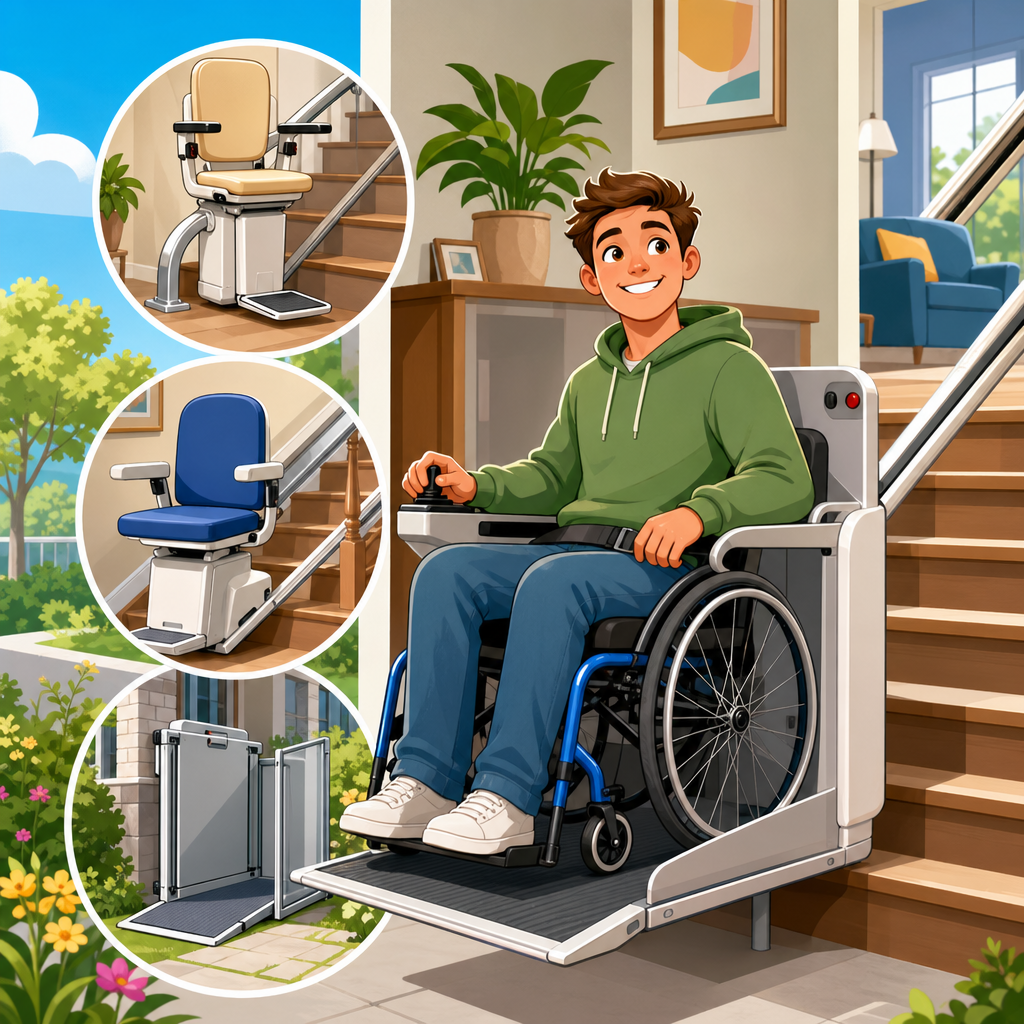
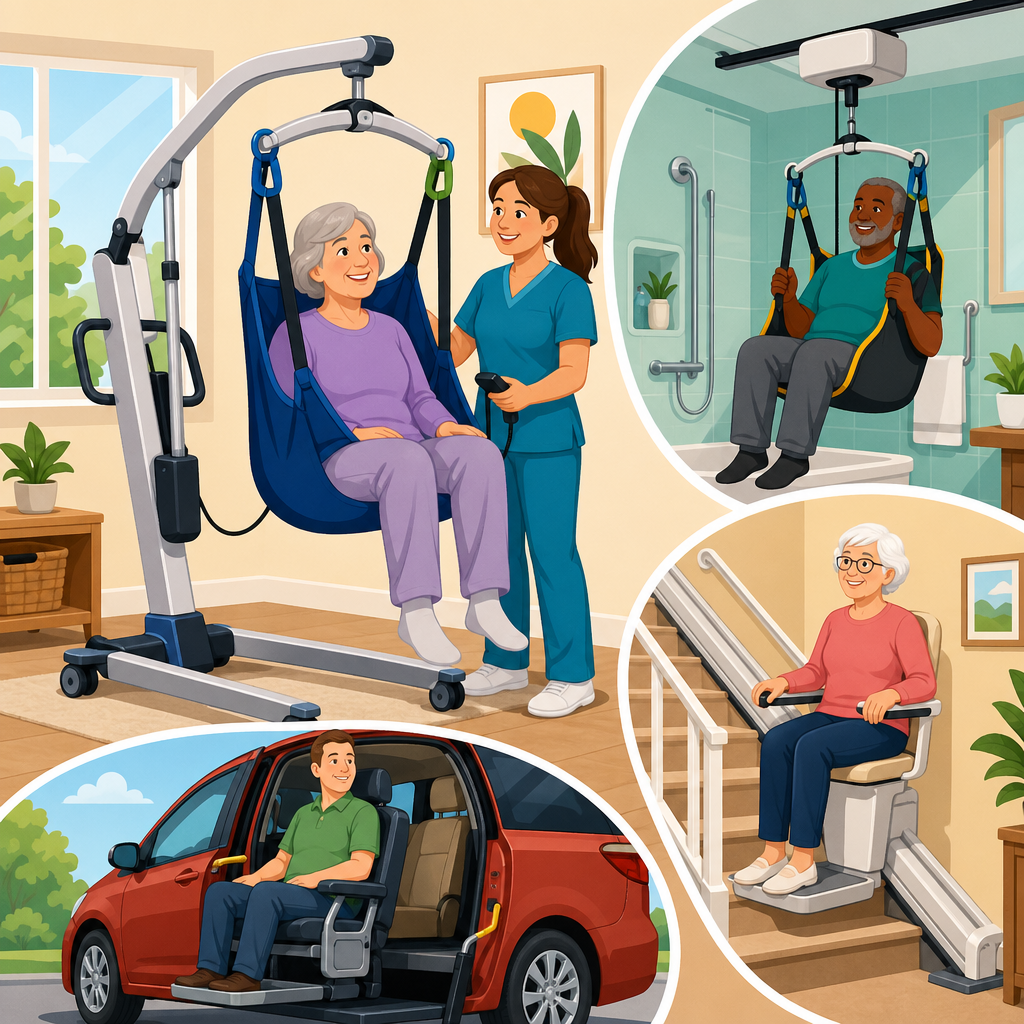
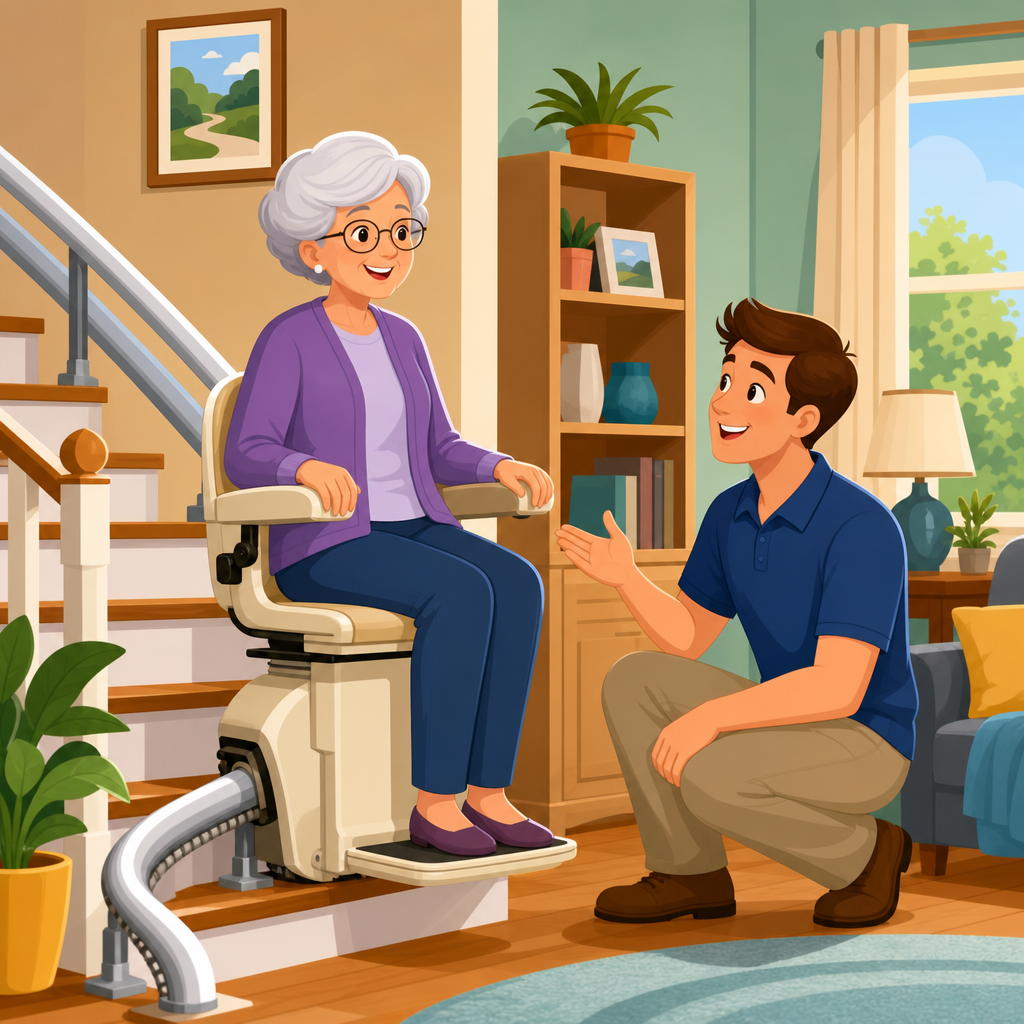
Chair lifts, often called stair lifts, consist of a powered chair attached to a rail mounted on the stair treads, not the wall. Straight stair lifts fit a single uninterrupted staircase and are the most common candidates for refurbishment because rails are simpler and inventory is easier to standardize. Curved stair lifts are built to the exact dimensions of a specific staircase, so reused options are rarer and often limited to refurbished components paired with a newly fabricated rail. For shoppers building a shortlist, the key question is not simply where to find a low price. The real question is where to find a refurbished chair lift that is safe, serviceable, and correctly matched to the staircase and user. That is the standard this guide uses.
This article serves as a hub for the broader used and refurbished chair lift topic. It explains where reputable refurbished inventory comes from, which sellers are worth considering, how to evaluate warranties and service plans, and when a new unit may still be the smarter purchase. It also addresses common search questions directly: Are refurbished stair lifts safe? How much do they cost? Who installs them? Can they be moved to another home? By the end, you should know exactly which sources deserve attention, which red flags should stop a purchase, and how to compare offers on more than price alone.
What counts as a quality refurbished chair lift
A quality refurbished chair lift is a previously installed unit that has gone through a documented restoration process and is then installed by a qualified technician on a compatible staircase. At minimum, that process should include structural inspection of the carriage and seat frame, testing of safety edges and obstruction sensors, replacement of worn batteries, verification of charger output, inspection of the gearbox and motor performance, and confirmation that the seat swivel, footrest, armrests, and seat belt operate correctly. Better refurbishing programs also replace cosmetic covers, worn upholstery, call/send controls, and any high-failure components based on service history.
In the field, the strongest refurbished programs usually come from authorized local dealers representing major brands such as Bruno, Harmar, Handicare, Stannah, Savaria, and Access BDD. These dealers often remove a straight stair lift from one home, return it to the shop, test it on a bench, replace batteries, inspect rollers and charging contacts, then install it with a rail cut to fit the next staircase. Because straight rail systems are modular, this process is practical and repeatable. It is much less practical with curved units, where the rail geometry is unique to the original home. That is why shoppers will find many more refurbished straight stair lifts than true refurbished curved models.
The safest rule is simple: quality refurbished means refurbished by a professional mobility dealer, not merely resold by an individual. A stair lift sold through an online marketplace may still work, but unless the buyer can verify age, service records, compatibility, and installer support, the risk climbs quickly. I have seen buyers save a few hundred dollars upfront only to spend more later because the batteries were near failure, the rail lacked the right overrun, or no technician in the area would service the brand.
Best places to find refurbished chair lifts
The most reliable place to find a refurbished chair lift is a local mobility equipment dealer that installs and services stair lifts every week. Local dealers matter because stair lifts are not plug-and-play products. The dealer measures the staircase, confirms weight capacity and seat dimensions, installs the rail, tests charging points, and returns for maintenance if needed. Many of these businesses keep a rotating inventory of reconditioned straight stair lifts taken from trade-ins, short-term installations, or units removed after a homeowner relocates. They may list them on their websites under “used stair lifts,” “reconditioned stair lifts,” or “certified pre-owned” inventory.
Manufacturer-authorized dealers are usually the strongest option because they have direct access to factory parts, technical bulletins, and model-specific training. For example, dealers carrying Bruno Elite straight stair lifts or Harmar Pinnacle units often know the common wear patterns and can refurbish to a predictable standard. They can also tell you whether the model remains supported. That support status is critical. A bargain on an older discontinued lift is not a bargain if replacement boards, remotes, or seat components are no longer available.
Independent accessibility companies are another good source, especially those that handle a wider mix of equipment such as wheelchair ramps, vertical platform lifts, and home elevators. The best independents are transparent about what they replaced, what warranty they provide, and whether future service is available in-house. Ask directly how many refurbished stair lifts they install per year and which brands they will continue to support. Their answer usually reveals whether refurbishment is a disciplined process or just opportunistic resale.
Medical equipment resellers and durable medical equipment stores sometimes advertise used or refurbished chair lifts, but quality varies sharply. Some focus primarily on portable equipment like scooters and hospital beds and subcontract stair lift work. That is not automatically a problem, but buyers should verify who actually measures, installs, and services the unit. If the seller cannot name the installer before taking a deposit, move on.
Online marketplaces such as Facebook Marketplace, Craigslist, and eBay are the highest-risk sources. These sites can work for buyers who already have a servicing dealer willing to inspect and reinstall the lift, but that is uncommon. Most dealers prefer to install equipment they supplied because they can stand behind the condition and parts lineage. Private-party listings also rarely disclose battery age, fault history, rail completeness, or whether the charger and call stations are included. For most buyers, these channels are better used for price research than actual purchasing.
| Source | Typical value | Main advantage | Main risk |
|---|---|---|---|
| Authorized local dealer | High | Proper measurement, installation, warranty, parts access | Limited inventory in some regions |
| Independent mobility company | Medium to high | Flexible sourcing and local service | Standards vary by company |
| DME reseller | Medium | Occasional low pricing | May subcontract installation and service |
| Online marketplace | Low to medium | Lowest upfront price | No refurbishment standard, uncertain support |
How to evaluate safety, warranty, and service support
If you want to know whether a refurbished chair lift is worth buying, ask for answers to five specific questions. First, which parts were replaced during refurbishment? Second, who will install it and are they trained on that brand? Third, what is covered by the warranty and for how long? Fourth, is service available locally after installation? Fifth, is the model still supported with replacement parts? A trustworthy seller can answer all five without hesitation.
Safety starts with proper installation and setup. Stair lifts should include a working seat belt, swivel seat lock, footrest safety edges, obstruction sensors, and stable charging points. Battery-powered units must charge correctly at the designated rail positions so the lift is ready during a power outage. Most modern stair lifts use rechargeable batteries specifically because household power failures are not rare. If a seller cannot confirm recent battery replacement or load testing, budget for immediate replacement. Batteries are wear items, not lifetime components.
Warranty terms often reveal how confident a seller is in the refurbishment process. A common pattern for refurbished straight stair lifts is a limited warranty ranging from thirty days to one year, with labor coverage sometimes shorter than parts coverage. That is acceptable if the seller has a strong local service reputation. Be cautious with warranties that sound long but exclude travel, labor, batteries, or electronics. Also clarify response times. A stair lift user may rely on the device to access a bedroom or bathroom, so service delays matter far more than they would for a nonessential appliance.
Standards and compliance are part of the conversation as well. Reputable stair lift brands design products to recognized safety requirements and maintain detailed installation procedures. Ask whether the unit retains original safety features and whether any modifications were made. A refurbished lift should never lose safety equipment in the name of convenience or cost savings. The best dealers perform a final ride test with the customer, review transfer technique, and explain parking positions, charging, and emergency procedures before closing the job.
Cost ranges, savings, and when refurbished makes sense
Refurbished chair lift pricing depends mainly on staircase type, model age, installation complexity, and local labor rates. In many markets, a refurbished straight stair lift lands roughly between $2,000 and $4,500 installed, while a new straight stair lift commonly falls between about $3,000 and $6,000. Curved stair lifts are much more expensive because of the custom rail; new systems often start near $10,000 and can climb well beyond that. Refurbished curved options exist, but they often involve reused chair components paired with a newly built rail, so savings may be more modest than shoppers expect.
Refurbished makes the most sense in three situations. The first is a straight staircase with standard dimensions, where inventory turnover is healthy and rails can be adapted efficiently. The second is temporary or transitional use, such as post-surgery recovery, hospice support, or a period between hospital discharge and rehabilitation. The third is a budget-constrained household that still wants professional installation and service. In all three cases, the value comes from balancing lower purchase price with enough remaining service life to justify the investment.
There are times when buying new is smarter. If the user needs a higher weight capacity, a powered folding rail, a perch seat for narrow stairs, or a highly specific seat size, new inventory offers more configuration options. New also makes sense when a household expects many years of daily use and wants the longest warranty, latest controls, and maximum parts support horizon. I often advise buyers to compare the final installed difference, not just the sticker price. If a new unit is only modestly more expensive but includes a stronger warranty and better long-term support, it may be the better financial decision.
Red flags to avoid and questions to ask before buying
The clearest red flag is any seller who cannot inspect the staircase before quoting a final price. Stair lift fit depends on stair width, number of steps, landings, obstructions, power availability, and transfer space at the top and bottom. A phone estimate is useful, but a firm promise without measurement is not. Another warning sign is vague language such as “works great” with no record of testing, age, or parts replaced. In mobility equipment, specifics matter.
Avoid sellers offering discontinued models without confirming parts availability. Ask for the exact brand and model number, then verify whether batteries, remotes, boards, seat components, and rail parts can still be sourced. Be cautious with any unit removed from a smoking, damp, or flood-affected home; corrosion and odor issues are harder to solve than many buyers expect. If the chair lift shows cracked plastics, loose seat mounts, inconsistent charging, or intermittent beeping during demonstration, treat that as a maintenance signal, not a cosmetic issue.
Before signing, ask whether the quote includes removal of an existing unit, permit requirements if applicable, rail overruns, folding footrest options, remote controls, and post-installation instruction. Confirm who owns the equipment if you later need it removed. Some dealers also offer buyback or trade-in programs, which can improve total value. As a hub topic, these questions connect to every deeper article on used and refurbished chair lifts: brand comparisons, rental-versus-buy decisions, battery replacement costs, curved stair lift economics, and installation checklists.
How to use this hub to keep researching
Use this page as your starting point when building a shortlist of used and refurbished chair lift options. First, identify whether your staircase is straight or curved. Second, contact at least three local mobility dealers and ask specifically for refurbished inventory, warranty terms, and service coverage. Third, compare each quote using the same criteria: supported model, parts replaced, installer qualifications, response time, and final installed price. Fourth, read the related guides in your buying process, especially articles covering brand reliability, rental alternatives, stair lift maintenance, and how to evaluate a home accessibility dealer.
The main benefit of buying a quality refurbished chair lift is straightforward: you can reduce cost without sacrificing dependable access between floors, but only if you buy from a source that treats refurbishment as a professional service rather than a quick resale. Focus on authorized or experienced local dealers, insist on documented inspection and installation, and verify ongoing parts and service support before committing. If you are comparing offers now, make your next step simple: schedule an in-home assessment, ask the five key questions from this guide, and use the answers to separate a true refurbished value from a risky used lift.
Frequently Asked Questions
What is the difference between a used chair lift and a refurbished chair lift?
A used chair lift is usually sold in the same condition it was in when it was removed from a previous home. In many cases, that means it may not have gone through any meaningful inspection, testing, repairs, or part replacement before being offered for sale. It may still function, but it is often sold “as-is,” which can leave the buyer responsible for any mechanical problems, missing accessories, installation issues, or future service needs.
A refurbished chair lift, by contrast, has typically gone through a more structured process designed to restore it to dependable working condition. That process often includes cleaning, safety testing, mechanical inspection, replacement of worn components, battery checks or replacement, verification of the seat and controls, and confirmation that the unit operates properly on an appropriate rail system. Reputable refurbishers also evaluate whether the lift meets current usability and safety expectations before reselling it.
This distinction matters because chair lifts are mobility devices, not just convenience products. Buyers depend on them for daily access, stability, and peace of mind. A properly refurbished model from a trusted seller can offer significant savings without sacrificing reliability, while a basic used model with no inspection history may create more risk and expense over time. When comparing listings, always ask exactly what “refurbished” includes, what parts were replaced, and whether the seller provides installation, warranty coverage, and service support after the sale.
Where are the best places to find quality refurbished chair lifts?
The best place to start is with established stair lift dealers and mobility equipment companies that specialize in selling, installing, and servicing chair lifts. These businesses are more likely to have trained technicians, access to compatible parts, and a formal refurbishment process. They may also carry well-known brands and offer home assessments to ensure the rail configuration, seat style, and lift capacity fit the user’s staircase and mobility needs.
Another strong option is to contact local accessibility companies, medical equipment providers, or home mobility specialists in your area. Many of these businesses take in previously installed units, refurbish them, and reinstall them for new customers. Buying locally often makes it easier to arrange site visits, ask questions, verify service coverage, and get ongoing maintenance if needed. It can also help with faster installation and simpler warranty support.
You may also find refurbished chair lifts through manufacturer-authorized dealers. This is often one of the safest routes because authorized sellers generally follow brand-specific standards for inspection, refurbishment, and installation. In some cases, they can also confirm model history and provide more reliable replacement parts.
Online marketplaces and private-party listings can appear attractive because of lower prices, but they require more caution. Unless the seller can document inspection, testing, refurbishment, and professional installation options, the lower upfront cost may come with higher long-term risk. For a mobility device, quality of refurbishment and support matter more than finding the absolute cheapest listing. The most reliable sources are sellers who can clearly explain the condition of the lift, the work completed, and the service they provide after the sale.
How can I tell if a refurbished chair lift seller is reputable?
A reputable seller should be transparent, knowledgeable, and willing to provide specific details instead of vague sales language. Ask how the company defines “refurbished” and what steps are included in its process. A trustworthy seller should be able to explain whether the unit was disassembled, cleaned, tested, repaired, fitted with replacement parts, and inspected for safety and performance. If the answer is unclear or overly general, that is a sign to ask more questions or keep looking.
It is also important to ask whether the seller offers professional installation. Even a well-refurbished chair lift can become unreliable or unsafe if it is installed improperly or paired with an unsuitable staircase layout. Reputable companies usually perform an in-home assessment before installation and verify measurements, rail fit, power requirements, and user needs. They should also explain operating instructions, weight limits, folding features, seat swivel functions, and safety sensors.
Look for evidence that the company stands behind its equipment. That may include a written warranty, post-installation service, maintenance options, access to replacement parts, and support if the lift stops working. Reviews and referrals can also help, especially when they mention responsiveness, installation quality, and follow-up care. A seller with years of experience in mobility equipment is generally a better choice than a general reseller with little product knowledge.
Finally, pay attention to how the company handles your questions. A reputable dealer should discuss product limitations honestly, explain whether a straight or curved stair lift is appropriate, and never pressure you into buying a unit that does not fit your staircase or budget. Clear communication, documented refurbishment standards, and local service capability are some of the strongest indicators that you are dealing with a reliable source.
What should I ask before buying a refurbished chair lift?
Start by asking about the exact model, age, prior use, and refurbishment history of the lift. Find out where it came from, whether it was removed from a private home, and what condition it was in before refurbishment. Ask what parts were replaced, whether the batteries are new, whether the seat, armrests, controls, and safety sensors were tested, and whether the rail system is included or customized for your staircase. These details help you understand whether you are buying a genuinely restored mobility device or simply a used unit with minimal preparation.
You should also ask whether the lift is suitable for your specific staircase. Straight stair lifts are generally easier to source refurbished because the rail systems are simpler and more adaptable. Curved stair lifts are more complex because they are often custom-built for a particular staircase. If you need a curved lift, ask whether the seller is refurbishing the chair unit only, reusing any rail components, or proposing a hybrid solution with new custom rail sections. Compatibility is critical, and the seller should be able to explain it clearly.
Other key questions include: What warranty is included? Is installation part of the quoted price? Is service available in my area? How quickly can repairs be made if something goes wrong? Are replacement parts readily available for this model? What is the weight capacity? Has the lift been tested under load? Is there a return policy or satisfaction guarantee? These questions move the conversation beyond price and help you evaluate the real value of the purchase.
It is also wise to request everything in writing, including the model number, scope of refurbishment, warranty terms, installation details, and total cost. A detailed written quote makes it easier to compare sellers and avoid misunderstandings later. For a product that affects mobility and independence every day, asking careful questions upfront is one of the best ways to protect both your budget and your safety.
Are refurbished chair lifts a safe and cost-effective option?
Yes, refurbished chair lifts can be both safe and cost-effective when they come from a qualified seller who follows a thorough inspection and restoration process. For many households, a refurbished lift offers a practical middle ground between buying brand-new equipment and taking a chance on a used unit sold without support. The savings can be substantial, especially for straight stair lifts, and those savings can make mobility improvements more accessible without compromising reliability.
Safety depends on more than the fact that a unit has been previously owned. What matters is how carefully it has been evaluated, restored, and installed. A quality refurbished chair lift should be tested for smooth travel, stopping accuracy, seat stability, control responsiveness, battery performance, and proper operation of built-in safety features such as obstruction sensors and seat locks. Professional installation is equally important because even a dependable unit must be matched correctly to the staircase and secured properly to function safely over time.
From a cost perspective, buyers should look beyond the initial purchase price. A cheaper unit with no warranty, uncertain condition, and limited service support can end up costing more if repairs are needed soon after installation. By comparison, a well-refurbished lift from an experienced mobility provider may include inspection, replacement parts, setup, warranty protection, and access to future service, giving you better long-term value. In many cases, that combination makes refurbished equipment the smarter financial choice.
The bottom line is that refurbished chair lifts can be an excellent option if you buy from a reputable dealer, confirm the details of the refurbishment process, and make sure the lift is professionally installed and supported. When those elements are in place, a refurbished model can deliver dependable daily performance, improved safety on the stairs, and meaningful savings compared with buying new.