Widening doorways for wheelchair accessibility is one of the most practical home accessibility modifications because a doorway that is too narrow can turn an otherwise usable room into a daily obstacle. In residential remodeling, doorway widening means increasing the clear opening width so a wheelchair, walker, or mobility scooter can pass through safely without scraping knuckles, damaging trim, or forcing awkward transfers. As a contractor-level accessibility upgrade, it sits at the intersection of layout planning, structural framing, finish carpentry, code compliance, and long-term aging-in-place strategy.
I have seen homeowners focus first on ramps, stair lifts, or bathroom grab bars, then realize that none of those upgrades solve the problem if a wheelchair cannot reach the bathroom or bedroom in the first place. That is why doorway width matters so much. The Americans with Disabilities Act is often cited in conversations about access, but most homes are not legally required to meet commercial ADA standards. Even so, ADA dimensional guidance, along with universal design principles and local residential code requirements, provides a useful benchmark for deciding what works in a private home. In plain terms, the goal is simple: create enough clear width and maneuvering space so movement through the home is safe, efficient, and dignified.
As a hub topic within home accessibility modifications, doorway widening connects directly to hallways, flooring transitions, threshold design, bathroom remodels, kitchen clearances, lever hardware, and whole-home circulation planning. A door opening is never just a door opening. The wall may contain electrical lines, plumbing vents, load-bearing framing, or trim details that affect cost and complexity. The swing direction can interfere with wheelchair turning radius. The threshold height can create a trip hazard. Even the type of hinges used can add valuable extra clearance. Understanding these related elements helps homeowners make better decisions, avoid rework, and prioritize the modifications that deliver the greatest daily benefit.
What Width Is Needed for Wheelchair-Accessible Doorways
The most important measurement is not the door slab size but the clear opening width, which is the actual pass-through space when the door is open. Many older homes have nominal 28-inch or 30-inch doors that provide less usable clearance than expected once the door, stop, and hinges are taken into account. For many manual wheelchairs, a 32-inch clear opening is considered the practical minimum. A 36-inch door is often preferred because it improves maneuverability, reduces hand injuries from tight passes, and better accommodates power chairs, transport chairs, and caregivers assisting from the side.
In field assessments, I usually recommend homeowners think beyond the bare minimum. A person may fit through a 32-inch clear opening in a straight approach but still struggle if the hallway is narrow or if the door requires a sharp turn from a mobility device. Bathrooms are a common failure point because the opening, swing path, vanity placement, and toilet clearance all interact. When clients ask what width to choose if they only want to renovate once, the answer is usually a full 36-inch door with low thresholds and lever handles. That choice tends to age better and supports changing mobility needs over time.
Doorway accessibility also depends on adjacent floor space. Someone using a wheelchair needs room to approach the latch side, open the door, and continue through without backing up repeatedly. The wider opening reduces friction, but maneuvering clearance is what makes the opening truly usable. This is why widening one doorway in isolation sometimes disappoints homeowners; the opening improves, yet the route remains difficult because surrounding circulation was not addressed.
How Doorway Widening Fits Into Home Accessibility Modifications
Within a broader accessibility plan, widening doorways is usually categorized as a circulation upgrade. Circulation refers to the ability to move continuously through the home between key areas such as the entrance, bedroom, bathroom, kitchen, laundry, and living space. If one doorway blocks that route, independence is reduced. For that reason, the first step is not demolition but mapping the daily path of use. Which rooms must be accessible every day? Which spaces can remain secondary? Where are transfers, turns, or caregiver assistance needed?
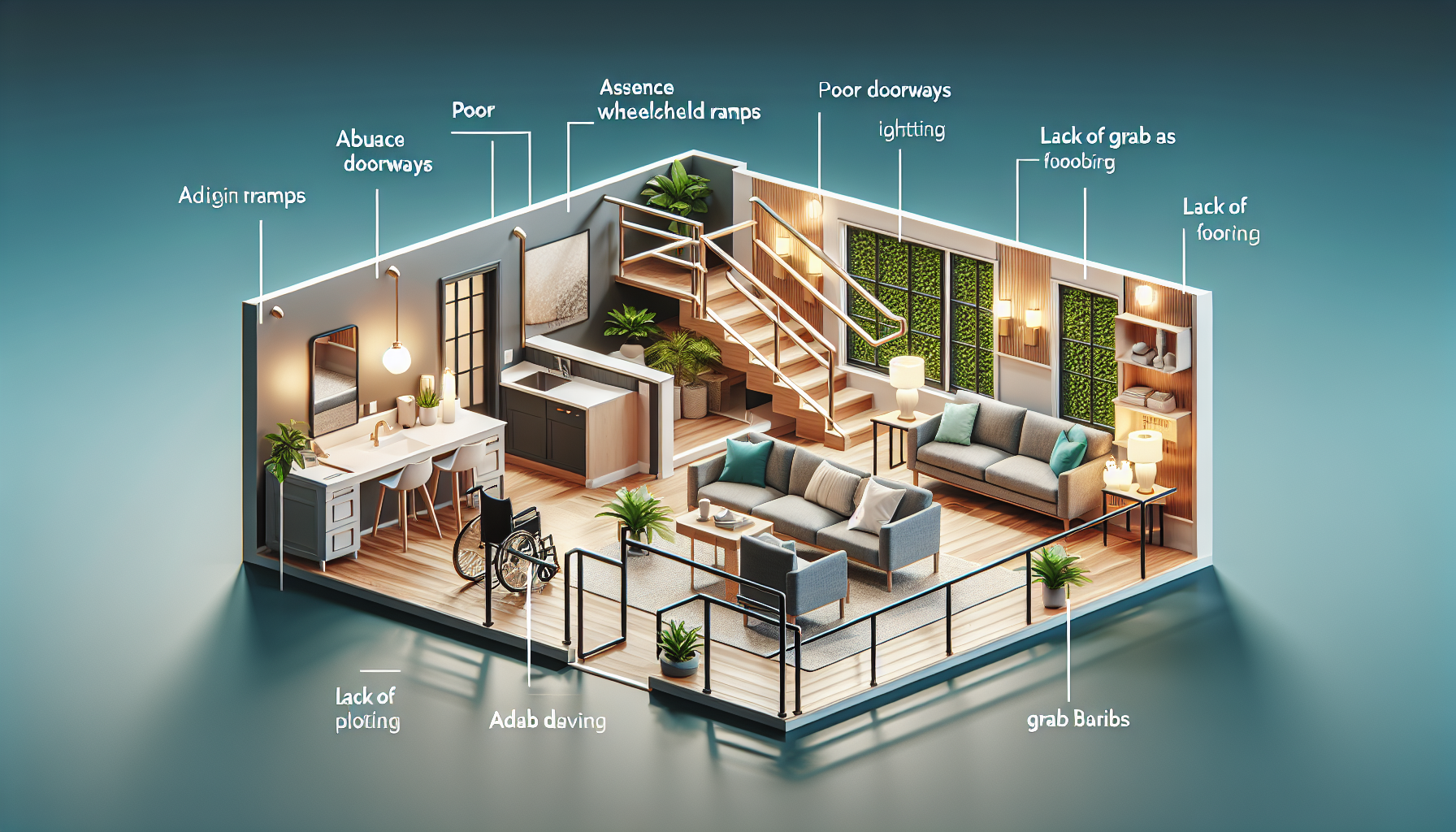
In real projects, I group home accessibility modifications into three levels. First are entry and route changes, such as ramps, exterior landings, doorway widening, and hallway adjustments. Second are room-specific changes, including roll-in showers, comfort-height toilets, lowered counters, and reachable storage. Third are support features such as lighting, smart controls, anti-slip flooring, and handrails. Doorways affect all three levels because they connect every upgraded space. If a client remodels a beautiful accessible bathroom but keeps a narrow 28-inch bathroom door, the remodel underperforms from day one.
This is also why a hub approach is useful. Homeowners planning doorway widening often need related guidance on bathroom accessibility, kitchen work triangles, threshold ramps, non-slip flooring, stair alternatives, and entry door hardware. The best remodeling sequence usually starts with route access, then addresses the highest-use rooms, then completes secondary improvements that increase comfort and safety. That sequencing controls budget and prevents improvements from working against one another.
Common Methods for Widening a Doorway
There are several ways to gain usable width, and the right choice depends on wall type, budget, finish goals, and the mobility device involved. The most comprehensive option is reframing the rough opening for a larger prehung door or slab. This may involve removing casing, cutting drywall or plaster, adjusting studs, installing a new header if required, relocating switches or wiring, and replacing trim. It creates the cleanest finished result and allows the homeowner to standardize widths throughout the home.
A less invasive option is offset or swing-clear hinges, sometimes called zero-clearance hinges. These move the door completely out of the opening when open and can add roughly 1.5 to 2 inches of clear passage. I have used this approach in older homes where clients needed a quick gain in width without opening walls immediately. It is cost-effective, but it is not a substitute for a truly undersized doorway, especially for power wheelchairs or for spaces requiring tight turns.
Pocket doors and barn doors are sometimes proposed to eliminate swing conflicts. Pocket doors can work well in accessible design because they remove the arc of a hinged door, but they require enough wall cavity and careful hardware selection so handles are easy to grasp. Barn doors solve some clearance issues but can reduce privacy, allow sound transfer, and create wall-space conflicts. In bathrooms, they need detailed planning for latching, emergency access, and moisture resistance.
| Method | Typical Benefit | Best Use Case | Main Limitation |
|---|---|---|---|
| Reframe for 36-inch door | Full accessibility upgrade | Primary routes, bathrooms, bedrooms | Higher labor and finish cost |
| Swing-clear hinges | Adds up to about 2 inches of clearance | Moderately tight existing doors | Does not fix poor maneuvering space |
| Pocket door | Eliminates door swing obstruction | Bathrooms and tight rooms | Wall cavity and hardware complexity |
| Barn door | Easy retrofit without pocket framing | Selective interior openings | Less acoustic and visual privacy |
Structural, Code, and Safety Issues Homeowners Should Expect
Before widening a doorway, determine whether the wall is load bearing. If it is, changing the opening may require a properly sized header, jack studs, and in some jurisdictions a permit and inspection. Even non-load-bearing walls can hide wiring, plumbing, HVAC ducts, security system lines, or insulation details that affect scope. In older homes, plaster walls, lead paint, and asbestos-containing materials can also change the work plan and should be handled according to applicable safety standards.
Residential code requirements vary by jurisdiction, so homeowners should verify minimum egress rules, smoke-separation requirements between garage and house, and any fire-rating expectations for multifamily properties. If the door is part of a required means of egress, width, swing, landing, and hardware choices may be constrained. Exterior doors introduce additional complexity because weatherproofing, sill height, drainage, and energy performance matter alongside accessibility. Good accessibility work never ignores moisture management or life-safety requirements.
Thresholds deserve special attention. A beautifully widened doorway can still be hazardous if the threshold is too high or uneven. For wheelchair users, a low, beveled transition is usually the safest solution. For people with walkers, canes, or poor balance, reducing even small vertical changes can prevent falls. I recommend clients test routes with actual devices before sign-off, including entry approaches, bathroom turns, and nighttime movement patterns.
Costs, Project Planning, and Return on Daily Use
Cost varies widely by location and scope. A simple hinge change may cost very little compared with a full reframing project, while widening a load-bearing wall with electrical relocation, new casing, paint, and flooring patching can become a substantial remodel line item. In many markets, a straightforward interior doorway widening project falls in the hundreds to low thousands per opening, but bathroom doors, exterior doors, and structural walls often land higher. Custom trim matching, plaster repair, and permit requirements can also push prices upward.
The most useful budgeting practice is to think in routes rather than individual doors. If a wheelchair user needs access from the front entry to the bedroom and bathroom, price that complete route first. Then budget secondary improvements, such as the kitchen, laundry, or patio. This avoids spending on isolated openings that do not unlock meaningful use. It also improves contractor coordination because flooring, electrical, painting, and door hardware can be sequenced together instead of revisited room by room.
The return on investment is usually best measured in reduced strain, fewer transfers, safer movement, and prolonged independent living rather than resale value alone. Families often tell me the biggest benefit is not dramatic; it is the end of daily scraping, bumping, and asking for help. That reduction in friction matters. It saves shoulders, wrists, walls, door frames, and time. It also makes caregiving easier when assistance is needed during bathing, dressing, or emergency response.
Best Practices for a Whole-Home Accessibility Plan
Doorway widening works best when integrated with a full accessibility strategy. Start with an in-home assessment by an occupational therapist, certified aging-in-place specialist, experienced accessibility contractor, or design professional familiar with universal design. Measure wheelchairs and walkers in actual use, not just manufacturer specifications. People need space for hands on push rims, footrests, bags, and imperfect approach angles. Document thresholds, hallway widths, turning areas, lighting levels, and flooring friction at the same time.
Prioritize the rooms used every day: an accessible entrance, one bedroom, one full bathroom, kitchen access, and a main living area. In bathrooms, consider out-swing or pocket doors, curbless showers, reinforced walls for grab bars, and sink knee clearance. In kitchens, review aisle widths, appliance door conflicts, and counter heights. Along all routes, use lever handles, rocker switches, and non-slip surfaces. These details work together. Accessibility is rarely delivered by one product; it comes from coordinated dimensions and thoughtful layout choices.
It is also wise to plan for changing needs. A person who currently uses a cane may later need a walker or wheelchair. A manual chair may be replaced by a wider power chair. Caregiver assistance may become necessary. Choosing larger openings during renovation is usually cheaper than reopening finished walls later. When homeowners ask me what modification they regret delaying, doorway widening is high on the list because it affects every movement through the home.
Widening doorways for wheelchair accessibility is not a cosmetic upgrade; it is a foundational home accessibility modification that improves circulation, safety, and independence. The key principles are straightforward: measure clear opening width, plan for maneuvering space, choose the right widening method, verify structural and code conditions, and prioritize complete daily routes over isolated fixes. In most homes, a 36-inch door with low thresholds and easy-to-use hardware provides the best long-term result, especially when paired with accessible bathrooms, flooring transitions, and thoughtful room layouts.
The biggest lesson from real projects is that accessibility succeeds when the home functions as a connected system. Entry access, hallways, door swings, bathroom clearance, kitchen reach ranges, and lighting all influence whether a widened doorway truly works. Homeowners who assess the whole route, involve qualified professionals, and budget in phases usually get better outcomes with fewer surprises. They also avoid the common mistake of spending on beautiful upgrades that remain hard to reach.
If you are planning home accessibility modifications, start by identifying the doors that block essential daily movement and have them professionally measured. Then build a room-by-room access plan that supports present needs and future mobility changes. A wider doorway can seem like a small construction detail, but in practice it can open up the entire home.
Frequently Asked Questions
How wide should a doorway be for wheelchair accessibility in a home?
In most residential accessibility projects, the key measurement is the clear opening width, which is the actual pass-through space available when the door is open, not just the size listed for the door slab or rough opening. For many wheelchair users, a clear opening of at least 32 inches is considered the minimum functional target, but 34 to 36 inches of clear width is often more comfortable and practical in everyday use. That extra space can make a big difference for power wheelchairs, mobility scooters, walkers, and anyone who needs easier maneuvering without rubbing hands, wheels, or footrests against the frame.
It is also important to remember that a doorway can technically meet a minimum width and still feel difficult to use if the hallway is tight, the approach angle is awkward, or the threshold is raised. In real homes, usability depends on more than just one number. A contractor assessing accessibility will usually look at the full path of travel, including turning space, floor transitions, door hardware, and whether the user approaches head-on or from the side. For that reason, homeowners often choose to widen doorways beyond the bare minimum whenever framing, layout, and budget allow. A well-planned opening should support safe, independent movement, not just code-level compliance.
What is involved in widening a doorway during a residential remodel?
Widening a doorway can be a fairly straightforward carpentry task in some homes, but in others it becomes a more involved remodeling project. The process usually begins with measuring the existing door, jamb, casing, wall thickness, and surrounding clearance. From there, the contractor determines whether the wall is non-load-bearing or load-bearing, because that affects how the framing can be altered. If the wall is structural, the opening may need a new or larger header and temporary support while the framing is modified. That is one reason doorway widening should be evaluated carefully rather than treated as a simple trim update.
Once the scope is clear, the work often includes removing the existing door and casing, opening the wall, reframing the rough opening, installing a wider jamb and door if needed, repairing drywall, and reinstalling or replacing trim. Depending on the location, the project may also involve moving electrical switches, outlets, thermostats, or even plumbing lines hidden in the wall. In older homes, uneven framing, plaster walls, and nonstandard dimensions can add complexity. A good accessibility-focused remodeler will also check threshold height, floor transition smoothness, and lever-handle hardware so the finished doorway works well in daily use instead of simply looking wider on paper.
Can you widen a doorway without major structural changes?
Sometimes, yes. In certain situations, a doorway can be improved without dramatically reconstructing the wall. One common option is offset or swing-clear hinges, which can increase usable clear opening space by allowing the door to swing completely out of the opening rather than into it. This does not actually make the framed opening wider, but it can create enough additional clearance to help a wheelchair or walker pass more easily. It is often a cost-effective first step when the existing opening is close to workable but just a little too tight.
Another possibility is removing part of the trim or replacing the door and jamb with a narrower-profile system to gain a small amount of extra width. In some homes, converting a hinged door to a pocket door or barn-style sliding door may improve usability, especially where swing clearance is a problem. That said, these alternatives do not solve every access issue. If the rough opening itself is too narrow, or if the user has a larger wheelchair or scooter, a true framed widening may still be the best long-term solution. The right choice depends on how the door is used, who uses it, and whether the goal is basic pass-through or comfortable, repeated independent access.
How much does it cost to widen a doorway for wheelchair access?
The cost to widen a doorway varies widely based on the wall type, how much width is being added, the age of the house, and what hidden conditions are uncovered once the wall is opened. On the lower end, a relatively simple widening in a non-load-bearing interior wall may cost a few hundred to a couple thousand dollars, especially if finishes are basic and no major systems need to be moved. On the higher end, if the wall is load-bearing, contains electrical or plumbing, or requires matching detailed trim and flooring, the project can climb significantly. Exterior doorways also tend to cost more because they involve weatherproofing, thresholds, siding or brick considerations, and security hardware.
Homeowners should also think beyond the framing cost alone. A doorway widening project may trigger related upgrades such as a new door, accessible lever hardware, threshold modifications, repainting, drywall repair, or flooring patching. In some cases, adjacent hallways or bathroom layouts may need changes so the newly widened door actually improves mobility. The best way to budget accurately is to get a site-specific assessment from a contractor familiar with accessibility remodeling. A detailed quote should explain labor, materials, finish repairs, and any probable complications so there are fewer surprises once work begins.
What should homeowners consider before deciding which doorways to widen?
The smartest approach is to prioritize doorways that affect daily function, safety, and independence. In many homes, the most important openings are the main entry, bathroom door, bedroom door, and any doorway needed to access the kitchen or primary living area. If a wheelchair user cannot comfortably reach the bathroom, sleep space, or exit route, the home may not function well even if only one or two doors are too narrow. That is why accessibility planning should focus on the user’s actual routines rather than widening random openings one at a time.
It is also worth thinking ahead. A doorway that feels barely adequate today may become frustrating later if mobility needs change, a larger wheelchair is introduced, or caregiver assistance becomes necessary. Future-focused planning often includes checking turning radius near the doorway, confirming that thresholds are low and smooth, using easy-to-operate hardware, and making sure there is enough wall and floor space on both sides of the door. Homeowners should also consider whether widening one doorway alone will create a bottleneck elsewhere in the route. The most effective accessibility upgrades are coordinated, practical, and tailored to the person using the space every day.