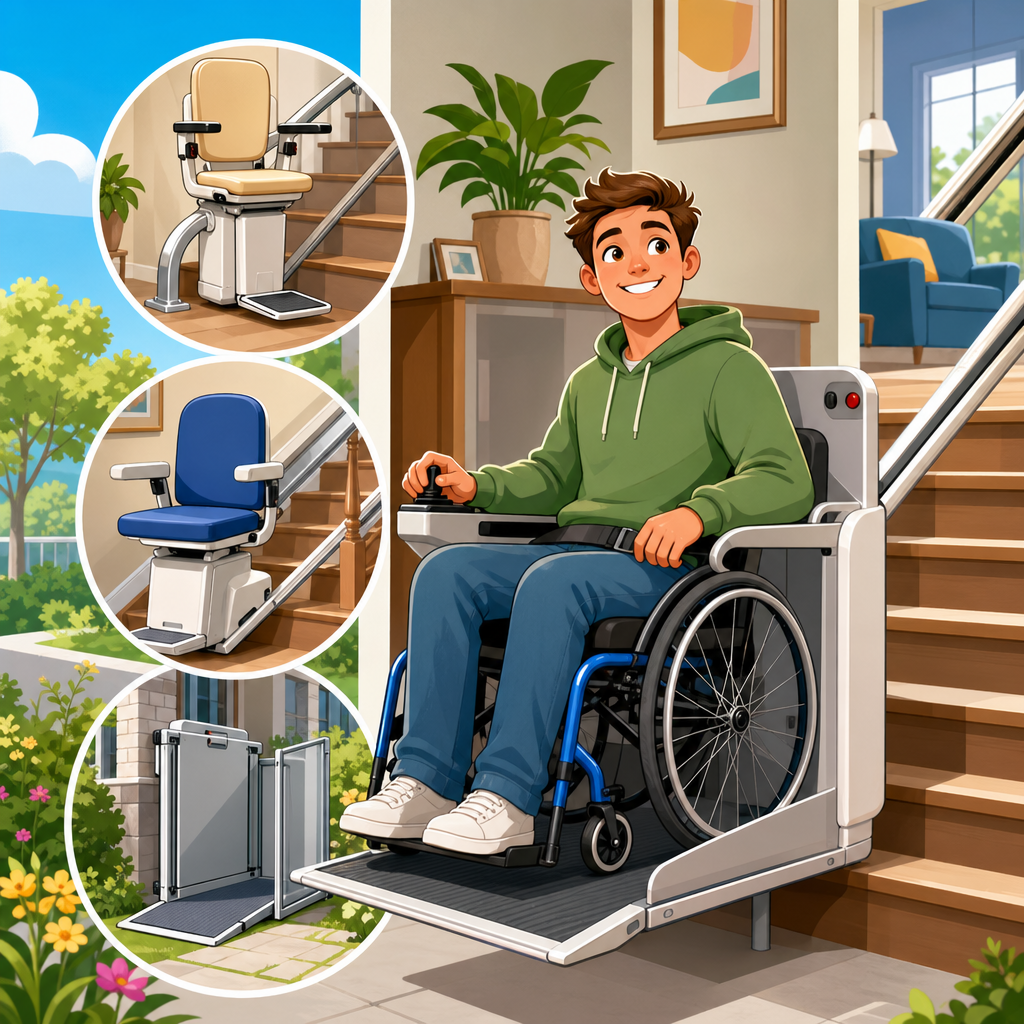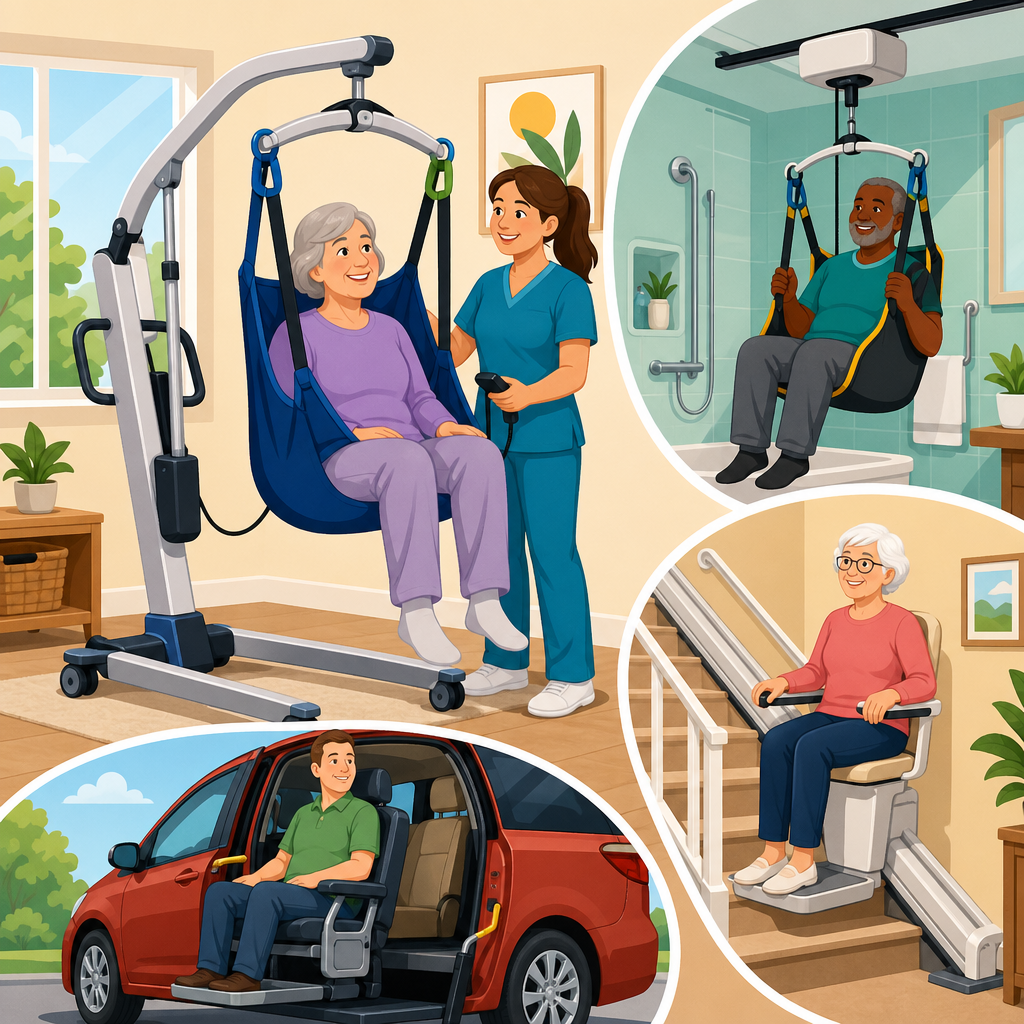
Choosing the best chair lift retailer in 2025 is not just about finding the lowest price; it is about finding a seller that can assess your staircase correctly, match you with the right stairlift model, coordinate safe installation, and support the product for years. In this market, the terms matter. A chair lift, often called a stair lift or stairlift, is a motorized seat that travels along a rail attached to the staircase treads, helping people with limited mobility move between floors without climbing steps. A retailer may be a local mobility dealer, a national brand with regional installers, or an online seller that brokers equipment from multiple manufacturers. I have worked with families comparing all three options, and the difference in service quality can be larger than the difference in sticker price.
Why this matters in 2025 is simple: the buyer profile is broader than ever. Older adults are staying in multistory homes longer, more people are recovering at home after joint replacement or stroke, and caregivers are under pressure to make quick, safe decisions. At the same time, retailer quality varies widely. Some sellers offer factory-certified technicians, code-aware installation, and reliable warranty support. Others advertise aggressively online, then subcontract measurement, installation, and service to whoever is available. For a product that affects daily safety, convenience, and independence, retailer selection is as important as brand selection. The best chair lift retailer in 2025 is the one that combines product range, transparent quoting, installation competence, service responsiveness, and long-term parts support.
This hub article covers the full “Retailers & Online Stores” landscape so buyers can compare options intelligently and know what deeper questions to ask in related reviews. It explains how leading retailers differ, what standards to expect during a home assessment, which red flags signal poor service, and when online purchasing makes sense. It also addresses a common question directly: is there one universally best chair lift retailer? No. The best retailer depends on whether you need a straight or curved stair lift, want rental or purchase options, need fast installation, require heavy-duty seating, or live in a market where local service is stronger than national coverage. Still, a few retailers consistently rank near the top because they execute the basics well and support buyers before and after the sale.
How to judge a chair lift retailer in 2025
The most reliable way to judge a chair lift retailer is to evaluate five areas: product fit, site assessment quality, installation standards, service network, and pricing transparency. Product fit means the retailer sells models appropriate for your staircase and user needs. Straight stair lifts are simpler and typically installed faster, while curved stair lifts require custom rail fabrication based on precise measurements. Outdoor stair lifts need weather-resistant components. Heavy-duty users may need wider seats, higher weight capacity, or offset swivels for safer transfers. A good retailer does not force every buyer into one model family.
Assessment quality is where strong retailers separate themselves. In my experience, the best dealers ask about the user’s diagnosis, transfer ability, hand function, and whether others need to continue walking the stairs. They measure stair width, landing clearance, obstructions, hinge requirements at the bottom rail, power location, and seat-to-floor height. They also explain why stair lifts attach to the stair treads rather than the wall, which reassures homeowners worried about structural damage. A rushed quote based only on photos is acceptable for a preliminary discussion, but not for a final recommendation on a curved system.
Installation standards matter because stair lifts are safety devices. Reputable retailers use trained technicians, follow manufacturer specifications, test charging points and safety edges, and review emergency lowering, seat swivel locks, and folding procedures with the user. Service network quality matters just as much. Batteries usually last several years, but eventually need replacement. Call-outs can also be required for obstruction sensors, charging faults, or worn seat components. If a retailer sells in your area but relies on a distant subcontractor for every service visit, downtime can become a serious problem.
Pricing transparency is the final filter. Buyers should expect a written quote that identifies the exact model, rail type, powered options, installation cost, warranty term, and whether service visits are included. Any retailer unwilling to separate equipment cost from installation and extras is harder to compare fairly.
Which retailers stand out this year
In 2025, the strongest chair lift retailers usually fall into three groups: manufacturer-led national sellers, established independent mobility dealers, and specialized online marketplaces with local installation partners. Bruno dealers remain highly regarded in the United States because Bruno stair lifts are made in Wisconsin, offer solid build quality, and are supported by a long-standing dealer network. Buyers often praise the dependable straight stair lift lineup, including the Elan and Elite, and many dealers can provide faster service because parts distribution is well established.
Stannah remains one of the most recognized global names and often performs well where its direct sales and service organization is active. Stannah retailers tend to be strong on custom curved installations and in-home consultation quality. Harmar and Access BDD dealers also remain important, especially for buyers who want a wider range of configurations or who are shopping through local mobility stores rather than a single brand channel. Savaria dealers are another serious option, particularly when a household is evaluating multiple accessibility products and wants one retailer that can discuss lifts, elevators, and related mobility equipment.
Among broad online names, 101 Mobility continues to stand out because it combines local franchise presence with access to several mobility product categories. It is not purely an online store, but many shoppers encounter it digitally first, then move into local assessment and installation. National chains can be convenient, but quality still depends heavily on the local branch. That is why the best chair lift retailer is often the best retailer in your ZIP code, not the one with the biggest advertising budget.
| Retailer type | Best for | Main advantage | Main caution |
|---|---|---|---|
| Manufacturer-led national seller | Brand-specific buyers | Consistent product knowledge and parts access | Less flexibility if another brand fits better |
| Independent local mobility dealer | Service-focused buyers | Faster local support and personalized assessment | Quality varies by dealer experience |
| Online marketplace with installers | Price comparison shoppers | Convenient research and broad selection | Installation and warranty handling may be fragmented |
Local dealers versus national brands versus online stores
Many buyers begin by asking whether local or national retailers are better. The practical answer is that local dealers often win on responsiveness, while national brands often win on standardized sales processes and stronger marketing. A skilled local dealer may know regional home styles, common staircase constraints, and realistic installation timelines better than a centralized call center. When I have helped families compare quotes, the local dealer often spent more time on transfer safety, footrest height, and whether a manual or powered swivel would be easier for the user. That attention can prevent expensive mistakes.
National retailers can still be excellent, especially when they operate their own branch and technician network rather than outsourcing. They may offer smoother financing, stronger brand recognition, and better continuity for custom rail manufacturing. This is especially relevant for curved stair lifts, where rail design accuracy and lead time management matter. Online stores are useful for research, but they are best treated as the first step, not the whole buying process. If the website cannot tell you who installs the lift, who services it after the sale, and who honors the labor warranty, you do not yet have enough information to buy confidently.
For this reason, the strongest buying path in 2025 usually combines online research with a local in-home survey. Use the web to compare brands, seat sizes, and warranty terms, then let an experienced retailer validate fit in person.
What the best retailers do during the buying process
A top-tier chair lift retailer follows a disciplined process from first inquiry to post-installation support. First, the sales specialist gathers staircase information and user needs before discussing models. Second, the retailer schedules a site visit with exact measurement tools and evaluates not only the stairs but also how the user gets on and off the seat. Third, the quote is specific. It names the lift, confirms whether the rail is standard or custom, notes any folding rail or powered footrest, and explains lead times. Fourth, installation is scheduled with realistic timing, not vague promises designed to close the sale.
After installation, the best retailers complete a user handover. They demonstrate call/send controls, seatbelt use, charging position, obstruction sensors, and manual emergency procedures. They also explain maintenance expectations. Modern stair lifts are relatively low maintenance, but they still need clean rails, charged batteries, and occasional service checks. Better retailers provide a clear service contact, expected response time, and guidance on what is covered under manufacturer warranty versus labor warranty. This level of detail reduces anxiety for both users and caregivers.
The buying experience should feel consultative, not pressured. If the representative dismisses your concerns about stair width, parking position, or whether grandchildren also use the stairs, that retailer is not doing the job properly.
Red flags that separate weak retailers from strong ones
Poor retailers usually reveal themselves early. The first red flag is pricing without assessment. Straight stair lifts can sometimes be estimated quickly, but a final quote without confirming stair dimensions, landing space, and user fit is not reliable. The second red flag is vague warranty language. A seller may advertise a lifetime warranty, but only on the motor or gearbox, while batteries, labor, call-outs, and wear items are excluded. Always ask what is covered, for how long, and by whom.
A third red flag is no service infrastructure. If the retailer cannot tell you who performs repairs, how far away the technician is, or whether replacement parts are stocked domestically, expect delays. Fourth, beware of retailers who downplay used or rental units without explaining the tradeoffs. Refurbished chair lifts can be a good value for straight staircases when the rail and carriage are properly reconditioned and the installer stands behind the product. Rentals can make sense for temporary recovery needs. A trustworthy retailer explains when these options fit and when they do not.
Other warning signs include pressure to sign on the first visit, refusal to provide model numbers, unclear return policies, and no discussion of alternatives such as vertical platform lifts or ramps when a stair lift is not the best solution. Competent retailers do not sell the same answer to every household.
How pricing, warranties, and service plans really work
Chair lift pricing in 2025 still varies primarily by staircase complexity. Straight stair lifts commonly cost far less than curved models because rails are modular and easier to install. Curved lifts require custom engineering and fabrication, so the retailer’s measurement accuracy and manufacturer relationship directly affect both price and lead time. Powered features such as a folding footrest, powered swivel, or retractable rail increase cost but can materially improve safety for some users.
Warranties usually include separate coverage categories: major components, electronics, batteries, and labor. This is where buyers need to read closely. Batteries are consumables and often have shorter coverage. Labor coverage may be one year even when component coverage lasts much longer. Service plans may include annual preventive maintenance, discounted call-out rates, or priority scheduling. These plans are not automatically worth buying; their value depends on local service quality and the user’s reliance on the lift. For someone who cannot access a bedroom or bathroom without the stair lift, faster service response has real value.
Financing is also more common now, but buyers should compare total cost, not monthly payment alone. A strong retailer will explain purchase, rental, used, and financing options without hiding the fully installed price.
Best chair lift retailer in 2025: the practical answer
If you want one practical answer, the best chair lift retailer in 2025 is usually the local or regional dealer with certified installation, strong service coverage, clear written quotes, and access to trusted manufacturers such as Bruno, Stannah, Harmar, Savaria, or Access BDD. In many U.S. markets, high-performing Bruno dealers and well-reviewed 101 Mobility locations are frequent front-runners because they combine recognizable product lines with local support. In markets where Stannah operates directly or through strong service branches, it is often a top choice for custom and curved applications. The brand matters, but the retailer’s local execution matters more.
The smartest way to choose is to shortlist two or three retailers, require an in-home assessment, compare model-specific quotes, verify who services the lift after installation, and read recent local reviews for responsiveness rather than just sales satisfaction. Ask how quickly they can install a straight unit, how long a curved rail will take, what happens if the lift stops charging, and whether they keep common parts in stock. Those answers tell you more than a homepage promise ever will.
This hub page should serve as your starting point for every retailer and online store question in the chair lift market. Use it to narrow the field, then go deeper into brand reviews, local dealer comparisons, installation guides, and warranty explainers before buying. The right retailer will not only sell you a chair lift; it will protect your safety, mobility, and peace of mind every day the lift is in your home. Start by booking two assessments and comparing the details, not just the price.
Frequently Asked Questions
What should I look for when choosing the best chair lift retailer in 2025?
The best chair lift retailer in 2025 should do far more than simply sell you a unit at a low advertised price. A strong retailer starts with a proper assessment of your staircase, mobility needs, and long-term safety requirements. That includes confirming whether you need a straight or curved stair lift, reviewing seat size and weight capacity, identifying any transfer or balance concerns, and making sure the model fits the physical layout of the home. A good retailer also explains how the rail is mounted to the stair treads, what electrical setup is required, how much space remains on the stairs, and whether features like power swivel seats, folding rails, or call/send controls would improve daily use.
Beyond product selection, the retailer should have a reliable installation process and a clear service plan. Ask whether installation is performed by factory-trained technicians or subcontractors, how warranties are handled, what maintenance support is available, and how fast they respond to service calls. The best retailers are transparent about pricing, timelines, and limitations. They do not push a one-size-fits-all solution. Instead, they help match the user with the correct stairlift model and continue supporting the equipment after installation. In most cases, the best retailer is the one that combines product knowledge, accurate measurement, safe installation, and long-term service—not just the one with the cheapest quote.
Is the lowest-priced stair lift retailer usually the best option?
Not necessarily. Price matters, but stair lifts are safety devices, and the lowest quote does not always represent the best value. A cheaper retailer may be cutting corners in areas that are hard to see at first, such as assessment quality, installation expertise, service availability, warranty coverage, or post-sale support. If a staircase is measured incorrectly or the wrong model is recommended, the result can be an uncomfortable ride, operational problems, or a unit that does not properly meet the user’s needs. In that situation, the “deal” can quickly become expensive and frustrating.
A better way to compare retailers is to look at the full package. Ask what is included in the quoted price: installation, warranty, service calls, battery backup, remote controls, seat upgrades, and rail options. Also ask how the retailer supports the lift in the future if repairs or adjustments are needed. A slightly higher price from a well-established retailer with experienced installers and responsive service can be the smarter investment. In 2025, the best chair lift retailer is usually the company that delivers dependable performance, professional guidance, and strong after-sales support, not just the lowest upfront number.
How do I know if a chair lift retailer can properly assess my staircase and mobility needs?
A qualified chair lift retailer should ask detailed questions before making a recommendation. They should want to know who will use the lift, whether the user has issues with balance, hip or knee flexibility, transfer strength, or the ability to operate controls. They should also inspect or accurately document the staircase itself, including width, landings, obstructions, number of steps, turns, doorways, and any tight spaces at the top or bottom. A professional retailer understands that a stairlift must fit both the staircase and the person using it comfortably and safely.
During the evaluation, the retailer should explain why a particular model is being recommended and what tradeoffs may exist. For example, they should discuss whether a standard seat is sufficient or whether a heavy-duty model is needed, whether a folding rail is useful near a doorway, and whether a powered swivel or powered footrest would make transfers easier. If a retailer gives a quick price without asking many questions or without carefully reviewing the staircase, that is a warning sign. The best retailers in 2025 treat the process as a mobility and safety consultation, not just a product sale.
What kind of installation and ongoing support should a top stair lift retailer provide?
A top stair lift retailer should provide installation that is safe, organized, and performed by trained professionals who are familiar with the specific brand and model being installed. Installation should include securing the rail properly to the stair treads, testing the ride in both directions, confirming battery charging, checking seat and footrest function, and making sure safety sensors and controls work correctly. The installer should also show the user how to operate the lift, fold it when not in use, use the call/send controls, and respond to basic alerts or charging issues.
Ongoing support is just as important as the installation itself. The best retailers offer clear warranty information, accessible customer service, and a practical process for maintenance or repairs. Ask how quickly they handle service requests, whether they stock common parts, and whether they work on the products they sell over the long term. Chair lifts are built for daily use, often by people who rely on them every day to move through their homes. That means the retailer’s support system can be as important as the chair lift brand. In 2025, a retailer that stands behind the product for years is usually a much better choice than one that disappears after installation.
Are chair lift, stair lift, and stairlift the same thing when comparing retailers?
Yes. In most consumer and industry use, chair lift, stair lift, and stairlift are referring to the same type of product: a motorized seat that travels along a rail attached to the staircase treads to help people with limited mobility move between floors. Different retailers may use different wording in their advertising, but the equipment category is generally the same. Understanding this helps when comparing companies online, because one retailer may optimize for “chair lift” while another uses “stairlift” or “stair lift” throughout its site.
That said, terminology alone does not tell you whether a retailer is high quality. What matters is how well they explain the available models, evaluate your needs, and support the product after the sale. Some companies may use broad terms to attract search traffic, but the best retailer will be specific once the conversation starts. They should clarify whether you need a straight or curved unit, indoor or outdoor use, standard or higher weight capacity, and which safety and comfort features matter most. So while the terms are commonly interchangeable, the real difference between retailers comes down to expertise, transparency, installation quality, and service commitment.