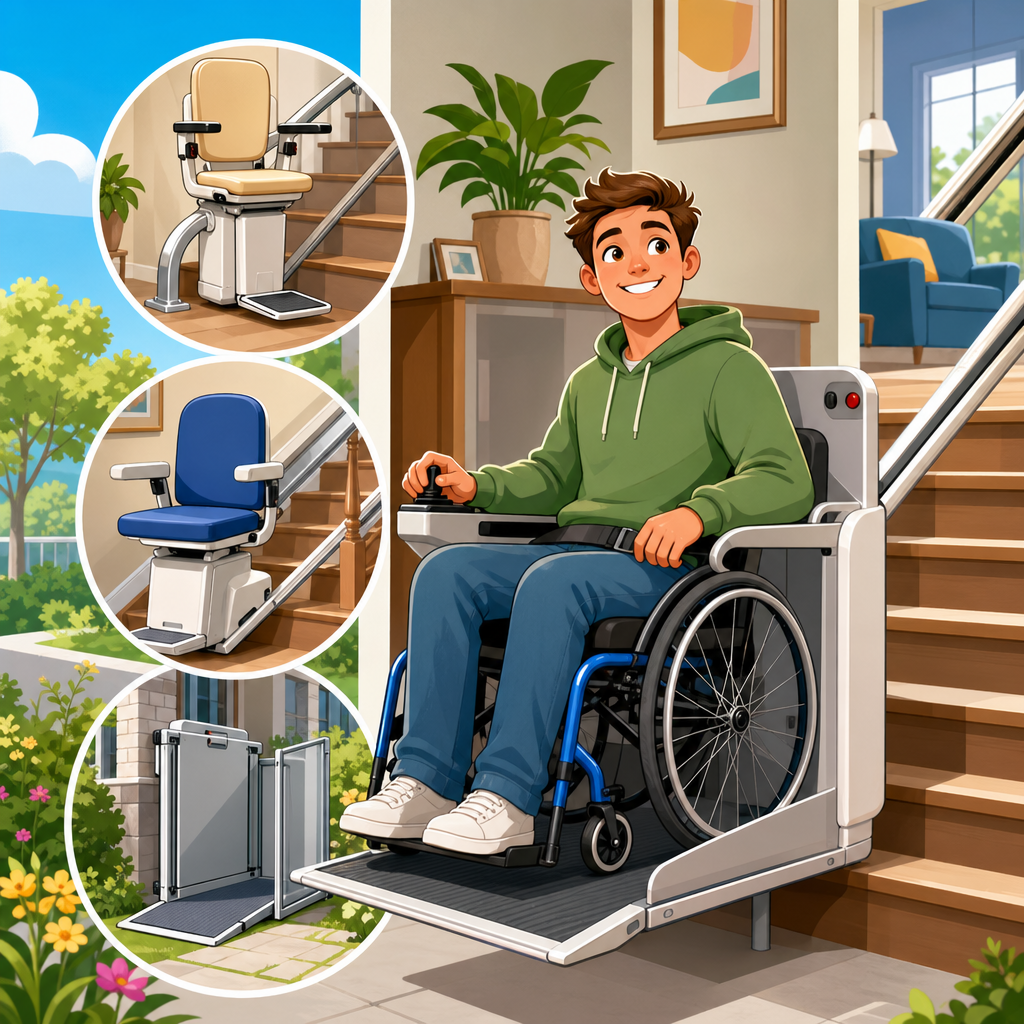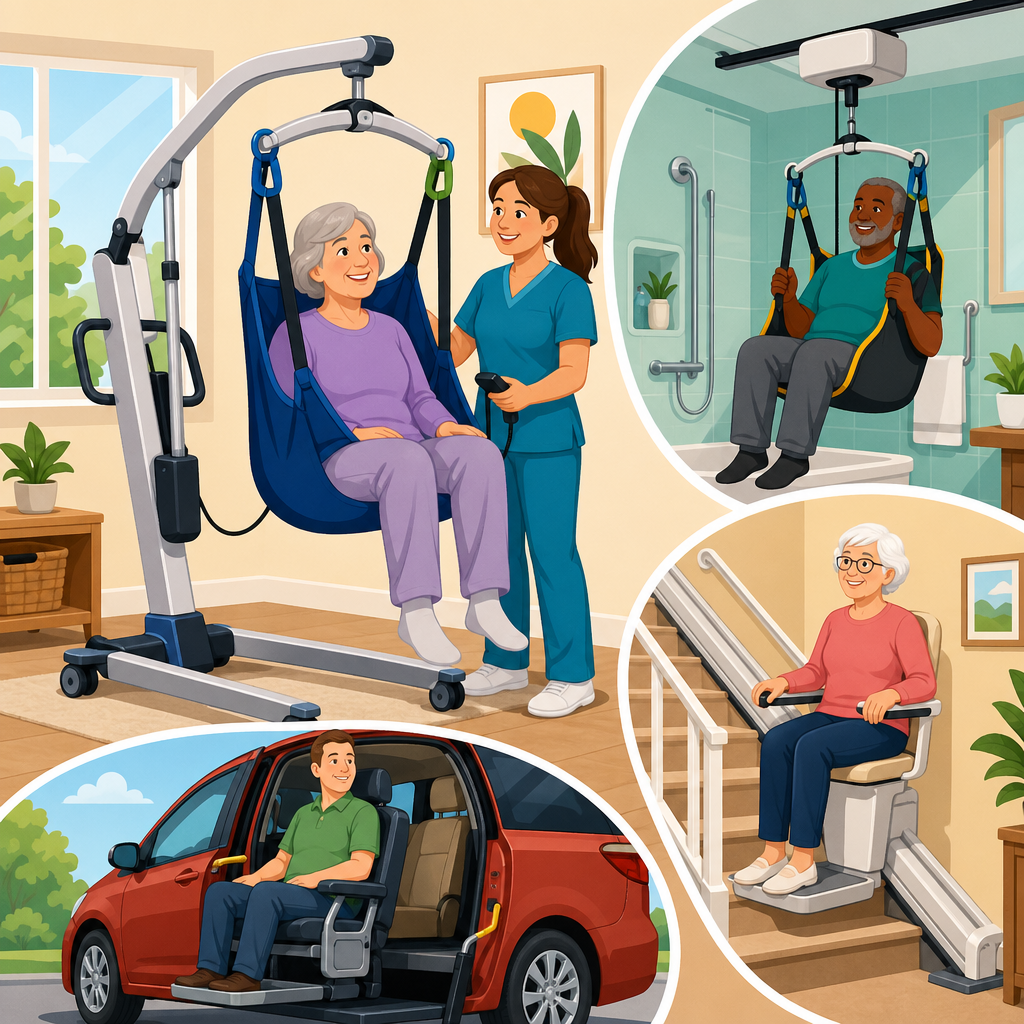
Shopping for a chair lift online can feel efficient, but it also exposes buyers to one of the hardest parts of mobility equipment research: separating genuine customer feedback from manufactured praise. Fake chair lift reviews online are a real problem because they distort pricing expectations, hide installation issues, and make unsafe products appear trustworthy. In this context, a chair lift includes straight stair lifts, curved stair lifts, standing stair lifts, and outdoor models sold through national brands, dealer networks, marketplaces, and direct-to-consumer retailers. A fake review is any rating or testimonial that misrepresents actual customer experience, whether it was written by a seller, paid promoter, bot network, competitor, or copied from another source.
This matters more with chair lifts than with ordinary household products because the purchase is expensive, medically significant, and closely tied to home layout. In my work reviewing mobility equipment retailers, I have seen buyers rely on five-star summaries only to discover later that the quoted price excluded a site survey, rail customization, permit work, or long-term service. A misleading review can push someone toward the wrong retailer, the wrong lift configuration, or an installer with weak after-sales support. Since many families are buying during a health change, hospital discharge, or urgent caregiving situation, they may not have time to scrutinize every listing. That urgency is exactly what dishonest sellers exploit.
The good news is that fake review patterns are usually detectable when you know what to examine. Reliable chair lift feedback tends to discuss consultation quality, home assessment accuracy, installation timing, stair measurements, warranty response, and whether the final product matched the user’s mobility needs. Suspicious reviews often stay vague, repeat marketing language, or cluster unnaturally around a short period. This guide explains how to evaluate retailers and online stores with a buyer’s mindset, how to verify whether a review reflects a real installation, and how to build a short list of trustworthy sellers before you request quotes. If you are comparing retailers, this article serves as the central reference point for the entire online store and dealer review process.
Why Chair Lift Reviews Are Especially Easy to Manipulate
Chair lift reviews are unusually vulnerable to manipulation because the market is fragmented. Some brands sell through exclusive dealer territories, some operate lead-generation websites, some use independent installers, and others list products through marketplaces where review moderation is inconsistent. Unlike categories such as smartphones or televisions, chair lifts generate fewer total reviews, which means a small number of fake testimonials can significantly shift the average rating. A retailer with only twenty reviews can be transformed by six glowing posts written in the same week.
There is also a structural reason these reviews are hard to judge: many customers review the consultation rather than the full ownership experience. A family may leave a five-star rating after a sales representative was kind and punctual, even though the rail arrived late or service became difficult months later. Sellers understand this and often request feedback immediately after deposit collection or installation day, before reliability issues appear. That does not automatically make a review fake, but it can make the review incomplete. When reading chair lift reviews online, always ask what stage of the buying journey the customer is actually describing.
Another issue is that mobility equipment buyers are often older adults or adult children purchasing on behalf of parents. Those customers may post on Google, Facebook, Yelp, Better Business Bureau profiles, dealer directories, and brand websites without using the same details everywhere. That creates noise dishonest retailers can hide within. I have also seen generic review language recycled across multiple local dealer pages, especially where a national stair lift brand licenses independent partners. If different locations display near-identical praise about “excellent service” and “life-changing freedom” without specifics, assume you are reading reputation management content, not independent verification.
Red Flags That Commonly Signal Fake Chair Lift Reviews
The clearest warning sign is generic enthusiasm with no operational detail. Real buyers usually mention a staircase type, a turnaround time, a quoted model, financing, installation crew behavior, or a service issue. Fake reviews say things like “best company ever,” “great quality,” or “highly recommend” without describing the home, the lift, or the transaction. In an expensive category with custom measurements, vagueness is not normal.
Watch for timing patterns. If a retailer suddenly receives ten five-star reviews in eight days after months of inactivity, that spike deserves scrutiny. The same is true when review volume rises right after a complaint trend or rating drop. Review platforms do not always show enough metadata to prove manipulation, but clustered positivity is often the first clue. Compare timestamps across Google Business Profile, Trustpilot, Yelp, and the Better Business Bureau. If only one platform shows a dramatic burst, the seller may be concentrating effort where moderation is weakest.
Language repetition is another strong indicator. Fraudulent chair lift reviews frequently reuse the same adjectives, sentence structure, or unusual phrases. Examples include repeated references to “seamless installation experience,” “top-tier mobility solution,” or “exceptional craftsmanship” across supposedly different customers. That wording sounds like marketing copy because it usually is. Authentic reviews vary in tone and competence. Some are polished, some are blunt, and some include minor complaints even when the overall rating is high.
Reviewer history matters. On Google and Yelp, click through profiles when possible. A reviewer who has only posted one review, or who has reviewed unrelated businesses in different states on the same day, should not carry much weight. On marketplaces, scrutinize “verified purchase” labels carefully because some simply confirm a transaction on the platform, not successful installation. A stair lift is not a boxed commodity; the crucial experience includes assessment, fit, installation, and service. Verification that ignores those stages can still leave room for misleading praise.
| Review Signal | Likely Meaning | What To Do |
|---|---|---|
| Short, vague five-star comments | Possible incentivized or fabricated feedback | Discount them unless other detailed reviews support the same claims |
| Many reviews posted in a tight date range | Potential reputation campaign | Check other platforms and look for older service stories |
| Repeated phrases across locations | Template-driven testimonials | Search exact wording in quotes to find duplicates |
| No mention of model, stairs, or installation | Reviewer may not be a real buyer | Prioritize reviews with concrete purchase details |
| All praise, no tradeoffs | Unnatural sentiment profile | Look for balanced reviews discussing price, delays, or service response |
How To Evaluate Retailers and Online Stores Beyond Star Ratings
Star ratings are a starting point, not a decision tool. To evaluate chair lift retailers and online stores properly, match review content against the actual buying process. A legitimate seller should explain whether pricing is for a straight stair lift or a curved custom rail, whether installation is included, whether a site survey is mandatory, and whether local service is performed by employees or subcontractors. If reviews praise low prices but the website never explains what the quote includes, the rating may be hiding cost exclusions.
Start with business identity. Confirm the legal business name, physical address, years in operation, and whether the company is an authorized dealer for brands such as Bruno, Stannah, Harmar, Access BDD, or Handicare. Authorized status does not guarantee perfect service, but it gives you a traceable relationship with the manufacturer. Then check whether the retailer has a consistent footprint across Google Business Profile, state business records, and consumer complaint platforms. A polished site with no verifiable operating history is a risk.
Next, compare review themes with known realities of chair lift ownership. Straight lifts are generally faster to install because rails are standardized; curved lifts require custom fabrication and longer lead times. Outdoor lifts need weather protection and more maintenance planning. Used or refurbished lifts can be economical for straight staircases, but not every home is a fit. If reviews promise same-day installation for every staircase or imply one model works universally, they conflict with how the product category actually works. Good retailers set expectations; bad ones smooth over complexity.
Also review policy pages carefully. Reputable online stores spell out return limitations, cancellation terms after measurement, warranty coverage, battery replacement responsibilities, and service territory. Since many chair lifts are custom-configured, returns are often restricted after production begins. A fake review campaign often creates the illusion of easy buying while policy documents quietly transfer risk to the customer. Read reviews alongside the fine print, not separately.
Questions Real Reviews Usually Answer Directly
If you want to know whether chair lift reviews online are authentic, ask whether they answer the questions a serious buyer naturally has. Real reviews often reveal how the company handled the home assessment. Did the representative measure stair width, landing clearance, folding rail needs, and seat-swivel requirements? Did they discuss user weight capacity, transfer ability, and power-outage backup? Those specifics indicate a lived transaction, not invented praise.
Authentic reviews also mention scheduling friction. Buyers frequently describe waiting for landlord permission, HOA approval, custom rail production, or installer availability. They may note that the sales process was smooth but the project took three weeks, or that the installer corrected a bracket alignment issue on the spot. Those details are valuable because they show the customer experienced the less glamorous parts of the purchase. Fake testimonials tend to erase friction entirely.
Service and maintenance are another authenticity marker. Chair lifts are electromechanical devices with batteries, charging contacts, call/send controls, seat belts, footrest sensors, and diagnostic needs. Genuine long-term reviews often mention annual service, battery replacement after several years, remote troubleshooting, or responsiveness when the lift stopped midway. Those comments are difficult to fake convincingly because they involve ownership over time. When every review focuses only on politeness and speed, you are missing the operational picture.
Pay attention to pricing language too. Real customers often discuss ranges, financing terms, rental suitability, or whether a used stair lift was offered. They may say the company was not the cheapest but explained why a hinge rail or powered swivel added cost. That kind of pricing context is credible. By contrast, suspicious reviews often describe a complex chair lift purchase as “affordable” without naming the reason, the model type, or the alternatives considered.
How To Verify Reviews With Outside Evidence
You do not need forensic software to verify chair lift reviews, but you do need a repeatable process. First, cross-check the retailer across multiple platforms. Google reviews are useful for volume, Better Business Bureau listings help identify complaint patterns, and Trustpilot can reveal fulfillment or communication problems for online sellers. Yelp may be thinner in this category, but it sometimes surfaces local installation complaints that do not appear elsewhere. Consistency across platforms matters more than perfection on any single one.
Second, compare review claims to the retailer’s documented capabilities. If multiple testimonials say the company installs nationwide, verify whether it actually has national service coverage or just lead referral pages. If reviews praise a specific model, confirm that the retailer is listed by the manufacturer as a dealer. I have seen sites imply direct brand relationships when they were only brokers collecting quote requests. The review language sounded reassuring until you checked the manufacturer locator.
Third, use search operators. Put unique phrases from suspicious testimonials in quotation marks and search them. Duplicated wording across cities, dealer pages, or unrelated mobility websites is a major warning sign. You can do the same with reviewer names paired with the company name. While this method is imperfect, it often catches copy-and-paste reputation tactics quickly.
Finally, call the company and test whether the review narrative matches reality. Ask who performs installation, what happens if the staircase measurement changes, whether service calls are local, and what the warranty excludes. A trustworthy retailer answers directly and consistently. A weak one pivots back to “five-star customer satisfaction” without specifics. Reviews should support a real business process; they cannot replace one.
Best Practices for Building a Safe Short List of Chair Lift Sellers
The safest way to use chair lift reviews online is as one input in a broader buying framework. Start with manufacturers and authorized dealer locators, then layer in local retailer reviews, complaint history, and service availability. Request at least two or three quotes. For straight stair lifts, compare whether each quote includes installation, powered options, folding rail features, and warranty labor. For curved lifts, ask who handles custom rail design and what happens if fabrication delays occur.
During quote calls, ask each retailer for references that reflect your situation: narrow staircase, outdoor installation, higher weight capacity, rental need, or fast discharge timeline. Not every company will provide direct customer contacts, but strong retailers can usually describe comparable installations in credible detail. Ask for written confirmation of lead time, deposit terms, service radius, and whether maintenance is available after the first year. This is where weak review-backed sellers often collapse, because they depend on image more than process.
It also helps to score retailers using the same criteria. Give points for transparent pricing structure, local service capability, detailed written proposals, balanced review patterns, and brand authorization. Deduct points for generic testimonials, hidden addresses, aggressive urgency, or refusal to discuss parts and labor coverage. A structured comparison prevents a glossy review profile from overpowering practical evidence.
Most importantly, involve the actual user whenever possible. A chair lift that looks perfect in reviews may still be wrong for someone with limited trunk stability, difficulty with transfers, or changing mobility needs. The right seller does more than collect praise online; it asks careful questions and recommends the correct configuration, even when that means a more complex sale.
Fake chair lift reviews online are not just a nuisance; they can lead families toward poor retailer choices, hidden costs, and products that do not suit the staircase or the user. The most reliable way to spot manipulation is to look for specifics: model type, stair layout, installation details, timing, service follow-up, and balanced commentary about tradeoffs. Generic praise, review spikes, repeated language, and unclear business identity should always lower your confidence.
When evaluating retailers and online stores, treat reviews as supporting evidence rather than proof. Verify brand authorization, read policy pages, compare multiple platforms, and ask direct questions about measurement, installation, warranty coverage, and maintenance. Real chair lift experiences are rarely frictionless, so honest reviews usually include useful context. That context is what helps you separate a reputable mobility equipment seller from a reputation-managed storefront.
If you are building a shortlist under the broader buying guides and product reviews journey, use this hub as your baseline for judging every chair lift retailer you encounter. Start with verified dealers, collect written quotes, and investigate review patterns before paying a deposit. A careful review process takes more time upfront, but it dramatically improves your odds of choosing a safe, properly supported chair lift from a seller you can trust.
Frequently Asked Questions
How can I tell whether chair lift reviews online are fake or genuine?
Start by looking for patterns that feel too perfect. Genuine chair lift reviews usually include specific details about the buyer’s staircase, the installation process, how the lift operates day to day, and whether the product was a straight stair lift, curved stair lift, standing stair lift, or outdoor model. Real customers often mention practical factors such as seat comfort, rail fit, battery backup performance, remote controls, fold-up clearance, transfer safety, or how long installation took. Fake reviews, by contrast, tend to be vague, overly promotional, and filled with broad claims like “best chair lift ever” or “amazing value” without explaining why.
Another strong clue is review balance. Real feedback often includes at least a few drawbacks, even when the buyer is satisfied. Someone may praise the smooth ride but note that the seat felt firm, the appointment schedule took longer than expected, or the curved stair lift cost more than anticipated. Manufactured reviews often avoid any criticism at all. Also watch the timing and volume of postings. If a company suddenly receives many glowing reviews within a short period, especially using similar wording or sentence structure, that can suggest coordinated review manipulation.
Finally, compare reviews across multiple sources rather than relying on a single retailer page. Check third-party platforms, local business profiles, disability or aging-in-place forums, and consumer complaint sites. If a chair lift brand looks flawless on its own website but has recurring complaints elsewhere about service delays, hidden installation costs, or poor warranty support, that contrast matters. The most trustworthy picture usually comes from consistency across independent sources, not from a handful of five-star comments on one sales page.
What are the biggest red flags in fake chair lift reviews?
One of the biggest red flags is language that sounds like advertising copy instead of customer experience. Fake chair lift reviews often repeat branded phrases, technical selling points, or generic praise that could apply to almost any product. For example, a suspicious review may talk about “industry-leading innovation” or “premium mobility solutions” without mentioning anything concrete about the stairway, the user’s mobility needs, or the installer’s work. Real buyers usually speak more naturally and focus on what happened before, during, and after purchase.
Another warning sign is a lack of context. Chair lifts are not impulse purchases; they involve home measurements, safety concerns, budget decisions, and often an emotional reason for buying. A genuine review is more likely to mention why the lift was needed, whether the staircase was narrow or curved, how the person transfers on and off the seat, whether the unit was installed indoors or outdoors, and whether the buyer was comparing multiple companies. Reviews that skip all of that and simply declare the product “excellent” are less credible.
You should also be cautious about suspicious reviewer behavior. Red flags include profiles with only one review, multiple reviews posted on the same day for unrelated products, repetitive wording across different reviewers, and an unnatural concentration of either perfect five-star ratings or extreme one-star attacks. In some cases, fake negative reviews are used by competitors, so the goal is not just to spot fake praise but also fake criticism. If several reviews make dramatic claims without details, evidence, or any indication that the reviewer actually purchased, scheduled, or used the lift, treat them carefully and verify with other sources.
Why are fake chair lift reviews especially risky compared with fake reviews for other products?
Fake chair lift reviews are more dangerous because a chair lift is directly tied to personal mobility, home safety, and independence. A misleading review can cause someone to underestimate how important professional installation is, overlook whether a staircase needs a custom curved rail, or ignore whether the user is physically suited for a seated or standing model. Unlike a minor household purchase, the wrong chair lift can create fall risks, transfer problems, or daily frustration for someone who depends on it.
There is also a financial risk. Chair lifts often involve significant costs beyond the advertised unit price, including custom rail design, electrical considerations, service plans, maintenance, and installation fees. Fake reviews can make a product seem far more affordable or trouble-free than it really is. A buyer may be drawn in by glowing comments and then discover unexpected charges, long lead times, limited warranty coverage, or poor after-sales service. If reviews hide these realities, shoppers may compare prices unfairly and choose a product that is not actually the better value.
In addition, mobility equipment buyers are often shopping under pressure. A recent fall, surgery, or decline in stair safety can make families want a quick solution. That urgency makes polished but dishonest reviews especially influential. When buyers are worried about a parent, spouse, or their own ability to stay in the home safely, they may be more likely to trust positive testimonials without digging deeper. That is why review quality matters so much in this category: false confidence can lead to unsafe decisions, wasted money, and serious disappointment at exactly the moment reliable information is most needed.
What is the best way to verify online chair lift reviews before making a purchase?
The best approach is to combine review reading with direct verification. First, read reviews across several independent platforms and look for recurring themes. If different reviewers on different websites consistently mention the same strengths or weaknesses, such as quiet operation, difficult scheduling, strong technician support, or unexpected installation limitations, those patterns are more meaningful than isolated comments. Focus especially on reviews that explain the staircase type, the user’s mobility needs, and the age of the review, since service quality and product lines can change over time.
Next, contact the company and ask questions that fake reviews often gloss over. Ask whether the quoted price includes installation, whether the lift is suitable for a straight or curved staircase, how long the installation typically takes, what service area is covered, what happens if repairs are needed, and whether maintenance is handled by in-house technicians or third parties. Ask for a written estimate and warranty details. A reputable seller should be able to answer clearly and consistently. If the answers conflict with what the reviews suggest, that is a sign to investigate further.
You can also request proof points that go beyond testimonials. Ask whether the company can provide references, show photos of similar installations, explain safety certifications, or document service response times. Check whether the business has a physical presence, licensing where applicable, and a track record of handling complaints professionally. For outdoor chair lifts in particular, verify weather resistance claims and long-term service support. The goal is not to find a company with zero complaints, because that is unrealistic, but to find one whose public feedback, written policies, and real-world answers all line up in a believable way.
Should I trust reviews on a chair lift company’s own website?
You should treat on-site reviews as one source of information, not the only source. There is nothing inherently wrong with reviews published on a company’s website, and some may be completely legitimate. However, a company controls what appears on its own pages, how testimonials are displayed, and whether lower-rated feedback is shown at all. That means the reviews may be selectively presented, heavily curated, or framed to support sales. They can still be useful for learning what the company wants to emphasize, but they should never be your sole basis for choosing a chair lift.
Use company-site testimonials to identify topics to investigate elsewhere. If the website repeatedly highlights fast installation, excellent customer service, or smooth rides on curved stair lifts, look for those same claims on independent review platforms, local listings, and consumer discussion boards. If the site features only short, anonymous praise with no dates, locations, or installation details, be cautious. More credible on-site reviews often include context such as staircase type, timeframe, and service experience, even if identifying information is limited for privacy reasons.
The safest strategy is to compare what the company says about itself with what customers say when the company does not control the platform. If the tone and details are broadly consistent, that is encouraging. If the company website looks perfect but outside reviews mention unresolved service calls, misleading pricing, or recurring installation issues, trust the broader evidence. In the chair lift market, where safety, fit, and service matter as much as the product itself, independent confirmation is far more valuable than polished testimonials alone.