Buying a used chair lift can cut costs dramatically, but timing matters as much as model selection, installation quality, and warranty coverage. In practical terms, the best times of year to buy a used chair lift are late winter, early spring, and the period immediately after major home renovation and relocation seasons, when more pre-owned inventory enters the market and dealers are often more flexible on pricing. A used chair lift is a previously installed stair lift or platform lift that has been removed, inspected, refurbished, and resold, while a refurbished chair lift usually refers to a unit that has received replacement wear parts, safety checks, and updated components before resale. For families balancing mobility needs, budget limits, and urgent safety concerns, knowing when to buy can mean the difference between settling for limited local stock and securing a properly reconditioned system with better fit, support, and value.
I have worked with families comparing straight and curved stair lift quotes, coordinating removals from estate homes, and reviewing refurbishment checklists from independent dealers and national brands. The pattern is consistent: seasonality affects availability, installation timelines, and negotiating leverage more than most buyers expect. This matters because stair lifts are not one-size-fits-all products. Straight rail units are often reusable and easier to source on the secondary market, while curved systems are usually custom rail builds, making used availability tighter and pricing less predictable. Buyers who understand the used and refurbished chair lift market can ask sharper questions, avoid unsafe private-party purchases, and match purchase timing to both household needs and dealer inventory cycles. This guide serves as a hub for the entire topic of used and refurbished chair lifts, covering seasonal buying windows, model types, refurbishment standards, pricing factors, inspection points, and the best way to evaluate whether a secondhand system is truly worth buying.
Why Seasonality Affects Used Chair Lift Availability and Price
The used chair lift market is driven by life events more than retail calendars. Unlike televisions or appliances, chair lifts return to the market when a homeowner moves, passes away, transitions to assisted living, or replaces an old unit during a broader accessibility renovation. That creates seasonal supply patterns. In many regions, home sales rise in spring and summer, estates are cleared after winter, and accessibility contractors schedule upgrades when weather is easier for crews and families. As a result, late winter through early spring often brings an increase in removals, inspections, and refurbished units entering dealer inventory. Buyers shopping during that window commonly see more straight stair lift options and a greater chance of finding the right seat style, weight capacity, or rail length without paying rush premiums.
Price changes follow inventory pressure. When dealers receive several compatible straight lifts from removals, they may discount older but serviceable units to keep warehouse space moving. Independent mobility dealers are particularly sensitive to storage costs, technician scheduling, and battery shelf life. By contrast, peak emergency demand can reduce flexibility. A family calling in November after a fall or before holiday travel often needs installation within days, which narrows choices and weakens negotiating power. Timing does not guarantee a bargain, but it improves your odds. It also gives you time to compare the total installed price, including new batteries, rail modifications, call/send stations, seat upholstery, folding footrest condition, and labor. In my experience, buyers who shop ahead of immediate need usually make safer and less expensive decisions than those forced into same-week installation.
Best Times of Year to Buy a Used Chair Lift
The strongest buying window is generally February through April. Dealers often process units removed during winter estate transitions, and homeowners start spring moves and renovation planning. If you need a straight stair lift, this period can offer the best mix of availability and price. A second favorable window is late summer into early fall, especially August through October, when homes changed during summer are being updated for resale or occupancy and contractors clear inventory before year-end. Some dealers also become more open to negotiation in December if they want to reduce aged stock, although selection may be thinner.
There are exceptions. In retirement-heavy markets such as Florida, Arizona, and parts of the Carolinas, snowbird movement and seasonal home occupancy can alter supply timing. In colder regions, winter weather can delay removals or installations, which means a unit technically available in January may not be practical to install until conditions improve. If your staircase is straight, timing is a larger advantage because these systems are modular and easier to repurpose. If your staircase is curved, split-level, or includes intermediate landings, waiting for a used complete match is rarely realistic. The smarter seasonal strategy there is to buy during periods when dealers and manufacturers are less backlogged, so you can get a refurbished carriage and seat paired with a newly fabricated rail.
| Time of Year | What Usually Happens in the Market | Best For | Main Limitation |
|---|---|---|---|
| February to April | More removals, estate transitions, spring moving prep, fresh refurbished stock | Best overall selection of used straight lifts | Top dealers may book installs quickly |
| May to July | Higher moving activity, steady demand, active contractors | Buyers who need installation before travel season | Prices may be firmer due to demand |
| August to October | Post-move removals, renovation turnover, inventory cleanup | Value shopping and dealer negotiation | Curved availability still limited |
| November to January | Holiday urgency, weather delays, occasional year-end discounts | Flexible buyers near dealers with local stock | Emergency demand can shrink options fast |
Straight vs. Curved Used Chair Lifts: Timing Works Differently
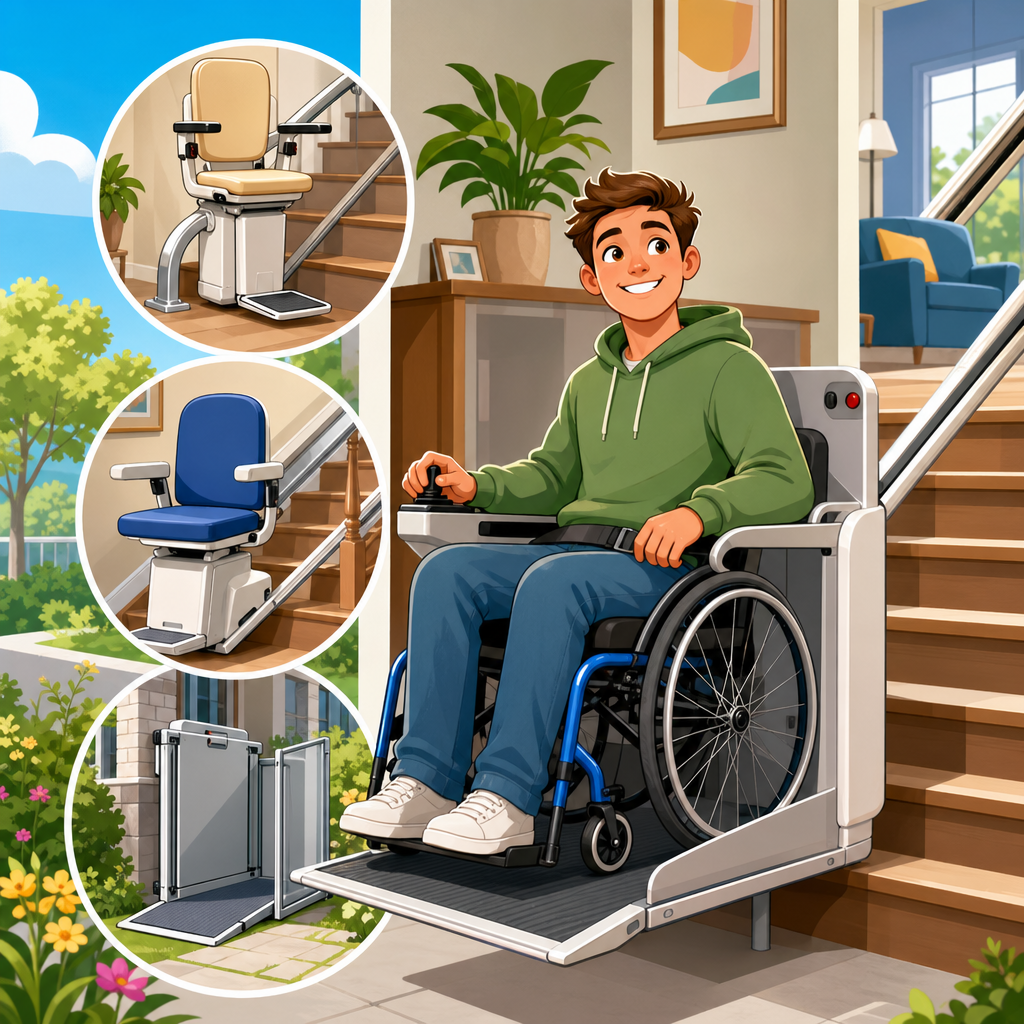
A straight used chair lift is the simplest secondhand purchase because the rail runs in one direct line. Brands such as Bruno, Harmar, Handicare, and Access BDD often have straight models that can be removed, cut or adjusted within limits, and reinstalled on another staircase if measurements align. That is why most inventory in the used stair lift market centers on straight units. In these cases, shopping during high-removal months matters because you may find a nearly ideal setup already in stock. Dealers can then replace consumables, test charging circuits, inspect gear racks, verify overspeed governor function if applicable, and install within a short timeline.
Curved used chair lifts are different. The carriage, seat, and power components may be reusable, but the rail is usually custom-bent to the original staircase. Unless your stair geometry is almost identical, the rail itself will not transfer. That means a so-called used curved chair lift often includes a refurbished seat and drive unit combined with a newly manufactured rail. Timing still matters, but mostly for lead times and dealer workload rather than finding a perfect used match. Buyers should be careful with listings that imply a fully used curved system can be dropped into any home. In nearly every case I have reviewed, a safe curved installation required a new survey, CAD-based rail design, and manufacturer-specific fabrication. The used portion lowered cost, but it did not eliminate the custom element.
What “Refurbished” Should Mean Before You Buy
The word refurbished is used loosely, so buyers need a concrete standard. A properly refurbished chair lift should include full diagnostic testing, new batteries, inspection or replacement of seat belt components, verification of swivel lock operation, function testing of safety edges, charger output confirmation, rail cleaning, gear or pinion inspection, and cosmetic cleaning or reupholstery where needed. On AC and DC systems alike, the power supply and charging contacts should be checked under load. If the lift has remote controls, those should be paired and tested. Reputable dealers document serial numbers, original installation dates if known, and the exact parts replaced.
What refurbished should not mean is simply “removed from another home and wiped down.” I have seen private sellers advertise units as refurbished because they powered on in a garage. That is not enough. Stair lifts are safety devices. The best dealers follow manufacturer service procedures and refuse to reinstall models with obsolete parts support. Ask whether the unit complies with applicable stair lift standards and whether replacement components remain available from the original manufacturer or approved aftermarket sources. Also ask if the dealer road-tests the carriage on the installed rail after setup and verifies stop positions at both landings. Good refurbishment reduces risk, but only if the process is systematic, documented, and backed by a service policy.
How to Evaluate Used Chair Lift Pricing
Used chair lift pricing varies by staircase type, brand, age, condition, and how much installation labor is required. For a straight unit, many local markets fall roughly between $2,000 and $5,000 installed for used or refurbished equipment, while new straight lifts often start around $3,000 to $6,000 or more depending on options. Curved systems are much higher because of custom rails, frequently ranging from several thousand dollars for refurbished carriage packages with new rail fabrication to well above $10,000. Heavy-duty models, outdoor-rated lifts, and perch-seat configurations add cost because they are less common and serve narrower needs.
The quote should break out equipment, rail, installation labor, electrical requirements if any, warranty term, and future service rates. New batteries are nonnegotiable in most used installations because sealed lead-acid batteries degrade with time even when lightly used. Seat width, arm shape, track overruns, folding rail sections, and power swivel features also affect value. A lower sticker price is not better if the dealer excludes removal of the old unit, annual service, or warranty labor. Compare total ownership, not just purchase price. I generally advise families to avoid buying solely through online classifieds unless they already have a qualified installer who has inspected the model and confirmed parts availability. The cheapest chair lift can become the most expensive if it cannot be safely adapted to the staircase or serviced later.
Questions to Ask Dealers, Installers, and Private Sellers
The fastest way to sort strong used chair lift options from risky ones is to ask direct technical and service questions. Start with the basics: What is the exact brand and model? Is it a straight or curved rail system? What year was it manufactured? Where was it previously installed? Which parts were replaced during refurbishment? Does the installed price include new batteries, remotes, track modifications, and warranty labor? If the seller cannot answer these clearly, move on. For curved systems, ask whether the rail is new and who is fabricating it. For outdoor lifts, confirm UV-resistant upholstery, weather-rated covers, and corrosion condition of the rail and chassis.
Then ask serviceability questions that many buyers miss. Does the dealer stock common replacement parts locally? Are technicians factory-trained or manufacturer-authorized? What response time is typical for service calls? Is there a diagnostic fee after the warranty ends? Can the chair lift be removed later, and is there a buy-back or trade-in policy? These details matter because a used and refurbished chair lift only stays a good value if support remains available. I have seen buyers save a few hundred dollars upfront and then struggle to find anyone willing to repair an unsupported model. A reliable local service network is worth paying for, especially in homes where the lift is the primary safe route between floors.
When Buying Used Is Smart, and When It Is Not
Used chair lifts make the most sense when the staircase is straight, the household needs a trusted mobility solution quickly, and budget discipline matters. They are also a strong fit for temporary recovery situations after surgery, provided the user’s physician or therapist agrees a stair lift meets the mobility need better than relocation of sleeping space. For long-term aging in place, a refurbished unit from a reputable dealer can perform very well if parts support is active and the installation is tailored to the user’s transfer ability, body size, and hand function. Many of the best outcomes I have seen came from families who prioritized fit and service over cosmetic perfection.
Buying used is less attractive when the staircase is complex, the user has rapidly changing mobility needs, or the model under consideration lacks current parts support. It can also be the wrong choice if the buyer is considering a do-it-yourself install without training. Stair lifts attach to stair treads, not typically the wall, and proper installation requires precise rail alignment, charging placement, seat height setup, and landing clearance checks. If the user needs a higher weight capacity, standing perch configuration, or integration with broader accessibility planning, a new system may be the safer investment. The key benefit of buying at the right time is not merely saving money. It is gaining access to better inventory, better installation scheduling, and better long-term reliability. If you are comparing used and refurbished chair lifts, start by requesting measurements, service records, and a detailed installed quote from a qualified local dealer today.
Frequently Asked Questions
When is the best time of year to buy a used chair lift?
The best times of year to buy a used chair lift are typically late winter, early spring, and the period just after major home renovation and relocation seasons. These windows often bring a noticeable increase in pre-owned inventory because more stair lifts and platform lifts are being removed from homes after short-term recovery needs, moves, downsizing, or remodeling projects. When supply rises, buyers usually have more choices in rail length, seat style, weight capacity, and brand compatibility. Dealers may also be more open to negotiating on price, installation timing, delivery, and service terms during these periods.
Late winter can be especially favorable because some dealers want to move older used inventory before the busier spring cycle begins. Early spring is another strong buying period because more homeowners list properties, relocate, or complete accessibility changes, which can lead to additional trade-ins and removals. After peak renovation periods, dealers and resellers may also have recently acquired units available for refurbishment and resale. In practical terms, timing your purchase around these cycles can help you save money while also improving your odds of finding a unit that fits your staircase without requiring extensive custom work.
Why does seasonality affect the price and availability of used chair lifts?
Seasonality matters because the used chair lift market is driven by real-life transitions. Many pre-owned lifts enter the market when a homeowner moves, completes a renovation, upgrades to a different accessibility solution, or no longer needs the equipment after rehabilitation or temporary care. Those transitions tend to cluster around certain times of year, particularly spring and early summer, when home sales and remodeling projects increase. As more used units become available, buyers often benefit from better selection and more competitive pricing.
Demand also shifts with the calendar. Some families start searching urgently during fall and winter because mobility challenges become more difficult in colder weather or around holiday gatherings when older relatives are visiting. In those higher-pressure periods, buyers may have fewer choices and less room to negotiate. By contrast, shopping ahead of urgent need gives you time to compare brands, inspect refurbishment quality, and ask about warranty terms. Seasonal inventory changes do not guarantee a lower price every time, but they do create market conditions where flexible buyers often have an advantage.
What should I look for when buying a used chair lift, besides the time of year?
Timing can help you find a better deal, but the real value of a used chair lift depends on condition, fit, installation quality, and support after the sale. Start by confirming whether the lift is appropriate for your staircase. Straight stair lifts are usually easier to source used because their rails are more standardized, while curved stair lifts are more complicated and often require custom rail work, which can limit savings. You should also verify the lift’s age, brand, service history, battery condition, weight rating, safety sensors, seat belt operation, swivel seat function, remote controls, and overall cosmetic and mechanical condition.
Equally important is who is selling it. A reputable dealer should inspect, clean, refurbish, and test the unit before resale, then handle professional installation and final safety checks. Ask whether the rail will be cut or adjusted to fit your stairs, whether replacement parts are readily available, and whether the model is still supported by the manufacturer. Warranty coverage matters as well. Even on a used chair lift, you should understand what is covered for the motor, transmission, batteries, rail, labor, and service visits. A lower price is not always the better deal if the lift lacks support, has limited parts availability, or requires expensive modifications soon after installation.
Is it better to wait for a cheaper used chair lift or buy as soon as I find the right one?
That depends on how urgent the mobility need is and how well the available unit matches your home. If the need is immediate, waiting for a slightly lower price may not make sense, especially if stairs are already becoming a safety risk. In those cases, the best choice is usually the used chair lift that fits properly, has been refurbished by a qualified dealer, includes installation, and comes with at least some warranty or service coverage. The cost savings of buying used can still be substantial compared with buying new, even if you do not purchase at the absolute lowest point in the seasonal cycle.
If your timeline is flexible, waiting for late winter, early spring, or the post-renovation period can improve your options. However, buyers should be careful not to focus only on timing and overlook fit and reliability. The right used chair lift can sell quickly, especially if it is a popular brand or a clean match for a standard straight staircase. A smart approach is to begin researching early, request quotes from multiple dealers, and ask to be notified when suitable used inventory arrives. That way, you can take advantage of seasonal buying opportunities without missing a safe and well-supported unit when it becomes available.
Can I negotiate the price of a used chair lift, and what should I ask for?
Yes, in many cases you can negotiate, especially when dealers have recently acquired additional pre-owned inventory or are trying to move stock before a busier season. Used chair lifts generally offer more pricing flexibility than new custom systems, but negotiation should go beyond the sticker price. Ask whether the quoted amount includes in-home assessment, rail fitting, installation, new batteries, service call setup, removal of old equipment if needed, and a written warranty. Sometimes a dealer may not lower the headline price much, but they may include valuable extras that reduce your total cost of ownership.
You should also ask detailed questions about refurbishment and support. Find out whether worn components were replaced, whether the charger and batteries are new or tested, whether the seat and armrests were reconditioned, and whether the unit passed a final operational inspection after installation. If the lift is being purchased during a high-inventory season, you may also have leverage to compare multiple similar units and request better warranty terms or discounted future service. The goal is not simply to pay less upfront, but to secure a used chair lift that is safe, dependable, and economically sound over time.