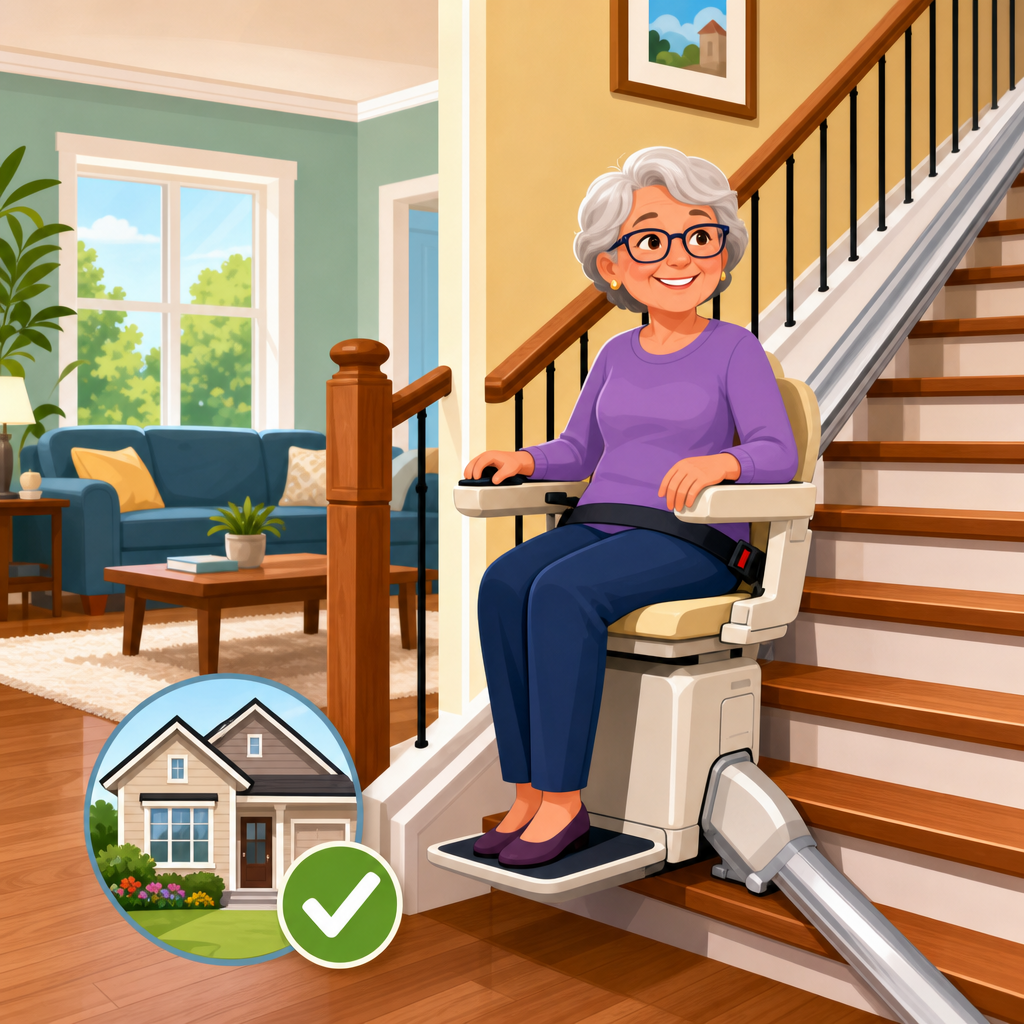
Mobility aids can be covered by HSA and FSA plans, but coverage depends on the product, the medical purpose, and the documentation you keep. For people comparing wheelchairs, walkers, canes, rollators, scooters, transfer aids, stair lifts, and home-accessibility equipment, the tax rules can feel inconsistent because they are. I have helped families sort receipts, letters of medical necessity, and plan denials, and the same lesson comes up every time: eligibility is not based on what seems helpful, but on whether the expense qualifies as medical care under tax rules and plan administration standards.
To understand whether mobility aids are covered in HSA/FSA plans, start with the core definitions. An HSA, or Health Savings Account, lets someone with a qualifying high-deductible health plan set aside pre-tax money for eligible medical expenses. An FSA, or Flexible Spending Account, also uses pre-tax payroll deductions for eligible expenses, but FSAs usually have tighter annual timing rules, employer plan terms, and substantiation requirements. In both cases, the governing question is whether the item is primarily used to diagnose, treat, mitigate, or prevent a disease or condition, or to affect a body function. Mobility aids often meet that test, but not automatically in every category.
This matters because mobility equipment is expensive, and tax-advantaged accounts can materially reduce out-of-pocket cost. A manual wheelchair may cost a few hundred dollars or several thousand depending on weight, frame, and seating. A power wheelchair or mobility scooter can cost much more. Walkers, crutches, ramps, grab bars, lift chairs, patient lifts, and bathroom safety equipment add up quickly, especially when several items are needed after surgery, stroke, arthritis progression, Parkinson’s disease, multiple sclerosis, or a serious fall. If you use HSA/FSA funds correctly, you lower taxable income and improve cash flow. If you use them incorrectly, you may face claim denials, repayment demands, taxes, or penalties. That is why this cost and financing hub on tax deductions and medical expenses needs to connect product selection with documentation and tax treatment, not treat them as separate decisions.
Which mobility aids are usually eligible under HSA and FSA rules
The short answer is that many core mobility aids are usually eligible when they are used for a medical condition. Common eligible items include canes, crutches, walkers, rollators, manual wheelchairs, power wheelchairs, mobility scooters prescribed for limited ambulation, transfer benches, commodes, orthopedic supports, and certain patient lift devices. In practice, plan administrators often approve these items quickly when the product category is clearly medical and the receipt identifies the device. Retailers that specialize in durable medical equipment usually make this easier because their invoices use standard product descriptions rather than generic consumer labels.
Durable medical equipment is the most useful concept here. Insurers and tax administrators often look favorably on equipment that can withstand repeated use, serves a medical purpose, and is not generally useful to a person without illness or injury. A walker after hip replacement is a straightforward example. A lightweight transport chair for a person with severe COPD who cannot walk long distances is another. A cane used to reduce fall risk from neuropathy generally fits. These are classic mobility aids covered in HSA/FSA plans because their function is direct, specific, and medical.
More difficult categories include dual-use items. A lift chair may qualify only for the medically necessary lift mechanism rather than the whole recliner. A scooter may be eligible when it compensates for a mobility limitation, but not when marketed primarily for convenience or recreational travel. Home modifications such as ramps, widened doorways, stair lifts, handrails, and bathroom conversions can be eligible medical expenses in some circumstances, but the tax treatment is more nuanced than for portable equipment. The reason is that permanent improvements to property can add value to the home, and only the medical portion may count.
Accessories also need scrutiny. Wheelchair cushions for pressure relief, anti-tippers, transfer boards, leg rests, and positioning supports are often eligible because they are integral to medical mobility use. Decorative bags, cup holders, weather canopies, or upgraded aesthetic finishes usually are not. Battery replacements for a power chair may qualify if they are necessary for the device to function medically. Extended warranties generally do not qualify because they are financial protection products, not medical care.
How to determine eligibility before you buy
The safest way to determine whether mobility aids are covered in HSA/FSA plans is to verify the expense at three levels before purchase: tax eligibility, plan rules, and documentation. Tax eligibility sets the basic legal standard. Plan rules govern how your particular administrator processes claims. Documentation proves that the item meets the standard if the claim is questioned. Skipping any one of these steps is where people run into trouble.
Start with the product itself. Ask whether the item is primarily for medical use rather than general comfort, convenience, fitness, or aging-in-place aesthetics. Then ask whether the seller can provide an itemized receipt with the exact product name, date, amount, and merchant information. If the answer is no, reimbursement gets harder. Next, review your HSA or FSA administrator’s eligibility list. These lists are not exhaustive law, but they reveal how claims are usually handled. Finally, if the product could be viewed as dual-use, request a letter of medical necessity from a physician, physical therapist, or other licensed clinician involved in your care.
| Item | Typical HSA/FSA Status | Common Documentation Needed |
|---|---|---|
| Cane, crutches, walker | Usually eligible | Itemized receipt |
| Manual or power wheelchair | Usually eligible | Receipt; prescription helps for high-cost claims |
| Mobility scooter | Often eligible if medically necessary | Receipt plus prescription or LMN |
| Lift chair | Partially eligible in many cases | LMN and breakdown of lift mechanism cost |
| Home ramp or stair lift | Potentially eligible with limits | LMN, invoices, and home value analysis in some tax situations |
In my experience, advance approval is especially important for expensive purchases. If you are buying a $40 cane at a pharmacy, substantiation is usually simple. If you are installing a $12,000 stair lift or buying a $3,500 travel scooter, contact the administrator first. Get the response in writing if possible. That single step can prevent a reimbursement dispute months later when memories, policy screens, and receipts are harder to reconstruct.
When prescriptions and letters of medical necessity matter
Many shoppers assume every medical-looking item requires a prescription. That is not true. HSA eligibility is often self-determined by the account holder, which means you may not need to submit paperwork up front, but you are responsible for proving the expense was qualified if audited. FSAs are different because administrators usually review claims before reimbursement, and they may require substantiation at the time of purchase or claim submission. A prescription alone is not always enough; what often matters more is a letter of medical necessity that explains the diagnosis, functional limitation, recommended device, and expected therapeutic benefit.
A strong letter of medical necessity is specific. It names the patient’s condition, such as osteoarthritis with severe gait instability, recent spinal surgery with non-weight-bearing restrictions, or multiple sclerosis causing impaired balance and fatigue. It then explains why the recommended aid is medically necessary, not merely helpful. For example, “rollator walker required to enable safe ambulation, reduce fall risk, and allow activities of daily living” is far better than “patient may benefit from walker.” If the item is a dual-use product like a lift chair, the letter should identify the medical feature and why alternatives are insufficient.
This documentation also supports tax deductions outside HSA/FSA use. If a family is claiming unreimbursed medical expenses on a tax return, records matter. The Internal Revenue Service focuses on purpose, proof, and amount. Keep receipts, canceled checks or card statements, prescriptions, letters of medical necessity, explanation of benefits statements when insurance is involved, and any contractor invoices for home modifications. Organized records are not busywork; they are what turns a valid expense into a defensible claim.
How mobility aids fit into broader tax deductions and medical expenses
As a hub for tax deductions and medical expenses, this topic goes beyond whether a debit card works at checkout. There are three major ways mobility aid costs may receive tax-favored treatment: HSA spending, FSA reimbursement, and itemized medical deductions on a federal income tax return. These paths overlap, but you cannot double dip. If you pay for a wheelchair with tax-free HSA dollars, you cannot also claim that same wheelchair as an itemized deduction.
The itemized deduction route has the highest threshold and helps fewer households, but it is still important for large projects. Unreimbursed medical expenses are deductible only to the extent they exceed the applicable percentage of adjusted gross income under current IRS rules. For many households, routine purchases will not clear that threshold. However, major mobility expenses can. A year that includes a wheelchair-accessible van adaptation, a stair lift, substantial in-home care equipment, and repeated specialist visits may produce enough expenses to matter. In those years, careful tracking can change the tax result significantly.
Home improvements deserve special attention. A ramp, widened doorway, lowered cabinets, accessible shower conversion, or porch lift may qualify as medical expenses if the primary purpose is medical care. But if the improvement increases the home’s value, only the expense above the value increase typically counts. Suppose a medically necessary ramp costs $8,000 and increases property value by $2,000. In that simplified example, $6,000 may be treated as a medical expense. Routine repairs and maintenance related to the medical improvement can also be relevant. Because these calculations can become technical, large projects warrant advice from a tax professional.
State tax rules, sales tax exemptions, and insurance coordination can also affect total cost. Some states offer sales tax exemptions for prescribed durable medical equipment. Medicare, Medicaid, veterans’ benefits, or private insurance may cover part of an item, which reduces the amount eligible for tax-advantaged reimbursement. The principle is simple: only your unreimbursed out-of-pocket medical expense counts.
Common mistakes, denials, and practical ways to avoid them
The most common mistake is assuming that if a product helps mobility, it is automatically eligible. Plan administrators deny claims for vague receipts, missing medical justification, duplicate reimbursement, and purchases that look like general consumer items. I have seen denials for “chair” when the invoice did not specify “transport wheelchair,” and for bathroom hardware when there was no indication it was a safety grab bar installed for a diagnosed condition. The underlying issue is usually poor documentation, not necessarily ineligibility.
Another mistake is using an FSA for an expense incurred outside the plan year or after employment changed, then discovering timing rules block reimbursement. HSAs are more flexible because funds generally roll over and remain with the account holder, but FSAs often have use-it-or-lose-it features, grace periods, or limited carryovers depending on the employer plan. If you are planning a major mobility purchase, align the expense date, service date, and claim filing deadline with the plan documents.
People also overlook merchant coding problems. An HSA/FSA card may decline even for an eligible item if the seller is not recognized as an eligible medical merchant or if inventory systems do not identify the product correctly. That does not necessarily mean the expense is disallowed. You may need to pay out of pocket and submit the receipt manually. Finally, avoid bundling eligible and non-eligible accessories on one unclear invoice. Separate line items make reimbursement far easier and protect your records if you are ever asked to substantiate the claim.
How to build a clean reimbursement and recordkeeping process
The best process is simple and repeatable. Before buying, confirm likely eligibility and ask the clinician whether a prescription or letter of medical necessity would strengthen the file. At purchase, obtain a detailed receipt and save the product page or brochure if the medical function is not obvious from the invoice. After purchase, store documents in one folder labeled by tax year. If insurance paid any part, keep the explanation of benefits so the unreimbursed amount is clear. For home projects, retain contracts, proof of payment, before-and-after descriptions, and any appraisal support if home value becomes relevant.
This discipline pays off at tax time and during appeals. It also helps families compare financing options across the broader cost and financing landscape, including insurance, manufacturer programs, nonprofit grants, veterans’ assistance, and local aging or disability resources. If you are researching mobility aids covered in HSA/FSA plans, treat the purchase as both a clinical decision and a financial documentation project. That mindset consistently produces better outcomes.
Mobility aids are often covered in HSA and FSA plans, but the strongest claims are built on medical purpose, accurate receipts, and timely documentation. Core devices such as canes, walkers, wheelchairs, and many transfer aids are usually eligible. Higher-cost or dual-use items like scooters, lift chairs, ramps, and stair lifts may also qualify, but they often require stronger proof and more careful tax treatment. The key rule across this tax deductions and medical expenses hub is straightforward: only unreimbursed costs for qualified medical care should be paid or reimbursed with tax-advantaged funds.
For shoppers and caregivers, the practical benefit is substantial. Using pre-tax dollars can lower the real cost of necessary mobility equipment, and well-kept records preserve your options for reimbursement, deductions, and appeals. The process is manageable when you verify eligibility before purchase, request a letter of medical necessity when appropriate, separate medical and non-medical charges, and keep complete records for every transaction.
If you are evaluating a mobility aid now, start with your plan documents, ask the prescribing clinician to document the medical need clearly, and save every receipt. Then use this hub as your starting point for deeper articles on specific products, home modifications, reimbursement rules, and financing strategies so you can choose the right equipment without overpaying.
Frequently Asked Questions
Are mobility aids covered by HSA and FSA plans?
Many mobility aids can be paid for or reimbursed through an HSA or FSA, but coverage is never automatic just because an item improves safety, comfort, or independence. The key issue is whether the product qualifies as a medical expense under the plan rules and IRS standards. In practice, items such as wheelchairs, walkers, canes, crutches, rollators, and certain transfer aids are often eligible when they are used to treat or manage a medical condition, injury, disability, or impaired mobility. However, some products fall into a gray area, especially when they could be seen as general-use or convenience items rather than strictly medical equipment.
That is why two products that seem very similar can be treated differently. A standard walker prescribed for post-surgical recovery may be clearly eligible, while a mobility-related item marketed more as lifestyle support may trigger questions. HSAs are usually the most flexible because the account owner is responsible for using funds on qualified medical expenses and keeping records in case of an audit. FSAs can be more plan-administered, which means a claim may be approved, denied, or flagged for documentation depending on how the item is described and what proof is submitted. The safest approach is to assume that eligibility depends on the product category, the medical reason for the purchase, and the paperwork you can produce if asked.
Do I need a prescription or letter of medical necessity for a wheelchair, walker, cane, or scooter?
Sometimes yes, sometimes no, and this is where many families get tripped up. Some mobility aids are commonly treated as eligible medical expenses without a formal prescription, especially when their medical purpose is obvious. But that does not mean documentation is unnecessary. A receipt alone may not be enough if your FSA administrator asks for proof that the device was purchased to address a diagnosed mobility limitation. A letter of medical necessity can make a major difference, particularly for higher-cost items, items with dual personal and medical use, or products that are more likely to be reviewed closely, such as scooters or certain home-accessibility upgrades.
A strong letter of medical necessity should connect the item directly to a diagnosed condition and explain how it helps prevent, treat, or accommodate that condition. Ideally, it should identify the patient, the diagnosis or functional impairment, the recommended equipment, and why that specific equipment is medically appropriate. If a plan denies a claim, this kind of documentation is often the first thing that can help on appeal. Even when a prescription is not strictly required, keeping one can protect you later. In real-world claims, the difference between approved and denied often comes down to whether the records show medical necessity rather than personal preference.
Are stair lifts, transfer aids, and home-accessibility equipment HSA/FSA eligible?
These items are often the most confusing because they sit at the intersection of medical need and home improvement. Transfer benches, patient lifts, grab-related transfer devices, and other direct mobility-support tools may be easier to justify because their medical purpose is usually clear. Stair lifts, ramps, widened doorways, bathroom modifications, and similar accessibility improvements can also qualify in some circumstances, but they often receive more scrutiny because they are attached to the home and may increase property value or provide general household benefit.
When home-accessibility equipment is involved, the medical rationale matters even more. The expense typically needs to be tied to a specific medical condition or disability and shown to be primarily for medical care rather than convenience or resale value. In some cases, only the portion of the expense that exceeds any increase in home value is treated as a qualified medical expense. That makes documentation essential. Save contractor invoices, product descriptions, physician recommendations, before-and-after explanations, and any valuation records if applicable. If you are using an FSA, submit detailed paperwork up front rather than waiting for a denial. These claims are not impossible, but they are rarely “swipe the card and forget it” purchases.
Why do some mobility products get approved while others are denied?
Because eligibility is based less on whether an item seems helpful and more on whether it is considered a qualified medical expense under the rules. That distinction can feel inconsistent, especially when families are comparing products like rollators, scooters, lift chairs, support rails, or seating accessories. The same general category of item may be approved for one person and denied for another depending on the diagnosis, how the product is described, whether the receipt is itemized, and whether the plan administrator sees it as medical equipment or a personal-use item.
Denials also happen for administrative reasons that have nothing to do with whether the purchase was reasonable. Common problems include vague receipts, missing diagnosis information, lack of a letter of medical necessity, claims submitted under the wrong product category, or purchases that appear to be preventive, convenience-based, or general wellness-related. A product listing that emphasizes comfort, travel, or lifestyle benefits instead of medical function can also complicate reimbursement. If you receive a denial, do not assume the matter is closed. Review the denial reason carefully, gather better support, and appeal with a clearer explanation of the medical need. Many denied claims are not truly ineligible; they are simply under-documented.
What records should I keep to protect my HSA or FSA reimbursement for mobility aids?
You should keep far more than just the purchase receipt. At minimum, save an itemized receipt that clearly identifies the product, the date, the amount paid, and the seller. If available, keep the product page or manufacturer description showing that the item is a mobility aid or medical device. Add any prescription, doctor’s note, evaluation, or letter of medical necessity that explains why the equipment was needed. If you are submitting to an FSA, also keep copies of the claim form, approval notice, denial notice, and any appeal correspondence.
For larger or more complex purchases, especially scooters, stair lifts, transfer systems, ramps, and home modifications, build a complete file. Include invoices, installation contracts, proof of payment, emails with the plan administrator, and any supporting clinical records. If the item has mixed personal and medical use, your documentation should make the medical purpose unmistakable. HSA users should be especially disciplined because reimbursement may not be reviewed at the time of purchase, but the burden of proof still exists if the IRS ever asks. Good records do more than support reimbursement today; they give you a defensible paper trail if eligibility is questioned months or even years later.