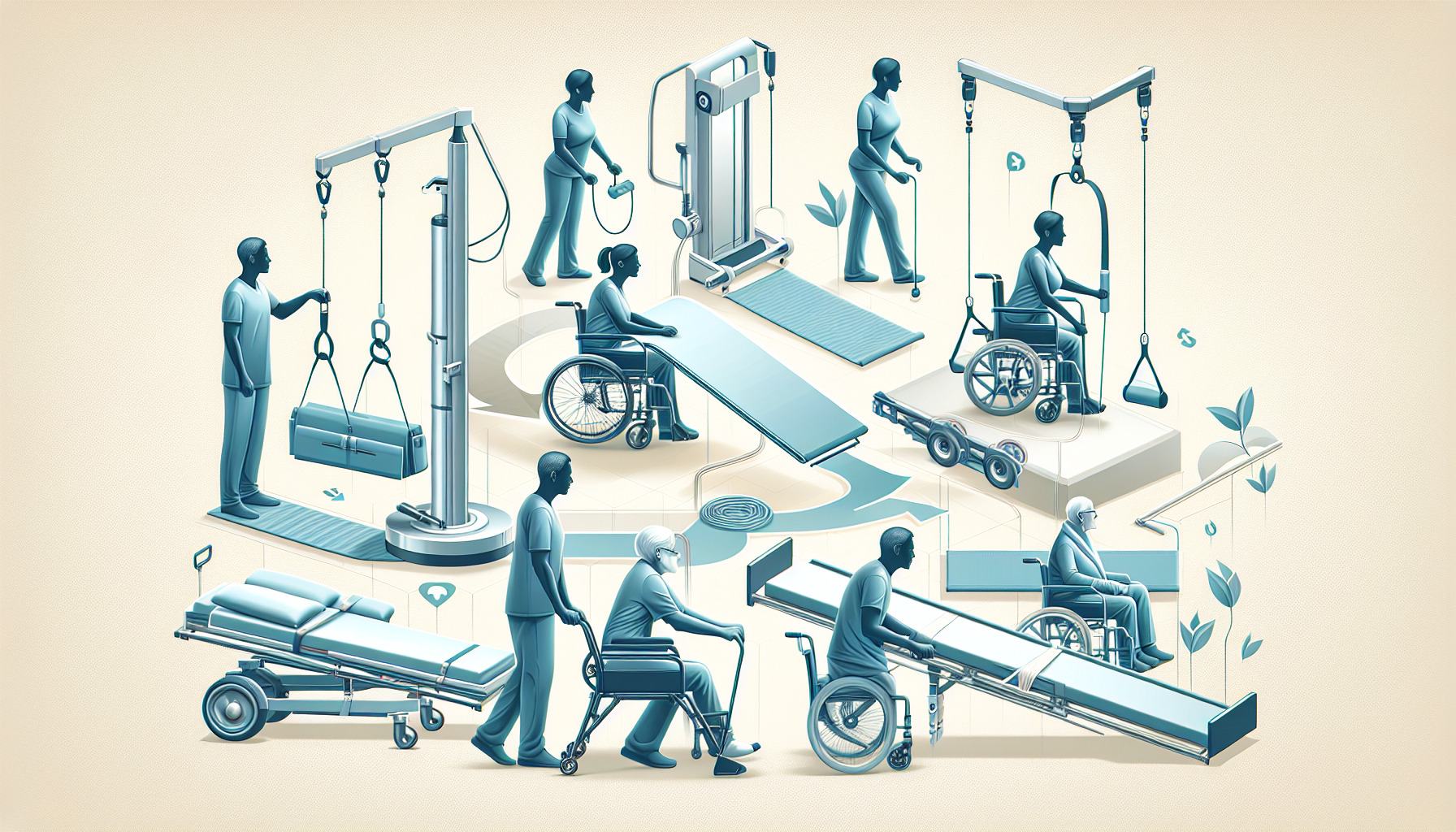
Best bed transfer aids for chair lift users are the products, techniques, and room modifications that make moving between a bed, wheelchair, recliner, or stair lift seat safer and less exhausting. In accessibility planning, a transfer aid is any device that reduces the physical effort, instability, or caregiver lifting force involved in repositioning a person. That can include a bed rail, transfer board, pivot disc, floor lift, adjustable bed, grab bar, slide sheet, or bedside handle. Chair lift users often need these tools because mobility rarely changes in just one room. A person who uses a stair lift, power chair, transport chair, or lift recliner may still face the hardest part of the day in the bedroom or bathroom, where space is tight and balance demands are high.
I have seen this firsthand in home accessibility projects: families install a chair lift to solve stair access, then realize nighttime toileting, morning dressing, and getting in and out of bed remain the real bottlenecks. Bedroom accessibility matters because falls are common during low-light transfers, and bed height mismatches can turn a simple sit-to-stand into a risky maneuver. Bathroom accessibility matters for the same reason. The route from bed to toilet is often short, but it combines fatigue, urgency, slippery surfaces, and narrow clearances. Choosing the best bed transfer aids for chair lift users is therefore not about one gadget. It is about building a reliable transfer system that matches strength, diagnosis, home layout, and caregiver availability.
This hub article covers bathroom and bedroom accessibility as one connected problem. It explains which bed transfer aids work best, who each option suits, how to assess transfer type, and what upgrades create a safer room-to-room routine. It also serves as the central guide for this subtopic, so it frames the key decisions that support deeper articles on adjustable beds, bedside rails, bathroom grab bars, shower transfer equipment, patient lifts, and home layout planning. If you need a direct answer first, start here: the best transfer aid is the one that matches the user’s actual transfer pattern, keeps feet stable, reduces twisting, and can be used consistently without improvisation.
How to choose the right transfer aid for bedroom accessibility
The right bed transfer aid depends on the transfer category, not the product advertisement. In practice, I evaluate five factors first: weight-bearing ability, trunk control, arm strength, cognition, and assistance level. A person who can stand and pivot with one hand on a walker needs a different setup than someone who performs a seated lateral transfer from wheelchair to bed. Bed height is equally important. Most wheelchairs have a seat height around 19 to 21 inches, while many traditional mattresses on box springs sit higher. Even a two-inch mismatch can force a user to climb uphill onto the bed or slide downhill unsafely.
For users with moderate standing ability, a bedside support rail or floor-to-ceiling transfer pole can create a stable handhold for sit-to-stand and controlled lowering. The best models secure under the mattress or to the floor rather than relying on light friction. Reputable examples include Stander bedside handles, tension-mounted transfer poles, and hospital-style assist rails designed to reduce entrapment risk. For lateral transfers, a transfer board works well when the wheelchair and bed can be positioned close together with removable armrests and minimal gaps. Curved boards help around larger wheels, while rigid straight boards often feel more predictable for short, level moves.
Users with significant weakness usually need more than a rail. An adjustable bed can raise the head and knees, making rolling and edge-of-bed positioning easier. If a caregiver provides help, friction-reducing slide sheets and transfer belts reduce strain and improve control. For non-weight-bearing users, a portable floor lift or ceiling lift is often the safest answer, especially after hospitalization or progressive neurological decline. That choice may feel like a big step, but it prevents the dangerous halfway solution where family members manually lift someone several times each day without the equipment to do it safely.
Best bed transfer aids for chair lift users by transfer type
Most transfer problems become manageable when you sort them by movement pattern. The categories below reflect what clinicians and home access specialists commonly assess in the field.
| Transfer type | Best aid | Why it works | Key limitation |
|---|---|---|---|
| Stand-pivot with support | Bedside rail or transfer pole | Provides a secure handhold for standing and controlled descent | Requires some leg strength and balance |
| Lateral seated transfer | Transfer board | Bridges the gap between wheelchair and bed surface | Needs arm strength and setup space |
| Sit-to-stand with caregiver | Gait belt and adjustable bed | Improves body mechanics and bed-edge positioning | Not enough for non-weight-bearing users |
| Dependent transfer | Floor lift or ceiling lift | Minimizes fall risk and caregiver strain | Higher cost and storage needs |
| Bed mobility only | Leg lifter, slide sheet, bed ladder | Assists rolling, repositioning, and bringing legs onto bed | Does not solve full bed-to-chair transfer |
For chair lift users, stand-pivot transfers are common when someone can ride a stair lift but still has limited stamina on level surfaces. In those cases, combining a lift recliner, walker, and bedside rail often works better than adding more complex equipment. Lateral seated transfers are more common with manual wheelchair users, people with spinal cord injury, or those managing advanced arthritis with painful weight bearing. Here, the transfer board must be the correct length, typically enough to span the gap without creating a long, unstable lever. Dependent transfers call for mechanical lifts, and there is no safe substitute if the user cannot reliably follow directions or bear weight.
Bedroom setup details that prevent falls and failed transfers
The best product can still fail in a poor room layout. Bedroom accessibility starts with clearances. A wheelchair user generally needs about 30 by 48 inches of clear floor space at approach points and enough turning room to line up for a transfer. Clutter near the bed is a major problem because it narrows foot placement and blocks caregiver stance. I routinely recommend replacing bulky nightstands with wall-mounted shelves, using low-profile lamp controls, and securing charging cables so they never cross the transfer path. These are small fixes, but they eliminate common trip hazards.
Bed height should allow the user’s feet to contact the floor with knees near 90 degrees when seated at the edge. If the bed is too high, remove casters, change the frame, or switch to a lower-profile foundation. If it is too low, risers may help, but only if the frame remains stable and the increased height still matches wheelchair or recliner seat levels. Mattresses also matter. Very soft pillow-top surfaces can make rolling harder and create a sinking edge that defeats transfer technique. Medium-firm mattresses usually support transfers better than plush models because they give more predictable resistance.
Lighting is another overlooked transfer aid. Motion-sensor nightlights between bed and bathroom reduce disorientation and help users place mobility devices correctly. Contrast matters too. A dark walker against dark flooring can disappear in low light. Flooring should be firm and low resistance; thick carpet increases wheelchair push effort and makes pivoting awkward. If a user parks a mobility scooter or chair beside the bed, mark the ideal wheel position with subtle floor tape so alignment is consistent every night. Consistency is what makes transfers safe under fatigue.
Bathroom and bedroom accessibility as one transfer pathway
Bathroom and bedroom accessibility should be planned together because most nighttime falls happen during rushed transitions between the two. The user leaves bed drowsy, may not fully lock wheelchair brakes, and often tries to hurry because of urgency. If the route includes a threshold, loose rug, or narrow door swing, the best bed transfer aid in the world will not solve the entire problem. A reliable pathway includes enough width for the mobility device, unobstructed turning areas, lever-style door hardware, and lighting that activates before the user stands.
For many homes, the first upgrade after bed transfer equipment should be bathroom grab bars placed around the toilet and shower entry. A stair lift user who can transfer independently in the bedroom may still fail at the toilet if there is no stable vertical or angled support to control lowering. Raised toilet seats, comfort-height toilets, and toilet safety frames often reduce the distance and effort of the transfer. If showering is part of the morning sequence, consider whether a tub transfer bench, rolling shower commode chair, or curbless shower is needed. The point is to avoid designing isolated solutions. If one part of the route remains inaccessible, the user will compensate in unsafe ways elsewhere.
This is why bathroom and bedroom accessibility belong under the same hub. They share the same biomechanics: hand placement, seat height, turning radius, friction, urgency, and fatigue. They also share the same planning principle: every transfer should have a clear start position, a stable middle phase, and a controlled finish. When that sequence breaks down, users start grabbing furniture, twisting through pain, or accepting caregiver lifting that should never have become routine.
When adjustable beds, lift chairs, and patient lifts are worth the investment
Not every user needs premium equipment, but some purchases deliver clear long-term value. Adjustable beds are worth it when a person struggles with bed mobility, swelling, reflux, pressure relief, or edge-of-bed positioning. Head elevation can reduce the abdominal effort needed to rise, and knee elevation can limit sliding. Split king models let partners keep different positions, though the center gap can complicate caregiver access. Hospital beds offer superior height adjustment and accessory compatibility, but many people prefer residential adjustable bases for appearance and comfort if clinical features are not essential.
Lift recliners are useful when the bedroom routine starts or ends in a seated resting position, especially for people with heart failure, arthritis, Parkinson’s disease, or post-surgical weakness. A lift chair should not replace a safe bed transfer setup, but it can reduce the total number of difficult transfers in a day. Patient lifts become worth the investment as soon as manual assistance feels unpredictable. Occupational therapists and physical therapists often recommend mechanical lifts when caregivers report back pain, near-falls, or inability to manage toileting at night. Ceiling lifts cost more upfront and may require structural work, yet they are smoother to use and save floor space. Portable floor lifts cost less initially, but they need storage room and sufficient maneuvering space around the bed and bathroom fixtures.
Funding may come from a mix of private pay, veterans’ benefits, Medicaid waiver programs, state assistive technology programs, nonprofit grants, or durable medical equipment coverage when criteria are met. Coverage rules are strict, so documentation from a clinician matters. Measure before buying, ask about weight capacity, and verify return policies because opened transfer equipment is often nonreturnable for hygiene reasons.
How to assess safety, train caregivers, and avoid common mistakes
The safest transfer aid is the one the user and caregiver can perform correctly at 2 a.m., not just during a daytime demonstration. Start with a formal home assessment whenever possible. An occupational therapist can evaluate transfer mechanics, bathroom access, and durable medical equipment fit. A home accessibility contractor can verify clearances, anchoring surfaces, and whether walls can support grab bars. These professionals catch issues consumers miss, such as mattress compression, brake reach, threshold height, and the dangerous gap between a bed rail and mattress edge.
The biggest mistakes are predictable. Families buy a bed rail without checking entrapment warnings, choose a transfer board even though the user lacks trunk stability, or assume a stair lift means the person can manage all other transfers independently. Another common error is skipping practice. Every new device needs repetition with the exact clothing, footwear, and lighting conditions used in real life. Non-slip footwear, locked wheelchair brakes, removed footrests, and agreed verbal cues should be standard. If two caregivers assist, decide who leads the transfer so instructions stay consistent.
Maintenance matters as much as training. Tighten hardware, inspect straps, replace worn glide sheets, and clean lift slings according to manufacturer guidance. Reassess after illness, medication changes, or a fall because transfer capacity can decline quickly. The main benefit of the right bed transfer aids for chair lift users is not convenience alone. It is preserving safe access to sleep, toileting, dressing, and daily routines without avoidable injury. Build your system around actual transfers, connect the bedroom and bathroom as one pathway, and schedule a professional assessment if any part of the routine still feels uncertain.
Frequently Asked Questions
What are the best bed transfer aids for chair lift users?
The best bed transfer aids for chair lift users depend on the person’s strength, balance, mobility level, and how much assistance they need during transfers. In many cases, the most effective setup is not a single product but a combination of tools that work together to reduce strain and improve safety. Common options include bed rails or bedside handles for stability when sitting up and repositioning, transfer boards for bridging the gap between a bed and wheelchair or recliner, pivot discs for assisted standing turns, slide sheets for repositioning in bed, and adjustable beds that raise the head or legs to make movement easier. For people with more significant mobility limitations, a floor lift or ceiling lift may be the safest option because it reduces manual lifting and helps caregivers complete transfers with better control.
Chair lift users often benefit most from aids that support the entire transfer pathway, not just the move out of bed. For example, if a person uses a stair lift seat and also transfers to a wheelchair or recliner during the day, their equipment should help them move safely between all of those surfaces. The right solution depends on practical details such as bed height, seat height, room layout, flooring, caregiver availability, and whether the person can bear weight through their legs. A low-tech tool like a non-slip transfer mat may be enough for one person, while another may need a powered adjustable bed and mechanical lift. The safest approach is to match the transfer aid to the user’s actual daily routine rather than choosing the most popular product.
How do I choose the right transfer aid for moving between a bed and a chair lift seat, wheelchair, or recliner?
Choosing the right transfer aid starts with understanding how the transfer is being performed now and where the difficulties occur. Some people can sit up independently but struggle with standing and pivoting. Others cannot safely slide across surfaces without support. Key factors include whether the person can bear weight, how well they can follow instructions, upper body strength, trunk control, pain levels, and fatigue. You should also compare the height and firmness of the bed with the wheelchair, recliner, or chair lift seat. Large height differences can make transfers more difficult and increase the risk of sliding, loss of balance, or skin shear. In many homes, simply adjusting bed height or adding stable handholds can improve transfer safety significantly.
It is also important to evaluate the environment. Narrow walkways, thick carpet, unstable furniture, poor lighting, and lack of space around the bed can make even a good transfer aid less effective. If a caregiver is helping, their size, strength, and training matter too. A transfer board may work well for someone who can lean and shift weight, but it may be unsafe if the person cannot maintain sitting balance. Likewise, a bed rail may improve confidence for one user but create entrapment concerns for another. Ideally, transfers should be assessed by a physical therapist, occupational therapist, or seating and mobility specialist who can recommend equipment based on the user’s abilities and home setup. A good transfer aid should reduce effort, improve stability, and make the transfer more repeatable from day to day.
Are bed rails and bedside handles safe for seniors and people with limited mobility?
Bed rails and bedside handles can be very helpful, but they are not automatically safe for every user. When selected correctly, they can provide a firm support point for sitting up, scooting closer to the edge of the mattress, and preparing for a transfer to a wheelchair, recliner, or chair lift seat. Many people find that a properly installed bedside handle improves confidence and reduces the amount of pulling on a caregiver. These devices can be especially useful for users who have enough arm strength to push up or stabilize themselves but need a reliable grip during the transition from lying to sitting or from sitting to standing.
However, safety depends on fit, installation, and user ability. A rail that shifts, sits too far from the mattress, or creates a gap can increase the risk of falls or entrapment. Some users may try to climb over a rail instead of using it correctly, which can be dangerous. Others may not have the coordination, cognition, or strength to use a rail without assistance. Bed rails should be matched to the mattress and bed frame, checked regularly for movement, and reviewed for proper height and spacing. In many cases, a smaller bedside handle is a better choice than a full rail because it provides support without enclosing the sleeping area. If there is any concern about falls, confusion, or nighttime wandering, it is wise to get professional guidance before installing one.
When is a transfer board, pivot disc, or patient lift better than a simple bed handle?
A simple bed handle is best for users who mainly need leverage and balance support, but it may not be enough when the challenge involves crossing a gap, turning safely, or transferring with minimal weight-bearing ability. A transfer board is often better when a person can sit upright and use their arms to help slide from the bed to a wheelchair, commode, or recliner. It reduces the need to stand fully and can be very effective when the two surfaces are close in height. A pivot disc is more appropriate for people who can stand with assistance but have trouble turning their feet during a transfer. It helps caregivers guide the body through a safer pivot with less twisting and less strain on both people.
A patient lift, whether mobile or ceiling-mounted, is usually the better option when manual transfers are no longer safe. This includes situations where the person cannot reliably bear weight, is at high risk of falling, becomes exhausted during transfers, or requires more lifting force than a caregiver can safely provide. Mechanical lifts are also important for protecting caregivers from back and shoulder injuries. While some families delay lift use because they assume it is only for severe disability, a lift can actually increase dignity and consistency by making transfers smoother and less stressful. The decision should be based on safety, not pride or habit. If transfers feel unpredictable, require significant lifting, or cause repeated near-falls, it is often time to consider a more supportive aid than a bed handle alone.
What room modifications make bed transfers safer for chair lift users?
Room modifications can make a major difference because even the best transfer aid works poorly in an unsafe layout. Start by making sure there is enough open space beside the bed for the person, wheelchair, walker, or caregiver to move without twisting or backing into furniture. The transfer side of the bed should be clear, well lit, and easy to access day and night. Bed height should allow the user’s feet to contact the floor properly when sitting at the edge, and nearby seating surfaces such as a wheelchair, recliner, or chair lift seat should be positioned to minimize reaching and turning. Non-slip flooring, removal of loose rugs, and consistent placement of mobility equipment all help reduce risk.
Additional upgrades may include grab bars placed where the person naturally reaches, an adjustable bed to improve positioning, motion-sensor lighting for nighttime transfers, and stable seating with armrests and appropriate seat height. If the person uses a stair lift, the landing area should provide enough room to stand, pivot, or position a wheelchair safely before and after using the lift. Small changes like moving a nightstand, widening the pathway, organizing cords, or adding a transfer pole can improve daily function more than expected. The goal is to create a predictable transfer environment where every movement has support, every surface is stable, and neither the user nor the caregiver has to improvise under strain.