Knowing when to call for in-home support or PT services can determine whether a temporary setback stays manageable or becomes a crisis that affects safety, mobility, and independence. Families often wait too long because they are unsure what counts as a normal part of aging, recovery, or disability, and what signals the need for professional help. In practice, the right time to bring in support is earlier than most people think. Small warning signs rarely stay small when someone is struggling with transfers, bathing, walking, medication routines, or basic household tasks.
In this caregiver support resources hub, in-home support refers to nonmedical or medical assistance delivered where a person lives, including personal care aides, home health aides, skilled nursing, occupational therapy, and physical therapy services. PT services focus on movement, balance, strength, endurance, pain, gait, fall prevention, and recovery after illness, injury, or surgery. Depending on the situation, support may come through a hospital discharge plan, a primary care referral, Medicare-certified home health, private-pay caregivers, Medicaid waiver programs, veterans benefits, or local nonprofit agencies.
I have seen the same pattern across orthopedic recovery, neurologic conditions, progressive illnesses, and everyday aging: people cope quietly, adapt in unsafe ways, and call for help only after a fall, hospitalization, or caregiver burnout. That delay increases risk. It can also make rehabilitation harder. Early intervention helps people conserve energy, protect joints, use mobility equipment correctly, and keep doing the daily activities that matter most. For caregivers, timely support reduces constant supervision, physical strain during transfers, and the emotional load of being the only person watching for every problem.
This article serves as a practical starting point for caregiver support resources within accessibility and mobility solutions. It explains the signs that someone needs help at home, when PT is the right service, how in-home support and therapy work together, what questions to ask before hiring or accepting services, and how to decide whether the need is short term, ongoing, or urgent. If you are trying to keep a loved one safe at home, understanding these decision points can prevent injury and protect independence.
Warning Signs That In-Home Support Is Needed
The clearest reason to call for in-home support is a change in function. If someone who used to move around, cook, bathe, dress, or manage medications independently now needs prompting, hands-on help, or extra time, support should be considered. Functional decline matters more than age alone. An active eighty-five-year-old may need no daily assistance, while a sixty-year-old recovering from stroke may need extensive help. Watch for missed meals, unopened mail, poor hygiene, bruises, repeated near-falls, difficulty rising from a chair, or fear of using stairs. These are practical signs that daily life has become unsafe.
Caregiver strain is another major trigger. Families often think support is only for the person receiving care, but it is equally a resource for the household providing it. If a spouse cannot safely assist with transfers, if an adult child is missing work to manage appointments, or if supervision is required around the clock because of wandering, confusion, or fall risk, outside help is warranted. In my experience, the phrase “we are managing” often means one person is exhausted. Respite care, scheduled aide visits, and home health check-ins can stabilize the situation before it breaks down.
Medical complexity also drives the need for home-based help. New oxygen use, wound care, diabetes complications, medication changes, urinary catheters, or recent hospitalization all increase the chance of errors and readmission. After discharge, many people are weaker than they were before admission because bed rest causes rapid deconditioning. Even a few days of illness can reduce leg strength and balance enough to make bathroom trips dangerous. In these cases, calling for support is not overreacting. It is a sensible response to elevated risk during a vulnerable transition.
When Physical Therapy Services Are the Right Next Step
Physical therapy is appropriate when the central problem involves movement, pain, balance, strength, endurance, transfers, walking, stairs, or recovery of physical function. PT is not just for athletes or post-surgical patients. Home-based or outpatient PT can help after falls, joint replacement, fractures, stroke, Parkinson’s disease, multiple sclerosis, prolonged bed rest, heart or lung illness, and generalized weakness. A physical therapist evaluates gait speed, transfer ability, range of motion, posture, muscle performance, and fall risk, then builds a plan to improve safe mobility in the home environment.
Families should call for PT when they notice reduced confidence with walking, furniture surfing, increased use of walls for support, difficulty getting on and off the toilet, or avoidance of stairs and community outings. Pain that changes how someone moves is also a PT issue, especially if it leads to limping, shorter steps, or dependence on another person. Standardized tools such as the Timed Up and Go, Five Times Sit to Stand, Berg Balance Scale, and gait assessments help therapists measure risk and progress objectively. These measures matter because they turn vague concerns into actionable treatment goals.
PT is especially valuable after a “not quite a fall” period. Many people have several near-misses before the first true fall. That is the ideal time to intervene. A therapist can determine whether the person needs strength training, vestibular rehabilitation, gait training, an assistive device, home modifications, or simple habit changes such as better footwear and lighting. PT also teaches caregivers safer body mechanics. If a family member is pulling someone up by the arms or twisting during transfers, both people are at risk for injury. Skilled instruction can prevent that.
How In-Home Support and PT Work Together
In-home support and PT solve different problems, and the best outcomes often come from combining them. A caregiver or home aide helps a person complete daily tasks safely and consistently. A physical therapist works to improve the person’s ability to perform those tasks with less assistance. One service maintains daily life; the other aims to restore or maximize function. When they coordinate well, the person can practice transfers, walking routes, bed mobility, and energy conservation strategies throughout the week instead of only during therapy visits.
For example, after hip surgery, an aide may assist with bathing, dressing, meal setup, and supervision during mobility. The physical therapist focuses on gait mechanics, stair negotiation, proper walker use, and exercises to restore strength and range of motion. In a Parkinson’s case, a caregiver may cue safe pacing and reduce clutter while PT addresses freezing, amplitude of movement, and fall prevention. In dementia care, support staff may provide supervision and routine, while PT helps maintain sit-to-stand ability and reduces deconditioning. The overlap is practical and powerful.
Coordination matters because mixed messages can slow progress. If the therapist recommends a rolling walker at all times but family members still encourage unsupported walking in tight spaces, risk remains high. If a caregiver completes every task for the person instead of allowing safe participation, strength and confidence decline. Good home-based care includes shared goals, written routines, and clear communication about what requires hands-on help, what only needs supervision, and what should be practiced independently. This is one reason a central caregiver support resources hub is useful: families need one place to understand roles, services, and escalation points.
Situations That Require Faster Action
Some signs justify immediate contact with a clinician, discharge planner, or emergency services rather than waiting for the next routine appointment. Sudden inability to bear weight, a new fall with head strike, chest pain, severe shortness of breath, facial droop, one-sided weakness, or sudden confusion are urgent medical issues. But there are also less dramatic situations that still call for prompt in-home evaluation: repeated falls within a week, a caregiver who can no longer manage transfers, skin breakdown from prolonged sitting, or a person sleeping in a recliner because getting into bed feels impossible.
Recent hospitalization is one of the strongest reasons to arrange timely support. Research consistently shows elevated readmission risk in the first thirty days after discharge, particularly for older adults with multiple conditions. The practical reasons are easy to see: medication changes, weakness, disrupted routines, and follow-up appointments create a heavy workload at home. If a patient returns home needing help to stand, walk to the bathroom, or manage oxygen tubing, support should begin immediately. Delaying a week can mean a preventable fall, dehydration, or another emergency department visit.
Another fast-action scenario is caregiver injury or burnout. If the main helper has back pain, sleep deprivation, or signs of depression, the care plan is already unstable. Families sometimes treat this as secondary, but it directly affects safety. Exhausted caregivers miss medications, lose patience, rush transfers, and postpone appointments. Bringing in outside support is not a failure. It is risk management. For many households, the first goal is not perfect independence. It is creating a sustainable routine that protects both the person receiving care and the person providing it.
How to Choose the Right Type of Help
The best choice depends on the underlying problem, the person’s goals, and the payment pathway. If the main need is help with bathing, dressing, meal preparation, companionship, or supervision, nonmedical in-home support may be enough. If the person is homebound and needs intermittent skilled services after illness or surgery, Medicare-certified home health may cover nursing or therapy when ordered by a clinician and tied to a plan of care. If the issue is long-term personal care, families often look at private-pay agencies, Medicaid home- and community-based services waivers, Program of All-Inclusive Care for the Elderly where available, or veterans programs.
For PT specifically, the key question is whether the person needs skilled assessment and treatment to improve mobility and safety. Home-based PT is useful when leaving home is difficult or risky. Outpatient PT may be better when the person can travel and benefit from more equipment, longer progression, or specialized neurologic and orthopedic programs. Ask whether the therapist has experience with the relevant diagnosis, whether they perform fall-risk screening, and whether they evaluate the actual home setup, including stairs, thresholds, bathroom access, bed height, and transfer surfaces.
| Need | Best Starting Service | Typical Example |
|---|---|---|
| Help with bathing, dressing, meals, supervision | Nonmedical in-home support | Adult child needs weekday assistance for a parent with arthritis |
| Weakness, falls, poor balance, transfer difficulty | Physical therapy | Person is using furniture to walk after a hospital stay |
| Medication, wounds, new medical equipment | Skilled home health services | Recent discharge with oxygen and complex medication changes |
| Long-term support for disability or advanced illness | Care management plus ongoing home care | Family needs a sustainable weekly schedule and respite |
Interview agencies and clinicians carefully. Ask about training, background checks, supervision, missed-visit policies, care documentation, and communication methods. If mobility is a concern, ask direct questions: Can staff cue safe walker use? Can they assist with transfers? Will they follow the therapist’s recommendations? Families should also ask about continuity. Frequent turnover can be disruptive, especially for people with cognitive impairment. Good caregiver support resources include local Area Agencies on Aging, hospital social workers, state Medicaid offices, physician practices, and condition-specific nonprofits such as the Parkinson’s Foundation or Alzheimer’s Association.
Building a Sustainable Home Care Plan
The most effective home care plans are specific. Start with the daily tasks that create the most risk: getting out of bed, toileting, bathing, stairs, meals, medication timing, and evening fatigue. Then match each task to the right level of help: independent, supervision, setup, minimal assist, or hands-on support. This functional approach prevents vague planning. It also reveals where PT can reduce dependence. If someone needs help standing from a low sofa but can rise from a firm chair, that points to equipment changes and strengthening targets rather than a blanket assumption that they need full-time care.
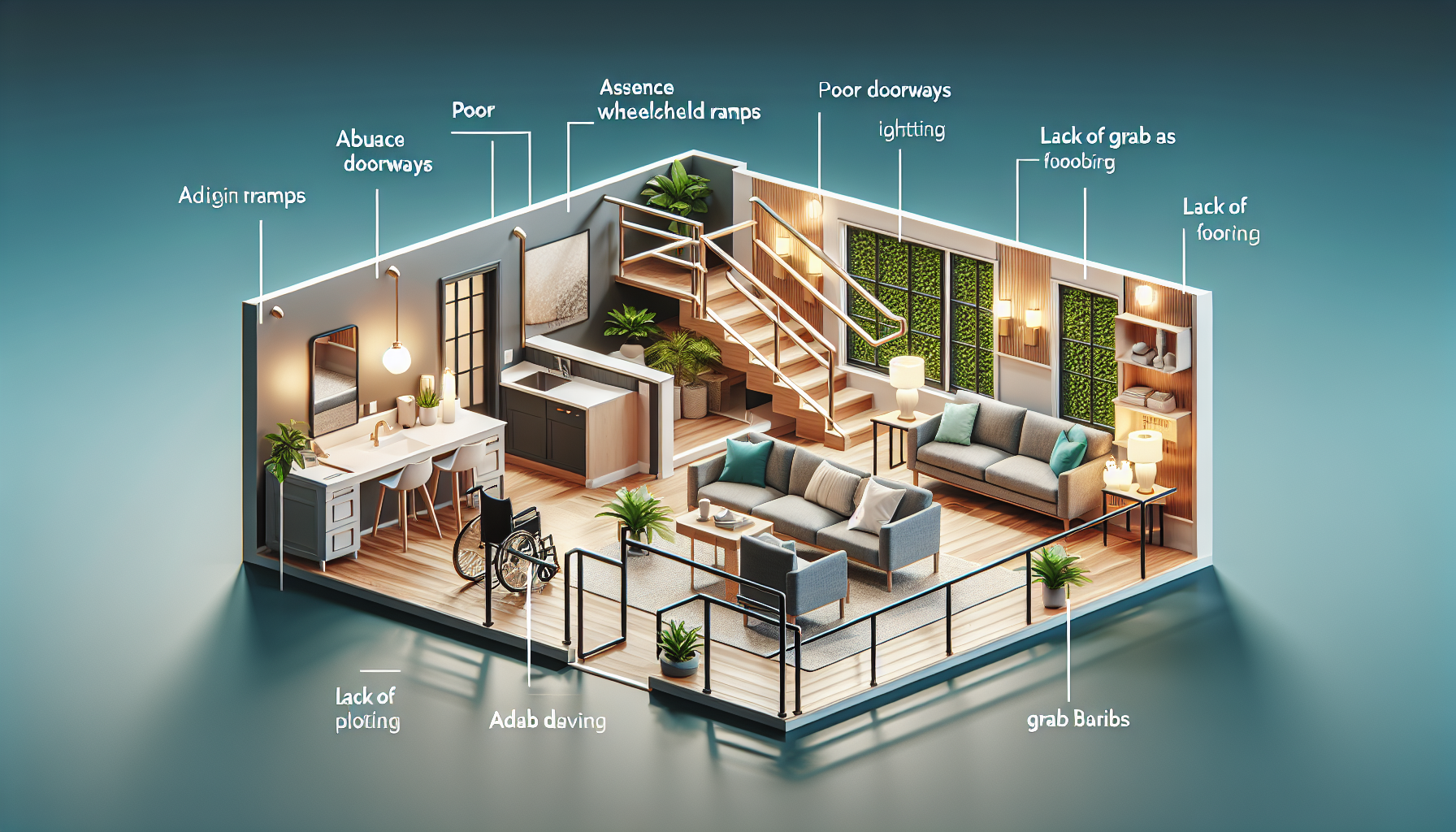
Environment matters as much as diagnosis. I routinely see preventable problems caused by poor lighting, loose rugs, cluttered pathways, low toilet seats, beds that are too high, and walkers that do not fit through bathroom doors. Home safety modifications can dramatically reduce caregiver burden. Simple changes include grab bars installed into studs, shower chairs, raised toilet seats, non-slip flooring, brighter bulbs, contrasting stair edges, and handrails on both sides when possible. More substantial accessibility and mobility solutions may include threshold ramps, stair lifts, hospital beds, transfer poles, or wheelchair-friendly layouts.
Review the plan after every major change: hospitalization, medication adjustment, new equipment, a fall, or caregiver availability shift. Needs are rarely static. Someone may require intensive help for three weeks after surgery, then transition to outpatient PT and lighter home assistance. Another person with a progressive neurologic condition may need gradually increasing support over months. The goal is not simply to keep a person at home at any cost. The goal is safe, realistic function with the least restrictive support that still protects health, dignity, and caregiver capacity.
Calling for in-home support or PT services is not an admission that independence is over; it is often the step that preserves independence the longest. The right time to ask for help is when daily tasks become unsafe, recovery stalls, falls or near-falls increase, medical needs grow more complex, or caregivers are carrying more than they can safely sustain. Early action gives families more choices, better outcomes, and fewer emergencies. It also allows therapists and support staff to build routines before a crisis forces rushed decisions.
Use this caregiver support resources hub as your starting point within accessibility and mobility solutions. Identify the main problem, match it to the right service, and ask for an evaluation sooner rather than later. A well-timed PT referral can restore confidence and function. Reliable in-home support can protect energy, reduce burnout, and make home life workable again. If you are noticing changes in mobility, safety, or caregiver strain, make the call today and build a home care plan that fits real needs.
Frequently Asked Questions
How do I know whether a problem is just a temporary setback or a sign that it is time to call for in-home support or physical therapy?
A good rule of thumb is this: if a change in strength, balance, pain, mobility, or daily functioning is lasting more than a few days, getting worse, or making everyday tasks harder or less safe, it is time to ask for help. Many families assume they should wait until there is a major fall, a hospitalization, or a complete loss of independence before calling for support. In reality, the best outcomes usually happen when services begin early, while the problem is still manageable. Warning signs can include struggling to get out of bed or a chair, needing more help with bathing or dressing, walking more slowly, holding onto furniture, skipping meals because cooking feels too hard, increasing confusion about routines, or avoiding stairs, showers, and outings because they feel risky. These changes may seem small one by one, but together they often point to declining function and rising safety risk.
Physical therapy can help when the issue involves movement, pain, strength, endurance, walking, transfers, balance, or recovery after illness or injury. In-home support may be the right fit when someone needs practical assistance with personal care, meals, medication reminders, supervision, household tasks, or maintaining a safe routine at home. In many cases, both are useful at the same time. The most important thing to remember is that early support is not an overreaction. It is often the reason a person can stay safer, recover better, and remain independent longer.
What are the most important warning signs that someone may need in-home support right away?
There are several signs that should prompt families to act quickly rather than “wait and see.” Frequent near-falls or falls are at the top of the list, especially if the person is tripping more often, needing to grab walls or furniture, or appearing unsteady during transfers. Other urgent warning signs include sudden weakness, increased difficulty getting to the bathroom on time, poor hygiene because bathing has become unsafe or exhausting, missed medications, unopened mail piling up, spoiled food in the refrigerator, visible weight loss, and a noticeable decline in housekeeping that suggests the person can no longer keep up with basic routines. Repeated calls for help, increasing isolation, sleeping most of the day, or avoiding normal activities can also signal that daily life is becoming too hard to manage alone.
Families should also pay close attention to cognitive or behavioral changes. Confusion about time, forgotten appointments, wandering, leaving the stove on, repeating questions, or becoming overwhelmed by ordinary tasks may indicate that supervision or structured support is needed. Even when these issues seem mild, they can quickly lead to bigger problems involving safety, nutrition, medication management, and personal care. Calling for in-home support right away does not necessarily mean long-term or around-the-clock care is needed. Sometimes a limited amount of help at the right moment prevents injury, reduces stress, and keeps a short-term struggle from becoming a full crisis.
When is physical therapy the better choice, and what kinds of problems can PT address at home?
Physical therapy is especially appropriate when the main concern is physical function. If someone is recovering from surgery, a hospital stay, an illness, a fall, or a flare-up of a chronic condition, PT can help restore safe movement and prevent further decline. It is also a strong choice when there is new pain with walking, trouble climbing stairs, difficulty standing from a seated position, reduced endurance, slower gait, poor balance, dizziness related to movement, or fear of falling. People often think PT is only for rehabilitation after a major medical event, but it is also valuable for gradual decline that affects everyday independence.
In the home setting, a physical therapist can evaluate how a person actually moves through their own real environment, including beds, chairs, bathrooms, hallways, entrances, and stairs. That matters because function at home is often very different from function in a clinic. A PT can identify why someone is struggling, whether the issue is weakness, pain, joint stiffness, poor coordination, low endurance, unsafe habits, or environmental barriers. Treatment may include strengthening, balance work, transfer training, gait training, fall prevention strategies, mobility device recommendations, and education for both the patient and family. Home-based PT is not just about exercises. It is about making daily life safer and more doable where the person actually lives.
Can in-home support and physical therapy work together, or do families need to choose one or the other?
In many situations, the best solution is not choosing one over the other but using both in a coordinated way. Physical therapy focuses on improving mobility, strength, balance, and physical safety, while in-home support helps with the everyday tasks that become difficult during recovery or decline. For example, a person may be physically able to improve with PT but still need hands-on help with bathing, meal preparation, dressing, transportation, light housekeeping, or medication reminders. Without that added support, the person may miss meals, overexert themselves, fall while trying to do too much, or fail to follow through with the daily routine that supports recovery.
Using both services together can reduce caregiver burnout as well. Family members are often trying to monitor symptoms, provide transportation, manage appointments, assist with personal care, and keep the household running, all while hoping the person improves. A coordinated plan can ease that pressure. PT works on regaining function and preventing further physical decline, while in-home support helps bridge the gap between what the person can do safely and what still needs assistance. This combination is often what allows someone to remain at home rather than cycling through repeated emergencies, hospital visits, or premature placement in a higher level of care.
Is it better to call early even if I am not completely sure help is needed?
Yes. In most cases, calling early is the smarter and safer choice. Families often hesitate because they worry they are overreacting, they do not want to offend a loved one, or they assume the issue will resolve on its own. But small declines in function can build quickly. A little weakness can become a fall. Mild difficulty cooking can become poor nutrition. A bit of unsteadiness in the bathroom can become a serious injury. Early intervention gives professionals a chance to assess what is happening, identify risks, and recommend the right level of help before a manageable problem turns into a crisis.
Reaching out early also gives families more options. When support is arranged before things become urgent, there is more time to plan, involve the person in decisions, and put services in place gradually and respectfully. That often leads to better acceptance and better results. Waiting until there has been an emergency usually means decisions are made under stress, with fewer choices and higher safety concerns. If you are noticing a pattern of decline, repeated struggles with daily activities, or growing concern about safety, that is enough reason to ask questions and seek an evaluation. You do not need absolute proof that help is necessary before making the call.