Caregiver checklists for daily mobility support turn a demanding routine into a safer, repeatable system that protects both the person receiving care and the person providing it. In practice, daily mobility support includes every task that helps someone move through the day: getting out of bed, transferring to a chair, walking to the bathroom, climbing a threshold, using a wheelchair, and repositioning to prevent pain or skin breakdown. A checklist is not a bureaucratic form. It is a practical decision tool that standardizes observations, cues, equipment use, and follow-up, so care remains consistent across family members, paid aides, therapists, and respite staff.
I have seen the difference checklists make in homes where mornings used to feel chaotic. Without a written process, one caregiver encourages independent standing, another lifts under the arms, and a third forgets to lock wheelchair brakes before a transfer. Those small inconsistencies create large risks: falls, shoulder injuries, rushed movements, medication delays, and avoidable emergency visits. With a structured mobility checklist, caregivers know what to assess before movement, what equipment to prepare, which verbal cues work, when to stop, and what changes require clinical review.
This topic matters because mobility is tightly linked to dignity, health outcomes, and caregiver sustainability. Reduced mobility raises the risk of falls, deconditioning, constipation, pressure injuries, social isolation, and hospital readmission. For caregivers, poor technique is a leading cause of back strain and overuse injuries. The National Institute for Occupational Safety and Health has long warned against manual lifting of adults without proper equipment or team support. In home care, where space is limited and staffing is thin, a checklist helps translate best practice into everyday action. It also serves as the hub for broader caregiver support resources, including training, home modifications, transfer aids, transportation planning, emergency preparedness, and communication with clinicians.
At its best, a mobility support checklist is individualized, not generic. It reflects diagnosis, strength, cognition, pain patterns, vision, endurance, continence needs, and the layout of the home. A stroke survivor with neglect needs different cueing than a person with Parkinsonian freezing, severe arthritis, multiple sclerosis, or post-surgical weakness. The goal is the same across conditions: maximize safe independence while reducing physical strain and uncertainty. That balance is why caregivers search for practical, daily guidance rather than abstract advice.
What a Daily Mobility Support Checklist Should Include
A complete caregiver mobility checklist starts before any transfer or walking attempt. First, confirm the person’s baseline for the day: alertness, pain, dizziness, breathing, and willingness to participate. Ask direct questions such as, “Are you lightheaded?” and “Does your usual knee pain feel worse today?” Then review mobility status: can the person bear weight, follow one-step instructions, push up from a surface, and maintain sitting balance? These observations determine whether today’s plan remains the same or needs modification.
Next, prepare the environment. Clear throw rugs, cords, clutter, and pet bowls. Turn on lights, especially for nighttime bathroom trips. Position mobility aids within reach, apply non-slip footwear, and ensure the wheelchair or commode is at the correct angle. Lock wheelchair brakes and move footrests out of the way before transfers. If a gait belt is part of the care plan, place it snugly around the waist, never over the chest. If a mechanical lift is prescribed, verify sling size, attachment points, battery charge, and weight rating before use.
The checklist should also document cueing and assistance levels using consistent language. Home care teams often use terms aligned with rehabilitation settings: independent, supervision, contact guard, minimal assist, moderate assist, maximal assist, and dependent. That shared vocabulary prevents dangerous overestimation. If one caregiver writes “needs a little help,” another may interpret that very differently. Specific phrasing is safer: “Requires contact guard and verbal cue to reach for armrest before sitting.”
Finally, include post-mobility checks. Did the person tolerate the activity without shortness of breath, chest pain, loss of balance, or unusual fatigue? Were there near-falls, skin shearing, or new complaints? Did the transfer take more effort than usual? These details help families notice patterns early and provide useful information to a physician, physical therapist, or occupational therapist.
Core Daily Checklists by Routine and Setting
Daily mobility support works best when caregivers organize checklists around the actual flow of the day. The morning checklist usually includes bed mobility, sit-to-stand transfer, toilet access, grooming setup, and safe clothing selection. For example, elastic-waist pants and stable shoes often reduce transfer time and caregiver strain compared with complicated fasteners and slippery socks. If orthotics, compression garments, or a brace are prescribed, the checklist should note when and how they are applied.
Bathroom routines deserve their own checklist because they combine urgency, tight spaces, water hazards, and fatigue. Confirm that grab bars are secure, not just decorative towel bars. Place toilet risers, commodes, or transfer benches as instructed. Keep hygiene products within reach to avoid twisting or unsupported reaching. For showering, verify water temperature, anti-slip surfaces, and whether the person should remain seated throughout. I regularly advise families to do a dry run of bathroom transfers during the day before attempting them at night when visibility and attention are worse.
Meal-related mobility is often overlooked, yet it drives participation and nutrition. A lunchtime checklist might include transfer to the table, wheelchair positioning, foot support, and posture for swallowing safety. Someone sliding forward in a chair may need a cushion assessment or foot placement adjustment rather than repeated pulling upward, which can increase skin friction. The evening checklist should cover fatigue management, medication timing that affects balance, and the path to bed and bathroom overnight.
Caregivers also need setting-specific prompts for community mobility. Before an appointment, confirm transportation method, folding or loading procedure for the mobility device, ramp access, spare incontinence supplies, medication list, and a realistic timeline that avoids rushing. Community outings fail most often because the plan ignores endurance and transitions, not because of the destination itself.
| Routine | Checklist Priorities | Common Risk | Best Practice |
|---|---|---|---|
| Bed to chair | Brakes locked, footwear on, gait belt ready, path cleared | Pivoting on slippery socks | Use stable shoes and agreed verbal count |
| Toilet transfer | Grab bar access, clothing setup, seat height, lighting | Rushing due to urgency | Schedule regular toileting and keep essentials within reach |
| Shower entry | Bench placement, water temp, non-slip surface, towel nearby | Stepping over tub edge without support | Use transfer bench or curb step method taught by therapist |
| Walking practice | Device height, hallway clearance, rest point, pain check | Fatigue-related loss of form | Short, frequent bouts with supervision as prescribed |
| Car transfer | Seat position, door opening space, assistive strap if used | Twisting into seat too quickly | Back up to seat, sit first, then pivot legs together |
Equipment, Home Setup, and Training Resources
Mobility support resources are only useful when caregivers know which tool matches which problem. Canes improve a small base-of-support issue; they do not compensate for significant bilateral leg weakness. Standard walkers offer stability but require enough upper-body control to lift or advance them safely. Rollators can reduce endurance-related fatigue, but they are not ideal for every patient, particularly if braking technique is poor or cognition is impaired. Wheelchairs, transport chairs, sit-to-stand devices, slide boards, gait belts, transfer discs, and mechanical lifts each serve a specific function. The checklist should state the exact device to use for each task.
Proper fit matters as much as the device itself. Cane height is generally set near wrist crease level with the arm relaxed. Walker height should allow slight elbow bend rather than shrugged shoulders. Wheelchair footrests, seat width, cushion type, and anti-tippers affect both safety and pressure management. Families often buy equipment online without assessment, then wonder why transfers remain difficult. An occupational therapist or physical therapist can identify whether the bottleneck is strength, technique, furniture height, or the wrong equipment category altogether.
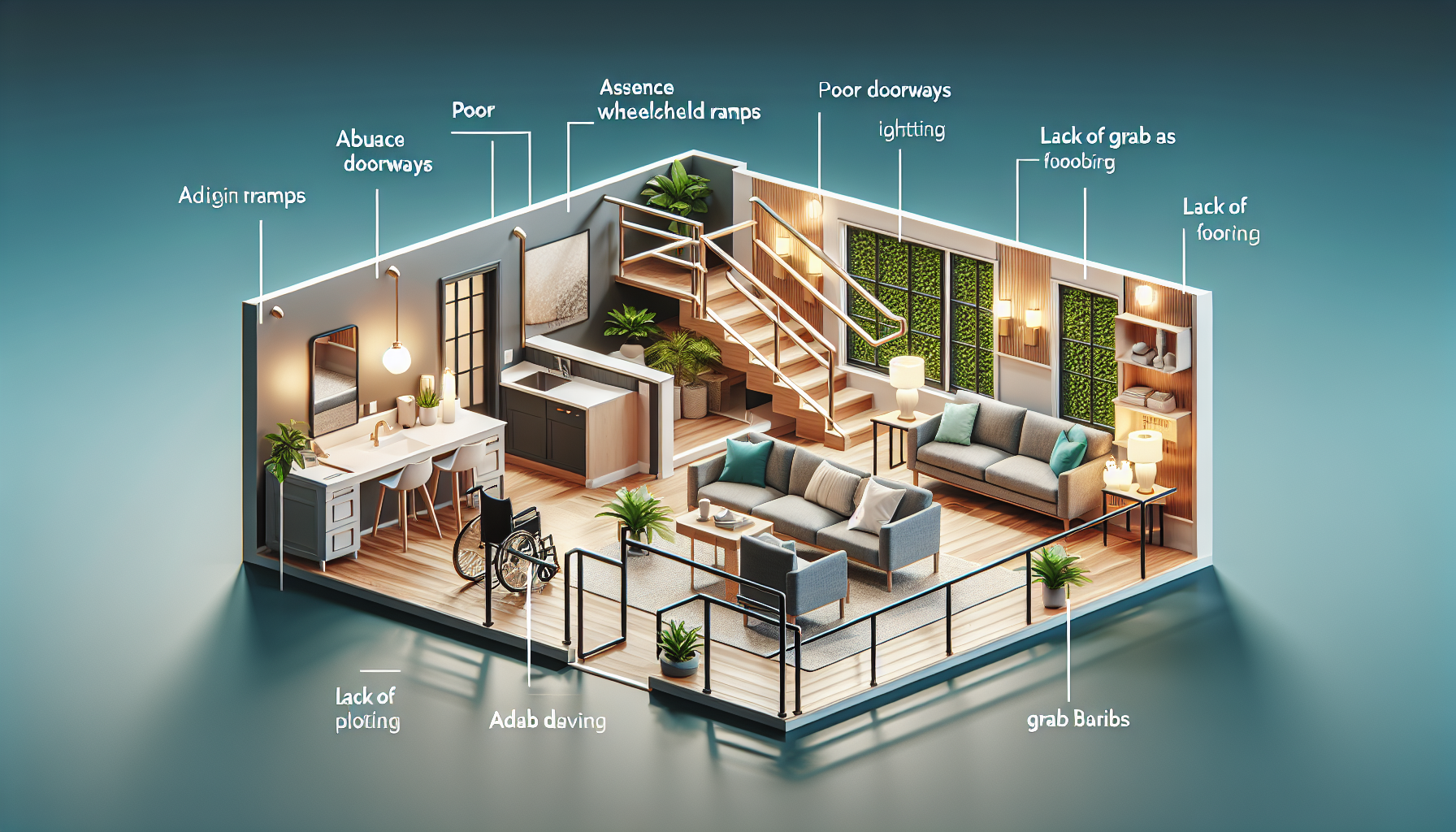
Home setup is another essential resource area for caregivers. The checklist should prompt regular review of door width, threshold height, flooring transitions, bed height, and chair stability. Many avoidable falls occur when a sofa is too low, a bedside table blocks the walker path, or a bathroom doorway is too narrow for proper wheelchair angle. High-impact modifications include grab bars anchored into studs, threshold ramps, lever handles, brighter lighting, contrasting stair edge markings, and adjustable beds. For renters, temporary solutions such as clamp-on bed rails, portable ramps, and tension-mounted poles may help, but each must be evaluated for safety and compatibility.
Training should never be treated as optional. Caregivers need hands-on instruction in body mechanics, pivot transfers, cueing, and equipment use. A single demonstration is not enough. Ask clinicians to observe the actual home environment or a video of the setup if a home visit is unavailable. Reliable caregiver support resources often include hospital discharge educators, home health agencies, Area Agencies on Aging, disease-specific nonprofits, Veterans Affairs programs, and durable medical equipment suppliers that provide in-home setup. The most effective families schedule periodic retraining after a hospitalization, medication change, or decline in function.
Communication, Documentation, and When to Escalate
Checklists work only if they feed into clear communication. Every caregiver should know where the mobility plan is stored, what the current assistance level is, and what changes have already been reported. A simple shared log, whether paper-based or digital, should record transfers completed, walking distance, tolerance, pain, near-falls, skin concerns, bowel and bladder changes, and equipment problems. Over time, this log becomes one of the most valuable caregiver support resources because it transforms vague impressions into actionable trends.
Documentation should be objective. Instead of writing “bad day,” write “needed moderate assist for toilet transfer instead of contact guard; reported dizziness on standing; sat down after ten feet of walking.” Objective notes help clinicians identify whether the issue may involve orthostatic hypotension, infection, medication side effects, dehydration, progression of disease, or simply poor sleep. They also reduce conflict between family members who may otherwise disagree about what is happening.
Caregivers should escalate concerns promptly when they see red flags. Stop the activity and seek medical guidance for chest pain, severe shortness of breath, sudden one-sided weakness, new facial droop, loss of consciousness, acute confusion, or a fall with possible head injury. Contact a clinician soon for repeated near-falls, rapid decline in transfers, worsening swelling, new pressure areas, persistent pain, or increasing caregiver inability to perform the plan safely. It is not a failure to ask for a reassessment. Mobility status can change quickly after illness, hospitalization, or medication adjustments.
Because this page serves as a hub under accessibility and mobility solutions, families should connect the checklist to related resources: fall prevention plans, wheelchair and walker guides, bathroom accessibility strategies, transportation planning, emergency evacuation needs, and caregiver respite services. Daily mobility does not stand alone. It depends on the full support system around the person.
Building a Sustainable Care Plan for the Long Term
The best caregiver checklist is realistic enough to use on the hardest days. If a routine requires perfect timing, two strong helpers, and ten minutes of setup every bathroom trip, adherence will collapse. Sustainable plans reduce complexity while preserving safety. That may mean replacing a low recliner with a firm chair and armrests, scheduling toileting before urgency peaks, clustering tasks to limit unnecessary transfers, or accepting a wheelchair for longer outings even when short household walking remains possible.
Caregiver burnout is a mobility issue, not just an emotional issue. When helpers are exhausted, they skip gait belts, rush transfers, and take unsafe lifting shortcuts. Build respite into the plan. Rotate demanding tasks, use adult day services when available, and ask clinicians for realistic goals rather than aspirational ones. Some days the goal is a safe transfer and pressure relief, not a long walk. Consistency beats heroics.
Review the checklist at set intervals, such as weekly for active recovery and monthly for stable chronic conditions. Update it after falls, infections, medication changes, equipment replacement, or visible functional decline. Include the care recipient in these reviews whenever possible. People are more likely to participate when the plan respects preferences, privacy, and routines. A former gardener may be more motivated to practice standing if the destination is the patio rather than a generic exercise spot in the hallway.
Caregiver checklists for daily mobility support give families a structured way to protect independence, reduce injury risk, and coordinate care across everyone involved. They help translate clinical recommendations into daily action, from bed mobility and bathroom safety to transportation and long-term planning. Start with one written checklist for the highest-risk transfer in the day, test it, revise it, and expand from there. A clear system today prevents confusion tomorrow and makes every related caregiver support resource more effective.
Frequently Asked Questions
What should a daily mobility support checklist include?
A strong daily mobility support checklist should cover the full sequence of movement tasks the care recipient may need throughout the day, not just one transfer or one walking session. In most cases, that means starting with the basics: current physical status, pain level, alertness, dizziness, shortness of breath, and any change from the person’s usual abilities. From there, the checklist should move into task-specific items such as getting out of bed, sitting up safely, standing, pivoting, walking short distances, using mobility aids, navigating doorways or thresholds, toileting transfers, wheelchair positioning, and repositioning in bed or in a chair.
It should also include environmental safety checks. These are often the details that prevent falls and strain injuries: clear pathways, locked wheelchair brakes, proper bed height, non-slip footwear, adequate lighting, dry floors, and commonly used items placed within reach. If equipment is involved, the checklist should confirm that the walker, cane, gait belt, transfer board, lift, or wheelchair is in good condition and correctly adjusted. A practical checklist also notes the level of help required for each task, such as standby assist, one-person assist, or full mechanical lift, so caregivers are not making rushed decisions in the moment.
Finally, the best checklists include follow-up items. After mobility support is provided, the caregiver should confirm that the person is comfortable, properly aligned, supported with pillows or cushions if needed, and not left in a risky position. If there was pain, unusual weakness, skin redness, fear during movement, or a near-fall, that should be documented and communicated. In other words, a checklist is not just a memory aid. It is a daily safety system that helps create consistency, reduces guesswork, and makes mobility support more predictable for everyone involved.
How can a caregiver use a checklist to prevent falls and injuries during transfers?
A checklist helps prevent falls and injuries by forcing a pause before movement begins. Many accidents happen because a transfer is attempted too quickly, with too little preparation, or without recognizing that the person’s condition has changed since the last transfer. A transfer checklist creates a reliable pre-transfer routine: assess the person’s readiness, explain the movement, position equipment correctly, lock wheels, apply footwear, and confirm the level of assistance needed. That simple structure can dramatically reduce rushed mistakes.
For transfers specifically, a checklist should prompt the caregiver to confirm several critical points. Is the person awake enough to participate? Are they complaining of pain, dizziness, or weakness? Are wheelchair brakes locked? Are footrests moved out of the way? Is the destination surface stable and close enough for a safe transfer? Is a gait belt available if appropriate? Is the bed or chair adjusted to a workable height? Has the caregiver planned the sequence of movement before starting? These checks matter because even one missed detail can increase the risk of a fall, shoulder injury, skin tearing, or caregiver back strain.
The checklist also protects the caregiver. Mobility support is not only about the person receiving care; it is also about safe body mechanics for the person assisting. A good checklist reminds the caregiver not to twist, pull under the arms, or attempt more than they can safely manage alone. If the person requires two caregivers or a mechanical lift, the checklist should clearly say so. That makes the process more objective and less dependent on confidence, habit, or urgency. Used consistently, a transfer checklist turns safety from a vague goal into a repeatable set of actions.
How often should a mobility support checklist be updated?
A mobility support checklist should be reviewed regularly and updated whenever the person’s condition, environment, equipment, or assistance needs change. For many families and care teams, a quick daily review is useful, especially if the person has fluctuating strength, balance, cognition, pain, or endurance. A more complete update may be needed weekly, after a medical appointment, after hospitalization, after a fall, after starting a new medication, or any time movement tasks become easier or harder than before.
This is important because mobility is not static. Someone who was able to stand with minimal help last month may now need hands-on support because of weakness, fear of falling, joint pain, or a new diagnosis. On the other hand, some people improve with therapy and should not remain on an outdated checklist that assumes a higher level of dependency than necessary. The checklist should reflect the person’s current reality, including what they can do independently, what they can do with cues, and what requires direct assistance or equipment.
Caregivers should also update the checklist if they notice patterns. For example, maybe morning transfers are safe but evening transfers are harder due to fatigue. Maybe walking to the bathroom is manageable, but turning and backing up to sit causes instability. Maybe a threshold at the front door is becoming a trip hazard. Those observations belong in the checklist because they improve the quality of support. A useful checklist is a living document, not something written once and forgotten. Regular updates keep it relevant, practical, and aligned with real day-to-day care needs.
What mobility tasks should caregivers pay the closest attention to each day?
Caregivers should pay the closest attention to any task that combines movement, balance changes, and a shift in body position, because those are the moments when falls and strain injuries are most likely. In daily life, that usually includes getting out of bed, moving from sitting to standing, transferring between surfaces, walking to the bathroom, turning, backing up to sit, stepping over thresholds, and repositioning in bed or in a chair. These tasks may seem routine, but they require coordination, strength, timing, and a safe setup every single time.
Toileting-related mobility deserves especially careful attention. Many falls happen on the way to or from the bathroom because the person is rushing, tired, distracted, or trying to manage clothing while standing. Early morning and nighttime mobility can also be riskier due to low light, stiffness, grogginess, or urgency. Wheelchair use is another area that benefits from close monitoring, especially foot placement, brake use, posture, pressure relief, and whether the person is sliding forward or leaning in a way that could lead to discomfort or skin breakdown.
Repositioning should not be overlooked just because it is less visible than walking or transferring. If a person spends extended time in bed or seated, regular repositioning is essential for comfort, circulation, breathing, and skin protection. A checklist helps make sure these tasks happen consistently rather than only when someone remembers. The key idea is simple: caregivers should focus most carefully on the mobility moments where the person changes position, bears weight, or is most likely to lose balance. Those are the moments when preparation and consistency make the biggest difference.
Can a caregiver checklist be personalized for one person’s mobility needs?
Yes, and it should be. The most effective caregiver checklist is tailored to the individual’s medical condition, physical abilities, home setup, equipment, and daily routine. A generic checklist can be a useful starting point, but it will never be as helpful as one built around the person’s actual movement patterns and risks. For example, someone recovering from surgery may need reminders about weight-bearing restrictions, while a person living with Parkinson’s disease may need extra cueing for initiation and turning. A person with dementia may need simple one-step instructions and a calmer environment, while a wheelchair user may need a more detailed positioning and pressure-relief routine.
Personalization also means accounting for the home and schedule. If the person has a high bed, a narrow bathroom doorway, a porch threshold, or a favorite chair that is difficult to transfer from, the checklist should address those specific challenges. If fatigue increases later in the day, the checklist may note that afternoon walking requires closer supervision. If the person consistently forgets to reach for the walker before standing, that should become a checklist item. The goal is to capture the details that make daily support safer and smoother in that particular setting.
A personalized checklist is also easier for multiple caregivers to follow. When family members, home health aides, or respite caregivers are all involved, a customized checklist promotes consistency and reduces conflicting approaches. Everyone can see how the person transfers best, what cues work, what equipment is required, and what warning signs need to be reported. That consistency builds confidence for the care recipient and lowers the chance of preventable errors. In short, a personalized mobility checklist is not extra paperwork. It is one of the most practical tools for delivering safer, more reliable, person-centered care.