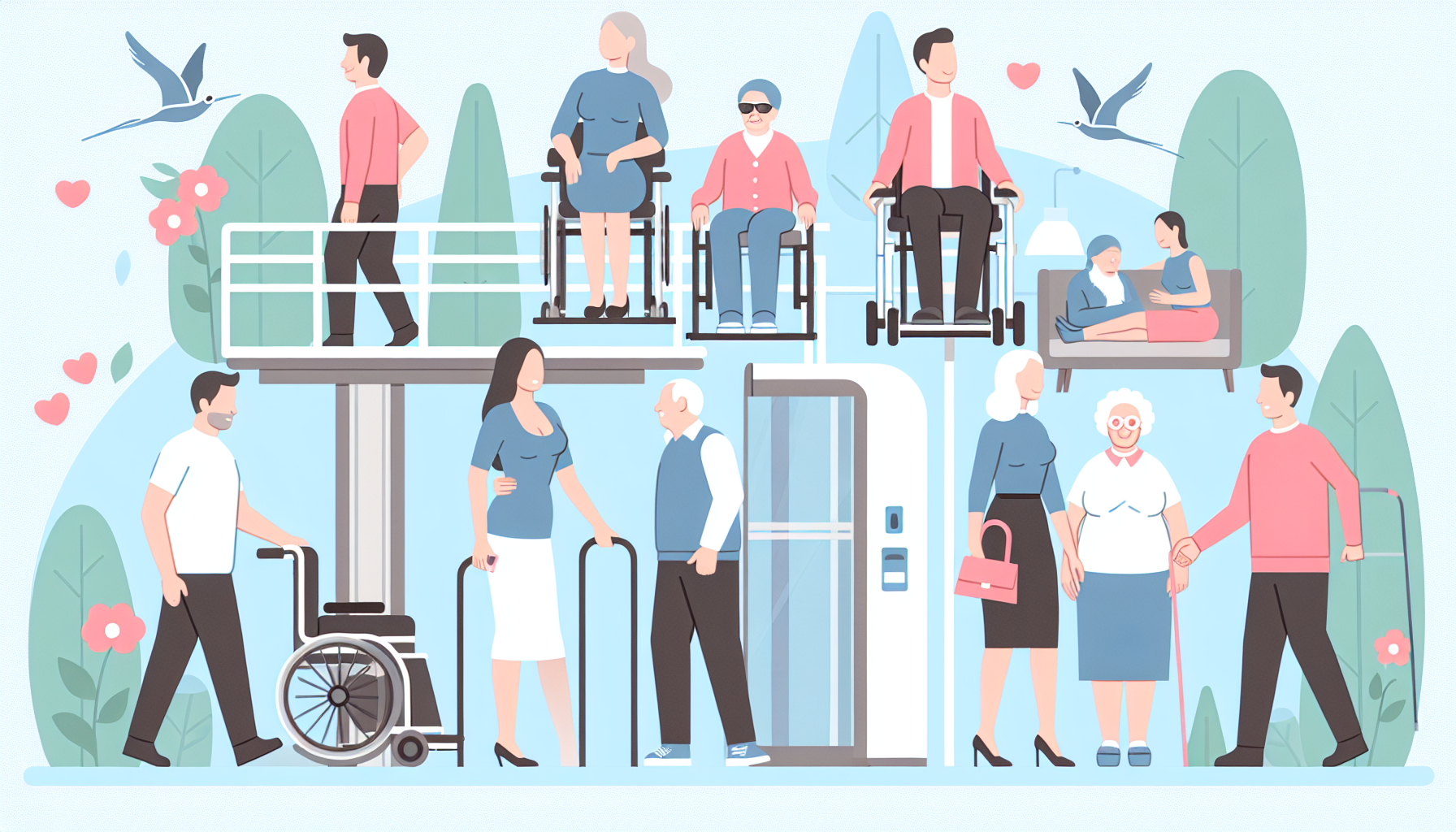
Supporting a loved one’s independence with a lift starts with understanding that the right equipment can protect dignity, reduce caregiver strain, and make daily routines safer at home. In accessibility and mobility solutions, a lift is any device that helps transfer or elevate a person with limited mobility, including patient lifts, stair lifts, ceiling lifts, bath lifts, and seat lift chairs. Independence does not mean doing everything alone; it means having reliable support that lets someone move, participate, and make choices with less risk and less exhaustion. For families, that distinction matters. I have seen households wait too long to add transfer equipment because they assumed a lift would signal decline. In practice, the opposite is often true. A properly selected lift can preserve energy, prevent falls, and keep a person involved in normal routines like bathing, getting out of bed, reaching the dining table, or leaving the house.
This topic also sits at the center of caregiver support resources because transfers are one of the most physically demanding parts of care. The U.S. Occupational Safety and Health Administration has long warned about musculoskeletal injuries related to manual lifting, and rehab clinicians routinely teach families that “no-lift” or “minimal manual lift” approaches are safer than relying on strength alone. When a spouse, adult child, or home aide tries to pivot-transfer someone without the right device, the risk extends to both people: shoulder injuries, back strain, skin tears, and preventable falls. Supporting independence with a lift therefore involves more than buying equipment. It includes assessment, training, funding, home layout planning, maintenance, and emotional adjustment. This hub article explains the major lift types, how to choose among them, how to train caregivers, what standards and funding sources matter, and where to find ongoing caregiver support resources that make long-term home care more sustainable.
Why lifts matter for independence and caregiver safety
A lift supports independence by converting a high-risk task into a repeatable, safer routine. The most immediate benefit is transfer safety. Moving from bed to wheelchair, wheelchair to toilet, or chair to shower bench requires coordination, trunk control, leg strength, and balance. When one of those abilities changes after stroke, Parkinson’s disease, multiple sclerosis, spinal cord injury, arthritis, hip fracture, or advanced frailty, transfers become unpredictable. A lift compensates for those changes. Instead of depending on a caregiver’s back and grip strength, the transfer relies on a tested device, an appropriate sling or seat, and a trained process.
There is also a quality-of-life gain that families sometimes underestimate. People often conserve energy when transfers are easier, which can leave more stamina for work, conversation, meals, rehabilitation exercises, or social activities. A stair lift can make the upstairs bedroom accessible again. A ceiling lift can allow safer nighttime bathroom trips. A sit-to-stand lift can help someone participate actively in their transfer rather than being passively moved. Those differences preserve autonomy. They also reduce caregiver burnout, one of the most important topics in caregiver support resources. In homes where I have helped review equipment choices, the turning point was rarely convenience alone; it was the realization that repeated unsafe transfers were controlling the entire day. Once a lift was introduced and everyone learned the technique, schedules stabilized and tension dropped.
Understanding the main types of lifts used at home
Not every lift solves the same problem. A mobile floor lift, often called a Hoyer-style lift, uses a wheeled base and sling to raise a person for transfers between surfaces. It is versatile and common in home care, but it needs floor space, correct sling selection, and attention to furniture clearance. A ceiling lift runs on a mounted track and is ideal when transfers happen frequently in the same areas, such as bedroom to bathroom. It reduces pushing effort for caregivers and often improves maneuverability in tight rooms.
A sit-to-stand lift is designed for someone who can bear some weight, follow cues, and tolerate a standing position. It is useful for toileting and short transfers, but it is not appropriate for a person with poor trunk control or no weight-bearing ability. Stair lifts transport a seated user along a staircase and are best for people who can transfer on and off the seat safely. Bath lifts lower and raise a user in a tub, while seat lift chairs assist with standing from a reclined position. Each device fits a distinct mobility profile, and matching the lift to the user’s abilities is the foundation of safe independence.
| Lift type | Best for | Key requirement | Main limitation |
|---|---|---|---|
| Mobile floor lift | Bed, chair, and toilet transfers in multiple rooms | Adequate floor space and compatible sling | Harder to maneuver in tight layouts |
| Ceiling lift | Frequent transfers with low caregiver strain | Track installation and structural review | Higher upfront installation cost |
| Sit-to-stand lift | Users with partial weight-bearing ability | Ability to follow instructions and tolerate standing | Unsafe for fully dependent users |
| Stair lift | Seated travel on stairs | Safe seated transfer at top and bottom landings | Does not help if transfers are the main problem |
| Bath lift | Tub access with reduced lowering effort | Tub fit and stable sitting posture | Limited use outside bathing |
How to choose the right lift for a loved one
The best way to choose a lift is to start with a clinical and environmental assessment rather than with a catalog. A physical therapist, occupational therapist, or assistive technology professional can evaluate strength, balance, range of motion, cognition, skin integrity, pain, contractures, and the user’s ability to assist with transfers. They should also review the home: doorway widths, bed height, bathroom layout, flooring, turning radius, threshold transitions, and whether carpeting interferes with a wheeled base. For stair lifts and ceiling lifts, installers may need structural measurements and power access review.
Next, define the transfer goals. Families often say, “We need a lift,” but the real question is, “Which daily activities are unsafe now?” Toileting needs are different from accessing the second floor. A person who can stand with cueing may need a sit-to-stand lift, while someone with advanced ALS may need a full-body sling lift and pressure-sensitive positioning. If the user spends most of the day in one room, a portable floor lift may be enough. If repeated transfers happen in a bedroom and bathroom suite, a ceiling track often becomes the better long-term solution.
Sling selection is just as important as the lift motor. Full-body, divided-leg, toileting, amputee, bariatric, and hygiene slings all support the body differently. Wrong sling size or style can create pain, poor posture, and dangerous slipping. Reputable manufacturers publish weight capacities and compatibility rules that should never be guessed. In practice, the most successful choices come from trialing equipment when possible, documenting the transfer steps, and making sure every caregiver can reproduce them safely.
Training caregivers and building a reliable transfer routine
Equipment alone does not reduce risk; training does. Every primary caregiver should receive hands-on instruction from a qualified clinician, nurse, or vendor trainer before using a lift independently. That training should cover pre-transfer checks, sling placement, communication with the user, emergency lowering features, battery charging, locking and unlocking wheels according to the manufacturer’s guidance, and positioning at the destination surface. The goal is consistency. If one caregiver places the sling differently or rushes the pivot at the end of the transfer, the household loses the safety benefit the lift was meant to provide.
A simple written transfer plan helps. It should note the person’s current abilities, preferred cues, pain triggers, whether they should cross their arms or hold a strap, and the exact sling model and size. Include surface setup too: wheelchair brakes, footrests moved away, bed height adjusted, and destination seat angle. This kind of routine is one of the most practical caregiver support resources because it lowers anxiety for new family helpers and paid aides. It also supports continuity when a person returns home from rehabilitation or when multiple siblings share care duties.
Caregivers should know when to stop and reassess. Increased agitation, shortness of breath, new weakness, pressure injuries, or repeated sliding in the sling are warning signs. So are home changes such as a new hospital bed, thicker carpet, or a remodeled bathroom that alters clearance. Regular review with a therapist keeps the setup aligned with the person’s condition, which may improve, fluctuate, or decline over time.
Funding, regulations, and standards families should know
Cost is one of the biggest barriers to getting a lift early enough. Portable patient lifts can range from several hundred dollars to several thousand, while ceiling lift systems and stair lifts typically cost more because installation is involved. Coverage depends on the device, diagnosis, insurer, and policy language. In the United States, Medicare may cover certain durable medical equipment when prescribed and medically necessary, but stair lifts are commonly excluded because they are considered home modifications rather than medical equipment. Medicaid waiver programs, Veterans Affairs benefits, state assistive technology programs, nonprofit loan closets, and local aging agencies may help fill gaps. For families researching caregiver support resources, these funding pathways are often as important as the equipment itself.
Standards matter too. Reputable lifts and slings should be sourced from established manufacturers that provide weight ratings, maintenance instructions, and service support. Home-use patient lifts are commonly designed with reference to recognized medical device and patient handling standards, and installers for stair lifts and ceiling systems should follow manufacturer specifications and applicable building and electrical requirements. Families should ask direct questions: What is the safe working load? Which slings are approved for this model? How often should it be inspected? Who services it locally? Those are not minor details. They determine whether a lift remains safe after months or years of everyday use.
Renting can be a smart bridge when needs are temporary, such as after surgery, but long-term users often benefit from ownership, especially when customization or frequent service is required. The right decision depends on prognosis, home stability, and how quickly the person’s mobility is changing.
Caregiver support resources that make lift use sustainable
A lift works best when it is part of a broader support system. Caregiver support resources include occupational and physical therapy follow-up, home health training, Area Agencies on Aging, disease-specific organizations such as the Alzheimer’s Association, ALS Association, and National Multiple Sclerosis Society, respite care programs, transportation services, and local durable medical equipment providers that offer setup and troubleshooting. Hospital discharge planners and rehabilitation case managers can connect families to many of these services, but caregivers should not wait for a crisis to ask.
Peer support also matters. In caregiver groups, families often share practical lessons that clinicians may not see, such as the best sling for toileting with severe shoulder stiffness, ways to label battery chargers so aides use the right one, or how to reorganize a bedroom to improve floor-lift turning radius. Those lived details can save hours of frustration. Digital resources are useful too, especially manufacturer videos and nonprofit guides, but they should supplement professional instruction, not replace it.
One of the most effective strategies I have seen is creating a care notebook or digital folder with equipment manuals, funding contacts, therapist notes, transfer plans, maintenance dates, and emergency numbers. That single reference point reduces decision fatigue and helps substitute caregivers step in with less confusion. It turns isolated information into a workable care system, which is exactly what families need when they are balancing medical appointments, employment, and daily support.
Common mistakes to avoid when adding a lift at home
The most common mistake is choosing a lift based on price or a single online review instead of a full assessment. A low-cost device that does not fit the user or the room becomes expensive quickly if it goes unused or causes near-falls. Another frequent error is underestimating space needs. I have seen floor lifts delivered into homes where the base could not pass around a bed or under a recliner frame, making the transfer plan impossible. Measuring first prevents that problem.
Families also run into trouble when they skip sling fitting, ignore maintenance, or assume all caregivers will “figure it out.” Batteries fail, straps wear, and transfer technique drifts over time. A quarterly review of equipment condition and caregiver technique is a practical safeguard. Finally, avoid framing the lift as a symbol of loss. Present it as a tool that expands choice, reduces pain, and makes home life more manageable. That mindset improves acceptance and helps the loved one remain an active participant in care decisions.
Supporting a loved one’s independence with a lift is ultimately about creating safer movement, preserving dignity, and making caregiving sustainable over the long term. The right lift matches the person’s abilities, the home environment, and the daily tasks that matter most, whether that means getting upstairs, bathing with less fear, or transferring from bed to wheelchair without injury risk. Just as important, successful lift use depends on caregiver support resources: clinical assessment, training, funding guidance, equipment service, respite options, and peer knowledge. When those pieces work together, a lift stops being just a device and becomes part of a dependable care system that protects both the user and the caregiver.
If you are planning next steps, start with a transfer assessment from an occupational therapist, physical therapist, or qualified mobility equipment provider, then document the routines and support resources your household will need. That one step can prevent falls, reduce strain, and make independent living at home more realistic.
Frequently Asked Questions
How can a lift help a loved one stay independent at home?
A lift can support independence by making everyday movement safer, more comfortable, and less physically demanding. For someone with limited mobility, tasks like getting out of bed, transferring to a wheelchair, using the bathroom, climbing stairs, or settling into a chair can become exhausting or risky without the right equipment. A properly selected lift reduces those barriers and allows a person to participate more fully in daily routines instead of relying on constant hands-on assistance. That can have a major impact on confidence, privacy, and dignity.
It also helps redefine what independence really means. Independence does not always mean doing every task completely alone. In many homes, it means having dependable support systems in place so a loved one can move through the day with less fear of falling, less pain, and fewer physical limitations. A stair lift may make the second floor accessible again. A patient lift may make transfers safer. A bath lift can allow someone to enjoy bathing with less anxiety. Even a seat lift chair can help a person stand up more easily without overexertion. When mobility equipment is matched to the person’s needs, it often preserves routines, reduces avoidable injuries, and helps someone remain in the home they know and love.
What type of lift is best for supporting mobility and daily routines?
The best lift depends on the individual’s mobility level, physical strength, home layout, and the specific activities that are becoming difficult. There is no one-size-fits-all answer, which is why an assessment is so important. For example, a stair lift is often ideal for someone who can sit safely and wants continued access to different floors of the home. A ceiling lift or portable patient lift may be better for someone who needs more substantial support during transfers from bed to chair or chair to toilet. A bath lift can make bathing safer for a person who struggles to lower into or rise out of a tub. A seat lift chair may help someone who can still walk but has difficulty standing from a seated position.
Beyond choosing the category of lift, details matter. Weight capacity, sling type, transfer space, turning radius, seat design, power source, and caregiver involvement should all be considered. It is also important to think ahead. If a loved one’s condition is likely to change, selecting a solution that can continue meeting future needs may prevent another major equipment change later. The most effective choice is one that improves safety without making the user feel restricted or overly dependent. A mobility specialist, occupational therapist, physical therapist, or experienced accessibility provider can help evaluate the home and recommend the lift that best supports comfort, function, and long-term independence.
How do I know if it is time to install a lift for a family member?
There are often clear warning signs that indicate a lift may be needed. Frequent struggles with transfers, increased difficulty using stairs, reliance on furniture for support, fatigue during routine movement, near falls, and caregiver strain are all strong indicators. Sometimes the issue is not a dramatic accident but a gradual pattern of reduced confidence. A loved one may begin avoiding parts of the home, skipping baths, staying seated for long periods, or asking for more help with tasks they once managed independently. These changes can point to mobility challenges that a lift could meaningfully address.
It is wise to act before a serious injury occurs. Waiting until after a fall, hospitalization, or major decline can make the transition more stressful and urgent. Installing a lift proactively often gives everyone more time to choose the right equipment, make any home modifications, and help the user become comfortable with the device. Caregivers should also pay attention to their own physical strain. If helping with transfers or stairs is causing back pain, instability, or fear of dropping a loved one, the current setup may no longer be safe. The right time is usually when mobility challenges begin to interfere with safe daily living, not only when a crisis forces a decision.
Will using a lift make my loved one feel less capable or dependent?
That concern is common, but in many cases the opposite is true. The right lift often restores a sense of control rather than taking it away. When someone struggles to move safely, they may begin depending more heavily on another person’s strength, timing, and availability. A lift can reduce that burden by making routines more predictable and less physically intimidating. Instead of feeling helpless during transfers or avoiding certain parts of the house, a person may feel more secure participating in normal activities again. That shift can improve both confidence and quality of life.
How the equipment is introduced matters. Framing a lift as a tool for safety, comfort, and freedom can make a significant difference. It helps to involve the loved one in the decision-making process, explain the options clearly, and focus on what the lift allows them to keep doing. For example, a stair lift may mean continuing to sleep in their own bedroom. A bath lift may make bathing more private and less stressful. A patient lift may allow safer transfers without requiring exhausting manual lifting from family members. When mobility equipment is presented as a practical support rather than a symbol of decline, it is often easier to accept. In many households, a lift becomes one of the key tools that helps preserve dignity, reduce fear, and extend independent living.
What should families consider before buying or installing a lift at home?
Families should start with safety, fit, and usability. The lift must match the user’s physical needs and the home environment. That means looking at mobility level, balance, ability to sit upright, transfer needs, body size, and any medical considerations that could affect equipment choice. The home itself also matters. Stair width, doorway clearances, flooring, bathroom layout, bed height, and available space for maneuvering all influence what type of lift can be installed and used effectively. A product that works well in one home may be impractical in another without adjustments.
Training and support are equally important. Caregivers and users should understand how to operate the lift correctly, what maintenance is required, and what safety features are included. Families should ask about installation requirements, battery backup, service plans, warranty coverage, and whether the equipment can be adapted if needs change. It is also worth discussing funding options, since some lifts may be covered in part by insurance, veterans’ benefits, local programs, or other assistance resources depending on the situation. Most importantly, choose a reputable provider that offers assessment, installation, and follow-up guidance. A lift is not just a purchase; it is part of a larger plan to make the home safer, reduce caregiver strain, and help a loved one maintain as much comfort and independence as possible.