Balancing safety and privacy for chair lift users is one of the most practical challenges families, caregivers, and mobility professionals face when supporting independent living at home. A chair lift can prevent falls, reduce strain on knees and hips, and make a multilevel house usable again, but the equipment alone does not solve the human questions around supervision, dignity, emergency response, and caregiver coordination. In this caregiver support resources hub, I will define what safety and privacy mean in the context of chair lift use, explain why both matter equally, and show how families can build support systems that protect users without making them feel watched. Chair lift users often include older adults aging in place, people recovering from surgery, and individuals with long-term mobility conditions such as arthritis, stroke aftereffects, multiple sclerosis, or balance disorders. Safety refers to preventing harm through correct installation, maintenance, transfer technique, emergency planning, and appropriate monitoring. Privacy refers to preserving autonomy, personal space, health information confidentiality, and the right to make day-to-day decisions without unnecessary intrusion. The tension between the two is real: the more oversight a caregiver adds, the more secure the setup may seem, yet excessive monitoring can undermine confidence and trust.
In practice, the best results come from thoughtful care design rather than maximum control. I have seen families improve outcomes not by adding cameras everywhere, but by matching supervision to actual risk, training everyone on transfer routines, and documenting who responds if a problem occurs. This matters because falls on stairs remain a major source of injury among older adults, and because poor communication around mobility equipment often leads to avoidable incidents, family conflict, or abandonment of the lift altogether. A strong caregiver support plan treats the chair lift as one part of a broader accessibility strategy that may also include grab bars, lighting upgrades, medication review, occupational therapy input, and respite support for family caregivers. As a hub page under Accessibility & Mobility Solutions, this article maps the core decisions caregivers need to make and provides a framework for the deeper articles that should sit beneath it: installation safety, maintenance checklists, transfer assistance, remote monitoring options, legal and ethical privacy issues, and emotional support for both user and caregiver. When these pieces work together, a chair lift supports independence instead of limiting it.
What caregivers must assess before a chair lift becomes part of daily care
Before relying on a chair lift, caregivers should evaluate the user, the staircase, the home, and the care team as a whole. Start with functional ability. Can the user sit down and stand up with or without assistance? Can they operate the call/send controls, seat swivel, footrest, and seat belt? Do they understand basic safety instructions consistently, or is there cognitive impairment that changes risk? A chair lift is not suitable simply because someone struggles with stairs. It must match transfer ability, trunk control, vision, reaction time, and judgment. In many successful cases, an occupational therapist or physical therapist helps determine whether the person can use the lift independently or requires standby assistance. That assessment should be revisited after illness, medication changes, hospitalization, or noticeable decline.
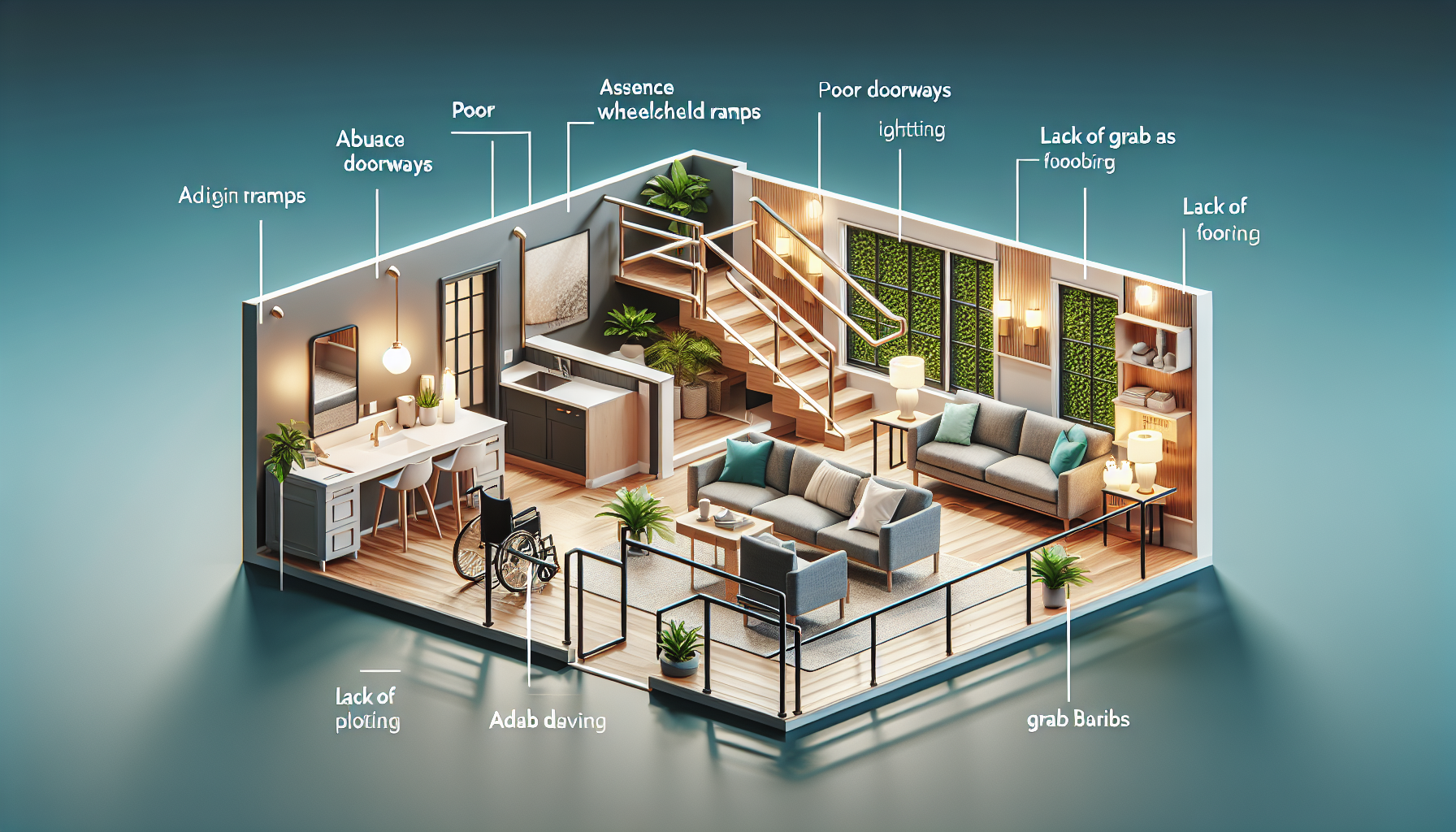
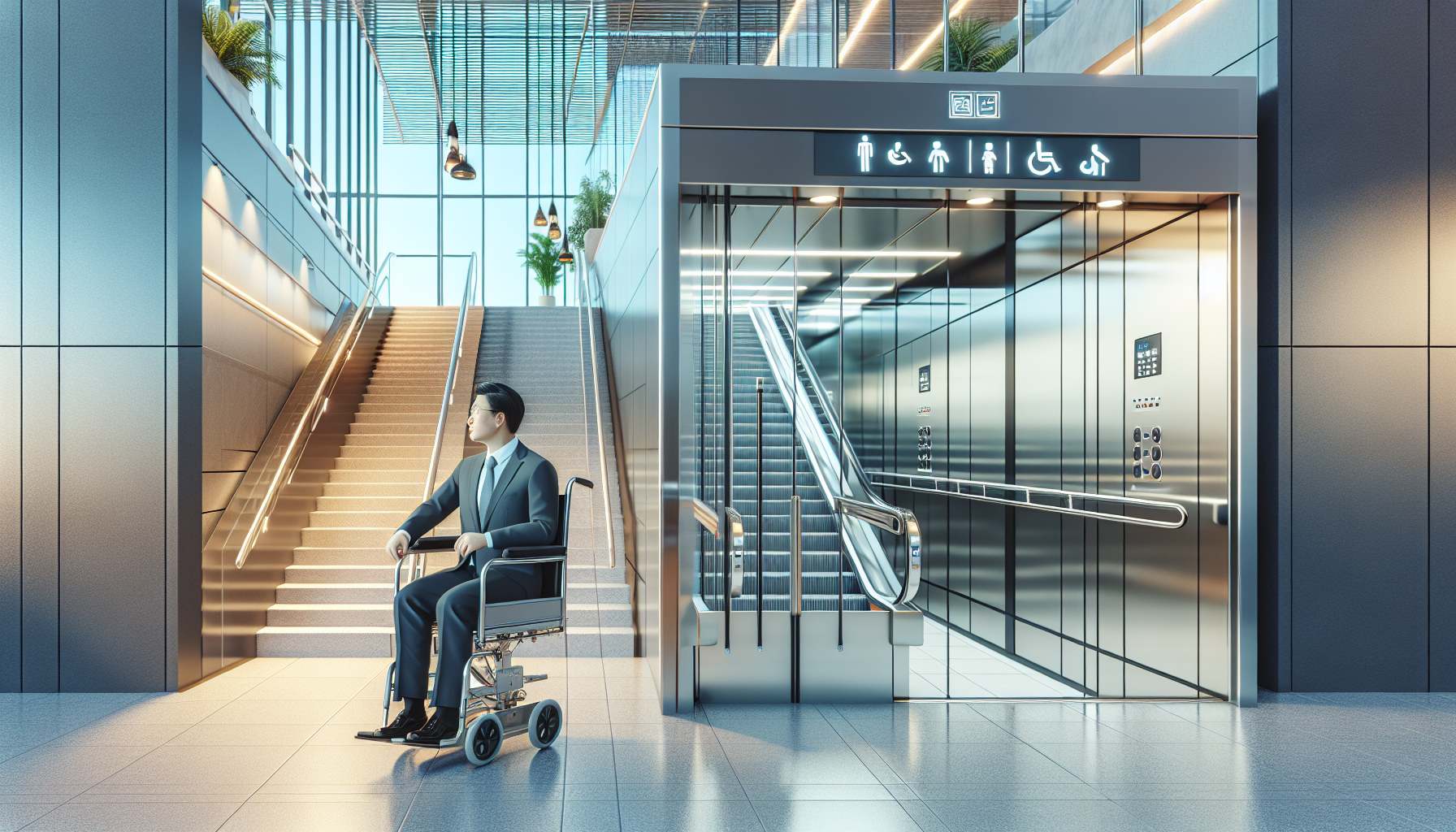
The environment matters just as much. Straight stair lifts usually cost less and install more simply than curved models, but both require measurements, power planning, and clearance checks. Caregivers should ask whether the staircase remains usable for others, whether there is safe landing space at top and bottom, and whether parking the chair away from the main living area reduces visual clutter while preserving access. If a wheelchair is part of the picture, consider whether the transfer area has enough turning radius and stable flooring. A professional installer should follow manufacturer specifications and local electrical and building requirements. Reputable brands such as Bruno, Stannah, Acorn, and Harmar provide model-specific manuals, safety features, and service networks, but no brand removes the need for home-specific planning.
How to create a safety plan without turning the home into a surveillance zone
The smartest caregiver support resources focus on layered protection. First, establish a standard operating routine. The user should approach the seat fully, lower themselves in a controlled way, use the seat belt every trip, keep feet on the footrest, and avoid carrying bulky items on the lap that could catch the rail or affect balance during transfer. Caregivers should know how to assist from the side rather than pulling from the stairs, which increases fall risk. If the user fatigues easily, schedule stair travel for times of day when strength and attention are best. This kind of routine is more effective than vague reminders to be careful.
Second, choose the least intrusive monitoring method that still addresses actual risk. Many families do not need live video. A better starting point is a check-in schedule, a wearable alert button, or a chair lift with diagnostic indicators and battery status alerts. Some households use smart home sensors that report motion in hallways or landings without recording images. Others place a two-way speaker near the stairs so the user can call for help while preserving private space elsewhere. The question to ask is simple: what information does the caregiver truly need in order to respond to a problem? If the answer is whether a trip was completed safely, then a landing sensor or scheduled text may be enough.
Privacy also depends on consent and predictability. The user should understand what is being monitored, who sees the information, and what triggers a response. Hidden devices erode trust quickly. Written agreements can help, especially when multiple adult children or paid aides are involved. Define quiet hours, who receives notifications, and when caregivers should intervene versus let the user manage independently. This prevents the common problem of three relatives calling at once because one app sent an alert. Respectful oversight protects dignity and usually improves compliance because the chair lift user does not feel treated like a passive patient.
Caregiver training, maintenance habits, and emergency readiness
Most chair lift incidents I have reviewed were linked to routine failures rather than dramatic equipment defects. Someone skipped annual service, ignored a beeping battery, left an obstruction on the stairs, or tried to rush a transfer. Good caregiver support resources therefore include practical training. Every person who may assist the user should know how to operate the lift, lock or swivel the seat if applicable, fold components safely, identify charge points, and use any manual lowering or emergency stop features described in the manufacturer guide. If the user has a hearing or vision impairment, instructions should be adapted with large print labels, tactile markers, or color-contrast cues.
Maintenance should be calendar based, not memory based. Homeowners often assume the lift is fine because it still moves, but worn seat belts, dirty rails, low batteries, and sensor faults can create preventable hazards. At minimum, follow the manufacturer service interval and keep a simple log of inspections, repairs, and unusual noises. If more than one caregiver is involved, that log reduces confusion and helps technicians troubleshoot recurring issues. This is also where internal caregiving resources matter: families should maintain contact details for the installer, service provider, primary care clinician, and local emergency contacts in one accessible place.
| Support area | Best practice | Why it protects safety and privacy |
|---|---|---|
| User assessment | Review mobility, cognition, vision, and transfer ability every few months | Prevents unsafe independence while avoiding unnecessary supervision |
| Daily operation | Use seat belt, footrest, and call/send controls consistently | Reduces accident risk without adding invasive monitoring |
| Monitoring | Start with alerts, check-ins, or nonvisual sensors before cameras | Gives caregivers needed information while preserving personal space |
| Maintenance | Schedule professional service and keep a shared maintenance log | Builds reliability and clear accountability among caregivers |
| Emergency planning | Document outage procedures, response contacts, and backup communication | Improves response time without constant observation |
Emergency readiness deserves special attention. Battery-powered units usually continue working for several trips during a power outage, but caregivers should confirm the actual specification for the installed model. The user should know what to do if the lift stops between floors, if a seat belt jams, or if they become dizzy before transfer. In homes with significant medical complexity, a personal emergency response system may be more important than a camera because it allows immediate help requests from anywhere in the house. Run drills in plain language. If a user cannot explain the plan back, the plan is not usable.
Protecting autonomy, confidentiality, and family trust
Privacy is broader than whether someone installs a camera. It includes who can discuss the user’s condition, where maintenance paperwork is stored, how app data is shared, and whether the user gets to decide routine details such as when to go upstairs, who may assist, and what level of help feels comfortable. For older adults especially, loss of stair access can feel like loss of identity because it changes the use of bedrooms, bathrooms, hobbies, and social space. Caregivers who preserve choice wherever possible usually see better cooperation with the limits that truly matter.
Confidentiality also becomes more complex when paid caregivers, home health staff, installers, and family members all overlap. Keep medical and service information on a need-to-know basis. If the chair lift has connected features through an app or service platform, review account permissions carefully. Use strong passwords, limit shared logins, and remove access when a caregiver role ends. This is basic digital hygiene, but it is often neglected in home care settings. Families should also know that not every concern requires broad disclosure. A daughter arranging maintenance does not necessarily need full access to medication notes, and a technician servicing the rail does not need unrelated health history.
Trust grows when the user is part of the decision process. Instead of asking, “How do we keep you from falling?” ask, “What helps you feel secure using the lift on your own?” That shift changes the conversation from control to partnership. Some users prefer a phone check-in after evening stair trips; others would rather have a motion sensor than a physical aide standing nearby. There is no single correct model. The right plan is the one proportionate to risk, sustainable for caregivers, and acceptable to the person using the lift.
Building a complete caregiver support resource hub around chair lift use
A strong hub page should point families to the full ecosystem of caregiver support resources, because chair lift success depends on more than the device. The most useful related topics include transfer technique training, fall prevention in the rest of the home, funding and insurance considerations, respite care, home modification planning, and emotional support for caregivers under chronic stress. Families also benefit from guidance on when a chair lift is no longer the best fit and a vertical platform lift, bedroom relocation, or one-level living arrangement should be considered instead. That decision is difficult, but good care planning addresses progression, not just today’s need.
Community resources matter too. Area Agencies on Aging, Centers for Independent Living, Veterans Affairs programs, disease-specific organizations, and local caregiver support groups often provide equipment guidance, benefits counseling, transportation referrals, or respite leads. Clinically, occupational therapists are especially valuable because they assess function in the real home environment and can recommend changes that align safety with dignity. Geriatric care managers can help when family roles are fragmented or conflict is high. For paid care teams, written care plans and handoff notes reduce inconsistency, which is a common source of both accidents and privacy complaints.
The central lesson is straightforward. Balancing safety and privacy for chair lift users is not a choice between protection and independence; it is the discipline of matching support to need. Assess the user honestly, install and maintain the equipment professionally, train every caregiver who may assist, and use the least intrusive monitoring that still allows timely help. Build consent into the process, protect personal information, and revisit the plan as conditions change. If you are developing caregiver support resources for a family or organization, start with a written chair lift care plan and use this hub as the foundation for the detailed policies, checklists, and training materials that follow.
Frequently Asked Questions
How can families improve chair lift safety without making the user feel constantly monitored?
Balancing safety and privacy starts with a simple principle: use the least intrusive support that still meaningfully reduces risk. For many chair lift users, that means beginning with practical safety measures built into the home and the equipment itself rather than relying immediately on heavy supervision. Families can prioritize a professional chair lift assessment, routine maintenance, properly functioning seat belts, swivel seat locks, footrest safety sensors, clear stairways, adequate lighting, and easy-to-reach call devices at both levels of the home. These steps lower the chance of an accident without requiring someone to watch every trip up and down the stairs.
Just as important is how the conversation is handled. Chair lift users are far more likely to accept safety planning when they are included in decisions about what information is shared, who receives alerts, and when a caregiver should intervene. Instead of framing the issue as “keeping an eye on you,” it helps to ask specific, respectful questions such as whether they want check-in calls after using the lift, whether emergency contacts should be notified only after a missed response, or whether a wearable alert button feels more comfortable than a camera. This preserves dignity while still creating a clear response plan.
In most homes, the best approach is layered support. Start with equipment safety and safe transfer habits, then add low-visibility tools like emergency pendants, scheduled check-ins, or motion-based alerts in common areas if needed. Video surveillance should usually be the last option, not the first, because it can easily cross privacy boundaries in a home environment. Families often find that safety improves most when expectations are clearly documented: who checks in, what happens if the user does not answer, what signs suggest the lift should not be used alone, and when to call for professional help. A respectful plan often works better than constant observation.
What privacy concerns should be considered when adding monitoring or emergency alert systems for a chair lift user?
Privacy concerns usually center on consent, scope, visibility, and data sharing. Even when everyone agrees that a chair lift user may need backup in case of a fall, medical event, or mechanical problem, it matters greatly how that backup is provided. A system that tracks movement continuously, stores video footage, or shares alerts with multiple relatives can feel invasive if the user does not fully understand what is being collected and why. Before installing any monitoring tool, families and caregivers should talk openly about what information is necessary for safety and what information is not.
In practical terms, the least intrusive tools are often the best starting point. A wearable emergency response button, a telephone or intercom near the chair lift landing, or a timed check-in routine often provides meaningful protection without recording private daily life. If more oversight is truly necessary, motion sensors in hallways or stair landings may be less invasive than cameras. If cameras are used at all, placement should be carefully limited, and they should never be installed in bedrooms, bathrooms, or other private spaces. The user should know exactly who can view footage, whether recordings are stored, and how long any data is kept.
Another major concern is decision-making authority. If the chair lift user has the ability to participate in planning, their preferences should guide the setup. If cognitive decline or other health changes affect judgment, families should still aim for the greatest degree of transparency and dignity possible. It is also wise to review the terms of any app-based monitoring service, since some systems collect more personal data than families realize. Good privacy practice means defining the purpose of monitoring narrowly, limiting access, reassessing the setup regularly, and making sure the technology supports independence rather than silently replacing it.
When is it no longer safe for someone to use a chair lift independently?
Independent chair lift use becomes unsafe when the person can no longer consistently complete the full sequence of use with good judgment and physical control. That includes approaching the lift safely, sitting down squarely, fastening the seat belt, operating the controls correctly, remaining seated during travel, swiveling at the landing, standing up steadily, and clearing the area without losing balance. A person may still be able to ride the lift itself but struggle with transfers at the top or bottom, which is where many real-world incidents occur. Safety should therefore be assessed as a full transfer-and-travel process, not just the ride.
Warning signs include frequent dizziness, uncontrolled pain, poor trunk stability, significant leg weakness, confusion about how to operate the lift, forgetting to use the seat belt, trying to stand before the lift has stopped, or repeated close calls near the stair edge. Visual impairment, slowed reaction time, and medication side effects can also increase risk. In some cases, family members notice that the person is technically using the chair lift but doing so in a rushed, unsafe, or inconsistent way. Those patterns should not be dismissed simply because no major accident has happened yet.
The safest next step is a formal evaluation rather than guesswork. An occupational therapist, physical therapist, mobility specialist, or qualified chair lift provider can assess transfer ability, cognition, home layout, and the condition of the equipment. Sometimes the answer is not to stop independent use entirely but to add supports such as transfer training, grab bars, improved lighting, a different seat height, scheduled supervision at certain times of day, or a revised medication routine. In other situations, the risk becomes high enough that assisted use or an alternative living arrangement is the safer choice. The key is to review function honestly and early, before a preventable emergency forces the decision.
What should a caregiver emergency plan include for a chair lift user at home?
An effective emergency plan should cover medical issues, mechanical failures, communication breakdowns, and caregiver response roles. At minimum, families should know what to do if the user becomes stuck on the lift, experiences chest pain, shortness of breath, dizziness, or weakness while riding, or falls during transfer at the top or bottom landing. Everyone involved should know where the lift’s manual controls or backup procedures are located, who services the equipment, and how to contact the chair lift provider after hours. Important phone numbers should be posted visibly near the lift and saved in each caregiver’s phone.
The plan should also define who responds first and how quickly. For example, if the user presses an emergency pendant or misses a routine check-in, does a nearby family member call first, does a neighbor have house access, or is emergency medical services contacted immediately? Clarifying these steps in advance prevents confusion during a stressful moment. It is also helpful to identify whether the user can safely remain seated on the lift while waiting for help or whether there are circumstances that require urgent rescue. Caregivers should be trained not to rush an unsafe transfer just to get the person off the lift quickly.
Good emergency planning also includes prevention and practice. Test alert systems regularly, review battery backup status if applicable, keep stairways free of clutter, and schedule maintenance so mechanical issues are less likely to occur. If multiple caregivers are involved, create a shared written plan that includes the user’s diagnoses, medications, mobility limitations, preferred hospital, and emergency contacts. Finally, revisit the plan whenever the user’s health changes. A chair lift user recovering from surgery, starting a new medication, or showing memory decline may need a more active response plan than they did a few months earlier. The best emergency plans are clear, simple, and updated before they are urgently needed.
How can caregivers and mobility professionals support independence while still protecting dignity and quality of life?
Supporting independence with dignity means recognizing that a chair lift is not just a piece of mobility equipment; it is part of how a person continues to live in their own home, follow daily routines, and maintain control over private life. The most respectful care plans focus on enabling safe choices rather than taking over tasks prematurely. That often means teaching the user how to operate the lift confidently, adjusting the environment to reduce strain, and identifying specific situations where help is needed instead of assuming help is needed all the time. People are more likely to remain safe when they do not feel stripped of agency.
Caregivers and professionals can preserve dignity by involving the user in every practical decision possible. Ask how they want assistance offered, when they prefer privacy, and what kind of backup feels reassuring rather than intrusive. For example, one person may welcome a check-in text after using the lift at night, while another may prefer a wearable emergency button and no routine follow-up. Personalized support is usually more effective than one-size-fits-all supervision because it addresses actual risks without undermining confidence. It also reduces conflict between family members who may have very different ideas about what “safe enough” means.
Mobility professionals play an important role by looking beyond the lift itself. Seat height, transfer technique, arthritis pain, hearing loss, fear of falling, hallway layout, footwear, and medication timing can all affect safe use. When those factors are addressed thoughtfully, users often function more independently and with less anxiety. Caregivers, in turn, can help by documenting changes, encouraging consistent routines, and revisiting safety plans as needs evolve. The goal is not perfect control over every risk. The goal is a realistic balance where the chair lift user is safer, more confident, and still treated as the primary person in charge of their home and daily life.