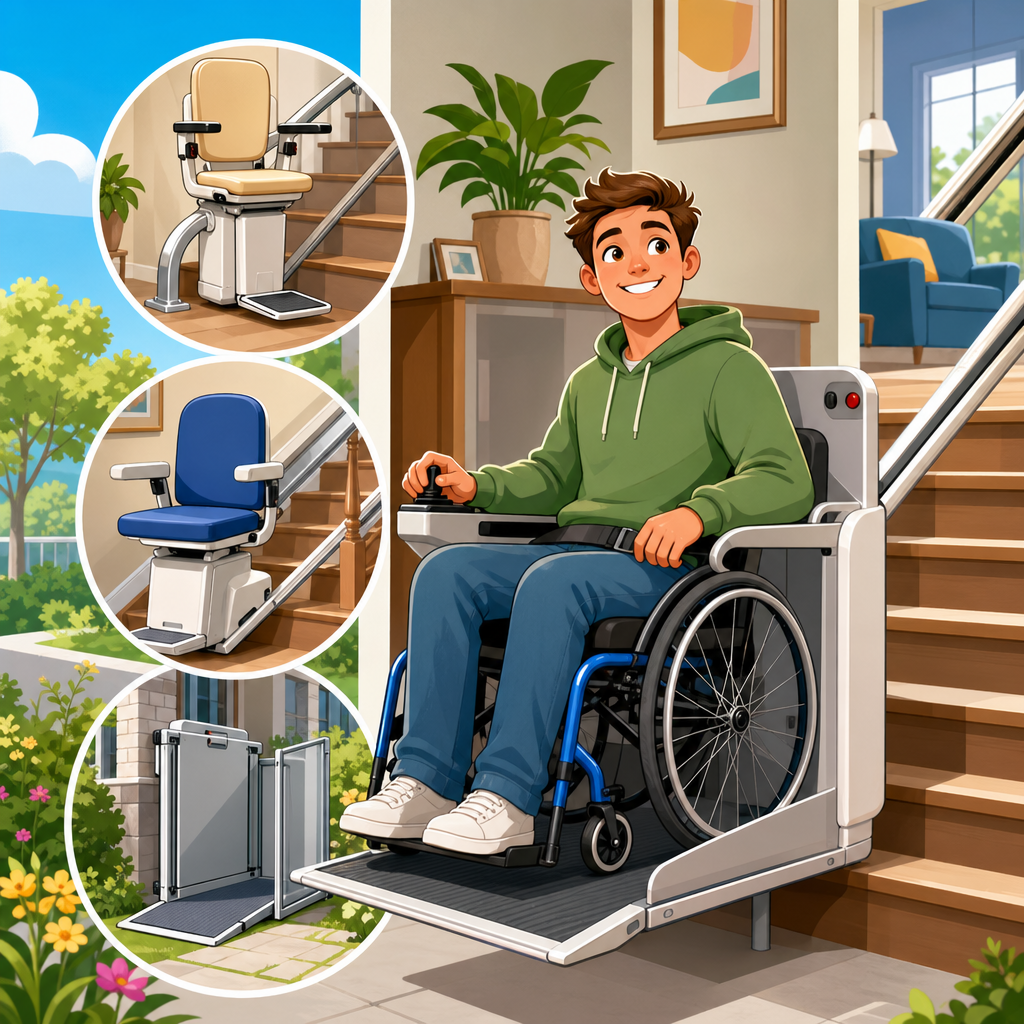
Acorn Stair Lifts has become one of the most recognized names in home mobility, and that visibility makes it a natural starting point for anyone researching top stair lift brands. A stair lift is a motorized chair that travels along a rail fixed to a staircase, allowing people with limited mobility to move safely between floors without climbing steps. In practical buying terms, the category includes straight stair lifts for simple runs, curved stair lifts for turns or landings, and outdoor stair lifts built to handle weather exposure. I have helped families compare, price, and troubleshoot these systems, and Acorn appears often because it combines broad availability, fast installation, and simple controls with aggressive marketing and a standardized product lineup.
This honest review looks at where Acorn excels, where it falls short, and how it fits within the wider market of top stair lift brands. That broader context matters because a stair lift is not a casual purchase. It affects daily safety, caregiver strain, home access, and long-term budgeting. Industry pricing regularly lands in the thousands of dollars, with straight lifts commonly starting around the low-to-mid four figures and curved models often climbing well beyond that. Unlike many consumer products, fit, service coverage, and after-installation support can matter more than a shiny feature list. A well-known brand is helpful only if the unit matches the staircase, user weight, transfer needs, and local service reality.
Buyers also need clear definitions before comparing brands. “Weight capacity” refers to the maximum supported rider load, but practical comfort depends on seat width, armrest spacing, and footrest design. “Powered swivel” means the chair can rotate electronically at the landing to ease getting on and off, while “manual swivel” requires the user to operate a lever. “Battery backup” usually means the lift runs on rechargeable batteries and charges at points on the rail, so it can still operate during a power outage. “Custom rail” usually applies to curved systems made to the exact measurements of the staircase, which explains their longer lead times and higher pricing.
As a hub page for top stair lift brands, this article uses Acorn as the anchor and then places it against the standards serious buyers should use for any manufacturer: product range, safety engineering, installation quality, service network, warranty clarity, and overall value. If you are building a shortlist, Acorn deserves consideration, but it should not be viewed in isolation. The best buying decisions come from comparing leading stair lift brands on the details that affect real ownership, not just the logo on the chair.
What Acorn Stair Lifts Offers and Why the Brand Leads Globally
Acorn’s global position comes from a focused strategy: sell a relatively tight range of stair lifts, standardize the core designs, market heavily, and install quickly through a large distribution and service footprint. In plain terms, the company aims to make buying simpler than many smaller competitors. Its main categories cover straight stair lifts, curved stair lifts, and outdoor stair lifts, which aligns with the three broad needs most households present. For many buyers, especially those needing a solution fast after surgery, a fall, or progressive mobility decline, this streamlined model is appealing because it reduces delays and confusion.
On straight staircases, Acorn’s value proposition is strongest. Straight lifts are easier to manufacture, easier to stock, and quicker to install than curved models, and Acorn has built much of its reputation here. In homes with a single uninterrupted flight, the brand can often move from survey to installation rapidly. The controls are intentionally simple, usually with a joystick-style or rocker operation that many older users find easier than layered digital interfaces. Seat belts, obstruction sensors, fold-up footrests and arms, and call/send remotes are standard expectations in this segment, and Acorn generally checks those boxes cleanly.
Curved stair lifts are where buyers should slow down and ask more detailed questions. Every curved rail is staircase-specific, so manufacturing precision and survey accuracy matter enormously. Acorn does offer curved systems, but this is also the area where every top stair lift brand faces tougher economics, longer production timelines, and a greater chance of dissatisfaction if measurements, transfer space, or seat positioning are not ideal. In my experience, buyers often assume curved and straight lifts differ only in rail shape. They do not. Curved systems have more planning complexity, more installation variables, and higher replacement costs if the original design proves inconvenient.
Acorn’s international reach matters for another reason: brand familiarity can increase confidence for adult children shopping remotely for parents. If a son in another state or another country is helping coordinate a purchase, a globally recognized name feels lower risk than a small local dealer. That confidence is not irrational, but it should be verified against local reality. A major brand can still produce a mediocre ownership experience if the nearest service team is overloaded, if the sales assessment is rushed, or if the chosen model does not suit the user’s transfer ability. Market leadership is meaningful, but it is not the same as universal best fit.
Safety, Engineering, and Day-to-Day Usability
The best stair lift brands win on boring engineering details, not dramatic features, and Acorn is strongest when judged by that standard. A stair lift must start and stop smoothly, remain stable under load, hold charge reliably, and provide predictable seat positioning at landings. Acorn systems generally use battery-powered drive operation with charging points on the rail, which is the preferred architecture across the industry because it preserves use during outages. For households concerned about emergency access, that battery design is not a luxury feature; it is a baseline requirement.
Safety sensors are another essential area. Reputable lifts, including Acorn models, include obstruction detection on the carriage and footrest so the unit stops if it encounters an object on the stairs. This matters in real homes where slippers, pet toys, or dropped laundry can block the track. Swivel seats also matter more than many brochures admit. At the top landing, users are most vulnerable while standing, turning, and stepping away from the chair. A secure swivel position helps reduce twisting and awkward transfers. Buyers with balance problems, Parkinsonian symptoms, or one-sided weakness should pay especially close attention to how easily they can operate and trust that mechanism.
Usability depends on the rider profile. For a relatively independent user with mild knee or hip arthritis, Acorn’s straightforward controls and compact folded profile may be enough. For someone with reduced hand strength, severe trunk instability, or bariatric needs, the assessment has to go deeper. Seat height, arm support, footrest reach, and the force required to fold components can determine whether a lift remains practical after six months. This is where an honest review has to be balanced: Acorn makes competent mainstream products, but no mainstream product fits every body type or medical condition equally well.
Installation quality also affects safety more than brand brochures suggest. The rail is typically fixed to stair treads, not the wall, and proper anchoring, leveling, charging-point alignment, and final testing are fundamental. A good installation team will not just mount the unit and leave. They should verify seat swivel action, charge behavior, remote operation, riding comfort, and safe transfer at both landings. They should also explain emergency lowering procedures and battery expectations. Even the best-known stair lift brands can underperform if training is rushed. For older users, repetition matters; I have seen confidence rise immediately when installers spend ten extra minutes having the rider practice several trips.
Acorn Compared With Other Top Stair Lift Brands
Acorn sits in a competitive field that often includes Bruno, Stannah, Handicare, Harmar, and regional dealer-led options. Each brand has strengths. Bruno is frequently praised for build quality and strong dealer support in many U.S. markets. Stannah has a long engineering heritage and performs especially well in many custom and international installations. Handicare offers a broad portfolio with models that can suit varying staircase layouts. Harmar is widely known in North America for accessibility products beyond stair lifts, which can matter for buyers planning a broader home mobility setup. The right comparison is not “Which brand is best?” but “Which brand is best for this staircase, this rider, and this service area?”
| Brand | Typical Strength | Watch-Out | Best Fit |
|---|---|---|---|
| Acorn | Fast availability, simple controls, broad recognition | Experience can vary by sales and service execution | Buyers wanting a mainstream solution quickly |
| Bruno | Strong reputation for reliability and dealer support | Pricing may run higher in some markets | Owners prioritizing long-term service confidence |
| Stannah | Established engineering, strong custom capabilities | Availability differs by region | Homes needing refined custom solutions |
| Handicare | Broad model range and layout flexibility | Model specifics require close comparison | Buyers with unusual staircase requirements |
| Harmar | North American accessibility ecosystem | Dealer quality can shape outcomes heavily | Households planning wider accessibility upgrades |
Against these competitors, Acorn’s biggest advantage is simplicity. The company has refined a recognizable buying path, and many consumers appreciate that they can understand the offer quickly. That matters when the purchase is triggered by a health event and the family has little time to become mobility experts. Acorn’s biggest challenge is that a standardized sales approach can feel less tailored than a highly consultative local dealer who spends more time on seating position, transfer method, and long-term progression of the user’s condition. For some households, that consultative difference is worth paying for.
If you are comparing top stair lift brands seriously, request the same information from every provider: model name, weight limit, warranty terms, service response expectations, powered versus manual features, exact installation timeline, and total price including any custom rail, call-out, or extended coverage charges. That process quickly exposes meaningful differences. In many cases, Acorn remains on the shortlist because it is competent across the fundamentals. But buyers with complex curved stairs, larger body frames, or advanced neurological conditions should be especially careful to compare beyond the headline brand.
Pricing, Warranty, Service, and Ownership Reality
Price is where many stair lift reviews become unhelpful, because they either avoid numbers entirely or pretend there is a universal price. There is not. Straight stair lifts generally cost far less than curved lifts because they use standardized rails and require less custom fabrication. Outdoor models add weatherproofing considerations. Acorn usually competes in the mainstream market rather than the bargain basement or ultra-premium niche. In practice, final cost depends on staircase shape, optional powered features, installation complexity, and local promotions. Used and rental units may also be available in some markets, though availability is inconsistent and curved systems are less suitable for reuse because rails are custom built.
Warranty details deserve close reading. Buyers should ask what is covered for parts, what is covered for labor, how batteries are treated as consumable components, and whether service visits after the initial period carry minimum charges. The strongest ownership experiences happen when expectations are set upfront. A family that assumes every future repair is included can be shocked by call-out fees, while a family that understands battery replacement cycles and annual maintenance recommendations tends to budget more calmly. Acorn, like other top stair lift brands, should be judged not just by headline warranty length but by clarity and service responsiveness.
Service quality is often the deciding factor after the sale. Stair lifts are durable machines, but they still require maintenance, battery replacement over time, and occasional troubleshooting. A same-week installation loses its shine if a later fault takes too long to resolve. Ask who performs service locally, how quickly urgent calls are typically handled, whether weekend support exists, and whether technicians carry common replacement parts. In my work, the happiest owners are not always those who bought the cheapest or most famous lift. They are the ones who had a realistic pre-sale assessment and access to dependable support afterward.
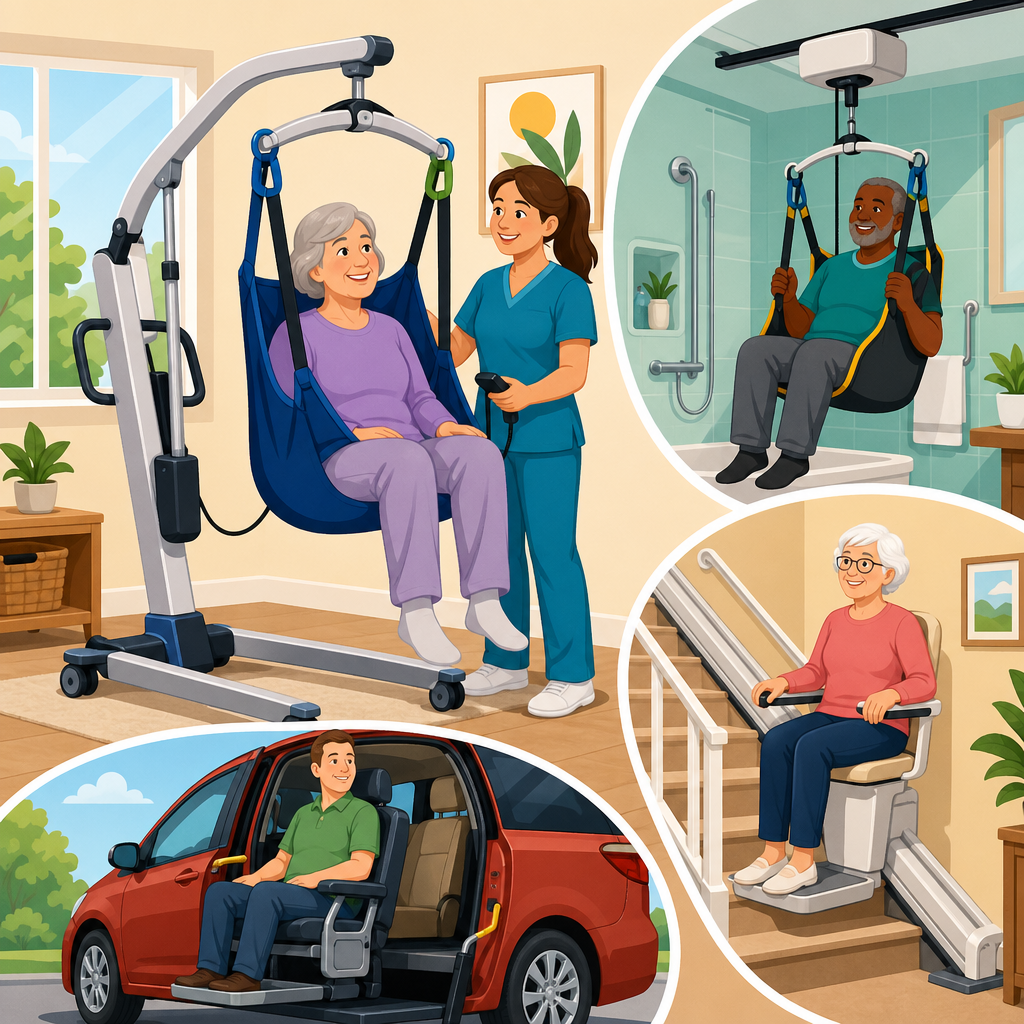
There is also a larger ownership question: should you buy a stair lift at all, or consider alternatives such as a bedroom relocation, home modification, ramp plus first-floor bathing access, or eventually a vertical platform lift or home elevator? For many households, a stair lift is the fastest and most economical way to preserve a two-story home. For others, especially where transfer ability is declining quickly, it may be an interim step rather than a long-term answer. Acorn earns its reputation because it serves a large middle ground effectively. The honest limitation is that no leading stair lift brand can solve a mismatch between the device and the user’s changing clinical needs.
How to Choose the Right Brand and Whether Acorn Is Right for You
Acorn Stair Lifts is a legitimate market leader, and that status is earned through broad availability, simple product design, and a buying experience that often moves faster than many competitors. For straight staircases and mainstream mobility needs, it is a sensible option that deserves serious consideration. Its lifts generally cover the essential safety features buyers need, and the brand’s scale gives many families confidence during a stressful purchase. Those are real advantages, not marketing fiction.
The honest review, however, is that Acorn is best viewed as a strong mainstream contender rather than an automatic winner in every scenario. Buyers with complex curved stairs, unusual body support requirements, or rapidly changing conditions should compare several top stair lift brands and insist on a detailed in-home assessment. Ask every provider the same questions. Test the seat, swivel, controls, and transfer position if possible. Read warranty language carefully. Check who will service the unit after installation. Those steps matter more than advertisements.
As the hub for top stair lift brands under buying guides and product reviews, this page should help you narrow the field intelligently. Start with staircase type, user needs, and service coverage in your area. Then compare Acorn with brands such as Bruno, Stannah, Handicare, and Harmar on total cost, fit, and support. A stair lift should make daily life safer and easier, not simply look good on a quote sheet. If you are building your shortlist now, use this review as your baseline and move next to brand-specific comparisons, local dealer evaluations, and a written estimate from at least three providers before you commit.
Frequently Asked Questions
Is Acorn Stair Lifts a good brand to start with when comparing stair lift companies?
Yes. Acorn is one of the most recognizable stair lift brands in the market, and that matters for a few practical reasons. First, a widely known company usually has broader installation coverage, more standardized equipment, and a larger service footprint than a smaller regional provider. That makes Acorn a logical starting point for shoppers who want to understand what a modern stair lift should include in terms of safety features, basic customization, and support. In many cases, homeowners begin with Acorn simply because the brand is easy to find, easy to research, and commonly recommended during early mobility planning.
That said, recognition alone does not automatically make it the best choice for every home. The more useful takeaway is that Acorn sets a benchmark. When reviewing the brand honestly, buyers should look beyond the name and compare the actual fit for their staircase, comfort preferences, warranty details, service responsiveness, and total cost. A strong brand can be an excellent baseline, but the right stair lift is the one that matches the user’s mobility needs, the home’s layout, and the expected level of long-term support.
What types of stair lifts does Acorn typically offer, and how do they differ?
Acorn is commonly associated with the three major stair lift categories most homeowners need to understand: straight stair lifts, curved stair lifts, and outdoor stair lifts. A straight stair lift is designed for a staircase that runs in a single line without turns, intermediate landings, or directional changes. This is usually the simplest and most affordable type because the rail can be manufactured in a standard format. For homes with a basic staircase, a straight model is often the fastest path to improved access between floors.
A curved stair lift is built for staircases that include bends, corners, split levels, or one or more landings. Unlike a straight model, the rail must be customized to match the exact dimensions and shape of the staircase. That customization typically increases both the complexity and the price, but it also allows users to maintain access in homes where a straight lift would not work. Outdoor stair lifts are built with weather resistance in mind and are used for exterior steps such as porch entries, garage approaches, or garden access points. These models generally include protective covers and materials selected to handle moisture, temperature changes, and exposure to the elements. Understanding these categories is essential because the style of staircase, not just the brand, determines what options are actually available.
How safe are Acorn Stair Lifts for seniors and people with limited mobility?
In general, stair lifts from major established brands such as Acorn are designed with safety as a core priority, and that is one reason they remain a common solution for aging in place. A properly installed stair lift should include basic safety elements such as a secure seat, armrests, footrest, seat belt, smooth starts and stops, and sensors that detect obstacles on the stairs or rail. These features help reduce the chances of slips, sudden jolts, or collisions during travel. For many users, the real safety benefit is not just the chair itself, but the fact that it removes the need to climb stairs manually when balance, strength, or joint stability have become unreliable.
Still, safety depends on more than product design. The staircase must be correctly measured, the rail must be installed properly, and the user should be comfortable operating the lift before relying on it daily. Buyers should ask about in-home assessment procedures, weight capacity, seat size, swivel-seat operation at the top landing, battery backup, and what happens during a power outage. It is also smart to discuss any specific medical concerns, especially if the rider has severe balance issues, cognitive decline, or difficulty transferring from standing to seated positions. A stair lift can be a major safety upgrade, but only when the model is well matched to the user and the home environment.
Are Acorn Stair Lifts expensive compared with other stair lift brands?
Acorn is often positioned in the mainstream to premium part of the stair lift market, but pricing depends heavily on the type of staircase and the installation requirements. Straight stair lifts are typically the most budget-friendly because they use simpler rails and involve less customization. Curved stair lifts cost more because the rail must be tailored to the exact turns and landings in the home, and outdoor models may also carry added cost due to weather-resistant construction. Because of these variables, the fairest way to judge Acorn’s pricing is to compare quotes for the same staircase type, warranty scope, and service expectations rather than looking at the brand name in isolation.
It is also important to think about value, not just sticker price. A lower quote may not include the same service timeline, support availability, or warranty coverage. Likewise, a higher quote may be easier to justify if the installation is faster, the equipment is more comfortable, or local support is more dependable. When reviewing Acorn honestly, buyers should request a full written estimate and ask what is included: rail, seat configuration, installation, maintenance terms, call-out charges, and any future removal or relocation fees. That kind of line-by-line comparison reveals whether a quote is genuinely competitive or simply looks attractive at first glance.
What should buyers ask before choosing Acorn over another stair lift company?
Before choosing any stair lift provider, including Acorn, buyers should ask questions that move beyond marketing claims and focus on real ownership experience. Start with the basics: Is the proposed lift straight, curved, or outdoor? Is the rail custom-made for the home? How long will manufacturing and installation take? What warranty is included on parts, drivetrain components, and labor? Is service handled directly by the company or through third-party contractors? These questions help clarify what level of consistency and accountability the buyer can expect after the sale, not just during the quoting stage.
It is equally important to ask about everyday usability. How comfortable is the seat for longer-term use? Does the seat swivel easily at the top landing for safer exits? Can the arms, footrest, or seat fold to save space on a narrow staircase? How does the lift operate during a power outage, and how often does the battery typically need attention? Buyers should also ask whether there are rental, reconditioned, or financing options if budget is a concern. An honest review of Acorn should end at the same place any good mobility purchase should: with a clear picture of fit, comfort, service, and total long-term cost. If Acorn performs well in those areas for the specific home and user, it can be an excellent choice. If not, the best decision may be a competitor that offers a better match.