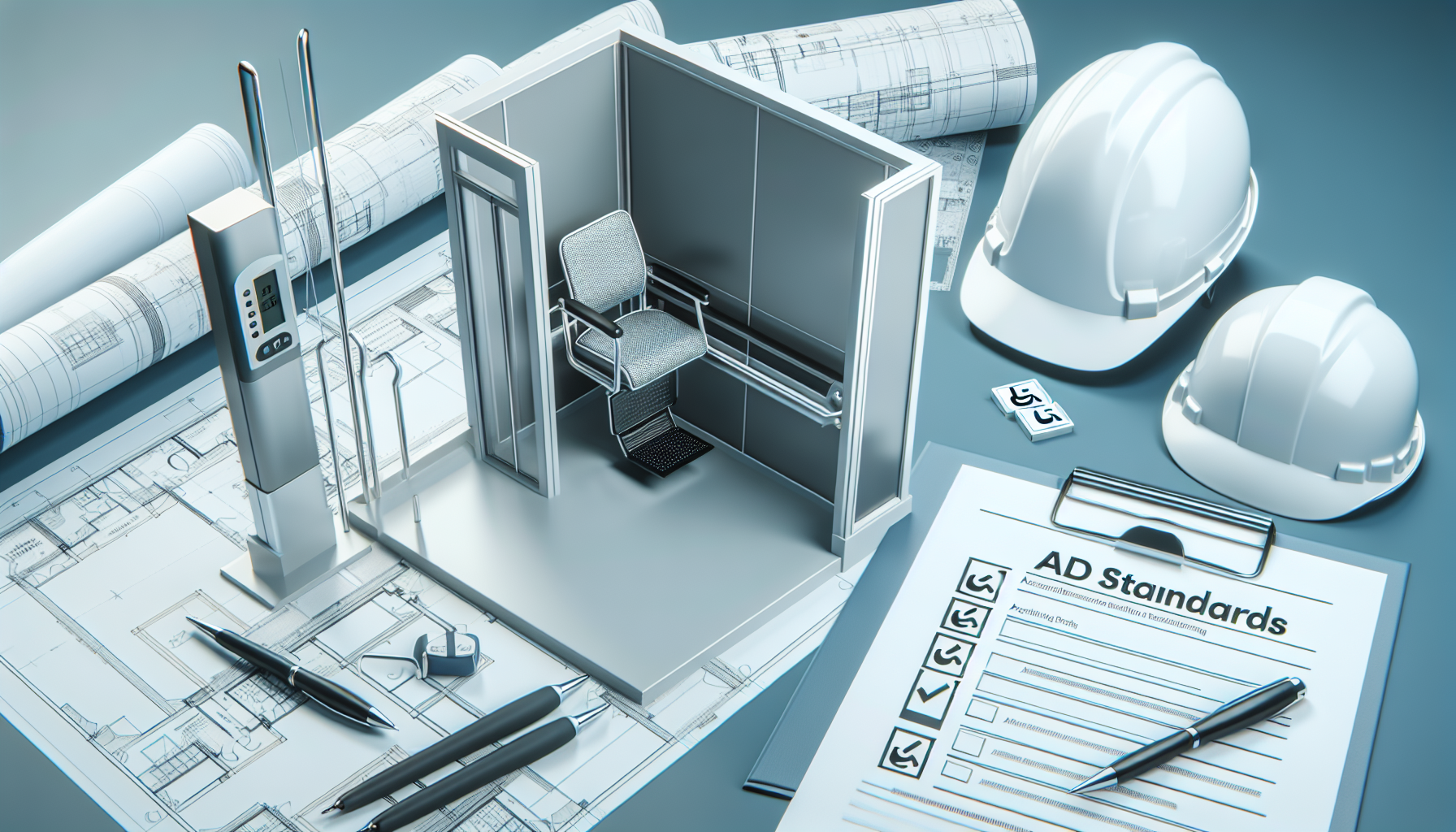
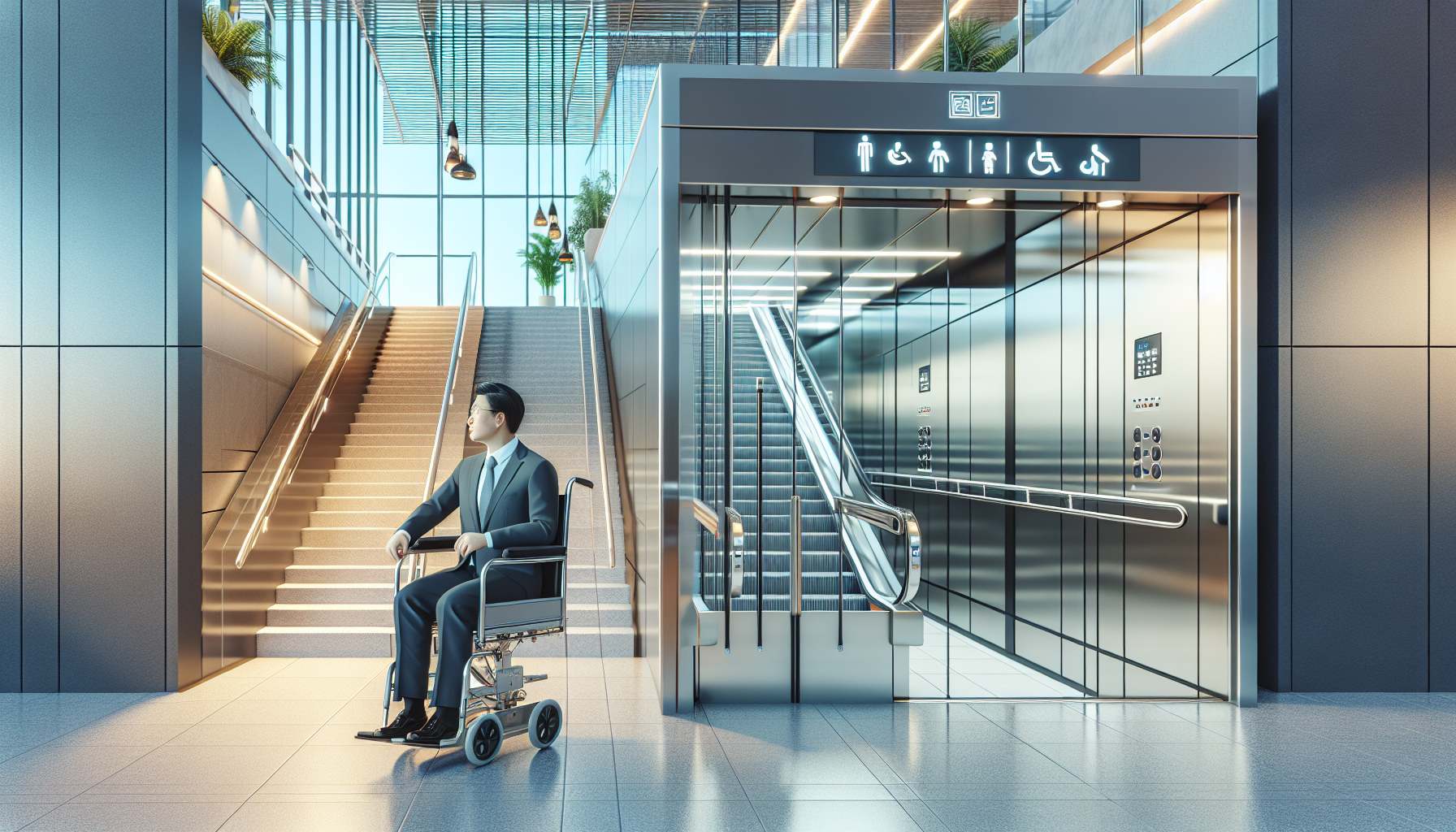
ADA guidelines for public chair lifts in offices and stores shape how businesses provide safe, usable vertical access when stairs would otherwise block customers, employees, or visitors with mobility limitations. A public chair lift is a motorized seat that travels along a stairway or vertical path to carry a seated rider, while ADA compliance refers to meeting the accessibility requirements enforced under the Americans with Disabilities Act and related design standards. In practice, business owners often ask whether a stair lift automatically satisfies accessibility law, where it can be installed, and what operating rules apply when the equipment is open to the public. Those are important questions because a poor decision can create legal exposure, fail an inspection, frustrate users, and still leave a building inaccessible.
I have worked with facility managers, retail operators, and office tenants who assumed that buying any mobility device was enough. It is not. The ADA focuses on accessible routes, equivalent access, safety, operability, and reliability, not just the presence of equipment. For many offices and stores, elevators, platform lifts, ramps, and redesigned layouts are the primary compliant solutions. Chair lifts can play a role in limited situations, but they must be evaluated against ADA Standards for Accessible Design, state elevator and conveyance codes, fire and life safety rules, and manufacturer specifications. Public-use equipment also raises questions about staff assistance, emergency procedures, maintenance logs, call stations, weight capacity, transfer space, and whether a person can use the system independently. A chair lift that works well in a private home may be entirely unsuitable in a commercial setting.
This hub article explains the core ADA compliance and guideline issues for public chair lifts in offices and stores, defines when these systems may or may not be appropriate, and shows how to assess installation, operation, and long-term risk. It also serves as a foundation for deeper articles on platform lifts, stairway design, maintenance obligations, signage, inspections, and accessible route planning. If you manage a retail storefront, office suite, clinic, coworking space, or mixed-use property, understanding these rules helps you make better purchasing decisions before permits, build-outs, or accessibility complaints force a costly redesign.
What the ADA Actually Requires for Accessible Vertical Access
The ADA does not simply ask whether a building has some way to move a person upstairs. It requires an accessible route connecting accessible spaces, with technical standards governing doors, clear floor space, controls, landings, slopes, reach ranges, and circulation. In most public accommodations and commercial facilities, stairs alone do not provide access. Where level changes occur, the default compliant solutions are usually ramps or elevators, depending on the rise, occupancy, and layout. Limited-use equipment such as platform lifts is allowed in specific circumstances identified in the ADA Standards, including certain existing buildings, wheelchair spaces in assembly areas, incidental spaces not open to the public, and some small raised areas.
That distinction matters because a chair lift is not the same as a wheelchair platform lift. A stair chair lift requires a person to transfer from a mobility device to a seat, maintain seated posture during travel, and often rely on folded arms, footrests, or attendant support. For many users, including some wheelchair users, people with balance limitations, or individuals who cannot safely transfer independently, that is not equivalent access. When I review sites with steep stair runs or narrow historic interiors, this is the first issue I raise: if the only way to reach the second floor is by chair lift, many disabled users may still be excluded.
Businesses should start with a route analysis. Identify every public function, employee work area, restroom, fitting room, checkout, meeting room, and service counter by floor. Then determine whether an accessible path exists from parking or the public sidewalk to each required space. If no accessible route exists, the question is not “Can we fit a chair lift?” but “What is the legally acceptable method of providing access here?” That shift prevents expensive mistakes and aligns planning with ADA enforcement priorities.
When Public Chair Lifts May Be Considered in Offices and Stores
In commercial projects, chair lifts are usually considered when the building is existing rather than new construction, when space is extremely constrained, or when structural conditions make a conventional elevator impractical. Small offices in older buildings, boutique retailers with split-level entries, historic storefronts, and mezzanine access are common examples. Even then, the analysis cannot stop at physical feasibility. You must determine whether the lift type is recognized by the authority having jurisdiction, whether it supports the intended user population, and whether it preserves safe egress width on the stair.
From experience, the projects most likely to succeed are those where the chair lift supplements, rather than replaces, broader accessibility planning. For example, a two-level office leasing space may place all public-facing services, reception, and essential meetings on the accessible entry floor while using a lift only for occasional access to a secondary training room. A store may relocate checkout and customer service downstairs and use an alternate accessible route to inventory consultation areas. In these cases, the lift is part of an integrated strategy, not a shortcut around basic access obligations.
Businesses should also distinguish between customer use and employee accommodation. The ADA has different implications under public accommodation provisions and employment provisions. An employee may request a workplace accommodation, and an individualized process may support a device or reassignment of functions. Public access, however, must be evaluated more broadly because a business cannot predict the physical abilities of future visitors. If a solution works only for users who can transfer without assistance, it likely leaves out too many people to serve as the primary public route.
Key Compliance Questions Before Installation
Before selecting any public chair lift, ask five direct questions. First, is a chair lift permitted by the ADA and local code for this specific condition, or is a ramp, elevator, or platform lift required? Second, can a user operate the device independently, or does it depend on staff availability? Third, does the folded and unfolded equipment maintain minimum required stair width, landing clearance, handrail access, and emergency egress? Fourth, are controls, call/send stations, seat design, and transfer areas usable by people with varied mobility limitations? Fifth, is there a documented maintenance and rescue plan?
These questions surface issues that brochures rarely emphasize. Local codes often incorporate ASME A18.1, the Safety Standard for Platform Lifts and Stairway Chairlifts, along with state conveyance regulations, electrical requirements, and inspection rules. In several jurisdictions I have worked in, the permit review focused less on the seat and rail themselves and more on stair geometry, obstruction during evacuation, lower and upper landing conditions, and whether the installation created a bottleneck in an occupied business. A technically impressive lift can still be rejected if it compromises life safety.
| Compliance area | What to verify | Why it matters in offices and stores |
|---|---|---|
| Accessible route | Whether the lift is an allowed method for the space and use | Prevents relying on equipment that does not satisfy access obligations |
| Transfer and usability | Seat height, armrests, footrest, landing space, control reach | Determines whether real users can board and ride safely |
| Egress and stairs | Clear width when folded, handrail continuity, landing obstruction | Avoids fire code conflicts and evacuation hazards |
| Operations | Key controls, attendant need, battery backup, emergency stop | Reduces downtime and dependence on unavailable staff |
| Inspection and service | Permit, testing, maintenance contract, service response time | Public-use devices must remain reliable, not merely installed |
Technical and Safety Standards That Commonly Apply
The ADA sets civil rights requirements, but technical compliance for a public chair lift usually extends further. State and local jurisdictions commonly apply building code provisions, fire code rules, accessibility requirements, and ASME A18.1. Inspectors may also look for National Electrical Code compliance, manufacturer listing information, and clear labeling. In leased office and retail spaces, landlords may impose additional standards through tenant improvement criteria, certificate of occupancy conditions, or insurance requirements. The practical result is that no commercial chair lift decision should be made from ADA language alone.
ASME A18.1 is especially important because it addresses design, construction, operation, inspection, testing, maintenance, and alteration of stairway chairlifts and platform lifts. While exact adoption varies by jurisdiction, it often governs rated load, seat dimensions, safety devices, speed, braking, obstruction sensors, and controls. If you are comparing vendors, ask which edition of the standard the equipment is built to and whether the installer routinely handles public or commercial applications. Residential-only dealers sometimes underestimate permitting complexity, especially in occupied stores where work must coordinate with customers, alarms, and business hours.
Fire and life safety considerations are equally significant. Stairways are part of the means of egress, so any equipment mounted in them can trigger scrutiny. The folded chair, rail, and footrest cannot reduce required width beyond code allowances. Landings must remain usable, and door swing conflicts must be resolved. In one retail review I handled, the proposed lower landing parked position extended into the maneuvering clearance at an exit door. The lift itself was acceptable in concept, but the installation location was not. Moving the bottom stop several inches and changing the overrun configuration solved the problem without changing the product line.
Operational Rules, Staff Training, and User Experience
Public chair lift compliance is not only about hardware. It also depends on how the business operates the device. If staff must unlock the unit, unfold the seat, call the lift, and supervise every trip, access becomes slower and less independent. That may still be workable in certain managed environments, but it is weaker than a solution a visitor can use without waiting for an employee. In offices with reception desks and secure floors, controlled operation may be acceptable if response is prompt and consistent. In stores, where customer movement is less predictable, staff-dependent use often creates friction and embarrassment.
Training should cover normal operation, boarding assistance boundaries, emergency stop use, battery backup procedures, communication with riders, and what to do if the lift stalls. Staff should never improvise transfers or physically lift users. Instead, they should know the manufacturer’s operating instructions, the service contact process, and the business’s accessibility protocol. I recommend a short written checklist at the control point and quarterly refresher training, especially in retail environments with higher turnover. The best equipment fails in practice when the only trained employee is off shift.
User experience also matters legally and commercially. Clear signage should direct people to the lift without implying that assistance is a burden. Controls should be labeled plainly, lighting should be adequate at both landings, and response times should be measured. If a customer must wait ten minutes for a manager with a key, the business may technically have a device but still deliver poor access. Reliability data from the maintenance provider is useful here. Ask about mean repair times, parts availability, and remote diagnostics, not just purchase price.
Maintenance, Inspection, and Risk Management
A public chair lift is a building system, not a one-time purchase. Ongoing compliance depends on preventive maintenance, periodic inspection, documented testing, and prompt repair. Most manufacturers specify regular service intervals tied to cycle counts, lubrication points, battery condition, rail cleanliness, and safety sensor testing. In public settings, usage patterns are less predictable than in homes, so wear can appear in switches, seat swivels, folding mechanisms, and call stations earlier than expected. Building owners should keep service records, inspection certificates, manuals, and incident logs in an accessible file.
Risk management starts with vendor selection. Choose contractors experienced in commercial permits, code coordination, and post-installation support. Review warranty terms carefully, including exclusions for misuse, power issues, or cosmetic damage in public areas. Confirm whether loaner equipment, emergency callouts, or weekend service is available. For stores open seven days a week, a five-day repair window is not realistic. I have seen businesses reduce risk by pairing service contracts with internal weekly checks that verify battery charge, seat condition, obstruction sensors, and travel performance. Those simple checks catch small problems before they become outages.
Businesses should also plan for periods when the lift is unavailable. If the second floor contains public services available nowhere else, downtime becomes an immediate access problem. The better approach is to create temporary service alternatives, such as bringing consultations downstairs, using accessible meeting rooms on the entry level, or offering equivalent checkout support. That contingency planning is especially important for hub compliance pages like this one because accessibility is judged by actual use, not by the intention to repair something later.
Best Practices for Choosing the Right Solution
The best solution for vertical access in offices and stores is usually the one that serves the widest range of users with the least operational friction. That often means an elevator, limited-use limited-application lift, or platform lift rather than a chair lift. Chair lifts make the most sense where building constraints are severe, user demand is limited, local rules allow them, and equivalent services can be provided on an accessible floor if needed. They should be selected only after a documented alternatives analysis that reviews code, user needs, stair conditions, cost, maintenance, and business operations.
When evaluating options, involve the architect, accessibility consultant, lift vendor, contractor, property manager, and code officials early. Ask for shop drawings that show folded dimensions, landing clearances, parking positions, power requirements, and rescue procedures. Request a live product demonstration if possible. Sitting in the seat, using the controls, and observing boarding from a mobility aid reveal problems that specifications may hide. I consider that step essential because public installations succeed or fail at the human level: can a real person approach, transfer, ride, and exit without confusion or unsafe assistance?
For businesses building an accessibility strategy under the broader Accessibility & Mobility Solutions topic, this hub should guide every later decision. Start with accessible route requirements, verify whether a public chair lift is truly appropriate, coordinate all applicable codes, and treat operations and maintenance as part of compliance. Done correctly, vertical access planning protects customers, supports employees, reduces complaint risk, and preserves the reputation of the business. Review your building now, map every public floor transition, and bring qualified code and lift professionals into the process before you approve any installation.
Frequently Asked Questions
Are chair lifts considered ADA compliant for public offices and retail stores?
Chair lifts can play a role in improving access, but whether they are considered ADA compliant in a public office or store depends on the specific situation, the building layout, and whether the lift is being used in a way permitted by ADA accessibility standards. In general, the ADA strongly prefers an accessible route such as an elevator, ramp, or platform lift when those options are required and feasible. A chair lift is not automatically treated as a universal substitute for a fully accessible route because it serves only people who can transfer onto the seat and ride in a seated position. That means a chair lift may help some individuals with mobility limitations, but it does not provide equal usability for everyone, including many wheelchair users.
For businesses, this is where careful evaluation matters. Existing buildings, especially older offices and storefronts, may have structural constraints that make a ramp or elevator difficult to install. In some cases, business owners explore chair lifts as part of a broader accessibility strategy, but they should not assume that installing one alone satisfies all legal obligations. ADA compliance is tied to the type of facility, whether it is new construction or an alteration, what level of access is readily achievable in an existing space, and whether the chosen solution actually provides appropriate access for members of the public and employees.
The safest approach is to review the applicable ADA standards, local building codes, fire and life-safety rules, and any state accessibility requirements before selecting equipment. Businesses should also work with a qualified accessibility consultant, architect, or lift provider familiar with public-use installations. In short, a chair lift may be part of an accessibility solution, but it is not a blanket ADA answer for every office or store.
What is the difference between a public chair lift, a platform lift, and an elevator under ADA access rules?
The difference comes down to who can use the equipment, how access is provided, and where each option fits within accessibility rules. A public chair lift carries a person seated on a motorized chair that moves along a stairway or other travel path. It is typically intended for riders who can transfer onto the seat independently or with assistance. Because of that, it does not serve all people with disabilities equally, especially individuals who use wheelchairs, scooters, or other mobility devices and cannot safely transfer.
A platform lift, by contrast, is designed to carry the user while they remain on a wheelchair, scooter, or other mobility device, or while standing if appropriate. ADA standards recognize platform lifts in certain limited circumstances, such as at stages, in existing buildings where conditions make other solutions impracticable, or in select occupancy and site applications allowed by the standards. Platform lifts generally provide broader accessibility than chair lifts because they accommodate more users without requiring a transfer.
An elevator offers the most universally accessible form of vertical transportation and is the preferred option in many public settings, especially where multiple floors must be accessible to customers, tenants, employees, or visitors. Elevators typically serve a wider range of users, support higher traffic, and align more directly with the concept of equal access in commercial and public environments.
From a business perspective, the distinction is important because choosing the wrong device can create a false sense of compliance. A chair lift may appear less expensive and easier to install, but if the building is required to provide an accessible route for wheelchair users, a chair lift alone may not satisfy that obligation. That is why equipment selection should always be tied to the legal requirements of the site rather than convenience alone.
When can a business use a chair lift in an existing building with stairs?
In an existing building, the ADA focuses heavily on barrier removal when doing so is readily achievable, meaning easily accomplishable without much difficulty or expense in light of the business’s resources and circumstances. That standard is different from the rules for new construction, which are typically stricter. For older offices and stores with stairs at an entrance or between levels, a business may look at several options to improve access, including ramps, platform lifts, elevators, relocation of services, or policy changes that provide equivalent access where feasible. A chair lift may come up as a possible measure, but whether it is appropriate depends on the barriers present and the users who need access.
If a business serves the public, it must think beyond whether someone can technically be carried up the stairs. It must consider whether customers and visitors with different mobility needs can access goods, services, and facilities in a usable, dignified way. For example, if an upper sales floor, restroom, or office is only reachable by stairs, and the only device installed is a chair lift that requires transfer from a wheelchair, some users may still be excluded. That can create both practical and legal problems.
There are situations in older buildings where structural limitations, historic preservation concerns, or severe space constraints affect what can realistically be installed. In those cases, businesses often need a documented assessment of alternatives. They may also need to show what measures were considered and why a certain approach was selected. The key point is that the use of a chair lift in an existing building should be based on a careful accessibility review, not just on cost savings or installation speed. Public-facing businesses should also verify that the device is approved for commercial use, meets code requirements, and can be operated safely and consistently by the public or with staff assistance where permitted.
What safety and operational features should public chair lifts in offices and stores have?
Public chair lifts should be chosen and installed with a strong focus on safety, reliability, and ease of use. In commercial settings, the lift is likely to be used by customers, employees, and visitors with varying levels of mobility, confidence, and familiarity with the equipment. That means the lift should include intuitive controls, secure seat belts or restraint systems where applicable, obstruction sensors, smooth start-and-stop operation, emergency stop functions, and battery backup or another method to address power interruptions. Foldable components such as the seat, arms, and footrest should work predictably and without creating unnecessary hazards on the stairway.
Businesses also need to think about how the chair lift interacts with the surrounding environment. The stairway still must function safely for other occupants, and the lift should not create pinch points, blocked egress, or conflicts with fire code requirements. Call stations, landing clearances, transfer space, signage, and user instructions all matter. If staff assistance is part of the operating plan, employees should be trained on safe operation, emergency procedures, respectful customer interaction, and what to do if the lift malfunctions while in use.
Maintenance is another major factor. A public chair lift should be inspected and serviced on a regular schedule consistent with the manufacturer’s recommendations and local code requirements. Businesses should keep maintenance records, address repairs promptly, and perform routine checks to ensure the lift remains operational. A lift that is frequently out of service can undermine accessibility even if it was properly installed in the first place. For that reason, choosing commercial-grade equipment from a reputable provider is usually essential. Public-use accessibility equipment is not something businesses should treat as an afterthought.
Do offices and stores need more than a chair lift to meet ADA accessibility obligations?
In many cases, yes. ADA accessibility is broader than simply installing a device that helps someone move up a flight of stairs. Public offices and retail stores must consider the full user experience, including entrance access, interior routes, door widths, maneuvering clearances, counters, restrooms, signage, parking, and access to goods and services. Even if a chair lift improves vertical movement for some people, the property may still fall short if other barriers remain in place or if the lift does not serve individuals who use wheelchairs or other mobility devices.
For example, a store may install a chair lift to reach a mezzanine sales area, but if the checkout counter is too high, the restroom is inaccessible, and merchandise aisles are too narrow, accessibility problems still exist. Likewise, an office building might provide a chair lift between levels, yet still fail to offer accessible meeting rooms, employee work areas, or route clearances. ADA compliance is not determined by one product alone. It is the result of an overall design and operations approach that allows people with disabilities to participate in the business on an equal basis.
That is why business owners should treat chair lifts as one possible component of accessibility planning, not the sole solution by default. A complete evaluation should address both public accommodations and employee access where applicable, along with federal standards, state rules, and local permitting requirements. When businesses take that broader view, they are more likely to choose the right equipment, reduce legal exposure, and create a space that is genuinely more usable for everyone who visits or works there.