Aging in place in rural vs. urban homes requires different strategies, but the goal is the same: helping older adults live safely, independently, and comfortably in the homes and communities they know. Aging in place means remaining in a private residence rather than moving to assisted living or a nursing facility, while adapting the home, care plan, and support network as health, mobility, and cognitive needs change. In practice, I have seen successful aging in place plans combine home modifications, transportation options, caregiving support, fall prevention, and a realistic budget review long before a crisis forces rushed decisions.
This topic matters because the demographics are clear. The U.S. population age sixty-five and older continues to grow, chronic conditions become more common with age, and most adults say they want to stay in their homes as long as possible. Yet a suburban split-level, a remote farmhouse, and a fifth-floor city apartment present very different risks. A rural home may offer space, lower housing costs, and strong neighbor ties, but distance from hospitals, broadband gaps, and winter access can turn a minor health issue into an emergency. An urban home may sit close to specialists, pharmacies, and transit, yet stairs, high rents, elevator outages, noise, and safety concerns can undermine independence.
A strong aging in place strategy starts with assessment. Families should evaluate activities of daily living, instrumental activities such as meal prep and medication management, fall hazards, sensory changes, bathroom safety, access to primary care, and how quickly help can arrive. They also need to weigh social connection, caregiver availability, and whether the current location can still work after a stroke, hip fracture, vision loss, or mild cognitive decline. When these factors are compared honestly, the right solution is rarely a single product. It is a coordinated plan tailored to where a person lives and how that environment affects everyday function.
How rural and urban settings change the aging in place equation
The biggest difference between rural and urban aging in place is not simply geography; it is service density. Urban areas usually provide shorter travel times to clinics, rehabilitation centers, grocery stores, adult day programs, and public transit. That density can reduce dependency on family drivers and makes it easier to coordinate home health visits. However, city housing often brings structural barriers such as narrow bathrooms, entry steps, heavy doors, limited parking for caregivers, and older multifamily buildings that do not meet current accessibility expectations. I have worked with families who assumed a city apartment was automatically easier for aging, only to discover that one broken elevator effectively trapped a resident indoors.
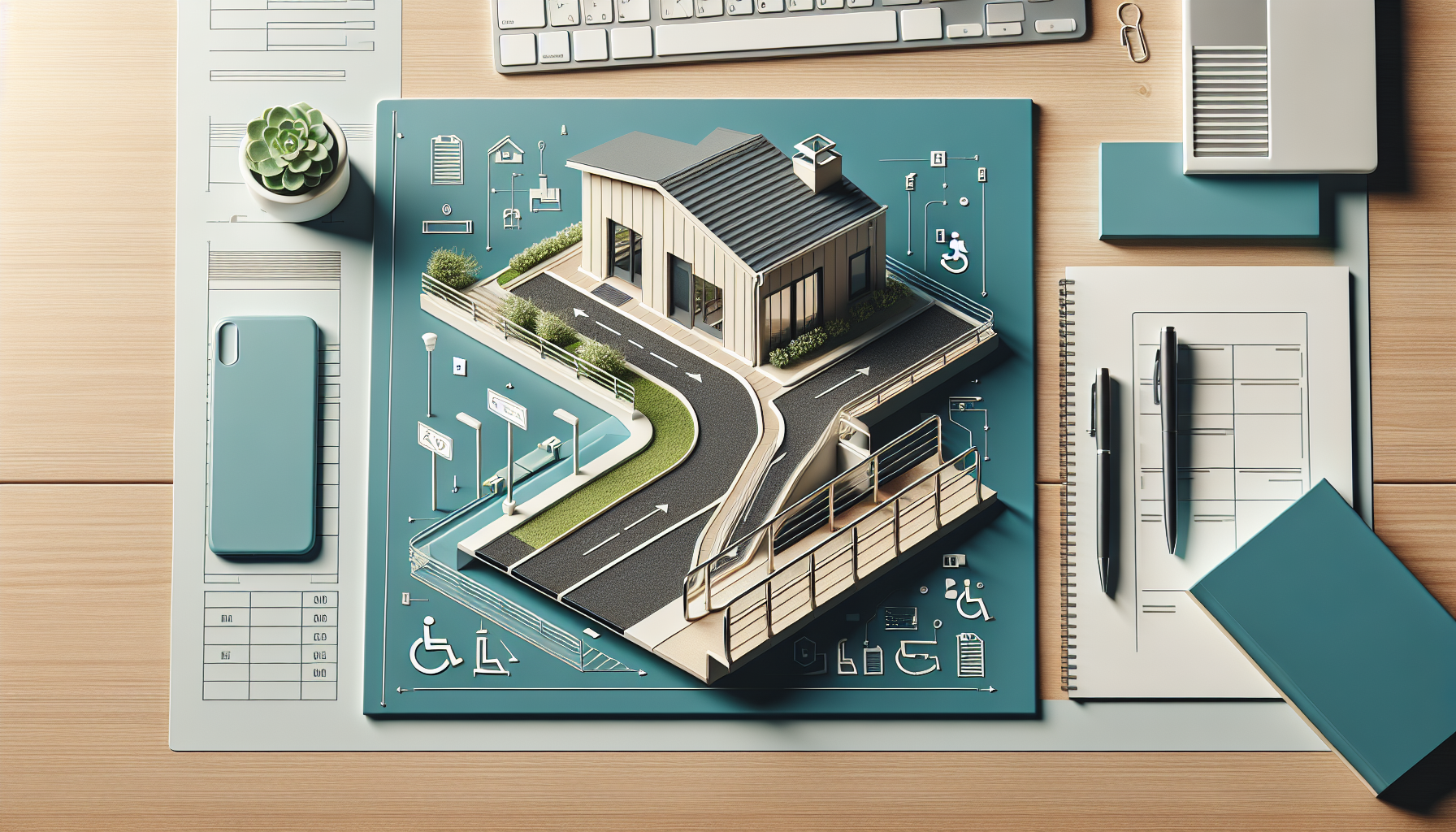
Rural homes often provide single-level layouts, wider lots, and room to add ramps, backup generators, accessory dwellings, or live-in caregiver space. Those are real advantages. The tradeoff is access. Emergency medical services may have longer response times. Specialists may be an hour away. Home modification contractors, occupational therapists, and durable medical equipment suppliers may be scarce. Broadband reliability affects telehealth, remote monitoring, and even simple medication refill systems. Weather magnifies every weakness. Ice on a long driveway, flood-prone roads, or wildfire evacuation routes can turn a manageable home into an unsafe one for an older adult with reduced balance or oxygen equipment.
Because of these differences, aging in place plans should be location-specific. Urban households usually focus first on interior circulation, elevator reliability, transit access, and caregiver scheduling. Rural households usually prioritize emergency readiness, transportation redundancy, home maintenance capacity, and utility resilience. In both settings, the core principle is the same: reduce effort, reduce risk, and preserve routine. The most effective plans treat the home and the surrounding community as one connected system rather than separate problems.
Home modification priorities that improve safety and daily function
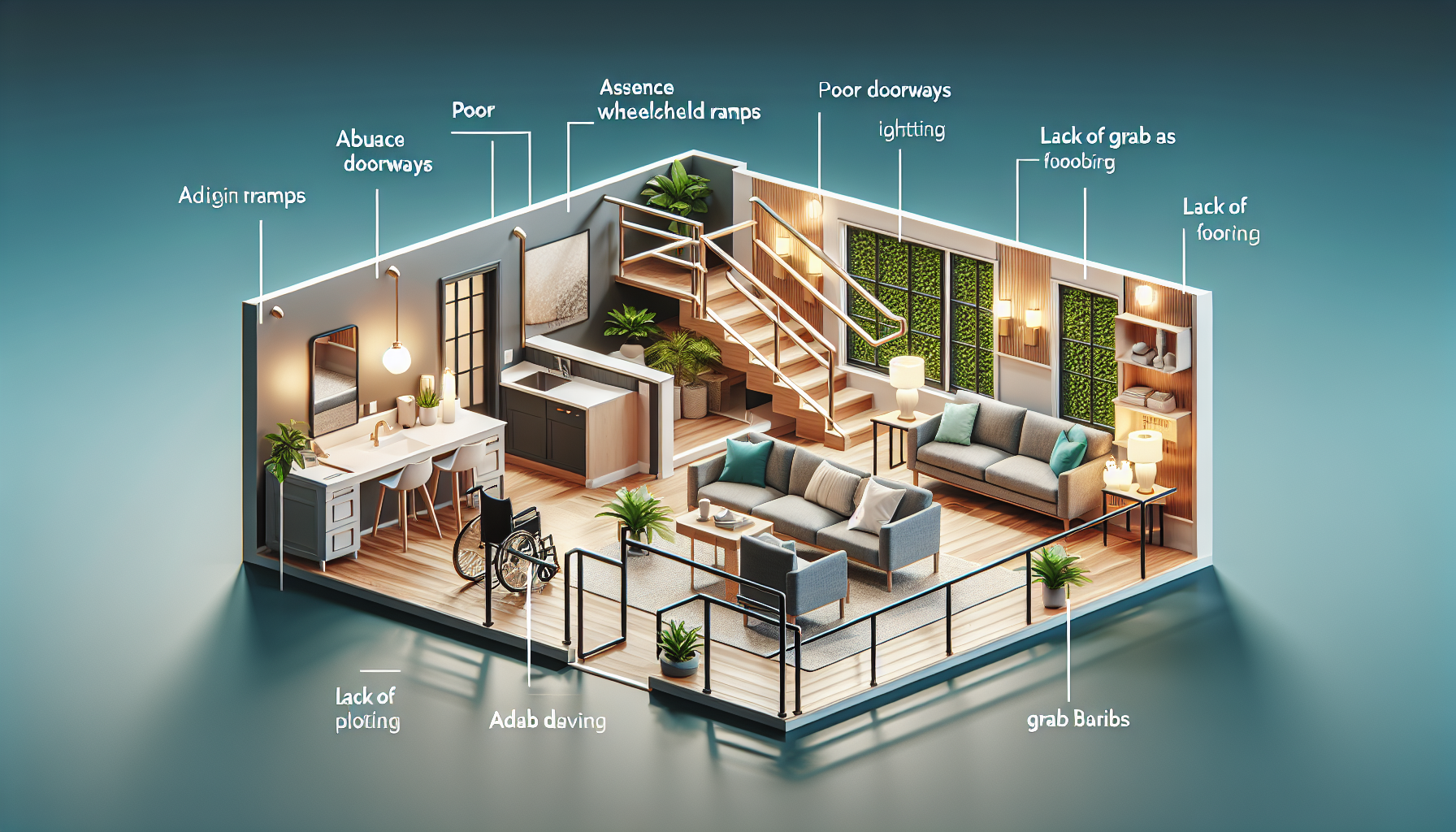
Home modifications are the backbone of aging in place strategies because they directly reduce falls, fatigue, and dependence on others. The highest-value changes are usually simple: better lighting, lever door handles, zero-threshold entries, secure handrails on both sides of stairs, non-slip flooring, and bathroom upgrades such as grab bars, shower seating, and handheld showerheads. The Centers for Disease Control and Prevention has long identified falls as a leading cause of injury among older adults, so every room should be viewed through a fall-prevention lens. In real homes, that means removing loose rugs, improving contrast on stair edges, and keeping daily-use items between knee and shoulder height.
Bathrooms deserve special attention because they combine water, hard surfaces, and awkward movements. A curbless shower is often safer than a tub for someone with arthritis, poor balance, or limited hip mobility. Comfort-height toilets, wall reinforcement for future grab bars, and anti-scald valves are practical upgrades that support long-term use. Kitchens also matter more than families expect. Pull-out shelves, side-opening ovens, induction cooktops, and task lighting reduce bending, reaching, and burn risk. In urban apartments, compact layouts can be modified with space-saving hardware and better storage organization. In rural homes, mudrooms and secondary entrances often need safer transitions to address snow, uneven thresholds, and wet boots.
Not every home needs a full remodel. A thorough home safety assessment, ideally informed by an occupational therapist or a Certified Aging-in-Place Specialist, can rank hazards by urgency and cost. I usually advise families to divide projects into immediate, near-term, and future phases. Immediate work addresses falls and access. Near-term work supports changing strength, endurance, or vision. Future work prepares for walker, wheelchair, or caregiver use. This phased approach protects cash flow and prevents unnecessary construction while making sure the home can adapt as needs evolve.
Transportation, healthcare access, and the service gap
Transportation is often the deciding factor in whether aging in place remains viable. In urban areas, buses, paratransit, subways, and ride-hailing can extend independence for years after driving stops. But proximity alone is not enough. Sidewalk quality, winter snow clearance, bench placement, curb cuts, and personal safety all affect whether an older adult can actually use those options. A doctor located two miles away may still be inaccessible if the route requires crossing dangerous intersections or climbing transit stairs. For this reason, families should test routes in real conditions rather than relying on maps alone.
Rural transportation planning requires more redundancy. Many older adults continue driving longer because there are few alternatives, but driving cessation can come suddenly after a vision diagnosis, medication change, or hospital stay. Communities may have volunteer driver programs, regional transit, faith-based ride networks, or Area Agency on Aging services, yet availability varies widely and often requires advance booking. Telehealth has improved care access, especially for follow-up visits, behavioral health, and medication management, but it cannot replace imaging, lab work, emergency treatment, or hands-on rehabilitation. Reliable transportation to in-person care remains essential.
The comparison below shows how common aging in place factors differ by setting and where planning should focus first.
| Factor | Rural Homes | Urban Homes | Best First Response |
|---|---|---|---|
| Healthcare access | Longer travel to specialists and hospitals | Shorter travel but busy systems and wait times | Build a care map with primary, urgent, specialty, and emergency options |
| Transportation | Limited alternatives to driving | More transit and ride options | Create backup ride plans before driving becomes unsafe |
| Home modification logistics | More physical space, fewer contractors | Less space, more service providers | Schedule assessments early and phase projects |
| Social connection | Can be strong but geographically dispersed | Closer amenities yet higher isolation in buildings | Set regular check-ins and community routines |
| Emergency readiness | Weather and power disruptions can be severe | Elevator outages and building evacuation issues | Prepare location-specific emergency plans and supplies |
Healthcare access also depends on coordination. Medication synchronization at a pharmacy, remote blood pressure monitoring, shared electronic records, and clear post-discharge instructions reduce avoidable crises. In both rural and urban settings, the best aging in place outcomes happen when one person, often an adult child or geriatric care manager, tracks appointments, equipment, transportation, and warning signs instead of assuming each provider will connect the dots.
Caregiving, social connection, and preventing isolation
Aging in place succeeds or fails on human support as much as physical design. Family caregivers often handle meal planning, medication reminders, bathing assistance, bill paying, and transportation long before they identify themselves as caregivers. In urban areas, paid home care agencies may be easier to find, but scheduling can be inconsistent and costs rise quickly when care is needed seven days a week. In rural areas, trusted informal support may be strong, yet the labor pool for aides can be thin, travel time increases hourly rates, and replacement coverage is harder to find.
Social isolation is a health risk, not just a quality-of-life issue. Research consistently links loneliness with depression, cognitive decline, and poorer health outcomes. Urban density does not automatically prevent isolation; I have seen older adults in large buildings go days without meaningful interaction. Rural residents may know neighbors well but still face isolation if they can no longer drive to church, community meals, or local events. Practical solutions include scheduled check-in calls, senior centers, adult day health, intergenerational programs, meal delivery, and community paramedicine visits. The right approach depends on whether the barrier is distance, mobility, hearing loss, finances, or confidence.
Technology can help, but only when matched to ability. Video calling, medication dispensers with alerts, fall detection wearables, smart doorbells, and remote monitoring systems are useful tools, especially when family lives far away. Still, devices fail if Wi-Fi is unreliable, buttons are too small, alerts are confusing, or privacy concerns are ignored. Every technology choice should be tested with the older adult, not just purchased by a well-meaning relative. Training, written instructions, backup power, and a plan for who receives alerts are what make the system dependable.
Costs, funding options, and planning for long-term sustainability
One of the most common misconceptions is that aging in place is always cheaper than moving. Sometimes it is, especially when a home already has a workable layout and support network. But costs can climb when extensive renovations, paid caregivers, transportation services, or deferred maintenance are involved. Urban households may face high rent, condo fees, or building assessments. Rural households may spend more on vehicle dependence, generator installation, septic or well repairs, snow removal, and home upkeep. A sound plan compares total annual costs, not just mortgage or rent.
Funding options vary by state and program, but families should look at Medicaid home and community-based services waivers, Veterans Affairs benefits for eligible veterans, local housing repair grants, nonprofit modification programs, and tax-advantaged health savings or long-term care resources where available. Medicare generally does not cover long-term custodial care, though it may cover medically necessary equipment and limited home health under specific conditions. This is why early planning matters. Waiting until after a hospitalization often forces rushed spending on temporary fixes instead of coordinated investments that support years of safer living.
Long-term sustainability also depends on honest trigger points. If a person cannot transfer safely, repeatedly wanders, forgets medications despite support, or requires overnight supervision that the family cannot provide, the current arrangement may no longer be safe. Aging in place is not a promise to remain in one address forever. It is a strategy to maximize independence for as long as the setting truly supports health, dignity, and manageable caregiving demands.
Building an aging in place plan that works in real life
The strongest aging in place plans are written, reviewed, and updated. Start with a room-by-room safety assessment, a mobility review, and a candid discussion about daily routines. Identify who helps with transportation, who responds in emergencies, where medications are stored, and how food, laundry, and bathing are handled now. Then map likely changes over the next one, three, and five years. For example, a rural homeowner with mild neuropathy may need better lighting today, a ramp next year, and a transportation backup before winter. An urban renter with heart failure may need a shower chair now, pharmacy delivery next month, and a relocation plan if elevator outages become frequent.
This hub topic connects every major part of accessibility and mobility planning: fall prevention, bathroom safety, wheelchair access, smart home tools, caregiver support, senior transportation, emergency preparedness, and financing. The central lesson is straightforward. Rural and urban homes can both support aging in place, but neither does so automatically. Success comes from matching the home, the neighborhood, and the care network to the older adult’s actual abilities and likely future needs. Review your current setup, schedule a professional home safety assessment, and build a phased plan before urgency takes that choice away.
Frequently Asked Questions
What is the biggest difference between aging in place in a rural home versus an urban home?
The biggest difference usually comes down to access. In rural areas, older adults often have more space, quieter surroundings, and stronger familiarity with their homes and neighbors, but they may face long distances to medical care, fewer in-home service providers, limited public transportation, and slower emergency response times. In urban areas, healthcare, transit, pharmacies, and paid support services are often closer and more plentiful, but older adults may deal with stairs, smaller living spaces, older multifamily buildings, elevator issues, parking challenges, higher costs, and neighborhood safety concerns.
That means the aging in place plan has to match the setting. In a rural home, the strategy often focuses on transportation backup plans, telehealth access, generator power, fall prevention across larger properties, and building a dependable local support network. In an urban home, the plan may focus more on apartment accessibility, safe entry and exit, bathroom modifications in tight spaces, access to building management, and coordinating nearby formal services. In both settings, the goal is the same: create a safe, practical system that supports independence as mobility, health, and cognitive needs change over time.
What home modifications matter most for seniors aging in place, and do they differ between rural and urban homes?
The most important home modifications are the ones that reduce fall risk, improve accessibility, and make daily tasks easier without requiring constant help. Across both rural and urban homes, high-value upgrades usually include zero-step entry, sturdy handrails, improved lighting, lever-style door handles, non-slip flooring, widened pathways, and bathroom safety features such as grab bars, a raised toilet, and a curbless or walk-in shower. Bedroom access on the main floor, easy-to-reach storage, and smart-home tools like video doorbells, medication reminders, and emergency alert systems can also make a major difference.
The specific priorities often vary by location. Rural homes may need exterior improvements such as better pathway lighting, safer ramps, railings at porches, smoother walkways, and ways to reduce hazards around outbuildings, uneven ground, ice, or long driveways. Backup power for medical devices or well pumps can also be essential. Urban homes may require solutions for smaller floor plans, narrow bathrooms, apartment entry thresholds, stair navigation, and shared-building access. In either case, the best approach is to assess the home room by room and match modifications to the person’s current abilities while planning ahead for likely future changes.
How can older adults in rural areas manage limited access to healthcare, caregiving, and transportation?
This is one of the most important rural aging in place challenges, and it usually requires a layered plan rather than a single solution. Telehealth can help reduce routine travel for follow-up visits, medication management, and some specialist consultations, especially when paired with reliable internet and a family member or caregiver who can help with technology when needed. Transportation planning is also critical. That may include family driving schedules, volunteer ride programs, faith-based community support, paratransit if available, senior transportation services, or coordinating several appointments on the same day to reduce travel burdens.
Caregiving gaps can often be reduced by combining paid and unpaid support. Families may use home health aides part time, involve neighbors or local community groups, and create clear routines for meals, check-ins, medication reminders, and emergency contacts. It is also wise to plan for disruptions that affect rural living more than urban living, such as storms, road closures, power outages, and delayed emergency response. Keeping medical information organized, maintaining extra prescriptions and supplies when appropriate, and developing a backup communication plan can make rural aging in place much safer and more sustainable.
Is aging in place more affordable than assisted living, and how do rural and urban costs compare?
Aging in place can be more affordable than assisted living in some situations, but it is not automatically the lower-cost option. The real answer depends on the home itself, the level of care needed, and how much family support is available. A person with relatively low support needs may be able to remain at home affordably with a few safety upgrades, periodic housekeeping, meal support, and occasional transportation help. However, if someone needs extensive hands-on assistance every day, home care costs can rise quickly, especially when multiple shifts or overnight supervision are required.
Rural and urban costs differ in different ways. Rural homeowners may have lower housing costs, but they can face higher transportation costs, fewer provider choices, and added expenses tied to property maintenance, snow removal, septic or well systems, and emergency preparedness. Urban residents may benefit from closer services and less driving, but they often face higher rent, condominium fees, or labor costs for home modifications and caregiving. The most effective financial approach is to build a realistic aging in place budget that includes home repairs, accessibility upgrades, personal care, transportation, technology, and contingency planning. Comparing those total costs against assisted living or other housing options gives families a much clearer picture than looking at one expense alone.
What should families include in a successful aging in place plan for either a rural or urban home?
A strong aging in place plan should cover much more than the house. It should include a safety assessment, a home modification plan, medical coordination, transportation arrangements, social support, and a process for revisiting the plan as needs change. Families should identify current risks such as falls, medication errors, wandering, isolation, or difficulty managing bathing, meals, and stairs. They should also clarify who is responsible for what, including appointments, grocery shopping, bill paying, home maintenance, and emergency response. Without that level of detail, many aging in place plans sound good in theory but break down in everyday life.
It is also important to plan proactively for future transitions. That includes discussing what changes would trigger more in-home help, a move to a more accessible home, or a transition to assisted living or memory care. Legal and financial planning matter as well, including powers of attorney, advance directives, insurance review, and a clear understanding of what services are covered and what must be paid out of pocket. In rural settings, the plan should pay special attention to provider shortages, distance, and weather-related disruptions. In urban settings, it should address building access, neighborhood logistics, and safety. The most successful plans are practical, personalized, and reviewed regularly so the older adult can remain as independent, comfortable, and connected as possible.