Acorn Stair Lifts is one of the most recognized names in the mobility market, but brand familiarity often raises an uncomfortable buying question: are Acorn stair lifts overrated, or do they earn their reputation through dependable engineering, broad availability, and practical design? A stair lift is a motorized chair system mounted to a staircase rail that helps users move safely between floors, and in buying guides I have worked on for families, clinicians, and aging-in-place contractors, Acorn appears more often than almost any competitor because it combines aggressive national marketing with simple installation. That visibility matters, yet it can also distort expectations. Buyers may assume the biggest brand is automatically the best fit, while overlooking factors such as rail configuration, seat ergonomics, service coverage, warranty terms, and battery performance during power outages. This article examines whether Acorn stair lifts deserve their market position, how they compare with other top stair lift brands, and what shoppers should evaluate before making a purchase. If you are comparing Acorn with Bruno, Stannah, Harmar, Handicare, or AmeriGlide, the goal is not brand loyalty. It is matching the right lift to the user, the staircase, and the long-term service reality.
Why Acorn Dominates the Stair Lift Conversation
Acorn dominates mindshare for a straightforward reason: it has spent years building a direct-to-consumer sales machine around a product category most people only research under pressure. After a fall, a hospital discharge, or a worsening arthritis diagnosis, families search quickly, and Acorn is often the first brand they encounter through television, paid search, and local assessments. In practice, that visibility shortens the trust-building process. People know the name before they know the technical details.
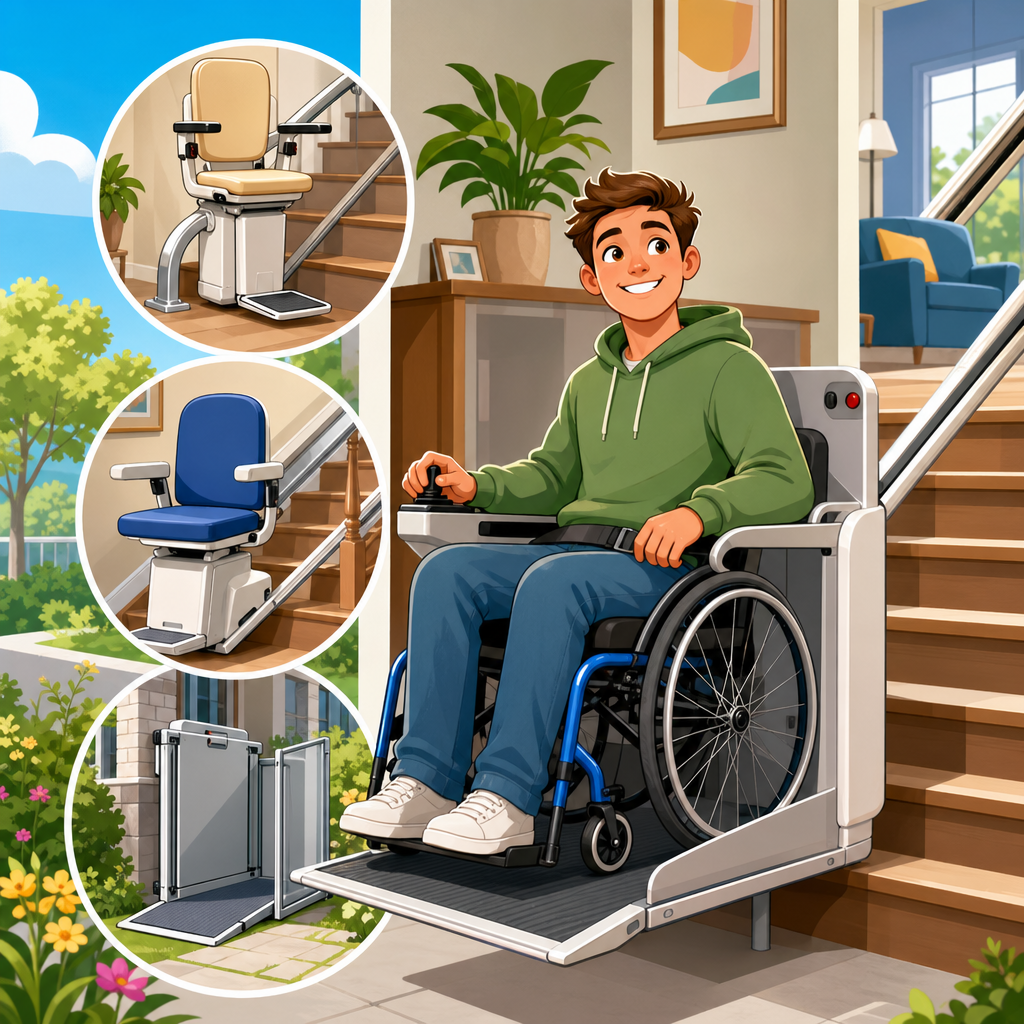
From an installer’s perspective, Acorn’s appeal is also operational. Its straight lifts are designed for relatively fast fitting, typically with rail systems secured to stair treads rather than walls. That usually reduces structural work. The company’s core range has long emphasized battery-powered operation, swivel seats, folding arms and footrests, and obstruction sensors. Those are not unique features in today’s market, but packaging them into a standardized, widely available system has helped Acorn scale.
The downside of market dominance is that buyers can confuse popularity with superiority. Acorn is not automatically better than every rival. It is often easier to quote, easier to find, and easier to explain, which is different from being the most comfortable, the most customizable, or the best value in every home. That distinction is central to judging whether the brand is overrated.
What Acorn Stair Lifts Do Well
Acorn’s strongest advantage is simplicity. For straight staircases, the company offers a clean, predictable solution with familiar controls and a compact folded profile. Many users want a lift that feels obvious within minutes, not a device that requires repeated instruction. Acorn generally delivers that. The seat, armrest controls, call-send remotes, and swivel function are designed with first-time users in mind, including older adults who may have reduced grip strength or mild cognitive decline.
Another genuine strength is battery backup. Most modern stair lifts use batteries, but this feature matters enough to emphasize because outages are one of the first concerns families raise. Acorn lifts typically charge at designated points and continue working for multiple trips if mains power fails. In real homes, that reliability is a practical safety benefit, not a marketing detail.
Acorn also scores well on availability. In many regions, it can provide assessments faster than smaller dealers with limited technician networks. For a buyer who needs a stair lift urgently, speed is not trivial. If a person is sleeping downstairs because stairs are no longer safe, waiting weeks for a custom consultation may not be acceptable.
Finally, the brand has broad recognition among occupational therapists, discharge planners, and family caregivers. That can make conversations easier, especially when several decision-makers are involved and nobody wants to recommend an obscure option with uncertain support history.
Where Critics Say Acorn Is Overrated
The most common criticism is pricing transparency. Like many mobility brands, Acorn often sells through in-home consultations rather than simple online pricing. That approach can be appropriate for curved stairs and complex installations, but it frustrates consumers who want straightforward numbers before committing to a visit. In my experience reviewing quotes, Acorn is not always the highest-priced option, yet buyers frequently feel they are paying a premium for branding and sales reach.
Customization is another limitation. Acorn products are practical, but some competitors offer more refined seat options, heavier weight capacities, or better solutions for unusually narrow stairs. Bruno, for example, has strong credibility for build quality and ride feel. Harmar has models tailored for higher capacity needs. Stannah often stands out for comfort and rail finish on curved configurations. When buyers assume Acorn must lead in every category, disappointment follows.
Service experiences also vary by region. A stair lift is only as good as the local support behind it. National brands can still produce uneven results if dealer or service coverage is inconsistent. That does not make Acorn uniquely weak; it means shoppers should judge local installation quality, response time, and parts availability, not just national reputation.
How Acorn Compares With Other Top Stair Lift Brands
Top stair lift brands occupy different strengths, and the best choice usually depends on staircase shape, user size, budget, and local support. Buyers often start with Acorn, but they should compare it against the wider field before deciding.
| Brand | Known For | Best Fit | Potential Drawback |
|---|---|---|---|
| Acorn | Wide availability, simple controls, fast installation | Buyers who need a mainstream, easy-to-source solution | Can feel expensive relative to feature depth |
| Bruno | Strong build quality, smooth ride, good dealer reputation | Users prioritizing durability and comfort | Availability depends heavily on local dealers |
| Stannah | Refined curved designs, seat comfort, premium engineering | Homes needing tailored curved stair solutions | Often priced at the premium end |
| Harmar | Heavy-duty options and broad product range | Larger users or special access needs | Model lineup can be confusing for first-time buyers |
| Handicare | Customization, twin-rail curved systems, dealer network | Complex staircases and users needing more tailoring | Feature sets vary significantly by model |
| AmeriGlide | Budget-oriented offerings and online visibility | Price-sensitive shoppers comparing entry-level options | Support quality may depend more on installer than brand |
Acorn compares favorably when the staircase is standard and the buyer values speed and familiarity. It compares less favorably when comfort tuning, premium finish, or specialized dimensions matter more than quick procurement. That is why the brand can feel overrated to some buyers and entirely justified to others.
Straight vs Curved Stair Lifts: Where Brand Differences Matter Most
The straight-versus-curved distinction is where stair lift shopping becomes more technical. Straight lifts run on a simple rail for a staircase without turns or intermediate landings. Curved lifts require custom rail fabrication to follow bends, corners, or split-level transitions. Nearly every major brand can handle straight stairs competently. The meaningful differences appear in curved systems, where surveying precision, rail design, lead times, and installation expertise become decisive.
Acorn offers curved stair lifts, but this is also where buyers should compare closely with Stannah, Handicare, and Bruno. Curved lifts are more expensive because they are engineered for the exact staircase geometry. A poor survey can lead to awkward seat positions, knee clearance issues, or parking points that obstruct circulation. In those cases, brand reputation matters less than the competence of the surveyor and installer.
If you have a narrow staircase, hinged rail requirement, or multiple turns, ask every provider the same questions: How is the staircase measured? Is the rail single-tube or twin-rail? What is the typical lead time? How much space remains when the unit is folded? Can the seat park away from the main traffic path? Those answers reveal more than advertising does.
Price, Value, and the Real Cost of Ownership
Many buyers ask one question first: how much does a stair lift cost? For straight models in the United States, installed prices commonly start around the low thousands and can rise depending on options, site conditions, and service coverage. Curved lifts cost substantially more because the rail is custom made. Refurbished units may lower entry cost on some straight staircases, while rentals can make sense for short-term recovery needs.
Acorn is often judged harshly on price because consumers encounter a polished sales process and expect lower numbers from a high-volume brand. But price alone does not measure value. Value includes warranty scope, response time, battery replacement costs, seat comfort over daily use, and whether the rail layout actually suits the home. A cheaper lift that is noisy, uncomfortable, or poorly supported can cost more in frustration and service visits.
When I compare quotes, I tell buyers to request five specifics in writing: total installed price, warranty duration by component, service call fees after warranty, timeline from survey to install, and removal or buyback terms if the lift is later no longer needed. Those details often separate a fair offer from an attractive headline number.
Safety, Maintenance, and Long-Term Satisfaction
All reputable stair lift brands include core safety features, but long-term satisfaction depends on how consistently those features work in an occupied home. Look for seat belts, obstruction sensors on the carriage and footrest, swivel-and-lock seating at the top landing, battery backup, and stable start-stop motion. A smooth ride matters because jerky acceleration can unsettle users with poor balance or vestibular sensitivity.
Maintenance is usually modest, but not nonexistent. Tracks need to stay clear, charging points must align correctly, and batteries wear out over time. Most sealed batteries last several years, depending on use patterns and charging consistency. Homes with multiple daily trips, variable temperatures, or long periods parked away from charge points may see shorter battery life.
The biggest determinant of satisfaction is fit. I have seen technically good lifts become bad purchases because the user found the seat too firm, the armrests too wide, or the footrest difficult to manage. Before buying, ask for a live demonstration on a comparable model if possible. Comfort and confidence are not minor details; they decide whether the lift gets used every day.
Verdict: Are Acorn Stair Lifts Overrated?
Acorn stair lifts are not overrated in the simplistic sense of being poor products with clever advertising. The brand has earned its position by offering accessible, well-understood stair lifts, especially for straightforward installations where speed, familiarity, and standard features matter most. For many households, that is exactly what makes a stair lift successful. Acorn’s strengths are real: national recognition, practical design, battery-powered reliability, and a buying process that can move quickly when mobility needs become urgent.
At the same time, Acorn is sometimes overestimated. It is not automatically the best stair lift brand for every staircase or every user. Premium curved solutions, heavier-duty requirements, narrower staircases, or buyers seeking finer comfort details may be better served by Bruno, Stannah, Harmar, Handicare, or another specialized option. The smartest approach is to treat Acorn as a strong benchmark, not a default winner.
If you are building a shortlist under the Buying Guides and Product Reviews category, use this page as your hub for comparing top stair lift brands, then move into brand-specific and staircase-specific evaluations. Get multiple quotes, test the seat if you can, verify local service quality, and compare ownership terms as carefully as the hardware itself. A stair lift should solve a daily access problem without creating a service problem. Choose the brand that fits your home and your body, not the one you recognize first.
Frequently Asked Questions
Are Acorn stair lifts actually overrated, or do they deserve their reputation?
In most cases, Acorn stair lifts are not overrated so much as highly visible. Because Acorn is one of the best-known stair lift brands in the market, many buyers assume the company is either automatically the best option or simply benefiting from aggressive marketing. The truth usually falls somewhere in the middle. Acorn has earned its reputation by offering dependable, easy-to-recognize products, broad dealer and service coverage in many areas, and straightforward designs that meet the needs of a large percentage of homeowners. That kind of consistency matters a lot when families are making decisions under time pressure after a fall, hospitalization, or sudden change in mobility.
At the same time, brand recognition should not be confused with universal superiority. A stair lift is a highly personal purchase influenced by staircase shape, user height and weight, transfer ability, seat comfort, home layout, and the urgency of installation. Acorn often performs well in core areas such as reliability, standard safety features, and accessibility of service, but that does not mean it is always the best value or best fit for every home. Expert opinions tend to be more nuanced: Acorn is often considered a reputable mainstream choice rather than an automatically premium one. In other words, the brand usually deserves serious consideration, but it should still be compared carefully against other manufacturers on ride quality, customization, warranty terms, service response, and total installed cost.
What do experts usually like most about Acorn stair lifts?
Professionals who evaluate stair lifts regularly often point to Acorn’s practical engineering and broad usability as its strongest advantages. One major plus is that the company focuses heavily on standardization. That can make the buying and installation process more predictable, which is helpful for families who want a quick solution without navigating a highly customized product line. Many experts also appreciate that Acorn stair lifts are designed with familiar, user-friendly controls, swivel seating for safer transfers, folding arms and footrests to conserve staircase space, and battery backup systems that allow operation during power outages. These are not flashy benefits, but they are exactly the features that tend to matter in daily use.
Another reason experts often speak positively about Acorn is availability. In the mobility industry, a well-known brand with established infrastructure can be a meaningful advantage, especially when maintenance or repairs are needed. Buyers are not just purchasing a chair on a rail; they are purchasing long-term support. Acorn’s market presence can make it easier for some homeowners to get installation appointments, replacement parts, and service calls compared with lesser-known brands that have narrower regional footprints. Experts also tend to value the company’s ability to serve both straight and curved staircases, giving it broad relevance across different home types. Overall, what professionals tend to like is not that Acorn is unusually glamorous, but that it is generally competent, accessible, and built around the practical realities of home mobility.
Where do critics say Acorn stair lifts fall short compared with other brands?
The most common criticism is that Acorn can be perceived as a “safe default” rather than a standout in every category. Some reviewers and installers feel that while the brand is reliable, competing models may offer better customization, sleeker rail aesthetics, smoother ride characteristics, or more refined seat ergonomics. For buyers with very specific physical needs, such as unusual transfer challenges, larger body dimensions, or strong sensitivity to seat height and armrest positioning, another manufacturer may sometimes provide a better fit. This is especially important because comfort and confidence are not minor details; they directly affect whether the user will actually use the stair lift consistently and safely.
Cost perception is another area where criticism appears. Because Acorn is so recognizable, some buyers wonder whether they are paying partly for branding and convenience rather than purely for product advantages. That concern is not always fair, but it is reasonable to investigate. Pricing can vary based on staircase complexity, installation needs, and local service arrangements, so an Acorn quote should be weighed against alternatives instead of accepted at face value. Critics also sometimes note that broad-market products are designed to serve many users adequately, which can leave certain households wanting more specialized features or a more customized installation experience. In expert buying advice, the key takeaway is usually this: Acorn’s weaknesses are less about being poor quality and more about not always being the most tailored or cost-optimized choice for every situation.
How should buyers evaluate whether an Acorn stair lift is worth the price?
The best way to judge value is to look beyond the sticker price and assess the total ownership picture. Start with the staircase itself. A straight staircase usually allows for a simpler and less expensive installation, while curved staircases require custom rail work and significantly change the cost equation. Then look at the user’s needs: body size, balance, hand strength, ability to sit and stand safely, and whether the person will benefit from powered swivel or folding features. A stair lift that is slightly more expensive but easier and safer to use may offer better real-world value than a cheaper option that feels awkward or intimidating.
Experts also recommend evaluating service structure, not just product specifications. Ask how quickly installation can be completed, what the warranty covers, how labor is handled, whether batteries and major components are covered, and how service calls are scheduled. A stair lift is a daily-use mobility device, so downtime matters. A lower-priced product from a brand with weak local support can become frustrating very quickly. Buyers should also ask whether there are rental, reconditioned, or buyback options if the need may be temporary. In many households, Acorn is worth the price because it combines familiar design, broad support, and dependable function. But the smartest purchase decision comes from comparing at least a few quotes and treating usability, support, and safety as part of the value calculation, not extras.
Who is the ideal user for an Acorn stair lift, and when should someone consider another option?
Acorn is often a strong match for users who want a straightforward, established solution from a recognizable company with broad market presence. It tends to work well for homeowners who need a practical mobility aid without a steep learning curve, especially when the priority is safe, dependable travel between floors rather than highly specialized design preferences. Families arranging a stair lift quickly for an older adult returning home from rehab, or homeowners planning ahead for aging in place, often appreciate this kind of simplicity. For many people with standard residential staircases and fairly typical mobility limitations, Acorn offers a balanced package of accessibility, safety features, and familiarity.
That said, another brand may be a better fit if the user has complex positioning needs, requires heavy-duty capacity, wants highly refined customization, or has a staircase layout that would benefit from a particularly specialized rail solution. It is also wise to explore alternatives if seat comfort, transfer mechanics, or fold-away dimensions are critical concerns in a narrow stairwell. The ideal buyer is not the person who assumes Acorn must be best because it is famous; it is the person who tests whether Acorn matches the specific user, staircase, and long-term support needs of the household. Expert opinions generally agree on that point: the best stair lift is not the most advertised one, but the one that delivers safe, comfortable, reliable use day after day in the home where it will actually live.