Free chair lift programs in the U.S. do exist, but they are limited, highly localized, and usually available through a mix of charitable grants, Medicaid waivers, veterans’ benefits, nonprofit loan closets, and disease-specific assistance rather than a single national program. In practice, families searching for a free stair lift, porch lift, or vertical platform lift need to understand how “free” is defined, which organizations fund equipment versus installation, and what eligibility rules apply. I have helped households compare these options, and the biggest mistake people make is assuming Medicare covers chair lifts as standard durable medical equipment. It does not. That gap is exactly why grants and assistance programs matter.
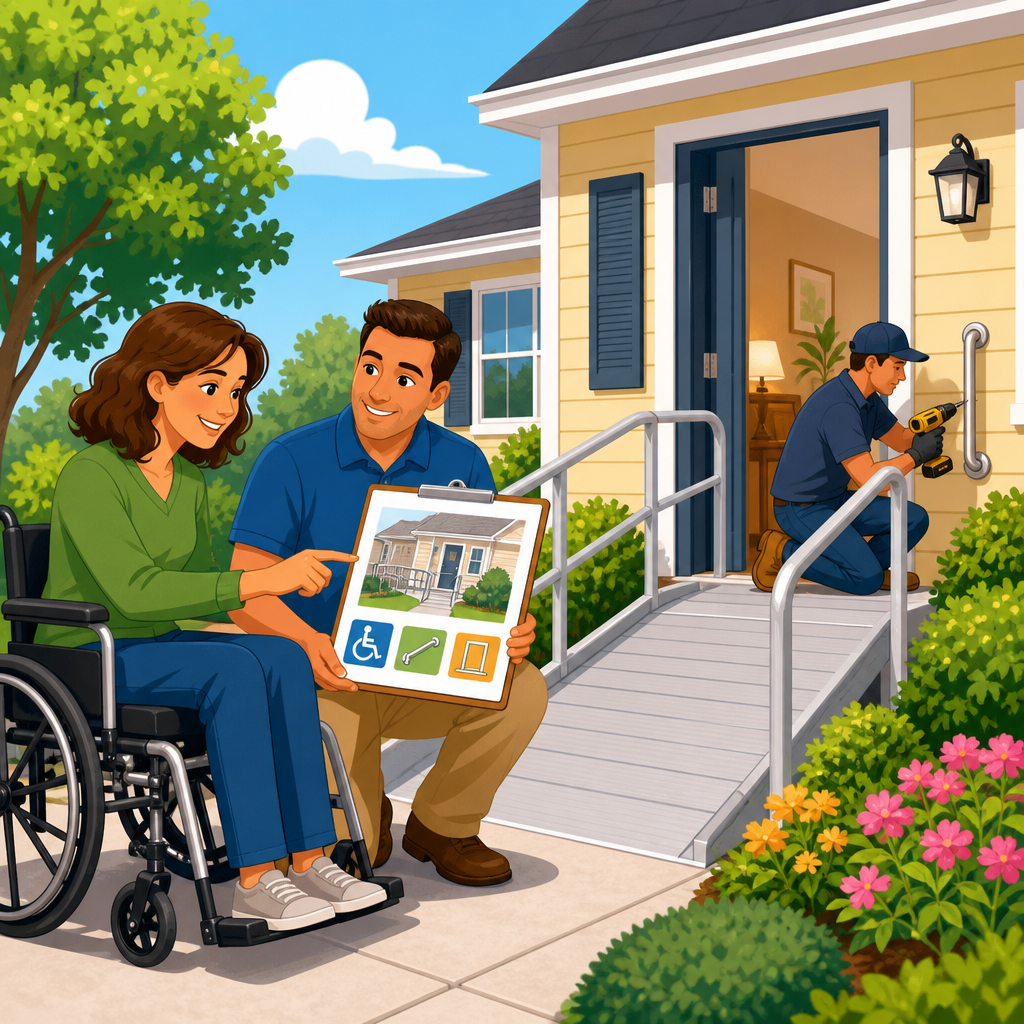
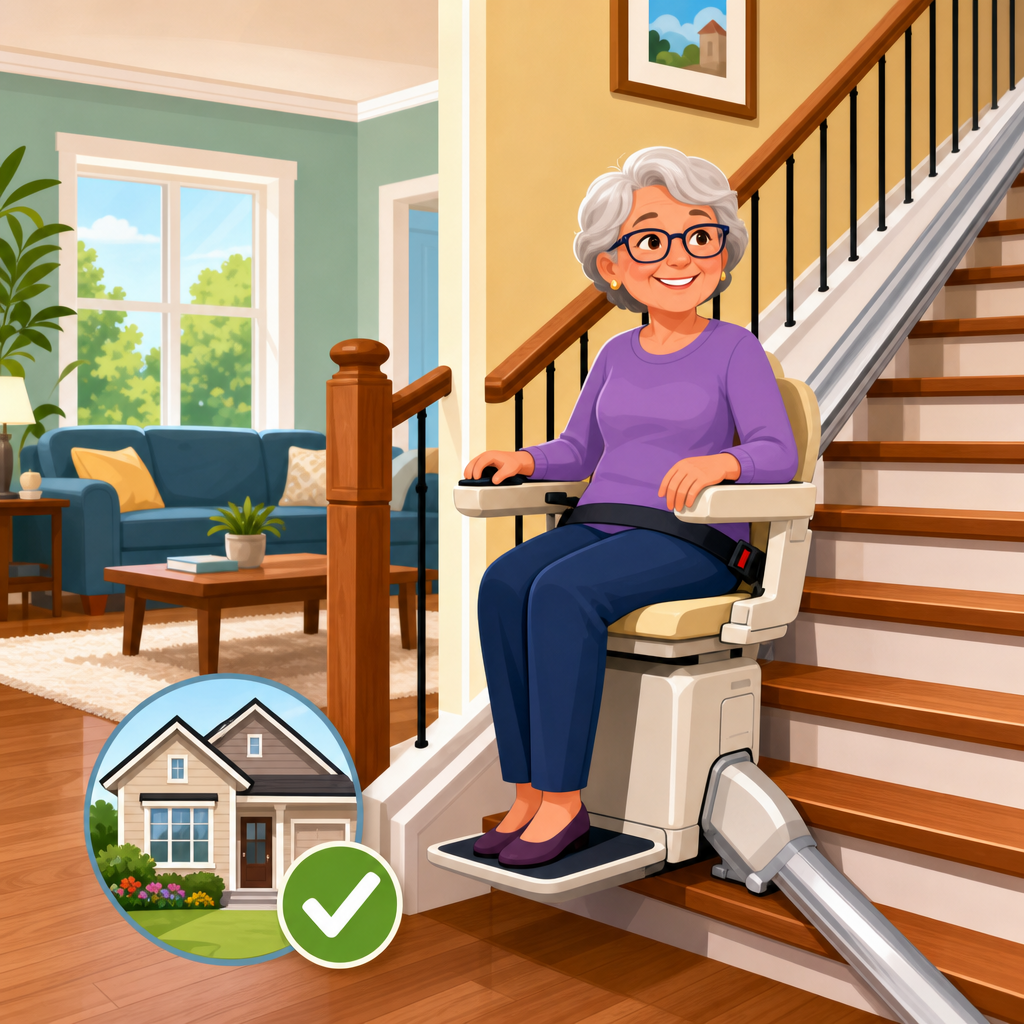
A chair lift is a broad term people often use for several products. A stair lift carries a seated rider up and down a staircase on a rail. A vertical platform lift raises a wheelchair user between levels, often from a garage or porch to a main entrance. A patient lift, such as a Hoyer lift, transfers a person from bed to chair; that is a different category with different funding rules. When people ask whether there are any free chair lift programs in the U.S., they may mean any of these devices, so the first step is matching the need to the correct equipment type.
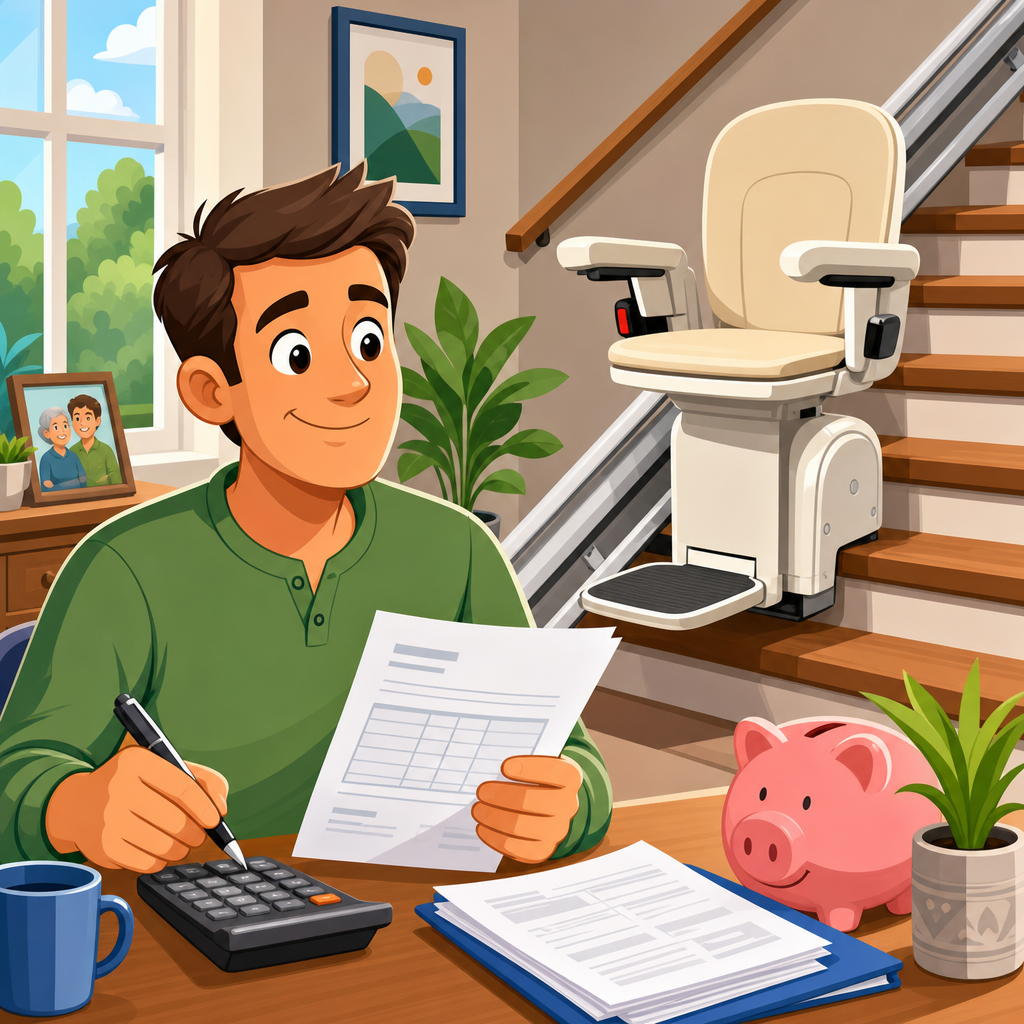
This topic matters because home accessibility is usually urgent and expensive. A straight stair lift often costs roughly $2,000 to $5,000 installed, while curved stair lifts can exceed $10,000 because they require custom rails. Vertical platform lifts commonly run much higher, especially when electrical work, permits, and structural modifications are involved. For older adults trying to age in place, for disabled adults returning home after rehabilitation, or for families supporting a child with mobility limitations, those costs can delay safe discharge and increase fall risk. Assistance programs can close that gap, but only when applicants know where to look and how to document need.
This article is the hub for grants and assistance programs under cost and financing options. It explains the main sources of no-cost or reduced-cost chair lift help in plain terms, the evidence agencies usually require, the tradeoffs between grant types, and how to build a practical application strategy. If you are comparing programs for yourself, a parent, a veteran, or a child with a disability, this guide will help you identify realistic paths and avoid dead ends.
What free chair lift programs usually cover
Most free chair lift programs do not operate like a retail coupon or nationwide giveaway. Instead, assistance typically falls into five models: direct grants, waiver-funded home modifications, reused equipment programs, zero-interest loans that can function like grants when paired with local subsidies, and condition-specific charitable awards. Some programs pay for the lift itself but not electrical upgrades, carpentry, or permit fees. Others cover installation but only after an occupational therapist or case manager confirms medical necessity. In many communities, the winning approach is stacking more than one resource.
For example, a family might receive a used straight stair lift through a durable medical equipment reuse program, then get installation funded by a local disability nonprofit, and finally use a city accessibility grant to pay for a dedicated electrical circuit or landing modification. That kind of package is common because each funding source has its own restrictions. A hospital social worker or Area Agency on Aging counselor can sometimes coordinate those pieces, but many families still need to call multiple organizations themselves.
It is also important to separate grants from benefits. Medicaid Home and Community-Based Services waivers are public benefits administered by states, not charitable grants. Veterans may qualify for home modification help through U.S. Department of Veterans Affairs programs such as HISA or SAH/SHA depending on disability status and housing needs. Independent living centers and nonprofit organizations may then fill any remaining gaps. Knowing which category you are applying under helps set expectations for timelines, appeals, and documentation.
Where to find chair lift grants and assistance in the U.S.
The most realistic places to find free or heavily subsidized chair lift programs are state and local networks rather than national directories alone. Start with your state’s Medicaid waiver office, Area Agency on Aging, Center for Independent Living, state assistive technology program, and county human services department. Every state has an assistive technology program funded under the Assistive Technology Act, and many of these programs maintain device reutilization networks, financing programs, or referral systems for home accessibility equipment.
Rebuilding Together, Habitat for Humanity affiliates, Catholic Charities locations, Lutheran Services agencies, Easterseals affiliates, United Way 211, and local community foundations may also know about home accessibility grants in specific ZIP codes. Disease-focused groups such as the National Multiple Sclerosis Society, ALS organizations, United Cerebral Palsy affiliates, and muscular dystrophy support organizations sometimes provide direct grants or emergency assistance when mobility changes quickly. For children, state Title V Children with Special Health Care Needs programs and local school transition teams can point families toward funding that is not obvious online.
If the household includes a veteran, contact the local VA prosthetics department, social work service, and a Veterans Service Officer. I have seen veterans miss substantial housing adaptation support simply because they only asked about pensions or health care and never raised the accessibility issue. Veterans benefits are not universal and can require service-connection analysis, but they are among the most important funding routes for major home access work.
The table below summarizes the most common assistance channels and what they usually fund.
| Program type | Who it serves | Typical chair lift help | Common limitation |
|---|---|---|---|
| Medicaid HCBS waivers | Low-income older adults and disabled people who meet state criteria | Home modifications including stair lifts or platform lifts when medically necessary | Waitlists, state-by-state rules, prior authorization |
| VA housing adaptation benefits | Eligible veterans, often with service-connected disabilities | Funds for accessibility modifications, sometimes including lifts | Clinical approval and benefit-specific eligibility rules |
| Assistive technology reuse programs | Residents of participating states | Used equipment at no cost or low cost | Availability is unpredictable; installation may not be covered |
| Area Agency on Aging and local grants | Older adults, caregivers, low-income homeowners | Small grants, referrals, contractor coordination | Limited funding amounts and local boundaries |
| Nonprofit and disease-specific charities | People with qualifying diagnoses or hardship | Emergency grants, gap funding, case management | Restricted to certain conditions or one-time awards |
Government programs that may pay for a chair lift
Medicaid is the most important public program to investigate for free chair lift assistance, but it is not simple. Traditional Medicaid benefits do not automatically include stair lifts. Coverage typically appears through state waiver programs aimed at keeping people in the community instead of institutions. States may classify the lift under environmental accessibility adaptations or home modifications. The applicant usually needs a functional assessment, proof that the lift is necessary for access to essential living areas, and confirmation that less costly alternatives will not solve the problem. Renters may also need landlord permission.
Because each state writes its own waiver rules, one state may fund a stair lift more readily than another. Some programs cap home modification spending, require competitive bids, or exclude luxury features. A powered swivel seat or outdoor rail may be justified if the person’s transfer safety depends on it, but the documentation must say so. Occupational therapy evaluations are especially useful because they connect mobility limitations to daily activities like bathing, toileting, meal preparation, and safe entry or exit.
Veterans programs can be more robust for qualified applicants. The VA’s Home Improvements and Structural Alterations benefit can support medically necessary changes prescribed by a VA clinician. Specially Adapted Housing and Special Housing Adaptation grants can provide larger funding for certain severe service-connected disabilities. Not every stair lift or porch lift request will fit these benefits, and approval often depends on the veteran’s diagnosis, service connection, and housing situation, but they are major options that should be reviewed early.
Some states and municipalities also offer housing rehabilitation grants, Community Development Block Grant-funded accessibility projects, or property improvement programs for low-income homeowners. These funds often prioritize urgent safety issues and may be administered through local housing departments. They are not guaranteed, but they can pay for accessibility work that health insurance excludes.
Nonprofit, charitable, and community-based free chair lift options
Charitable funding is often what makes a chair lift affordable when public benefits fall short. Community foundations, faith-based charities, Rotary clubs, Lions clubs, fraternal organizations, and local disability nonprofits may sponsor accessibility projects on a case-by-case basis. The strongest applications are specific: they name the exact lift, include a written estimate, explain why the person cannot safely use stairs, and show what other funding sources have already been pursued.
Reused equipment programs deserve special attention because they can reduce costs dramatically. State assistive technology programs, independent living centers, and some medical equipment banks accept donated stair lifts or patient lifts, refurbish them if appropriate, and match them to residents. Straight stair lifts are easier to reuse because the rails are less customized than curved models. However, a donated lift is only useful if there is a qualified installer willing to assess the staircase, verify safety, and perform any modifications. Families should never rely on informal installation for a device that carries a person over stairs.
Another valuable route is hospital and rehabilitation discharge planning. Case managers often know which local charities respond quickly when a person cannot return home safely without a lift. I have seen same-week interventions happen when a therapist documented that the only bathroom was upstairs and the patient otherwise faced institutional placement. When the cost of a lift is lower than extended facility care, charities and public agencies are more likely to see the request as urgent and cost-effective.
Who qualifies and what documents you will need
Eligibility varies, but most programs look at four factors: medical necessity, financial need, residence, and property suitability. Medical necessity means the chair lift is required for safe access, not just convenience. Financial need may be measured through Medicaid eligibility, income limits, hardship narratives, or proof that private payment is not feasible. Residence rules can include state residency, county residency, homeowner status, or proof that a renter has written permission for alterations. Property suitability covers staircase width, structural condition, landing space, electrical capacity, and code compliance.
Applications move faster when families prepare a complete packet. That packet should usually include a physician order or letter of medical necessity, an occupational or physical therapy assessment, one or more contractor or dealer quotes, photos of the stairs or entrance, proof of income, proof of residence, and insurance or benefit denial letters if applicable. For veterans, add VA clinical documentation and any service-connection records relevant to the disability. For children, include care plans, school or therapy notes, and caregiver impact statements.
One nuance many people miss is that programs may ask whether the home is the least restrictive and most sustainable setting. If the person could move a bedroom to the first floor or use a bathroom on the main level, a funder may question the lift request. That does not mean the lift should be denied, but the application must explain why those alternatives are unsafe, temporary, or impossible. Clear documentation wins more cases than emotional appeals alone.
How to apply strategically and improve approval odds
Start by getting the right assessment before collecting quotes. A therapist or accessibility specialist should determine whether the person needs a straight stair lift, curved stair lift, platform lift, or another modification entirely. I have seen families waste weeks pursuing the wrong device because they described the problem loosely over the phone. Once the device is identified, obtain detailed written estimates that separate equipment, installation, permits, electrical work, and service contracts. Funders want line-item clarity.
Next, build a layered application plan. Apply first to programs with broader eligibility and longer timelines, such as Medicaid waivers or VA benefits, while simultaneously approaching local charities for gap funding. Call 211, the Area Agency on Aging, and the state assistive technology program the same week. Ask each organization a direct question: “Do you fund stair lifts, porch lifts, or home accessibility modifications, and if not, who in this county does?” That wording produces better referrals than asking generally for “help.”
Finally, document urgency without overstating. Mention falls, inability to bathe safely, missed medical appointments because the person cannot exit the home, or delayed discharge from rehab. Those facts matter because they show preventable health risks and potential higher system costs. If a denial comes back, request the reason in writing and ask whether additional clinical documentation, alternate bids, or a different program category could change the decision. Appeals and resubmissions are common, especially in public programs.
Limits, alternatives, and what to do if no free program is available
Not everyone will find a fully free chair lift program, and that reality should be stated plainly. Funding is uneven, rural areas may have few installers, and curved stair lifts are harder to source through donations because they are custom-built. Even when a grant covers the base project, maintenance, batteries, annual service, and future removal may remain the family’s responsibility. That is why every funding search should include a backup plan.
Alternatives include low-interest assistive technology loans, home equity options, dealer financing, refurbished straight stair lifts, and short-term rental of stair lifts when the need is temporary after surgery or injury. Some families lower costs by relocating sleeping space to the main floor while waiting for approval, adding temporary ramps, or using bedside commodes and sponge-bathing setups under therapist guidance. These are not replacements for accessibility when a lift is truly required, but they can reduce immediate safety risks.
The key takeaway is simple: yes, free chair lift programs exist in the U.S., but they are pieced together through grants, waivers, veterans benefits, reuse networks, and local charities rather than one national source. The people who succeed usually define the exact equipment needed, gather strong clinical documentation, and apply to several programs at once. If you need help now, start with your Area Agency on Aging, state assistive technology program, Medicaid waiver office, local Center for Independent Living, and VA contacts if relevant. A focused outreach plan can turn a difficult search into a workable funding path.
Frequently Asked Questions
Are there any truly free chair lift programs available in the U.S.?
Yes, but they are usually limited, local, and tied to specific eligibility rules rather than offered through one national “free chair lift” program. In most cases, free help comes from a combination of charitable grants, Medicaid Home and Community-Based Services waivers, veterans’ programs, nonprofit equipment reuse programs, church or community fundraising, and disease-specific organizations. That means some families receive the lift itself at no cost, while others get partial funding and must still cover installation, home modifications, permits, electrical work, or maintenance.
It is also important to understand that “chair lift” can mean different things. A stair lift, a porch lift, and a vertical platform lift may fall under different funding rules depending on mobility needs, whether the user remains in a wheelchair, and whether the equipment is considered medically necessary. Some programs fund accessibility improvements to keep a person safely at home, while others only help if the equipment directly supports discharge from a hospital, prevents institutional placement, or meets disability-related criteria. So the short answer is yes, free programs do exist, but access depends heavily on location, income, diagnosis, age, veteran status, and the type of lift required.
Who is most likely to qualify for free or low-cost chair lift assistance?
The people most likely to qualify are those who can show both financial need and medical necessity. That often includes older adults with low income, people with disabilities who need accessibility equipment to remain at home, veterans with service-connected disabilities, and individuals enrolled in Medicaid waiver programs. Some nonprofit and charitable programs also prioritize applicants facing urgent safety risks, such as repeated falls on stairs, inability to enter or exit the home, or a caregiver who can no longer safely assist with transfers.
Eligibility varies widely from one program to another. Some organizations focus on children with disabilities, others on seniors, and others on people with conditions such as multiple sclerosis, ALS, spinal cord injuries, or muscular dystrophy. Veterans may have access to home modification benefits through the Department of Veterans Affairs if the lift supports independence and safety. Medicaid waivers in some states may pay for environmental accessibility modifications, but approval usually depends on state rules, functional assessments, and whether the lift is considered cost-effective compared with institutional care. Even when a household does not qualify for fully free assistance, it may still be eligible for refurbished equipment, zero-interest loans, local grant programs, or nonprofit support that significantly lowers the total cost.
What types of programs should families check when looking for a free stair lift, porch lift, or vertical platform lift?
Families should cast a wide net because assistance is usually spread across multiple systems. A good starting point is the local Area Agency on Aging, Centers for Independent Living, state Assistive Technology Program, Medicaid office, and county human services department. These organizations may know about local grant funds, equipment lending closets, home modification programs, accessibility nonprofits, and state waiver options. Disease-specific nonprofits can also be valuable, especially if the person needing the lift has a diagnosis served by a national advocacy group that offers grants or emergency financial aid.
Veterans should contact the VA to ask about home accessibility benefits and prosthetics-related equipment pathways. Families should also ask local hospitals, rehabilitation centers, social workers, and case managers whether they know of reused medical equipment programs or donor-funded accessibility projects. In some areas, charitable foundations, faith-based groups, Easterseals affiliates, community action agencies, and disability service organizations may help pay for either the equipment or the installation. It is common to combine funding sources, such as getting a donated or refurbished lift from a nonprofit and then using a small grant, fundraiser, or family contribution to cover installation and code-related work. Because many of these programs are hyperlocal, persistence and local networking often matter just as much as formal eligibility.
Does insurance or Medicare cover chair lifts, and how is that different from free assistance programs?
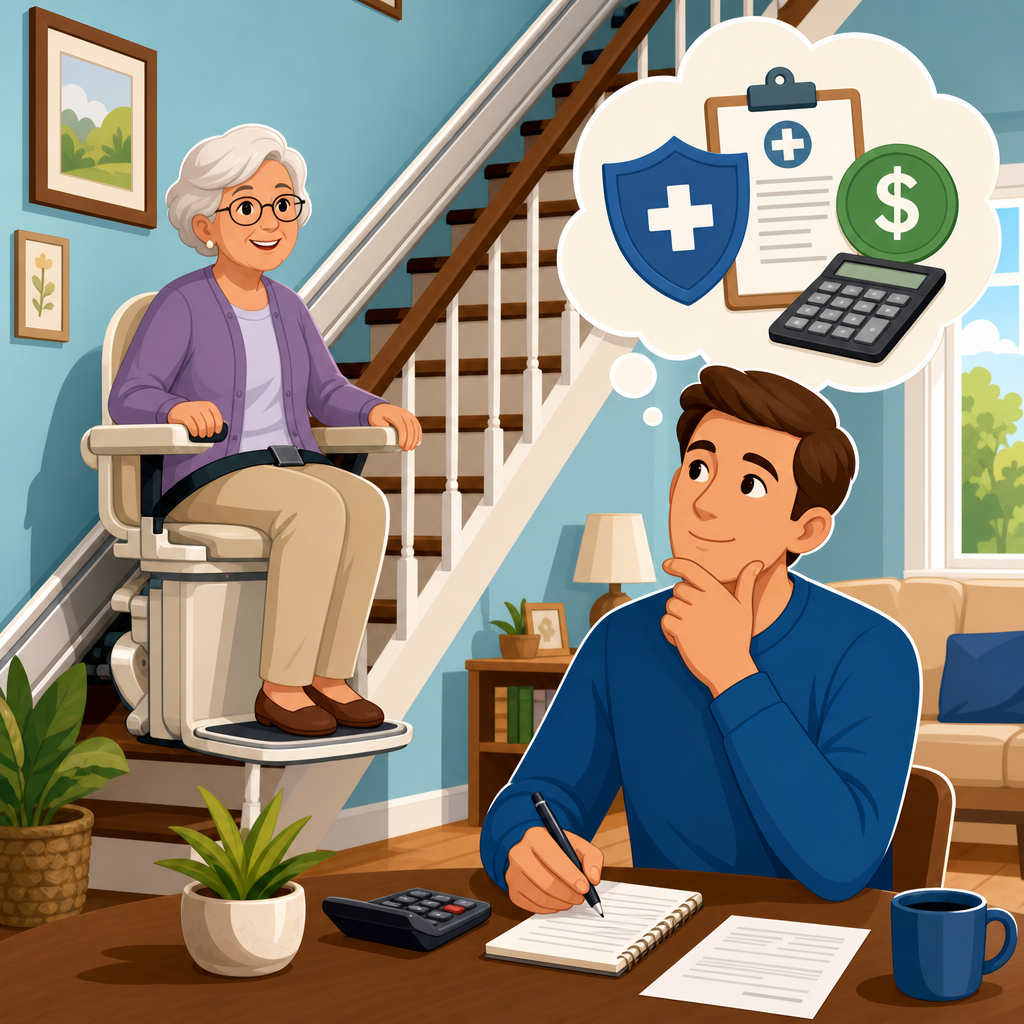
In most cases, original Medicare does not cover stair lifts because they are generally not classified as durable medical equipment in the same way as wheelchairs or walkers. Private insurance coverage is also often limited or unavailable, especially for lifts attached to stairs or used as part of a home accessibility modification. That is one reason so many families end up searching for grants, Medicaid-based assistance, nonprofit aid, or secondhand equipment instead of relying on standard insurance reimbursement.
Medicaid is different because some state programs and waiver services may cover home modifications when they are medically necessary and help a person avoid institutional care. However, this is not automatic, and coverage depends on the state, the waiver category, documentation from medical professionals, and budget approvals. Veterans’ benefits can sometimes be more promising than traditional insurance for eligible individuals, particularly when the accessibility need is clearly tied to disability and independent living. Free assistance programs fill the gap left by Medicare and private insurance, but they often come with waitlists, income caps, geographic restrictions, or limits on what they will pay for. As a result, families should never assume that “insurance will handle it,” and should instead explore insurance, public benefits, and charitable resources at the same time.
What should families do first if they need a free chair lift as quickly as possible?
Start by getting clear on the exact mobility need and the type of lift required. A stair lift may work for someone who can transfer in and out of a chair safely, while a vertical platform lift may be more appropriate for a wheelchair user who needs access to a porch or entryway. Once that is clear, gather supporting documentation right away, including a doctor’s note, therapy evaluation, proof of income if needed, photos of the home layout, and any evidence of urgent safety issues such as falls or inability to leave the home. Many programs move faster when families can show that the lift is medically necessary and that the person is at immediate risk without it.
Next, contact several sources at once rather than waiting on one application. Reach out to the Area Agency on Aging, Medicaid caseworker, VA representative if applicable, Centers for Independent Living, state Assistive Technology Program, and local nonprofits that handle disability equipment or home modifications. Ask each organization very specifically whether they fund equipment, installation, refurbished lifts, temporary loans, or referrals to local donors. Also ask about waitlists, emergency assistance, and whether applications can be expedited. If no fully free option is immediately available, ask about used units, loan closets, or split-funding strategies. In real-world cases, the fastest solution is often a patchwork approach: one group donates the lift, another subsidizes installation, and the family or community fundraiser covers the remaining balance.