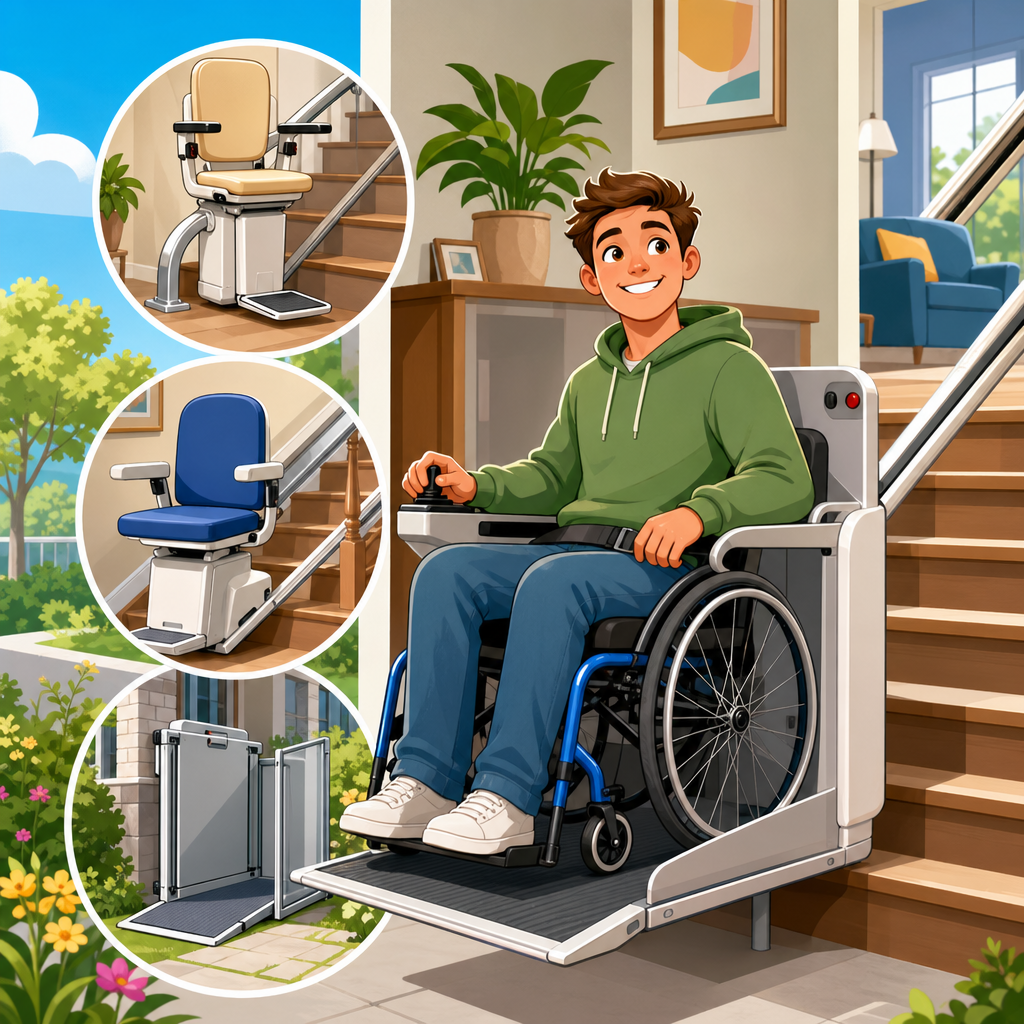
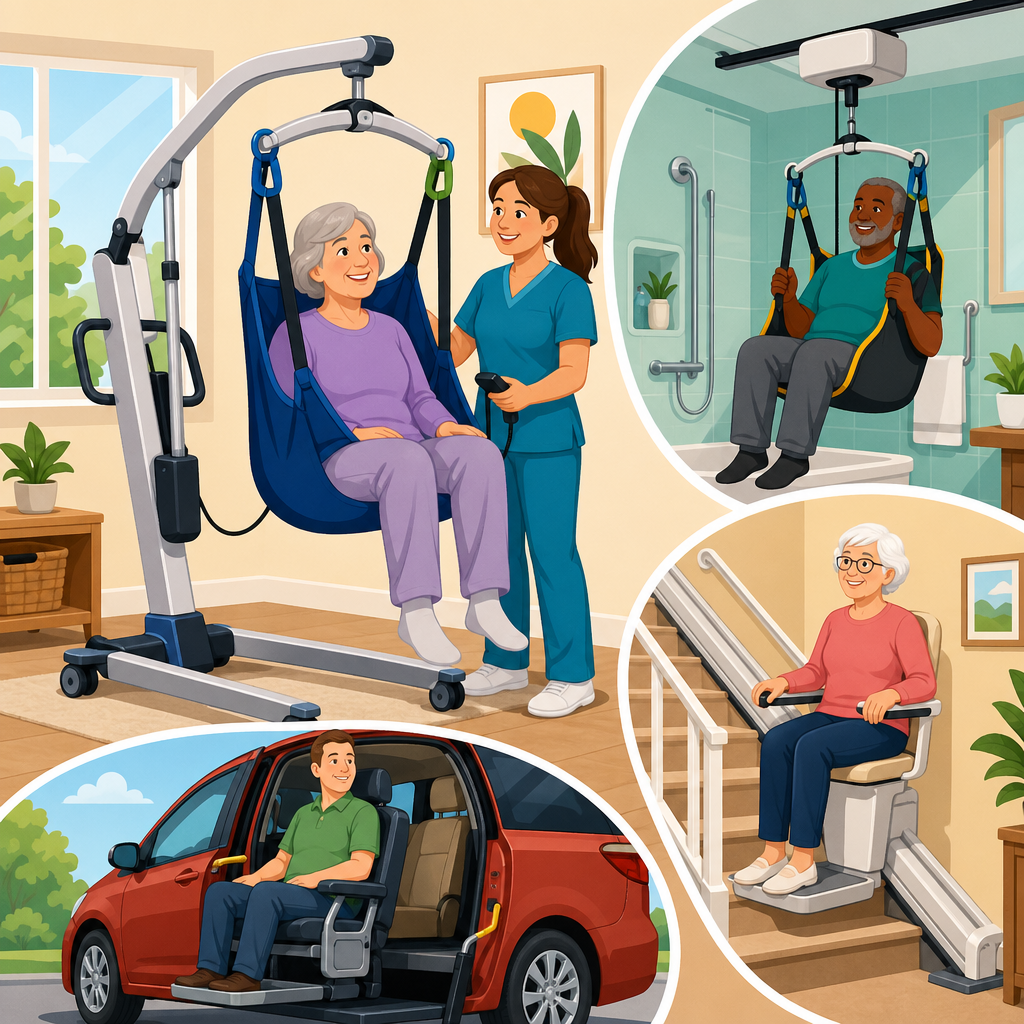
Finding the best local installers for stair lifts in [Your City] starts with understanding that installation quality matters as much as the lift itself. A stair lift is a motorized chair or perch that travels along a rail fixed to a staircase, helping people with limited mobility move safely between floors. In practice, buyers are usually comparing three things at once: the equipment brand, the installer’s service standards, and the retailer’s long-term support. I have worked with families choosing lifts for straight stairs, curved staircases, and outdoor steps, and the pattern is consistent: the right local installer reduces stress, avoids delays, and prevents costly mistakes.
This matters because stair lifts are not simple retail purchases. They are home accessibility systems that must be measured correctly, installed to manufacturer specifications, and serviced over time. In the United States, many products align with recognized safety expectations such as ASME A18.1 for platform and stairway chairlifts, while reputable dealers also follow manufacturer training and local licensing requirements where applicable. Buyers in [Your City] often search for the best stair lift company near me, affordable stair lift installers, or Bruno and Harmar dealers in [Your City]. Those searches all point to the same need: trustworthy retailers and online stores that can connect customers with competent local installation and dependable aftercare.
As a hub page under Buying Guides & Product Reviews, this guide explains how to evaluate local stair lift retailers, authorized dealers, national chains with local crews, and online-first sellers that subcontract installation. It also answers the questions buyers usually ask before requesting quotes: Which installer types are safest? What brands are most common? How do warranties, rental programs, and used lifts work? By the end, you should know exactly how to compare providers in [Your City], what red flags to avoid, and how to choose a retailer and installer combination that fits your staircase, budget, and mobility needs.
What makes a local stair lift installer the best choice
The best local stair lift installers in [Your City] do more than deliver a chair and bolt down a rail. They assess the user’s mobility, staircase configuration, power supply, landing clearance, seat height, and transfer safety. A strong installer will ask whether the user has one-handed weakness, poor trunk stability, or difficulty bending the knees, because those factors affect seat choice, swivel configuration, armrest shape, and call-send controls. They will also confirm whether the staircase is straight, has intermediate landings, or requires a custom curved rail.
In my experience, the strongest local providers usually share five traits. First, they offer an in-home assessment instead of giving a final price from photos alone. Second, they represent established brands such as Bruno, Harmar, Stannah, Access BDD, Handicare, or Savaria, all of which have distinct product strengths. Third, they have trained installers rather than relying entirely on general contractors. Fourth, they maintain service capacity for repairs and battery replacement after installation. Fifth, they explain lead times honestly, especially for custom curved units that often take longer than straight lifts.
Local knowledge also matters. Installers who routinely work in [Your City] understand common housing stock, narrow stair widths, older electrical layouts, and permit expectations. They know when a folding rail will be necessary to protect a doorway, when an outdoor model needs weatherproofing beyond the basic cover, and when a used straight stair lift is practical. That local familiarity reduces surprises and usually improves installation speed.
Retailers, dealers, and online stores: how the buying channels differ
When researching stair lifts in [Your City], most buyers encounter four seller types: local mobility retailers, manufacturer-authorized dealers, national chains with regional branches, and online stores. The differences affect pricing, installation quality, and service response times. Local mobility retailers often carry several accessibility products, including stair lifts, ramps, lift chairs, and scooters. Their advantage is hands-on support and strong referral networks with occupational therapists, senior living communities, and hospital discharge planners.
Authorized dealers focus on specific brands and are usually the safest route if you want installation that follows manufacturer processes exactly. A Bruno dealer, for example, will know the Elite straight and curved line, while a Harmar dealer may be especially familiar with Pinnacle and Helix configurations. National chains can offer financing, broad inventory, and recognizable branding, but service quality still depends on the local branch and technicians assigned in [Your City].
Online stores vary the most. Some are legitimate accessibility retailers with remote sales teams and vetted local subcontractors. Others are lead-generation sites that collect your information and pass it to third parties. The biggest risk with online-first sellers is the gap between sales promises and local execution. If you are considering an online offer, ask directly who performs the site survey, who installs the rail, who handles warranty labor, and whether the installer is factory trained on the exact model being sold.
| Buying channel | Best for | Main advantage | Main risk |
|---|---|---|---|
| Local mobility retailer | Hands-on guidance and fast service | Strong local accountability | Limited brand selection |
| Authorized brand dealer | Brand-specific expertise | Factory training and genuine parts | May steer buyers toward one brand |
| National chain | Financing and broad coverage | Standardized processes | Quality depends on local branch |
| Online store | Price shopping and remote research | Convenience and broad comparison | Subcontracted installation may vary |
For most households, the best path is either a respected local retailer or an authorized local dealer with a proven service department. Online shopping can still be useful as a research tool, but stair lifts are not ideal products to buy on price alone because installation precision and after-sales support determine real value.
How to evaluate stair lift brands sold by local installers
Brand matters because each manufacturer approaches rail design, ride quality, folding dimensions, weight capacity, and diagnostic support differently. In many markets, Bruno is known for smooth ride quality, sturdy construction, and strong dealer support. Harmar is common because it offers a wide range of straight and curved options and is often competitively priced. Stannah has a strong reputation for custom curved lifts and long product history. Handicare and Access BDD are often considered where space efficiency and tailored configurations are important, while Savaria is widely recognized in the broader accessibility equipment market.
A good installer in [Your City] should explain how brand differences affect your staircase. For example, a very narrow staircase might benefit from a model with a compact folded profile, while a user with higher body weight may need a heavy-duty unit with a larger seat and stronger chassis. Outdoor applications should use lifts specifically rated for exterior use, not standard indoor chairs placed outside with a cover. Custom curved rails should be digitally measured, manufactured to the staircase geometry, and installed by technicians who routinely handle those systems.
Battery-backed DC systems are now standard in most quality stair lifts, which means the unit charges continuously and still works during a power outage for a limited number of trips. Ask how the charger contacts are positioned, how the diagnostic system reports faults, and how easy it is to obtain replacement batteries. Sealed lead-acid batteries commonly last several years, but local service access matters more than the battery chemistry itself. The best retailers discuss these details clearly instead of using broad sales language.
Questions to ask before hiring a stair lift installer in [Your City]
Before signing anything, ask direct operational questions. Who measures the staircase, and how much experience do they have with curved rails? Is the quote binding after the site survey, or can it change later? Is installation done by employees or subcontractors? What is the expected response time for service calls in [Your City]? How long is the labor warranty, and does it differ from the manufacturer parts warranty? Will the company remove the lift if you move or no longer need it?
You should also ask about parts availability. Straight stair lifts often have faster installation because rails can come in stock lengths, while curved units require custom manufacturing and can have significantly longer lead times. If the retailer offers used or refurbished lifts, ask whether they are manufacturer-approved reconditioned units or simply previously installed products with cosmetic cleanup. A proper refurbishment should include new batteries, verified safety circuits, rail inspection, and documented testing.
Another practical question is whether the installer conducts a transfer trial at handover. The user should sit, fasten the belt, operate the controls, swivel at the landing, and stand up safely before the job is considered complete. I always recommend that family members or caregivers attend this demonstration. It reveals whether the chosen seat height, arm support, and parking positions truly work in daily life.
Pricing, rentals, financing, and used stair lifts
Buyers naturally want to know cost first, but stair lift pricing only makes sense when tied to staircase type and service scope. Straight stair lifts generally cost less because the rail is standardized, while curved lifts cost more because each rail is built to the exact staircase layout. In many U.S. markets, a straight lift may fall in the low-thousands to mid-thousands range installed, while curved systems often move into the high-thousands or beyond. Outdoor models usually add cost because of weatherproof materials and specialized components.
Rental programs can make sense for short-term recovery after surgery, hospice situations, or temporary caregiving needs. Most rental inventories focus on straight stair lifts because curved rails are custom. The monthly rate may look attractive, but buyers need to ask about installation, removal, minimum rental periods, and service coverage. Financing is common through dealers or third-party lenders, and it can help spread the cost, but borrowers should compare interest rates, promotional periods, and any fees tied to early payoff.
Used stair lifts are worth considering when budget is tight and the staircase is straight. They are less practical for curved stairs because custom rails are usually not reusable without major changes. A reputable installer should state exactly what is reused, what is replaced, and how the warranty differs from a new unit. In [Your City], the best retailers are usually transparent about the tradeoff: used lifts lower purchase cost, but buyers may get shorter warranty terms, older seat designs, and fewer customization options.
How local service and installation quality affect long-term value
The true value of a stair lift appears after installation, when the household starts depending on it every day. A lift that was measured accurately, installed square to the staircase, and programmed correctly tends to run quietly and reliably. A rushed installation can produce nuisance faults, rough starts, poor charging contact, or awkward parking positions that frustrate the user. That is why service capacity in [Your City] is as important as upfront price.
Good installers maintain clear maintenance procedures. They check rail alignment, seat swivel locks, footrest safety edges, battery charge status, final limits, and call-send function. They also explain safe use: keep the staircase clear, fold the unit when not in use if needed, never exceed the rated capacity, and report unusual noises promptly. These simple steps extend equipment life and reduce service calls.
Long-term support also matters when needs change. A user may initially choose a standard seat but later need a perch seat, powered swivel, or additional remote controls. An established local dealer can usually advise whether an upgrade is possible or whether the current lift should be replaced. That continuity is difficult to get from anonymous online marketplaces. If you are building your shortlist of the best local installers for stair lifts in [Your City], give extra weight to companies with documented service history, local reviews mentioning repairs, and clear post-installation support policies.
Choosing the best local installers for stair lifts in [Your City] comes down to matching the right retailer, brand, and service team to the user’s real needs. The safest providers perform in-home assessments, explain product differences clearly, install to recognized standards, and remain available for maintenance and repairs. Local mobility retailers and authorized dealers usually offer the strongest combination of accountability and technical support, while online stores are most useful when they can prove who handles local measurement, installation, and warranty labor.
As the hub page for Retailers & Online Stores within Buying Guides & Product Reviews, this guide should help you compare seller types, ask better questions, and avoid common mistakes such as buying on price alone or overlooking long-term service capacity. Straight lifts, curved systems, outdoor models, rentals, financing, and used units each have a place, but the best choice always depends on staircase design, user mobility, and how quickly reliable local support can reach your home in [Your City].
If you are ready to move forward, start by requesting two or three in-home assessments from well-reviewed local stair lift installers, then compare brand fit, warranty terms, service response, and total installed cost. That simple process will help you identify the provider that can deliver both safe access now and dependable support later.
Frequently Asked Questions
How do I choose the best local stair lift installer in [Your City]?
The best local stair lift installer in [Your City] is not always the company with the lowest price or the biggest advert. What matters most is whether the installer takes the time to assess your staircase properly, recommends equipment that fits your needs, and provides reliable support after installation. A quality installer should visit your home, measure the staircase carefully, ask who will be using the lift, and explain whether a straight or curved model is appropriate. They should also discuss safety features, power supply requirements, folding options, weight capacity, and how the lift will affect access to the stairs for other household members.
It is also important to look at the installer’s reputation in the local area. Check reviews, ask how long they have been fitting stair lifts in [Your City], and find out whether installation is done by in-house engineers or subcontractors. A strong local provider should be able to explain their process clearly, give a detailed written quote, and outline what is included in the price, such as survey, fitting, warranty, servicing, and callout support. In many cases, the difference between a good experience and a frustrating one comes down to installation quality and aftercare, not just the product itself. Choosing a local company with proven experience can make future servicing, maintenance, and emergency response much easier.
What should I expect during a stair lift home survey and installation?
A professional stair lift home survey should be much more than a quick look at the staircase. During the survey, the installer should measure the full stair run, identify any tight turns or landings, check wall clearances, and evaluate where the rail can be mounted safely. They should also ask about the user’s mobility level, whether they can transfer on and off the seat comfortably, and whether features like a powered swivel seat or hinged rail would be helpful. If there are multiple people in the home, the survey should also consider how the stair lift will impact everyday use of the staircase when folded and parked.
On installation day, the rail is typically fixed to the stairs rather than the wall, which surprises many homeowners. A reputable installer will work carefully to minimize disruption, test the lift thoroughly, and show the user exactly how to operate it safely. That includes demonstrating the seat belt, armrests, footrest, controls, parking positions, and any remote call stations. They should also explain what to do during a power outage, since most modern stair lifts run on batteries that charge when parked. Before leaving, the engineer should make sure the user feels confident and comfortable. Good installation is not just about fitting the equipment correctly; it is about making sure the person using it can rely on it every day with confidence.
Is it better to buy from a local stair lift installer or a national company?
Both local and national stair lift companies can provide quality products, but many buyers in [Your City] prefer local installers because service tends to feel more personal and responsive. A local provider often has a better understanding of the area, can schedule home surveys more quickly, and may offer faster callouts if a problem arises. That local presence can be especially important for older users or families who want reassurance that help is nearby. In many cases, local stair lift companies also build their reputation through referrals and repeat business, which can encourage a higher level of customer care.
That said, the right choice depends on more than company size. Some national firms have strong service networks and excellent product ranges, while some local installers may specialize in certain brands or staircase types. The key is to compare what each company actually offers: installation standards, warranty terms, maintenance plans, engineer availability, and how clearly they explain the long-term costs. A well-established local installer with solid reviews and dependable aftercare can often be a very strong choice, especially when ongoing support matters as much as the initial purchase. The safest approach is to judge each company by experience, transparency, and service quality rather than assuming local or national is automatically better.
How much does a stair lift cost in [Your City], and what affects the price?
Stair lift prices in [Your City] vary depending on the staircase, the type of lift, the brand, and the level of service included. In general, straight stair lifts are more affordable because they use a standard rail and are quicker to install. Curved stair lifts usually cost more because the rail has to be custom-made to fit bends, turns, or intermediate landings. Other factors that can influence the price include weight capacity, seat style, powered features, rail length, parking arrangements, and whether any special adaptations are needed for a narrow staircase or awkward hallway.
When comparing quotes, it is important to look beyond the headline number. One installer may include the survey, installation, warranty, and first service, while another may charge extra for items that are essential to long-term use. Ask whether the quote covers removal of packaging, user training, maintenance options, emergency callout support, and replacement parts under warranty. Some companies also offer rental, reconditioned, or buy-back options, which can be helpful if the lift is needed for a shorter period or if budget is a concern. The best value does not always come from the cheapest quote. It comes from getting a lift that fits the user properly, is installed safely, and is backed by dependable local support.
What questions should I ask a stair lift installer before making a decision?
Before choosing a stair lift installer in [Your City], ask questions that reveal how they handle safety, installation quality, and ongoing support. Start with the basics: which stair lift brands do they install, how often they fit lifts like yours, and whether they recommend a straight or curved model for your staircase. Ask whether the lift will be new or reconditioned, what warranty is included, and who carries out servicing and repairs. It is also worth asking how quickly they can respond to faults, whether they offer emergency callouts, and what happens if the lift stops working outside normal business hours.
You should also ask practical questions about everyday use. Find out how much space the folded lift takes up, whether the seat swivels at the top landing, how battery backup works, and whether the lift can be parked away from a doorway. If more than one person may use the lift, ask about weight limits and seat options. Finally, request a written quote that clearly lists all included costs and any possible extras. An experienced installer should answer these questions confidently and without pressure. If a company avoids details, pushes for a quick sale, or cannot explain its aftercare clearly, that is usually a sign to keep looking. The right installer will help you make an informed decision, not rush you into one.