Finding white-glove delivery for chair lifts starts with understanding what the service includes, which retailers actually provide it, and how delivery differs from professional installation. In the chair lift market, white-glove delivery usually means in-home placement, unpacking, inspection, and removal of packaging, rather than curbside drop-off. For buyers comparing stair lift retailers and online stores, that distinction matters because a chair lift is not a simple parcel item; it is a medical-mobility product with heavy rails, powered components, and model-specific fit requirements. I have worked with mobility equipment purchasing teams and families arranging home access upgrades, and the biggest mistake I see is assuming that every seller offering “premium delivery” also handles measurement, stair assessment, and certified installation. Many do not. This hub explains where to find white-glove delivery for chair lifts, which retail channels are most reliable, what questions to ask before ordering, and how to compare dealers, brand websites, medical supply retailers, and online marketplaces. It also clarifies pricing, service areas, and warning signs so buyers can choose a retailer that protects both safety and warranty coverage.
What white-glove delivery means for chair lifts
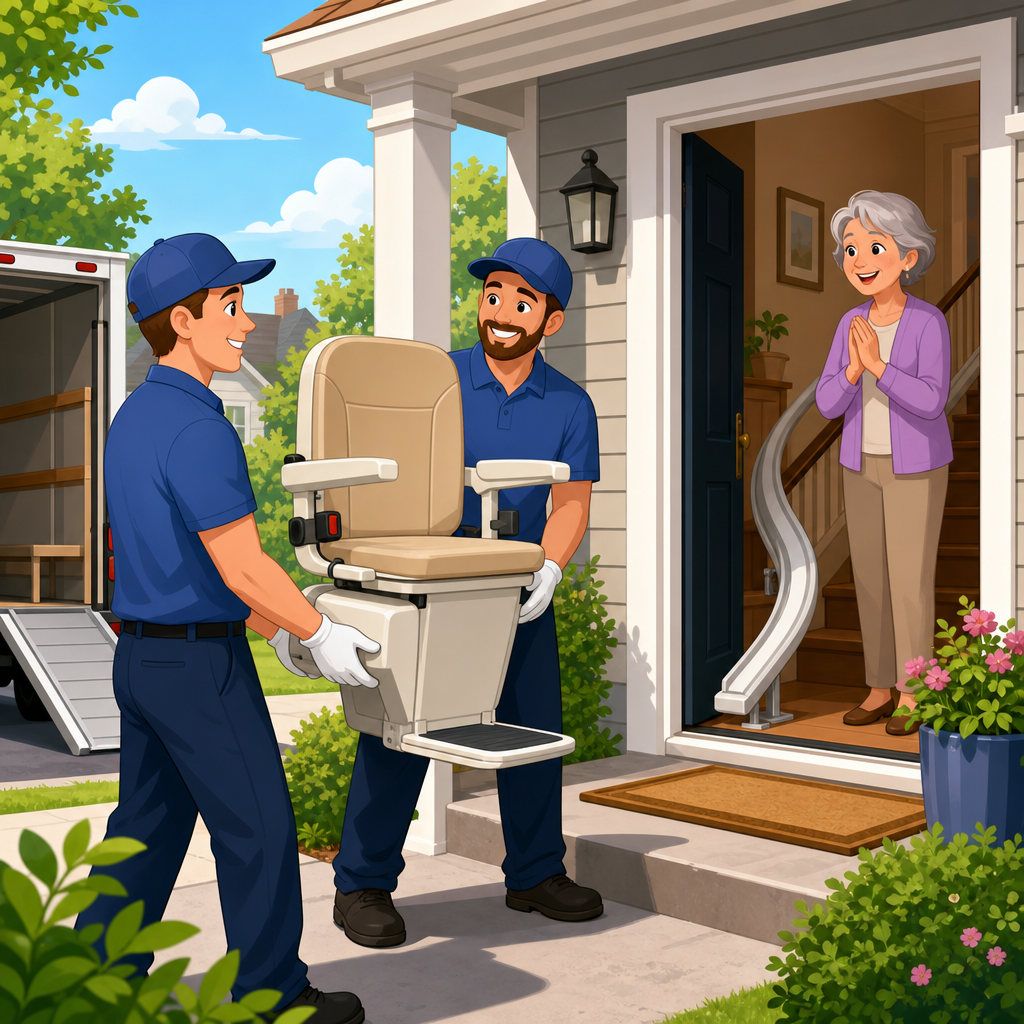
White-glove delivery for chair lifts is a higher-service logistics option designed for products too large, technical, or sensitive for standard freight. In practical terms, the team brings the packaged lift into the home, places components in the intended staging area, checks for visible shipping damage, and removes boxes, pallets, and wrapping. Some retailers extend the service to room-of-choice delivery, pre-installation coordination, or assembly of non-powered accessories. However, buyers should not assume white-glove delivery includes mounting the rail to the stairs, wiring the charger, testing call stations, or teaching the user safe operation. Those tasks generally fall under installation and commissioning.
This distinction matters because stair lifts are sold through two overlapping retail models. The first is the local authorized dealer model, where a dealer surveys the home, orders a system configured for the staircase, and typically bundles delivery with installation. The second is the e-commerce or catalog retail model, where a standard or reconditioned unit is sold online and shipped through a freight partner. In the first model, white-glove handling is often embedded in a full-service quote. In the second, white-glove delivery may be optional and still stop short of installation. If a retailer is vague on that point, ask for a written scope of service.
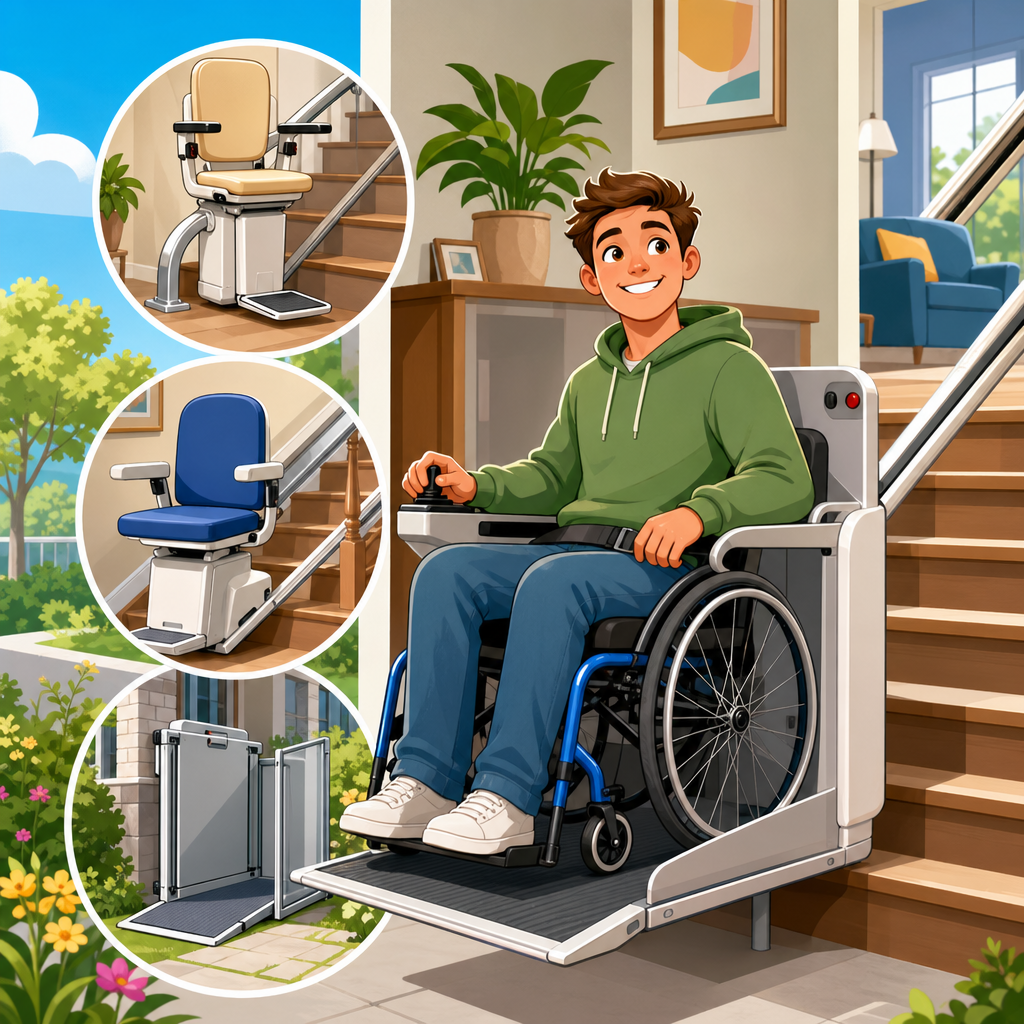
It is also important to define the product correctly. Many consumers search for “chair lift” when they mean a stair lift, a platform lift, or a reclining lift chair. Retailers use these terms differently. White-glove delivery is common for lift chairs and possible for stair lifts, but platform lifts and elevators usually move through contractor channels rather than typical online stores. For this hub, the focus is stair lifts sold through retailers and online stores, because that is where most residential buyers begin the shopping process.
Best places to find white-glove delivery for chair lifts
The most dependable place to find white-glove delivery for a chair lift is an authorized local dealer representing established brands such as Bruno, Harmar, Stannah, Acorn, or Access BDD. Dealers usually control the full workflow: home assessment, quote, ordering, delivery, installation, and after-sales service. Because they own the customer relationship from start to finish, they are less likely to outsource the most critical steps to a general freight carrier. In my experience, this channel consistently produces the fewest delays and the clearest accountability if a rail arrives damaged or a custom unit does not fit as expected.
Brand-direct websites are the next strongest option. Some manufacturers sell through lead-generation websites that route the customer to a local dealer, while others support direct inquiries and coordinate through regional partners. This model works well when the brand has a dense service network and published installation standards. Buyers should confirm whether the website is a manufacturer site, a reseller, or a referral portal. That single detail affects who actually performs the white-glove delivery and who is responsible for warranty labor.
National medical supply retailers and mobility specialists can also be good sources, especially if they maintain local branches. Companies that already deliver hospital beds, scooters, and patient lifts often understand in-home logistics and accessibility needs. Their advantage is familiarity with older homes, narrow entries, and delivery scheduling for customers with limited mobility. Their weakness is that some stores are stronger on portable equipment than on staircase-mounted systems, so ask how many stair lifts they install each month and whether technicians are factory trained.
Large online marketplaces are the least reliable source for true white-glove delivery for stair lifts. They may list “expert assembly” or “threshold delivery,” but those labels often come from generic logistics programs not designed for customized mobility equipment. Marketplace listings can still be useful for price discovery, refurbished inventory, or straightforward lift chairs, yet they are rarely the best first choice for a staircase-specific system that must meet safety codes and manufacturer requirements.
| Retail channel | Typical white-glove scope | Best for | Main risk |
|---|---|---|---|
| Authorized local dealer | In-home delivery, staging, installation coordination, packaging removal | Custom straight or curved stair lifts | Pricing may be less transparent online |
| Brand-direct website | Usually dealer-managed white-glove service after inquiry | Buyers who want manufacturer-backed networks | Lead forms can hide who serves your area |
| Medical supply retailer | Room-of-choice delivery, service scheduling, some installation support | Regional buyers needing broader mobility equipment support | Variable stair lift specialization |
| General online marketplace | Often threshold delivery only; white-glove definitions vary | Price comparison, simple lift chairs | Weak fit assessment and service accountability |
How major retailers and online stores handle service
Authorized dealers tend to provide the clearest service package because they earn margin on assessment, equipment, installation, and maintenance. A dealer selling a Bruno Elite or Harmar Pinnacle system will usually start with a staircase evaluation that includes tread depth, overrun needs, power location, folding clearance, and user transfer requirements. Delivery is then coordinated around installation day, reducing the risk of components sitting in a home before the rail is mounted. That is white-glove delivery in the most useful sense: integrated with a complete mobility project rather than treated as a stand-alone shipping upgrade.
Brand websites often appear similar on the front end, but their operating model matters. Stannah and Acorn, for example, are known for heavily managed customer journeys in many markets, while other brands rely more heavily on dealer networks. A buyer who fills out a form may receive a visit from a factory-employed representative in one region and an independent dealer in another. That is not inherently negative, but it does affect service consistency, service-level agreements, and response times for future repairs.
Online-only stores deserve extra scrutiny. Some specialize in reconditioned straight stair lifts removed from previous homes. These stores can offer meaningful savings, especially when the staircase is standard and the buyer already has measurements from a licensed installer. The problem is that shipping a used rail and carriage through freight without a site survey increases the chance of mismatch. I have seen buyers save on product cost only to spend more correcting rail length, parking position, or power supply placement after delivery.
Warehouse clubs and big-box home improvement chains are not core stair lift retailers, but they sometimes feature partner programs or referral offers. Treat these as lead sources rather than true retail fulfillment channels. The key question is always the same: who is responsible for survey, delivery, installation, and post-install support? If the answer moves through multiple subcontractors, expect more friction if anything goes wrong.
Questions to ask before you pay for white-glove delivery
Start with the scope. Ask whether white-glove delivery includes indoor placement, unpacking, inspection, debris removal, and coordination with installation. Then ask what it specifically excludes. Good retailers answer this in writing. You also need to know whether the service covers stairs inside the home, narrow hallways, weather delays, missed appointments, and rescheduling fees. A chair lift rail can be long and awkward, and access constraints are common in older properties.
Next, ask who performs the service. Is it the retailer’s own team, a manufacturer technician, or a third-party carrier? This determines training, insurance, and accountability. Reputable sellers can provide proof of authorization, explain whether technicians are factory trained, and confirm how warranty claims are handled if shipping damage is discovered during delivery. If a store cannot explain chain of responsibility, that is a warning sign.
Ask about measurements and installation prerequisites. White-glove delivery is only useful if the correct system is arriving. Straight stair lifts are simpler, but even they require accurate measurement from the top landing to the bottom overrun, plus clearance checks for doors and walkways. Curved stair lifts are custom products, often built from digital surveys or photo-measurement systems. For these, it is standard to require a pre-install site visit before production begins.
Finally, ask for total landed cost. Chair lift shoppers often focus on the quoted equipment price and overlook freight surcharges, rural delivery fees, stair carry charges, permit considerations, and service-call minimums. A retailer that provides one transparent project quote is usually more trustworthy than a seller advertising a low base price with vague service language.
Pricing, timing, and red flags buyers should know
White-glove delivery pricing varies by channel and product type. For a straight stair lift sold through a local dealer, delivery may be folded into the installed price, which commonly ranges from roughly $2,500 to $8,000 depending on brand, options, and region. Curved stair lifts are substantially more expensive because the rail is custom manufactured; total project pricing often starts around $10,000 and rises much higher for complex staircases. When a web retailer lists an unusually low price, verify whether it excludes site survey, installation, service warranty, or removal of packaging and old equipment.
Lead times also differ sharply. Straight stair lifts can often be installed within days if inventory is local. Curved lifts generally require a survey, design approval, fabrication, shipping, and installation scheduling, which can take several weeks. During urgent discharge planning from a hospital or rehab facility, families sometimes choose a straight interim solution or rental. Dealers that manage white-glove delivery well will explain these timelines upfront and provide a realistic installation window instead of a vague “ships soon” claim.
Watch for red flags. One is a retailer that offers white-glove delivery nationwide but cannot identify local service technicians. Another is a seller pushing immediate payment before a staircase assessment. A third is ambiguous warranty language that covers parts but not labor, travel, or reinstallation after shipping damage. Also be cautious with refurbished units sold without a documented service history, battery age, or final inspection checklist. Refurbished stair lifts can be excellent values, but only when the seller tests charge systems, seat swivels, footrest sensors, and overspeed governors before dispatch.
The best retailers make safety routine. They discuss weight capacity, seat height, powered swivel options, obstruction sensors, folding rails, and emergency battery operation without being prompted. They also know applicable standards, including ASME A18.1 references in the broader lift category and manufacturer-specific installation instructions. That depth is hard to fake and usually separates true mobility specialists from generic online sellers.
How to choose the right retailer for your home
The right retailer depends on staircase shape, urgency, budget, and the level of support needed after installation. If the staircase is curved, narrow, or split-level, choose an authorized dealer or brand-backed network almost every time. The survey and installation complexity make generic online purchasing too risky. If the staircase is straight and the buyer has access to a trusted local installer, a specialist online store may be reasonable, especially for a reconditioned unit with verified dimensions and service records.
For households supporting an older adult aging in place, service coverage should carry as much weight as initial price. Batteries, charge contacts, remote controls, and seat switches are wear items. A nearby dealer with stocked parts and trained technicians is worth paying for. For second homes or temporary needs, rental programs from local dealers can be a better fit than buying from an online retailer, because delivery, setup, and removal are usually handled as one package.
As this hub for chair lift retailers and online stores shows, white-glove delivery is valuable only when it supports safe, accurate installation and reliable service. Focus on retailers that provide a documented survey, clear in-home delivery scope, named installation responsibility, and transparent warranty support. Start by contacting an authorized local dealer or a manufacturer-backed store, compare the written scope of service against online offers, and choose the seller that can prove accountability from first measurement to final test ride.
Frequently Asked Questions
What does white-glove delivery for a chair lift usually include?
White-glove delivery for a chair lift generally means the product is brought inside the home, placed in the intended area, unpacked, visually inspected, and all packaging materials are removed before the delivery team leaves. This is a major step up from standard freight or curbside delivery, where the chair lift may simply be dropped at the driveway, front entrance, or loading area. Because chair lifts are large, heavy, and made up of multiple components, this extra handling can make the process much easier for buyers, caregivers, and family members.
That said, white-glove delivery should not automatically be confused with full installation. In many cases, the delivery team is responsible for careful transport into the home and basic condition verification, but not for mounting the rail, connecting electrical components, testing travel along the staircase, or adjusting the unit for safe daily use. Some retailers bundle delivery and installation together, while others list them as separate services. That is why it is important to ask for a written breakdown of what is included. The most reliable sellers will clearly explain whether the service covers in-home placement only, room-of-choice delivery, debris removal, assembly of non-mounted parts, or coordination with a licensed or factory-trained installer.
For shoppers comparing providers, the key is to look past the term itself. “White-glove” can mean slightly different things from one seller to another. Before purchasing, ask whether the team will carry the chair lift upstairs if needed, inspect for shipping damage, remove crates and foam, and confirm all components arrived. Those details affect convenience, scheduling, and overall cost, especially for buyers ordering a chair lift through an online retailer rather than a local mobility dealer.
Where can you find retailers or dealers that offer white-glove delivery for chair lifts?
You can usually find white-glove delivery through three main sources: local stair lift dealers, national mobility equipment retailers, and some specialized online sellers. Local dealers are often the strongest option because they commonly handle both delivery and installation in the same service model. They may have in-house staff or regional partners who understand accessibility equipment, staircase measurements, and home-entry logistics. This often leads to a smoother process, especially if the chair lift is custom-configured or being purchased for immediate medical or mobility needs.
National retailers may also offer white-glove delivery, but the service can vary by ZIP code and product type. In some regions, they use trained local subcontractors for in-home delivery and setup coordination. In others, they may offer only threshold or first-room delivery unless professional installation is added. This is why it is smart to check not only the product page but also the shipping policy, service terms, and post-purchase scheduling details. Buyers should confirm whether the advertised delivery level applies specifically to chair lifts, since some retailers use broad delivery language that may refer more to furniture or general durable medical equipment than to stair lift systems.
Online stores can sometimes be a good source as well, but they require more careful vetting. If an online retailer claims to provide white-glove delivery for chair lifts, look for evidence that they regularly sell mobility products, explain the delivery scope in detail, and offer direct customer support. Ask whether they coordinate with installers in your area, whether the package arrives in one shipment or multiple shipments, and whether the delivery crew has experience handling accessibility equipment. The best place to start is usually with dealers authorized by major stair lift brands, because authorized dealers are more likely to understand the practical difference between shipment, in-home delivery, and safe installation.
Is white-glove delivery the same as professional chair lift installation?
No, white-glove delivery and professional installation are usually not the same service, and understanding that distinction is one of the most important parts of shopping for a chair lift. White-glove delivery typically covers the logistics of getting the equipment into the home, unpacking it, checking for obvious shipping damage, and clearing away the packaging. Professional installation, by contrast, involves fitting the rail system to the staircase, securing components properly, connecting power or charging systems, verifying safety sensors, testing operation, and making sure the lift is ready for use.
This difference matters because a chair lift is not a simple plug-and-play household item. Proper installation affects safety, reliability, comfort, and warranty compliance. A delivery team may be excellent at handling fragile or heavy items, but that does not mean they are trained to install a lift on a staircase. In many cases, the manufacturer or dealer will require installation by an approved technician to preserve warranty coverage and ensure the unit meets expected performance standards. For straight stair lifts, the process may be more straightforward than for curved models, but it still requires specialized knowledge.
When comparing offers, ask sellers to define exactly where delivery ends and installation begins. If they advertise “setup,” clarify whether that means actual mounting and testing or only unpacking and indoor placement. Also ask who is responsible if concealed damage is discovered during installation rather than at delivery. The best providers separate these services clearly and provide a full timeline, including delivery date, installer scheduling, and final operational testing. That transparency helps buyers avoid delays, surprise charges, and unsafe assumptions.
What questions should you ask before choosing a white-glove delivery provider for a chair lift?
Before choosing a provider, start by asking what the white-glove service specifically includes. You want to know whether the chair lift will be carried into the home, placed near the staircase, unpacked, inspected, and fully cleared of packaging materials. Then ask what is not included. This is often where the biggest misunderstandings happen. Some companies include room-of-choice placement but not assembly, while others include basic assembly but not staircase installation. Getting these details in writing is the best way to compare providers accurately.
Next, ask about experience and coordination. Find out whether the delivery crew has handled stair lifts before, whether they work directly for the retailer or through a third-party logistics company, and whether the installation team is scheduled separately. If the lift is being installed later, ask where the components should be stored safely until the technician arrives. It is also wise to ask how the company handles narrow hallways, stairs, apartment access, gated communities, or homes with special entry requirements. These practical issues can affect both timing and total cost.
Other important questions include: Is damage inspection done at delivery? Who removes pallets, crates, and foam packaging? Is signature required? Are there extra fees for remote areas, upstairs delivery, or rescheduling? Does the retailer provide a contact person if any parts are missing? Finally, ask whether the service supports your warranty and return process. A reputable provider should be able to explain each step confidently. The more precise the answers, the more likely you are dealing with a retailer that understands chair lift logistics rather than treating the order like a standard parcel shipment.
Why does white-glove delivery matter so much when buying a chair lift?
White-glove delivery matters because a chair lift is a significant mobility purchase, not a typical boxed consumer product. These systems often include long rail sections, heavy motorized components, seats, armrests, footrests, chargers, and hardware that must arrive in good condition and be accounted for properly. A simple curbside drop-off can leave the buyer responsible for moving bulky, awkward pieces into the home, checking for shipping damage, disposing of packing materials, and organizing everything before installation. For many chair lift buyers, especially older adults or households arranging care for a loved one, that can be impractical or unsafe.
There is also a risk-management aspect. With white-glove delivery, the product is usually inspected much earlier and in a more controlled way. That can help catch visible transit damage or missing components before installation is scheduled or attempted. It also reduces the chance that parts will be left exposed to weather, misplaced in the home, or mishandled by people who are not equipped to move them. In short, better delivery can reduce friction at every stage of the buying process.
From a buyer’s perspective, white-glove delivery also creates a clearer handoff between shipping and installation. It helps set expectations, improves convenience, and often signals that the retailer understands the complexity of mobility equipment. While it may add to the upfront cost, many shoppers find that the service is worth it because it saves time, reduces stress, and supports a more professional overall experience. When you are investing in a chair lift for safety and accessibility, the delivery process is not a minor detail; it is part of making sure the purchase goes smoothly from the moment it arrives.