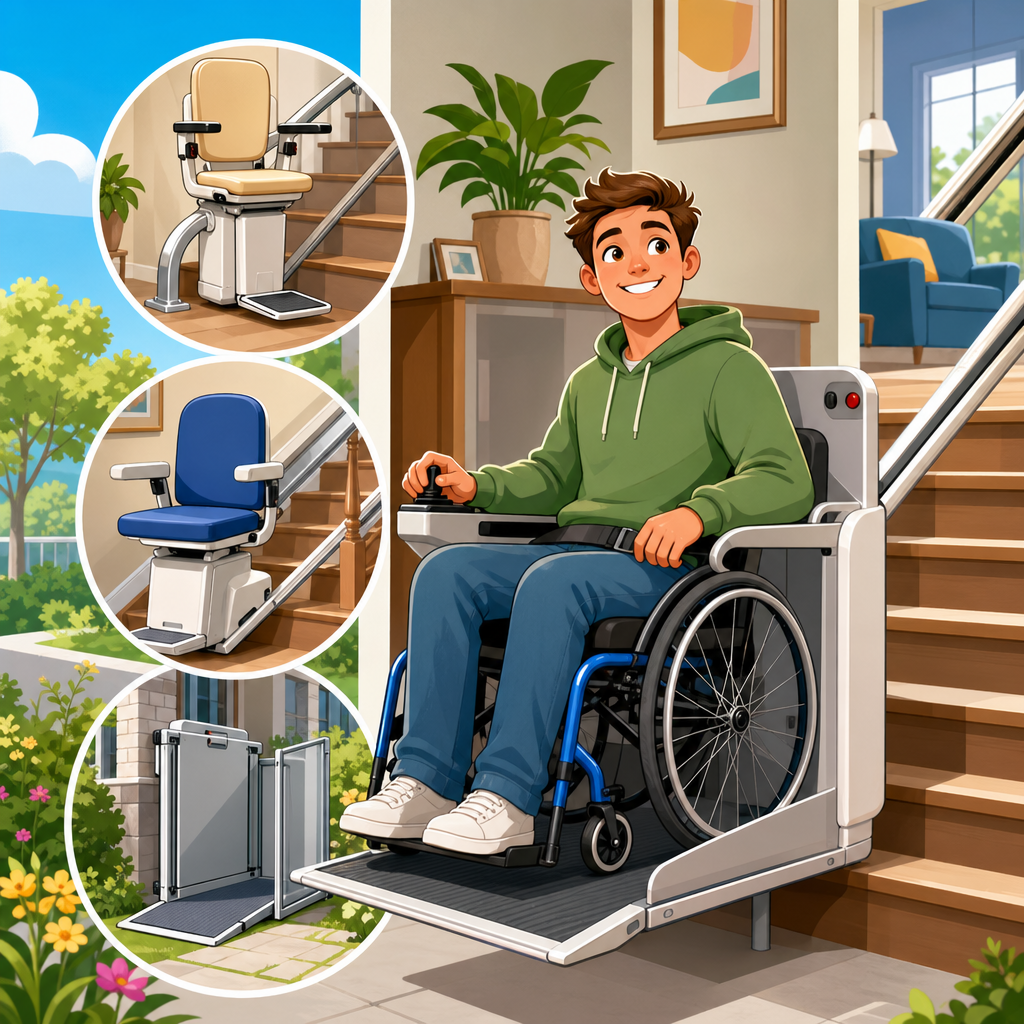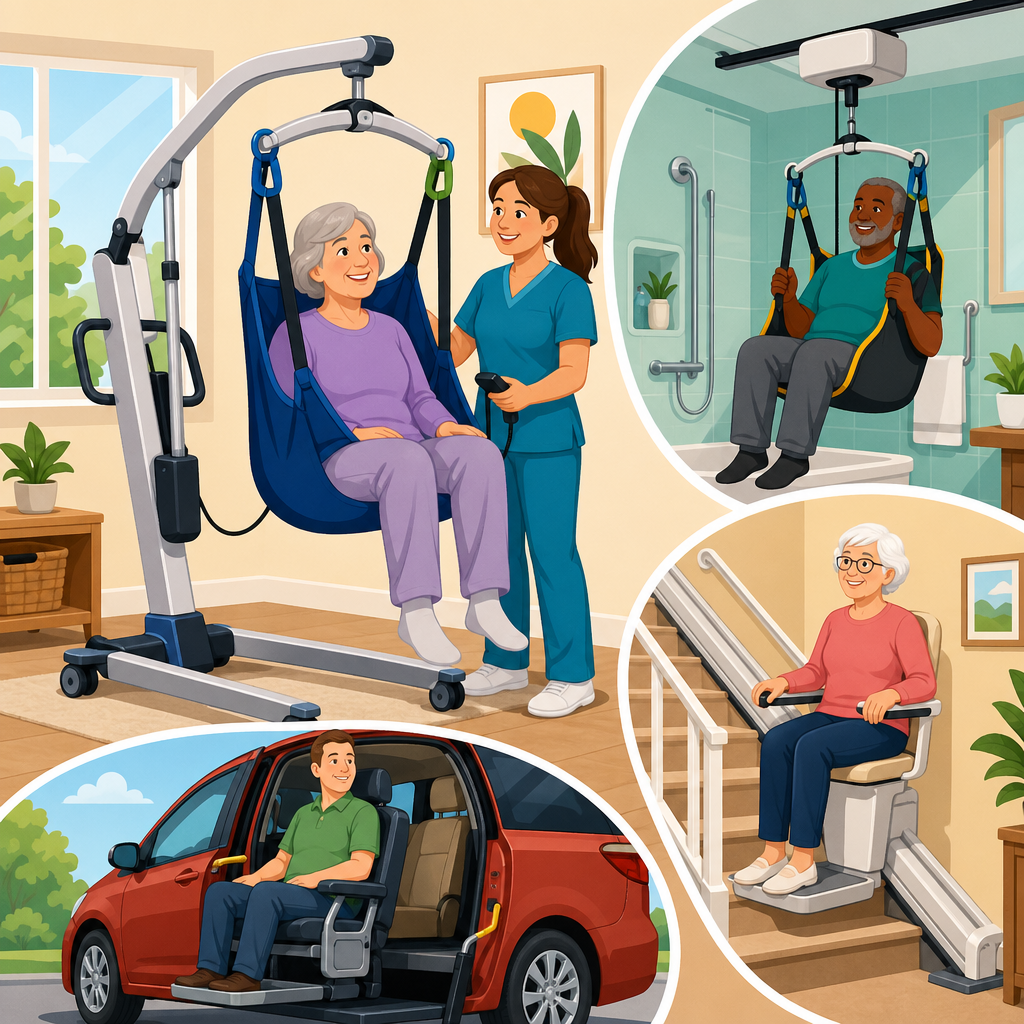
Buying a stair lift online can save time, widen your options, and make side-by-side comparisons easier, but the best place to buy depends on more than price alone. A stair lift is a motorized chair or perch that travels along a rail fixed to a staircase, helping people with limited mobility move safely between floors. In practice, the purchase also includes measurement, installation, warranty support, and future servicing, so the retailer matters as much as the product. I have worked with families comparing dealers, manufacturer-direct sites, marketplace listings, and local mobility specialists, and the pattern is consistent: the cheapest listing is rarely the best value if installation quality, service response, or parts availability are weak. This guide covers the best places to buy a stair lift online, how each type of retailer works, what questions to ask before ordering, and which buying channels fit straight staircases, curved stairs, rental needs, and tighter budgets.
Online stair lift shopping has grown because major brands now publish more model details, quote forms are faster, and remote assessments are more common. Yet stair lifts are not standard consumer electronics. A straight stair lift may be relatively simple because rails are cut to length on site or shipped in standard sections, while a curved stair lift usually requires a custom rail built from precise measurements or a digital photo survey. That difference affects where you should shop. Manufacturer websites often handle custom projects best, national dealers usually offer broad coverage and financing, and local online mobility stores may provide stronger installation accountability. Understanding these channels helps buyers avoid mismatched equipment, hidden fees, and delays. The goal is not simply finding a seller with a checkout button; it is finding a retailer and installation model that deliver a safe, code-conscious, maintainable stair lift with clear after-sales support.
Manufacturer-direct websites are often the best choice for custom-fit stair lifts
For many buyers, the best place to buy a stair lift online is directly from a manufacturer or its official national sales operation. Brands such as Bruno, Stannah, Acorn, Harmar, and Handicare have strong name recognition because they control product design, training standards, and parts supply. When I evaluate manufacturer-direct channels, I look first at whether the company can support the full chain: remote prequalification, in-home assessment, installation by trained technicians or certified dealers, and warranty-backed service. That integrated process matters most for curved stair lifts, outdoor models, heavy-duty lifts, and homes with narrow staircases or unusual landings.
Manufacturer-direct buying usually starts with an online form asking about staircase type, user weight, ZIP code, and whether the lift is needed urgently after surgery or hospital discharge. A reputable seller will then schedule a call and, if appropriate, a site survey. This is a positive sign, not a delay tactic. Stair lift safety depends on seat height, rail overrun, swivel clearance, charging points, obstruction sensors, and folded profile. Direct sellers tend to ask better technical questions because they know exactly how their rails, seats, and power systems behave. They also tend to provide clearer warranty documentation. For example, batteries are commonly covered for a shorter period than major components, and labor coverage may differ from parts coverage. Buying direct reduces finger-pointing between manufacturer and reseller when service is needed later.
The tradeoff is that manufacturer-direct sites may not always advertise transparent pricing upfront, especially for curved lifts that require custom engineering. Buyers who want immediate published prices may find the process slower than shopping general online retailers. Still, for complex installations, direct channels are usually the safest route because product compatibility and service responsibility are clearer.
National mobility dealers offer broad selection, financing, and structured support
National online mobility dealers are another strong option, especially for buyers who want to compare several brands without contacting each manufacturer separately. These retailers usually operate as authorized dealers and combine ecommerce lead generation with local field staff. In real projects, this model works well for standard straight stair lifts because buyers can compare weight limits, seat styles, folded width, and lead times in one place. Many also offer financing, refurbished inventory, rentals in selected markets, and package pricing that includes installation.
A good national dealer behaves less like a generic online store and more like a project coordinator. Its site should explain the difference between straight and curved lifts, list core specifications, define the service territory, and state whether installation is performed by employees or subcontractors. The best dealers also explain what happens after purchase: who performs maintenance, how fast emergency service is available, and whether the retailer stocks batteries, hinges, remotes, and replacement seats. If those details are missing, treat that as a warning sign.
National dealers can be especially useful if you are still deciding whether to buy new, used, or rental equipment. Because they process more volume, they may have better access to refurbished straight lifts and promotional pricing. They are also often stronger on financing than smaller local stores. The downside is variability. A polished website does not guarantee equal service quality in every region, because final installation may depend on local branches or contracted technicians. Before ordering, ask for the installer’s certification, the exact brand and model being quoted, and the full installed price in writing.
Local mobility retailers with online storefronts can deliver better accountability
Local mobility dealers that maintain strong online storefronts are frequently the best place to buy a stair lift online when post-installation support is your priority. These businesses may not rank nationally, but they often deliver the most dependable service because the same company sells, measures, installs, and repairs the equipment. In my experience, that single-point accountability matters enormously once the lift has been in use for six months and a battery, charger, footrest switch, or seat swivel needs attention.
Local online retailers usually know regional housing stock, common staircase layouts, and permitting expectations. In older homes, for instance, narrow staircases, radiator projections, or offset doorways can complicate installation. A local specialist is more likely to have seen those conditions repeatedly and to recommend practical solutions such as a hinged rail, perch seat, or parking position that preserves hallway access. They are also more likely to offer realistic service windows instead of national call-center estimates.
The challenge is quality screening. Some local sites are excellent but sparse on information. Look for clear brand authorization, physical address, service radius, customer reviews that mention installation and repairs, and photos of completed projects rather than stock images alone. If the dealer sells multiple mobility products, that is often a positive sign because it suggests an established accessibility business rather than a lead-generation site. Ask whether technicians are factory trained and whether the company carries common replacement parts locally. Fast local service can justify a slightly higher quote because downtime has real consequences for users who rely on the lift daily.
Online marketplaces should be used cautiously, especially for used stair lifts
Large marketplaces and classified platforms can look attractive because prices appear dramatically lower, but they are rarely the best place to buy a complete stair lift solution. Marketplaces may work for experienced buyers seeking a specific used straight lift rail or a replacement remote, yet they are a high-risk channel for most households. Stair lifts are safety devices tied to staircase dimensions, user needs, battery health, and installation quality. A listing that shows only a chair and several rail sections does not tell you whether all mounting brackets, charging strips, call stations, keys, or safety sensors are included.
Used curved stair lifts on marketplaces are particularly problematic because the rail was custom-made for another home and almost never fits a different staircase. Even used straight lifts require careful verification of rail length, seat condition, gearbox wear, and remaining parts support. Some older models are discontinued, which can make batteries or control boards harder to source. I have seen buyers spend less upfront on a marketplace unit only to discover that local installers will not touch equipment with unknown provenance or missing components. At that point, the apparent bargain disappears.
| Buying channel | Best for | Main advantage | Main risk |
|---|---|---|---|
| Manufacturer-direct site | Curved lifts, custom layouts, outdoor models | Strong product knowledge and warranty alignment | Less transparent upfront pricing |
| National mobility dealer | Comparing brands, financing, standard straight lifts | Broad selection and bundled services | Regional service quality may vary |
| Local online mobility retailer | Hands-on support and faster repairs | Single-company accountability | Less polished websites, fewer brands |
| Marketplace or classifieds | Parts, expert buyers, bargain hunting | Low apparent purchase price | Fit, safety, and service uncertainty |
If you do consider a marketplace purchase, stick to straight lifts, request the exact model number, serial number, age, service history, and complete parts inventory, and confirm in advance that a qualified installer will accept the job. Without those steps, marketplace stair lift shopping is often false economy.
What separates the best online stair lift retailers from weak sellers
The best online stair lift retailers share several traits, and these indicators are more useful than flashy discounts. First, they qualify the staircase before quoting. Any seller willing to “ship today” without asking whether your stairs are straight, curved, split-level, or obstructed is not taking the installation seriously. Second, they publish meaningful specifications: weight capacity, folded width, seat-to-footrest dimensions, power supply requirements, and whether the lift uses rack-and-pinion or cable drive. Third, they explain installation responsibility in plain language. You should know who measures, who installs, whether the rail mounts to stair treads rather than the wall, and what electrical preparation is required.
Fourth, strong retailers discuss service openly. Ask about maintenance intervals, battery replacement expectations, and average repair response times. Most modern stair lifts run on batteries charged from a household outlet, which means they can often continue operating for several trips during a power outage. That is useful, but batteries are consumable items and eventually need replacement. A trustworthy retailer will say so clearly. Fifth, good sellers provide complete written quotes. Those quotes should itemize the chair, rail, power hinge if needed, installation, delivery, tax, removal of old equipment if relevant, and any optional service plan.
Also pay attention to how the retailer handles measurements and photos. Serious sellers often request staircase photos, floor-to-floor dimensions, landing details, and nearby doorway clearance before a final proposal. That process may feel more involved than ordinary online shopping, but it signals competence. For a buyer researching this subtopic deeply, related pages on straight stair lift costs, curved stair lift installation, used stair lift buying tips, and stair lift rental options will help narrow the right channel before requesting quotes.
How to compare price, warranty, installation, and long-term value
Price matters, but the best place to buy a stair lift online is usually the retailer with the best installed value, not the lowest advertised number. Straight stair lifts often cost substantially less than curved lifts because the rail system is standardized. Refurbished straight lifts can reduce the initial bill further, but only if the dealer reconditions the chair, replaces wear items, and supports the model with ongoing service. Curved lifts are almost always bought new because the rail is custom fabricated. Outdoor stair lifts also deserve caution because weatherproofing, covers, and corrosion resistance vary by model.
Warranty comparison should be systematic. Separate parts, motor, gearbox, electronics, batteries, and labor. A long parts warranty paired with a short labor warranty may still leave the owner paying meaningful service call costs. Installation quality is equally important. A poor install can create noise, charging issues, rough starts, or misaligned park positions even when the chair itself is good. Ask whether the retailer performs a final handover that includes safe transfer technique, seat swivel use, seat belt positioning, footrest folding, and emergency stop procedures.
Long-term value also includes resale, transferability, and service network strength. Some brands maintain stronger dealer networks, which can make future support easier if the user moves or if family members need help managing repairs remotely. If budget is tight, ask retailers to quote both new and certified pre-owned straight lifts, and compare not just totals but expected lifespan and support. The best stair lift purchase is the one that remains usable, serviceable, and safe over years of daily trips, not merely the one that wins the first invoice comparison.
The best places to buy a stair lift online are manufacturer-direct websites for custom installations, national mobility dealers for broad comparison and financing, and reputable local mobility retailers for accountability and service speed. Marketplaces and classifieds can work only in narrow situations, usually for experienced buyers seeking straight-lift parts or fully verified used equipment. For most households, the safest buying process includes a staircase assessment, a written installed quote, clear warranty terms, and confirmed post-installation service.
As you evaluate retailers and online stores, focus on fit, support, and transparency. Ask who measures the stairs, who installs the rail, what warranty covers labor, how batteries are handled, and how quickly repairs are scheduled. A stair lift is not just a product; it is an accessibility system that must match the user, the home, and the service network behind it. Start by shortlisting one manufacturer-direct option, one national dealer, and one local specialist, then compare their installed proposals line by line. That approach consistently leads to better stair lift buying decisions and fewer expensive surprises later.
Frequently Asked Questions
What should I look for when choosing the best place to buy a stair lift online?
The best place to buy a stair lift online is usually the retailer or manufacturer that offers the strongest overall buying experience, not simply the lowest advertised price. A stair lift is not a standard plug-and-play purchase. It is a mobility device that must match the user, the staircase, and the home. That means you should look closely at whether the company provides a clear consultation process, accurate measuring guidance, professional installation options, strong warranty coverage, and dependable after-sales support. A reputable seller should explain the difference between straight and curved stair lifts, discuss weight capacity, seat size, folding features, power supply, battery backup, and safety sensors, and help confirm that the model is appropriate for the user’s mobility needs.
It is also important to evaluate transparency. Trustworthy online stair lift providers usually make it easy to understand what is included in the quote, such as the rail, seat, installation, call/send controls, and any customization fees. Some sites advertise a low starting price but leave out key costs until later in the process. In my experience working with families comparing stair lift options, the most reliable companies are the ones that communicate clearly from the beginning, answer questions patiently, and do not pressure buyers into making a quick decision. Reviews, Better Business Bureau ratings, installer network quality, and availability of local service technicians can all tell you a lot about whether a seller will still be helpful after the lift is installed.
Is it safe to buy a stair lift online instead of from a local dealer?
Yes, buying a stair lift online can be safe and practical, provided you buy from a reputable company that has a solid process for assessment, installation, and service. Many well-known stair lift brands now operate online or through online quote systems, and for many shoppers, this makes it easier to compare models, features, warranties, and prices without scheduling multiple in-home visits right away. Online shopping can save time and often gives you access to more brands than a single local showroom. It can also help families research options together, especially when adult children are helping a parent choose the right mobility solution.
That said, safety depends on what happens after the online order, not just the website itself. A properly fitted stair lift needs accurate staircase measurements and correct installation. For straight staircases, the process is often simpler because the rail is typically standardized, but curved staircases usually require custom measurement and fabrication. The safest online sellers are those that either handle installation through trained technicians or work with experienced local partners. They should also be willing to discuss the user’s mobility limitations, including whether the person can safely transfer onto the seat, use the armrests, and operate the controls. In short, buying online is not inherently less safe than buying locally, but it is only a good choice when the seller treats the purchase as a full-service mobility solution rather than just shipping a product in a box.
Is it better to buy directly from a stair lift manufacturer or from an online mobility retailer?
Both can be good options, and the better choice depends on your priorities. Buying directly from a manufacturer can be appealing because you are dealing with the source of the product. Manufacturers often have deep knowledge of their own models, access to factory-trained installers, and straightforward warranty handling. If you already know you want a specific brand, buying direct may streamline the process. In some cases, manufacturers also offer custom solutions more easily, especially for curved stair lifts or specialized seating needs. This route can be especially reassuring for buyers who want confidence that the installer and service team are closely tied to the actual product maker.
On the other hand, a strong online mobility retailer may offer broader comparisons and a more neutral perspective across several brands. That can be valuable if you are not sure which stair lift best fits the staircase, the budget, or the user’s physical needs. A good retailer can help you compare features side by side, identify differences in warranty terms, and explain when a lower-cost option makes sense and when it does not. The key is to confirm that the retailer is not simply acting as a lead generator. You want a company that remains accountable for the full process, including consultation, measurement, installation coordination, and future support. In practice, the best place to buy is the seller that combines product expertise with responsive service and long-term reliability, whether that is the manufacturer or a specialized online retailer.
How can I compare stair lift prices online without missing important costs?
When comparing stair lift prices online, the most important step is to make sure you are comparing complete installed costs rather than headline prices. Many shoppers see a low advertised figure and assume it covers the whole project, but stair lift pricing can vary significantly based on the staircase shape, rail length, seat upgrades, weight capacity, installation labor, and warranty level. Straight stair lifts are usually more affordable because the rail is simpler and often available in standard lengths. Curved stair lifts cost more because the rail must be custom-built to match turns, landings, and intermediate bends. If you are reviewing quotes, ask each company exactly what is included and whether the number covers delivery, installation, remote controls, folding rails, power swivel seats, and future service visits.
It is also wise to ask about ongoing ownership costs. Some companies include only a basic warranty, while others provide longer coverage for parts, motor, gearbox, batteries, or labor. Find out how service calls are handled after installation and whether there is a local technician network in your area. If the stair lift is for long-term use, dependable maintenance support may be worth paying more upfront. I usually recommend creating a simple checklist and scoring each option based on product fit, installation quality, warranty, service response, and total price. This approach helps prevent a common mistake: buying the cheapest quote only to discover later that service is slow, warranty coverage is limited, or necessary features were treated as extras. The best value is the option that delivers safe fit, reliable operation, and strong support over time.
What questions should I ask before ordering a stair lift online?
Before ordering a stair lift online, ask questions that cover the entire life cycle of the purchase, from selection to installation to long-term service. Start with fit and suitability. Ask whether the model is designed for a straight or curved staircase, what minimum staircase width is required, what the weight capacity is, and whether the seat height, armrests, and footrest will work comfortably for the user. If the buyer has limited balance, reduced hand strength, or difficulty bending the knees, ask which features may make transfers easier and safer. You should also ask whether the lift runs on batteries, what happens during a power outage, and what safety sensors are built in to stop the unit if an object is on the stairs.
Next, ask detailed questions about logistics and support. Who measures the staircase, and how is accuracy confirmed? Who installs the lift, and are they trained specifically on that brand? How long does installation usually take? What exactly does the warranty cover, and for how many years? If the lift stops working, how quickly can a technician respond? Is phone support available, and are replacement parts readily available? Finally, ask about return policies, cancellation terms for custom curved rails, and whether there are financing, rental, or reconditioned options if budget is a concern. The companies worth trusting online are usually very comfortable answering these questions in detail. If a seller is vague, rushed, or unwilling to explain service arrangements, that is a sign to keep looking. With a stair lift, peace of mind matters just as much as the equipment itself.