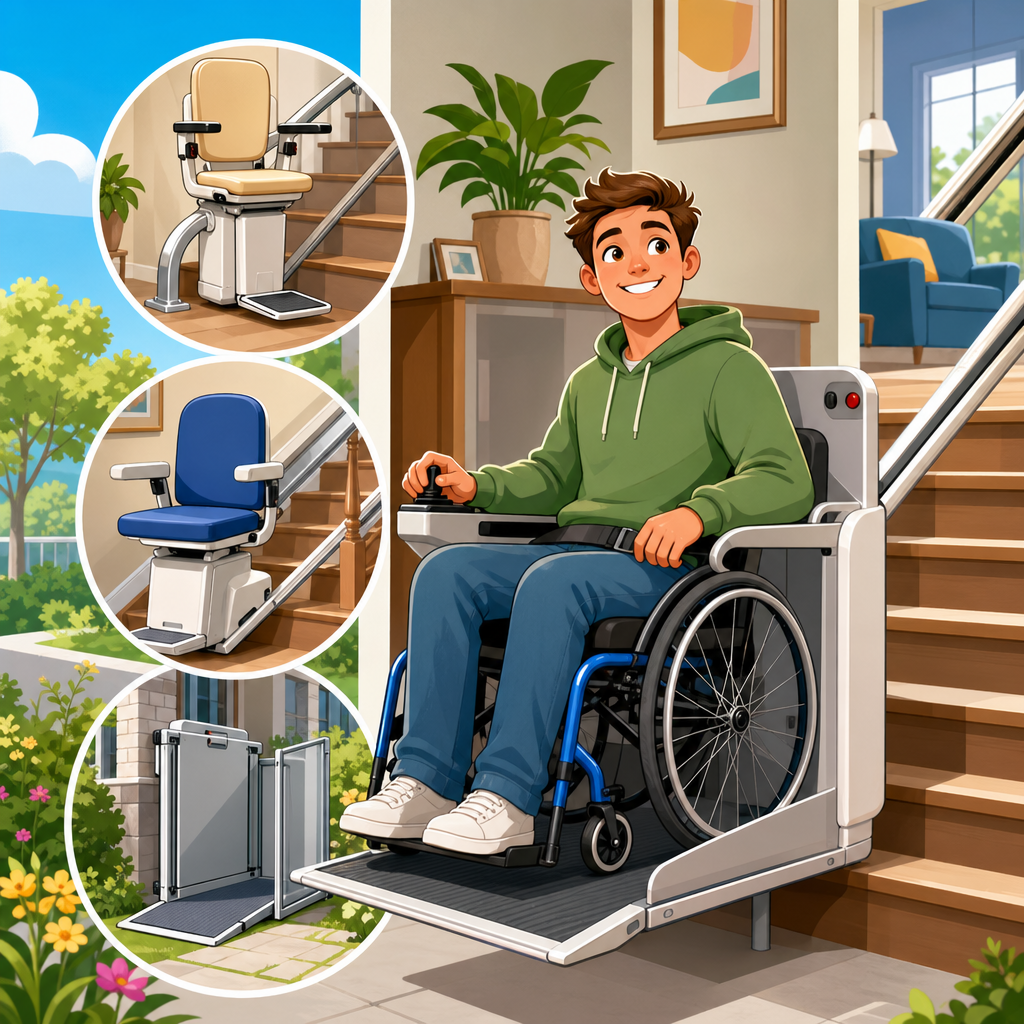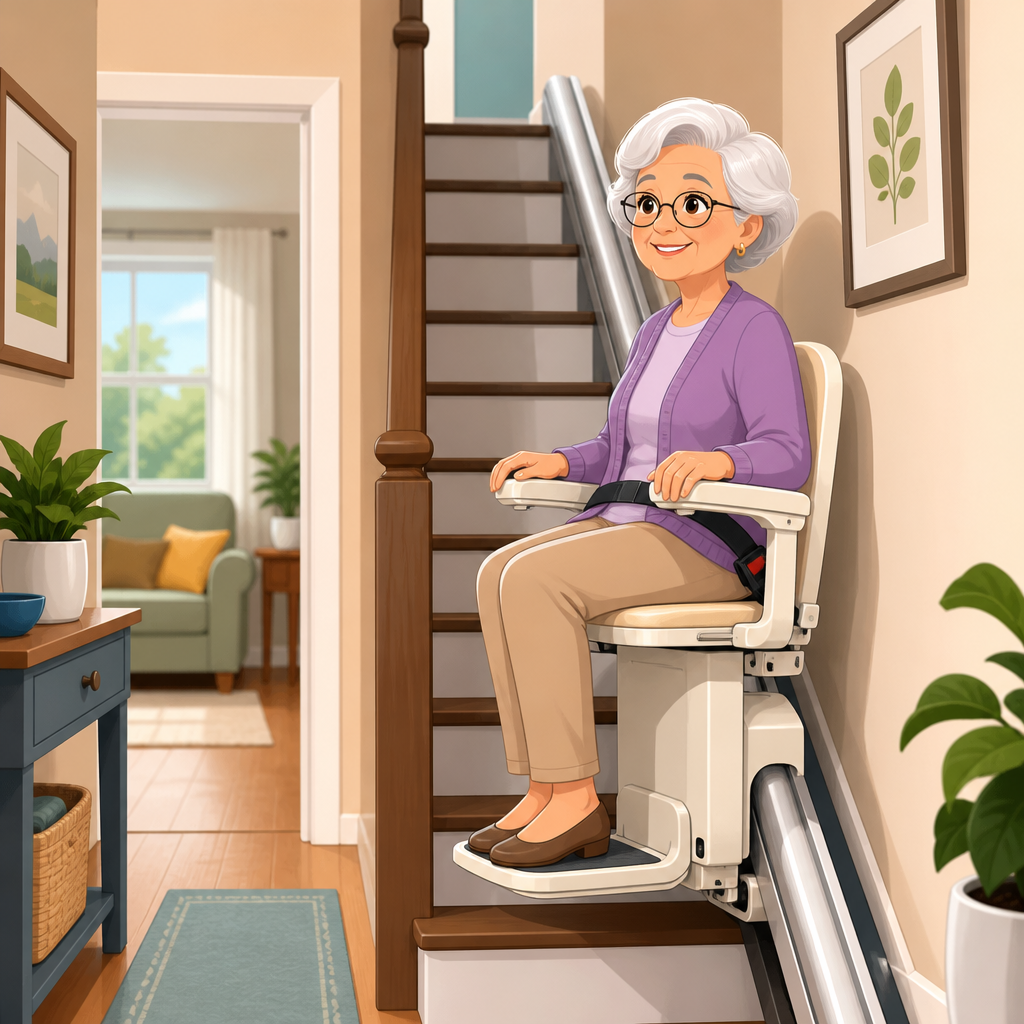
Finding the best stair lifts for seniors in small or narrow homes starts with understanding how a chair lift actually fits, performs, and protects independence when square footage is limited. In the stair lift industry, the terms stair lift and chair lift are often used interchangeably, and both describe a motorized seat that travels along a rail mounted to the staircase rather than the wall. For older adults aging in place, this equipment can turn a multi-level home from a daily hazard into a practical long-term living space. That matters because falls remain one of the leading causes of injury among adults over sixty-five, and stairs are a common trouble spot, especially in older houses with tight landings, steep risers, and narrow treads.
I have reviewed stair lift specifications, installation measurements, and in-home layouts enough to know that “small home compatible” is not a marketing label; it is a set of very specific engineering constraints. The best chair lifts for seniors in compact homes need slimmer folded profiles, swiveling seats that make transfers safer, rails that preserve walking space, and controls simple enough to use with limited dexterity or vision changes. They also need reliable battery backup, because a power outage should not leave a user stranded between floors.
This guide is the hub for anyone researching the best chair lifts for seniors, especially when the home has narrow stairs, awkward hallway clearances, or little room at the top or bottom landing. You will learn what dimensions matter, which features deserve priority, how straight and curved models differ, what common brands do well, and where tradeoffs appear. The goal is not to push one product blindly. It is to help you compare stair lifts the way an installer, occupational therapist, and careful family buyer would: by safety, fit, comfort, maintenance needs, and total value over time.
What makes a stair lift suitable for small or narrow homes
A stair lift for a compact house must solve one problem above all others: preserving usable stair width while still giving the rider a stable seat and predictable travel path. In practical terms, that means paying attention to the folded width, which is the amount of space the chair, arms, footrest, and carriage occupy when parked. Many standard models fold to roughly twelve to fifteen inches from the wall or rail edge, but in genuinely narrow homes, every inch changes whether another person can still walk past the parked lift.
Installers usually want at least about twenty-nine to thirty inches of staircase width for many straight stair lifts, though some models can work in tighter conditions depending on rail design and local code interpretation. Narrow does not simply mean the staircase looks small. It means there may be limited knee clearance, a short bottom run, or a top landing where the user cannot step off safely unless the seat swivels and locks securely. In several older homes I have assessed, the key issue was not the stair width itself but the lack of standing room at one end of the staircase.
For these homes, the best stair lifts tend to include a compact seat base, a folding footrest, and call-send controls so the unit can be parked away from the main living area. Some also offer hinged rails, often called folding rails, which raise the lower section of rail when not in use. That feature is particularly useful when the rail would otherwise block a doorway, hallway, or radiator at the bottom of the stairs. It adds cost and another moving part, but in a narrow entryway it can make installation possible when a fixed rail would create a tripping hazard.
Straight stair lifts versus curved stair lifts
The first major buying decision is whether the home needs a straight stair lift or a curved stair lift. A straight stair lift is designed for a staircase with no turns, intermediate landings, or directional changes. These units are generally less expensive, faster to install, and easier to service because the rail is manufactured in standard sections. In many small homes with a simple flight of stairs, a straight model is the best value and often the quickest path to safe mobility.
A curved stair lift is required when the staircase turns, has pie-shaped steps, or includes one or more landings. The rail is custom made to follow the precise geometry of the stairs. Curved lifts are more expensive because they require detailed measurement, fabrication, and often longer lead times. However, in narrow older homes with winding staircases, they are often the only realistic solution. A well-designed curved rail can also park the chair around a corner, which may free valuable hallway space and reduce the visual impact of the lift.
The tradeoff is straightforward. Straight lifts win on price, replacement speed, and simplicity. Curved lifts win on fit for complex layouts. Buyers should not try to force a straight lift onto a staircase that really needs a custom curve, because transfer safety at the landing is more important than shaving the purchase price. If a rider cannot dismount onto a stable, open surface, the installation has failed its most important test.
Key features that matter most for seniors
Not every premium feature deserves equal weight. For seniors, the most important stair lift features are safety, ease of transfer, and day-to-day usability. A swivel seat with positive locking positions is essential because it allows the rider to turn toward the landing before standing. A retractable seat belt, obstruction sensors on the footrest and carriage, and battery-powered operation are equally important. Nearly all reputable modern units use batteries that charge continuously from the rail, letting the lift run during a household power outage.
Seat height and arm spacing also matter more than brochures suggest. Users with arthritis, reduced hip mobility, or a walker often need a seat that is not too low and armrests sturdy enough to support a controlled sit-to-stand transfer. Controls should be intuitive, typically a rocker switch or ergonomic toggle rather than a tiny button cluster. If hand strength is limited, powered swivel and powered footrest functions can reduce bending and twisting, although they add cost.
Noise level is another practical issue in small homes. Rack-and-pinion and cable-driven systems vary in sound and ride feel. The quietest units are more pleasant in close quarters, especially in homes where the staircase is adjacent to a bedroom or main sitting area. Upholstery should be easy to clean, and the rail should allow secure parking without creating a pinch point at the landing.
| Feature | Why it matters in small homes | Best for |
|---|---|---|
| Folding seat, arms, and footrest | Reduces obstruction on narrow stairs | Homes with shared stair access |
| Hinged rail | Keeps rail from blocking doorways or halls | Short bottom landings |
| Swivel seat with lock | Improves safe dismount at tight landings | Seniors with balance concerns |
| Battery backup | Allows travel during power outages | All users, especially single occupants |
| Call-send controls | Parks the chair away when not in use | Multi-person households |
| Powered footrest or swivel | Reduces bending and twisting | Users with arthritis or limited flexibility |
Best chair lift brands and models to compare
When buyers ask for the best chair lifts for seniors, a few brands consistently come up because they have broad dealer networks, established parts support, and model lines suited to different stair shapes. Bruno is widely respected for solid build quality and comfortable seats. The Bruno Elan is a common straight stair lift recommendation for compact homes because it has a relatively slim folded profile and dependable battery operation. The Bruno Elite offers a higher weight capacity and a more substantial seat, though its larger dimensions may matter on very tight stairs.
Stannah remains one of the most recognized names globally. Models such as the Stannah 260 for straight stairs and Stannah 600 for curved layouts are known for smooth ride quality and strong customization options. Stannah dealers often do a good job addressing difficult landings, and that matters in narrow homes where transfer geometry is everything. Harmar’s Pinnacle series is another frequent contender, especially for buyers focused on efficiency and slim rail design. Harmar also offers heavy-duty options, but compact-home shoppers should verify folded dimensions carefully before choosing a larger seat.
Handicare, Access BDD, and Acorn also serve this market. Handicare’s straight and curved systems often include useful seating and parking variations for challenging spaces. Acorn has strong consumer visibility and broad availability, though buyer experience can vary more by local dealer and installation quality than by brochure features alone. That point is critical: the best stair lift brand is only as good as the measuring, installation, and service support behind it. A top-tier model installed poorly on a narrow staircase will underperform a mid-range model installed precisely.
For seniors who need a higher weight capacity, heavy-duty stair lifts exist, but they generally require more staircase width and more room at the landings. In a truly narrow home, there may be a tension between capacity, seat size, and pass-through space. An honest dealer should discuss those constraints openly rather than promising a fit that the staircase cannot safely support.
How to evaluate fit, installation, and total cost
Before choosing any model, measure the staircase and the surrounding traffic path exactly. Professional stair lift companies measure from the top landing to the bottom, note tread depth, riser height, nosing projection, handrail location, door swing, and available standing area. They also assess whether the rail needs an overrun, which extends beyond the top or bottom step to improve mounting or dismounting. In a narrow home, an overrun can improve safety, but only if there is room for it without obstructing circulation.
Installation is usually completed in a few hours for straight lifts and longer for curved systems once the custom rail arrives. The rail mounts to stair treads, not usually to the wall, which surprises many first-time buyers. Structural integrity still matters, but most conventional wooden staircases can accommodate a lift when inspected and installed correctly. Reputable installers test charging points, seat swivel locks, stop positions, and obstruction sensors before handoff.
Cost varies widely. Straight stair lifts often start in the low thousands installed, while curved stair lifts can run several times higher because of custom fabrication. Additional costs may include powered options, hinged rails, extended warranties, or service plans. Used and refurbished stair lifts can lower the price, especially for straight staircases, but the savings only make sense if the unit is reconditioned properly and supported with available parts. Curved used lifts are more difficult because the rail is custom to a prior staircase.
Warranty terms deserve close attention. Look for coverage on the motor, gearbox, rail, electronics, and batteries, and ask what labor is included after installation. Also ask how quickly the local dealer can respond to a service call. For a senior who relies on the lift daily, downtime is not a minor inconvenience; it can effectively cut off half the home.
Choosing the right stair lift for long-term independence
The best stair lifts for seniors in small or narrow homes are the ones that match the staircase, the rider, and the home’s daily traffic pattern without compromise on safe transfers. In most compact houses, a straight stair lift with a slim folded profile, swivel seat, battery backup, and call-send controls offers the best balance of safety and value. When the staircase turns or the landing space is awkward, a custom curved stair lift is usually worth the extra expense because correct fit is what prevents falls.
As the hub for best chair lifts for seniors, this guide should help you narrow your next questions: Does the staircase require a straight or curved rail? How much folded clearance remains for other household members? Is the top and bottom landing safe for getting on and off? Which local dealer has the strongest installation and service reputation? Answer those questions before comparing upholstery colors or optional upgrades.
If you are buying for yourself, a parent, or a client, schedule in-home assessments from two or three reputable stair lift providers and ask each one to explain the same measurements, safety features, and warranty terms. That side-by-side comparison is the fastest way to identify the best chair lift for a narrow home and to invest with confidence in safer, longer independence.
Frequently Asked Questions
Will a stair lift fit in a small or narrow home?
In many cases, yes. A stair lift can often be installed in small or narrow homes because the rail mounts directly to the stairs, not the wall, which makes it possible to work within tight layouts. Modern stair lifts designed for compact spaces typically include slim rails, fold-up seats, folding footrests, and armrests that reduce how much room the unit takes up when not in use. That matters in homes where every inch of staircase width affects day-to-day movement for other family members.
The key measurement is not just whether the staircase looks narrow, but whether there is enough clear space for safe operation and walking access. Installers usually evaluate staircase width, landing size, headroom, door placement, and any turns or obstructions near the top or bottom. In a straight staircase, fitting a lift is often simpler and more affordable. In curved or winding staircases, a custom rail may still make installation possible, even in a compact footprint.
If space is especially limited, some models are made specifically for narrower stairways and have tighter seat profiles and more compact carriage systems. A professional in-home assessment is the best way to determine fit because it confirms both technical compatibility and practical usability. For seniors aging in place, the goal is not just getting a lift onto the stairs, but making sure it supports safe, comfortable travel without making the home feel crowded or difficult to navigate.
What features matter most when choosing a stair lift for a narrow staircase?
When shopping for the best stair lift for a narrow home, the most important features are the ones that preserve both safety and space. A folding seat, footrest, and armrests should be high on the list because these allow the lift to stay out of the way when it is parked. A slim rail system also helps reduce the amount of stairway the unit occupies. Together, these features make a major difference in homes where the staircase serves multiple users and cannot be blocked by bulky equipment.
Beyond size, safety features are essential. Look for seat belts, swivel seats for safer entry and exit, obstruction sensors that stop the lift if something is in the way, and reliable start-and-stop controls for smooth riding. Seniors with limited balance, arthritis, or reduced mobility often benefit from controls that are simple to operate and seats that are easy to get on and off. Some stair lifts also include remote call/send controls, which are especially useful if more than one person uses the lift or if the homeowner wants to park it away from the main living area.
Battery backup is another important feature. Most quality stair lifts run on battery power and charge when parked, which allows the lift to keep working during a power outage. In a small home where stairs may be the only route to a bedroom or bathroom, that reliability matters. Ultimately, the best model balances compact design, comfort, and safety so the lift feels like a practical part of everyday living rather than a cumbersome addition.
Are straight or curved stair lifts better for small homes?
Neither type is automatically better for a small home; the right choice depends on the shape of the staircase. Straight stair lifts are used for staircases that run in one direct line with no turns or intermediate landings. They are generally simpler to install, faster to order, and less expensive than curved models. For many small homes, a straight lift is the most efficient and cost-effective solution because it provides the mobility support needed without requiring a custom rail system.
Curved stair lifts are designed for staircases with bends, landings, spirals, or unusual layouts. In older or tighter homes, that kind of configuration is common. While curved lifts cost more because the rail is custom-made to match the staircase, they are often the only option that can provide safe, continuous travel from one level to another. In some cases, a curved rail can actually improve usability in a compact home by allowing better parking positions at the top or bottom landing, keeping the chair from sitting in the way.
The decision should be based on staircase design, not just budget. A professional assessment can determine whether a straight unit will work or whether a curved system is required for safety and functionality. In small homes, this step is especially important because the wrong configuration can create access issues at landings or interfere with nearby doors and walkways. The best stair lift is the one that fits the home correctly and lets the senior move between floors with confidence.
How safe are stair lifts for seniors aging in place?
Stair lifts are considered one of the safest mobility solutions for seniors who want to remain in multi-level homes. They are designed to reduce the risk of falls, which is one of the most serious hazards associated with stairs. Instead of climbing steps while dealing with balance issues, joint pain, weakness, or fatigue, the user sits securely in a motorized chair and rides along the rail at a controlled speed. For many older adults, that added stability can make the difference between staying in the home and needing to relocate.
Most reputable stair lifts include several built-in safety features. These commonly include a seat belt, lockable controls, swivel seating for safer transfers at the landing, footrest sensors, carriage obstruction sensors, and smooth acceleration and stopping systems that prevent jarring movement. Many models also have battery operation, which is important during power failures. In a narrow home, these features are especially valuable because there may be less room for maneuvering on the stairs or at the landing.
That said, safety also depends on proper installation, correct fit, and user ability. The chair should be comfortable to enter and exit, and the senior should be able to operate the controls without confusion or strain. If the user has significant cognitive impairment, severe transfer limitations, or complex medical needs, a stair lift may need to be evaluated alongside other accessibility solutions. When professionally installed and matched to the user’s mobility level, a stair lift is a highly effective tool for aging in place and maintaining independence in a home with limited space.
How much do stair lifts for small or narrow homes typically cost?
The cost depends mainly on whether the staircase is straight or curved, how customized the installation needs to be, and which comfort or safety features are included. Straight stair lifts are usually the more affordable option because they use standard rail sections and involve less complex installation. Curved stair lifts are more expensive because the rail must be custom-built to follow the exact turns and dimensions of the staircase. In small or narrow homes, custom work may sometimes be needed to improve fit, parking position, or landing access, which can affect the final price.
Other cost factors include weight capacity, seat style, power options, upgraded upholstery, folding features, and warranty coverage. Some homeowners also pay for ongoing service plans or future maintenance, which is worth considering when comparing quotes. While it may be tempting to focus only on the lowest initial price, long-term reliability, support, and safety should carry just as much weight. A stair lift is not just a household convenience; it is an accessibility device that directly affects daily independence.
If budget is a concern, ask about financing, refurbished units, rentals for temporary needs, and local assistance programs. Some dealers offer reconditioned straight stair lifts at lower prices, although availability depends on staircase type and local inventory. The best approach is to get a detailed in-home estimate that explains what is included, what customization is necessary, and how the lift will function in the specific space. That way, seniors and families can make a confident decision based on value, safety, and fit rather than price alone.